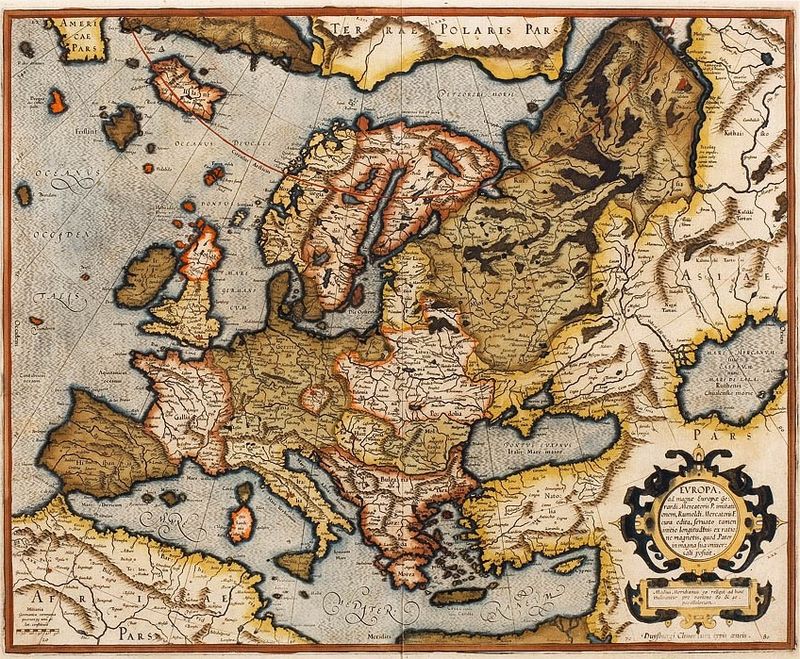
Gerardus Mercator's map assists explorers
Italy
Cartography
Exploration
3 min read
Updated By: History Editorial Network (HEN)
Published:
Updated:
Gerardus Mercator, a prominent cartographer of the 16th century, created a map that significantly aided explorers and navigators during the Renaissance. His innovative approach to map-making introduced the Mercator projection, which allowed for straight-line navigation. This was particularly beneficial for maritime exploration, as it enabled sailors to plot a course across the oceans with greater accuracy. The projection preserved angles, making it easier for navigators to maintain a consistent compass direction. As a result, Mercator's map became a crucial tool for explorers venturing into uncharted territories, facilitating the Age of Discovery and expanding global trade routes. The impact of his work extended beyond navigation; it also influenced the way geographical knowledge was disseminated and understood in Europe, contributing to the broader intellectual movement of the Renaissance. The map's widespread adoption by explorers and navigators underscored its importance in the advancement of cartography and exploration during this transformative period in history.
#mooflife
#MomentOfLife
#GerardusMercator
#Map-making
#RenaissanceExploration
#MercatorProjection
#Cartography

Explore the Life Moments of
 AI Twin