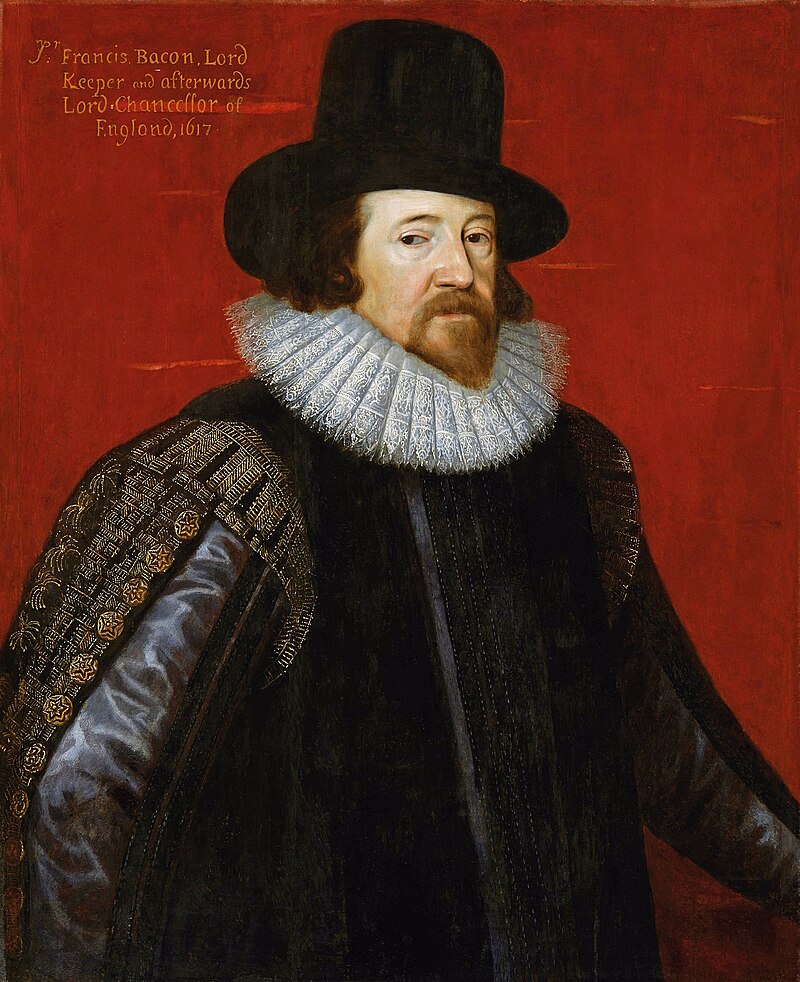
Sir Francis Bacon Pioneering Modern Scientific Thought
Italy
Science
Philosophy
4 min read
Updated By: History Editorial Network (HEN)
Published:
Updated:
Sir Francis Bacon, born in 1561, is recognized as a pivotal figure in the development of modern scientific thought. His work laid the groundwork for the Scientific Revolution, a period characterized by significant advancements in scientific inquiry and methodology. Bacon's approach emphasized empirical evidence and the importance of observation, which contrasted sharply with the prevailing reliance on ancient texts and philosophical speculation. He advocated for the systematic collection of data and the use of experimentation to validate theories, principles that are foundational to the scientific method used today. His writings, particularly 'Novum Organum', introduced the idea of inductive reasoning, which involves drawing general conclusions from specific observations. This marked a shift from the deductive reasoning that had dominated prior scientific thought, allowing for a more rigorous and testable approach to understanding the natural world.
The impact of Bacon's ideas extended beyond his lifetime, influencing generations of scientists and philosophers. His emphasis on observation and experimentation paved the way for later figures such as Galileo and Newton, who further developed the scientific method. Bacon's vision of a collaborative scientific community also contributed to the establishment of scientific societies, which became crucial in the dissemination of knowledge and the advancement of research. The principles he championed not only transformed the landscape of science but also had profound implications for technology, medicine, and the overall understanding of the universe. Today, Bacon is often celebrated as a foundational figure in the history of science, with his contributions continuing to resonate in contemporary scientific practices.
#mooflife
#MomentOfLife
#FrancisBacon
#ScientificRevolution
#ModernScience
#EmpiricalEvidence
#InductiveReasoning

Explore the Life Moments of
 AI Twin