
Netherlands

The Land of Tulips and Windmills
About
#Amsterdam
#Dutch
#Netherlands
Life Classification
Country
Life ID
EL6344904891762
Verified Name
netherlands
Life Type
Entity Life
Life Editor(s)
History Editorial Network (HEN)
Life Privacy
Public
Subscription
Elite
Created On
2024-07-22
Updated On
2025-12-19
Connect
Related Lives

History of Internet & Social Media
From Cold War Wires to Global Web

Academy Awards
The Oscars

Burundi
The Land of a Thousand Hills

Nobel Prize in Literature
Inspiring through literature

Bhutan
Land of the Thunder Dragon
Kenya
The Cradle of Humankind

Iran
The Land of Persia

Olympics
The Grandest Stage of All

2026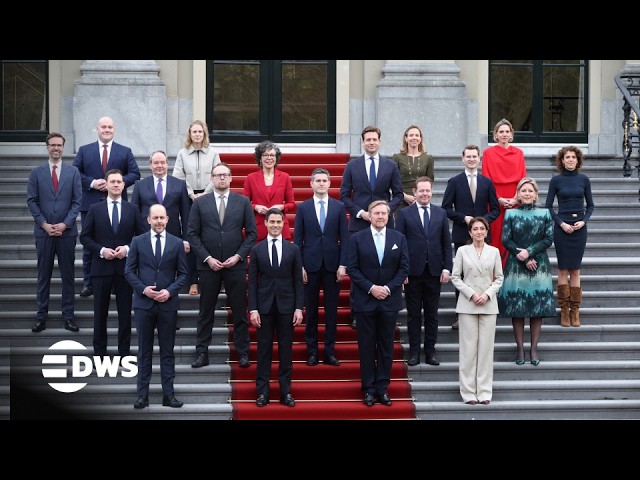
On 23/02/2026, Rob Jetten was officially sworn in as Prime Minister of the Netherlands by Willem-Alexander at Huis ten Bosch Palace. At 38 years old, Jetten became the youngest Prime Minister in Dutch history and the country’s first openly gay head of government. The swearing-in ceremony marked the formal conclusion of coalition negotiations that followed months of political uncertainty after the 2025 snap general election.
Jetten leads a three-party minority coalition composed of Democrats 66, People's Party for Freedom and Democracy, and Christian Democratic Appeal. The coalition controls 66 of the 150 seats in the House of Representatives, requiring the government to seek support from opposition parties to pass legislation. The cabinet consists of 18 ministers and 10 state secretaries. Key appointments include Dilan Yeşilgöz as Deputy Prime Minister and Minister of Defence, Bart van den Brink as Deputy Prime Minister, Eelco Heinen as Minister of Finance, and Tom Berendsen as Minister of Foreign Affairs.
The government formation followed the snap general election held on 29/10/2025, which was triggered by the collapse of the previous Schoof cabinet in June 2025 amid disagreements over asylum policy. The formation process lasted approximately 117 days. In the election, D66 emerged as joint-largest party alongside the Party for Freedom, positioning Jetten to lead coalition negotiations. The minority arrangement reflects the fragmented parliamentary landscape and the need for issue-based cooperation.
The coalition agreement, titled “Getting to Work!”, outlines several policy priorities. On defense, the government plans significant increases in military spending, partially financed through a new “freedom contribution” tax. Social policy proposals include reducing the duration of unemployment benefits and accelerating the scheduled rise in the state pension age. On climate and housing, the cabinet reaffirmed commitments to emissions reduction targets and proposed large-scale residential construction, including plans for new urban developments to address the housing shortage.
The swearing-in ceremony at Huis ten Bosch Palace formalized the start of Jetten’s premiership and the beginning of a minority government that will depend on cross-party negotiations to advance its legislative agenda.
View details2025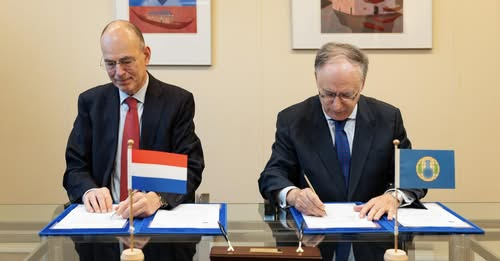
he Netherlands government has contributed €500,000 to the Organisation for the Prohibition of Chemical Weapons (OPCW) missions in Syria, reaffirming its commitment to international chemical weapons disarmament and global security. The funding is intended to support OPCW operations that verify the destruction of chemical weapons stockpiles, investigate alleged chemical attacks, and assist in compliance monitoring under the Chemical Weapons Convention. The Netherlands emphasized that the contribution reflects its continued support for multilateral efforts to prevent the use of chemical weapons and to uphold international law in conflict zones, particularly in Syria, where chemical weapons have been a persistent concern since the outbreak of the civil war.
The contribution carries both diplomatic and security significance. Financial support enables OPCW teams to maintain operational capacity, conduct field inspections, and strengthen verification mechanisms, which are critical for preventing chemical weapons proliferation. Diplomatically, the Netherlands’ involvement demonstrates alignment with European and international partners committed to enforcing norms against weapons of mass destruction. The funding also reinforces accountability and transparency in Syria, supporting efforts to protect civilian populations from chemical attacks. Analysts note that contributions like these highlight the role of smaller nations in sustaining global security frameworks and ensuring that international treaties are effectively implemented. Overall, the €500,000 contribution underscores the Netherlands’ commitment to chemical weapons non-proliferation, multilateral cooperation, and the promotion of peace and security in Syria and beyond.
View detailsA court in the Netherlands has ordered the government to significantly reduce nitrogen emissions by 2030, warning that failure to meet the required targets could result in financial penalties. The ruling followed legal action brought by environmental groups, which argued that existing government policies were insufficient to protect nature reserves from excessive nitrogen pollution. Nitrogen emissions, largely produced by agriculture, construction, and transport, have long been a major environmental issue in the Netherlands, damaging biodiversity and violating European environmental regulations. The court found that the state has a legal obligation to safeguard protected natural areas and ruled that clearer, stronger, and more enforceable measures are necessary to achieve emission reductions within the set timeframe.
The decision has wide-ranging environmental, economic, and political significance. Environmentally, it reinforces the urgency of addressing nitrogen pollution to restore ecosystems and comply with national and European conservation laws. Economically, the ruling places pressure on sectors such as farming and infrastructure development, which may face stricter regulations, reduced activity, or costly transitions to cleaner practices. Politically, the judgment intensifies an already sensitive debate, as nitrogen reduction policies have previously sparked protests from farmers and raised concerns about food production and livelihoods. At the same time, the ruling strengthens the role of the judiciary in holding governments accountable for climate and environmental commitments. Overall, the court order underscores the growing legal and societal demand for concrete action on environmental protection and highlights the challenges governments face in balancing sustainability with economic and social interests.
View details2020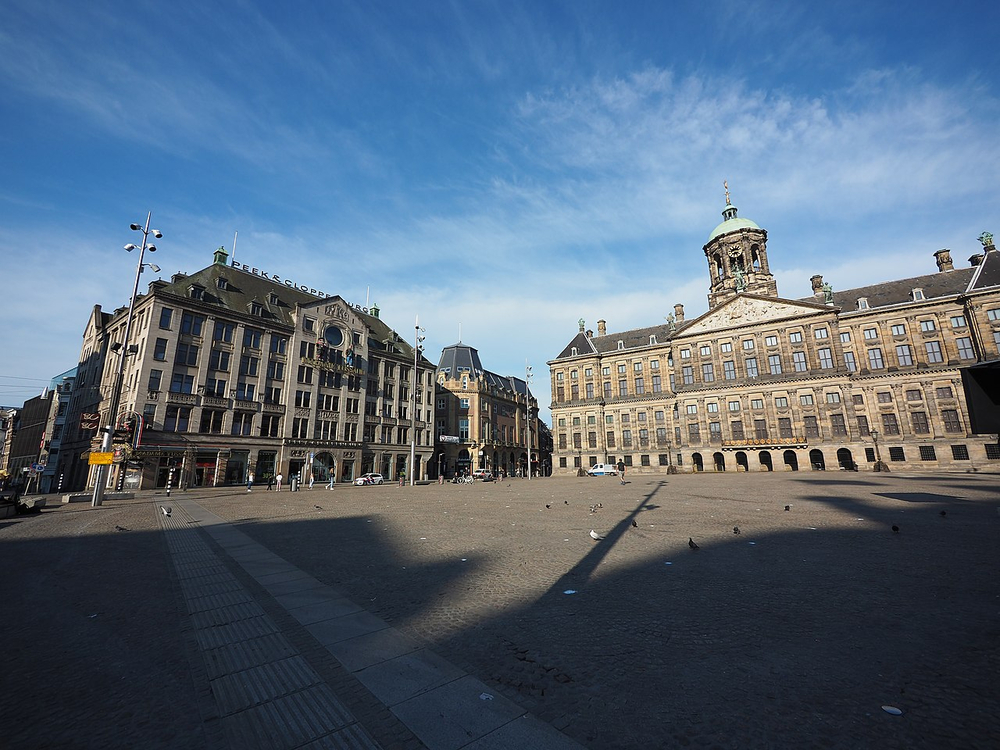
In 2020, the Netherlands experienced the full force of the COVID-19 pandemic, significantly impacting various industries across the country. The outbreak led to strict measures, including lockdowns and social distancing protocols, to curb the spread of the virus. As a result, businesses faced unprecedented challenges, with many struggling to adapt to the new normal.
The tourism sector was one of the hardest hit, as travel restrictions and safety concerns led to a sharp decline in international visitors. The closure of borders and the cancellation of events and festivals dealt a severe blow to the hospitality and entertainment industries. Additionally, the retail sector suffered as shops were forced to close their doors or limit their operations, causing a significant drop in sales.
The healthcare industry faced immense pressure as hospitals reached capacity and healthcare workers worked tirelessly to care for COVID-19 patients. The demand for medical supplies and equipment surged, leading to shortages in essential resources. Furthermore, the education sector had to quickly pivot to online learning, presenting challenges for students, teachers, and parents alike.
The economic impact of the pandemic was profound, with job losses and financial insecurity affecting many individuals and families. Government intervention through stimulus packages and support measures helped alleviate some of the strain, but the road to recovery remained long and uncertain for businesses and the workforce.
Despite the challenges, the pandemic also brought about a sense of unity and resilience within the Dutch community. People came together to support each other, frontline workers were hailed as heroes, and innovative solutions emerged to navigate the crisis. As the country gradually reopened and vaccination efforts ramped up, there was hope for a brighter future ahead.
#Netherlands #COVID19 #PandemicImpact #IndustryDisruption
View details2014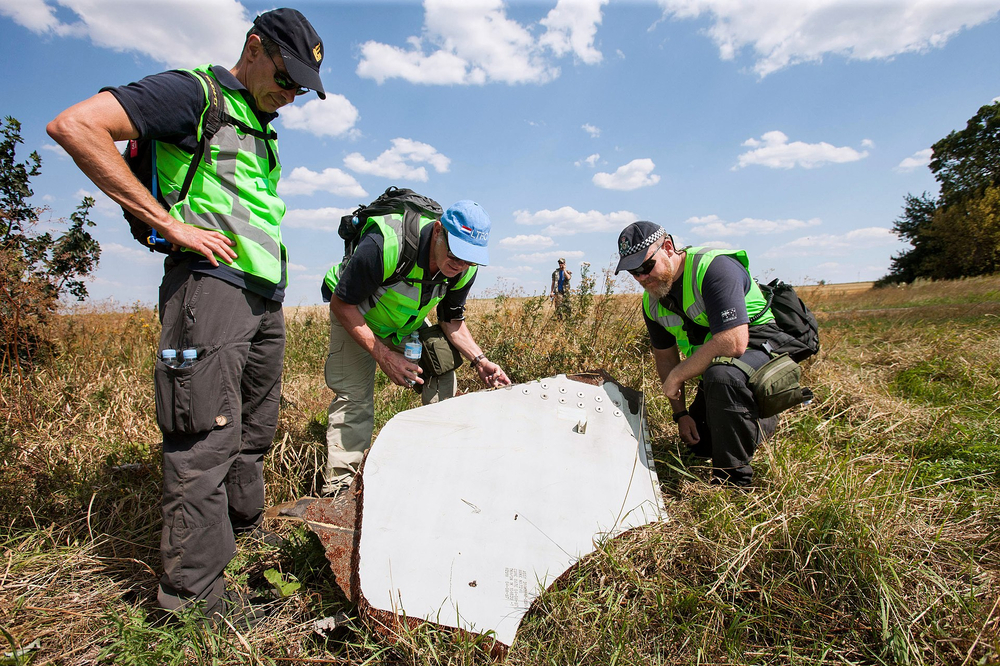
The MH17 plane crash in Ukraine resulted in a tragic loss of many Dutch nationals. The flight was en route from Amsterdam to Kuala Lumpur when it was shot down over eastern Ukraine, a region embroiled in conflict between Ukrainian forces and pro-Russian separatists.
The impact of the crash was profound, with all 298 passengers and crew losing their lives. Among them, 193 were Dutch citizens, making it one of the deadliest aviation disasters involving Dutch nationals. The Netherlands mourned the loss of so many of its citizens in a single catastrophic event.
The crash sparked international outrage and led to calls for a thorough investigation to determine the cause of the incident. It was later revealed that the plane was downed by a surface-to-air missile, likely launched by the separatists in the region. The tragedy brought to light the dangers of flying over conflict zones and raised questions about airline safety protocols.
In the aftermath of the crash, the Netherlands played a key role in efforts to repatriate the victims and seek justice for the perpetrators. The country joined forces with other affected nations to push for accountability and ensure that those responsible for the disaster were brought to justice.
The MH17 plane crash in Ukraine was a somber reminder of the human cost of conflict and the need for greater international cooperation to prevent such tragedies from happening again. It forever changed the lives of the families and loved ones of the victims, who continue to mourn their loss and seek closure.
#MH17 #Netherlands #AviationDisaster #ConflictZone #Justice
View details2013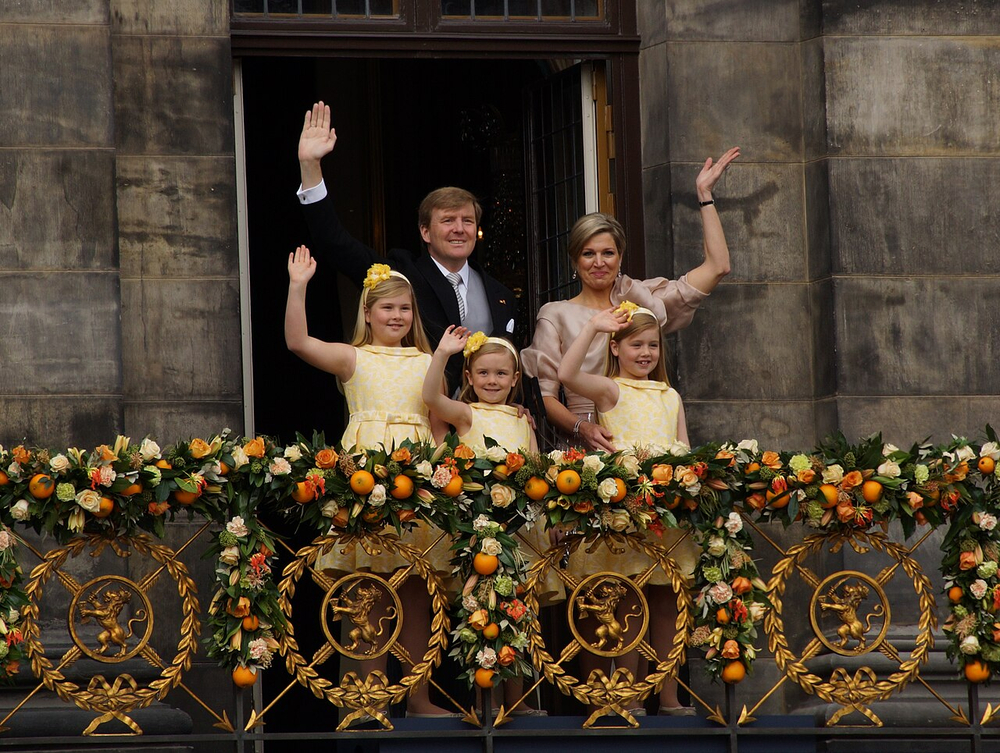
Beatrix, Queen of the Netherlands, announced her abdication after a 33-year reign in favor of her son, Willem-Alexander. The proclamation was made in light of the tradition of transferring royal duties to the next generation during the prime years of service. This decision marked a historical moment as Willem-Alexander became the first Dutch male monarch in over a century.
Upon his ascension to the throne, Willem-Alexander took on the title of King of the Netherlands. His investiture at Nieuwe Kerk in Amsterdam was attended by dignitaries and royalty from around the world. The new king and his wife, Queen Maxima, were warmly received by the Dutch people, who celebrated the occasion with festivities across the country.
As the new monarch, King Willem-Alexander pledged to continue the legacy of his mother and serve his country with dedication and humility. He emphasized the importance of unity and inclusivity in moving the nation forward, connecting with the Dutch population through his approachable and down-to-earth demeanor.
The transition of power from Queen Beatrix to King Willem-Alexander symbolized a new chapter in the Dutch monarchy, blending tradition with a fresh perspective. The event captured the attention of the international community and highlighted the stability and continuity of the Dutch royal family.
#Netherlands #WillemAlexander #RoyalAscension #DutchMonarchy
View details2002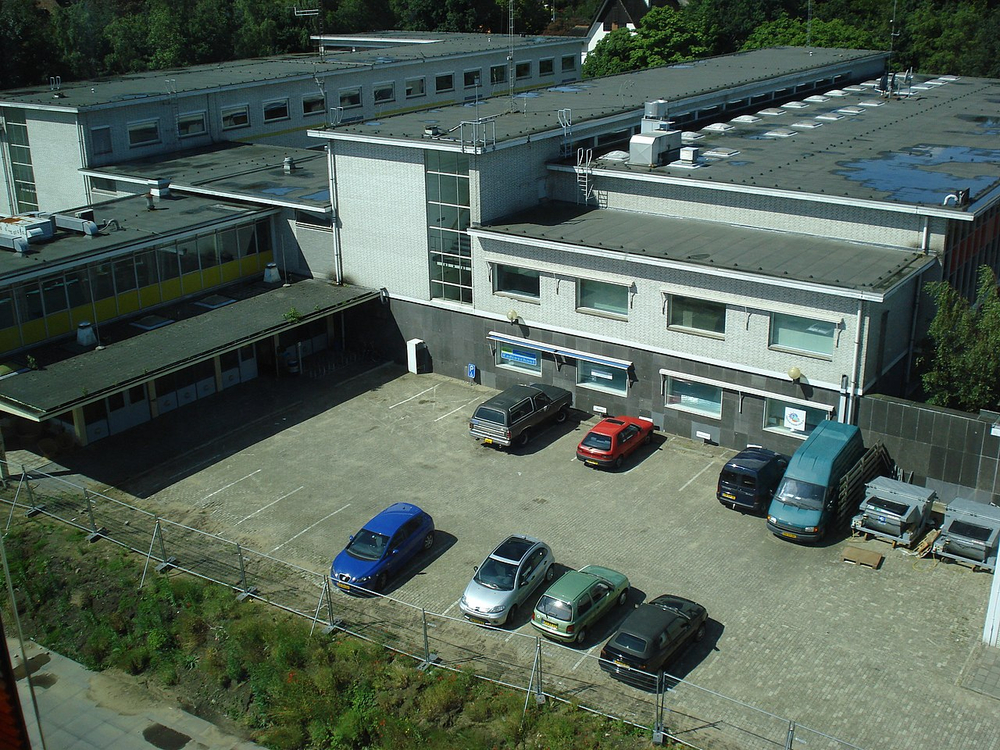
Pim Fortuyn, a prominent Dutch politician known for his controversial views on immigration and Islam, was assassinated by an animal rights activist outside a radio station in Hilversum. The assailant, Volkert van der Graaf, shot Fortuyn multiple times, leading to the politician's death.
Fortuyn was a polarizing figure in Dutch politics, gaining popularity for his strong stance on limiting immigration and his criticism of multiculturalism. His anti-establishment rhetoric resonated with many disillusioned voters, propelling his political party to significant success in the polls.
The assassination of Pim Fortuyn shocked the Netherlands and sent shockwaves throughout the political landscape. It led to a period of national mourning and raised concerns about the state of political discourse in the country.
The murder of Fortuyn also had a profound impact on the upcoming elections, as his party had been expected to perform strongly. In the aftermath of the assassination, there was a reevaluation of security measures for politicians in the Netherlands.
The death of Pim Fortuyn left a void in Dutch politics and stirred debates about the role of extremism in political discourse. It also highlighted the need for greater protection for public figures and raised questions about the responsibility of the media in fostering a climate of political intolerance.
The assassination of Pim Fortuyn remains a dark moment in Dutch history, serving as a reminder of the fragility of democracy and the dangers of extremism in politics. It continues to be a topic of discussion and reflection in the Netherlands, shaping the way the country approaches issues of political dissent and security.
#PimFortuyn #Assassination #DutchPolitics #Extremism #Netherlands
View detailsThe legalization of euthanasia in the Netherlands marked a significant shift in the country's approach to end-of-life care. Stemming from a long history of debates on the topic, the Dutch government passed a law allowing terminally ill patients to request euthanasia under strict conditions. This pivotal change came after years of public discourse, medical advancements, and evolving ethical considerations in Dutch society.
The impact of this decision was profound. It provided a legal framework for individuals suffering unbearable pain or with no hope for recovery to choose a dignified end to their lives. The legislation outlined stringent guidelines, including the requirement for patients to be mentally competent and for physicians to confirm the irreversibility of their condition. Additionally, the role of a second independent doctor in the decision-making process ensured thorough evaluation of each case.
In its wake, the legalization of euthanasia in the Netherlands sparked global discussions on end-of-life rights, sparking both criticism and admiration. Critics voiced concerns about the potential for abuse and the ethical implications of intentionally ending a life, while supporters praised the law for respecting individual autonomy and relieving unnecessary suffering.
The legalization of euthanasia in the Netherlands exemplifies a progressive stance on end-of-life issues and reflects the country's commitment to patient-centered care and individual autonomy. As debates continue and perspectives evolve, the Dutch experience serves as a reference point for countries grappling with similar ethical dilemmas surrounding death and dying.
#Euthanasia #Netherlands #EndOfLifeCare #Autonomy #MedicalEthics
View details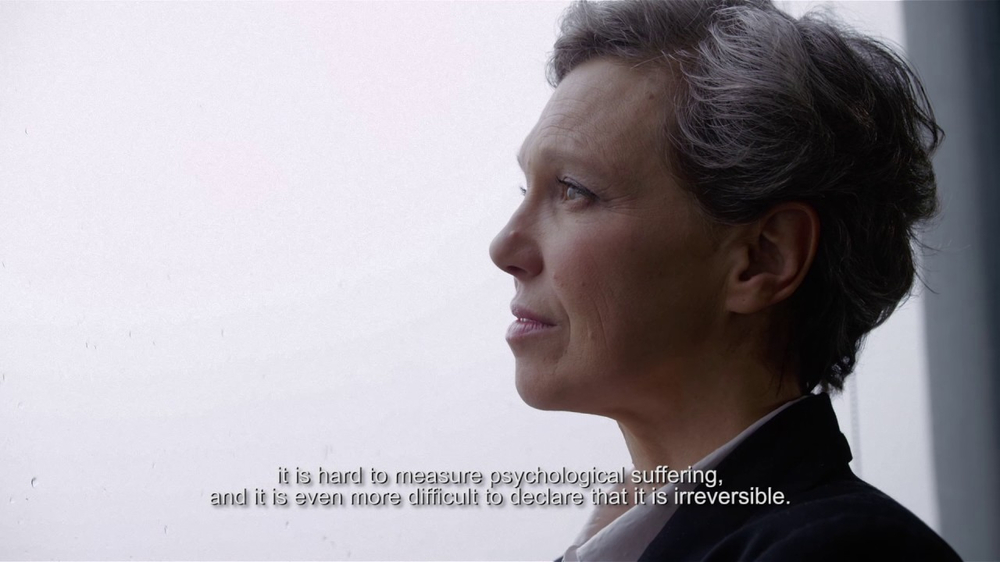
2001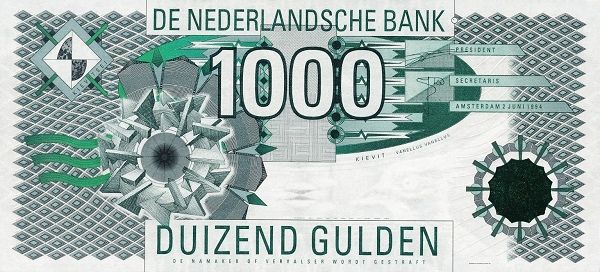
In the early 2000s, the Netherlands bid farewell to their centuries-old currency, the Dutch guilder, in favor of the euro. The transition to the euro marked a significant shift within the country's financial landscape, aligning it with the broader European Union's monetary system.
The introduction of the euro in the Netherlands was part of a larger initiative to promote economic integration and facilitate easier trade and monetary transactions across European countries. This move aimed to streamline financial processes and eliminate the costs and complexities associated with converting between different currencies.
The impact of this currency change was felt across various sectors in the Netherlands. Businesses had to update their systems, pricing, and accounting practices to accommodate the new currency. Consumers had to adjust to using and understanding the value of the euro in their daily transactions. Additionally, the shift to the euro sparked discussions about national identity and the country's place within the EU.
Despite some initial challenges and nostalgia for the familiar guilder, the euro eventually became fully integrated into the Dutch economy. The Netherlands embraced the euro as its official currency, forging stronger economic ties with its European neighbors and contributing to the overall stability of the eurozone.
Overall, the introduction of the euro as the official currency in the Netherlands ushered in a new era of economic collaboration and harmonization within Europe. It symbolized the country's commitment to European unity and cooperation, while also reflecting the realities of an increasingly interconnected global economy.
#Netherlands #Euro #CurrencyTransition #EuropeanUnion #EconomicIntegration
View detailsIn the early 2000s, the Netherlands made history by becoming the first country to legalize same-sex marriage. This groundbreaking decision marked a significant step forward in the fight for LGBTQ+ rights. Prior to this milestone, the Netherlands had already established itself as a pioneer in promoting equality and tolerance.
The legalization of same-sex marriage in the Netherlands had a profound impact both domestically and internationally. It set a precedent for other countries to follow suit and sparked conversations about equality and human rights on a global scale. The move was celebrated by LGBTQ+ communities around the world as a symbol of progress and acceptance.
The decision to legalize same-sex marriage in the Netherlands was the result of years of advocacy and activism by LGBTQ+ individuals and allies. It represented a victory for love, equality, and social justice. The Dutch government's progressive stance on marriage equality reflected its commitment to creating a more inclusive and diverse society.
The legalization of same-sex marriage in the Netherlands was a turning point in the fight for LGBTQ+ rights. It paved the way for further advancements in equality legislation and challenged societal norms and prejudices. The Netherlands' bold decision sent a powerful message that love is love, regardless of gender.
#Netherlands #MarriageEquality #LGBTQ+Rights #EqualityForAll
View details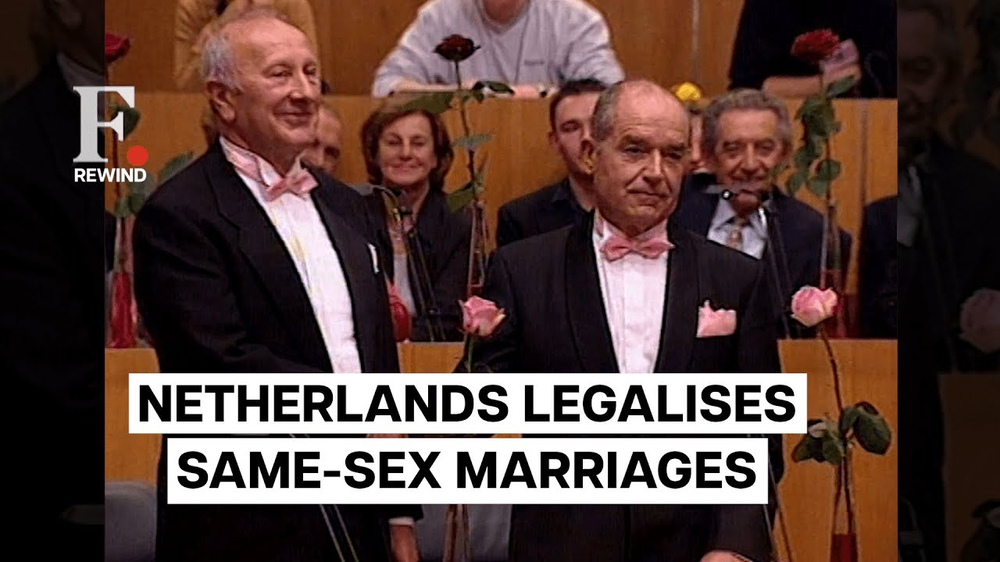
1987
In 1957, the Netherlands saw a pivotal moment with the introduction of the Social Security Act. This legislation laid the foundation for the country's welfare state by implementing a system of social insurance and assistance for its citizens. The Act aimed to provide financial protection and support to individuals and families in times of need, such as unemployment, sickness, disability, or old age.
The Social Security Act established various social security schemes, including unemployment benefits, disability benefits, and old-age pensions. It mandated employers and employees to contribute to these programs through payroll taxes, ensuring a sustainable source of funding. The Act also set eligibility criteria to determine who could receive assistance, based on factors like income, age, and employment history.
The introduction of the Social Security Act had a profound impact on Dutch society. It helped alleviate poverty, reduce inequality, and improve the overall well-being of the population. By providing a safety net for individuals facing hardships, the Act promoted social stability and economic security. It also reflected the government's commitment to ensuring the welfare of its citizens and promoting social justice.
The Social Security Act represented a significant step towards building a more inclusive and equitable society in the Netherlands. It marked a shift towards a more comprehensive approach to social welfare, emphasizing the collective responsibility of the state and society to care for its members. The Act laid the groundwork for the development of a comprehensive welfare state that continues to shape social policy in the country today.
#SocialSecurityAct #WelfareState #Netherlands #SocialJustice #SocialInsurance #SocialStability
View details1972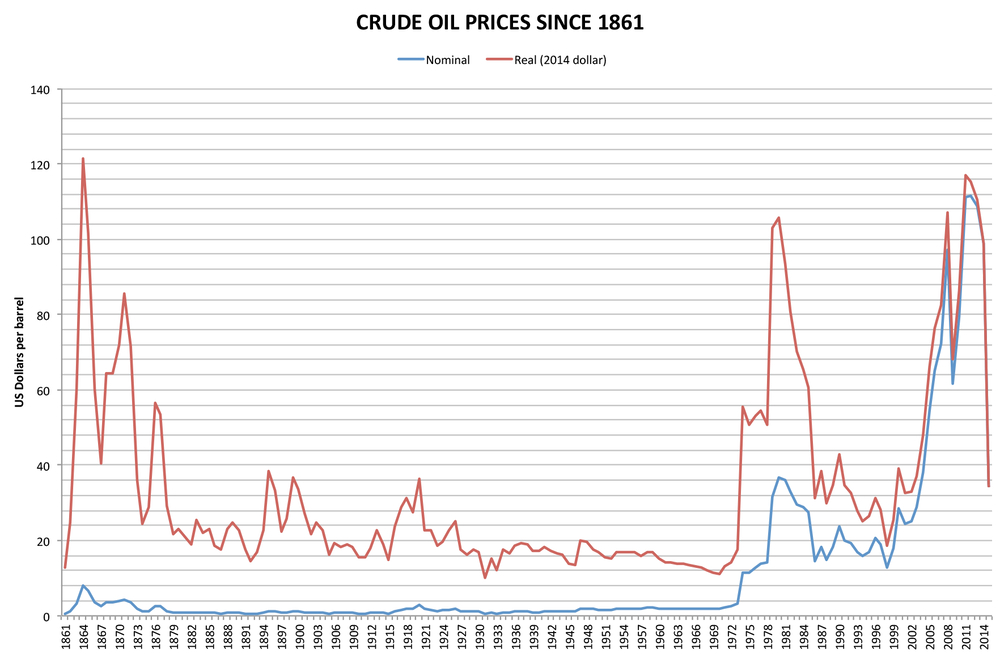
Amid rising global oil prices in 1973, the Netherlands, heavily reliant on oil imports for energy, faced a severe economic crisis. The sudden increase in oil prices led to soaring inflation, a sharp decline in industrial production, and a significant rise in unemployment rates.
In response to the economic challenges caused by the oil crisis, the Dutch government swiftly adjusted its economic policies. Measures were implemented to reduce energy consumption, promote energy efficiency, and diversify the country's energy sources. Additionally, policies aimed at stimulating domestic production and reducing dependence on imported goods were introduced to counter the negative impact of the crisis on the Dutch economy.
The adjustments in economic policies led to a period of economic restructuring in the Netherlands. The government worked closely with industries to modernize production processes, invest in research and development, and promote innovation. These efforts helped the Netherlands emerge from the crisis stronger and more resilient, laying the foundation for a more diversified and sustainable economy in the years to come.
The first oil crisis of 1973 had a lasting impact on the Dutch economy, shaping the country's approach to energy policy, economic development, and sustainable growth. It served as a wake-up call for the Netherlands to reduce its reliance on fossil fuels, invest in renewable energy sources, and prioritize energy efficiency.
#OilCrisis #EconomicChallenges #EconomicPolicies #Netherlands #EnergyEfficiency #Diversification #EconomicRestructuring #Innovation #SustainableGrowth
View details1968
In 1968, the Netherlands introduced the Minimum Wage Act, a pivotal legislation that aimed to establish a baseline wage level to protect workers from receiving insufficient compensation for their labor. Prior to this Act, there were no formal regulations in place to ensure that employees were paid a fair wage for their work. This lack of oversight often resulted in exploitation and substandard wages for many workers.
The implementation of the Minimum Wage Act brought about a significant change in the labor landscape of the Netherlands. It set a legal minimum wage that employers were required to adhere to, ensuring that workers received a fair and decent salary for their efforts. This not only improved the standard of living for many workers but also helped reduce income inequality within the country.
Over the years, the Minimum Wage Act has been periodically revised to keep up with inflation and to reflect the changing economic conditions. It continues to play a crucial role in safeguarding the rights of workers and in promoting social justice within the labor market.
The introduction of the Minimum Wage Act in the Netherlands marked a turning point in the country's labor history, ensuring that workers are protected from exploitative practices and are fairly compensated for their work. It underscored the government's commitment to creating a more equitable and just society for all its citizens.
#Netherlands #MinimumWageAct #LaborRights #FairCompensation #SocialJustice
View details1966
In the late 1960s, a pivotal change took place in the Netherlands with the introduction of the WAO (Disability Insurance Act). This legislation aimed to provide financial support to workers who were disabled and unable to work. Prior to the implementation of the WAO, individuals with disabilities faced significant challenges in maintaining a stable income, often relying on family members or charitable assistance.
The WAO brought a sense of security and stability to disabled workers, ensuring that they had a source of income to support themselves and their families. This had a profound impact on improving the quality of life for those living with disabilities, enabling them to have greater independence and financial autonomy.
The introduction of the WAO marked a significant step towards a more inclusive and supportive society for individuals with disabilities in the Netherlands. It represented a recognition of the rights and needs of disabled workers, acknowledging their valuable contributions to the workforce and society as a whole.
This event underscored the importance of social welfare programs in providing a safety net for vulnerable populations, promoting equality and dignity for all members of society. The WAO continues to be a crucial pillar of the Dutch social security system, embodying the principles of compassion and solidarity in ensuring that no individual is left behind.
#Netherlands #DisabilityInsurance #WelfareProgram #Inclusion #SocialSecurity
View details1957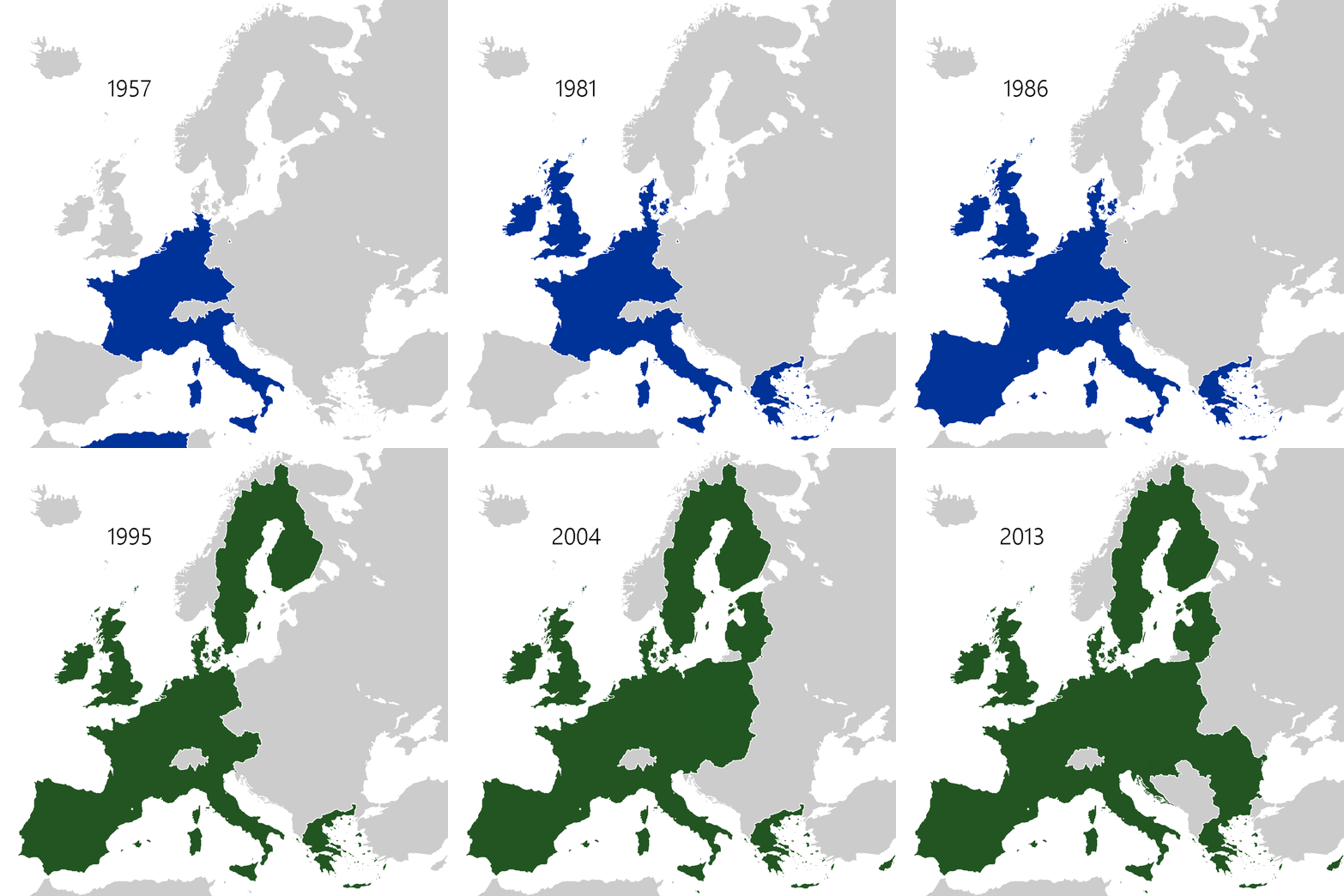
In 1957, the Netherlands played a crucial role in the establishment of the European Economic Community (EEC). The country became one of the six founding members of this ambitious economic union, alongside Belgium, Germany, France, Italy, and Luxembourg.
The creation of the EEC was a significant step towards fostering economic cooperation and integration among European nations in the aftermath of World War II. By forming a common market, the EEC aimed to promote economic growth, reduce trade barriers, and enhance political stability in the region.
For the Netherlands, joining the EEC presented a valuable opportunity to strengthen its economic ties with neighboring countries and gain access to a larger market for its goods and services. As a founding member, the Netherlands was able to shape the policies and regulations of the EEC, ensuring that its interests and priorities were taken into account.
Participation in the EEC brought numerous benefits to the Netherlands, including increased trade, investment, and economic growth. The country also enjoyed improved access to resources and technology, which helped drive innovation and competitiveness in its industries.
Furthermore, membership in the EEC facilitated closer collaboration on a wide range of issues, from agriculture and fisheries to transportation and energy. The Netherlands was able to work with its European partners to address common challenges and pursue common goals, ultimately contributing to the overall prosperity and stability of the region.
The decision to become a founding member of the EEC reflected the Netherlands' commitment to European cooperation and integration, as well as its desire to secure a more prosperous and peaceful future for itself and its neighbors.
#Netherlands #EuropeanEconomicCommunity #FoundingMember #EconomicIntegration #Cooperation #Prosperity
View details1953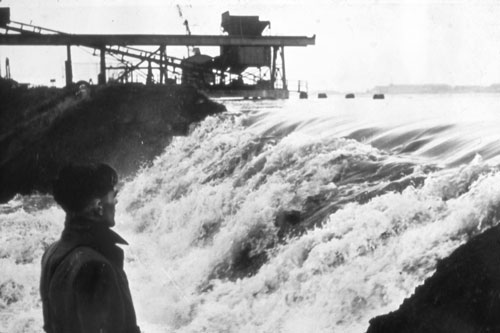
In 1953, a powerful storm led to the North Sea Flood, causing extensive damage and loss of life in the Netherlands. The storm, accompanied by high winds, led to a surge in water levels that breached dikes along the coast, flooding vast areas of the country. The catastrophic event primarily affected the southwestern provinces of Zeeland, South Holland, and North Brabant.
The breach of the dikes resulted in the flooding of approximately 1,300 square kilometers of land, affecting numerous towns and villages. Thousands of homes were destroyed, leaving tens of thousands of people displaced. The floodwaters engulfed farmland, drowning livestock and causing devastation to the agricultural sector.
The North Sea Flood caused widespread tragedy, with over 1,800 people losing their lives in the disaster. The loss of life was exacerbated by the suddenness and force of the flood, leaving many unable to escape the fast-rising waters. The event also had a significant economic impact, with infrastructure damage and loss of property amounting to millions in damages.
In the aftermath of the disaster, the Netherlands embarked on a massive reconstruction effort to rebuild the affected areas and enhance the country's coastal defenses. The Delta Works, a series of dams, sluices, locks, dikes, and storm surge barriers, were constructed to protect the low-lying country from future flooding events.
The North Sea Flood of 1953 stands as a somber reminder of the devastating power of natural disasters and the importance of preparedness and resilience in the face of such events. The tragedy led to significant changes in Dutch water management policies, shaping the country's approach to flood prevention and protection against sea-level rise.
#NorthSeaFlood #NetherlandsDisaster #DutchResilience #DeltaWorks #NaturalDisaster
View details1948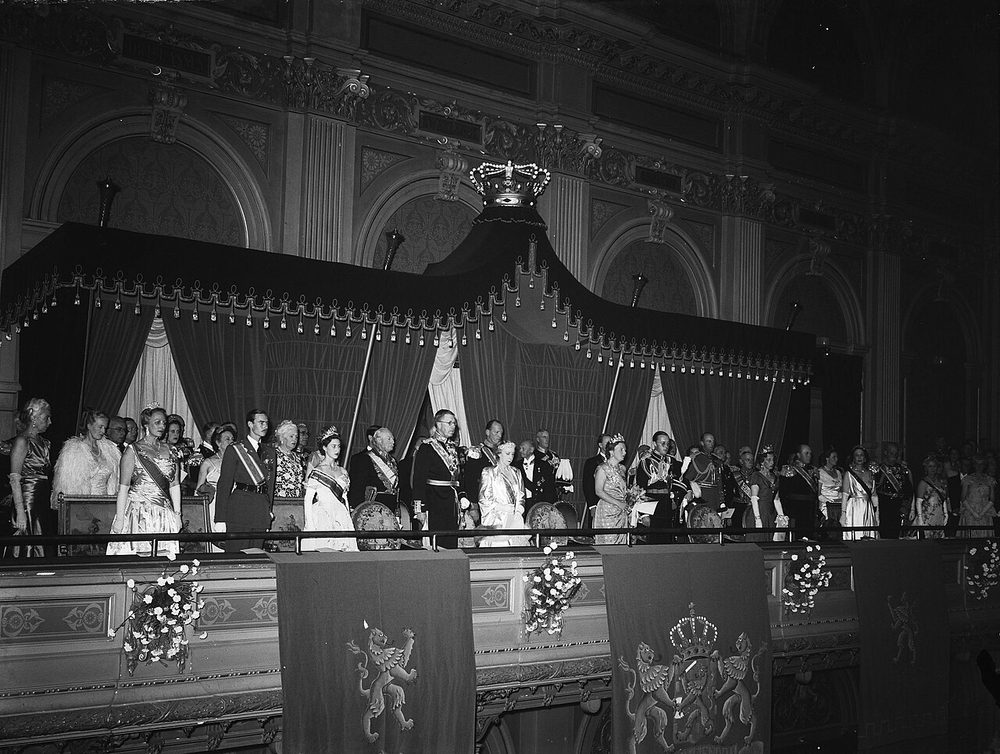
In 1948, Queen Wilhelmina of the Netherlands abdicated the throne in favor of her daughter, Princess Juliana. Wilhelmina had ruled the country for nearly 50 years, navigating through the tumultuous periods of World War I and World War II. As she grew older, she felt it was time to pass on the responsibilities of the monarchy to the younger generation.
Princess Juliana ascended to the throne as Queen, ushering in a new era for the Dutch monarchy. Her reign was marked by a commitment to modernization and social reform, which endeared her to the Dutch people. Queen Juliana's reign brought about changes in the monarchy's role within Dutch society, as she sought to connect with the people on a more personal level.
The abdication of Queen Wilhelmina and the subsequent reign of Queen Juliana symbolized a transition from the old guard to a new generation of leadership. The event was met with both nostalgia for Wilhelmina's long reign and optimism for the future under Queen Juliana's rule. The Dutch monarchy continued to evolve under Queen Juliana's guidance, adapting to the changing times and growing demands of the Dutch people.
Overall, the abdication of Queen Wilhelmina in favor of Queen Juliana had a profound impact on the Dutch monarchy. It marked a shift in leadership and governance style, bringing fresh perspectives and approaches to the fore. The event underscored the resilience of the Dutch monarchy and its ability to adapt to the demands of a modern society.
#Netherlands #DutchMonarchy #QueenWilhelmina #QueenJuliana
View details1947
The introduction of the Algemene Ouderdomswet (AOW) in 1957 marked a pivotal development in the Netherlands' social welfare system. The AOW established a universal old-age pension to provide financial security for all citizens upon reaching retirement age. This initiative aimed to address the growing concerns about elderly poverty and ensure that every individual could retire with dignity.
The implementation of the AOW had a profound impact on the elderly population, ensuring that they could rely on a basic income during their retirement years. This policy shift significantly reduced the rates of elderly poverty and improved the overall well-being of older adults across the country. The introduction of universal old-age pensions also reflected the government's commitment to promoting social equality and supporting vulnerable segments of the population.
The AOW brought about a more inclusive and compassionate society, where individuals could age with a sense of security and comfort. This landmark policy change highlighted the government's recognition of the contributions made by older generations and underscored the importance of ensuring their welfare in later life. The AOW continues to play a crucial role in the Netherlands' social protection system, embodying the principles of solidarity and support for all members of society.
Overall, the introduction of the AOW in 1957 represented a significant step towards creating a more equitable and caring society for older adults in the Netherlands. This policy initiative laid the foundation for ensuring that individuals could enjoy a dignified retirement and live their later years with financial stability and peace of mind. #AOW #Netherlands #OldAgePensions #SocialWelfare #ElderlyCare
View detailsIn the aftermath of World War II, the Netherlands faced severe challenges in rebuilding its economy and infrastructure. The devastation caused by the war left the country struggling to provide for its citizens and restore normalcy. The Marshall Plan, a program initiated by the United States to aid European countries in post-war reconstruction, provided crucial assistance to the Netherlands.
Through the Marshall Plan, the Netherlands received financial aid, technical expertise, and resources to revive its industries, repair damaged infrastructure, and improve living conditions. The aid played a significant role in jumpstarting the Dutch economy, increasing employment opportunities, and addressing food shortages and housing needs. The Netherlands used the assistance to modernize its industrial sector, invest in agriculture, and enhance transportation networks.
The impact of the Marshall Plan on the Netherlands was profound, contributing to the country's rapid recovery and economic growth. The aid bolstered trade relations, fostered innovation, and laid the foundation for long-term prosperity. By leveraging the resources provided through the Marshall Plan, the Netherlands was able to emerge from the devastation of war stronger and more resilient.
The Marshall Plan underscored the importance of international cooperation and solidarity in times of crisis, setting a precedent for future initiatives aimed at promoting peace and stability. The assistance received by the Netherlands through the Marshall Plan strengthened ties between European nations and the United States and highlighted the benefits of collective efforts in addressing global challenges.
#MarshallPlan #PostWarReconstruction #Netherlands #EconomicRecovery #InternationalAid #Solidarity.
View details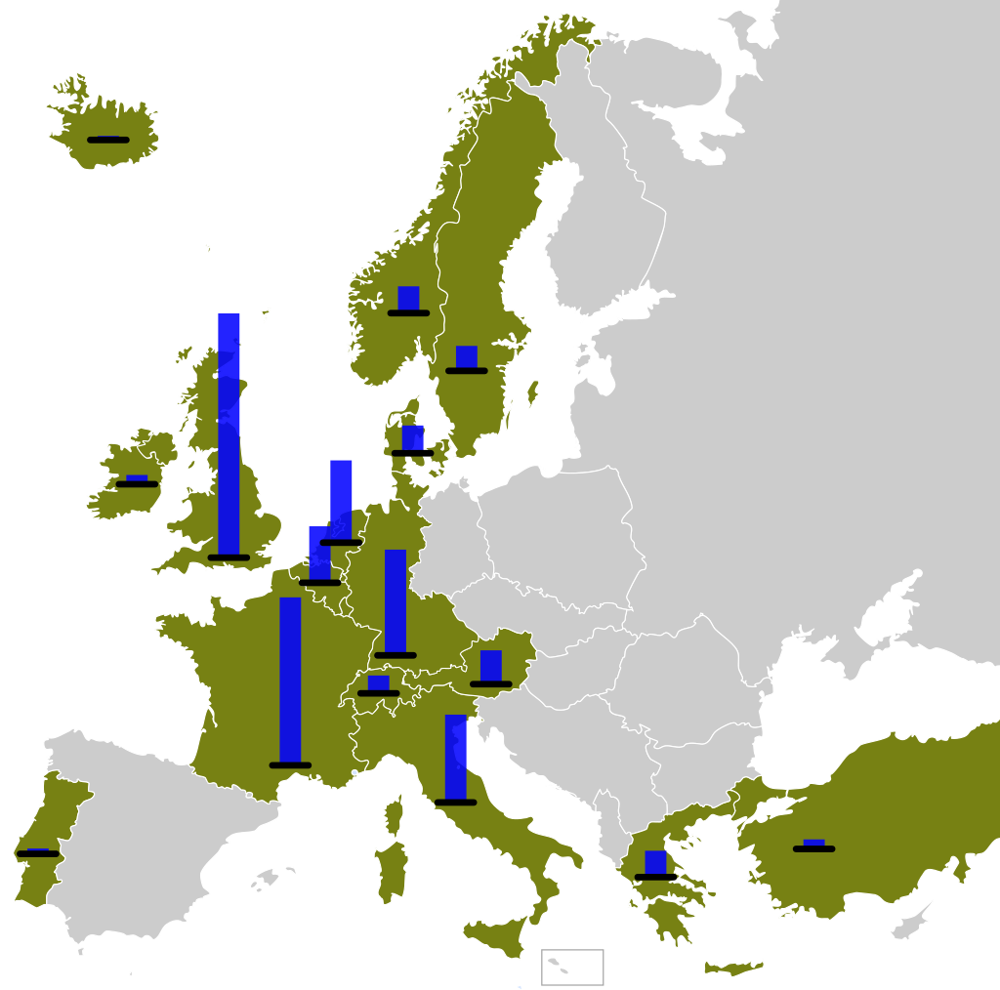
The Dutch Economic Planning Bureau (CPB) was established to address the economic challenges post-World War II. The devastation of the war left the Netherlands in dire need of reconstruction and economic stability. The CPB aimed to analyze economic trends, provide policy recommendations, and contribute to the country's recovery.
The CPB's impact was significant, shaping economic policies and guiding decision-making processes. By conducting in-depth analyses, the CPB offered insights that helped policymakers navigate complex economic challenges. Its reports and recommendations played a crucial role in steering the Netherlands towards sustainable growth and prosperity.
One of the key functions of the CPB was to provide long-term economic forecasts, enabling the government to make informed decisions regarding investment, taxation, and budget allocation. This foresight helped in laying the groundwork for the country's economic development and stability.
Moreover, the establishment of the CPB highlighted the Netherlands' commitment to evidence-based policymaking and economic planning. By fostering transparency and accountability in economic decision-making, the CPB strengthened the country's governance systems and institutions.
In conclusion, the establishment of the Dutch Economic Planning Bureau (CPB) was a pivotal moment in the country's post-war recovery. Through its analyses and recommendations, the CPB played a crucial role in shaping the Netherlands' economic trajectory and laying the foundation for sustainable growth and prosperity. #DutchEconomy #PostWarRecovery #EconomicPlanning #PolicyMaking
View details
1940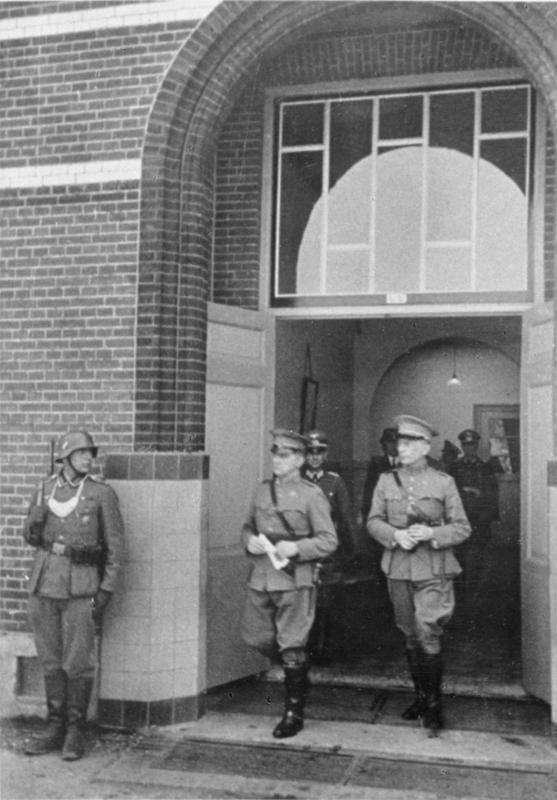
The German occupation of the Netherlands during World War II marked a dark period in Dutch history. The invasion came as part of the larger Blitzkrieg campaign launched by the German forces. The Netherlands fell within days, as the Dutch army was ill-prepared against the German military might.
German occupation brought about strict control over all aspects of Dutch life. The Dutch government was forced into exile, and the country was ruled by a puppet government loyal to the Nazis. Civil liberties were curtailed, and Dutch citizens faced oppression and surveillance. The Jewish population of the Netherlands suffered greatly, with many being deported to concentration camps.
The occupation also resulted in widespread resistance from the Dutch people. Underground movements were formed to sabotage German efforts and rescue those targeted by the Nazis. Acts of defiance ranged from hiding Jewish families to carrying out covert operations against the German occupiers. Despite the risks involved, many Dutch citizens took part in these acts of resistance.
The impact of the German occupation on the Netherlands was profound and long-lasting. The economy suffered, and shortages of food and supplies became common. The Dutch people experienced hardship and uncertainty throughout the occupation, with the constant presence of German soldiers a reminder of their loss of autonomy.
After years of hardship and struggle, the German occupation of the Netherlands finally came to an end with the liberation by Allied forces. The Dutch people celebrated their newfound freedom, but the scars of the occupation would remain for generations to come.
#GermanOccupation #NetherlandsHistory #WorldWarII #ResistanceMovement #Liberation
View details1913
The construction of the Peace Palace in The Hague, housing the International Court of Justice, was a remarkable milestone in the history of international law and diplomacy. The idea for the Peace Palace was conceived during the 19th century, with the purpose of providing a neutral ground for the peaceful resolution of disputes between nations. The initiative was supported by Andrew Carnegie, who generously funded the construction of the iconic building.
Designed by renowned architect Louis M. Cordonnier, the Peace Palace is a stunning example of Neo-Renaissance architecture. The building's inauguration marked a turning point in the promotion of peace and cooperation among nations. Since its completion, the Peace Palace has served as a symbol of hope and justice, hosting numerous international conferences and meetings focused on peace and security.
The most significant feature of the Peace Palace is that it houses the International Court of Justice, the principal judicial organ of the United Nations. The Court plays a crucial role in settling legal disputes between states and contributes to the development of international law. Its presence in the Peace Palace underscores the commitment of the international community to upholding the principles of justice and peaceful coexistence.
Over the years, the Peace Palace has become a symbol of the Netherlands' dedication to promoting peace and international cooperation. It stands as a testament to the country's commitment to the rule of law and the peaceful resolution of conflicts. The construction of the Peace Palace in The Hague reflects the collective efforts of nations to pursue peace and justice in a world often plagued by discord and violence.
#PeacePalace #InternationalCourtOfJustice #TheHague #Netherlands #InternationalLaw #Diplomacy
View details1907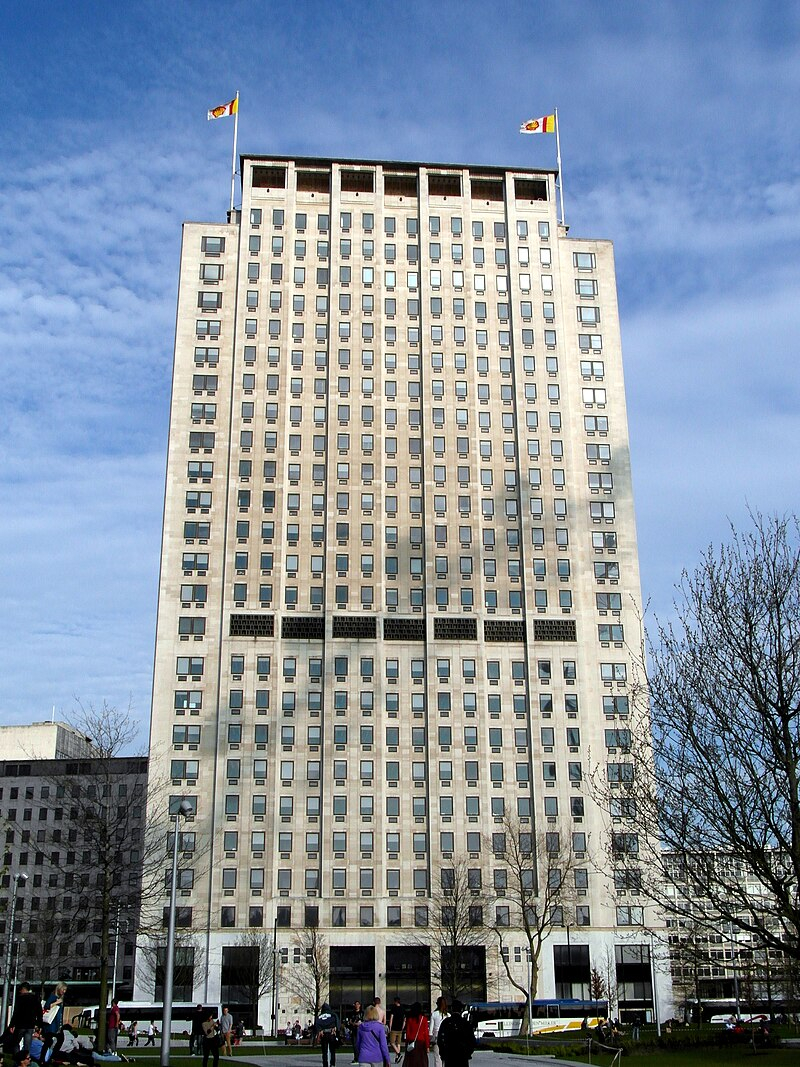
On February 16, 1890, the Royal Dutch Petroleum Company was founded in the Netherlands, marking the inception of what would eventually become one of the largest and most influential oil companies in the world: Royal Dutch Shell. This pivotal moment in industrial history set the stage for a multinational enterprise that would play a crucial role in the global energy sector.
The Early Years
The Royal Dutch Petroleum Company, known as "Koninklijke Nederlandse Petroleum Maatschappij" in Dutch, was established by August Kessler and Henri Deterding in The Hague. The company’s primary objective was to develop and exploit the oil fields in the Dutch East Indies, now Indonesia. This region was rich in oil resources, and the company's initial operations focused on extracting and refining crude oil.
Merger and Formation of Royal Dutch Shell
In 1907, a strategic merger occurred between Royal Dutch Petroleum Company and the British company Shell Transport and Trading Company, founded by Marcus Samuel and Samuel Samuel in 1897. This merger was motivated by the need to compete more effectively against American oil giants, particularly John D. Rockefeller's Standard Oil. The new entity was named the Royal Dutch Shell Group, with Royal Dutch owning 60% and Shell Transport and Trading owning 40%.
Expansion and Influence
Following the merger, Royal Dutch Shell rapidly expanded its operations worldwide. The company established a significant presence in Europe, Asia, Africa, and the Americas. It was involved in all aspects of the oil industry, including exploration, production, refining, transportation, and marketing. The company’s iconic red and yellow scallop shell logo became a globally recognized symbol of energy and fuel.
Technological Advancements and Innovations
Throughout the 20th century, Royal Dutch Shell was at the forefront of technological advancements in the oil industry. It developed new drilling techniques, invested in research and development, and pioneered the use of geophysical surveys to locate oil reserves. Shell’s innovations contributed significantly to the efficiency and productivity of oil extraction and refining processes.
Environmental and Social Impact
As one of the largest oil companies, Royal Dutch Shell has had a substantial impact on both the environment and society. The company has faced criticism and legal challenges related to oil spills, environmental degradation, and its role in climate change. In recent years, Shell has made efforts to address these issues by investing in renewable energy sources, reducing carbon emissions, and promoting sustainability.
Legacy and Modern Era
Today, Royal Dutch Shell continues to be a major player in the global energy market. The company has diversified its portfolio to include natural gas, renewables, and other forms of energy, reflecting the changing dynamics of the industry and the growing emphasis on sustainability. Despite the challenges and controversies it has faced, Shell remains a key contributor to the world’s energy supply and a significant force in shaping the future of energy.
#MomentsOfLife #MoofLife_Moment #MoofLife #RoyalDutchShell #OilIndustryHistory #EnergyGiant #Sustainability #GlobalEnergy
View details1894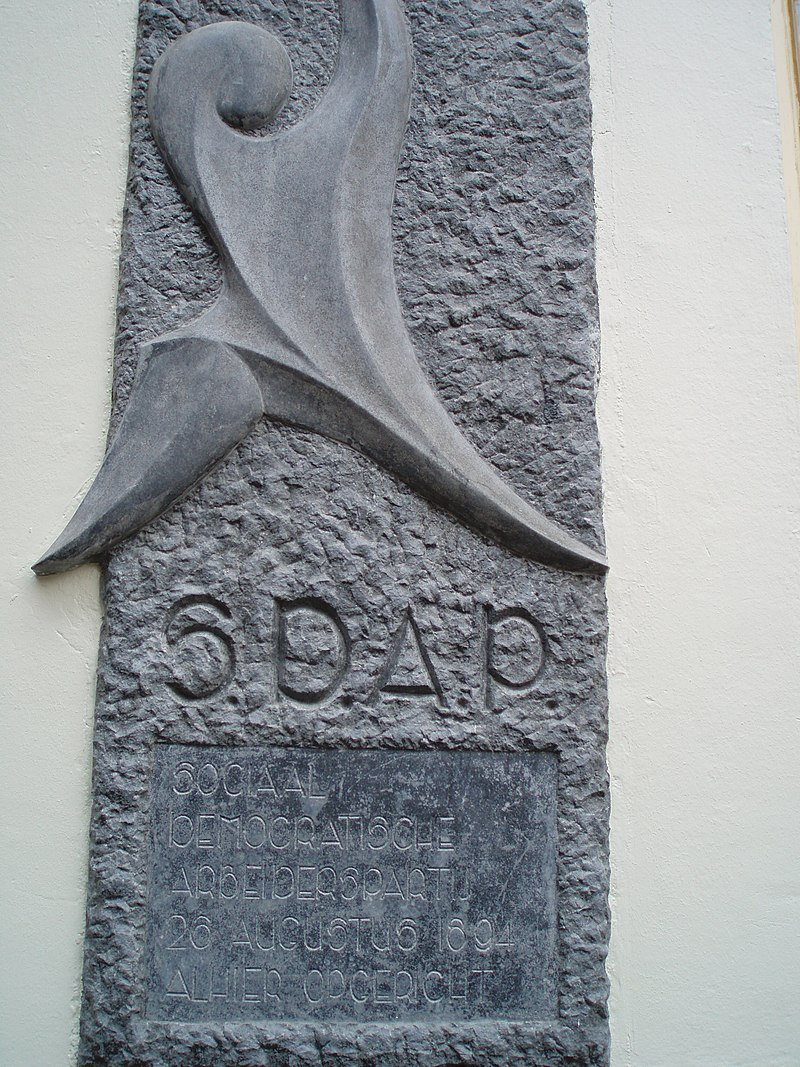
In 1894, the Dutch Social Democratic Workers' Party {SDAP} was established, marking the beginning of organized socialism in the Netherlands. The party was founded as a response to the harsh working conditions and the growing inequality faced by workers during the industrial revolution. The SDAP aimed to improve the rights and living standards of the working class through political means.
The founders of the SDAP were inspired by the ideas of Karl Marx and sought to create a socialist society based on equality and social justice. They believed that the government should play a central role in ensuring the welfare of all citizens, especially the working class.
The establishment of the SDAP had a significant impact on the political landscape of the Netherlands. It provided a platform for workers to voice their concerns and push for reforms that would benefit them. The party also played a key role in the broader socialist movement in Europe at the time, contributing to the growth of socialist ideas and policies across the continent.
Through its advocacy and activism, the SDAP was able to influence government policies and bring about changes that improved the lives of Dutch workers. Its members were involved in labor strikes, protests, and other forms of activism to promote their socialist agenda.
Overall, the establishment of the SDAP was a crucial development in the history of the Netherlands, paving the way for the rise of organized socialism in the country. The party's influence persisted for decades, shaping the political discourse and policies in the Netherlands for years to come.
#Netherlands #Socialism #PoliticalHistory #WorkersRights #SDAP
View details1891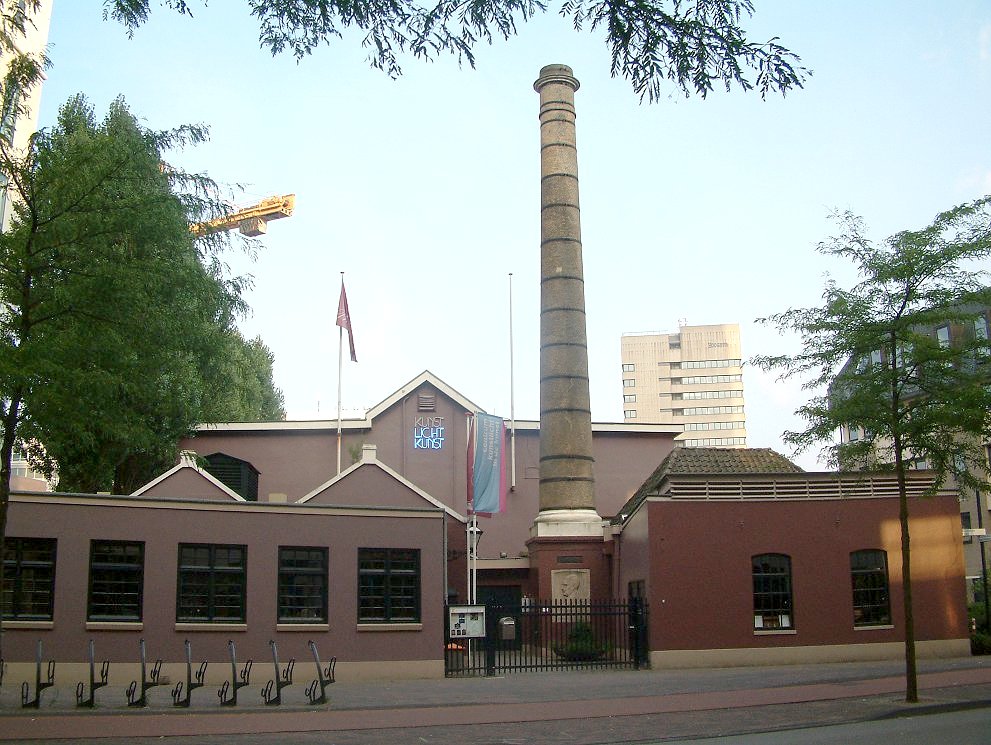
In 1891, a group of prominent Dutch investors, including Gerard Philips and his father Frederik, founded Philips N.V. in Eindhoven, Netherlands. The company initially focused on producing carbon-filament lamps but quickly expanded its product range to include other electrical appliances.
Driven by a vision to improve lives through innovation, Philips N.V. became a leading electronics company, pioneering advancements in televisions, radios, and medical equipment. The company's commitment to research and development led to groundbreaking inventions such as the cassette tape and the compact disc.
Over the years, Philips N.V. solidified its global presence, establishing branches and partnerships around the world. The company's brand became synonymous with quality and reliability, earning the trust of consumers worldwide. Philips N.V. also played a significant role in shaping the technological landscape, contributing to the evolution of modern electronics.
The founding of Philips N.V. marked a turning point in the electronics industry, setting a new standard for innovation and excellence. The company's success not only propelled the economy of the Netherlands but also influenced the global market, inspiring competition and driving progress in the field of electronics.
Today, Philips N.V. continues to be a key player in the electronics industry, with a diverse portfolio that includes healthcare solutions, lighting products, and consumer electronics. The company remains committed to its founding principles of innovation, sustainability, and social responsibility, shaping a brighter future for generations to come.
#PhilipsNV #Electronics #Innovation #Netherlands
View details1889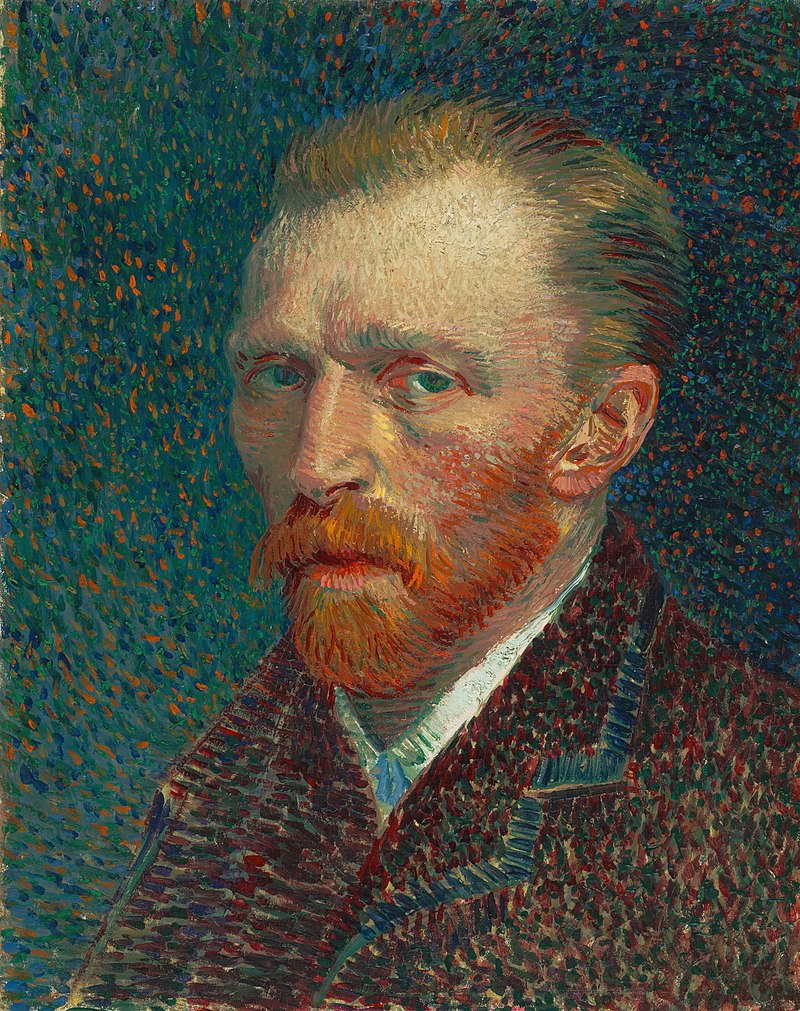
In June 1889, Vincent van Gogh, a Dutch post-impressionist artist, created one of his most renowned works, the painting titled 'Starry Night'. Van Gogh, who struggled with mental health issues, painted this masterpiece while staying at the Saint-Paul-de-Mausole asylum in Saint-Remy-de-Provence, France.
The swirling brushstrokes, vibrant colors, and dream-like depiction of the night sky captured the essence of van Gogh's emotional turmoil and artistic vision. 'Starry Night' showcases a small village with cypress trees under a tumultuous sky filled with stars and a bright crescent moon. The painting is a reflection of van Gogh's profound connection to nature and his unique perspective on the world around him.
Despite facing personal challenges and experiencing self-doubt, van Gogh poured his emotions and creativity into 'Starry Night', producing a work that would later become an iconic symbol of his artistic genius. This painting continues to captivate viewers with its evocative imagery and emotional depth, leaving a lasting impact on the world of art.
Van Gogh's 'Starry Night' has inspired countless artists, musicians, and creatives across various disciplines. Its influence can be seen in popular culture, fashion, and even space exploration. The painting's enduring popularity speaks to its universal appeal and the timeless beauty of van Gogh's artistic expression.
The creation of 'Starry Night' marked a significant moment in Vincent van Gogh's artistic journey, showcasing his ability to transform his inner struggles into works of profound beauty and emotional resonance. This event highlights the power of art to transcend boundaries and connect people across time and space.#VincentVanGogh #StarryNight #ArtisticGenius #EmotionalExpression
View details1848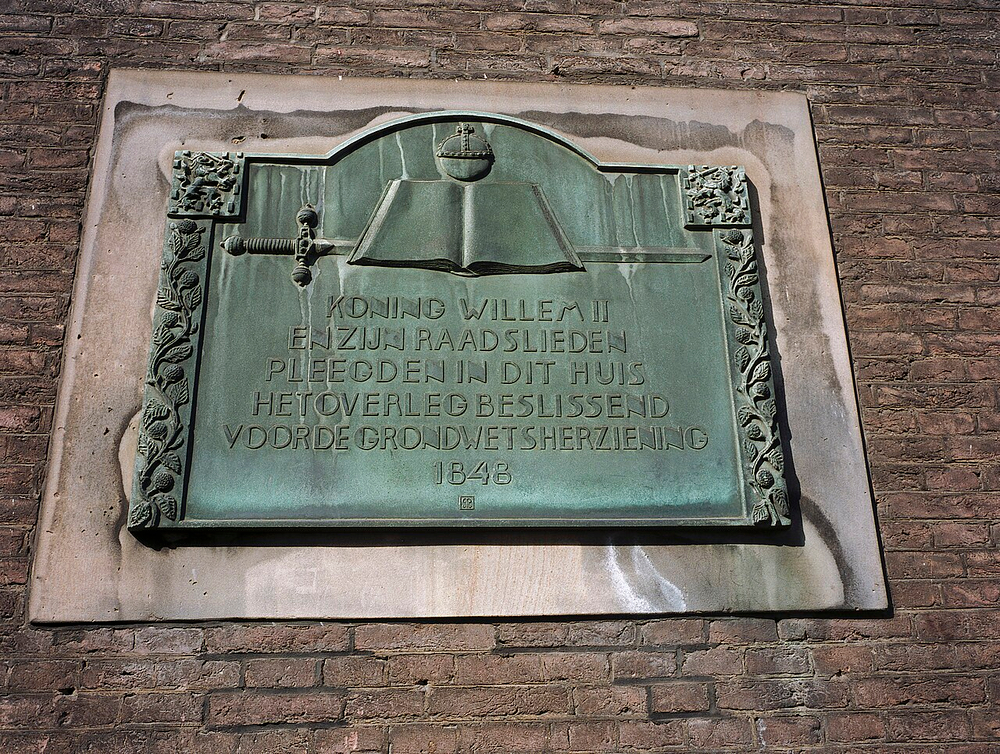
In 1848, the Netherlands witnessed a pivotal shift as liberal reforms were introduced, leading to the establishment of a constitutional monarchy. Prior to this, the country was under a system that granted limited power to the monarch, resulting in growing discontent among the populace.
The wave of liberal movements across Europe in the mid-19th century influenced the Dutch to demand a more representative and accountable government. As a response to mounting pressure, King William II of the Netherlands agreed to significant reforms, which culminated in the promulgation of a new constitution that limited his powers and granted more authority to the parliament.
The establishment of a constitutional monarchy marked a watershed moment in Dutch history, paving the way for a more democratic system of governance. The reforms brought about a separation of powers, expanded civil liberties, and set the groundwork for a more inclusive political landscape.
This transformation had far-reaching implications for the Netherlands, shaping its political trajectory for years to come. The shift towards a constitutional monarchy not only addressed the grievances of the people but also set a precedent for the modernization of Dutch society.
The events of 1848 in the Netherlands underscored the power of popular movements in bringing about meaningful change and laid the foundation for a more inclusive and representative political system. The legacy of the liberal reforms and the establishment of a constitutional monarchy continues to resonate in the Netherlands, emphasizing the importance of democracy and civic participation in shaping the course of a nation's history. #Netherlands #LiberalReforms #ConstitutionalMonarchy
View details1839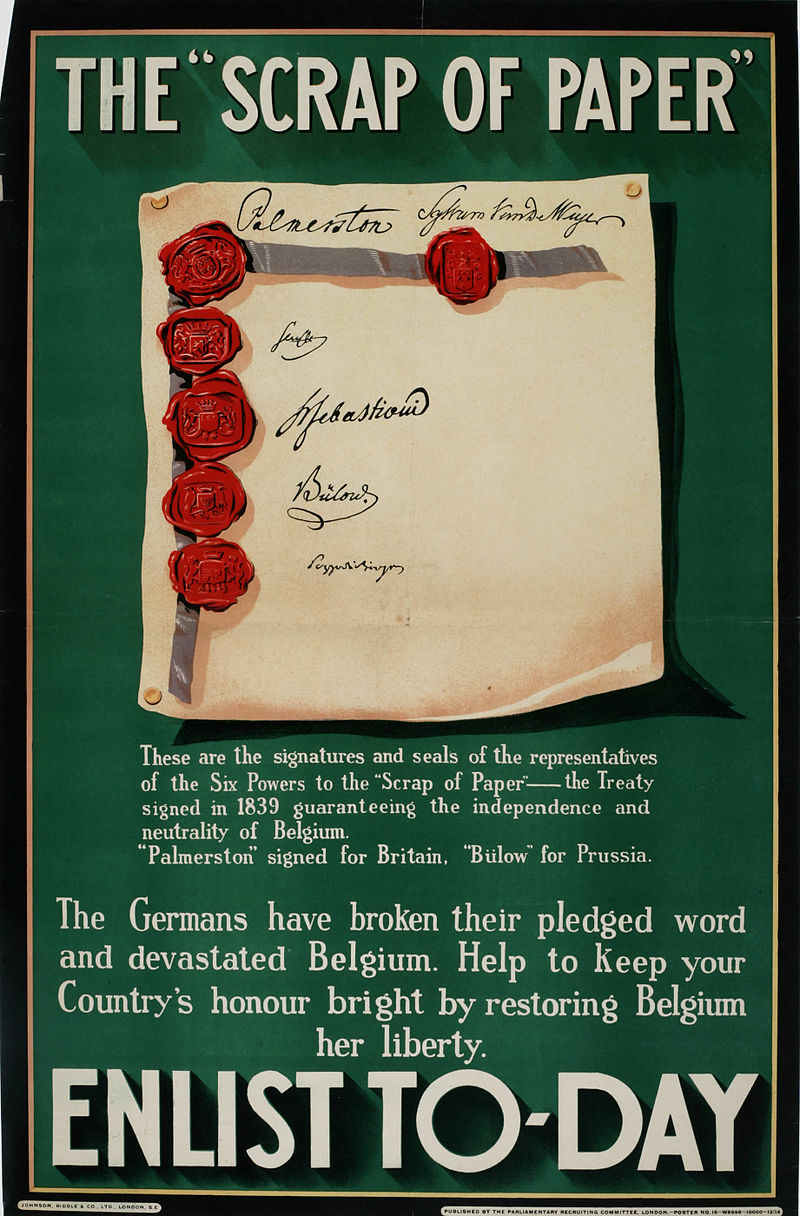
The Treaty of London was a pivotal agreement that acknowledged Belgian independence and established a neutral zone along the border of the Netherlands and Belgium. Following the Belgian Revolution in the 1830s, where Belgium sought to break away from Dutch control, the Treaty aimed to bring stability to the region. The Treaty was signed by major European powers, including the United Kingdom, France, Russia, Prussia, and Austria.
The recognition of Belgian independence meant that Belgium could govern itself independently of Dutch influence. The establishment of a neutral zone in the Dutch-Belgian border region was meant to prevent any future conflicts between the two nations. This neutral zone was to be demilitarized and jointly controlled by both parties.
The Treaty of London had significant implications for the geopolitical landscape of Europe at the time. It solidified Belgium as a sovereign nation and eased tensions between the Netherlands and Belgium. The neutral zone provided a buffer between the two countries, reducing the likelihood of future territorial disputes or conflicts.
The signing of the Treaty of London symbolized a diplomatic victory for Belgium and marked the end of a period of turmoil following the Belgian Revolution. It set a precedent for peaceful resolution of conflicts between nations and highlighted the importance of international cooperation in maintaining stability and peace.
#TreatyOfLondon #BelgianIndependence #NeutralZone #DutchBelgianBorder #EuropeanHistory #Diplomacy
View details1830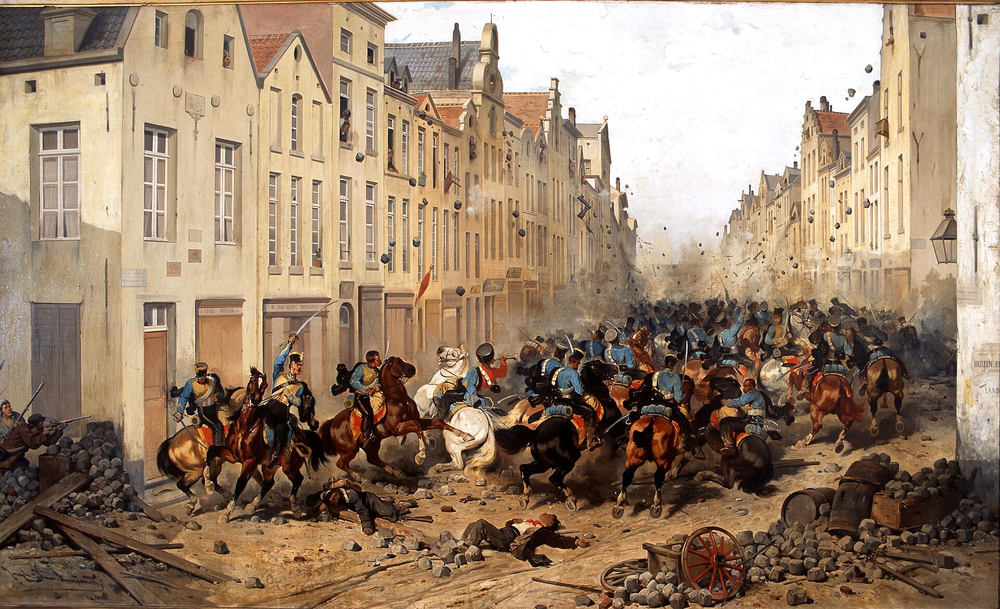
The Belgium Revolt against Dutch rule marked a turning point in the history of the region, leading to the independence of Belgium. The discontent had been brewing among the Belgian population due to cultural, religious, and linguistic differences with their Dutch rulers. The Dutch King William I's centralization policies and favoritism towards the Dutch language added to the growing tensions.
The spark that ignited the revolt was lit during an opera performance in Brussels on August 25. The patriotic opera stirred up nationalist sentiment, leading to violent clashes on the streets of Brussels. This event quickly escalated into a full-fledged revolution as cities across Belgium joined the uprising against Dutch rule.
The revolution gained momentum as the Belgian provinces declared their independence and established a provisional government. The Belgian National Congress was convened to draft a constitution, solidifying the path towards independence. International powers also played a crucial role, with France and Britain recognizing Belgium's independence, eventually leading to the Treaty of London in which the Netherlands recognized Belgium as an independent nation.
The impact of the Belgium Revolt was profound, not only resulting in the independence of Belgium but also shaping the geopolitical landscape of Europe. The division of the United Kingdom of the Netherlands effectively ended Dutch dominance over the southern provinces. Belgium emerged as a neutral and independent state, paving the way for its development as a prosperous and culturally vibrant nation.
The Belgium Revolt against Dutch rule showcased the power of national identity and the will of a people to determine their own destiny. It serves as a reminder of the importance of linguistic and cultural autonomy in governance, resonating with movements for self-determination around the world.
#Independence #Nationalism #Revolution #Geopolitics
View details1815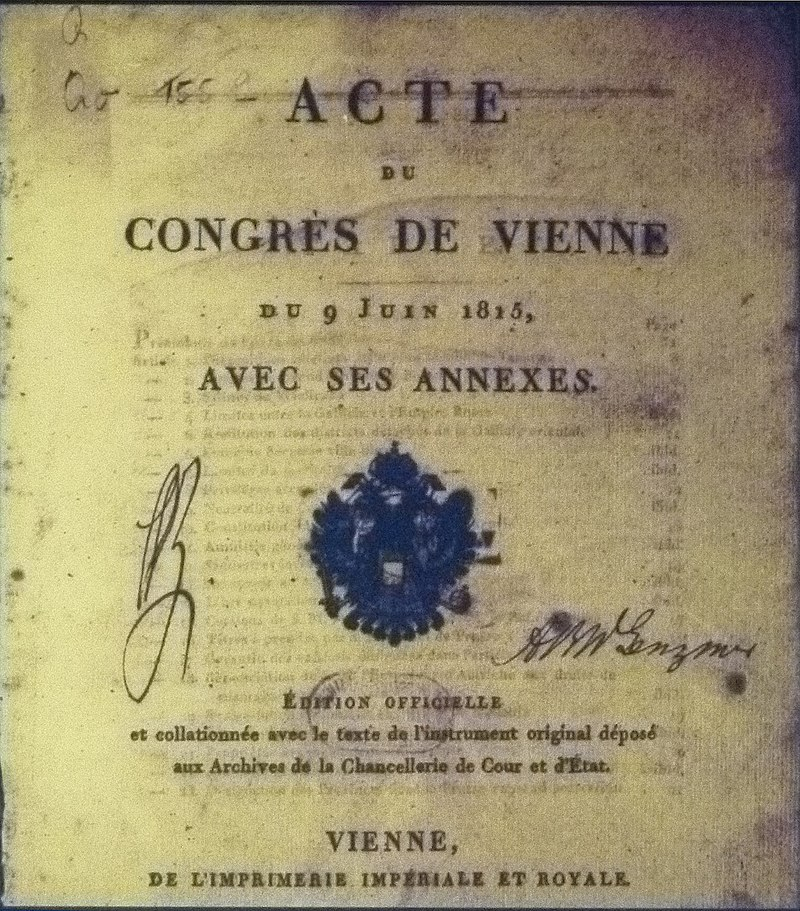
In the aftermath of the Napoleonic Wars, the Congress of Vienna convened to reorganize Europe and restore stability. One significant outcome was the formation of the United Kingdom of the Netherlands, which marked the end of French control over the region. This new state comprised present-day Netherlands, Belgium, and Luxembourg, uniting them under a single monarchy.
The Congress aimed to create a buffer state between France and Germany, ensuring peace and balance of power in the region. By merging the Dutch Republic with the Southern Netherlands, which had been under French rule, the United Kingdom of the Netherlands was established. The Dutch Prince William of Orange was appointed as the new monarch, leading to the unification of the territories.
The United Kingdom of the Netherlands brought economic benefits, facilitating trade and commerce between the provinces. However, the merger also faced challenges due to cultural and religious differences between the predominantly Catholic South and the Protestant North. Tensions eventually led to the Belgian Revolution in 1830, resulting in the secession of Belgium from the union.
Despite its eventual dissolution, the United Kingdom of the Netherlands played a crucial role in European politics during the post-Napoleonic era. It served as a model for territorial reorganization and diplomatic efforts to maintain peace on the continent.
The Congress of Vienna's decision to create the United Kingdom of the Netherlands reshaped the political map of Europe and contributed to the restoration of stability after years of conflict. This event underscores the importance of diplomacy and cooperation in shaping the future of nations and regions. #CongressofVienna #UnitedKingdomoftheNetherlands #EuropeanDiplomacy
View details