
Netherlands

The Land of Tulips and Windmills
Related Lives

History of Internet & Social Media
From Cold War Wires to Global Web

Academy Awards
The Oscars

Burundi
The Land of a Thousand Hills

Nobel Prize in Literature
Inspiring through literature

Portugal
The Land of Explorers

President of Chad
Head of the State


Chad
Heart of the Sahel

1810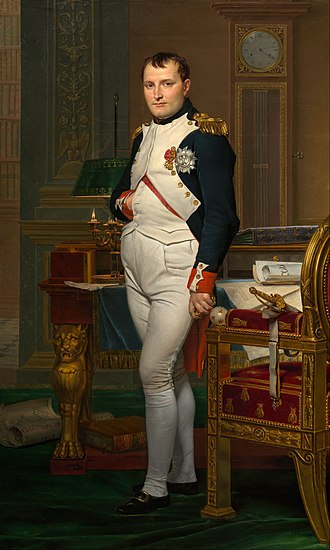
In 1810, Napoleon Bonaparte made a strategic move by annexing the Kingdom of Holland and converting it into a French department. This decision came after years of strained relations between the French Empire and the Dutch monarchy. The Kingdom of Holland had been established in 1806 in an attempt to maintain some level of independence under Napoleon's influence.
The annexation was met with mixed reactions in the Netherlands. While some Dutch citizens were hopeful that it would bring economic benefits and modernization, others saw it as a loss of their autonomy and cultural identity. The transformation into a French department brought about significant changes in governance, administration, and economic policies.
Under French rule, the Dutch experienced an increase in taxes, conscription into the French army, and the imposition of French laws and customs. However, there were also improvements in infrastructure, such as the construction of roads and canals, which benefitted trade and transportation within the region.
The annexation of the Kingdom of Holland was part of Napoleon's larger strategy to consolidate his power and expand French influence across Europe. By bringing the Dutch territories under direct French control, Napoleon aimed to strengthen his grip on the region and further his military and economic objectives.
Ultimately, the annexation of the Kingdom of Holland had a lasting impact on the Dutch people and their sense of national identity. It marked a significant chapter in the history of the Netherlands and its relationship with France during the Napoleonic era.
#NapoleonBonaparte #KingdomOfHolland #FrenchDepartment #Annexation #DutchHistory #NapoleonicEra
View details1806
Louis Bonaparte, brother of Napoleon Bonaparte, was appointed as the ruler of the newly established Kingdom of Holland. This event occurred as part of Napoleon's efforts to expand his influence and control over Europe. The Kingdom of Holland was created by merging the Batavian Republic with territories that were previously under French control.
Under Louis Bonaparte's rule, various reforms were implemented to modernize the administration, economy, and infrastructure of Holland. He centralized power, improved the legal system, promoted education, and initiated infrastructure projects such as the construction of roads and canals. These changes aimed to align Holland more closely with French interests and strengthen its position as a strategic ally.
The establishment of the Kingdom of Holland had a significant impact on the region. It brought about a period of political stability and economic growth, as well as cultural exchanges between France and Holland. However, Louis Bonaparte's reign was not without challenges, as he faced opposition from Dutch nationalists who resented French influence and centralization of power.
Despite his efforts to improve the country, Louis Bonaparte's rule was short-lived. The Kingdom of Holland was eventually annexed by the French Empire, further integrating it into Napoleon's expanding domain. This event marked a turning point in the history of the Netherlands, as it solidified the country's ties to France and reshaped its political landscape.
The establishment of the Kingdom of Holland under Louis Bonaparte underscores the complex interplay between power dynamics, territorial ambitions, and cultural influences during this period. It represents a chapter in the history of the Netherlands that continues to resonate with themes of imperialism, governance, and national identity.
#KingdomofHolland #LouisBonaparte #NapoleonBonaparte #DutchHistory #EuropeanExpansion #PoliticalReforms
View details1798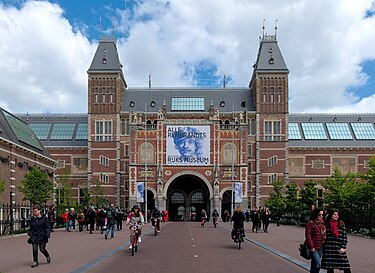
The Inauguration of the Rijksmuseum in Amsterdam marked a significant milestone in the preservation and showcasing of Dutch art and history. The museum, designed by architect Pierre Cuypers, was established to house the national collection of artworks and historical artifacts.
Featuring a stunning combination of Gothic and Renaissance architecture, the Rijksmuseum became a symbol of national pride and cultural heritage for the Netherlands. The grand inauguration ceremony was attended by royalty, dignitaries, and esteemed members of society, highlighting the importance of the museum in Dutch cultural life.
The museum's collection, which includes masterpieces by renowned Dutch artists such as Rembrandt, Vermeer, and Van Gogh, offers visitors a comprehensive view of the country's artistic legacy. The opening of the Rijksmuseum provided a platform for these treasures to be admired and studied by art enthusiasts and scholars from around the world.
With its extensive collection of paintings, sculptures, decorative arts, and historical objects, the Rijksmuseum continues to be a major cultural institution that attracts millions of visitors annually. Its mission to promote Dutch art and history remains steadfast, solidifying its position as a premier destination for cultural exploration and education.
Overall, the inauguration of the Rijksmuseum in Amsterdam was a momentous occasion that celebrated the rich artistic heritage of the Netherlands and established the museum as a cultural beacon for generations to come.
#Rijksmuseum #DutchArt #CulturalHeritage #Amsterdam
View details1783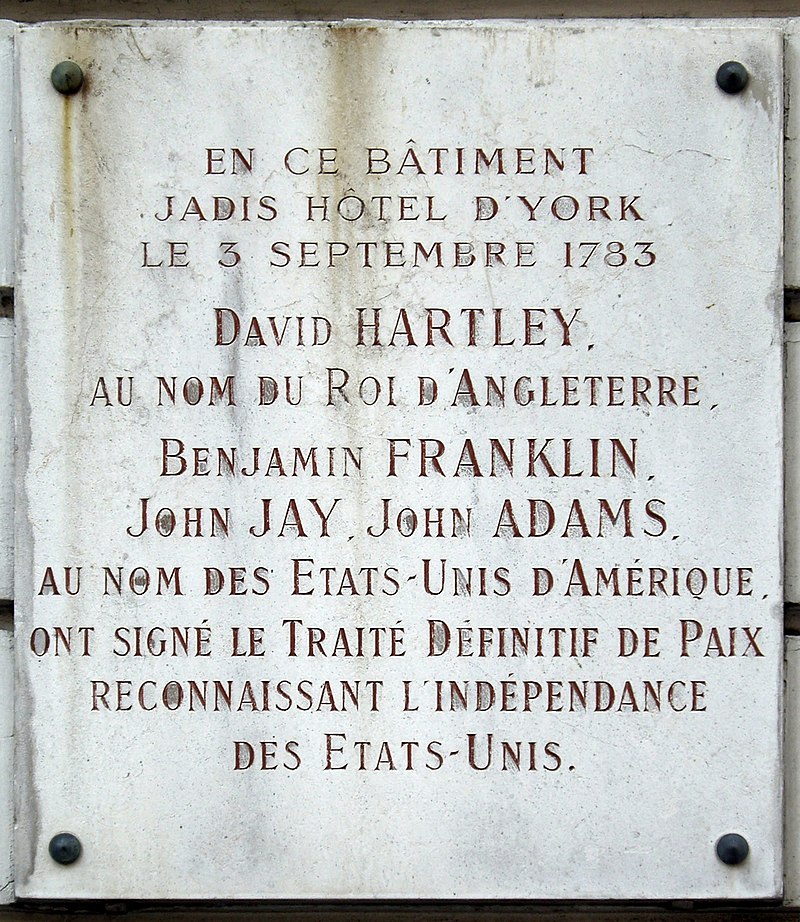
The Treaty of Paris, signed on September 3, 1783, is most famously known for formally ending the American Revolutionary War between Great Britain and the United States. However, the date you referenced, September 3, 1783, is also linked to the resolution of conflicts involving multiple nations, including the Netherlands, which was involved in the Fourth Anglo-Dutch War (1780–1784). While the primary focus of the Treaty of Paris was the American conflict, the treaties signed on this date included provisions affecting various European powers, including the Dutch Republic (Netherlands).
Background: The Fourth Anglo-Dutch War
The Fourth Anglo-Dutch War (1780–1784) was a conflict between Great Britain and the Dutch Republic, largely driven by the Dutch support for the American colonies during the American Revolutionary War. The Dutch had provided financial and material assistance to the American revolutionaries and engaged in trade with them, which angered Britain. In retaliation, Britain declared war on the Dutch in 1780, seeking to cut off this support and protect its interests in global trade.
The war was disastrous for the Dutch. The British Royal Navy, far superior in strength, captured many Dutch colonies and disrupted their trade routes, severely weakening the Dutch economy and military power. The Dutch naval forces, once formidable, were in decline, and the country’s political leadership was divided and indecisive.
The Treaty of Paris and Its Impact on the Netherlands
The Treaty of Paris, signed on September 3, 1783, marked the end of the American Revolutionary War and included several agreements between Great Britain and other nations involved in the conflict, including the Netherlands.
While the treaty primarily dealt with the recognition of American independence and the cessation of hostilities between Britain and the United States, it also had provisions related to the Anglo-Dutch War:
Colonial Restitutions: One of the key aspects of the treaty was the agreement on the restitution of colonial possessions. The Netherlands, having lost several colonies to the British during the war, managed to negotiate the return of some of these territories. However, the Dutch had to make concessions, and the terms were largely unfavorable to them compared to the situation before the war.
Economic Consequences: The treaty acknowledged the significant impact the war had on Dutch trade and economy. Although hostilities officially ended, the Dutch Republic emerged from the conflict significantly weakened both economically and politically. The war and its resolution exposed the vulnerabilities of the Dutch Republic, which was once a major global maritime power.
Decline of Dutch Power: The Fourth Anglo-Dutch War and the Treaty of Paris marked the beginning of a long period of decline for the Dutch Republic. The war demonstrated the extent to which the Dutch had fallen behind Britain and France in military and economic power. The damage to Dutch commerce and the loss of confidence in its naval power had long-lasting effects, contributing to the eventual political and economic decline of the Dutch Republic.
Aftermath and Legacy
While the Treaty of Paris is most remembered for ending the American Revolutionary War, its impact on the Netherlands was significant as well. The treaty formally ended the Fourth Anglo-Dutch War, but the consequences for the Dutch Republic were severe. The war exposed the weaknesses of the Dutch state and contributed to a decline that would culminate in the Batavian Revolution of 1795, where the Dutch Republic was transformed into the Batavian Republic under French influence.
The Anglo-Dutch relationship, marked by a series of wars over the centuries, shifted after this conflict. The Dutch Republic, weakened and no longer a major power, became more aligned with France, especially after the French Revolutionary Wars.
#TreatyOfParis #AngloDutchWar #DutchHistory #18thCenturyHistory #EuropeanDiplomacy #AmericanRevolution #NetherlandsHistory #MomentsOfLife #MoofLife_Moment #MoofLife
View details1781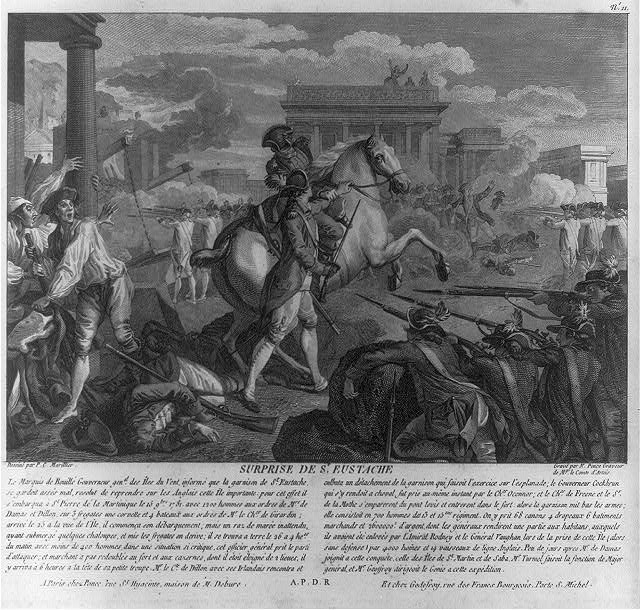
During the War of the Spanish Succession, the British successfully captured the island of Sint Eustatius from the Dutch. Sint Eustatius, a vital trading hub in the Caribbean, had been under Dutch control since the early 17th century. The British invasion of the island was part of their strategy to disrupt Dutch trade routes and gain control of valuable resources.
The capture of Sint Eustatius had significant repercussions for both the Dutch and British. For the Dutch, losing control of the island meant a severe blow to their trade network in the Caribbean. The British, on the other hand, were able to strengthen their own trade interests in the region and expand their influence.
One of the key factors that contributed to the British success was the element of surprise. The Dutch were caught off guard, allowing the British forces to swiftly take control of the island. The British were also able to leverage their naval power to gain a strategic advantage in the region.
The capture of Sint Eustatius had a lasting impact on the balance of power in the Caribbean and the wider Atlantic world. It marked a significant shift in control of trade routes and resources in the region, with the British emerging as the dominant force.
Overall, the capture of Sint Eustatius was a crucial event in the context of the War of the Spanish Succession, with far-reaching implications for both the Dutch and British powers in the Caribbean. It underscored the importance of naval power and strategic positioning in the broader context of colonial competition and warfare.
#WarOfTheSpanishSuccession #NavalPower #ColonialConflict #TradeHub
View details1713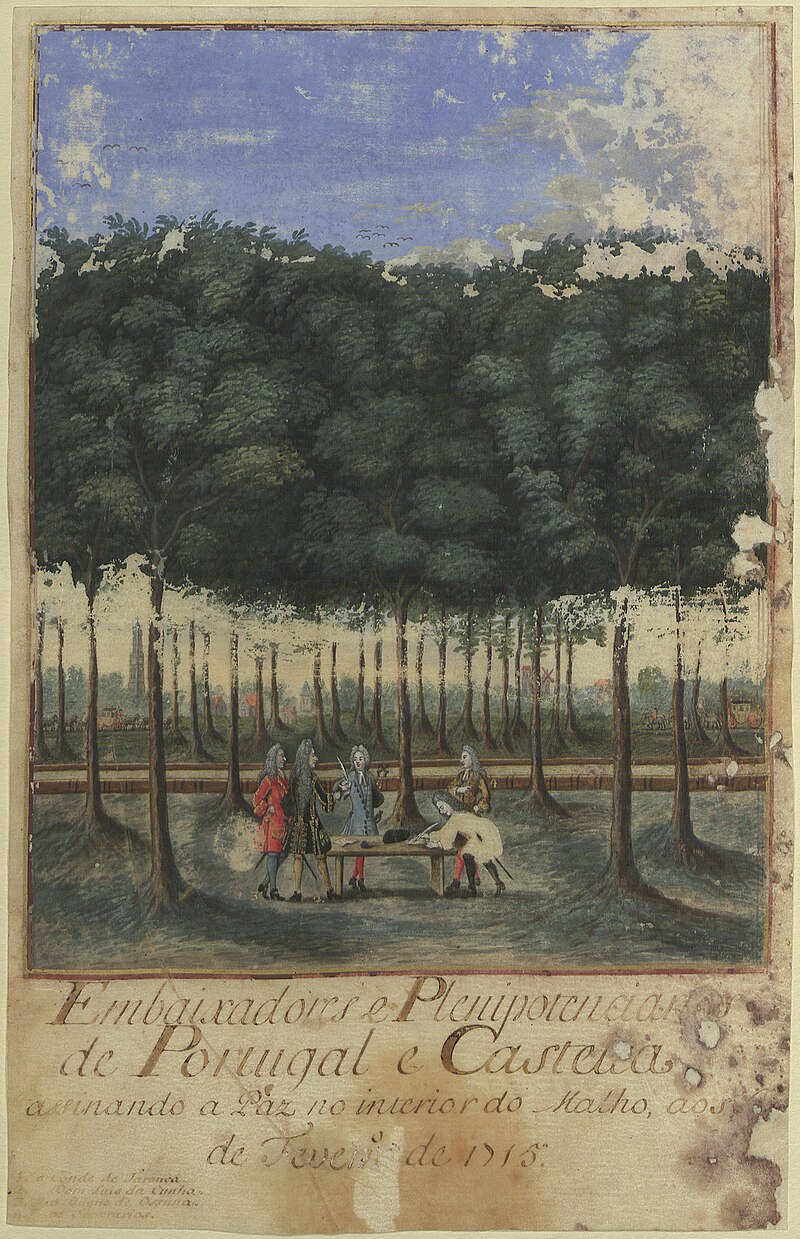
In the early 18th century, the War of the Spanish Succession engulfed Europe as major powers vied for control over the Spanish throne. As the conflict neared a resolution, the Treaty of Utrecht was signed, effectively bringing an end to the war and reshaping the political landscape of the continent.
The Treaty of Utrecht saw the Spanish Netherlands being transferred from Spanish to Austrian control, solidifying the Austrian Habsburgs' influence in the region. This marked a significant shift in power dynamics within Europe and established a new balance of power that would shape diplomatic relations for years to come.
With the signing of the treaty, various territorial adjustments were made, including the cession of territories such as Gibraltar and Minorca to the British, and Sicily to the Duke of Savoy. Additionally, France made concessions by relinquishing some of its territories, signaling a weakening of its dominance in European affairs.
The repercussions of the Treaty of Utrecht were vast, as it not only ended a long and bloody conflict but also set the stage for a new era of diplomacy and alliances. The transfer of the Spanish Netherlands to the Austrian Habsburgs had far-reaching implications for the political landscape of Europe, paving the way for future power struggles and negotiations among the continent's major powers.
This event underscores the complex web of alliances and rivalries that defined European politics in the early 18th century and highlights the pivotal role played by treaties in shaping the course of history. The Treaty of Utrecht stands as a testament to the diplomatic intricacies of the time and the lasting impact of geopolitical decisions on the development of nations. #TreatyofUtrecht #WaroftheSpanishSuccession #AustrianHabsburgs #EuropeanDiplomacy
View details1665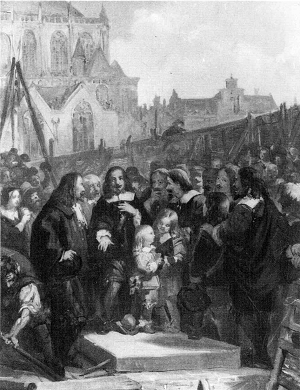
The completion of the Royal Palace in Amsterdam marked a significant milestone in the city's history. Originally constructed as the city hall, the transformation into a royal residence was a reflection of the growing power and influence of the Dutch monarchy in the mid-17th century.
The building's design was a testament to the wealth and prosperity of Amsterdam during the Golden Age. Architectural elements such as the grand facades, ornate decorations, and impressive marble columns showcased the city's status as a center of commerce and culture.
The Royal Palace served as a symbol of the Dutch Republic's political and economic strength, hosting important events such as royal receptions, state visits, and official ceremonies. Its central location on the prestigious Dam Square further emphasized its significance as a focal point of Amsterdam.
The completion of the Royal Palace brought prestige and prestige to the city, attracting tourists and dignitaries from around the world. The building's lavish interiors, including intricate ceiling paintings, opulent furnishings, and vast courtyards, were a testament to the artistic and architectural achievements of the time.
Today, the Royal Palace continues to serve as a historic landmark and cultural attraction in Amsterdam, showcasing the rich heritage and legacy of the Dutch monarchy. The building stands as a testament to the city's enduring elegance and grandeur, attracting visitors who are eager to explore its storied past.
#RoyalPalace #Amsterdam #History #DutchMonarchy
View details1634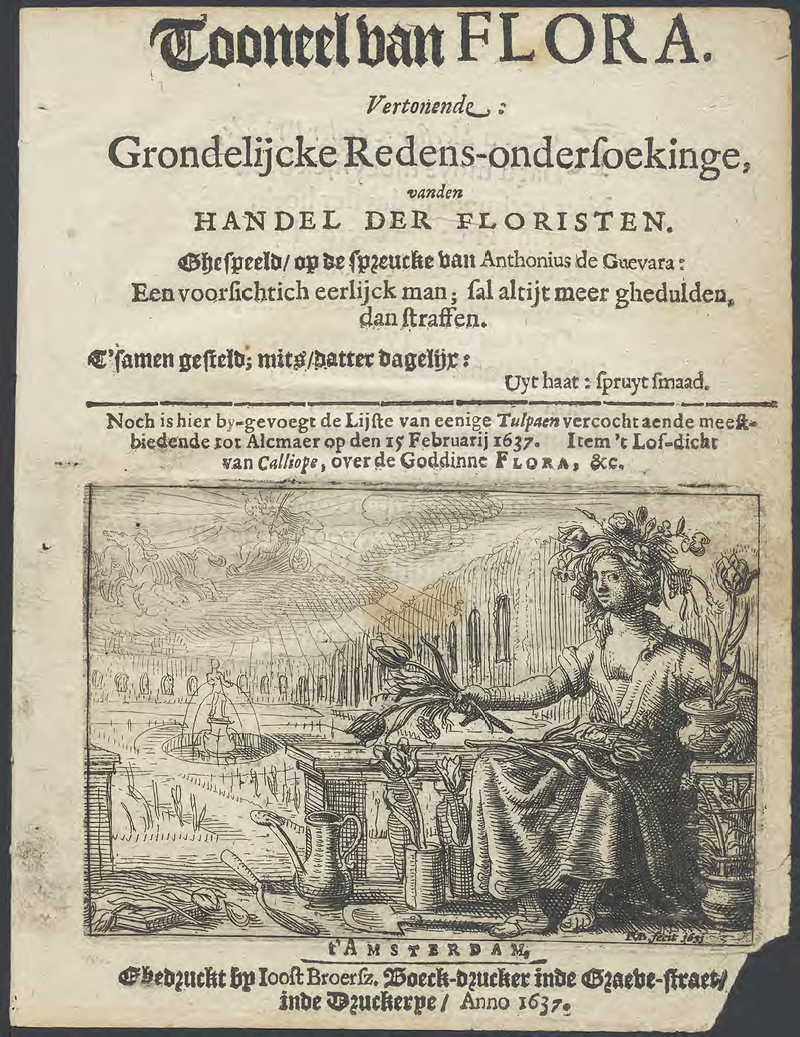
In the Netherlands, a speculative frenzy known as Tulip Mania took hold. The event saw the prices of tulip bulbs skyrocket to extraordinary levels, with some bulbs selling for the same price as a luxurious house. It all began when tulips, originally imported from the Ottoman Empire, gained popularity in Dutch society for their vibrant colors and unique shapes.
People from all walks of life, from aristocrats to commoners, were drawn into the craze, hoping to make quick profits from trading tulip bulbs. The trade in these flowers reached a fever pitch, leading to a speculative bubble as prices continued to rise.
However, the bubble eventually burst, leading to a sudden and drastic decline in tulip bulb prices. Many investors suffered significant financial losses as a result of the crash, while others saw their fortunes disappear overnight. The government eventually intervened to help stabilize the market and prevent further economic damage.
Despite the financial ruin faced by many, Tulip Mania left a lasting impact on Dutch society. It became a cautionary tale about the dangers of speculative excess and the unpredictability of financial markets. The event also highlighted the importance of regulation and oversight in preventing future bubbles.
Tulip Mania serves as a reminder of the power of human emotions in driving economic behavior and the risks associated with speculative investments. It is a historical milestone that continues to captivate scholars and economists to this day.
#TulipMania #NetherlandsHistory #SpeculativeBubble #FinancialCrash
View details1609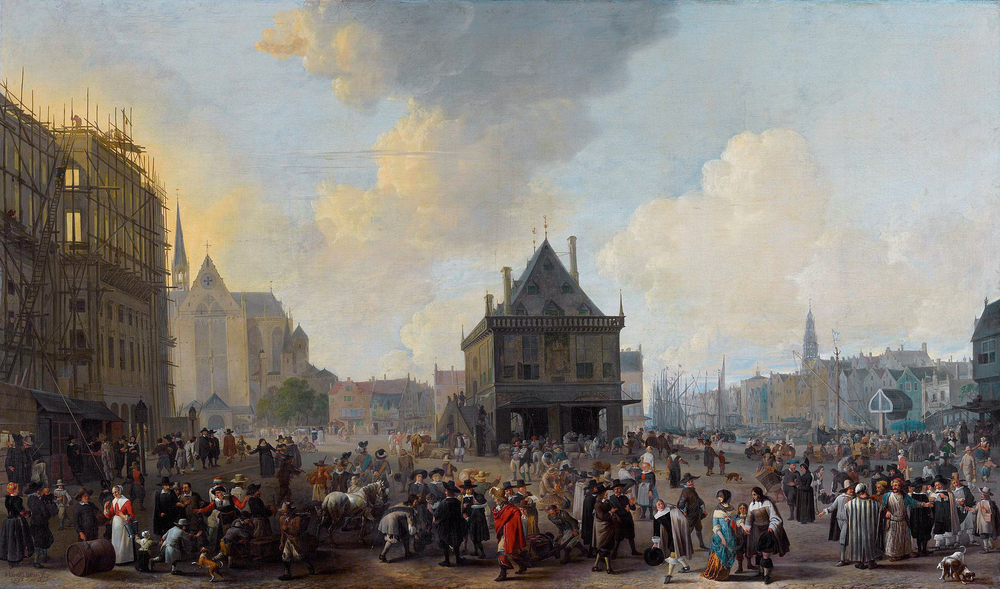
In the early 17th century in Amsterdam, the establishment of the Bank of Amsterdam marked a pivotal moment in the world of banking. Serving as one of the pioneering public banks globally, it revolutionized financial transactions and set a new standard for banking practices.
The Bank of Amsterdam emerged in response to the flourishing trade and commerce in the city during that period. Merchants and traders needed a reliable institution to safeguard their wealth and facilitate secure transactions. As a public bank, it provided a safe place for individuals to deposit their money and conduct business through the issuance of bank transfers.
One of the most impactful innovations introduced by the Bank of Amsterdam was the creation of the first known form of a central bank. By issuing a universally accepted currency called the bank guilder, it simplified trade and eliminated the need for cumbersome barter systems. This not only streamlined economic activities within Amsterdam but also contributed to the city's emergence as a major financial hub in Europe.
Furthermore, the Bank of Amsterdam played a crucial role in stabilizing the local economy by regulating the circulation of money and preventing inflation. Its prudent management of deposits and loans set a precedent for responsible banking practices that would be adopted by future financial institutions.
The establishment of the Bank of Amsterdam laid the groundwork for modern banking systems and influenced the development of financial institutions worldwide. Its innovative approach to banking operations and currency management had a lasting impact on the global economy, demonstrating the importance of a stable and trustworthy financial system for fostering economic growth and prosperity.
#BankofAmsterdam #PublicBanking #FinancialInnovation #EconomicStability #AmsterdamFinance
View details1602
The Dutch East India Company {VOC} was established in the early 17th century in the Netherlands. Founded as a result of growing Dutch maritime trade with the East Indies, VOC was one of the first multinational corporations globally. The Dutch government granted the company a monopoly on Dutch trade in Asia, leading to a powerful economic entity that engaged in shipping, trade, and colonization.
VOC played a significant role in the Age of Exploration, contributing to the Dutch Golden Age by dominating trade routes and establishing colonies throughout Asia. The company's influence extended beyond commerce, as VOC had its own army, built forts, and waged wars to protect its interests. VOC's economic success fueled innovation in finance and played a crucial role in the rise of Amsterdam as a global financial center.
Impactfully, VOC's establishment transformed the nature of global trade, pioneering new business practices and shaping the modern capitalist economy. The company's corporate structure, with shareholders and a central board of directors, set the precedent for modern business organizations. VOC's activities also had lasting social and cultural effects, as Dutch colonial expansion influenced the cultures and economies of regions like Indonesia, Sri Lanka, and South Africa.
The legacy of the Dutch East India Company {VOC} continues to be felt in the present day, with its impact on global trade and corporate governance still evident. The establishment of VOC marked a turning point in the history of multinational corporations, demonstrating the possibilities and challenges of international business ventures.
#DutchEastIndiaCompany #VOC #Netherlands #GlobalTrade #MultinationalCorporation #DutchGoldenAge
View details1588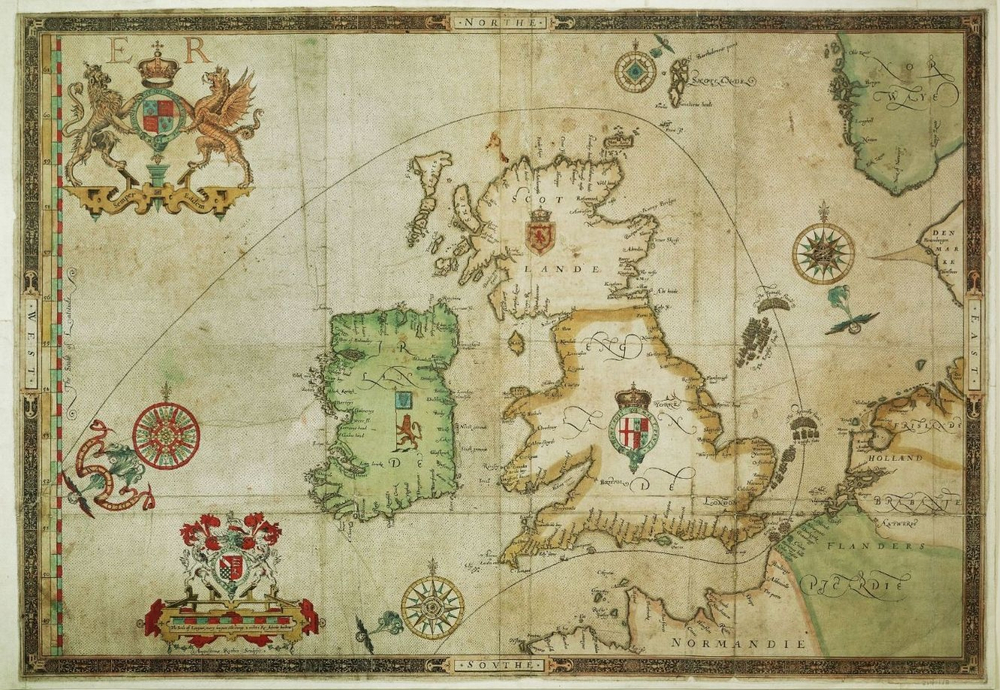
In the late 16th century, the Spanish Armada set sail with the intention of invading England and gaining control over the Netherlands. The powerful Spanish fleet consisted of around 130 ships and was considered nearly unstoppable. However, the English fleet, led by Admiral Lord Howard and Sir Francis Drake, employed innovative tactics such as smaller, faster ships armed with long-range cannons.
When the Spanish Armada reached the English Channel, the English fleet engaged them in a series of naval battles. The English ships utilized their maneuverability and firepower to harry the larger Spanish vessels, preventing them from forming a cohesive battle line. The Spanish Armada's lack of coordination and unfavorable weather conditions further weakened their efforts.
After several days of skirmishes, the Spanish Armada suffered heavy losses and was forced to retreat. The English fleet pursued them up the eastern coast of England, inflicting further damage. Many Spanish ships were wrecked on the rocky shores of Scotland and Ireland, with only a fraction of the Armada's original force returning to Spain.
The defeat of the Spanish Armada was a turning point in European history, as it prevented the Spanish from achieving naval dominance and halted their plans for the invasion of England and the Netherlands. The English victory boosted their morale and established their naval supremacy, paving the way for England's rise as a global maritime power.
The event highlighted the importance of naval strength and innovation in warfare and demonstrated the vulnerability of even the most formidable fleets. It also marked a shift in the balance of power in Europe, with Spain's influence declining and England asserting itself as a major player on the world stage. The failed invasion had significant ramifications for the Netherlands, as it thwarted Spanish attempts to tighten their grip on the region.
#SpanishArmada #NavalSupremacy #EuropeanHistory #Netherlands
View detailsDuring the 16th century, the Dutch Republic marked the beginning of its Golden Age. A truce had ended the war and brought stability to the region, prompting a surge in economic growth. The Dutch East India Company was established, allowing Dutch merchants to establish trade routes with Asia. This move catapulted Amsterdam into a major financial center in Europe, attracting merchants, artists, and intellectuals.
The impact of this era was immense, as the Dutch Republic became a hub of innovation and creativity. The flourishing economy allowed for a thriving art scene, with artists like Rembrandt and Vermeer producing masterpieces that still captivate audiences today. Scientific advancements were also made during this time, with figures like Antonie van Leeuwenhoek making breakthroughs in microscopy.
The Dutch Golden Age was characterized by a strong sense of national identity and pride. The Dutch people embraced their newfound independence and worked together to create a prosperous society. This period also saw the rise of democratic values, as the Dutch Republic implemented a decentralized system of government that granted power to local authorities.
The legacy of the Dutch Golden Age is still evident in the Netherlands today. The country's reputation as a center of commerce, art, and innovation can be traced back to this pivotal moment in history. The values of tolerance, freedom, and innovation that defined the Golden Age continue to shape Dutch society.
#DutchRepublic #TradeExpansion #CulturalFlourishing
View details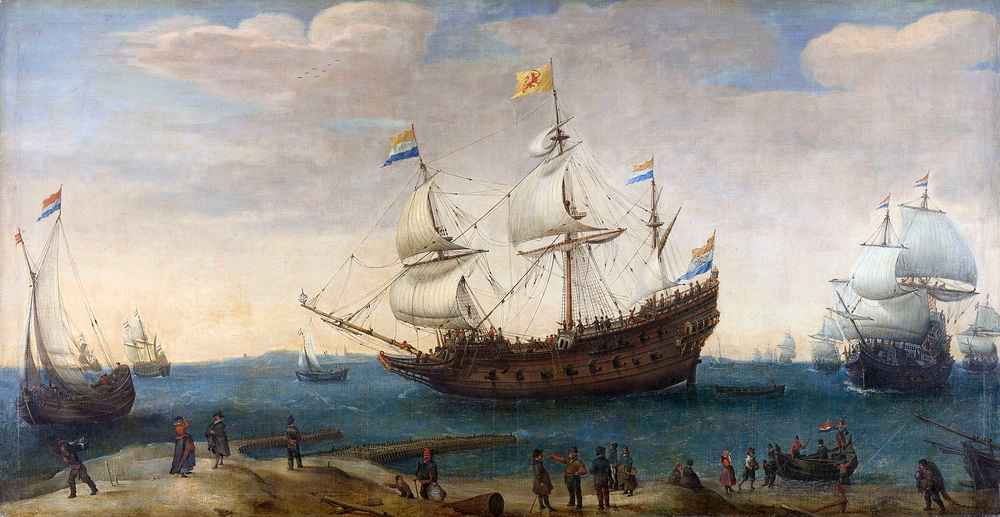
1584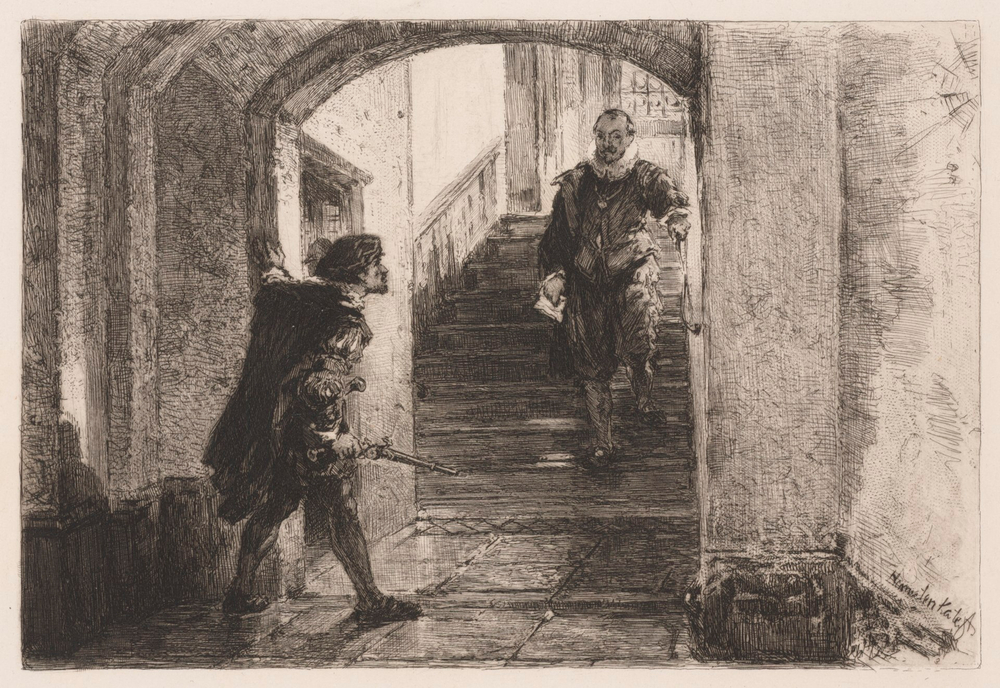
William the Silent, Prince of Orange, a prominent leader in the Dutch Revolt against Spanish rule, was assassinated in Delft. The assassination was carried out by Balthasar Gérard, a French supporter of the Spanish Crown. William's death was a severe blow to the Dutch independence movement, as he was a unifying figure and a key strategist.
Born into a noble family, William became a steadfast advocate for Dutch autonomy, leading the resistance against Spanish oppression. His assassination left a power vacuum within the Dutch Revolt, leading to a period of uncertainty and internal strife among the rebellious provinces.
The impact of William's assassination was profound, as it galvanized the Dutch resolve to continue the fight for independence. Despite his death, his legacy inspired the Dutch to persevere and eventually achieve independence from Spanish rule. The assassination of William the Silent was a turning point in the Dutch Revolt, solidifying the determination of the Dutch people to establish a free and sovereign nation.
The aftermath of William's assassination led to increased support for the Dutch cause from other European powers, including England and France. The Dutch Republic emerged as a significant maritime and economic power in the following centuries, in part due to the foundation laid by William the Silent and his sacrifice for Dutch independence.
The assassination of William the Silent symbolizes the sacrifices made by individuals in the pursuit of freedom and self-determination. His legacy continues to inspire generations of Dutch people to uphold the principles of liberty and democracy that he fought for.
#DutchRevolt #Independence #Assassination #Legacy
View details1579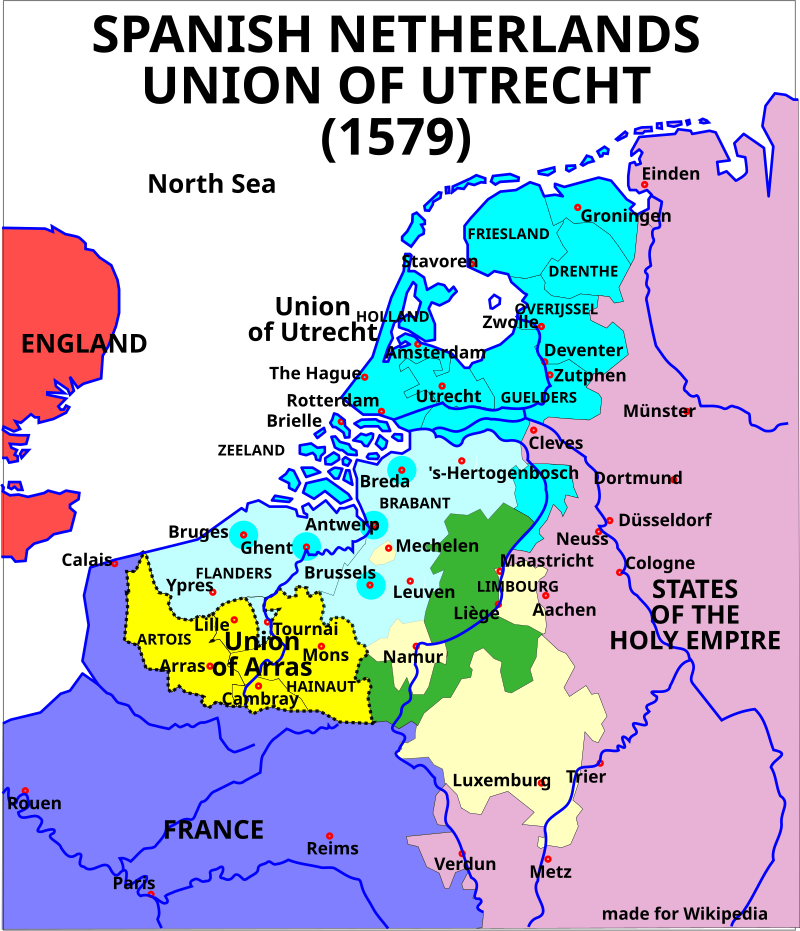
In the late 16th century, the Union of Utrecht was signed in the Netherlands by Dutch provinces seeking to establish a unified front against Spanish rule. The agreement resulted in the formation of the United Provinces of the Netherlands, marking the beginning of the Dutch Republic.
The Union of Utrecht was a response to the oppressive rule of King Philip II of Spain, who sought to impose Catholicism on the Protestant Dutch provinces. The document outlined the mutual defense and support of the signatory provinces, creating a strong alliance against the Spanish forces.
This historic event had a significant impact on the Netherlands, as it laid the foundation for the Dutch Republic's independence and sovereignty. The United Provinces of the Netherlands emerged as a major power in Europe, with a strong economy and a formidable navy that challenged traditional powers in the region.
The Union of Utrecht also paved the way for the Dutch Golden Age, a period of great economic prosperity, cultural flourishing, and scientific advancement in the 17th century. The Dutch Republic became known for its tolerance, trade dominance, and innovative spirit, attracting skilled workers, merchants, and artists from across Europe.
Overall, the signing of the Union of Utrecht was a pivotal moment in Dutch history, symbolizing the resilience and determination of the Dutch people to fight for their freedom and establish a new republic based on principles of unity, tolerance, and prosperity.
#Netherlands #DutchRepublic #UnionofUtrecht #Independence #GoldenAge
View details1575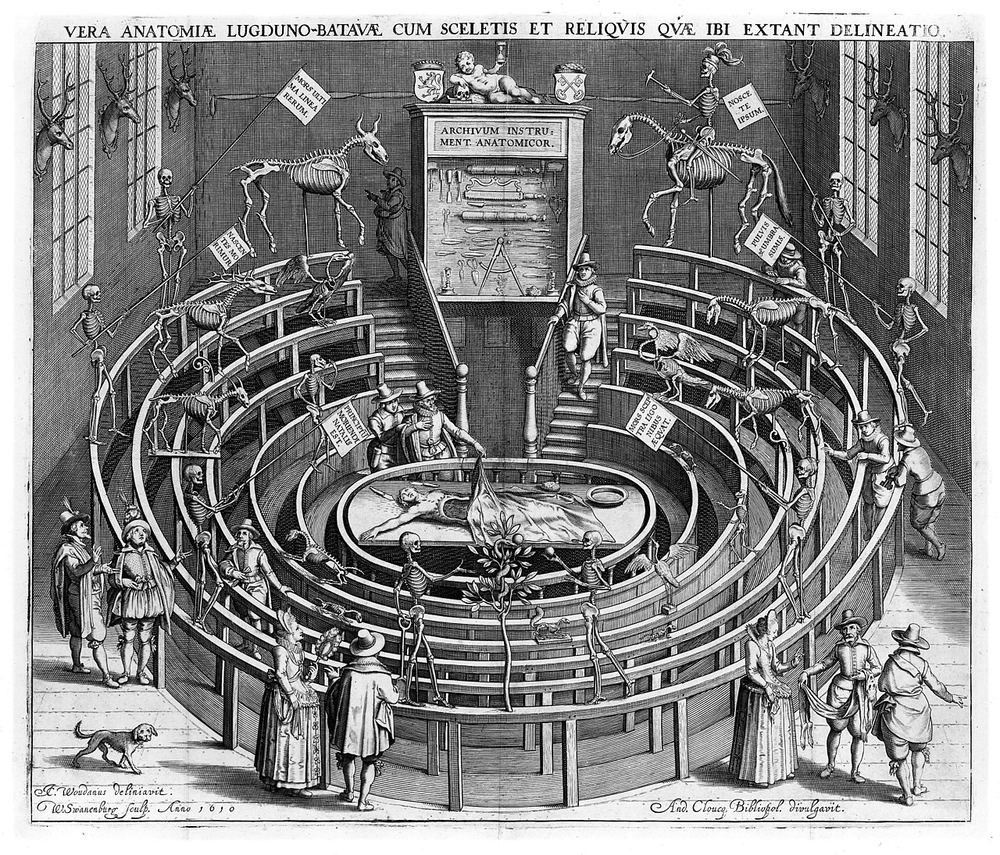
Leiden University was founded in the 16th century in the Netherlands, during a period of religious and political unrest in the region. It was established as a bastion of freedom to study and express ideas independently. The university was born out of the desire for academic freedom and the need for a center of learning that was not constrained by religious or political influences.
The establishment of Leiden University had a significant impact on the intellectual landscape of Europe. It quickly gained a reputation for its high academic standards and became a leading center of learning, attracting students and scholars from all over the world. The university played a crucial role in the development of various fields of study, including law, medicine, and natural sciences.
Over the centuries, Leiden University has continued to uphold its tradition of academic excellence and has produced many notable alumni, including Nobel laureates, politicians, and scholars. The university has also contributed to the advancement of knowledge through its research and publications.
Today, Leiden University remains one of the oldest and most prestigious universities in the Netherlands, continuing to uphold its commitment to academic freedom and excellence. It continues to attract students and researchers from around the globe and maintains its position as a leading institution of higher education.
#LeidenUniversity #AcademicFreedom #IntellectualExcellence #HistoricEvent
View details1570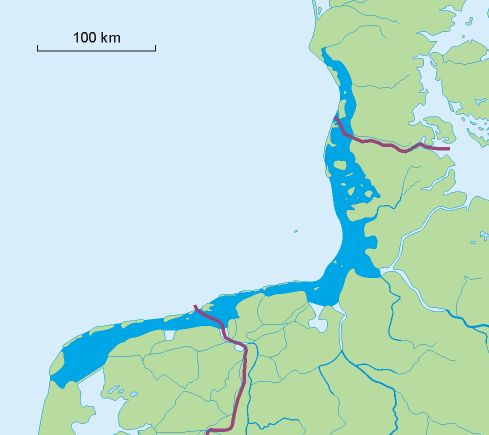
The St. Martin's Day Flood, which resulted in the formation of the Waddenzee in the Netherlands, was a devastating natural disaster caused by a combination of a severe storm and a high tide. The flood led to the breaching of dikes in multiple locations, causing widespread inundation of low-lying areas in the northern regions of the country.
The impact of the flood was substantial, resulting in the loss of thousands of lives and significant damage to property and infrastructure. Entire villages were submerged, crops were destroyed, and livestock perished. The economic consequences were dire, as the affected regions were key agricultural areas.
In the aftermath of the disaster, the decision was made to not only repair the damaged dikes but also to adapt the landscape to prevent similar catastrophic events in the future. As a result, the Waddenzee, a unique coastal wetland area, was formed. This new body of water provided a buffer zone that helped protect the inland areas from future storm surges.
The formation of the Waddenzee had a lasting impact on the region, leading to changes in the local ecosystem and creating new opportunities for marine life and bird populations. The area became recognized for its ecological importance, eventually being designated as a UNESCO World Heritage Site.
The St. Martin's Day Flood serves as a reminder of the ongoing challenges that the Netherlands faces in managing its relationship with water. It highlights the importance of effective water management strategies and the need to continuously adapt to the threats posed by climate change and rising sea levels.
#StMartinsDayFlood #WaddenzeeFormation #NetherlandsHistory #NaturalDisaster #WaterManagement
View details1566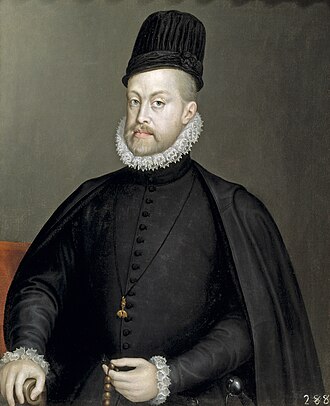
In the 16th century, the Netherlands was under the oppressive rule of the Spanish Empire, with religious tensions running high due to the imposition of Catholicism. The Dutch, predominantly Calvinist Protestants, faced severe persecution and economic exploitation.
The breaking point came when Philip II of Spain instituted harsher measures, prompting a group of Dutch nobles to unite in resistance. Under the leadership of William of Orange, the rebels launched a coordinated effort to challenge Spanish dominance.
The initial battles were fierce, as both sides fought for control of strategic regions. The Dutch's guerilla tactics and intimate knowledge of the land gave them an advantage, despite facing a stronger and better-equipped Spanish army.
The conflict soon escalated into a full-scale war, spreading across the Netherlands and lasting for decades. The Dutch revolt marked a significant shift in European politics, as it challenged the authority of a powerful empire and highlighted the desire for religious freedom and self-governance.
The revolt also had profound economic implications, as the Netherlands was a wealthy region with flourishing trade and commerce. The disruption caused by the war led to economic decline in the short term, but ultimately paved the way for the Dutch Golden Age in the following centuries.
The impact of the Dutch revolt reverberated beyond the borders of the Netherlands, inspiring other European nations to assert their independence and challenge imperial rule. It also laid the groundwork for the rise of the Dutch Republic as a major political and economic power in Europe.
The Revolt of the Netherlands against Spanish rule serves as a testament to the enduring spirit of resistance and the quest for freedom that shaped the course of European history.
#DutchRevolt #SpanishRule #IndependenceMovement #EuropeanHistory #ReligiousFreedom
View details1559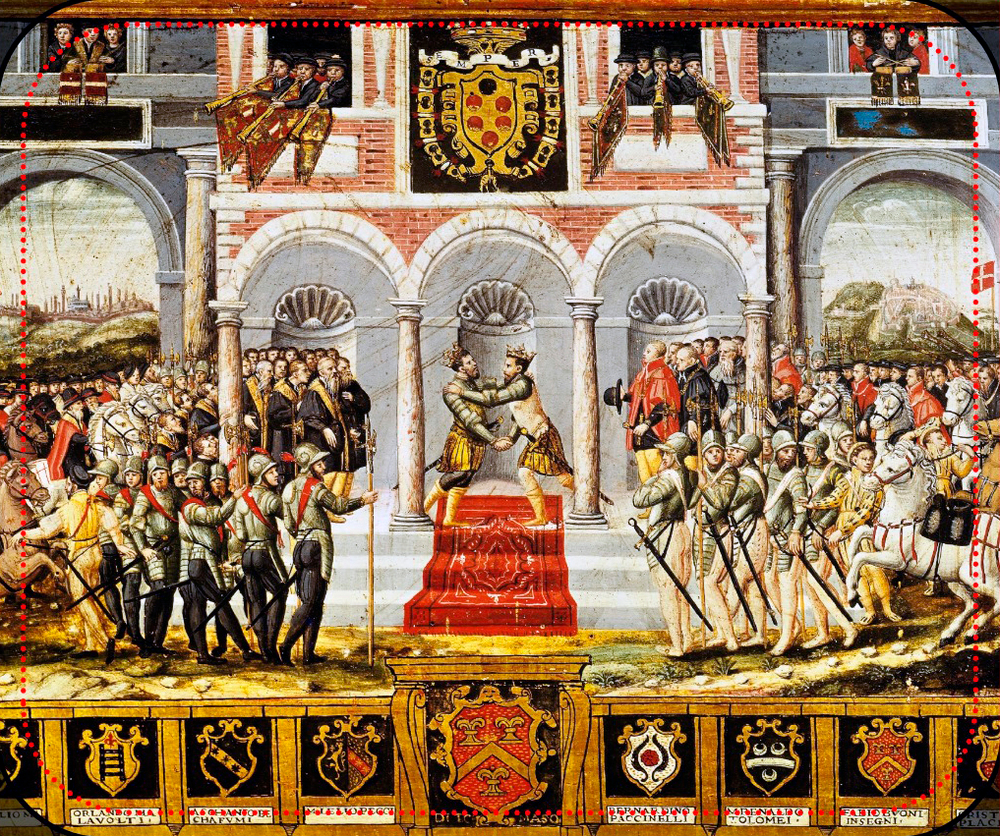
In 1559, the Treaty of Cateau-Cambrésis was signed, ending the war between France and Spain. This significant event had a profound impact on the Netherlands, which was caught in the crossfire of the Franco-Spanish conflict.
The Netherlands, then known as the Low Countries, was a strategic region coveted by both France and Spain due to its wealthy trade networks and economic prosperity. The war had ravaged the Dutch lands, causing immense suffering and economic turmoil.
With the signing of the Treaty of Cateau-Cambrésis, the peace brought a sense of relief to the Netherlands. The terms of the treaty defined new boundaries and spheres of influence between France and Spain, effectively ending their hostilities in the region.
The treaty also marked the beginning of the Dutch Revolt against Spanish rule, as the Netherlands sought to break free from the oppressive control of King Philip II. This conflict would eventually lead to the Eighty Years' War and the eventual independence of the Dutch Republic.
Overall, the Treaty of Cateau-Cambrésis was a turning point in the history of the Netherlands. It set the stage for the Dutch struggle for independence and shaped the political landscape of the region for years to come.
#TreatyofCateauCambresis #NetherlandsHistory #FrancoSpanishWar #DutchRevolt
View details1383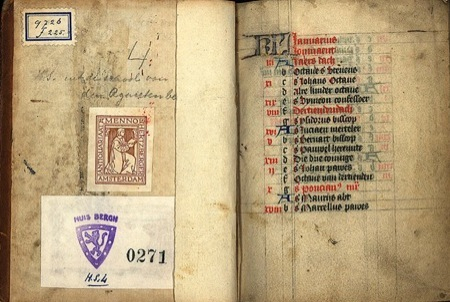
In 1384, a noteworthy religious movement known as the Devotio Moderna emerged in the Netherlands. This movement primarily focused on personal spiritual development and piety, advocating for a simpler way of living centered around individual devotion to God.
The Devotio Moderna movement originated in Deventer, a city in the Dutch province of Overijssel, with the teachings of Gerard Groote. Influenced by the teachings of Augustine of Hippo and the Brethren of the Common Life, followers of Devotio Moderna emphasized the importance of inner reflection, personal prayer, and humility in their spiritual practices.
One of the key impacts of the emergence of the Devotio Moderna movement was the establishment of religious communities known as houses of the Brethren of the Common Life. These communities served as centers for spiritual growth and education, attracting individuals who sought a more contemplative and meaningful religious experience.
The movement also had a significant influence on the broader religious landscape of the Netherlands, as well as other parts of Europe. The emphasis on personal piety and simplicity resonated with many people, leading to a widespread adoption of Devotio Moderna principles in various religious communities and institutions.
Overall, the emergence of the Devotio Moderna movement in the Netherlands in 1384 marked a shift towards a more personalized and introspective approach to religious practice. Its focus on individual spiritual development and devotion to God left a lasting impact on the religious beliefs and practices of many people during that time and beyond.
#DevotioModerna #NetherlandsSpirituality #PersonalPiety
View details1321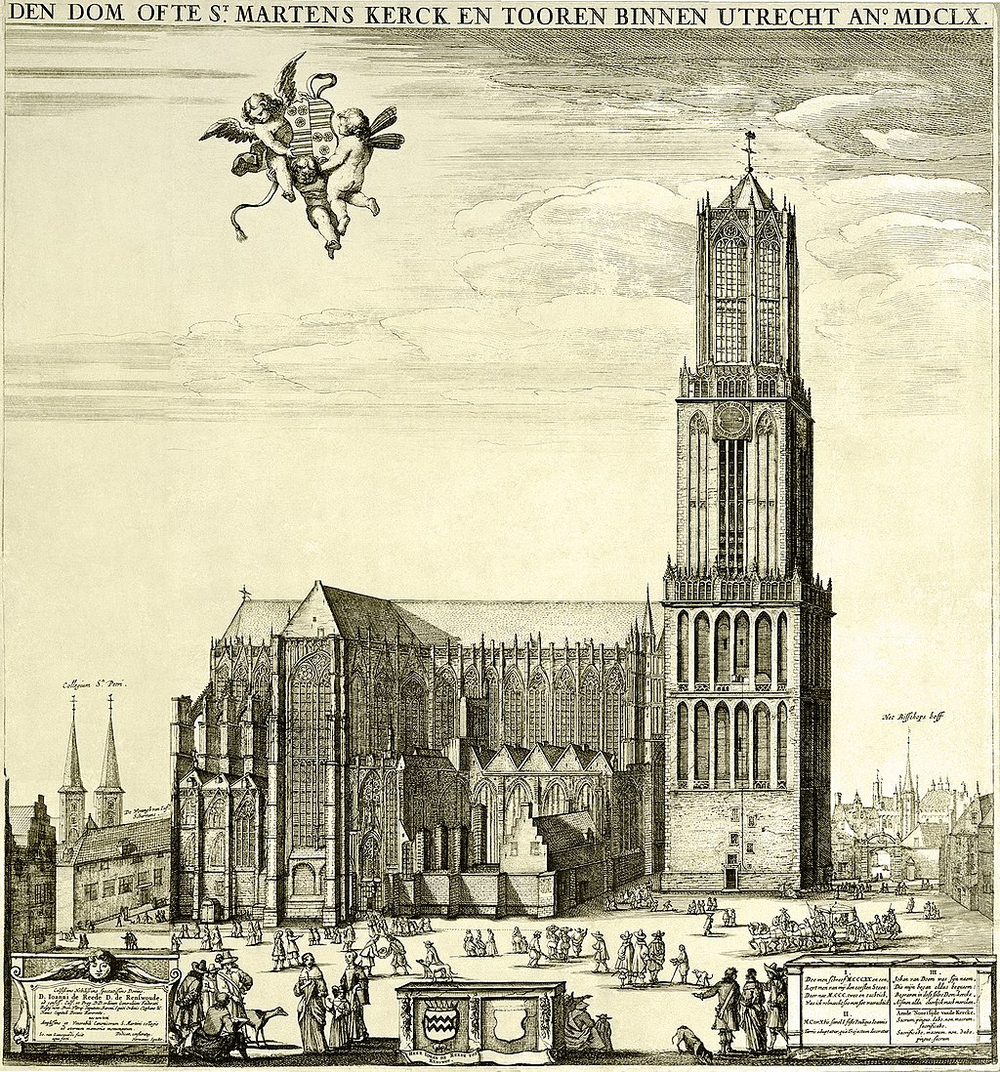
In 1321, the construction of the Dom Tower in Utrecht, Netherlands commenced, marking a pivotal moment in the city's history. The tower was part of the larger Dom Church complex and was intended to be the tallest church tower in the Netherlands.
The construction of the Dom Tower was led by Jan van Oudewater, a renowned master builder of the time. The tower was designed in the Gothic style, with intricate architectural details and a sturdy stone structure. The construction process involved skilled craftsmen and laborers working tirelessly to bring the grand vision to life.
The completion of the Dom Tower had a significant impact on the city of Utrecht. It served not only as a symbol of religious devotion but also as a testament to the city's wealth and power. The tower became a focal point of the Utrecht skyline, guiding travelers and locals alike with its imposing presence.
Over the centuries, the Dom Tower has endured wars, fires, and natural disasters, yet it still stands tall as a beloved landmark in Utrecht. It has witnessed the city's evolution through various historical periods and remains a testament to the architectural and engineering prowess of its builders.
Today, the Dom Tower continues to attract visitors from around the world, who marvel at its beauty and climb its 465 steps to enjoy panoramic views of Utrecht and its surroundings. The tower stands as a reminder of the city's rich history and cultural heritage, captivating all who encounter it.
#DomTower #UtrechtHistory #GothicArchitecture
View details1316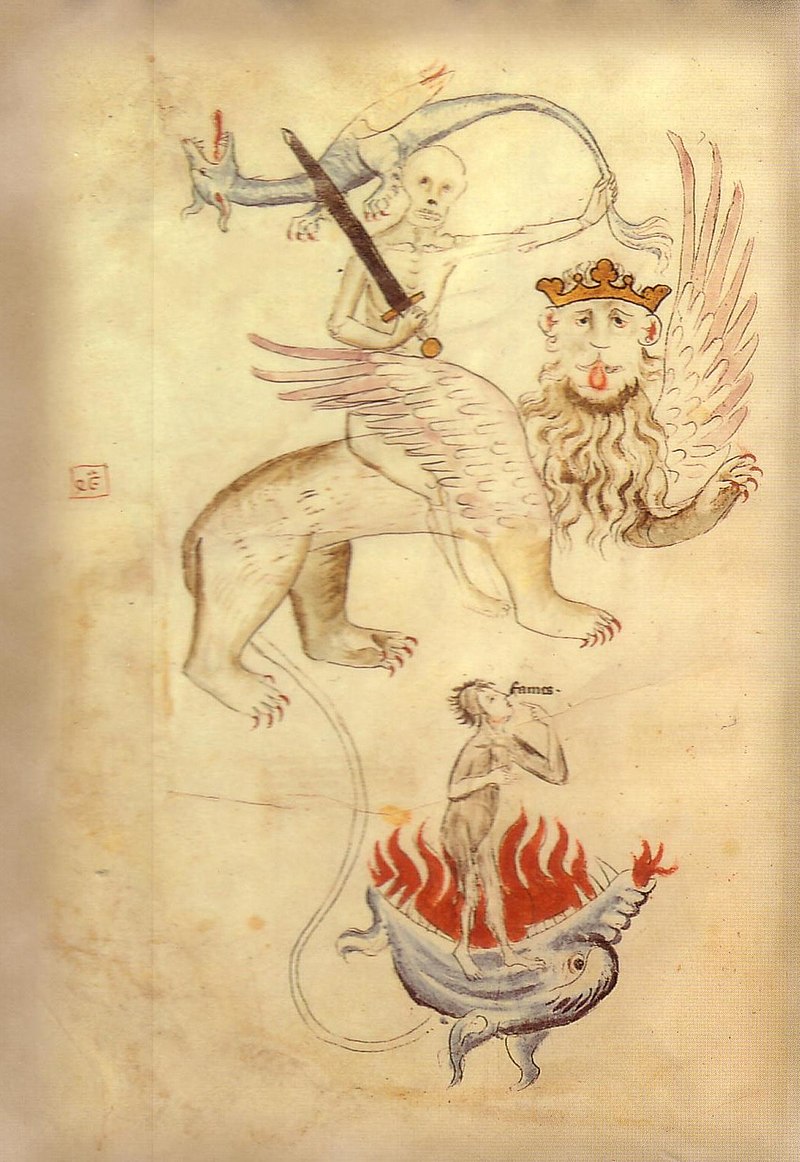
The Great European famine of 1315 brought widespread suffering to the inhabitants of the Netherlands. The event was triggered by a combination of climate change and consecutive crop failures, leading to a scarcity of food resources essential for survival. The Netherlands, heavily reliant on agriculture, faced immense challenges as fields yielded insufficient harvests. With the scarcity of staple crops like wheat and oats, food prices soared, making it unaffordable for many.
The impact of the famine was profound and far-reaching. Communities across the Netherlands struggled to find sustenance, leading to widespread hunger and malnutrition. The most vulnerable, such as the elderly and children, suffered the most as resources dwindled. The lack of food also meant weakened immune systems, making the population more susceptible to diseases. The social fabric of the Netherlands was strained as desperation grew, leading to civil unrest and a decline in overall well-being.
Local authorities and charitable organizations tried to alleviate the suffering by distributing aid and organizing relief efforts. However, the scale of the famine stretched resources thin, making it challenging to reach all those in need. The population of the Netherlands faced a harsh reality as they grappled with the consequences of the prolonged food shortage.
In the aftermath of the Great European famine, the Netherlands experienced a period of recovery and resilience-building. Lessons learned from the disaster led to advancements in agricultural practices and food storage techniques to prevent similar crises in the future. The event served as a stark reminder of the fragility of food systems in the face of environmental challenges.
#Netherlands #GreatEuropeanFamine #ClimateChange #CropFailures #Resilience
View details1306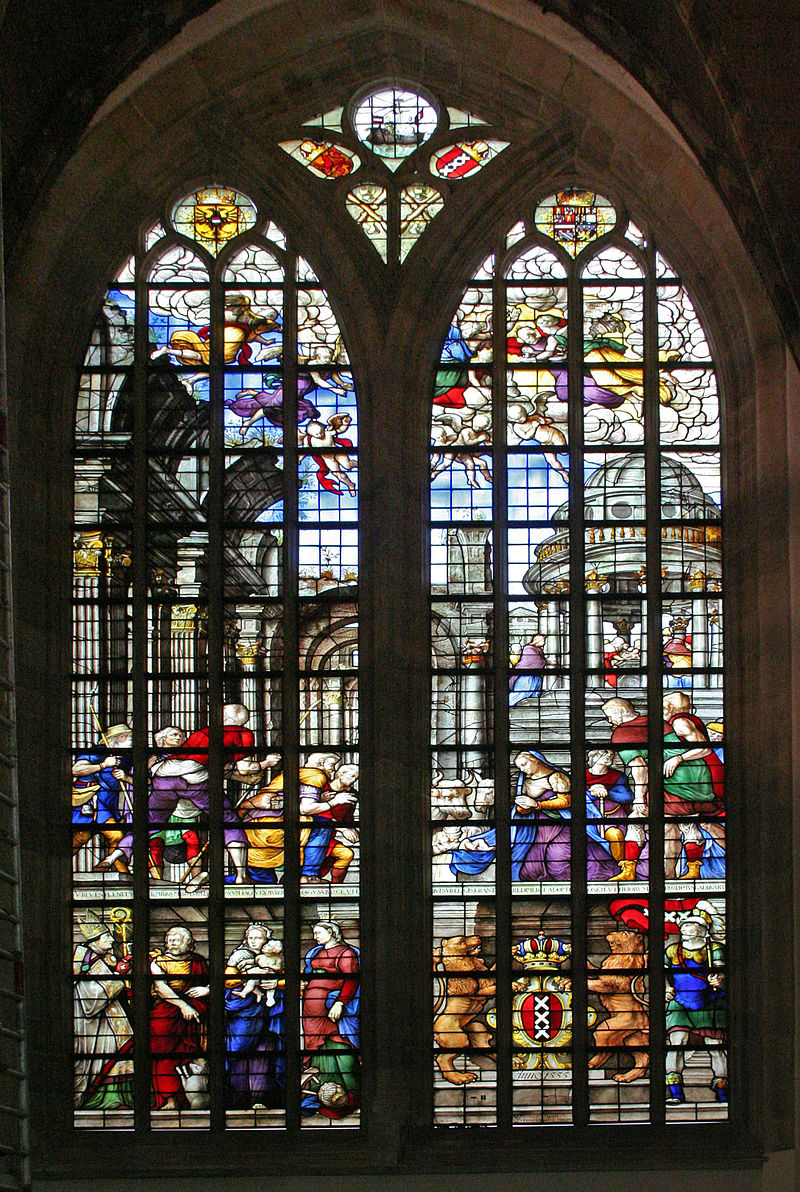
The Oude Kerk {Old Church} in Amsterdam was completed in 1306, making it one of the oldest buildings in the city. The church's construction began in the early 13th century, under the supervision of local masons and carpenters. Built in a simple yet elegant Gothic architectural style, the Oude Kerk served as a center of religious and social life in Amsterdam.
The completion of the Oude Kerk had a significant impact on the city's development, attracting pilgrims and worshippers from far and wide. The church's towering spire became a recognizable landmark in Amsterdam, guiding travelers and traders to the bustling markets nearby. Over the centuries, the Oude Kerk witnessed numerous historical events, including royal coronations, religious ceremonies, and even artistic performances.
Today, the Oude Kerk stands as a symbol of Amsterdam's rich history and cultural heritage. Visitors can explore its ancient walls, admire its stained glass windows, and marvel at its ornate decorations. The church continues to host religious services, concerts, and art exhibitions, welcoming people of all backgrounds to gather and reflect.
#OudeKerk #AmsterdamHistory #CulturalHeritage
View details1296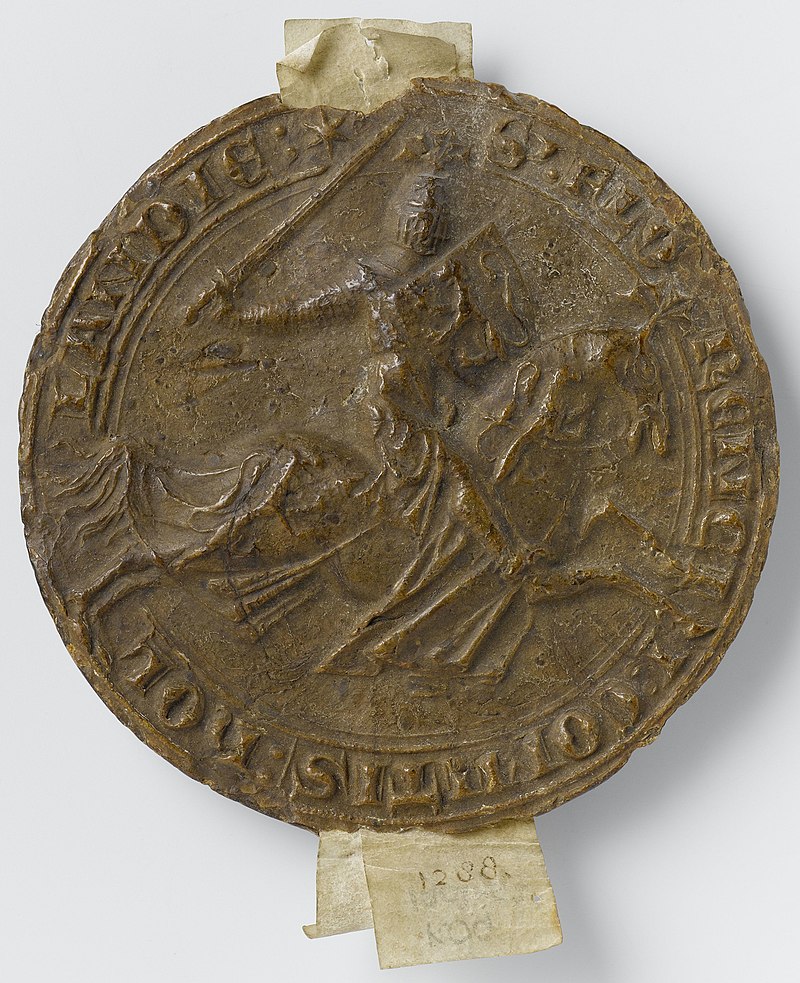
Floris V, the Count of Holland, known for his centralization policies, faced resistance from discontented nobles. They felt oppressed by his efforts to consolidate power and diminish their influence. The fractious relationship reached a breaking point when Floris V was slain by a group of nobles.
His death had significant repercussions. It left a power vacuum in Holland and destabilized the region. The murder of a reigning noble by other nobles was a rare and shocking occurrence, sparking fear and uncertainty among the populace. The assassination also highlighted the underlying tensions and rivalries within the noble class, exposing the fragility of the political landscape.
With Floris V's demise, his centralization policies were thrown into disarray. The progress he had made towards a more unified and centralized government was now in jeopardy, as his successors faced challenges in maintaining control over the discontented nobility. The event marked a setback for the consolidation of power in Holland and posed a threat to the stability and governance of the region.
In the aftermath of Floris V's murder, Holland plunged into a period of turmoil and upheaval as competing factions vied for control. The vacuum left by his death led to further power struggles and conflicts, shaping the future trajectory of the region. The event served as a cautionary tale of the dangers of centralized authority and the risks associated with challenging the established order.
#FlorisV #CountofHolland #murder #centralizationpolicies #nobles #Netherlands
View details1288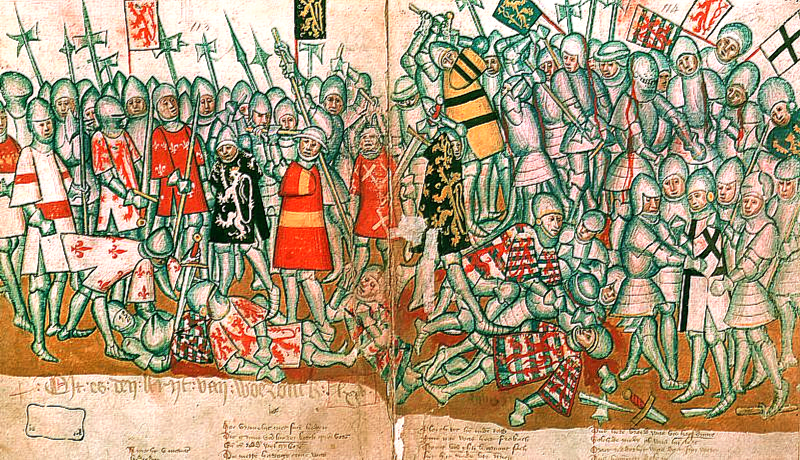
The Battle of Woeringen was a decisive conflict between the Bishopric of Cologne and the County of Guelders. It took place near the village of Woeringen and resulted in the emergence of the Duchy of Brabant. The dispute over territorial control had been escalating for years. The Count of Guelders sought to expand his influence, while the Bishopric of Cologne aimed to maintain its authority in the region.
The battle culminated in a victory for the Duke of Brabant, who seized the opportunity to establish his independent duchy. This marked a significant shift in power dynamics in the area, as the new duchy of Brabant emerged as a formidable political entity. The establishment of Brabant as a duchy would have long-lasting implications for the region, shaping its political landscape for centuries to come.
The Battle of Woeringen was not only a military victory but also a turning point in the formation of the Duchy of Brabant. It signified the consolidation of power and the establishment of a new political entity that would play a crucial role in the history of the Low Countries. The conflict reshaped the balance of power in the region and laid the foundation for the emergence of Brabant as a significant player in European politics.
The Battle of Woeringen holds a prominent place in Dutch history, highlighting the struggles for power and the formation of new political entities in the medieval period. It underscores the importance of territorial control and the impact of military conflicts on shaping the political landscape. The establishment of the Duchy of Brabant was a defining moment that would have far-reaching consequences for the region. #BattleOfWoeringen #DuchyOfBrabant #NetherlandsHistory
View details1214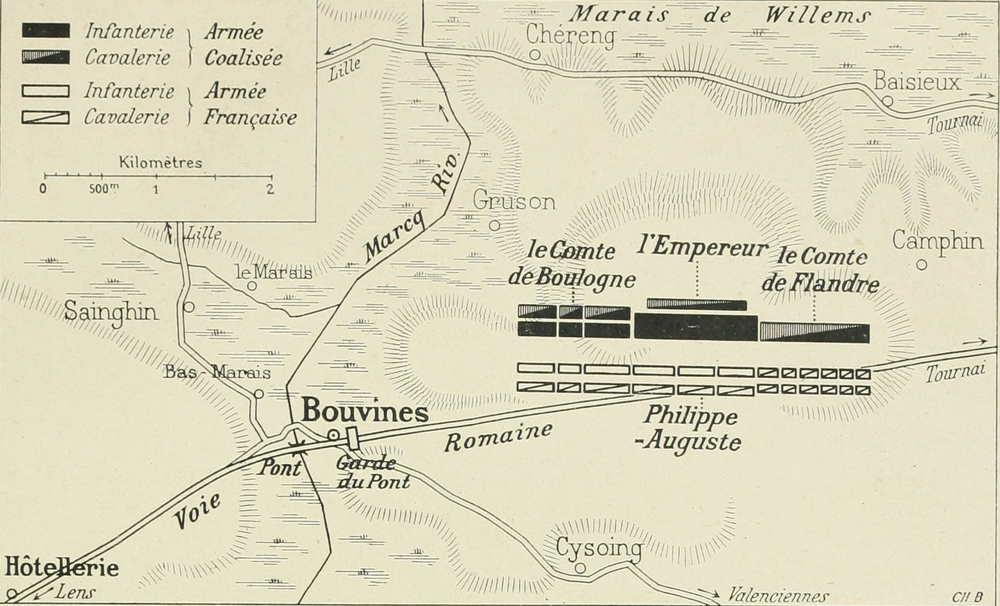
In the Battle of Bouvines, the Dutch army aligned with King Philip II of France in opposition to the Holy Roman Emperor Otto IV. This confrontation arose from a complex web of political alliances and power struggles across Europe during the early 13th century.
Otto IV aimed to consolidate his authority over the Kingdom of France and assert his dominance across the region. In contrast, Philip II of France sought to defend his territory and maintain his political influence. The Dutch army's involvement in this conflict underscored the international nature of medieval warfare and the shifting allegiances among European powers.
The battle culminated in a decisive victory for the French forces and their allies, including the Dutch army. This outcome solidified Philip II's position as a strong monarch in the region and significantly weakened Otto IV's grip on power. The repercussions of the Battle of Bouvines reverberated across Europe, reshaping political dynamics and alliances in the medieval period.
The Dutch army's contribution to the triumph at Bouvines demonstrated their military prowess and strategic importance in continental conflicts. This engagement further highlighted the interconnectedness of European states and the complexities of medieval power struggles.
#BattleOfBouvines #DutchArmy #KingPhilipII #HolyRomanEmperor #OttoIV #MedievalConflict #EuropeanPolitics #MilitaryHistory
View details1039
The death of Count Dirk III of Holland in battle was a crucial event in the history of the Netherlands. Dirk III, a powerful and ambitious ruler, had been steadily expanding his influence and territory in the region. His death in battle marked the end of his reign as the Count of Holland.
The battle in which Count Dirk III met his demise had significant implications for the political landscape of the Netherlands. It created a power vacuum in the region, leading to a period of uncertainty and turmoil as various factions vied for control. The death of a prominent leader like Dirk III also had a destabilizing effect on the local economy and society, as his strong leadership had helped maintain a sense of order and stability.
In the aftermath of Dirk III's death, his legacy continued to loom large in the collective memory of the people of Holland. Despite his ultimate defeat in battle, Dirk III was remembered as a fearless and determined leader who had fought tirelessly to expand and defend his territory. His death served as a reminder of the harsh realities of medieval warfare and the precarious nature of power and authority in the feudal system.
Overall, the death of Count Dirk III of Holland in battle was a pivotal moment in the history of the region. It not only marked the end of an era but also set the stage for the political and social upheavals that would follow in the centuries to come.
#CountDirkIII #Holland #Battle #Netherlands #MedievalHistory
View details1018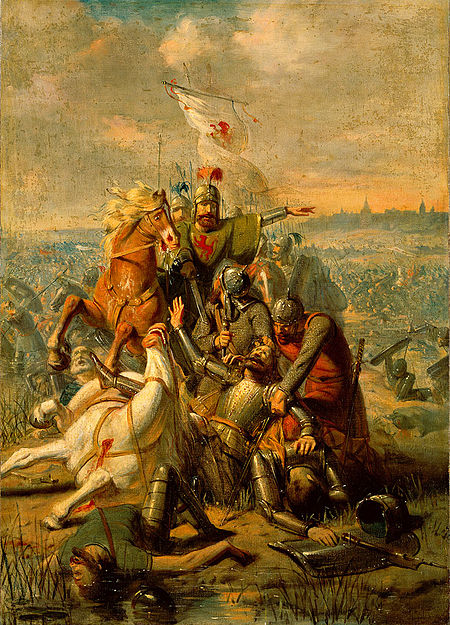
The Battle of Vlaardingen was a clash between the forces of Count Dirk III of Holland and a coalition of Frisians and West Franks. The battle took place near Vlaardingen, a town in the province of South Holland.
Count Dirk III led his troops against the invading coalition and achieved a decisive victory, securing control over the region. This victory solidified his position as a powerful ruler in the area and marked a significant moment in the history of Holland.
The Battle of Vlaardingen had a lasting impact on the power dynamics within the region. Count Dirk III's successful defense against the coalition not only strengthened his own authority but also played a crucial role in shaping the future of Holland. The battle established him as a formidable leader and laid the foundation for the County of Holland's continued growth and influence in the centuries to come.
This military triumph also symbolized the resilience and determination of the people of Holland in the face of external threats. The outcome of the Battle of Vlaardingen demonstrated the region's capacity to defend its sovereignty and protect its interests against foreign adversaries.
The legacy of the Battle of Vlaardingen is still remembered today as a testament to the courage and military prowess of Count Dirk III and his forces. It remains a significant event in the history of the Netherlands, highlighting the pivotal role that warfare and strategic alliances played in shaping the development of the region.
#BattleOfVlaardingen #CountDirkIII #HollandHistory #MilitaryVictory.
View details0799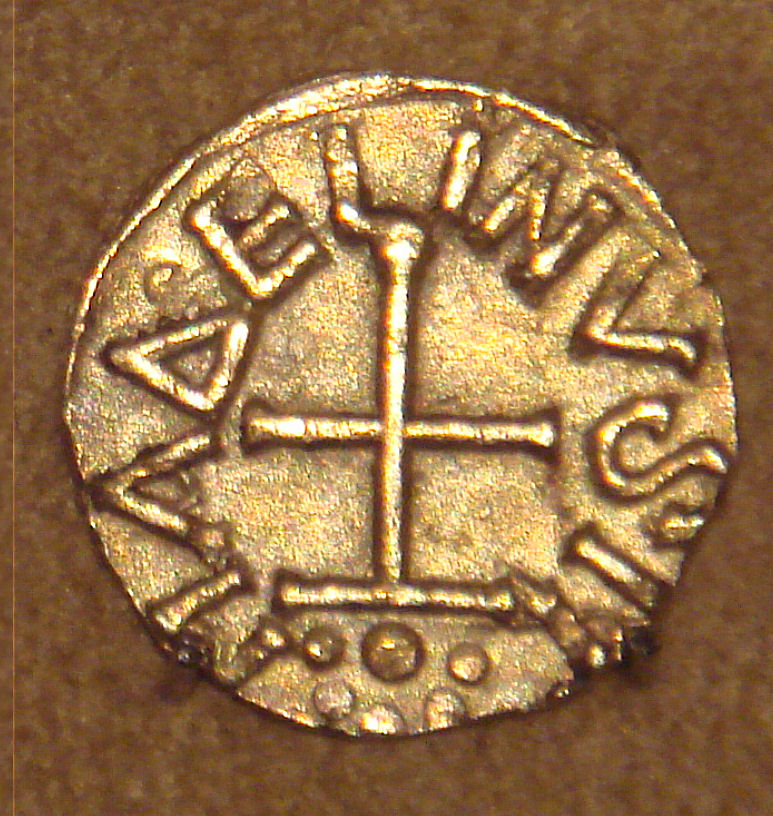
In the early 9th century, a significant event unfolded in the Netherlands with the establishment of the town of Dorestad. Positioned strategically along the Rhine River, Dorestad swiftly evolved into a pivotal trading hub, connecting various regions and cultures.
The town's foundation was emblematic of the growing commercial activities in the area, attracting merchants, artisans, and travelers from far and wide. Dorestad's convenient location facilitated trade routes, enabling the exchange of goods such as textiles, pottery, and precious metals. The town's bustling marketplaces buzzed with activity, fostering economic growth and cultural interchange.
As Dorestad flourished, its influence extended beyond local realms, drawing attention and admiration from neighboring territories. The town's prosperity was fueled by a steady influx of merchants and traders seeking to capitalize on its lucrative markets and favorable trading conditions. Over time, Dorestad emerged as a beacon of commerce, setting the stage for its enduring legacy as a pivotal trading center in the region.
The impact of Dorestad's rise as a trading powerhouse reverberated across Europe, shaping economic dynamics and cultural interactions. Its status as a vibrant commercial hub not only bolstered the local economy but also fostered cross-cultural connections, sparking innovation and exchange of ideas. The town's legacy as a trading center endured for centuries, leaving an indelible mark on the historical tapestry of the region.
The foundation of Dorestad and its transformation into a renowned trading center underscored the intrinsic link between commerce, culture, and community. The town's legacy endures as a testament to the enduring power of trade in fostering connections and driving prosperity in diverse societies.
#Dorestad #TradingHub #NetherlandsCommerce
View details0046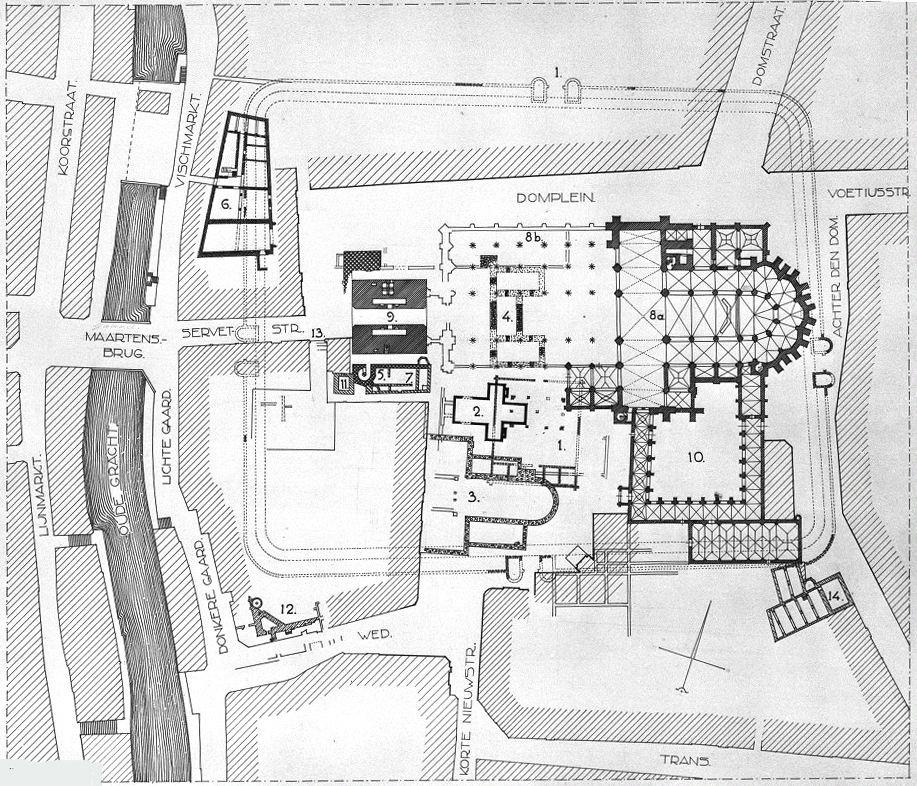
In ancient Netherlands, the Roman Empire strategically constructed the fort of Traiectum in what is now Utrecht, during their expansion northward. Positioned along the Rhine River, the fort played a pivotal role in controlling trade routes and protecting the empire's borders.
The fort of Traiectum was built with meticulous planning and precision, following a typical Roman military design - rectangular shape, with large defensive walls and a layout that included barracks, stables, granaries, and a headquarters building. This structure exemplified Roman engineering expertise and reflected their commitment to establishing a strong military presence in the region.
The impact of the construction of Traiectum was profound, not only in terms of military strategy but also in shaping the future development of the area. The fort facilitated the Romanization of the local population, introducing new technologies, architecture, and cultural practices to the region. It also served as a hub for trade and commerce, contributing to the economic growth of the surrounding settlements.
Over time, Traiectum evolved into a thriving civilian settlement, laying the foundation for the city of Utrecht. The fort's strategic location continued to be of significance in subsequent centuries, with various rulers and empires recognizing its strategic importance and seeking to control it.
The construction of the Roman fort of Traiectum in ancient Utrecht symbolizes the intersection of military power, cultural exchange, and urban development in the region. Its legacy lives on in the architectural remnants and historical records that offer a glimpse into the Roman presence in the Netherlands and its lasting impact on the local landscape.
#RomanEmpire #MilitaryStrategy #CulturalExchange #Utrecht #Netherlands
View details