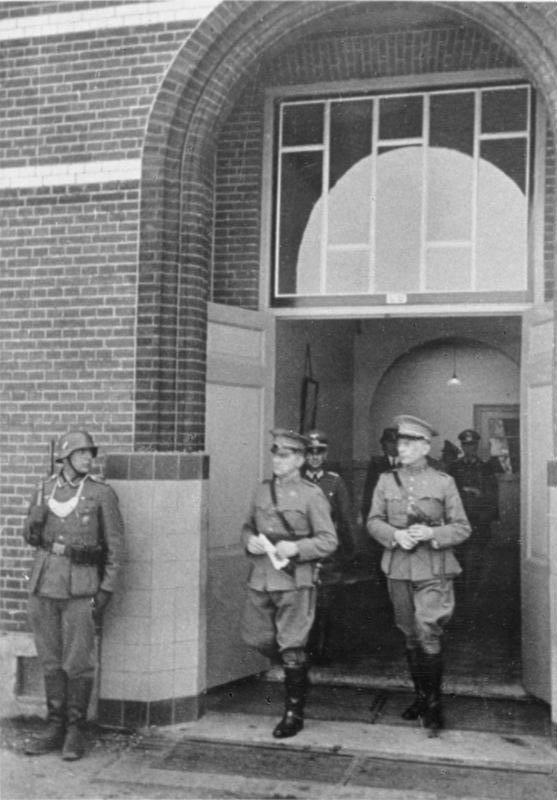
German occupation in World War II: Impact on Netherlands
Netherlands
War
4 min read
Updated By: History Editorial Network (HEN)
Published:
The German occupation of the Netherlands during World War II marked a dark period in Dutch history. The invasion came as part of the larger Blitzkrieg campaign launched by the German forces. The Netherlands fell within days, as the Dutch army was ill-prepared against the German military might.
German occupation brought about strict control over all aspects of Dutch life. The Dutch government was forced into exile, and the country was ruled by a puppet government loyal to the Nazis. Civil liberties were curtailed, and Dutch citizens faced oppression and surveillance. The Jewish population of the Netherlands suffered greatly, with many being deported to concentration camps.
The occupation also resulted in widespread resistance from the Dutch people. Underground movements were formed to sabotage German efforts and rescue those targeted by the Nazis. Acts of defiance ranged from hiding Jewish families to carrying out covert operations against the German occupiers. Despite the risks involved, many Dutch citizens took part in these acts of resistance.
The impact of the German occupation on the Netherlands was profound and long-lasting. The economy suffered, and shortages of food and supplies became common. The Dutch people experienced hardship and uncertainty throughout the occupation, with the constant presence of German soldiers a reminder of their loss of autonomy.
After years of hardship and struggle, the German occupation of the Netherlands finally came to an end with the liberation by Allied forces. The Dutch people celebrated their newfound freedom, but the scars of the occupation would remain for generations to come.
#GermanOccupation #NetherlandsHistory #WorldWarII #ResistanceMovement #Liberation
Primary Reference
Netherlands in World War II - Wikipedia

Explore the Life Moments of
 AI Twin