First Oil Crisis: Adjusting Economic Policies to Overcome Challenges
Netherlands
Economic Downturn
Energy Transition
4 min read
Updated By: History Editorial Network (HEN)
Published:
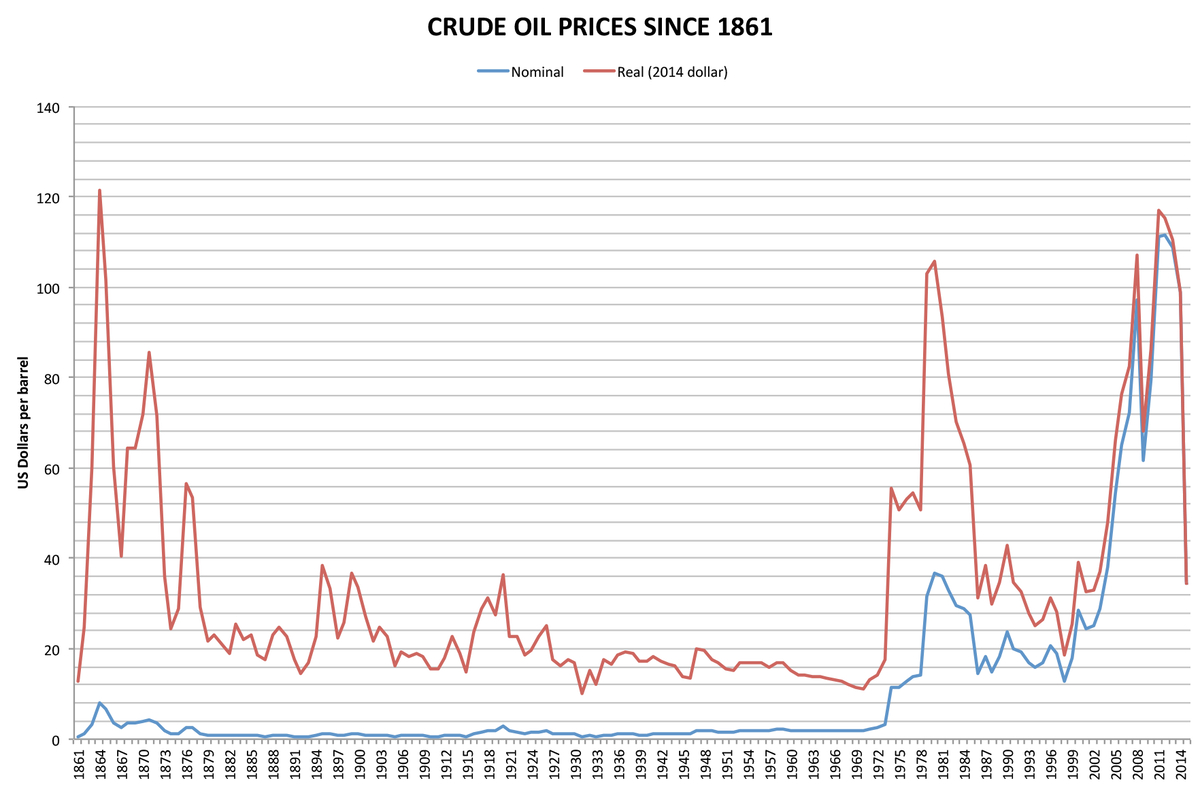
Amid rising global oil prices in 1973, the Netherlands, heavily reliant on oil imports for energy, faced a severe economic crisis. The sudden increase in oil prices led to soaring inflation, a sharp decline in industrial production, and a significant rise in unemployment rates.
In response to the economic challenges caused by the oil crisis, the Dutch government swiftly adjusted its economic policies. Measures were implemented to reduce energy consumption, promote energy efficiency, and diversify the country's energy sources. Additionally, policies aimed at stimulating domestic production and reducing dependence on imported goods were introduced to counter the negative impact of the crisis on the Dutch economy.
The adjustments in economic policies led to a period of economic restructuring in the Netherlands. The government worked closely with industries to modernize production processes, invest in research and development, and promote innovation. These efforts helped the Netherlands emerge from the crisis stronger and more resilient, laying the foundation for a more diversified and sustainable economy in the years to come.
The first oil crisis of 1973 had a lasting impact on the Dutch economy, shaping the country's approach to energy policy, economic development, and sustainable growth. It served as a wake-up call for the Netherlands to reduce its reliance on fossil fuels, invest in renewable energy sources, and prioritize energy efficiency.
#OilCrisis #EconomicChallenges #EconomicPolicies #Netherlands #EnergyEfficiency #Diversification #EconomicRestructuring #Innovation #SustainableGrowth
Primary Reference
The Budget and Economic Outlook: 2023 to 2033 | Congressional ...

Explore the Life Moments of
 AI Twin