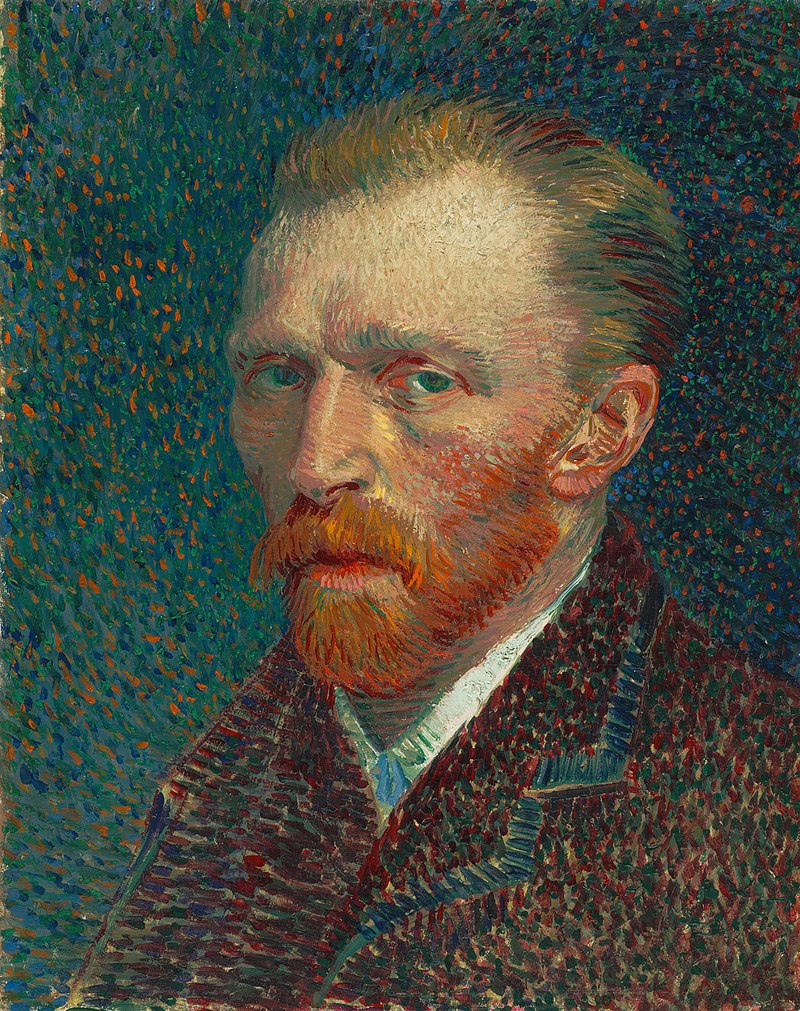
Vincent van Gogh's Starry Night Painting
Netherlands
Art
Entertainment
4 min read
Updated By: History Editorial Network (HEN)
Published:
In June 1889, Vincent van Gogh, a Dutch post-impressionist artist, created one of his most renowned works, the painting titled 'Starry Night'. Van Gogh, who struggled with mental health issues, painted this masterpiece while staying at the Saint-Paul-de-Mausole asylum in Saint-Remy-de-Provence, France.
The swirling brushstrokes, vibrant colors, and dream-like depiction of the night sky captured the essence of van Gogh's emotional turmoil and artistic vision. 'Starry Night' showcases a small village with cypress trees under a tumultuous sky filled with stars and a bright crescent moon. The painting is a reflection of van Gogh's profound connection to nature and his unique perspective on the world around him.
Despite facing personal challenges and experiencing self-doubt, van Gogh poured his emotions and creativity into 'Starry Night', producing a work that would later become an iconic symbol of his artistic genius. This painting continues to captivate viewers with its evocative imagery and emotional depth, leaving a lasting impact on the world of art.
Van Gogh's 'Starry Night' has inspired countless artists, musicians, and creatives across various disciplines. Its influence can be seen in popular culture, fashion, and even space exploration. The painting's enduring popularity speaks to its universal appeal and the timeless beauty of van Gogh's artistic expression.
The creation of 'Starry Night' marked a significant moment in Vincent van Gogh's artistic journey, showcasing his ability to transform his inner struggles into works of profound beauty and emotional resonance. This event highlights the power of art to transcend boundaries and connect people across time and space.#VincentVanGogh #StarryNight #ArtisticGenius #EmotionalExpression
Primary Reference
Vincent van Gogh. The Starry Night. Saint Rémy, June 1889 | MoMA

Explore the Life Moments of
 AI Twin