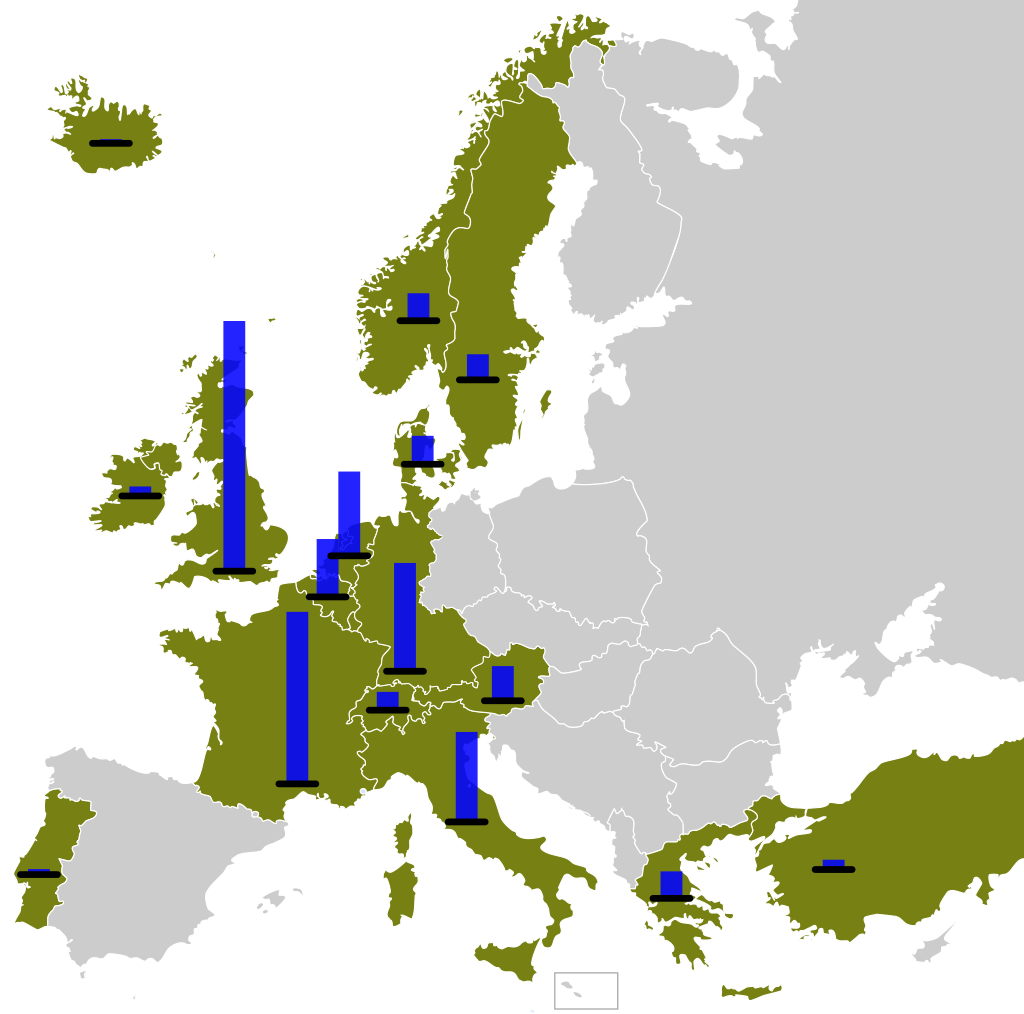
Aid for Dutch post-war reconstruction
Netherlands
Global Trade
Economic Downturn
4 min read
Updated By: History Editorial Network (HEN)
Published:
In the aftermath of World War II, the Netherlands faced severe challenges in rebuilding its economy and infrastructure. The devastation caused by the war left the country struggling to provide for its citizens and restore normalcy. The Marshall Plan, a program initiated by the United States to aid European countries in post-war reconstruction, provided crucial assistance to the Netherlands.
Through the Marshall Plan, the Netherlands received financial aid, technical expertise, and resources to revive its industries, repair damaged infrastructure, and improve living conditions. The aid played a significant role in jumpstarting the Dutch economy, increasing employment opportunities, and addressing food shortages and housing needs. The Netherlands used the assistance to modernize its industrial sector, invest in agriculture, and enhance transportation networks.
The impact of the Marshall Plan on the Netherlands was profound, contributing to the country's rapid recovery and economic growth. The aid bolstered trade relations, fostered innovation, and laid the foundation for long-term prosperity. By leveraging the resources provided through the Marshall Plan, the Netherlands was able to emerge from the devastation of war stronger and more resilient.
The Marshall Plan underscored the importance of international cooperation and solidarity in times of crisis, setting a precedent for future initiatives aimed at promoting peace and stability. The assistance received by the Netherlands through the Marshall Plan strengthened ties between European nations and the United States and highlighted the benefits of collective efforts in addressing global challenges.
#MarshallPlan #PostWarReconstruction #Netherlands #EconomicRecovery #InternationalAid #Solidarity.
Primary Reference
Marshall Plan 1947-2017 #Marshall70NL - U.S. Embassy and ...

Explore the Life Moments of
 AI Twin