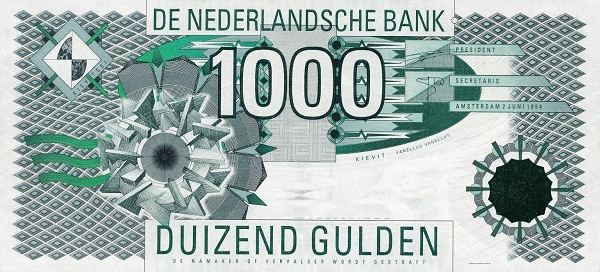
The Euro Replaces Dutch Guilder
Netherlands
Economic
Global Trade
4 min read
Updated By: History Editorial Network (HEN)
Published:
In the early 2000s, the Netherlands bid farewell to their centuries-old currency, the Dutch guilder, in favor of the euro. The transition to the euro marked a significant shift within the country's financial landscape, aligning it with the broader European Union's monetary system.
The introduction of the euro in the Netherlands was part of a larger initiative to promote economic integration and facilitate easier trade and monetary transactions across European countries. This move aimed to streamline financial processes and eliminate the costs and complexities associated with converting between different currencies.
The impact of this currency change was felt across various sectors in the Netherlands. Businesses had to update their systems, pricing, and accounting practices to accommodate the new currency. Consumers had to adjust to using and understanding the value of the euro in their daily transactions. Additionally, the shift to the euro sparked discussions about national identity and the country's place within the EU.
Despite some initial challenges and nostalgia for the familiar guilder, the euro eventually became fully integrated into the Dutch economy. The Netherlands embraced the euro as its official currency, forging stronger economic ties with its European neighbors and contributing to the overall stability of the eurozone.
Overall, the introduction of the euro as the official currency in the Netherlands ushered in a new era of economic collaboration and harmonization within Europe. It symbolized the country's commitment to European unity and cooperation, while also reflecting the realities of an increasingly interconnected global economy.
#Netherlands #Euro #CurrencyTransition #EuropeanUnion #EconomicIntegration
Primary Reference
Netherlands and the euro - European Commission
Explore the Life Moments of
 AI Twin