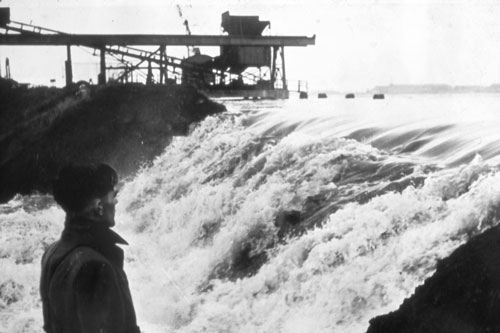
North Sea Flood tragedy: lives and property lost
Netherlands

Natural Disaster
4 min read
Updated By: History Editorial Network (HEN)
Published:
In 1953, a powerful storm led to the North Sea Flood, causing extensive damage and loss of life in the Netherlands. The storm, accompanied by high winds, led to a surge in water levels that breached dikes along the coast, flooding vast areas of the country. The catastrophic event primarily affected the southwestern provinces of Zeeland, South Holland, and North Brabant.
The breach of the dikes resulted in the flooding of approximately 1,300 square kilometers of land, affecting numerous towns and villages. Thousands of homes were destroyed, leaving tens of thousands of people displaced. The floodwaters engulfed farmland, drowning livestock and causing devastation to the agricultural sector.
The North Sea Flood caused widespread tragedy, with over 1,800 people losing their lives in the disaster. The loss of life was exacerbated by the suddenness and force of the flood, leaving many unable to escape the fast-rising waters. The event also had a significant economic impact, with infrastructure damage and loss of property amounting to millions in damages.
In the aftermath of the disaster, the Netherlands embarked on a massive reconstruction effort to rebuild the affected areas and enhance the country's coastal defenses. The Delta Works, a series of dams, sluices, locks, dikes, and storm surge barriers, were constructed to protect the low-lying country from future flooding events.
The North Sea Flood of 1953 stands as a somber reminder of the devastating power of natural disasters and the importance of preparedness and resilience in the face of such events. The tragedy led to significant changes in Dutch water management policies, shaping the country's approach to flood prevention and protection against sea-level rise.
#NorthSeaFlood #NetherlandsDisaster #DutchResilience #DeltaWorks #NaturalDisaster
Primary Reference
North Sea flood of 1953 - Wikipedia

Explore the Life Moments of
 AI Twin