Euthanasia Legalization in the Netherlands
Netherlands

Ethics
Global Debate
4 min read
Updated By: History Editorial Network (HEN)
Published:
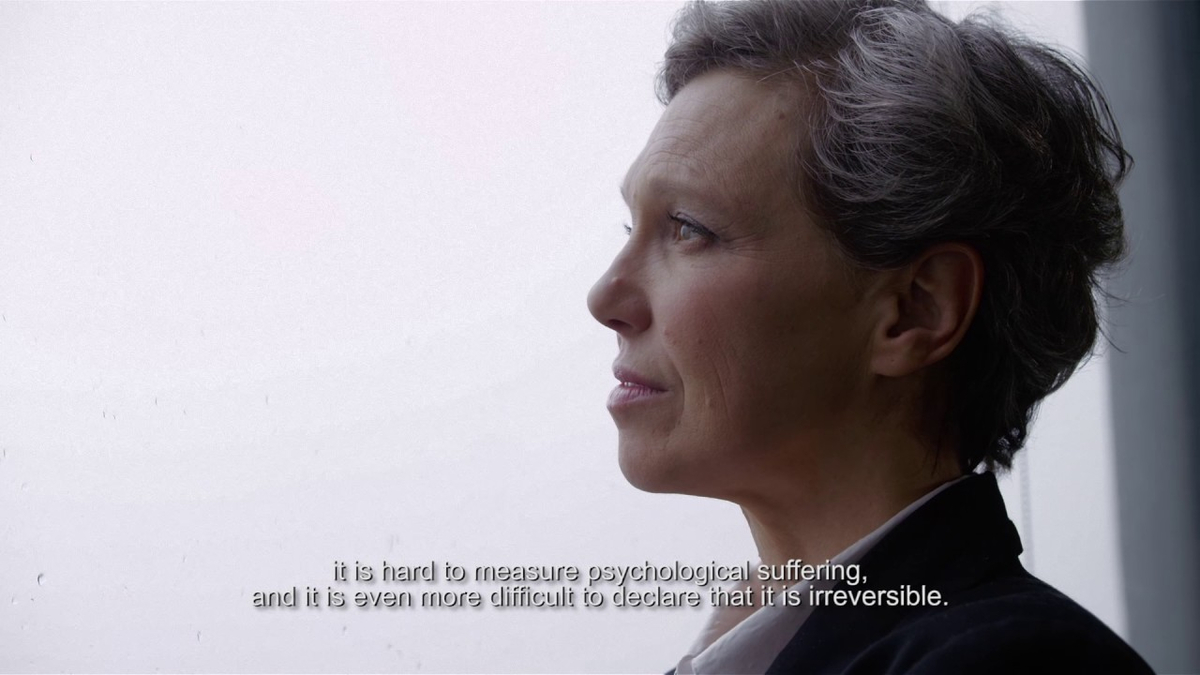
The legalization of euthanasia in the Netherlands marked a significant shift in the country's approach to end-of-life care. Stemming from a long history of debates on the topic, the Dutch government passed a law allowing terminally ill patients to request euthanasia under strict conditions. This pivotal change came after years of public discourse, medical advancements, and evolving ethical considerations in Dutch society.
The impact of this decision was profound. It provided a legal framework for individuals suffering unbearable pain or with no hope for recovery to choose a dignified end to their lives. The legislation outlined stringent guidelines, including the requirement for patients to be mentally competent and for physicians to confirm the irreversibility of their condition. Additionally, the role of a second independent doctor in the decision-making process ensured thorough evaluation of each case.
In its wake, the legalization of euthanasia in the Netherlands sparked global discussions on end-of-life rights, sparking both criticism and admiration. Critics voiced concerns about the potential for abuse and the ethical implications of intentionally ending a life, while supporters praised the law for respecting individual autonomy and relieving unnecessary suffering.
The legalization of euthanasia in the Netherlands exemplifies a progressive stance on end-of-life issues and reflects the country's commitment to patient-centered care and individual autonomy. As debates continue and perspectives evolve, the Dutch experience serves as a reference point for countries grappling with similar ethical dilemmas surrounding death and dying.
#Euthanasia #Netherlands #EndOfLifeCare #Autonomy #MedicalEthics
Primary Reference
Euthanasia in the Netherlands - Alliance VITA
Explore the Life Moments of
 AI Twin