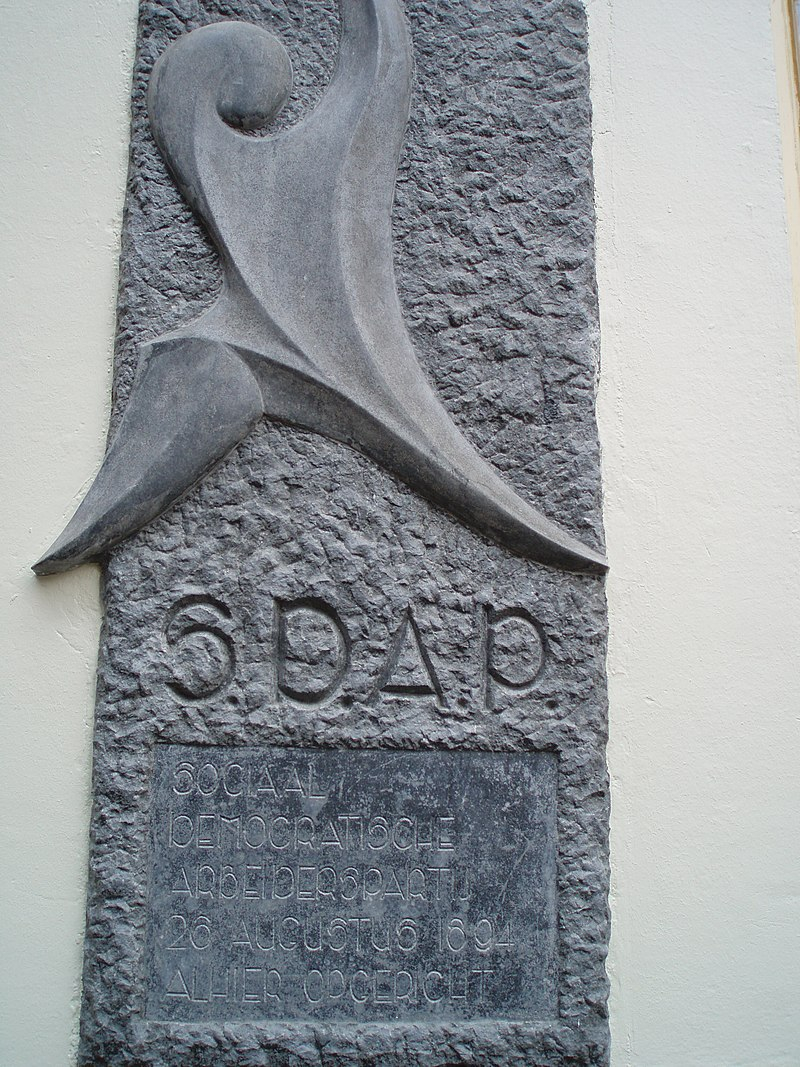
Dutch Social Democratic Workers' Party: Birth of Dutch Socialism
Netherlands
Political
Socialism
4 min read
Updated By: History Editorial Network (HEN)
Published:
In 1894, the Dutch Social Democratic Workers' Party {SDAP} was established, marking the beginning of organized socialism in the Netherlands. The party was founded as a response to the harsh working conditions and the growing inequality faced by workers during the industrial revolution. The SDAP aimed to improve the rights and living standards of the working class through political means.
The founders of the SDAP were inspired by the ideas of Karl Marx and sought to create a socialist society based on equality and social justice. They believed that the government should play a central role in ensuring the welfare of all citizens, especially the working class.
The establishment of the SDAP had a significant impact on the political landscape of the Netherlands. It provided a platform for workers to voice their concerns and push for reforms that would benefit them. The party also played a key role in the broader socialist movement in Europe at the time, contributing to the growth of socialist ideas and policies across the continent.
Through its advocacy and activism, the SDAP was able to influence government policies and bring about changes that improved the lives of Dutch workers. Its members were involved in labor strikes, protests, and other forms of activism to promote their socialist agenda.
Overall, the establishment of the SDAP was a crucial development in the history of the Netherlands, paving the way for the rise of organized socialism in the country. The party's influence persisted for decades, shaping the political discourse and policies in the Netherlands for years to come.
#Netherlands #Socialism #PoliticalHistory #WorkersRights #SDAP
Primary Reference
Selling Social Democracy in the Netherlands: Activism and Its ...

Explore the Life Moments of
 AI Twin