Transition to Constitutional Monarchy and Liberal Reforms
Netherlands
Political
4 min read
Updated By: History Editorial Network (HEN)
Published:
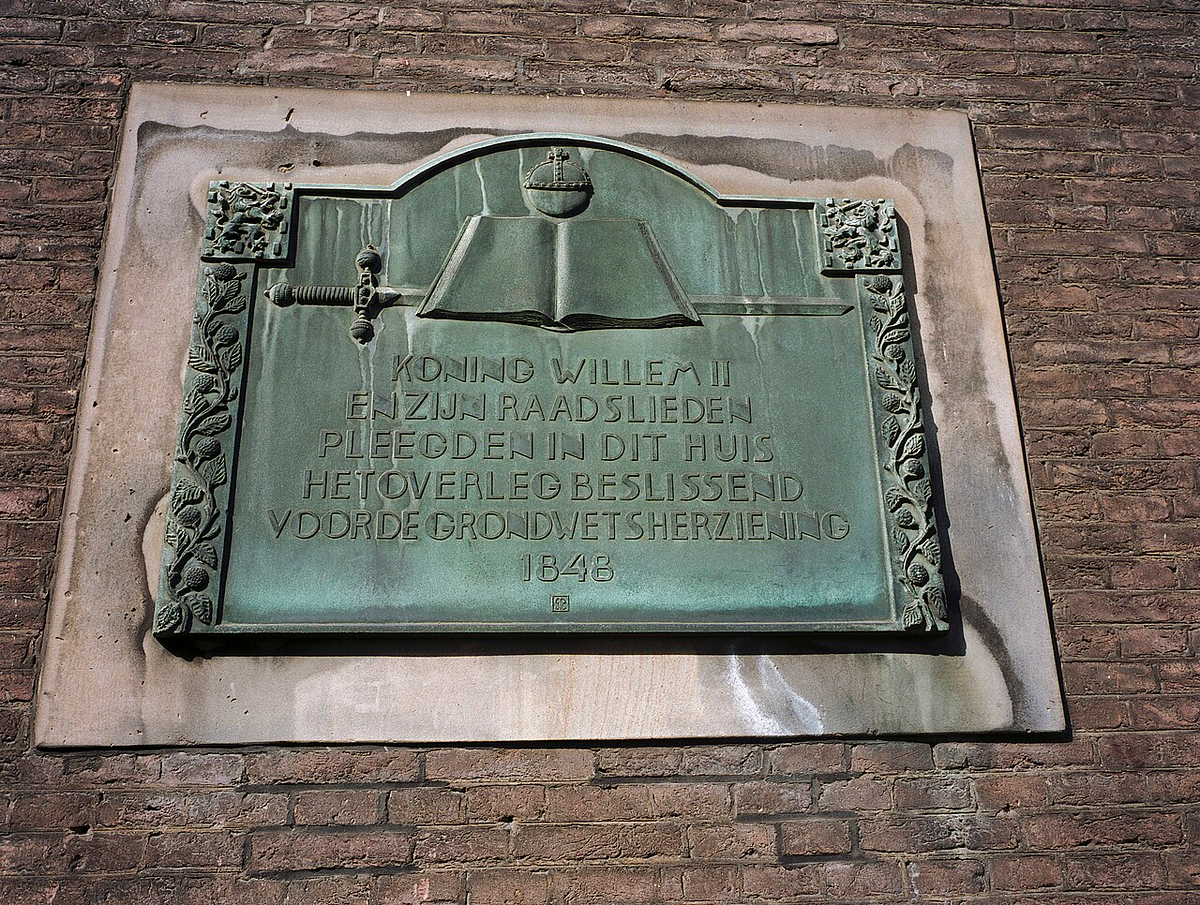
In 1848, the Netherlands witnessed a pivotal shift as liberal reforms were introduced, leading to the establishment of a constitutional monarchy. Prior to this, the country was under a system that granted limited power to the monarch, resulting in growing discontent among the populace.
The wave of liberal movements across Europe in the mid-19th century influenced the Dutch to demand a more representative and accountable government. As a response to mounting pressure, King William II of the Netherlands agreed to significant reforms, which culminated in the promulgation of a new constitution that limited his powers and granted more authority to the parliament.
The establishment of a constitutional monarchy marked a watershed moment in Dutch history, paving the way for a more democratic system of governance. The reforms brought about a separation of powers, expanded civil liberties, and set the groundwork for a more inclusive political landscape.
This transformation had far-reaching implications for the Netherlands, shaping its political trajectory for years to come. The shift towards a constitutional monarchy not only addressed the grievances of the people but also set a precedent for the modernization of Dutch society.
The events of 1848 in the Netherlands underscored the power of popular movements in bringing about meaningful change and laid the foundation for a more inclusive and representative political system. The legacy of the liberal reforms and the establishment of a constitutional monarchy continues to resonate in the Netherlands, emphasizing the importance of democracy and civic participation in shaping the course of a nation's history. #Netherlands #LiberalReforms #ConstitutionalMonarchy
Primary Reference
Chapter 9 The Demise of Dutch Republicanism in the Nineteenth ...

Explore the Life Moments of
 AI Twin