Treaty of London: Recognizing Belgian Independence and Neutral Border Zone
Netherlands
Political
European
4 min read
Updated By: History Editorial Network (HEN)
Published:
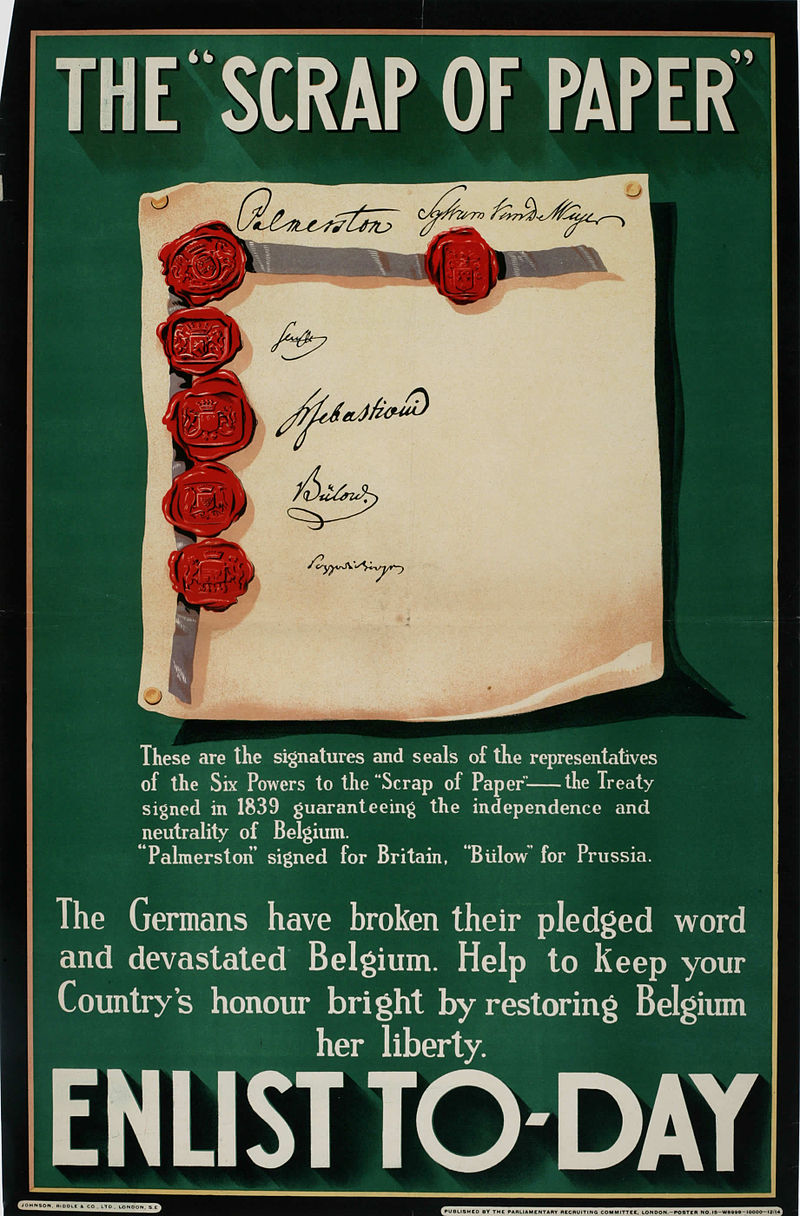
The Treaty of London was a pivotal agreement that acknowledged Belgian independence and established a neutral zone along the border of the Netherlands and Belgium. Following the Belgian Revolution in the 1830s, where Belgium sought to break away from Dutch control, the Treaty aimed to bring stability to the region. The Treaty was signed by major European powers, including the United Kingdom, France, Russia, Prussia, and Austria.
The recognition of Belgian independence meant that Belgium could govern itself independently of Dutch influence. The establishment of a neutral zone in the Dutch-Belgian border region was meant to prevent any future conflicts between the two nations. This neutral zone was to be demilitarized and jointly controlled by both parties.
The Treaty of London had significant implications for the geopolitical landscape of Europe at the time. It solidified Belgium as a sovereign nation and eased tensions between the Netherlands and Belgium. The neutral zone provided a buffer between the two countries, reducing the likelihood of future territorial disputes or conflicts.
The signing of the Treaty of London symbolized a diplomatic victory for Belgium and marked the end of a period of turmoil following the Belgian Revolution. It set a precedent for peaceful resolution of conflicts between nations and highlighted the importance of international cooperation in maintaining stability and peace.
#TreatyOfLondon #BelgianIndependence #NeutralZone #DutchBelgianBorder #EuropeanHistory #Diplomacy
Primary Reference
Treaty of London (1839) - Wikipedia

Explore the Life Moments of
 AI Twin