About
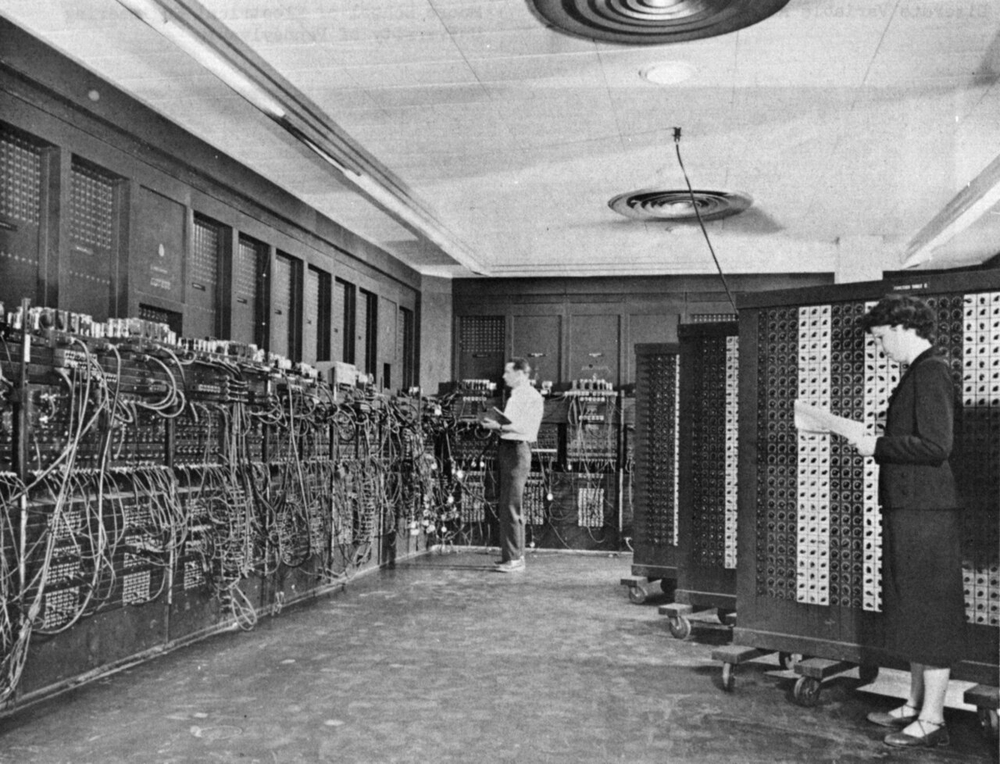
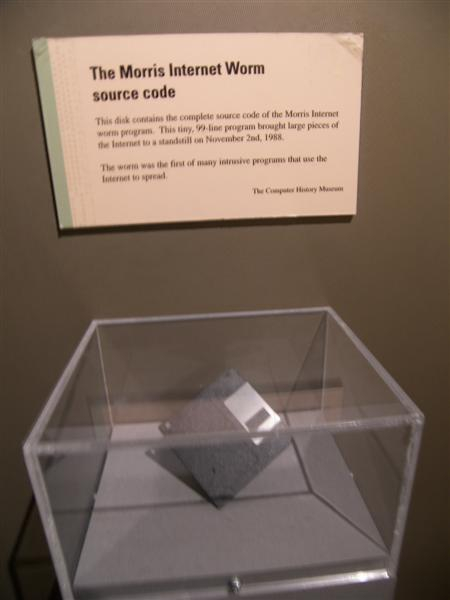
The history of the Internet and social media is one of the most transformative technological journeys in human civilization. What began as a Cold War research project in the late 1960s evolved into a global digital ecosystem that connects billions of people in real time. From the creation of ARPANET in 1969 to the development of the World Wide Web in 1989, the foundation was laid for a communication revolution that would permanently change how societies interact, learn, trade, and govern.
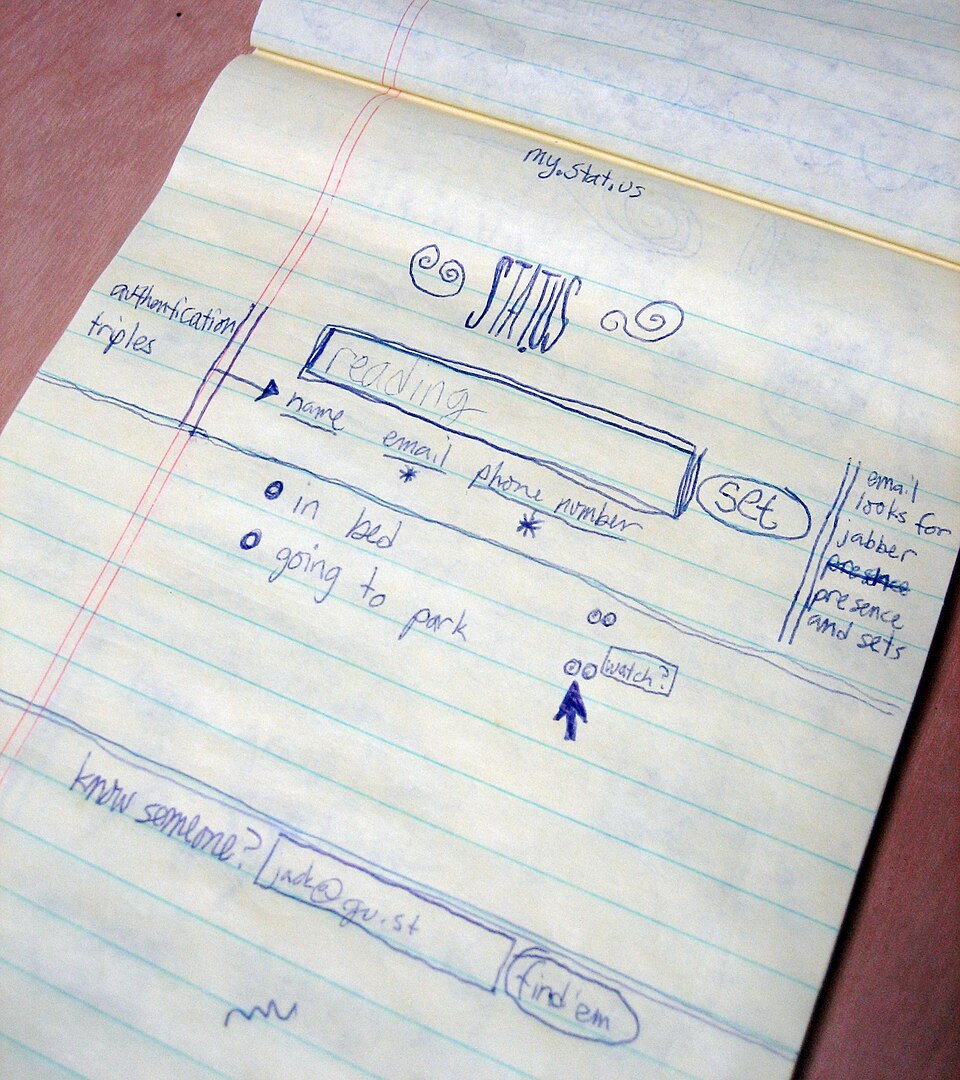
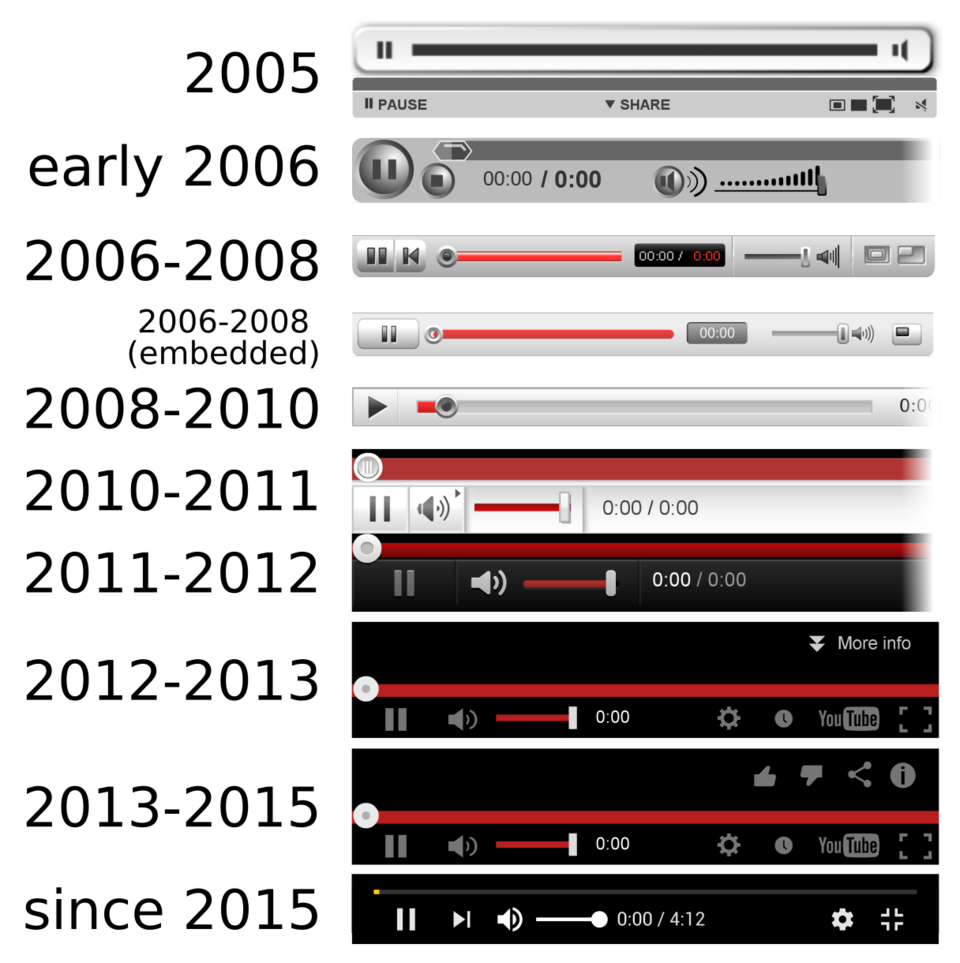
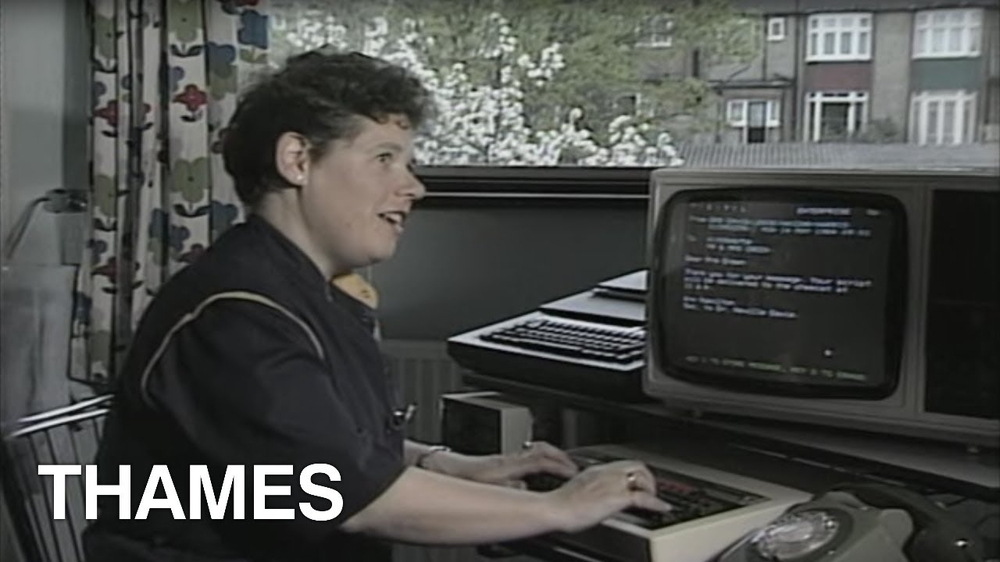
The 1990s introduced the public to websites, email, chat rooms, and search engines, turning the Internet into a shared global space. The dot-com boom accelerated innovation, while the early 2000s marked the birth of modern social networking platforms like Friendster, MySpace, and Facebook. These platforms shifted the web from static information pages to interactive digital communities. Soon after, YouTube, Twitter, Instagram, and later TikTok redefined media consumption, enabling user-generated content and real-time global conversations.
The rise of smartphones further amplified this transformation, making the Internet permanently accessible and embedding social media into everyday life. Algorithms, artificial intelligence, and data-driven personalization now shape what users see, influencing culture, politics, economics, and even mental health.
Today, the Internet is not just a tool—it is infrastructure. Social media is not just communication—it is power. Understanding its history reveals how rapidly digital innovation reshaped humanity in just a few decades, and it offers insight into where this constantly evolving digital world may head next.
#Internet
#Internet_Timeline
#Internet_history
#Internet_History_Timeline
#Social_Media
#Social_Media_Timeline
Verified Name
history-of-the-internet-and-social-media
Life Editor(s)
History Editorial Network (HEN)
Profile Image
Shutterstock / Yellow duck