
Democratic Republic of the Congo

Jungle Jewel
Related Lives
Qatar
The Jewel of the Middle East.
China
Land of Silk
Nepal
The Land of Himalayas

Mayan Civilization
Masters of Time and Stone
Timor-Leste (East Timor)
Land of the Rising Sun
Ethiopia
Federal Democratic Republic of Ethiopia
Georgia
The Crossroads of Europe and Asia
Central African Republic
The Heart of Africa.

2014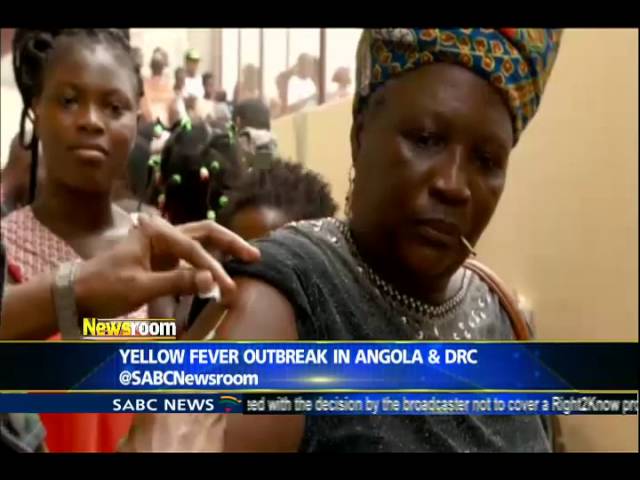
On April 24, 2014, the World Health Organization (WHO) reported a significant yellow fever outbreak in the Democratic Republic of the Congo (DRC). This outbreak posed a serious public health threat, necessitating immediate and coordinated response efforts. The WHO, in partnership with the Congolese government and various international organizations, initiated a comprehensive strategy to combat the spread of the disease. Key components of the response included mass vaccination campaigns aimed at immunizing vulnerable populations, enhanced surveillance to monitor the disease's spread, and public awareness initiatives to educate communities about prevention measures. The outbreak underscored the population's vulnerability to vector-borne diseases and highlighted the critical need for maintaining high vaccination coverage to avert future outbreaks. Through these concerted efforts, the response aimed to protect millions of individuals from yellow fever and mitigate the outbreak's impact on public health in the region.
View details2013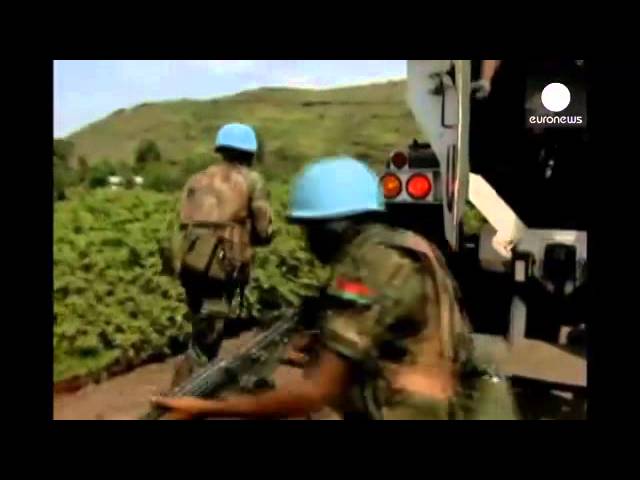
On November 5, 2013, the M23 rebels in the Democratic Republic of the Congo (DRC) officially announced the end of their insurgency, marking a pivotal moment in the region's ongoing conflict. This decision followed a series of military defeats inflicted by the DRC government forces, which were bolstered by the United Nations intervention brigade. The M23 rebels, who had initiated their mutiny against the government in April 2012, declared their intention to disarm and pursue their objectives through political channels rather than armed conflict. This development was widely regarded as a significant victory for the DRC government and the international community, which had been striving to stabilize the region amidst ongoing violence and instability. Despite the cessation of hostilities, the DRC faced numerous challenges in addressing the underlying causes of the conflict, including governance issues, land disputes, and ethnic tensions. The successful disarmament, demobilization, and reintegration of former rebels into society were identified as critical steps necessary for achieving lasting peace and stability in the region. The international community's continued support and engagement would be essential in ensuring that the gains made were not only preserved but also built upon in the years to come.
View detailsOn August 11, 2013, the Katanga province of the Democratic Republic of the Congo (DRC) witnessed a surge in violence as secessionist groups, primarily the Mai-Mai Kata Katanga militia, launched an offensive to break away from the central government. Katanga, rich in mineral resources such as copper and cobalt, is often referred to as the economic backbone of the DRC. The secessionists demanded greater autonomy and control over the province's lucrative resources, arguing that the central government was not adequately addressing their needs. The ensuing conflict resulted in significant humanitarian crises, with thousands of civilians displaced from their homes due to the violence. In response, the DRC government initiated a military campaign aimed at suppressing the secessionist movement, but the situation remained precarious. This conflict underscored the broader issues of governance, resource management, and regional inequalities that have long plagued the DRC, raising questions about the future stability of the region and the well-being of its inhabitants.
View details2012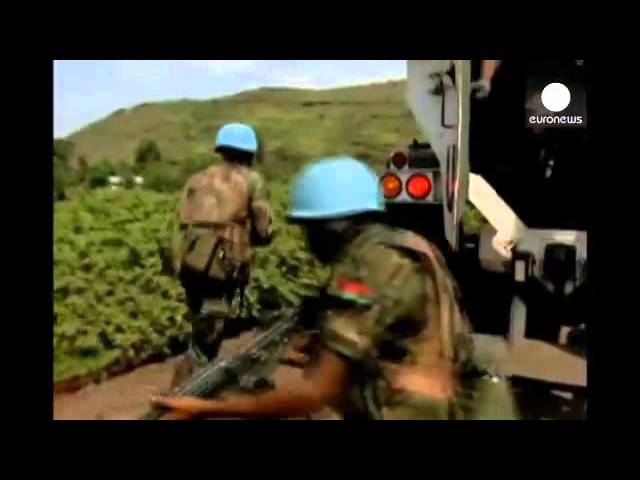
On December 1, 2012, the M23 rebels in the Democratic Republic of the Congo (DRC) withdrew from Goma, the capital of North Kivu province, following intense international pressure and negotiations led by regional leaders. The M23, which had captured Goma on November 20, 2012, during a significant military offensive, raised concerns about a potential wider regional conflict. The capture of Goma resulted in a humanitarian crisis, displacing thousands of civilians from the city and surrounding areas. The withdrawal of the rebels was viewed as a positive development towards de-escalating the ongoing conflict, although the situation remained precarious. Subsequent peace talks between the DRC government and the M23 aimed to address the underlying issues fueling the conflict, with hopes for a lasting resolution. The involvement of neighboring countries, particularly Rwanda, in supporting rebel groups has further complicated the situation, highlighting the need for comprehensive regional cooperation to stabilize the area and protect civilian lives.
View detailsOn November 20, 2012, the M23 rebels captured Goma, the capital of North Kivu province in the Democratic Republic of the Congo (DRC). This event marked a significant escalation in the ongoing conflict in eastern DRC, as the M23, composed of former members of the National Congress for the Defense of the People (CNDP), launched a major offensive against government forces. The rapid takeover of Goma led to widespread displacement, with thousands of civilians fleeing their homes to escape the violence. The international community responded with condemnation of the M23's actions, calling for an immediate ceasefire and withdrawal from the city. The capture of Goma underscored the persistent instability in the region and the challenges faced in achieving lasting peace. The conflict has been further complicated by allegations that neighboring countries, particularly Rwanda, have been arming rebel groups and using them as proxies to exert control over the resource-rich areas of the DRC. This situation highlights the intricate dynamics of regional politics and the humanitarian crises that arise from such conflicts.
View details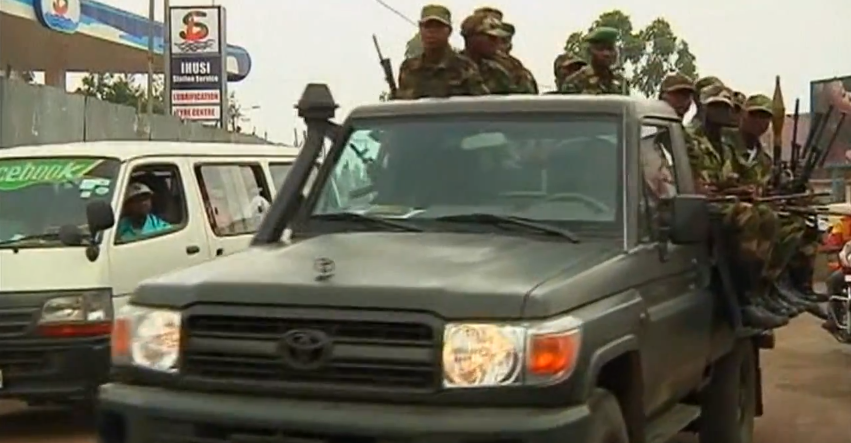
On April 4, 2012, General Bosco Ntaganda, a prominent military figure in the Democratic Republic of the Congo (DRC), defected from the Armed Forces of the Democratic Republic of the Congo (FARDC) along with his loyalists. Ntaganda, who was already wanted by the International Criminal Court (ICC) for war crimes, initiated a mutiny against the government forces. This act of desertion led to the formation of a new rebel group known as the March 23 Movement (M23). The M23 quickly seized control of several towns and territories in the North Kivu province, exacerbating the already dire humanitarian situation in the region. The conflict resulted in widespread displacement and suffering among civilians, highlighting the ongoing challenges of integrating former rebel groups into the national army and the quest for lasting peace in the DRC. The events of 2012 underscored the fragility of the peace process in the eastern DRC and the complexities involved in addressing the root causes of conflict in the region.
View detailsOn March 23, 2012, a pivotal peace deal was signed between the government of the Democratic Republic of the Congo (DRC) and the National Congress for the Defense of the People (CNDP) rebels. This agreement was aimed at ending years of conflict and violence that had plagued the eastern region of the DRC. A key component of the deal was the integration of CNDP fighters into the national army, which was seen as a crucial step towards stabilizing the area. The peace agreement included provisions for disarmament, demobilization, and reintegration of the rebels, alongside measures to address underlying issues such as land disputes and ethnic tensions that had fueled the conflict. Despite the optimism surrounding the signing of the peace deal, the implementation faced significant challenges, and sporadic violence continued to disrupt the region. The agreement represented a hopeful step towards peace, but the complexities of the situation highlighted the need for ongoing efforts to ensure lasting stability in the DRC.
View details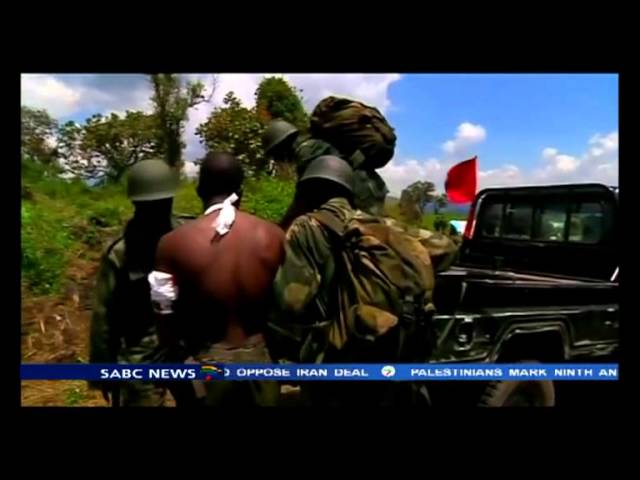
2011
On April 11, 2011, the Democratic Republic of the Congo (DRC) took a significant step in public health by introducing a new vaccine to combat pneumococcal disease, a leading cause of illness and mortality among children in the region. This initiative was made possible through the collaboration of international donors and global health organizations, emphasizing the critical role of vaccination programs in developing countries. The pneumococcal vaccine aims to reduce the high rates of infections that have plagued the DRC, contributing to the country's broader strategy to improve healthcare and lower child mortality rates. The introduction of this vaccine is a vital component of ongoing efforts to enhance public health infrastructure and ensure that vulnerable populations, particularly children, have access to life-saving immunizations. The initiative has garnered widespread support, highlighting the importance of global partnerships in addressing health challenges in low-income countries. As the DRC continues to face various health issues, the successful rollout of the pneumococcal vaccine represents hope for a healthier future for its children.
View details2009
In March 2009, a significant peace treaty was signed between the National Congress for the Defence of the People (CNDP) and the Democratic Republic of the Congo (DRC) government, marking a pivotal moment in the region's ongoing conflict. This agreement followed a deal between the DRC and Rwanda, which allowed Rwandan troops to enter the DRC and arrest Laurent Nkunda, the then-leader of the CNDP. The treaty stipulated that the CNDP would transition into a political party and integrate its military personnel into the national army. In return, the DRC government agreed to release imprisoned members of the CNDP. This agreement aimed to stabilize the region and reduce hostilities, particularly against the backdrop of ongoing tensions with the Democratic Forces for the Liberation of Congo (FDLR) militants. The peace treaty was a crucial step towards reconciliation and aimed to foster a more inclusive political environment in the DRC, although challenges remained in fully implementing the terms of the agreement and ensuring lasting peace in the region.
View details2006
The Constitution of the Democratic Republic of the Congo, archived on 12 August 2006, serves as the supreme law of the land, establishing the fundamental principles and legal framework that govern the nation. This pivotal document outlines the structure of the government, delineating the roles and responsibilities of various branches, including the executive, legislative, and judiciary. It enshrines the rights and duties of citizens, ensuring the protection of human rights and fundamental freedoms. The Constitution emphasizes the importance of the separation of powers, which is crucial for maintaining a system of checks and balances within the government. Additionally, it addresses the role of the military, ensuring that it operates under civilian authority and adheres to democratic principles. By providing a comprehensive legal framework for the administration of justice, the Constitution aims to promote stability, peace, and the rule of law in the Democratic Republic of the Congo. As a foundational document, it not only reflects the aspirations of the Congolese people but also sets the stage for the country's political and legal evolution in the years to come.
View detailsIn 2006, the Democratic Republic of the Congo (DRC) held its first multi-party elections since 1960, marking a significant milestone in the country's political landscape. Following the approval of a new constitution by voters, the elections on July 30, 2006, were seen as a pivotal moment that could potentially end decades of violence and instability in the region. However, the aftermath of the elections was marred by disputes over the results, particularly between the leading candidates, Joseph Kabila and Jean-Pierre Bemba. This contention escalated into violent clashes between their supporters in the capital city, Kinshasa. In response to the unrest, the United Nations Organization Mission in the Democratic Republic of the Congo (MONUC) intervened to restore order. A subsequent election was held in October 2006, which resulted in Kabila's victory. He was officially sworn in as president in December 2006, setting the stage for a new chapter in DRC's governance. Despite the challenges faced during this transitional period, the elections represented a crucial step towards democratic governance in a nation long plagued by conflict.
View details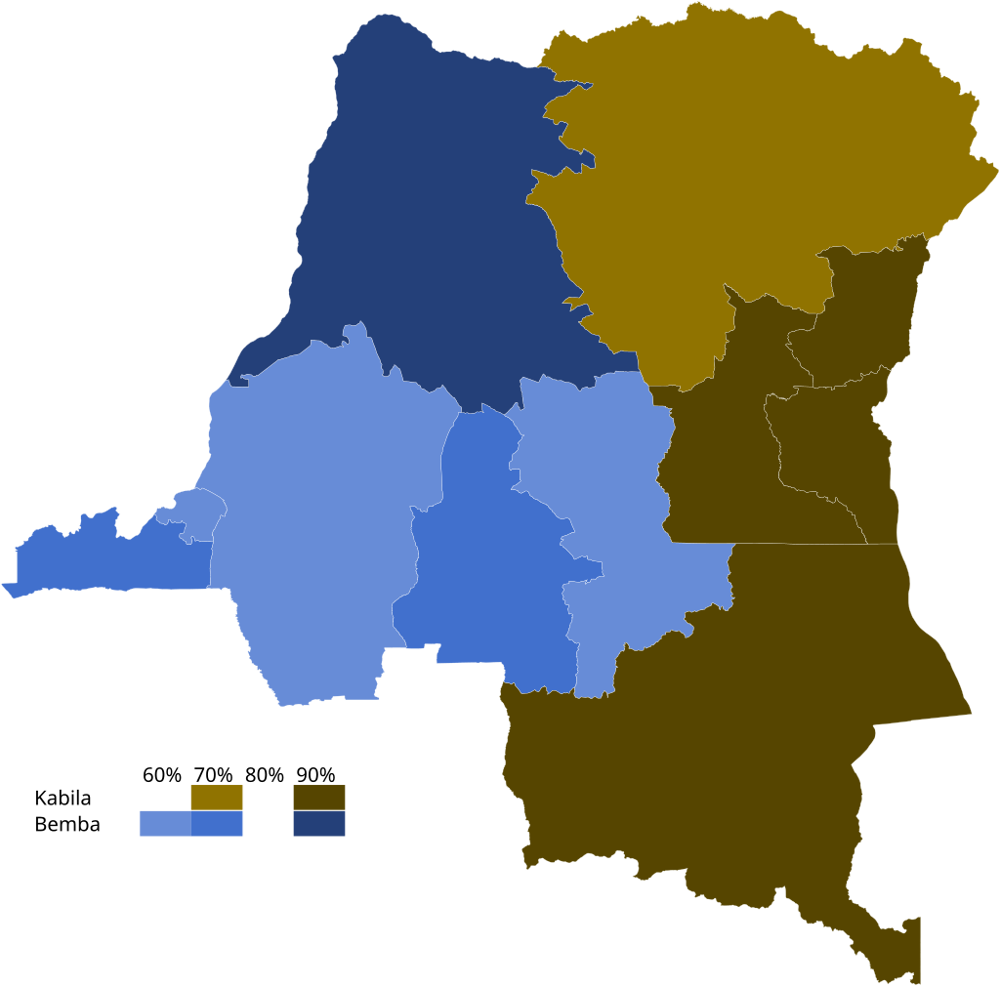
On 18 February 2006, the Democratic Republic of the Congo (DRC) adopted a new constitution, a pivotal moment in the nation's journey towards political stability and democratic governance. This constitution emerged from a broader peace process aimed at healing the wounds inflicted by the Second Congo War, which had left the country in turmoil. The new legal framework established a semi-presidential system of government, ensuring a clear separation of powers among the executive, legislative, and judicial branches. Notably, it emphasized decentralization, allowing for greater local governance and participation in decision-making processes. Additionally, the constitution enshrined human rights protections and laid out mechanisms to facilitate free and fair elections, thereby addressing the root causes of conflict and fostering national reconciliation. This constitutional reform was not merely a legal formality; it represented a commitment to building a more inclusive and democratic society, paving the way for sustainable development and peace in the DRC.
View details2002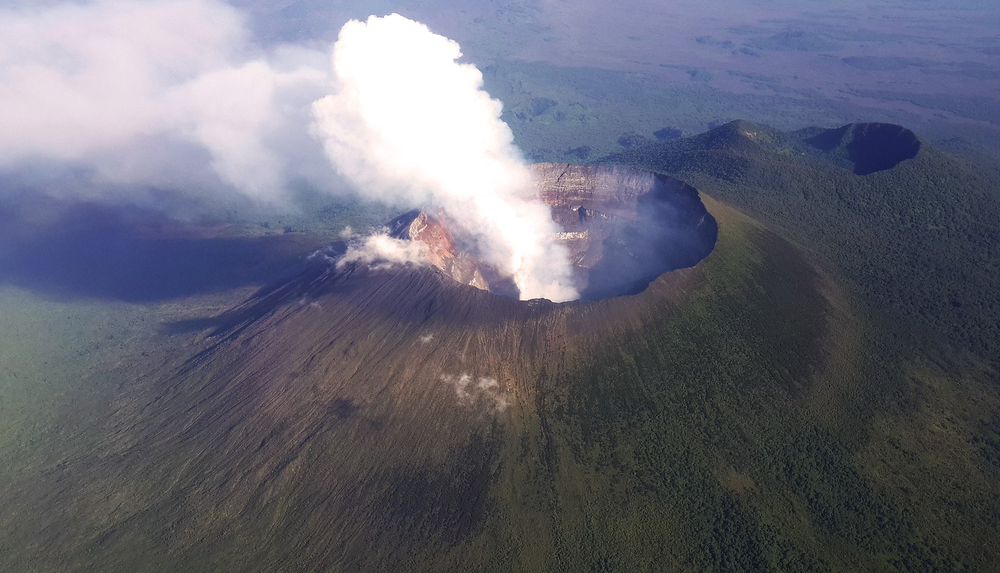
On January 17, 2002, Mount Nyiragongo, located in the North Kivu province of the Democratic Republic of the Congo, erupted dramatically, releasing three streams of highly fluid lava that flowed at speeds of 64 km/h (40 mph) and reached widths of 46 m (50 yd). The eruption had devastating consequences for the nearby city of Goma, as one of the lava streams coursed directly through it, resulting in the tragic loss of 45 lives and leaving approximately 120,000 residents homeless. In response to the imminent danger, over 400,000 people were evacuated from Goma during the eruption. The lava flow also had a catastrophic impact on Lake Kivu, poisoning its waters and leading to the death of numerous aquatic plants and animals. The local airport faced significant disruptions, with only two planes managing to depart due to the risk of an explosion from stored petrol. The lava ultimately destroyed a runway and trapped several parked airplanes. The region continued to experience volcanic activity, with nearby Mount Nyamuragira erupting six months later, followed by additional eruptions in 2006 and January 2010. The 2002 eruption of Mount Nyiragongo remains a stark reminder of the potential dangers posed by active volcanoes in populated areas.
View details2001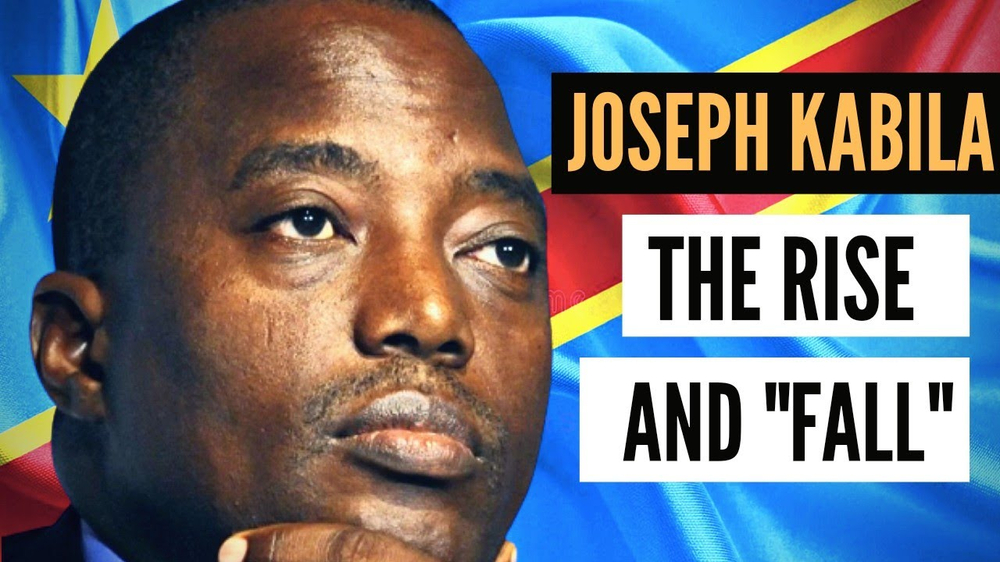
On January 19, 2001, Joseph Kabila, the son of the assassinated President Laurent-Désiré Kabila, was sworn in as the President of the Democratic Republic of the Congo. Laurent-Désiré Kabila had come to power in 1997 after leading a successful rebellion against the long-time dictator Mobutu Sese Seko. However, his presidency was marked by continued conflict and instability, and he was assassinated on January 16, 2001. Joseph Kabila, who was only 29 years old at the time, was chosen to succeed his father in an effort to maintain stability and continuity in the country. His swearing-in marked the beginning of a new chapter in the Congo's history, as he sought to bring peace and development to a nation that had been ravaged by years of war and misrule. Joseph Kabila's presidency faced numerous challenges, including ongoing conflict in the eastern regions of the country, political opposition, and the need for economic reconstruction. Despite these difficulties, he managed to hold on to power for nearly two decades, overseeing a period of relative stability and gradual progress.
View details1998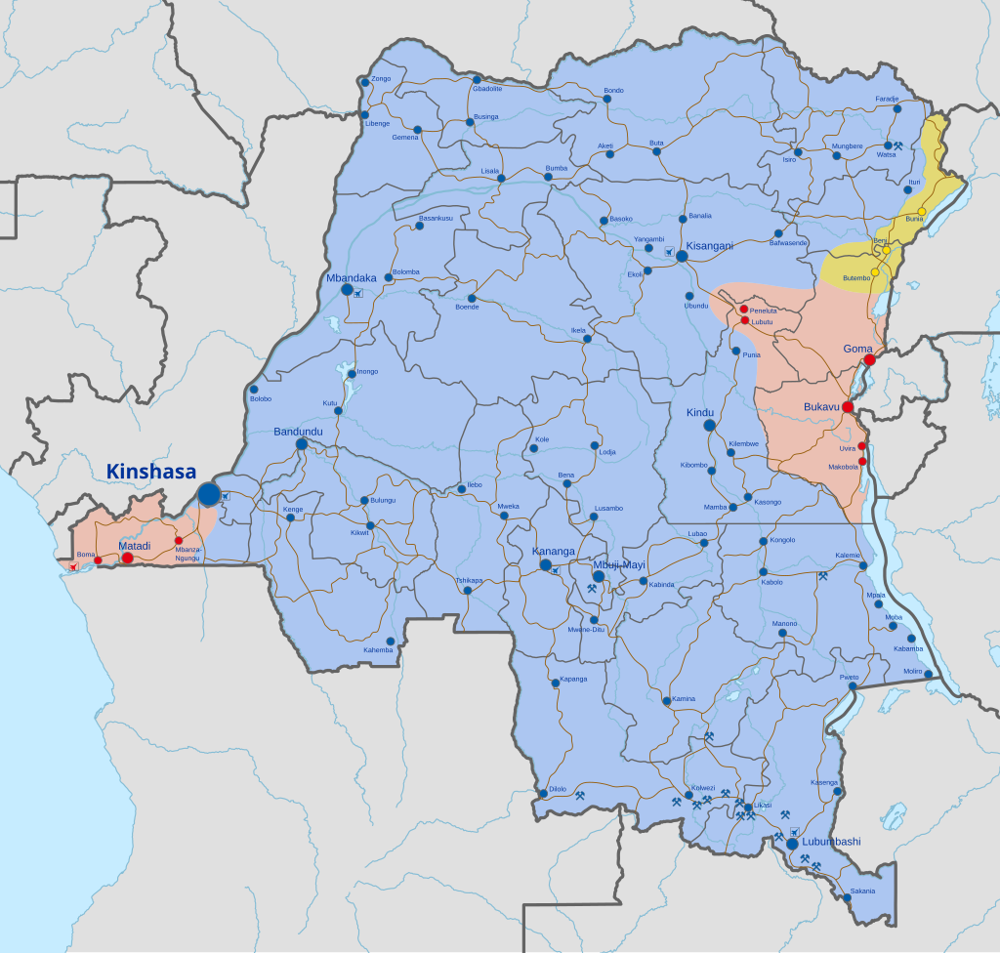
The Second Congo War, also known as the Great War of Africa, commenced in 1998 and lasted until 2003, marking one of the deadliest conflicts since World War II. This devastating war resulted in the deaths of an estimated 5.4 million people, primarily due to disease and starvation rather than direct combat. The conflict was ignited when Rwanda and Uganda provided support to various rebel groups opposing the government of Laurent-Désiré Kabila, who had come to power following the First Congo War. In response, Angola, Namibia, and Zimbabwe intervened militarily to support Kabila's government. The war was characterized by widespread human rights violations, including mass rapes and the recruitment of child soldiers, which drew international condemnation. Although the war officially concluded with the signing of peace accords in 2003, violence and instability persisted, particularly in the eastern regions of the Democratic Republic of the Congo. The legacy of the Second Congo War continues to affect the region, highlighting the complex interplay of local and international politics in Africa.
View details1997
In September 1997, Mobutu Sese Seko, the long-time dictator of the Democratic Republic of the Congo, passed away in exile in Morocco. His death signified the conclusion of a tumultuous era marked by autocratic governance, rampant corruption, and egregious human rights abuses. Mobutu, who had ruled the country since 1965, had previously renamed it Zaire and was known for his oppressive regime that stifled political dissent and manipulated democratic reforms to maintain his grip on power. Despite attempts at political change, many of these reforms were superficial, failing to address the underlying issues of governance and accountability. Mobutu's regime faced increasing challenges, culminating in the rebellion led by Laurent-Désiré Kabila, which ultimately resulted in Mobutu's ousting. His death not only marked the end of his rule but also opened the door for a new chapter in the Democratic Republic of the Congo's history, as the nation grappled with the legacy of his dictatorship and sought to rebuild amidst ongoing political instability and conflict.
View detailsOn May 18, 1997, the capital of Zaire, Kinshasa, was captured by rebel forces led by Laurent-Désiré Kabila, marking a pivotal moment in the history of the Democratic Republic of the Congo (DRC). This event signified the conclusion of the First Congo War and the end of the long-standing dictatorship of Mobutu Sese Seko. The rapid advance of Kabila's forces, bolstered by support from neighboring countries such as Rwanda and Uganda, culminated in the fall of Kinshasa. Following the capture, Mobutu fled the country and eventually died in exile in Morocco. Kabila declared himself president and renamed the country from Zaire to the Democratic Republic of the Congo, instilling a sense of hope for a new era. However, the DRC continued to face numerous challenges in the years that followed, including political instability and ongoing conflict. The capture of Kinshasa not only transformed the political landscape of the DRC but also set the stage for future conflicts, including the Second Congo War, which would further complicate the region's stability.
View details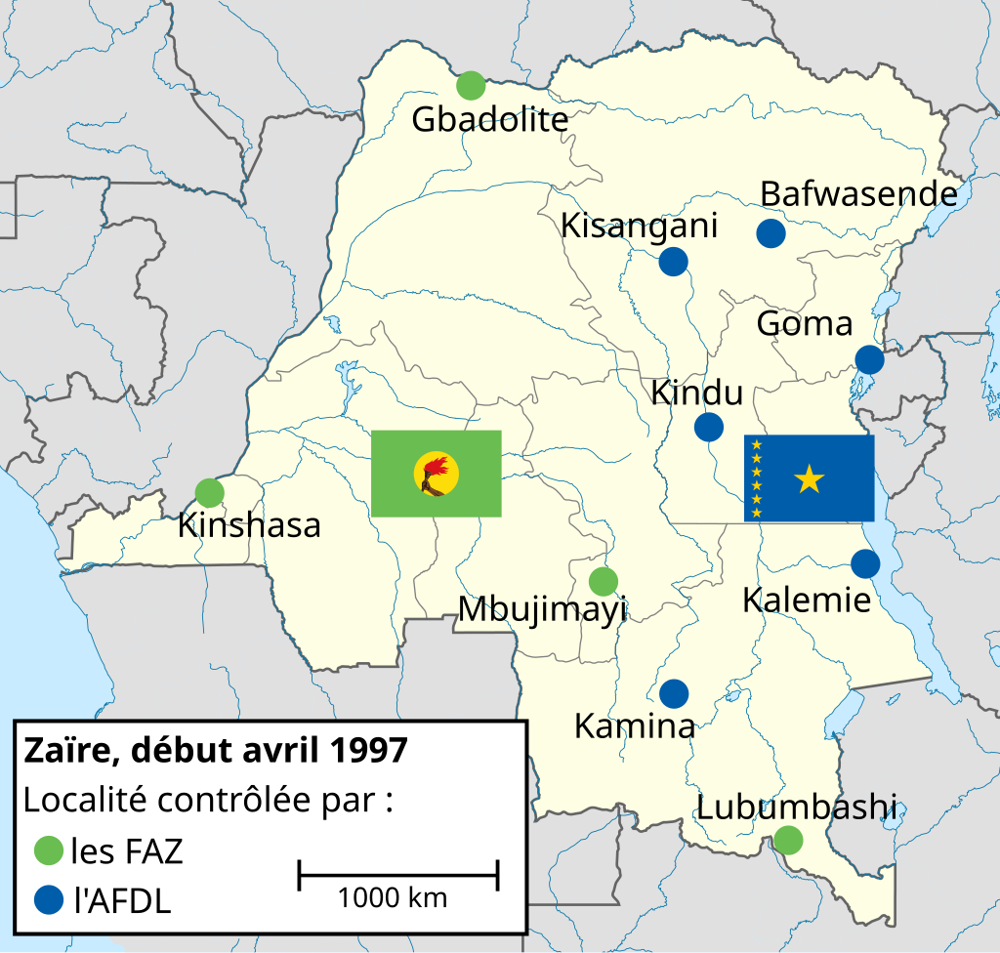
In 1997, a pivotal moment in the history of the Democratic Republic of the Congo (DRC) occurred when President Laurent-Désiré Kabila successfully overthrew long-time dictator Mobutu Sese Seko. One of Kabila's first acts as president was to restore the country's name to the 'Democratic Republic of the Congo', a name that had been voted on during the Sovereign National Conference in 1992 but had not been implemented until Kabila's rise to power. This name change was not merely a cosmetic alteration; it was part of a broader initiative to forge a new national identity and to clearly differentiate the DRC from its neighbor, the Republic of the Congo. The restoration of the name symbolized a significant break from the past and a commitment to a new future for the nation. The DRC is often referred to as Congo (Kinshasa), Congo-Kinshasa, or Big Congo to avoid confusion with the Republic of the Congo. Additionally, it is abbreviated in various forms, including Congo DR, DR Congo, DRC, DROC, and RDC in French. This change marked a crucial step in the country's journey towards establishing its sovereignty and identity on the global stage.
View details1996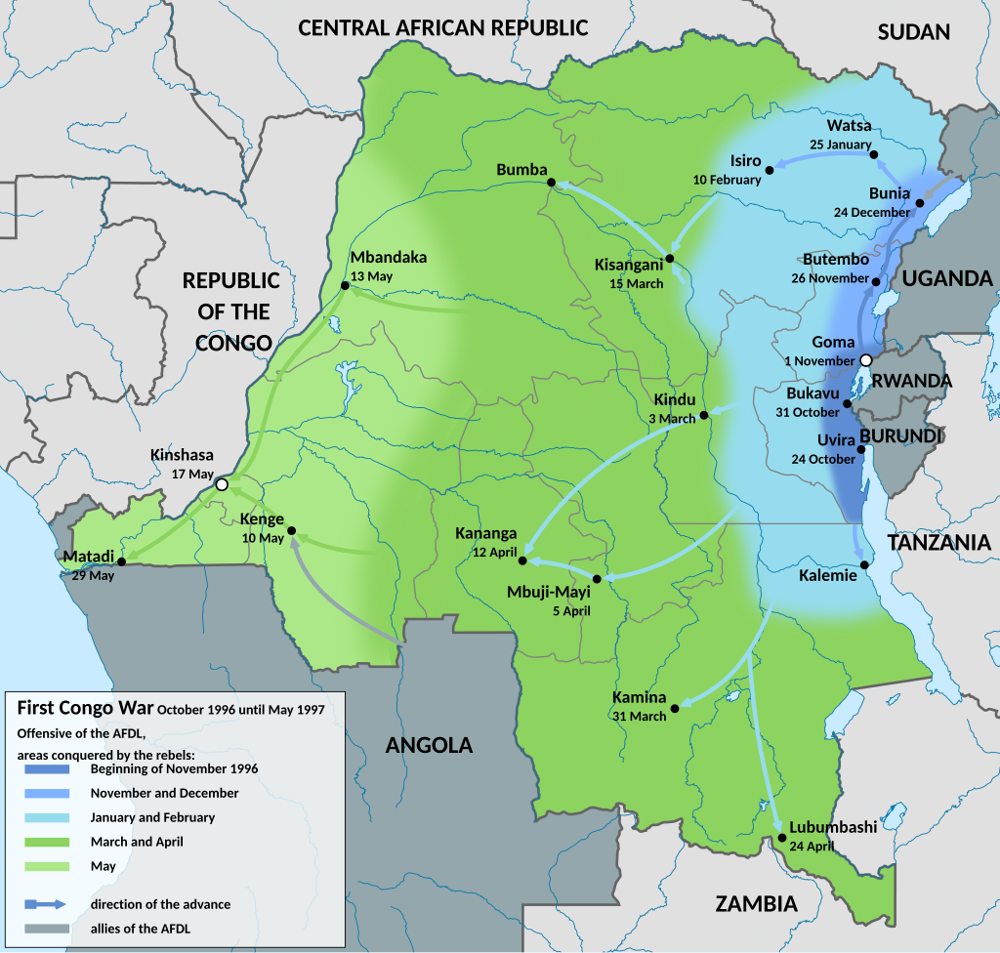
The First Congo War, which erupted in 1996, marked a significant turning point in the history of the Democratic Republic of the Congo (DRC). This conflict was rooted in the aftermath of colonialism, the struggle for independence, and the stagnation experienced during the Mobutu era. The war led to widespread social and cultural disruptions, displacing millions and creating a severe humanitarian crisis. Despite these challenges, the resilience of the Congolese people has been remarkable. They have demonstrated a strong commitment to preserving their rich cultural heritage amidst the chaos. The DRC, home to approximately 81 million inhabitants as of 2016, is predominantly rural, with 30% of its population residing in urban areas. These urban dwellers have been more susceptible to Western influences, yet the customs and traditions of the Congo continue to thrive, showcasing the nation's individuality. The First Congo War not only reshaped the political landscape but also highlighted the enduring spirit of the Congolese people in the face of adversity. Their ability to maintain cultural identity serves as a testament to their strength and resilience, paving the way for a hopeful future despite the scars of conflict.
View details1992
In 1992, the Sovereign National Conference in the Democratic Republic of the Congo (DRC) voted to change the country's name to the 'Democratic Republic of the Congo'. This decision was aimed at marking a new era and redefining the national identity, moving away from the legacy of the past. However, the proposed name change was not implemented at that time, and the official name remained unchanged for several years. It wasn't until 1997, following the overthrow of President Mobutu Sese Seko by Laurent-Désiré Kabila, that the name 'Democratic Republic of the Congo' was officially restored. This change was part of a broader initiative to distinguish the DRC from its neighbor, the Republic of the Congo, and to establish a unique national identity. The country is often referred to as Congo (Kinshasa), Congo-Kinshasa, or Big Congo to avoid confusion with the Republic of the Congo. Additionally, it is abbreviated in various forms such as Congo DR, DR Congo, DRC, DROC, and RDC in French. The name change reflects the ongoing evolution of the DRC's political landscape and its aspirations for a distinct national identity.
View details1990
In 1990, amidst the shifting geopolitical landscape following the dissolution of the Soviet Union, Zaire's long-time leader Mobutu Sese Seko declared the establishment of the Third Republic. This move was largely a response to increasing domestic pressure for reform, as opposition groups intensified their demands for political change. The new constitution was presented as a framework for democratic reform, aiming to address the growing discontent among the populace. However, the changes introduced were largely superficial, allowing Mobutu to maintain his grip on power without implementing substantial reforms. The international community, particularly the United States, began to distance itself from Mobutu, who was no longer viewed as a critical ally in the Cold War context. Despite the facade of reform, Mobutu's authoritarian rule continued until he was ultimately overthrown in 1997 by Laurent-Désiré Kabila's rebellion, marking a significant turning point in Zaire's political history. The declaration of the Third Republic, while a notable event, ultimately failed to bring about the democratic transformation that many had hoped for, highlighting the complexities of political change in post-Cold War Africa.
View details1974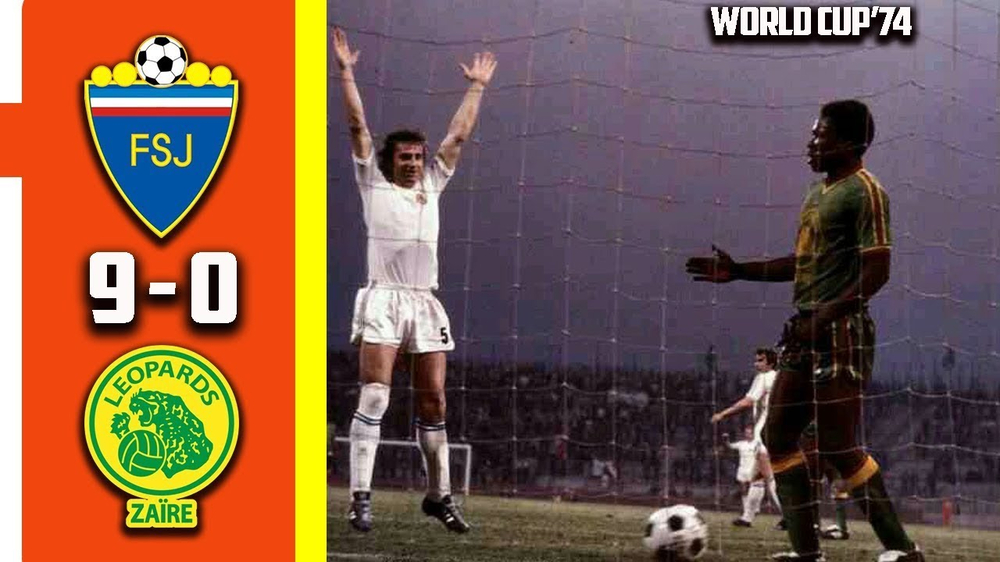
In 1974, the Democratic Republic of the Congo, then known as Zaire, made its debut in the FIFA World Cup, marking a pivotal moment in the nation's sports history. This participation was significant as it was the first time Zaire qualified for the prestigious international football tournament, showcasing the country's growing presence in the world of sports. Although Zaire faced formidable opponents and did not advance past the group stage, their participation was a milestone that highlighted the potential of Congolese football talent. The event not only brought international attention to the country's athletes but also inspired future generations of Congolese players to aspire to compete on the global stage. The legacy of Zaire's participation in the 1974 World Cup continues to resonate, as it laid the groundwork for the development of football in the Democratic Republic of the Congo and fostered a passion for the sport among its youth.
View details1971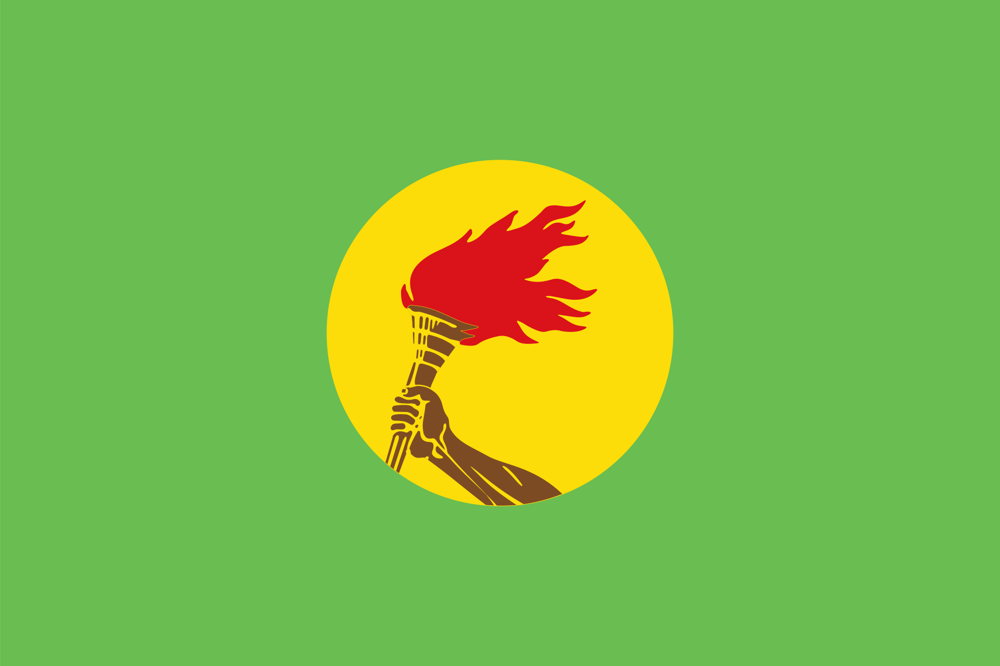
On October 27, 1971, President Mobutu Sese Seko officially renamed the Democratic Republic of the Congo to the Republic of Zaire as part of his Authenticité initiative. This initiative was designed to promote African culture and identity by replacing colonial names with indigenous ones, reflecting a broader movement towards nationalism and self-identity in post-colonial Africa. The name 'Zaire' is derived from a Portuguese adaptation of the Kikongo word 'nzadi,' which means 'river.' This term is a truncation of 'nzadi o nzere,' meaning 'river swallowing rivers,' and it refers to the Congo River, one of the most significant waterways in Africa. The renaming was not merely a change of name; it was part of Mobutu's strategy to consolidate power and foster a sense of national unity and pride among the Congolese people. By embracing indigenous terminology, Mobutu aimed to instill a sense of ownership and cultural pride in the nation, distancing it from its colonial past. This renaming was a pivotal moment in the history of Zaire, marking a significant shift in the country's identity and governance.
View details1965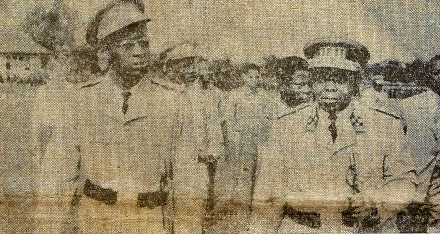
In 1965, Mobutu Sese Seko seized power in the Democratic Republic of the Congo, establishing a single-party system and declaring himself head of state. His regime was heavily supported by the United States, which viewed him as a bulwark against communism in Africa. Mobutu's rule was characterized by severe human rights violations, political repression, and a pervasive cult of personality. He effectively neutralized political opponents by frequently reshuffling government officials, ensuring his grip on power. In 1971, he renamed the country the Republic of Zaire and the Congo River to the Zaire River, further solidifying his control. Despite receiving substantial international aid, the national infrastructure deteriorated, and Zaire became synonymous with kleptocracy, as corruption permeated all levels of government. As the 1990s approached, increasing demands for reform led Mobutu to declare the Third Republic in 1990; however, these reforms were largely superficial and failed to address the underlying issues. Mobutu's regime ultimately ended in 1997 when he was overthrown by Laurent-Désiré Kabila's rebellion. Mobutu died in exile in Morocco later that year, leaving behind a legacy of autocracy and mismanagement.
View details1961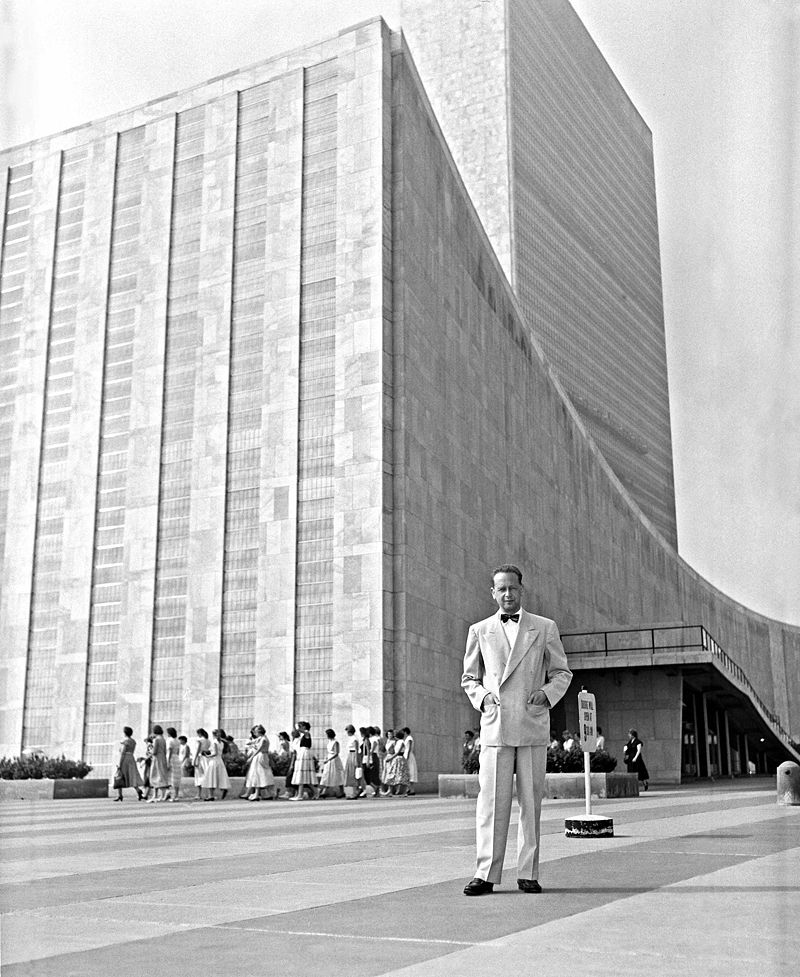
On September 18, 1961, the world was shaken by the tragic death of Dag Hammarskjöld, the Secretary-General of the United Nations, in a plane crash near Ndola, Zambia. Hammarskjöld was en route to negotiate a ceasefire during the Congo Crisis, a period marked by political instability and conflict following the country's independence from Belgium. The crash claimed the lives of Hammarskjöld and all 15 passengers aboard, leading to a significant succession crisis within the UN and the international community. In the aftermath, a temporary government was established, led by technicians known as the Collège des commissaires généraux, amidst widespread confusion and chaos. The political landscape in the Congo was tumultuous, with several short-lived governments emerging, including those led by Joseph Ileo, Cyrille Adoula, and Moise Kapenda Tshombe. The Katangan secession, which was a key issue during this period, ultimately came to an end in January 1963, aided by UN forces. Hammarskjöld's legacy as a dedicated diplomat and advocate for peace continues to resonate in international relations today.
View details1960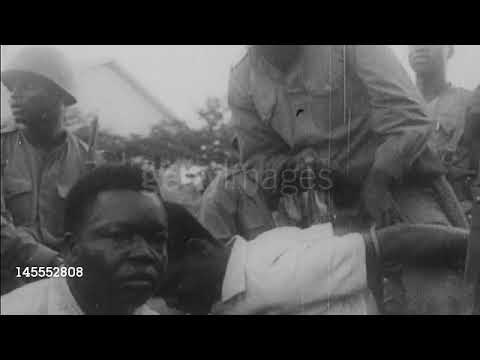
Patrice Lumumba, the first Prime Minister of the Democratic Republic of the Congo, was executed on January 17, 1961, by Katangan authorities, with the involvement of Belgian-led troops. His removal from office on September 14, 1960, was orchestrated by Colonel Joseph Mobutu, who received support from the United States and Belgium. Lumumba's leadership was marked by his efforts to unite the nation and promote independence from colonial rule, but his tenure was short-lived due to political instability and external interference. In 2001, a Belgian parliamentary investigation concluded that Belgium bore 'moral responsibility' for Lumumba's assassination, leading to an official apology from the Belgian government for its role in this tragic event. Lumumba's legacy continues to resonate in discussions about post-colonial governance and the impact of foreign intervention in African politics.
View detailsOn July 25, 1960, the 'Jungle Shipwreck' occurred in the Congo, marking a significant event during a period of intense political upheaval and struggle for independence in the region. This incident involved a shipwreck that highlighted the dangers faced by those navigating the Congo's treacherous waterways amidst the chaos of a nation in transition. The shipwreck not only serves as a historical reference but also as a poignant reminder of the resilience of the Congolese people during tumultuous times. The event was notably covered by Time magazine, which documented the challenges and adversities faced by individuals in the Congo during this era. The archived article provides valuable insights into the socio-political climate of the time, illustrating the intersection of maritime challenges and the broader narrative of a country striving for autonomy. The Jungle Shipwreck remains a significant chapter in the history of the Congo, symbolizing both the perilous conditions of the time and the enduring spirit of its people.
View detailsShortly after independence, the Force Publique mutinied, and on 11 July the province of Katanga (led by Moïse Tshombe) and South Kasai engaged in secessionist struggles against the new leadership. Most of the 100,000 Europeans who had remained behind after independence fled the country. After the United Nations rejected Lumumba's call for help to put down the secessionist movements, Lumumba asked for assistance from the Soviet Union, who accepted and sent military supplies and advisers. On 23 August, the Congolese armed forces invaded South Kasai. Lumumba was dismissed from office on 5 September 1960 by Kasa-Vubu who publicly blamed him for massacres by the armed forces in South Kasai and for involving Soviets in the country. On 7 September, Lumumba made a speech to the Congolese House of Representatives, arguing his dismissal was illegal under the nation's laws. Congolese law gave parliament, not the president, the authority to dismiss a government minister. The House and Senate both rejected the dismissal of Lumumba, but the removal proceeded unconstitutionally.
View detailsOn June 30, 1960, the Democratic Republic of the Congo (DRC) achieved independence from Belgium, marking a pivotal moment in its history and the end of colonial rule. This transition, however, was fraught with political instability and turmoil. The immediate aftermath of independence was characterized by the Congo Crisis, a period marked by secessionist movements, political assassinations, and significant foreign interventions. The assassination of Prime Minister Patrice Lumumba in January 1961 highlighted the intense internal strife and external influences that plagued the new nation. Despite these challenges, independence represented a crucial milestone for the Congolese people, symbolizing their aspirations for self-determination and sovereignty. However, the legacy of colonialism continued to cast a long shadow over the DRC, affecting its political, social, and economic development for decades to come. The struggle for stability and governance in the years following independence remains a significant chapter in the DRC's ongoing journey towards nationhood and self-governance.
View detailsIn May 1960, the Mouvement National Congolais, led by Patrice Lumumba, emerged victorious in the parliamentary elections, marking a significant turning point in the history of the Republic of the Congo. On June 24, 1960, Lumumba was appointed as the first Prime Minister of the newly independent nation. The political landscape was further shaped by the election of Joseph Kasa-Vubu as president, representing the Alliance des Bakongo (ABAKO) party. This period also saw the rise of other political entities, including the Parti Solidaire Africain, led by Antoine Gizenga, and the Parti National du Peuple, spearheaded by Albert Delvaux and Laurent Mbariko. The Republic of the Congo officially gained independence from Belgium on June 30, 1960, transitioning from the Belgian Congo to the Republic of the Congo. This momentous event was followed by the independence of the French colony of Middle Congo on August 15, 1960, which adopted the same name. The former Belgian Congo is now known as the Democratic Republic of the Congo (DR Congo), while the former French colony retained the name 'Republic of the Congo'. This era was marked by both hope and turmoil as the nation navigated its newfound sovereignty amidst internal and external challenges.
View details