
Central African Republic

The Heart of Africa.
About
#CentralAfricanRepublic
#CAR
#Africa
Life Classification
Country
Life ID
EL6798375348544
Verified Name
central-african-republic
Life Type
Entity Life
Life Editor(s)
History Editorial Network (HEN)
Life Privacy
Public
Subscription
Elite
Created On
2024-07-11
Updated On
2025-12-18
Connect
Related Lives
President of the Italian Republic
Head of State

Niger
Land of the Sahel

Germany
The Land of Ideas

Ancient Japan
Land Steeped in Myth and Tradition

Turkey
The Land of Singing Trees

Uganda
Pearl of Africa

Ghana
Culture-Warmth-Rhythm

2026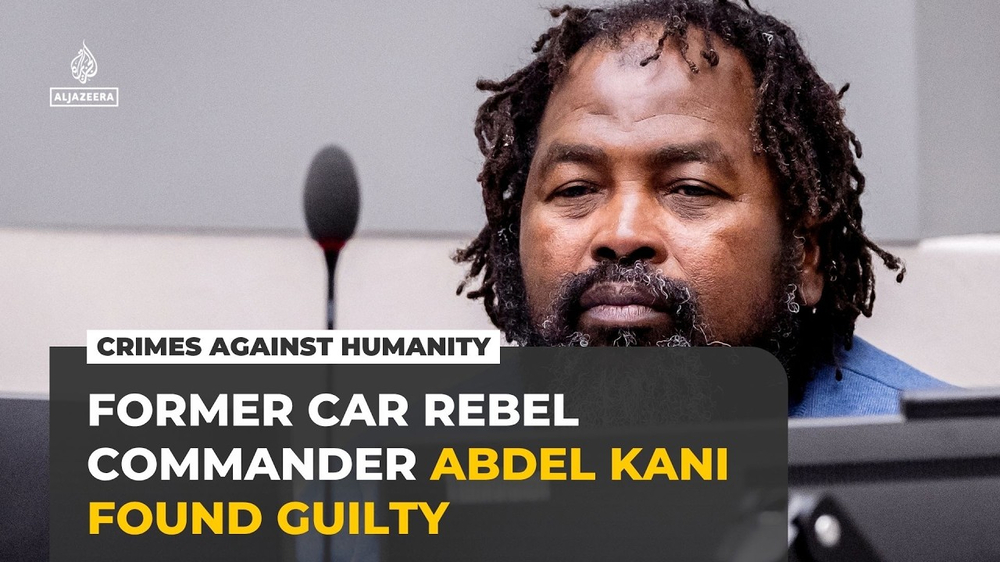
The International Criminal Court (ICC) convicted former Séléka commander Mahamat Said Abdel Kani on 23/09/2026 of crimes against humanity committed in Bangui, Central African Republic, during 2013. The judgment concerned torture, persecution, unlawful imprisonment, and other inhumane acts committed against civilians detained during the country's political and armed conflict. Said had been associated with the Séléka coalition, which seized control of Bangui in March 2013 and overthrew President François Bozizé. The case examined abuses committed during the period of Séléka rule and the violence that followed.
The proceedings formed part of the ICC's investigation into atrocities committed in the Central African Republic from 2012 onward. Said was surrendered to the Court in January 2021, and his trial began in September 2022 at the ICC headquarters in The Hague. His conviction made him the first former Séléka commander convicted by the Court for crimes arising from the conflict. The judgment established individual criminal responsibility for the offences proven at trial, while any sentence and subsequent appeals remained separate judicial matters.
The ICC confirmed that the crimes occurred between 12/04/2013 and 30/08/2013 at Bangui's Central Office for the Repression of Banditry. The judges convicted Said on four crimes-against-humanity counts but did not find the separate war-crimes charges proven beyond reasonable doubt. The trial involved 130 hearings, 61 witnesses and 32 participating victims.
View detailsAt least 107 people were reported killed after a landslide and mine collapse struck the Zamboye gold mining site in western Central African Republic on 18/08/2026, close to the country's border with Cameroon. The disaster occurred on Tuesday afternoon at an artisanal mining area about 50 kilometres from the town of Baboua. Initial reports placed the death toll at around 100, while subsequent reports said 107 bodies had been recovered as search operations continued.
The Zamboye site, also written as Zamboï, is a large artisanal gold mining area where hundreds of miners work. According to the Baboua public prosecutor, the landslide was believed to have been caused by the collapse of several underground tunnels in which miners were operating. Video footage from the site showed a large section of earth breaking away and moving through part of the open-pit mining area, burying people in its path. Miner Cedric Mbango told AFP that "the ground completely collapsed and buried people."
Rescue workers, miners and local residents searched through the debris for victims. More than 100 bodies were recovered, with later accounts putting the number at 107. Many other people were reported injured, while survivors were transported to a hospital in Baboua. At least four of those killed were identified as Cameroonian nationals, reflecting the cross-border nature of mining activity in the area.
Authorities opened a judicial inquiry into the collapse while officials in Cameroon and the Central African Republic coordinated their response. Grégoire Mvongo, governor of Cameroon's East Region, said the two countries were working closely to manage the aftermath. The disaster followed other deadly mining accidents in the Central African Republic during 2026, including a collapse at the Be-Mbari gold mining site near the Cameroon border in June, a landslide that killed seven people at Ngourroum in March, and another mining accident that killed 20 people in Gordi in February.
Significance: The Zamboye disaster placed renewed attention on the risks faced by workers at artisanal and unregulated mining sites in the Central African Republic. Its location near Cameroon also made the consequences cross-border, with Cameroonian citizens among the dead and authorities from both countries involved in the response.
View details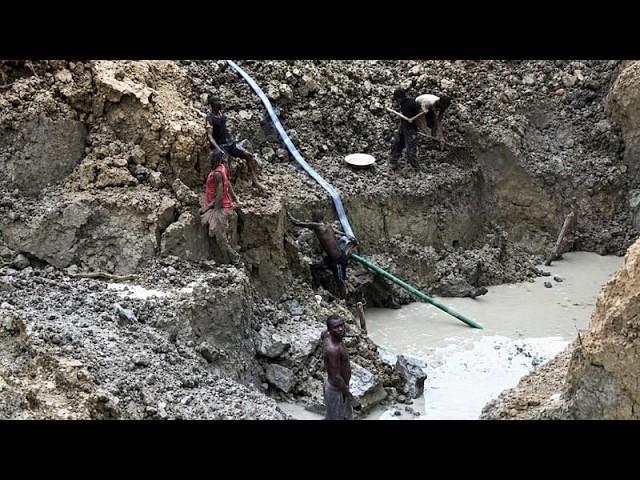
2024
Civil servants and teachers in the Central African Republic went on strike to protest against the non-payment of their salaries. The background of the situation was the government's struggling economy and financial challenges, leading to the inability to compensate its employees for several months.
The impact of the strike was severe, with essential services such as education and public administration being disrupted. Schools were closed, and government offices operated minimally, affecting the overall functioning of the state.
The protest garnered attention both domestically and internationally, highlighting the dire economic situation in the Central African Republic and the hardships faced by its citizens. The government was pressured to address the issue and find a resolution to the salary delays.
As a result of the strike, discussions were initiated between the government and the unions representing the striking workers. Efforts were made to find solutions to the wage payment issue and prevent similar crises in the future.
#CentralAfricanRepublic #SalaryCrisis #PublicSectorStrike #GovernmentResponse
View details2022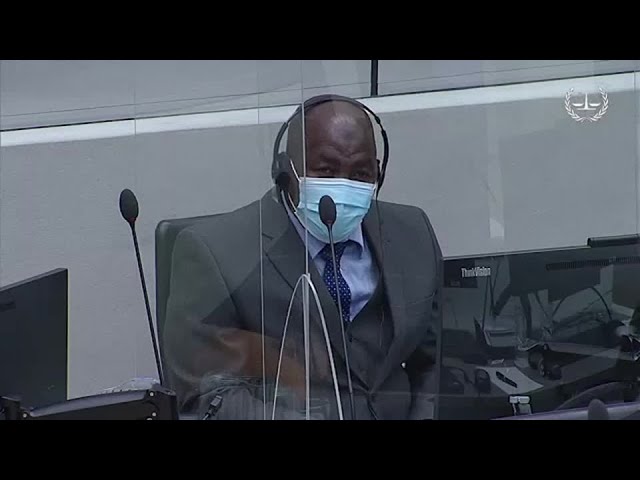
The International Criminal Court (ICC) launched an investigation into alleged war crimes and crimes against humanity in the Central African Republic. The inquiry focuses on widespread atrocities committed during the protracted conflict in the region. The Central African Republic has been plagued by violence, with various armed groups engaging in brutal acts against civilians, including killings, sexual violence, and forced displacement.
The ICC's decision to probe these alleged crimes marks a significant step towards ensuring accountability for the perpetrators and seeking justice for the victims. It also serves as a warning to those involved in ongoing hostilities that they may be held responsible for their actions.
The investigation has the potential to bring about much-needed recognition of the suffering endured by the people of the Central African Republic and to help prevent future atrocities. By shedding light on the gravity of the situation and holding individuals accountable, the ICC aims to contribute to the restoration of peace and stability in the region.
#ICC #CentralAfricanRepublic #WarCrimes #CrimesAgainstHumanity #Accountability
View details2020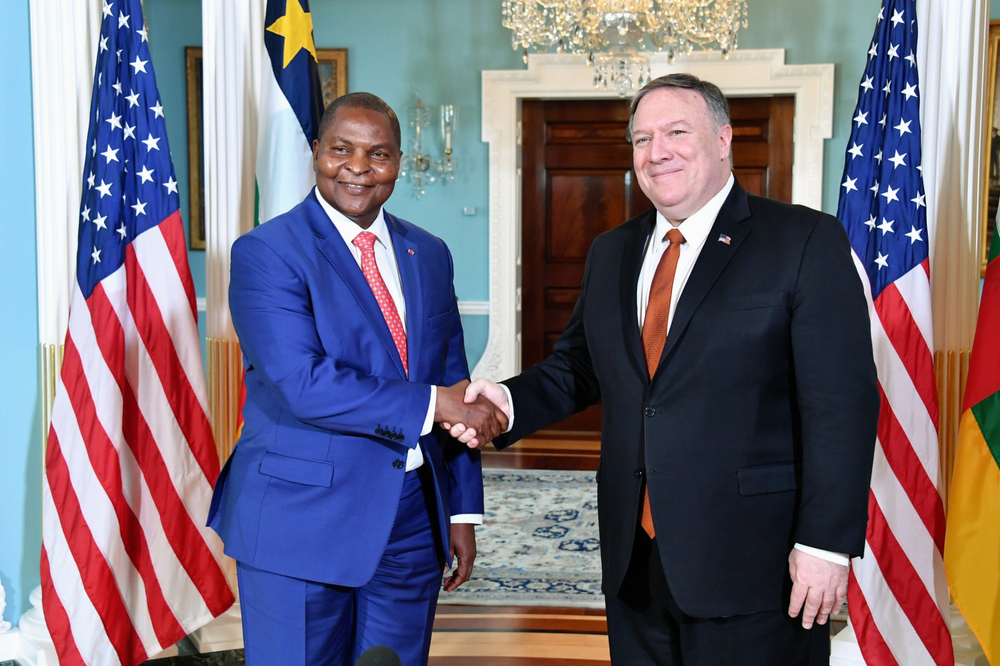
President Touadera secured his re-election victory, with main opponent Anicet-Georges Dologuélé contesting the outcome. The Central African Republic's election was marred by violence and allegations of fraud. Touadera's win was met with celebrations by his supporters, while Dologuélé denounced the results, claiming irregularities and calling for a re-run of the election. The Constitutional Court upheld Touadera's victory, dismissing Dologuélé's claims. The election highlighted the deep political divisions in the country, with ongoing violence and instability. Touadera's administration faces the challenge of uniting the country and addressing issues such as armed groups and humanitarian crises. The disputed election outcome could further escalate tensions and hinder efforts towards peace and development. #CentralAfricanRepublic #ElectionDispute #PoliticalTensions #PeaceBuilding
View detailsDespite ongoing peace efforts in the Central African Republic, the country continued to be plagued by violence and ethnic conflict in 2021. The root causes of the conflict can be traced back to longstanding political instabilities, competition for resources, and ethnic tensions between various groups.
The impact of this continued violence has been devastating, leading to widespread displacement of civilians, human rights abuses, and loss of lives. Both government forces and armed groups have been implicated in committing atrocities, further exacerbating the humanitarian crisis in the region.
Efforts by the international community, including the United Nations peacekeeping mission in the country, have been hampered by the complex nature of the conflict and the reluctance of warring factions to engage in meaningful dialogue. Despite several peace agreements being signed in the past, a lasting solution to the conflict remains elusive.
As the violence persists, the civilian population continues to bear the brunt of the conflict, facing insecurity, displacement, and limited access to humanitarian assistance. The situation in the Central African Republic serves as a stark reminder of the challenges of achieving lasting peace in conflict-ridden regions.
#CentralAfricanRepublic #Conflict #EthnicViolence #PeaceEfforts #HumanitarianCrisis
View details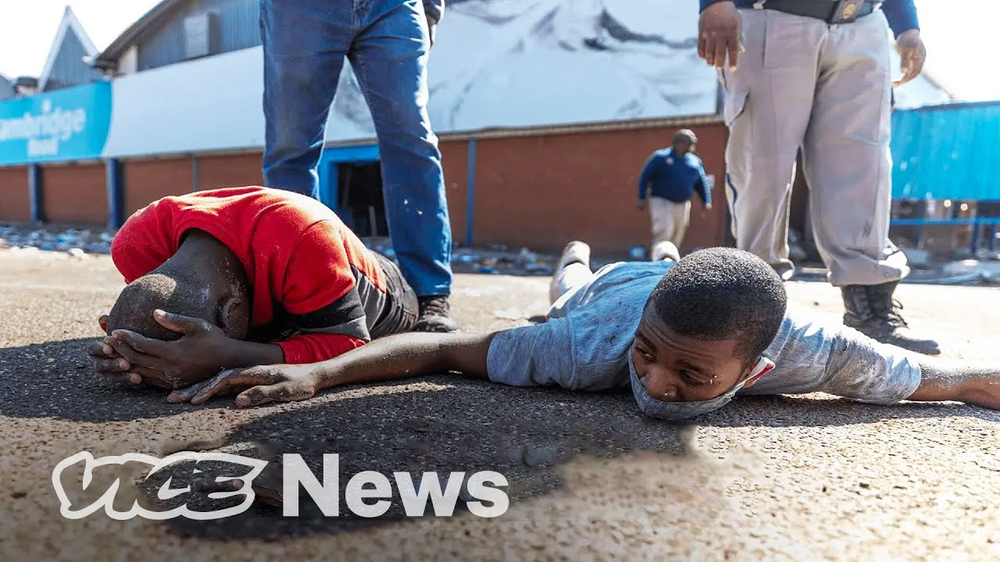
2018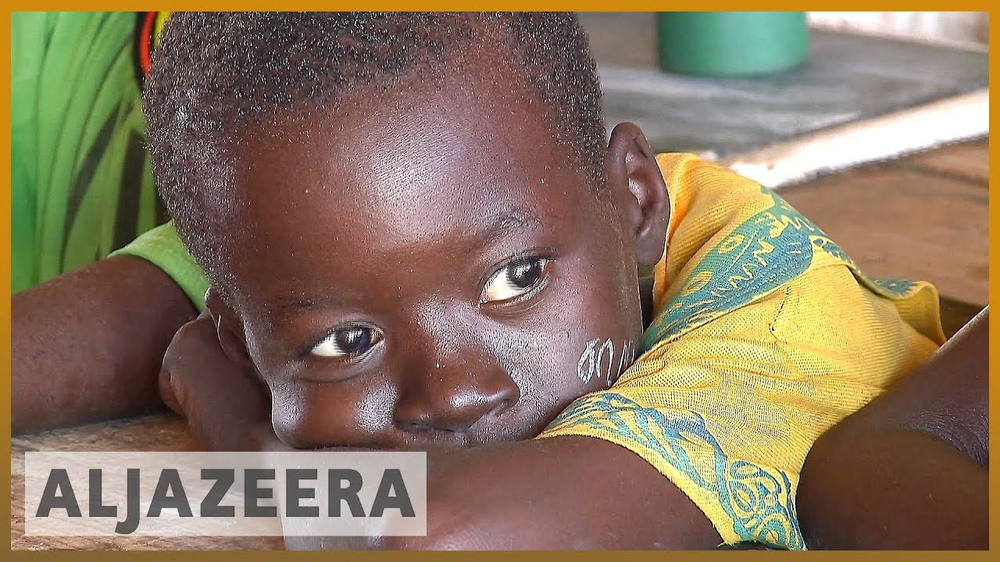
The International Committee of the Red Cross issued a stark warning about the deteriorating situation in the Central African Republic, stating that half of the population required urgent humanitarian aid. The country has been plagued by ongoing conflict and violence, leading to widespread displacement, food insecurity, and limited access to basic services.
The impact of this crisis has been devastating, with many families struggling to meet their basic needs amidst the chaos. Humanitarian organizations have been working tirelessly to provide assistance, but the growing needs have stretched available resources thin.
Despite efforts to address the crisis, the situation continues to worsen, further exacerbating the suffering of the people in the Central African Republic. Urgent action is needed to prevent further loss of life and alleviate the widespread humanitarian crisis gripping the country.
#CentralAfricanRepublic #HumanitarianAid #RedCross #CrisisRespondence
View details2017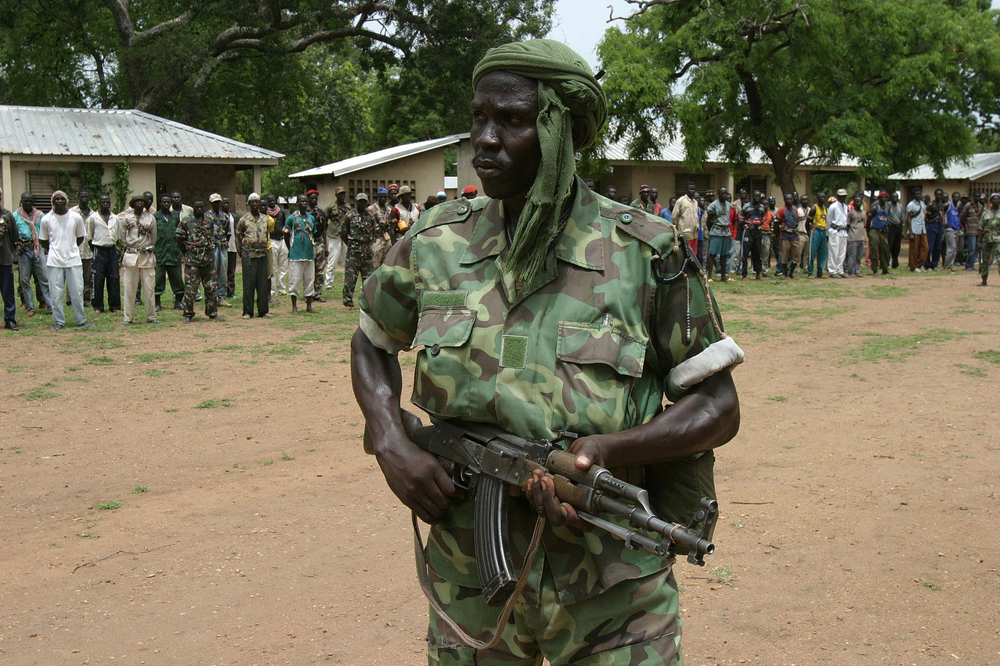
Following the withdrawal of foreign forces from the Central African Republic, the region experienced a significant upsurge in violence. The absence of international security support left a void that militant groups sought to exploit, leading to a spike in attacks and clashes across the country.
The sudden escalation of violence had a devastating impact on the civilian population, with reports of increased casualties and mass displacements. Humanitarian organizations struggled to provide assistance in the midst of the heightened insecurity, further exacerbating the already dire humanitarian situation in the country.
The withdrawal of foreign forces was identified as a contributing factor to the escalation of violence, as local security forces were ill-equipped to handle the growing threat from armed groups. The international community faced calls to reconsider their support and engagement in the region to prevent further deterioration of the security situation.
Overall, the upsurge in violence following the withdrawal of foreign forces underscored the fragile security environment in the Central African Republic and the continued challenges in maintaining peace and stability in the region. #CentralAfricanRepublic #ViolenceSurge #ForeignForcesWithdrawal
View details2016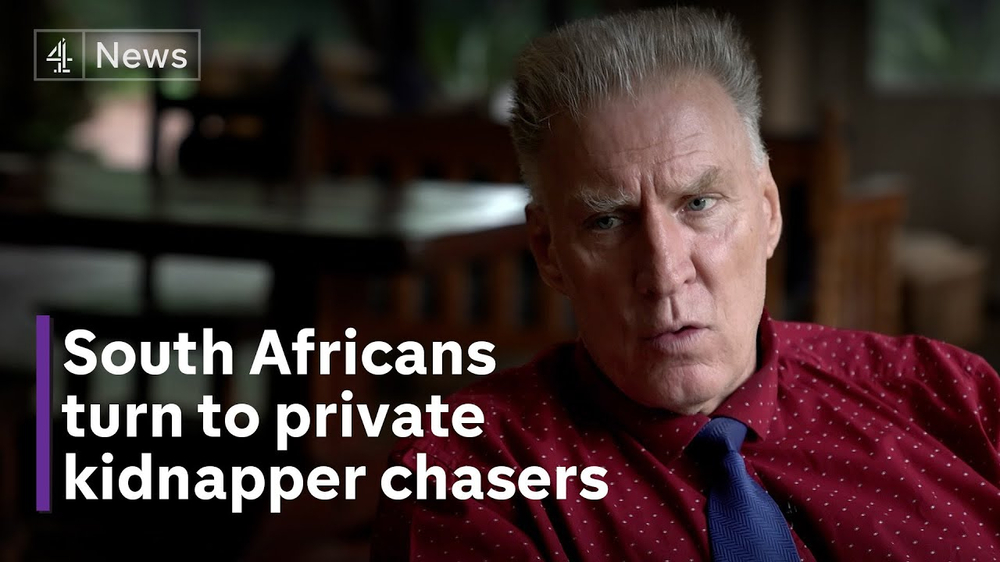
Reports emerged stating that kidnappings by the Lords Resistance Army were escalating in the Central African Republic. The rebel group has been notorious for abducting civilians, mainly children, to serve as soldiers or sex slaves. These abductions have instilled fear and instability in the region, exacerbating an already dire humanitarian situation.
The increase in kidnappings highlighted the ongoing insecurity in the country, with the government struggling to combat multiple armed groups vying for control. The affected communities faced the constant threat of violence and displacement, hindering their access to basic necessities and essential services.
Humanitarian organizations expressed concerns over the worsening situation, calling for immediate action to protect civilians and address the root causes of the conflict. Efforts to rescue the abducted individuals and prevent further kidnappings were underway, but the challenges posed by the remote and volatile environment complicated the response.
The escalation of kidnappings by the Lords Resistance Army underscored the urgent need for sustained peacebuilding efforts and international support to stabilize the Central African Republic and protect its vulnerable populations. #CentralAfricanRepublic #LRAkidnappings #HumanitarianCrisis
View detailsIn the run-off election in the Central African Republic, Faustin-Archange Touadera emerged as the victor, securing the position of the president. Touadera, a former Prime Minister, ran a campaign promising to bring stability and peace to the conflict-torn nation. His victory was seen as a step towards reconciliation and progress in the country.
The election was a crucial moment for the Central African Republic, which has been plagued by political instability and violence for years. Touadera's win raised hopes for a brighter future, as he vowed to tackle corruption, improve security, and foster economic development.
With his background in economics and experience in government, Touadera was viewed as a capable leader who could steer the country towards peace and prosperity. His election victory was met with optimism both domestically and internationally.
The outcome of the election signaled a new chapter for the Central African Republic, with the potential for positive change and growth under Touadera's leadership. As the nation looked towards rebuilding and progress, there was a sense of cautious optimism for the future.
#CentralAfricanRepublic #Touadera #ElectionWin #HopeForPeace
View details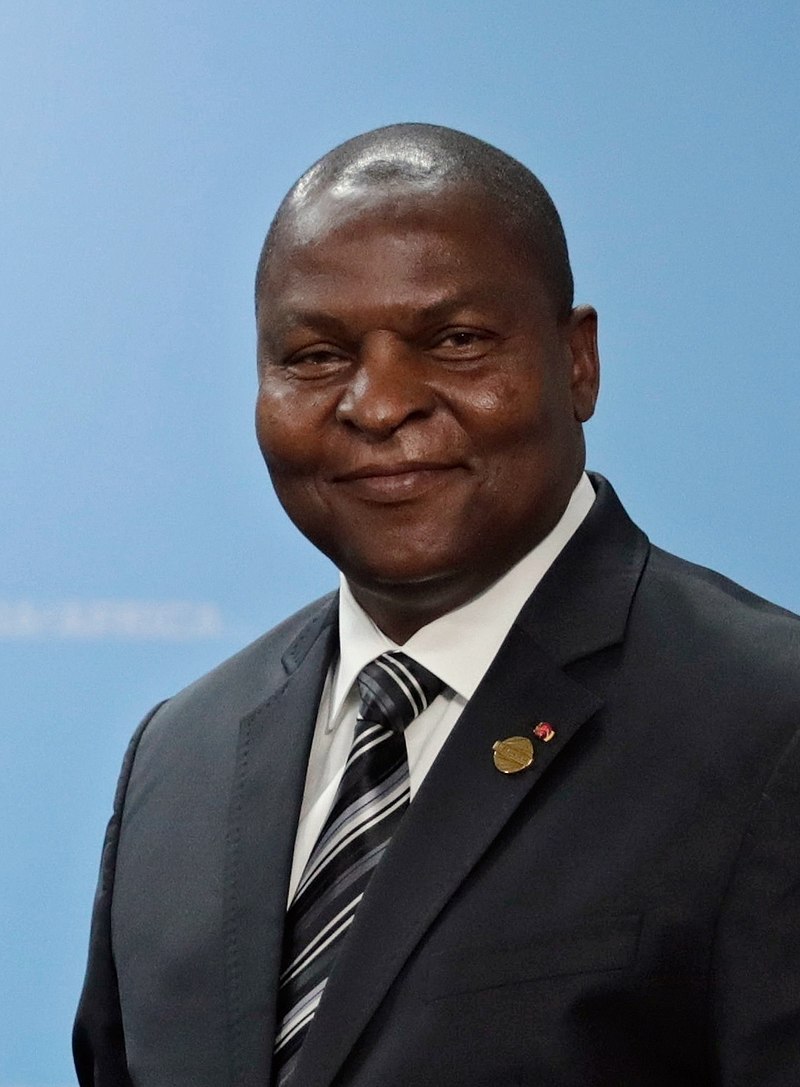
2015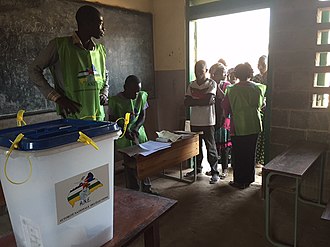
The Constitutional referendum was conducted in the Central African Republic to ratify a new constitution aimed at fostering stability in the country. Against a backdrop of political turmoil and civil unrest, the referendum sought to establish a legal framework that would address the systemic issues plaguing the nation.
The new constitution aimed to promote national reconciliation, good governance, and respect for human rights. It sought to decentralize power, enhance accountability, and create a foundation for sustainable peace and development. The referendum was viewed as a crucial step towards building a more inclusive and democratic society in the Central African Republic.
The event had a profound impact on the country's political landscape, paving the way for the establishment of a more stable and transparent governance system. It provided an opportunity for citizens to have a say in shaping the future of their nation and rebuilding a society torn apart by conflict.
The Constitutional referendum marked a significant milestone in the Central African Republic's journey towards peace and prosperity, signaling a new chapter in its history. #CentralAfricanRepublic #Constitution #Stability #Reconciliation
View detailsThe Pope visited the Central African Republic to promote peace between Muslims and Christians in the region, where violence between the two groups had escalated. His visit aimed to encourage dialogue and reconciliation, fostering a sense of unity and understanding among the divided communities. The Pope's presence provided a symbol of hope and solidarity, urging for an end to the ongoing conflicts.
During his visit, the Pope met with religious leaders from both Muslim and Christian communities, emphasizing the importance of coexistence and mutual respect. His message resonated with many, inspiring a sense of peace and tolerance among the people of the Central African Republic. The event served as a catalyst for peacebuilding efforts in the region, instilling a renewed sense of hope for a harmonious future.
The Pope's call for peace between Muslims and Christians in the Central African Republic sparked a sense of optimism and unity among the population, fostering a dialogue for reconciliation and understanding. His visit marked a significant step towards healing the divisions within the country, paving the way for a more peaceful coexistence between different religious groups. #PopeFrancis #InterfaithDialogue #Peacebuilding
View details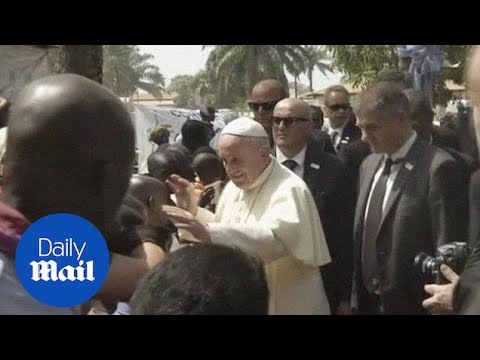
In France, prosecutors initiated a judicial investigation into accusations of child abuse involving French soldiers in the Central African Republic. The alleged abuse took place during a peacekeeping mission in the war-torn country, where French troops were deployed to restore security amid escalating violence.
The investigation followed a report by the United Nations, which detailed accounts of sexual exploitation and abuse by international peacekeepers in the Central African Republic. The allegations tarnished the reputation of the French military and raised concerns about the conduct of peacekeeping forces in conflict zones.
Authorities in France vowed to hold any individuals responsible for misconduct accountable and ensure justice for the victims. The case sparked outrage and calls for transparency and accountability in the handling of such serious allegations.
The investigation into the alleged child abuse by French soldiers in the Central African Republic underscored the challenges of maintaining ethical standards and upholding human rights in conflict zones. It highlighted the need for robust mechanisms to prevent and address cases of abuse by peacekeeping forces.
#France #CentralAfricanRepublic #ChildAbuse #MilitaryMisconduct #Peacekeeping #Justice
View details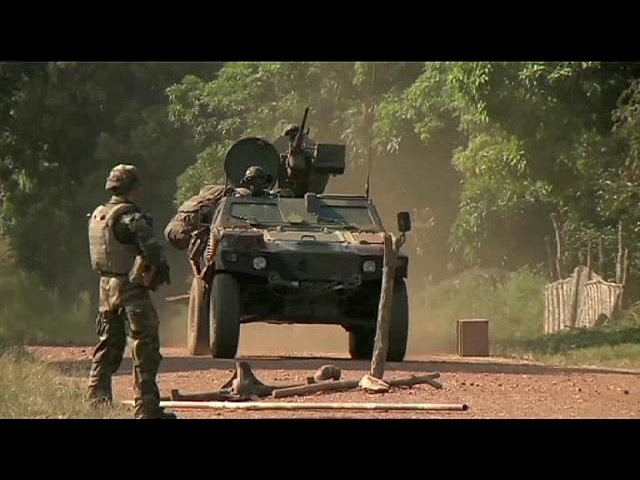
2014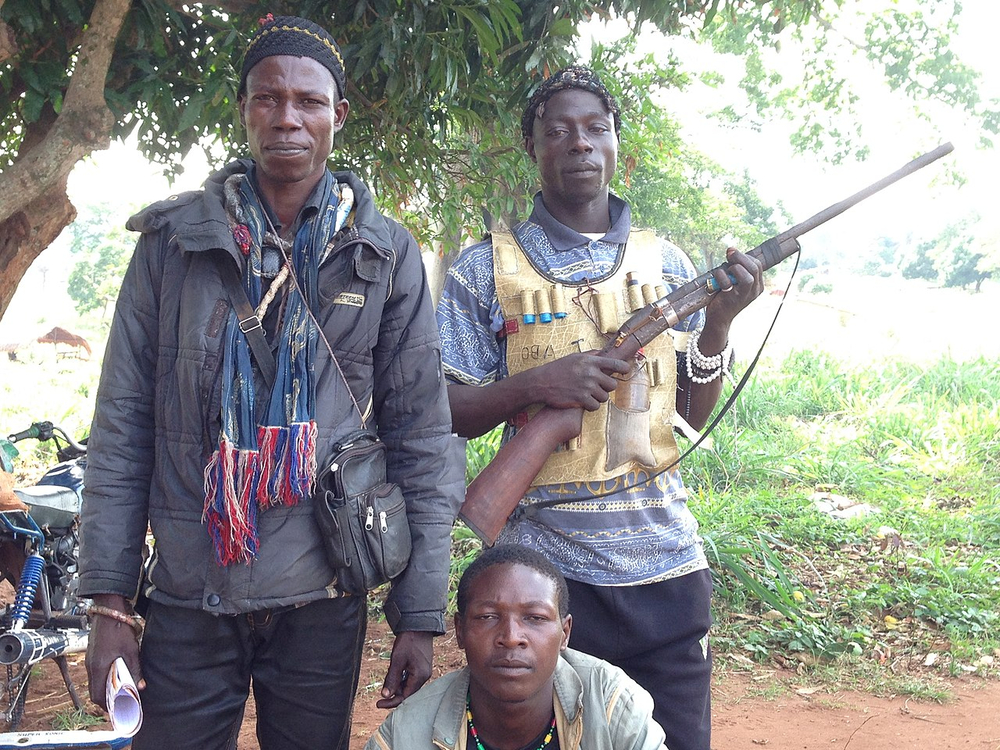
In July 2014, the Central African Republic (CAR), a nation beleaguered by sectarian violence, saw a glimmer of hope as warring factions reached a tentative ceasefire agreement during talks in Brazzaville, the capital of the Republic of Congo. This crucial moment was marked by efforts to halt the brutal conflict between Muslim Seleka rebels and Christian "anti-balaka" vigilante forces, which had ravaged the country since late 2012.
Background
The roots of the conflict in CAR are complex, involving a mix of political instability, ethnic tensions, and economic struggles. In March 2013, the Seleka coalition, predominantly composed of Muslim rebels, overthrew President François Bozizé, leading to widespread chaos and violence. The Seleka's rise to power prompted a backlash from predominantly Christian communities, giving rise to the "anti-balaka" (meaning "anti-machete") militias. What ensued was a vicious cycle of revenge attacks, plunging the country into anarchy and prompting a dire humanitarian crisis.
The Brazzaville Ceasefire
The ceasefire agreement was brokered under the auspices of the Economic Community of Central African States (ECCAS), with Congolese President Denis Sassou Nguesso playing a pivotal role as the mediator. The peace talks in Brazzaville, which began on July 21, 2014, aimed to create a framework for national reconciliation and the cessation of hostilities.
During these talks, representatives from both factions—Seleka and anti-balaka—agreed to halt the fighting, offering a tentative but hopeful path towards peace. The agreement called for:
Immediate Cessation of Hostilities: Both sides committed to laying down their arms and stopping all forms of violence.
Humanitarian Access: Ensuring that humanitarian aid could reach affected populations without impediments, addressing the urgent needs of the displaced and wounded.
Dialogue and Reconciliation: Promoting a national dialogue that included all ethnic and religious groups to foster understanding and pave the way for long-term peace.
Challenges and Impact
Despite the promise of the Brazzaville ceasefire, significant challenges loomed. The deep-seated mistrust between the factions and the presence of numerous armed groups complicated the enforcement of the ceasefire. Additionally, sporadic clashes continued, underscoring the fragility of the peace process.
The international community, including the United Nations and African Union, maintained a critical role in supporting CAR through peacekeeping missions and humanitarian assistance. The UN Multidimensional Integrated Stabilization Mission in the Central African Republic (MINUSCA), established in April 2014, was instrumental in protecting civilians and supporting the transitional government.
Aftermath and Continuing Struggle
While the Brazzaville agreement was a significant step towards peace, the road to stability in CAR remained arduous. The interim government faced the daunting task of disarming militias, restoring state authority, and rebuilding the nation's shattered infrastructure. Efforts to hold democratic elections and establish a legitimate government were crucial milestones in this journey.
The conflict in CAR highlighted the devastating impact of sectarian violence and the importance of inclusive political processes in post-conflict recovery. The tentative ceasefire of July 2014 stands as a reminder of the power of dialogue and the ongoing need for concerted efforts to achieve lasting peace.
#MomentsOfLife #MoofLife_Moment #MoofLife #CentralAfricanRepublic #Seleka #AntiBalaka #PeaceProcess #BrazzavilleCeasefire #HumanitarianCrisis #ECCAS #MINUSCA #Reconciliation
View detailsThe United Nations established the MINUSCA peacekeeping mission in the Central African Republic in response to escalating violence and instability in the region. The mission aimed to protect civilians, facilitate humanitarian assistance, and support the political transition process. MINUSCA deployed troops and civilian personnel to assist in restoring stability and security.
The presence of MINUSCA had a notable impact on the ground, contributing to the stabilization of the security situation and helping to prevent further atrocities. The mission played a crucial role in protecting civilians, promoting human rights, and supporting the disarmament and reintegration of combatants. MINUSCA also helped create a conducive environment for the delivery of humanitarian aid to those in need.
Despite facing challenges and ongoing violence, the MINUSCA mission continued to work towards its objectives of peace and stability in the Central African Republic. The presence of UN peacekeepers provided a sense of security for the local population and bolstered efforts to rebuild the country and promote reconciliation.
#UnitedNations #MINUSCA #CentralAfricanRepublic #PeacekeepingMission #Security #HumanitarianAid #Stability
View details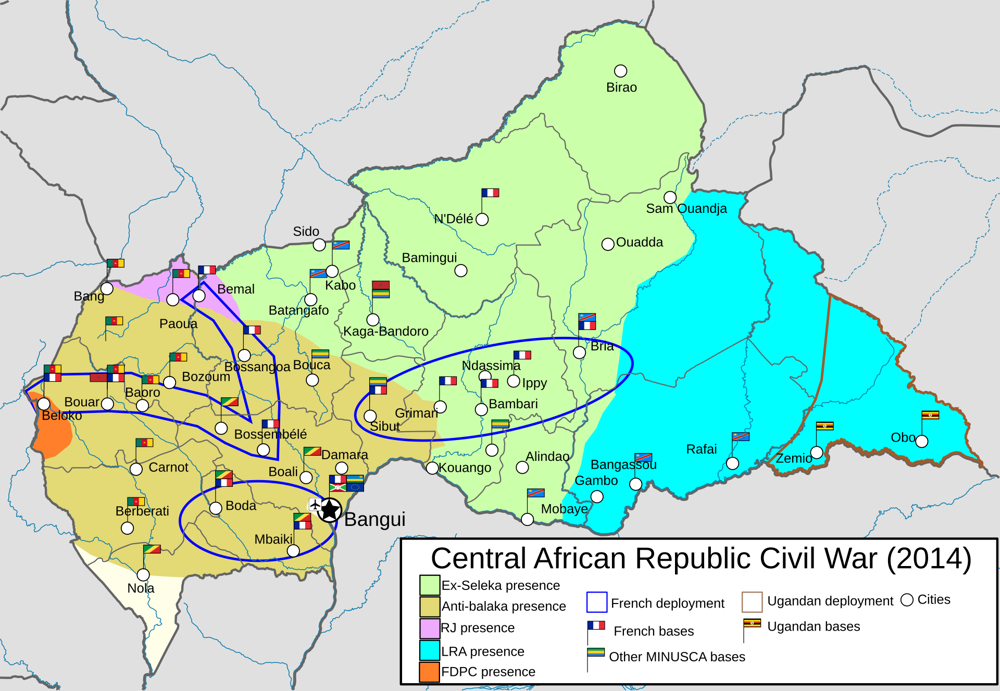
The UN Security Council authorized the deployment of 12,000 peacekeeping troops to the Central African Republic in response to the escalating violence and humanitarian crisis in the region. The decision came after reports of widespread atrocities, including targeted killings and displacement of civilians.
The peacekeeping force was tasked with protecting civilians, facilitating humanitarian aid, and restoring stability in a country plagued by sectarian violence between Muslim Seleka rebels and Christian militias known as anti-Balaka. The conflict had led to a deteriorating security situation, displacement of populations, and widespread human rights abuses.
The deployment of the peacekeeping force was seen as a crucial step towards preventing further bloodshed and facilitating the political transition process in the Central African Republic. It was also a demonstration of the international community's commitment to upholding peace and security in the region.
The authorization of the peacekeeping force highlighted the UN's efforts to address the complex challenges facing the Central African Republic and underscored the importance of multilateral cooperation in peacekeeping operations.
#UNSecurityCouncil #PeacekeepingForce #CentralAfricanRepublic #HumanitarianCrisis #InternationalCooperation
View details
2013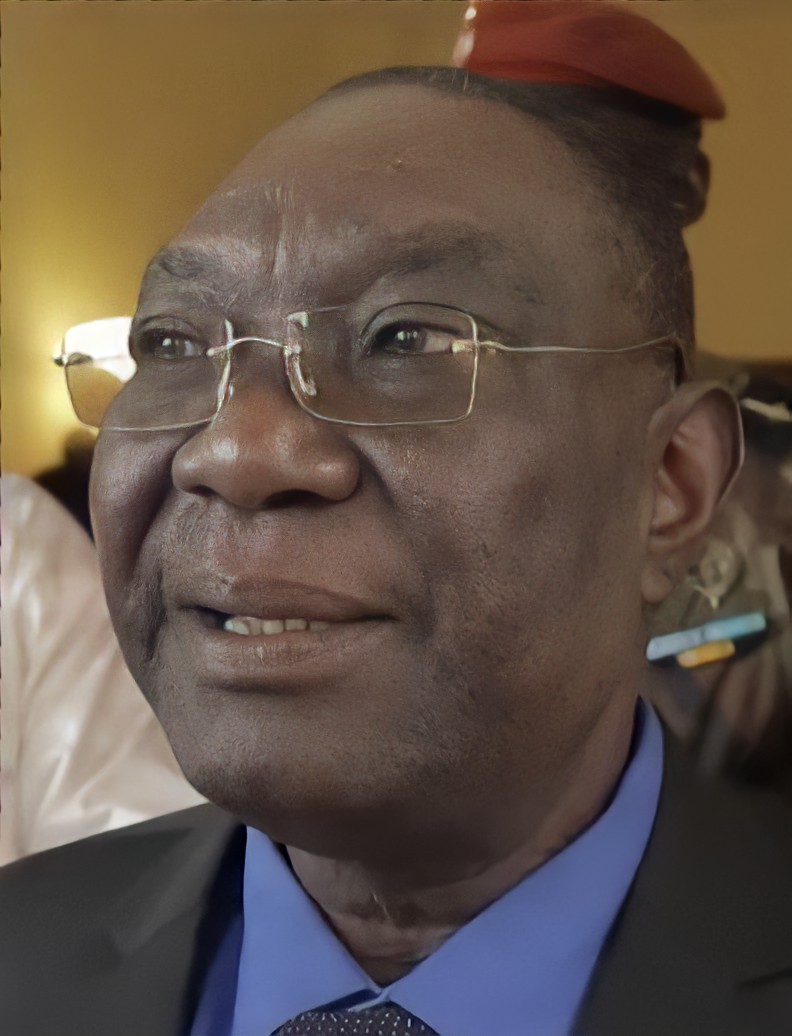
Michel Djotodia, the leader of a rebel coalition known as Seleka, was sworn in as the president of the Central African Republic following a coup. The rebel group had launched an attack on the government, leading to the ousting of former President Francois Bozize. Djotodia's ascension to power was met with mixed reactions, with some hoping for stability and reforms, while others feared increased violence and instability.
Under Djotodia's leadership, the country faced a deepening humanitarian crisis marked by widespread violence, human rights abuses, and the displacement of thousands of people. The international community expressed concerns over the deteriorating situation in the Central African Republic, calling for a peaceful resolution to the conflict and a return to democratic governance.
As Djotodia assumed the presidency, there were hopes for a transitional period leading to free and fair elections. However, his tenure was marred by continued unrest and sectarian violence between Christian and Muslim communities. The cycle of violence and instability persisted, prompting calls for international intervention to restore peace and security in the country.
#CentralAfricanRepublic #MichelDjotodia #Seleka #PoliticalUnrest #HumanitarianCrisis
View detailsIn March 2013, the Seleka rebel coalition overthrew the government in the Central African Republic, leading to President François Bozizé fleeing into exile. The rebel group accused Bozizé of failing to uphold peace agreements and address the country's socio-economic issues. The coup exacerbated the already fragile political and humanitarian situation in the country, sparking violence and displacement of civilians.
International organizations and neighboring countries condemned the coup and called for a peaceful resolution to the conflict. The United Nations Security Council authorized the deployment of peacekeeping forces to the Central African Republic to restore stability and protect civilians. The Seleka coalition eventually agreed to a ceasefire and negotiations with regional mediators to form a transitional government.
The seizure of power by the Seleka rebel coalition in the Central African Republic in 2013 underscored the ongoing political instability and conflict in the country, highlighting the urgent need for a peaceful and sustainable solution to the crisis. #CentralAfricanRepublic #SelekaRebels #PoliticalInstability #ConflictResolution
View details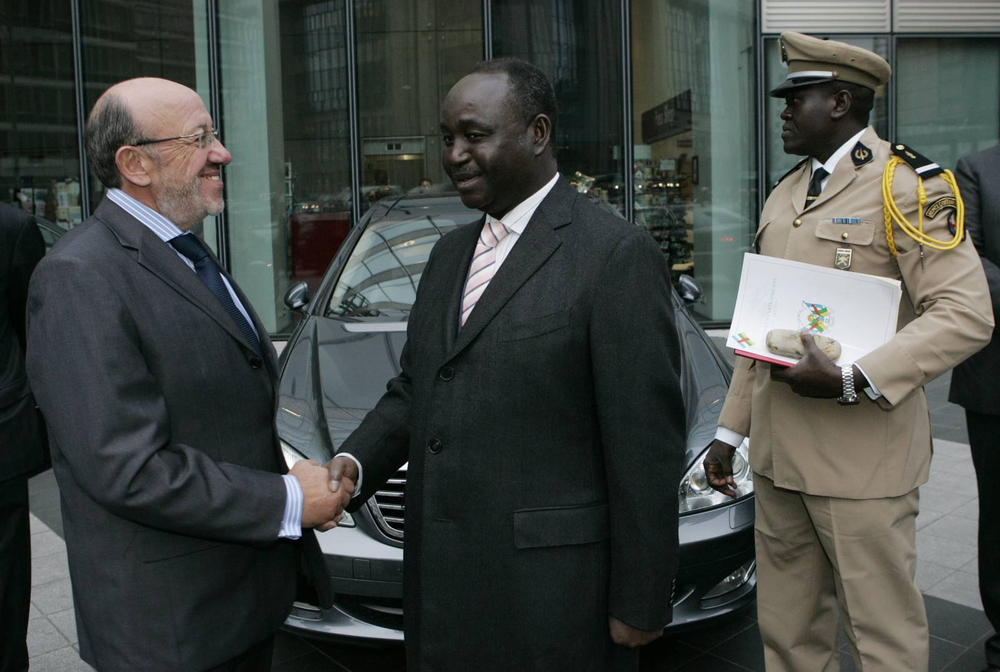
2012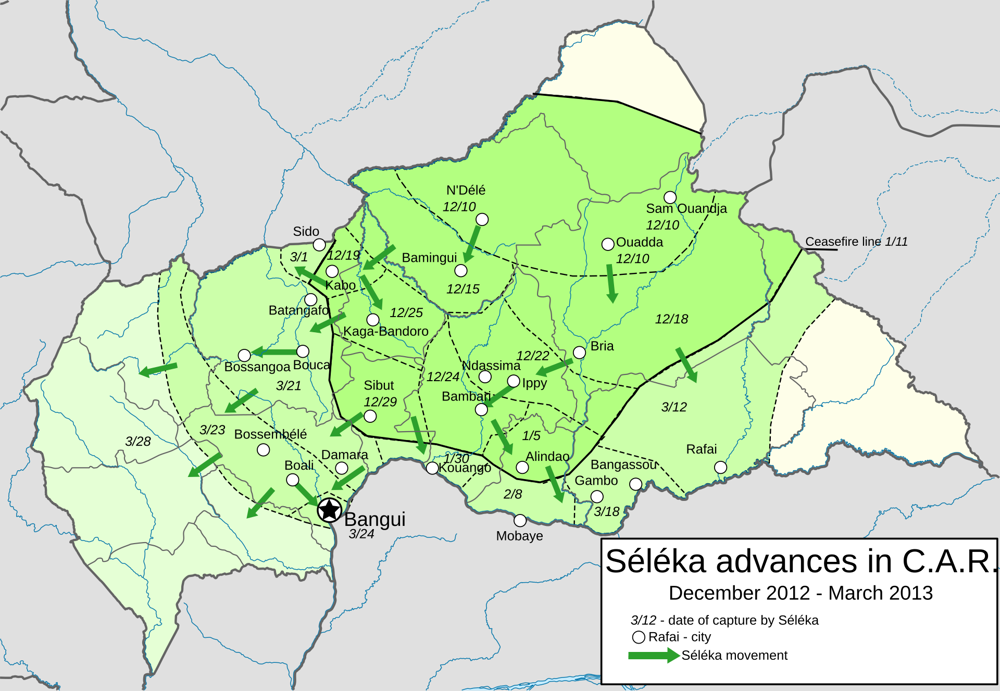
The renewed conflict in Central African Republic escalated as government forces clashed with rebel groups, leading to widespread violence and instability in the region. The conflict originated from political grievances, economic disparities, and competition over resources. As a result, the fighting resulted in numerous civilian casualties, displacement, and a deteriorating humanitarian situation. Communities faced food shortages, lack of access to basic services, and heightened insecurity.
The clashes between government forces and rebel groups further exacerbated the already fragile state of the country, hindering efforts for peace and stability. The conflict also strained the resources and capacity of aid organizations and peacekeeping forces operating in the area.
Efforts to mediate and resolve the conflict were met with challenges due to the complex nature of the conflict and the multiplicity of armed groups involved. The situation called for a coordinated and sustainable approach to address the root causes of the conflict and promote reconciliation among warring factions.
#CentralAfricanRepublic #Conflict #Violence #RebelGroups #GovernmentForces #HumanitarianCrisis #Peacekeeping #Instability
View detailsThe Convention of Patriots for Justice and Peace (CPJP), the last historic armed group in the Central African Republic, has formally agreed to a peace deal. The CPJP, known for its armed rebellion against the government, was a significant player in the country's prolonged conflict.
The peace deal with the CPJP marks a crucial step towards stability and reconciliation in the region. With this agreement, the Central African Republic moves closer to ending decades of violence and unrest that have plagued the nation.
The CPJP's decision to sign the peace deal demonstrates a willingness to engage in the peace process and pave the way for lasting peace. This development is seen as a positive sign for the country's efforts to achieve peace, security, and development for its people.
Overall, the signing of the peace deal with the CPJP is a milestone in the Central African Republic's journey towards peace and stability. It sets a promising precedent for future peace negotiations and paves the way for a more peaceful and prosperous future for the nation.
#CentralAfricanRepublic #CPJP #PeaceDeal #Reconciliation #Stability
View details2011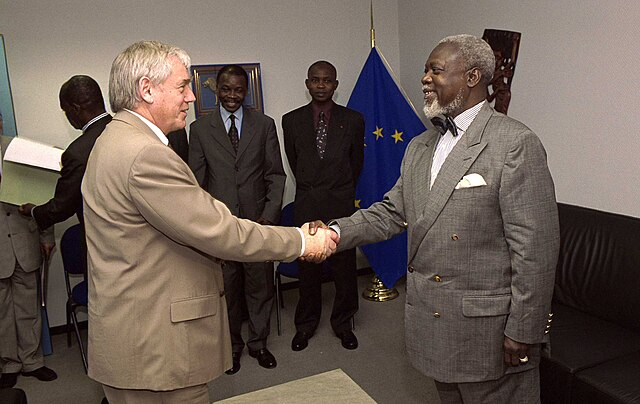
Former President Ange-Felix Patasse, aged 74, passed away. Patasse was a prominent political figure in the Central African Republic, serving as President from 1993 to 2003. During his presidency, he implemented several social and economic reforms. However, his time in power was also marred by political instability and allegations of corruption.
Patasse's death saddened many in the Central African Republic, with some viewing him as a polarizing figure due to his mixed legacy. His passing sparked discussions about his impact on the country and its political landscape. Some praised his efforts to improve the lives of citizens, while others criticized his leadership style and the turmoil that characterized his presidency.
Overall, Patasse's death marked the end of an era in the Central African Republic's political history. It served as a reminder of the complex nature of governance in the country and the challenges faced by its leaders.
#AngeFelixPatasse #CentralAfricanRepublic #PoliticalHistory
View details2010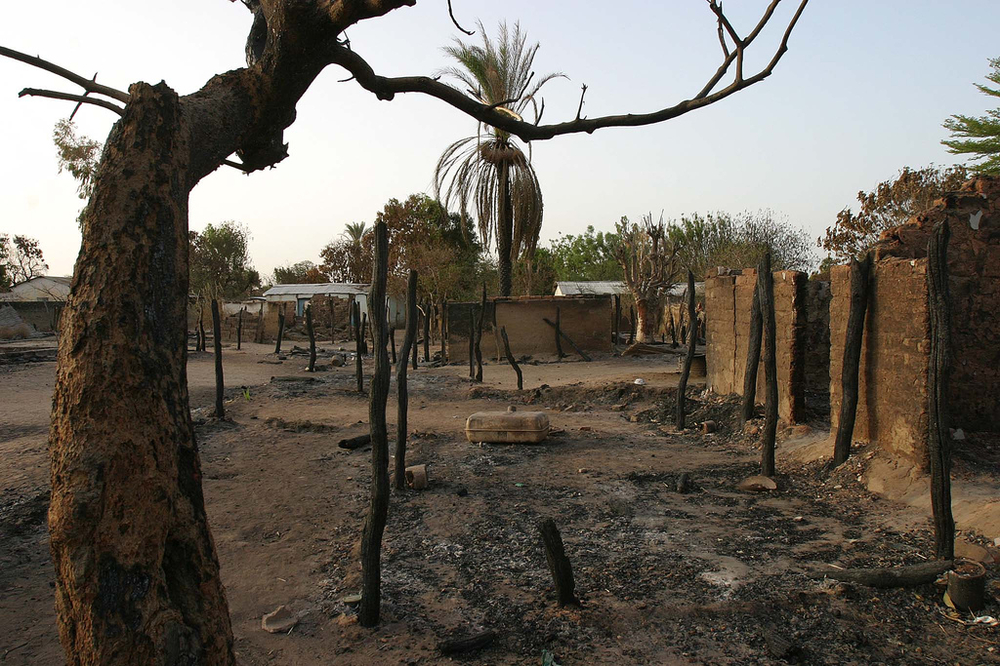
Rebels launched a violent attack on the northern town of Birao, situated in the Central African Republic. The group, believed to be from the Union of Democratic Forces for Unity (UDFU), targeted the town with heavy gunfire and looting. The attack resulted in significant destruction of property and caused a state of panic among the town's residents.
The rebels' assault on Birao had a devastating impact on the local community, leading to displacement of civilians who fled to seek safety in neighboring areas. The attack also disrupted essential services, including healthcare and education, further worsening the humanitarian situation.
In response to the attack, government forces deployed troops to Birao to restore order and protect the residents from further harm. The incident highlighted the ongoing security challenges faced by the Central African Republic, despite efforts to maintain stability in the region.
#CentralAfricanRepublic #RebelsAttack #Birao #SecurityThreat #HumanitarianCrisis
View detailsFollowing concerns over the logistical readiness for elections, the Parliament of the Central African Republic decided to postpone the scheduled polls and extended President Bozize's term until they could be safely held. The decision was made to ensure a smooth transition of power and prevent potential unrest due to inadequate election preparations.
This announcement sparked mixed reactions among the citizens, with some expressing disappointment over the delay in the democratic process, while others welcomed the decision as a means to avoid political instability. The opposition raised concerns about the extension of President Bozize's term, questioning the government's commitment to upholding democracy.
The decision to postpone the elections and prolong President Bozize's term highlighted the fragile political situation in the country, characterized by ongoing tensions and power struggles. It also underscored the challenges facing the electoral process in the Central African Republic, including logistical constraints and security issues.
Overall, the Parliament's move to extend President Bozize's term until elections could be properly organized had significant implications for the country's political landscape, raising questions about the government's commitment to democratic principles and the need for a peaceful transition of power. #CentralAfricanRepublic #ElectionPostponed #BozizeTermExtension
View details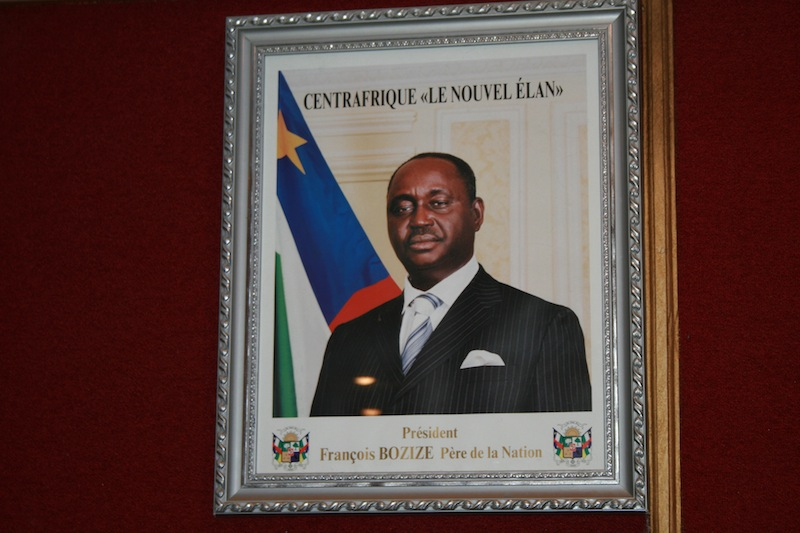
2009
In February 2009, notorious Ugandan rebel group, the Lord's Resistance Army (LRA), crossed into the Central African Republic (CAR) from neighboring countries where they had been causing havoc for decades. The LRA, led by Joseph Kony, had been infamous for their brutal tactics including abductions, killings, and looting.
The entry of the LRA into CAR sparked fear and unrest among local communities who were unfamiliar with the group's violent reputation. The rebels continued their campaign of terror in the CAR, targeting villages and kidnapping children to bolster their ranks.
The incursion of the LRA into CAR highlighted the regional instability and the challenges faced by countries in addressing cross-border security threats. The CAR government, with the support of international partners, launched military operations to drive out the rebel group and protect its citizens from further attacks.
The presence of the LRA in CAR underscored the need for coordinated efforts among countries in the region to combat such insurgent groups and maintain peace and stability.
#LRA #CentralAfricanRepublic #SecurityThreats #RegionalInstability
View details2008
The parliament in Central African Republic adopted an amnesty law, seen as a crucial step towards concluding peace talks between rebels and the government. This law was considered the final obstacle in reaching a successful resolution to the conflict that had plagued the country for years.
The background of the conflict stemmed from political instability and ethnic tensions, leading to violence and displacement of communities across the region. The peace talks between the rebels and the government aimed to address these underlying issues and pave the way for a sustainable peace agreement.
The adoption of the amnesty law was hailed as a significant breakthrough in the peace process, as it provided a legal framework for reconciliation and accountability for past actions. It allowed for the possibility of former combatants to reintegrate into society and participate in the rebuilding of the nation.
The impact of the law was felt immediately, as it boosted confidence among the warring factions and international mediators involved in the negotiations. It set the stage for further discussions on power-sharing, security arrangements, and development initiatives to ensure a lasting peace in the country.
#CentralAfricanRepublic #AmnestyLaw #PeaceTalks #Reconciliation
View details2007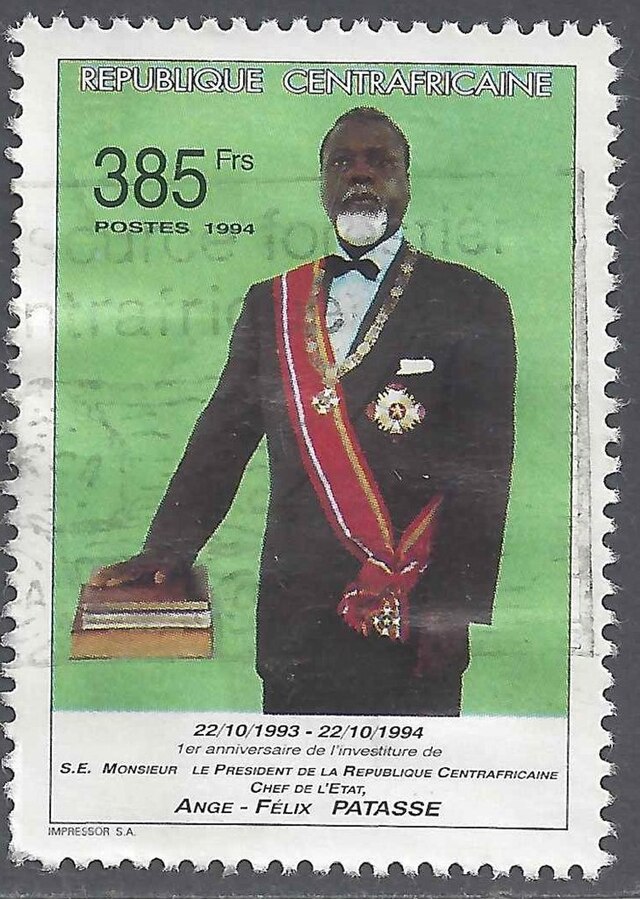
After the failed coup against Ange-Felix Patasse, the International Criminal Court launched an investigation into alleged war crimes from 2002-2003 in the Central African Republic. The probe aims to hold perpetrators accountable for atrocities committed during this turbulent period.
The investigation by the International Criminal Court marked a significant step towards achieving justice for the victims of the conflict. This decision highlighted the international community's commitment to addressing war crimes and ensuring accountability, particularly in regions marred by violence and instability.
The aftermath of the failed coup in the Central African Republic left a legacy of violence and human rights abuses. The ICC's decision to investigate the alleged war crimes during this period served as a crucial landmark in the country's journey towards reconciliation and peace.
The probe into the war crimes following the failed coup against Ange-Felix Patasse underscores the importance of upholding justice and accountability in conflict-affected regions. It reaffirms the international community's stance against impunity for grave human rights violations. #CentralAfricanRepublic #WarCrimesInvestigation #InternationalJustice
View details2006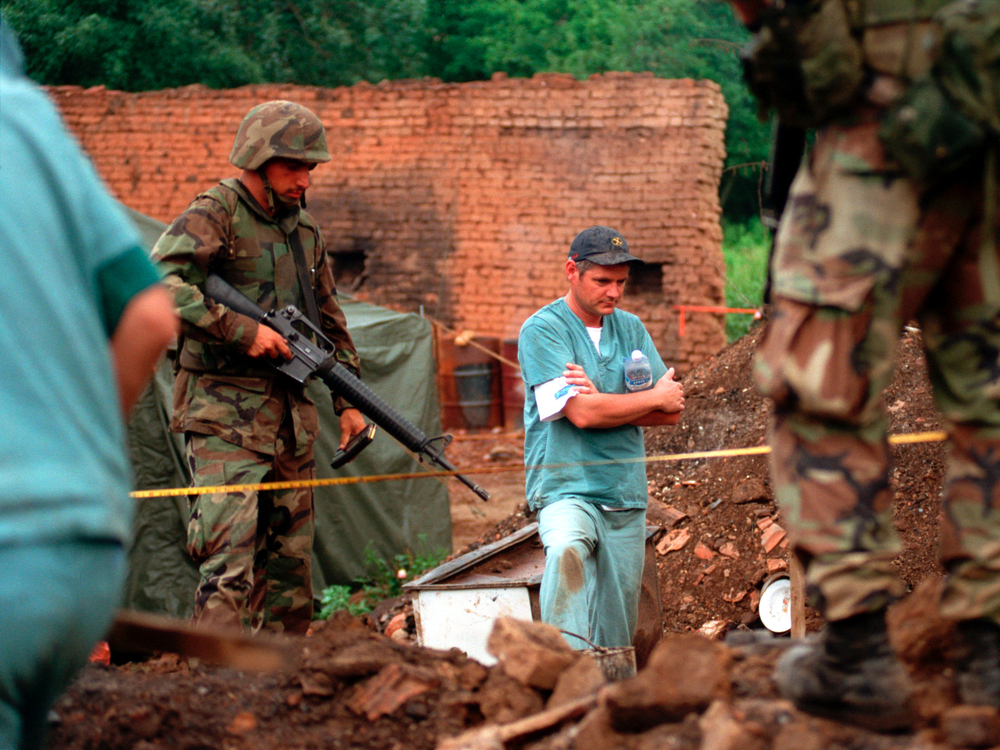
A rebel attack on an army camp in the north of Central African Republic resulted in the death of 33 individuals, as reported by the United Nations. The attack underscored the ongoing insecurity and violence in the region due to clashes between government forces and rebel groups. This incident highlighted the challenges faced by the country in maintaining stability and security for its citizens. The loss of lives further exacerbated the humanitarian crisis in a country already struggling with conflict and instability. The attack on the army camp demonstrated the persistent threat posed by rebel groups to the peace and security of the Central African Republic. Efforts were underway to address the situation and bring the perpetrators to justice to prevent such attacks from reoccurring. #CentralAfricanRepublic #RebelAttack #UNReport #SecurityConcerns #HumanitarianCrisis
View details2005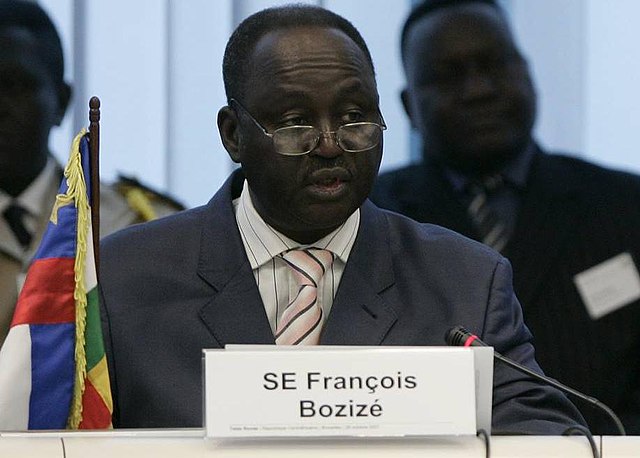
After successfully leading a rebellion against the incumbent government, François Bozizé emerged as the victor of the presidential elections. His rise to power came after years of political instability in the Central African Republic, marked by coups and armed conflicts. Bozizé's campaign focused on promises to restore peace and security in the country, appealing to a population weary of violence and unrest.
Following his election, Bozizé implemented various reforms aimed at stabilizing the economy and improving governance. However, his presidency was also marred by allegations of corruption and human rights abuses. Despite these challenges, Bozizé retained a strong support base among certain segments of the population, who saw him as a strong leader capable of restoring order.
The victory of François Bozizé in the presidential elections reshaped the political landscape of the Central African Republic, ushering in a period of relative calm and stability. However, underlying tensions and grievances persisted, setting the stage for future political upheaval in the country.
#CentralAfricanRepublic #FrancoisBozize #PresidentialElections #PoliticalStability
View details2004
The Central African Republic witnessed the approval of a new constitution through a referendum. The background was marked by previous political instability and conflict, calling for a constitutional revision to establish a more stable governance framework. The referendum aimed to gather popular consensus and pave the way for a more inclusive and democratic political system.
The impact of approving the new constitution resonated within the nation, offering a sense of hope for a more prosperous future. The revised governance principles aimed to address past grievances, promote social cohesion, and enhance political accountability. The constitutional changes were set to provide a solid foundation for political institutions and rule of law, fostering a conducive environment for peace and development.
The successful outcome of the referendum reflected the collective will of the Central African people to chart a new course towards stability and progress. The event signified a significant step towards a more inclusive and transparent political landscape, setting the stage for rebuilding trust in institutions and fostering national unity. The approved constitution represented a milestone in the country's quest for sustainable peace and democratic governance.
#CentralAfricanRepublic #Constitution #Referendum #Stability #Democracy #Progress
View details2003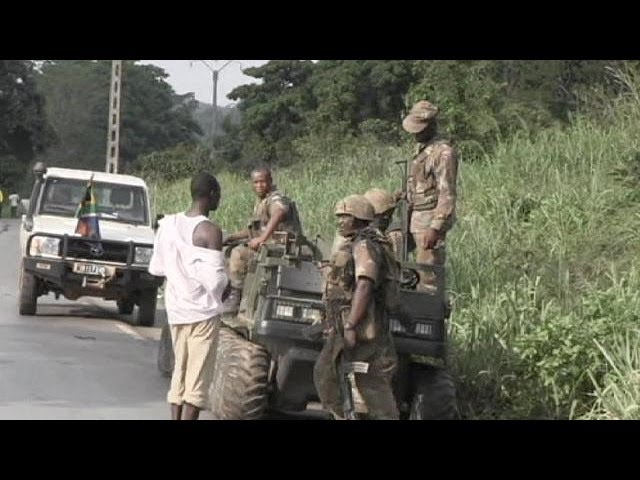
Rebel leader Francois Bozize seized control of Bangui, the capital of the Central African Republic. He declared himself as the new president, marking a turning point in the political landscape of the country. Bozize dissolved the parliament, consolidating power in his hands and sparking significant changes in the government structure.
The event was a culmination of longstanding political tensions and instability in the Central African Republic. Bozize, a former general, had been leading a rebel group against then-President Ange-Felix Patasse, accusing the government of corruption and mismanagement. The takeover of Bangui symbolized the end of Patasse's regime and the rise of Bozize to power.
Bozize's seizure of the capital had a profound impact on the country, leading to a period of political transition and uncertainty. The dissolution of the parliament and the establishment of Bozize as the new leader marked a new chapter in the Central African Republic's history, with changes in governance and policies expected to follow.
#CentralAfricanRepublic #RebelLeader #PoliticalUnrest #Bozize #BanguiSeizure
View details