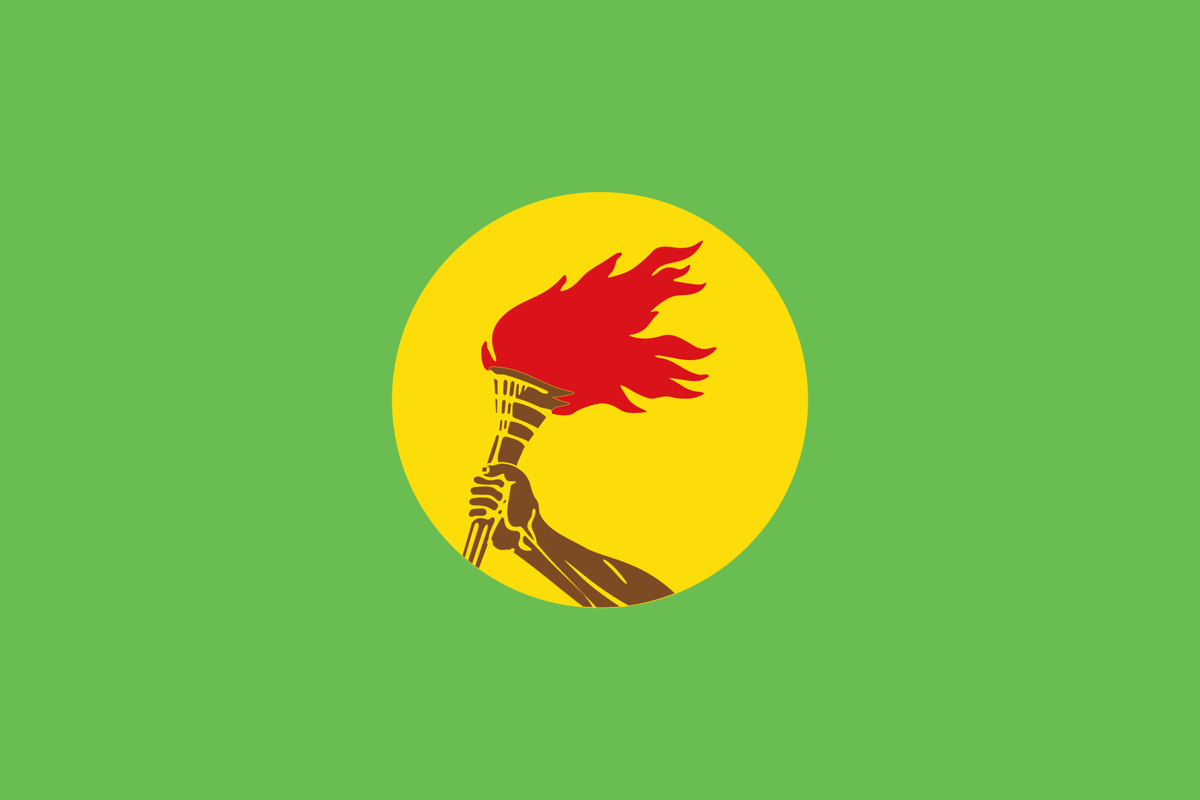
Mobutu Sese Seko officially renamed the Democratic Republic of the Congo to the Republic of Zaire
Democratic Republic of the Congo
Politics
Geography
3 min read
Updated By: History Editorial Network (HEN)
Published:
Updated:
On October 27, 1971, President Mobutu Sese Seko officially renamed the Democratic Republic of the Congo to the Republic of Zaire as part of his Authenticité initiative. This initiative was designed to promote African culture and identity by replacing colonial names with indigenous ones, reflecting a broader movement towards nationalism and self-identity in post-colonial Africa. The name 'Zaire' is derived from a Portuguese adaptation of the Kikongo word 'nzadi,' which means 'river.' This term is a truncation of 'nzadi o nzere,' meaning 'river swallowing rivers,' and it refers to the Congo River, one of the most significant waterways in Africa. The renaming was not merely a change of name; it was part of Mobutu's strategy to consolidate power and foster a sense of national unity and pride among the Congolese people. By embracing indigenous terminology, Mobutu aimed to instill a sense of ownership and cultural pride in the nation, distancing it from its colonial past. This renaming was a pivotal moment in the history of Zaire, marking a significant shift in the country's identity and governance.

Explore the Life Moments of
 AI Twin