Democratic Republic of the Congo

Jungle Jewel
About
#DemocraticRepublicOfTheCongo
#DemocraticRepublicOfTheCongo_Timeline
#DemocraticRepublicOfTheCongo_History
#DemocraticRepublicOfTheCongo_History_Timeline
Life Classification
Country
Life ID
EL1096971748704
Verified Name
democratic-republic-of-the-congo
Life Type
Entity Life
Life Editor(s)
History Editorial Network (HEN)
Life Privacy
Public
Subscription
Elite
Created On
2025-01-17
Updated On
2026-03-21
Connect





2026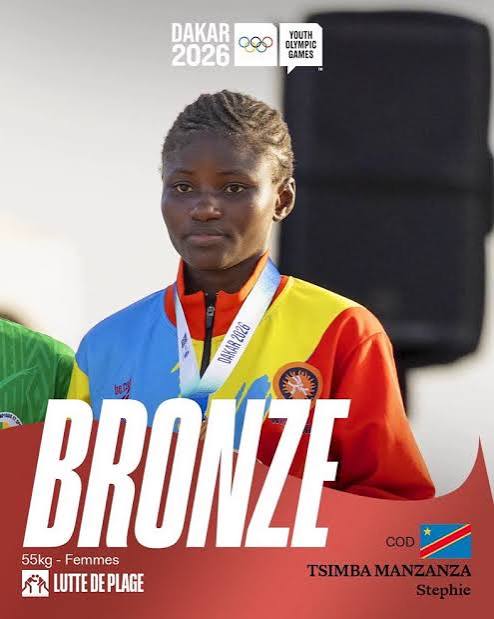
Congolese wrestler Stephie Tsimba Manzanza reportedly won a bronze medal in the women's 55 kg beach wrestling competition at the Dakar 2026 Summer Youth Olympic Games in Senegal on 07/11/2026. According to the supplied account, the result would represent the Democratic Republic of the Congo's first medal in Youth Olympic history. The event forms part of the Youth Olympic programme hosted by Dakar, the first African city selected to stage an Olympic event. However, the athlete's medal result and the claimed national record have not been independently confirmed against official competition results.
The Dakar Youth Olympic Games were scheduled for 31/10/2026 to 13/11/2026, bringing together young athletes from national Olympic committees worldwide. Beach wrestling is a discipline governed internationally by United World Wrestling. A confirmed bronze medal for Manzanza would add to the DRC's record in international youth sport and provide a documented result for its wrestling programme. Official medal tables and event records are needed to establish her final placing and whether the achievement was the country's first Youth Olympic medal.
Official results now confirm Manzanza's bronze medal. She defeated Azerbaijan's Gunel Karimli 3–1 in the bronze-medal contest at Saly Beach West on 07/11/2026. The DRC's Ministry of Sports also confirmed that the medal was the country's first in Olympic competition.
View detailsOn 25/09/2026, a boat sank on Lake Tanganyika in the Democratic Republic of the Congo (DRC), killing 41 people. The accident occurred in the eastern part of the country, where boats serve as an essential means of transportation between lakeside communities. Lake Tanganyika, one of Africa's Great Lakes, is shared by the Democratic Republic of the Congo, Tanzania, Burundi and Zambia. The lake extends approximately 673 kilometres and is among the world's deepest freshwater lakes.
The vessel was travelling from Kigoma, Tanzania, to Kalemie in the DRC's Tanganyika province when it capsized near the village of Mapera on 24/09/2026. Provincial Transport Minister Norris Mulongoyi initially reported approximately 100 passengers and cargo aboard, with 49 people rescued and searches continuing for others. However, a subsequent official statement cited by Reuters reported 84 people aboard, 43 survivors and more than 40 missing. The cause of the sinking had not been established.
View details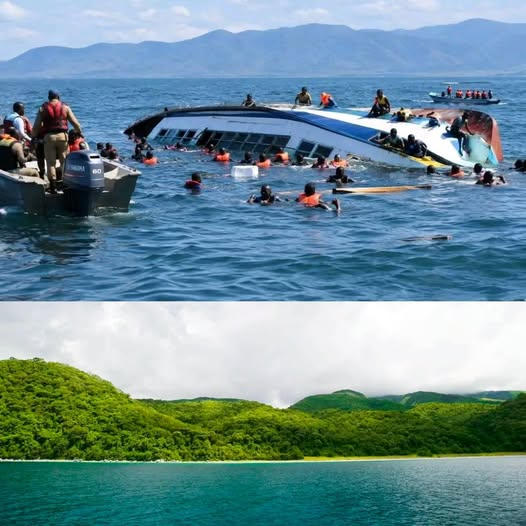
Incumbent President Denis Sassou Nguesso won the Republic of the Congo presidential election held on 15/03/2026, securing 94.82% of the vote according to provisional results announced by the Interior Ministry (as of 21/03/2026). Official turnout was reported at 84.65%. The election determined the country’s head of state for a new term and followed a campaign period marked by limited opposition participation. The Constitutional Court was given 15 days to review challenges before certifying the final results.
According to provisional tallies, candidate Mabio Mavoungou Zinga received approximately 1.48% of the vote, while Uphrem Dave Mafoula obtained around 1.03%. Several major opposition parties boycotted the election, citing concerns about transparency and political conditions, including the continued detention of opposition figure General Jean Marie Michel Mokoko. Observers and journalists reported relatively sparse crowds at some polling stations in the capital Brazzaville, despite the high turnout reported by authorities.
The election took place under a constitutional framework revised in 2015 that removed presidential age and term limits, allowing Sassou Nguesso, aged 82 at the time of the vote, to stand again. The result extends his time in power to nearly 42 years across multiple periods in office, making him one of Africa’s longest serving leaders. On election day, authorities implemented a nationwide internet and telephone blackout, a measure previously used during earlier electoral cycles, with officials citing security considerations.
Following the announcement of provisional results, Sassou Nguesso traveled to his hometown of Oyo. The post election period included preparations for forming the next government and awaiting formal validation by the Constitutional Court. The certified results are expected to determine the timeline for inauguration and cabinet appointments.
View details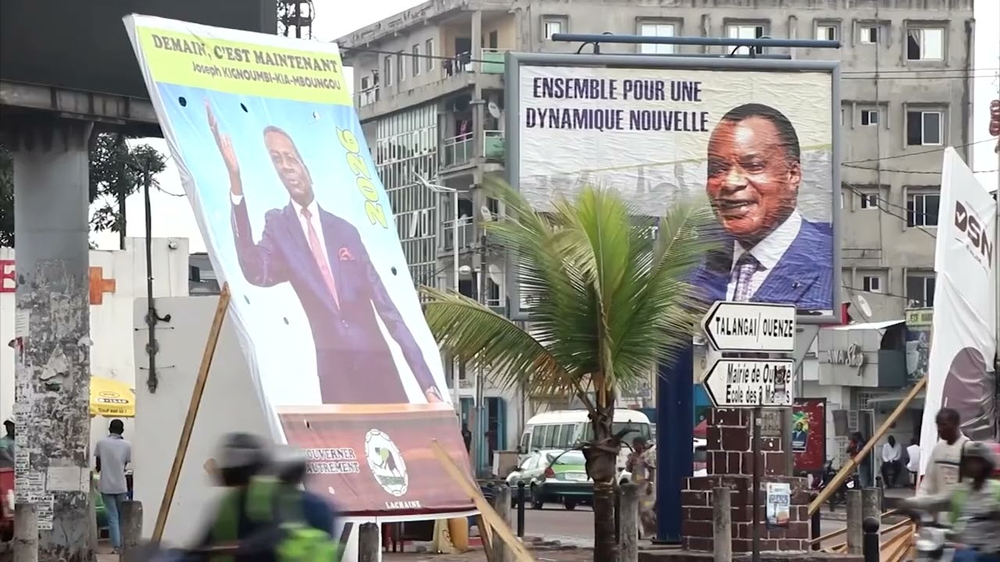
A deadly landslide reportedly struck the Rubaya coltan mining area in North Kivu province, Democratic Republic of the Congo, on 03/03/2026, following heavy rainfall. According to the reported assessment by the Congolese Ministry of Mines, more than 200 people died, including dozens of children. However, casualty estimates differed between government officials and authorities controlling the mining area, making the final death toll uncertain. The disaster affected a region where artisanal miners extract coltan, an ore containing tantalum, a metal used in electronic components.
Rubaya lies in eastern Congo, where armed conflict has complicated mining oversight, emergency response, and access for independent investigators. Artisanal mining operations can expose workers to unstable excavation walls, inadequate drainage, and the risk of ground collapse during heavy rainfall. The reported landslide raised concerns about worker safety and the conditions surrounding mineral production in conflict-affected areas. Reliable confirmation of the incident's exact date, casualties, and rescue outcomes remains necessary.
View details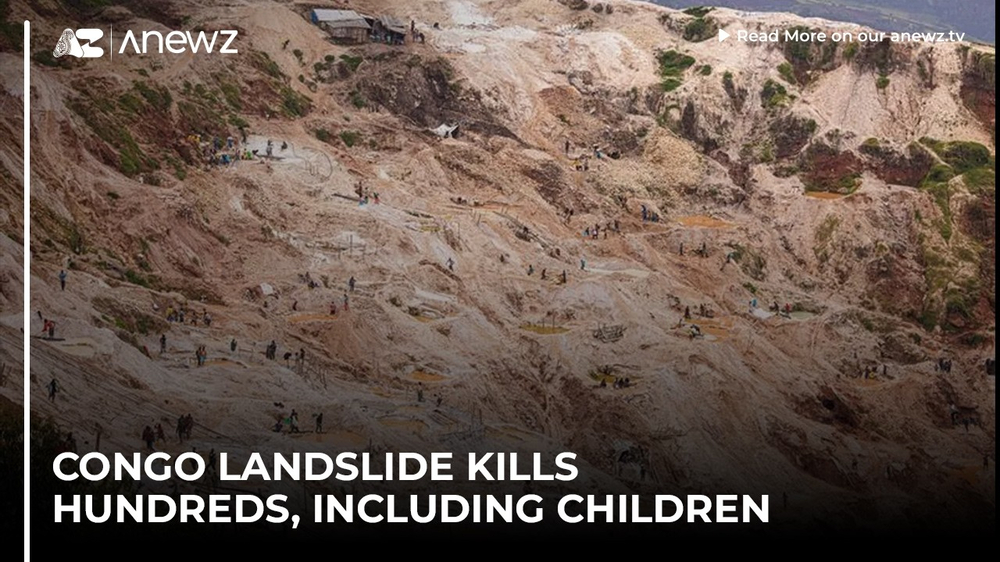
On 28-Jan-2026, a rain-triggered landslide collapsed artisanal coltan mine workings in Democratic Republic of the Congo’s Rubaya area, and officials later reported more than 200 people killed, with many still buried under mud and debris as recovery continued.
Heavy rains during the wet season triggered a landslide that gave way above artisanal mining pits and tunnels around Rubaya, where coltan is mined largely by hand. The collapse struck while people were working underground, and the unstable ground caused multiple sections to cave in, leaving large numbers trapped beneath mud and earth.
In the days that followed, local authorities reported a rapidly rising death toll. A spokesperson for the rebel-appointed provincial administration said more than 200 people had died, while rescue and recovery efforts continued and the precise number remained difficult to confirm because many victims were still missing under the landslide.
Officials and responders also reported injured survivors. Those hurt were taken to medical facilities in Rubaya, and authorities prepared to move some of the wounded for further treatment to Goma, the provincial hub located roughly 50 km away.
After the collapse, the rebel-appointed governor suspended artisanal mining in the area and ordered people living close to the site to relocate, citing the risk of further ground failure. Accounts in the reporting underscored long-standing safety problems common in informal mining: tunnels are often dug without engineering support, oversight, or stable reinforcements, which can turn heavy rain and shifting soil into a mass-casualty event.
Rubaya’s importance extends far beyond the local community. The area is a major source of coltan—ore processed into tantalum, used in electronics-and reporting noted Rubaya supplies over 15% of global tantalum/coltan.
The disaster also unfolded in a conflict-affected zone. The mines are in territory controlled by the M23, and coverage linked the region’s insecurity and governance gaps to the broader humanitarian crisis in eastern Congo.
View details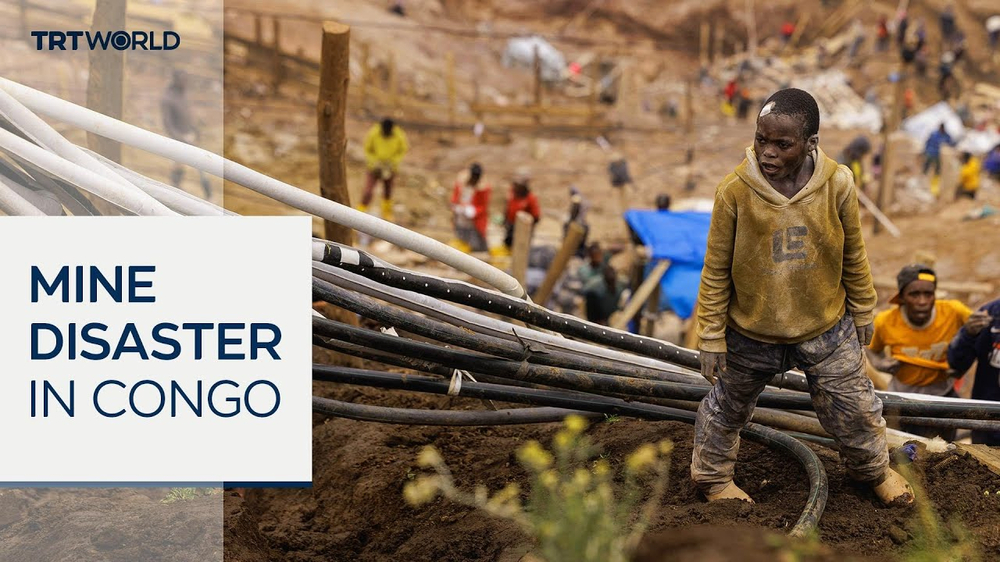
2025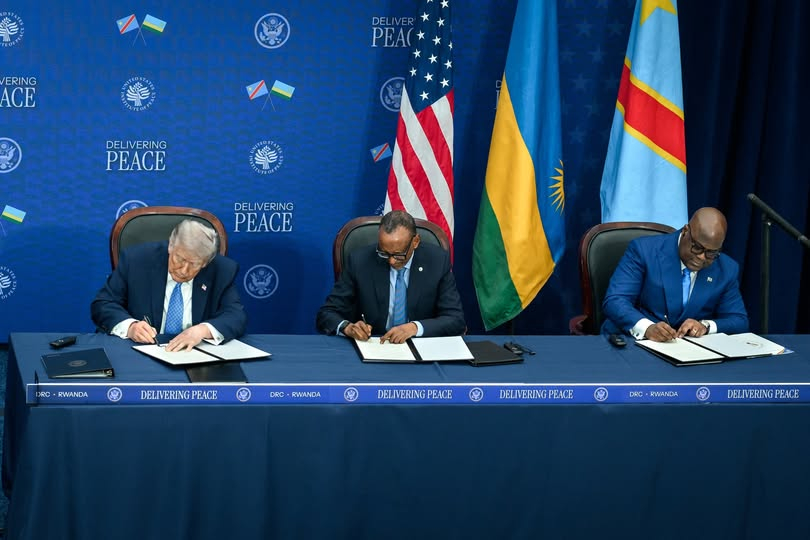
Presidents Félix Tshisekedi of the Democratic Republic of the Congo and Paul Kagame of Rwanda signed a peace deal in Washington during a meeting hosted by U.S. President Donald Trump, marking an important diplomatic effort to reduce long-standing tensions between the two neighboring countries. The agreement aimed to address persistent security concerns, particularly in eastern Congo, where armed groups and cross-border accusations have fueled instability for years. By choosing Washington as the venue, the talks highlighted the role of the United States as a mediator and underscored international concern about regional peace and security in Central Africa.
The signing of the peace deal carried significant political and regional importance, as relations between Congo and Rwanda have often been strained by allegations of interference and support for rebel groups. The agreement emphasized commitments to dialogue, respect for sovereignty, and cooperation on security matters. While the deal was welcomed as a positive step, its success depended largely on implementation and continued engagement between the two governments. Overall, the Washington-hosted agreement represented a renewed attempt to promote stability, reduce conflict-related suffering, and encourage cooperation in a region where peace has remained fragile for decades.
View details2024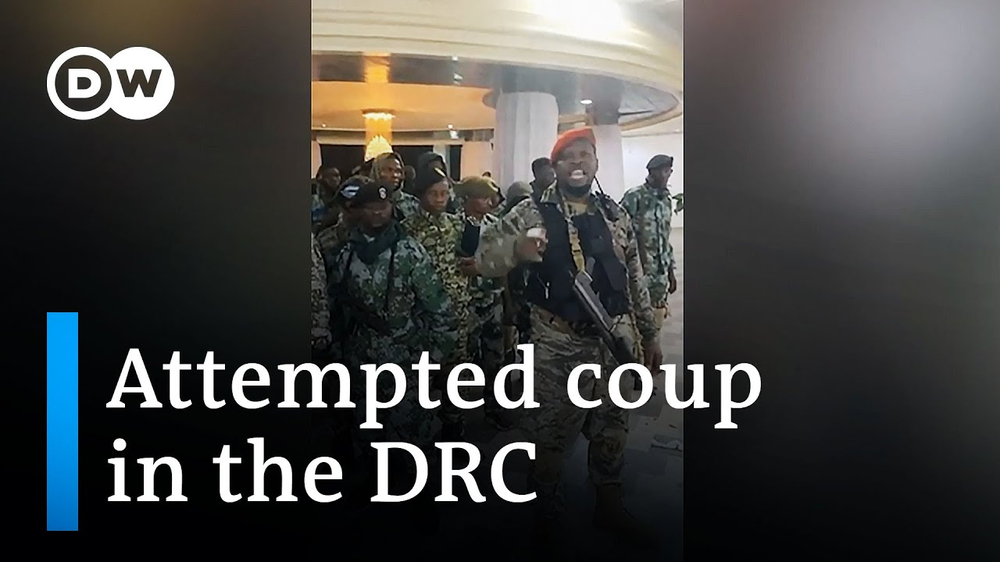
On May 19, 2024, a significant security incident unfolded in Kinshasa, the capital of the Democratic Republic of the Congo (DRC), when a shootout erupted near the residence of prominent politician Vital Kamerhe. The Congolese army later classified the event as a failed coup attempt, involving armed individuals dressed in military uniforms who engaged in a violent confrontation with Kamerhe's guards. The situation escalated quickly, leading to the arrest of several perpetrators, including three US citizens, raising concerns about foreign involvement in the DRC's internal affairs. The army's swift response highlights the ongoing political instability and security challenges that the DRC faces. As the dust settles, Kinshasa remains tense, with citizens grappling with confusion and uncertainty regarding the implications of this attempted coup. This incident underscores the fragile nature of governance in the DRC and the potential for external influences to exacerbate internal conflicts. The international community is closely monitoring the situation, as it could have far-reaching consequences for the region's stability and security.
View detailsOn January 2, 2024, Felix Tshisekedi was officially declared the winner of the presidential election in the Democratic Republic of the Congo (DRC). This announcement has ignited significant unrest and protests across the nation, as numerous opposition parties and their supporters have raised allegations of electoral fraud and irregularities. The opposition is demanding a recount, asserting that the electoral process lacked transparency and fairness. International observers have echoed these concerns, highlighting the need for a credible electoral process in a country that has long struggled with governance issues, corruption, and political instability. Tshisekedi's victory, while marking a continuation of his presidency since 2019, has further polarized the political landscape in the DRC, raising questions about the future of democracy and stability in the region. As protests continue, the international community is closely monitoring the situation, urging for dialogue and peaceful resolution to the ongoing tensions. The DRC stands at a critical juncture, with the potential for either further unrest or a path towards reconciliation and reform.
View details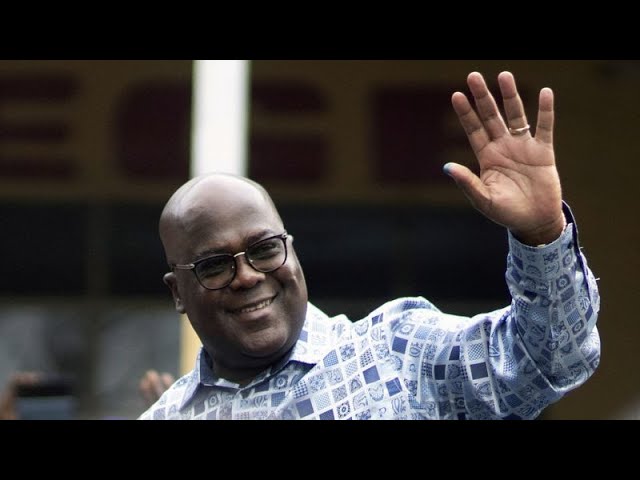
2023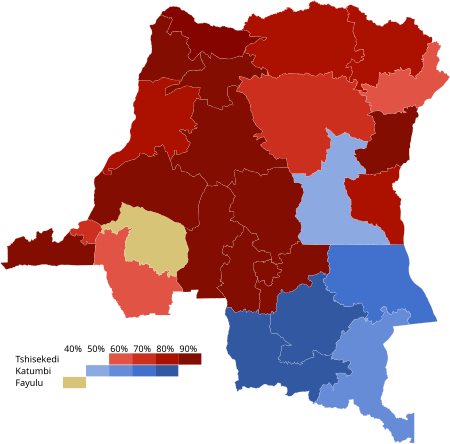
On December 31, 2023, Félix Tshisekedi was officially declared the winner of the presidential election in the Democratic Republic of the Congo (DRC). This announcement has sparked significant controversy, as opposition parties have raised serious allegations of electoral fraud and irregularities during the voting process. The opposition has called for a comprehensive investigation into these claims, urging their supporters to remain calm and peaceful while the legal avenues are pursued. The international community has also voiced its concerns regarding the integrity of the electoral process, emphasizing the need for transparency and fairness in addressing the allegations. As tensions rise, the government's response to the opposition's grievances will be crucial in shaping the political landscape of the DRC in the upcoming months. The situation remains delicate, and the potential for unrest could impact the country's stability if not handled with care.
View details2022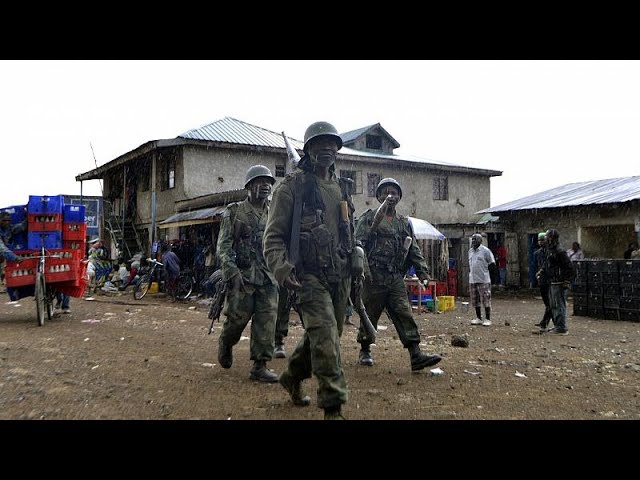
In the wake of a failed coup attempt in the Democratic Republic of the Congo (DRC), combat troops have been deployed to patrol the capital city, Kinshasa. This military presence is a strategic move by the government to deter any further insurrections and to ensure the safety and security of its citizens. The government has publicly reassured the population that the situation is under control and that those involved in the coup attempt will face justice. This incident highlights the ongoing political instability in the DRC, emphasizing the urgent need for strengthening democratic institutions and fostering peace and stability within the country. The deployment of troops serves as a reminder of the challenges faced by the DRC in its pursuit of a stable and democratic governance structure. As the situation develops, the international community continues to monitor the DRC closely, advocating for a peaceful resolution and the upholding of democratic principles.
View detailsIn February 2022, the Democratic Republic of the Congo (DRC) faced a significant political crisis when a failed coup attempt was uncovered, leading to the detention of the president's security adviser. The government acted promptly to thwart the plot before it could be executed, resulting in the arrest of several individuals believed to be involved. This incident has raised serious concerns regarding the stability of the DRC's government and the potential for further unrest in the region. In response to the coup attempt, authorities have heightened security measures across the capital, Kinshasa, and other strategic locations to deter any additional efforts to destabilize the country. The failed coup underscores the ongoing political tensions within the DRC and highlights the challenges the government faces in maintaining a secure and stable environment for its citizens. As the situation develops, the international community is closely monitoring the DRC's political landscape, emphasizing the need for dialogue and reconciliation to ensure long-term stability.
View details2021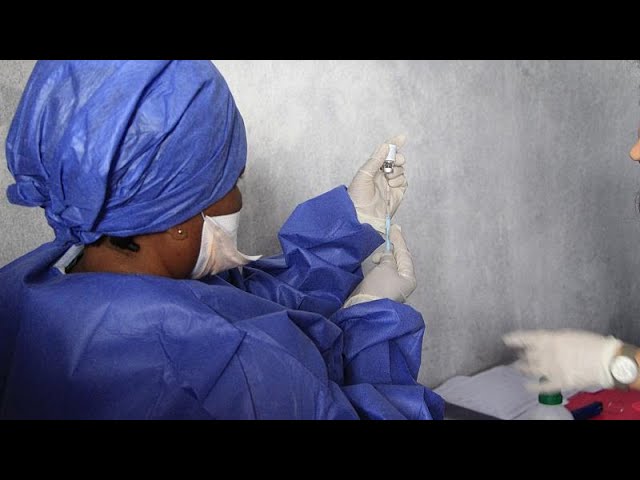
In 2021, vaccine hesitancy emerged as a significant barrier to combating the COVID-19 pandemic in several African countries, notably the Democratic Republic of the Congo. Despite the availability of vaccines, many individuals are reluctant to receive them due to a combination of misinformation, distrust in government and health authorities, and deeply rooted cultural beliefs. This hesitancy has resulted in a troubling scenario where vaccine doses remain unused and face the risk of expiration. Health officials are actively working to counter these challenges by engaging with local communities, disseminating accurate information, and fostering trust in health systems. The task is daunting, yet it is essential to address these concerns to achieve widespread vaccination and effectively control the spread of the virus. Overcoming vaccine hesitancy is crucial not only for individual health but also for the collective well-being of communities across the continent.
View detailsIn April 2021, the Democratic Republic of the Congo (DRC) announced a new cabinet, marking a significant step in President Felix Tshisekedi's consolidation of power. This strategic move followed months of political negotiations and maneuvering, which ultimately led to the removal of key allies of former President Joseph Kabila from influential positions within the government. The newly appointed cabinet is characterized by a blend of technocrats and seasoned politicians, indicating a shift towards a more pragmatic and results-driven governance approach. This change has been positively received by the international community, which is hopeful that the new administration will effectively tackle the DRC's critical challenges, including rampant corruption, ongoing insecurity, and economic instability. The formation of this cabinet is seen as a pivotal moment for the DRC, as it aims to implement President Tshisekedi's reform agenda and enhance the overall governance of the nation.
View detailsItaly is in mourning following the tragic deaths of its ambassador to the Democratic Republic of the Congo, Luca Attanasio, and his bodyguard, who were killed during an attack while traveling in a United Nations convoy in the eastern region of the country. This incident underscores the persistent violence and instability that plague the DRC, where numerous armed groups operate, posing significant risks to both civilians and international personnel. The Italian government, alongside the international community, has condemned this brutal attack and is calling for a comprehensive investigation to ensure that those responsible are brought to justice. The loss of Ambassador Attanasio and his bodyguard has not only shocked Italy but has also drawn attention to the broader security challenges in the DRC, emphasizing the urgent need for enhanced efforts to achieve lasting peace and stability in the region. As the world reflects on this tragedy, it serves as a stark reminder of the dangers faced by diplomats and humanitarian workers in conflict zones.
View details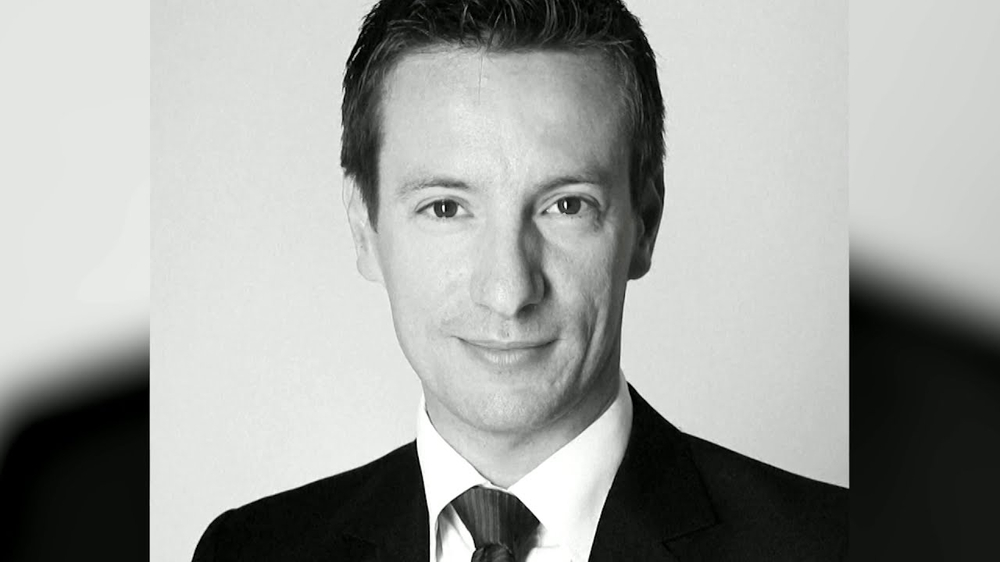
2020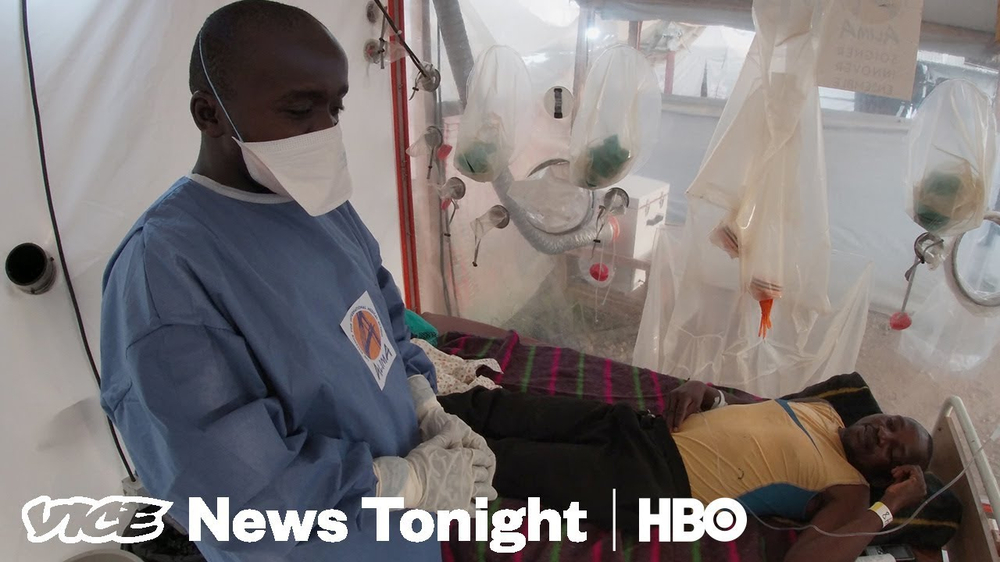
On June 25, 2020, the World Health Organization (WHO) officially declared the end of the deadliest Ebola outbreak in the Democratic Republic of the Congo (DRC). This outbreak, which began in August 2018, resulted in over 2,200 fatalities and presented significant challenges to the DRC's healthcare system. The response to this crisis was marked by a collaborative effort involving the Congolese government, international organizations, and local communities, showcasing the importance of coordinated action in public health emergencies. The declaration of the outbreak's end was a moment of relief for the affected communities, highlighting a significant achievement in the ongoing battle against Ebola. However, it also served as a reminder of the necessity for continued vigilance and preparedness to prevent future outbreaks. Despite this progress, the DRC continued to grapple with other health crises, including measles and the emerging threat of COVID-19, underscoring the complex health landscape the country faces. The end of the Ebola outbreak is a testament to the resilience of the Congolese people and the effectiveness of global health initiatives, but it also emphasizes the need for sustained efforts in health security and disease prevention.
View details2019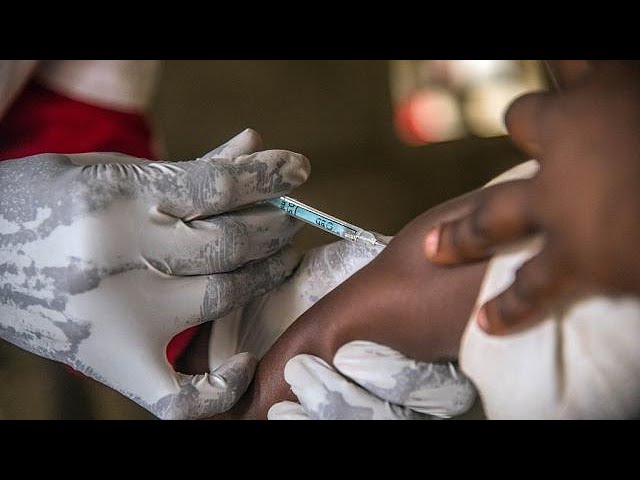
In November 2019, the Democratic Republic of the Congo (DRC) experienced a catastrophic measles outbreak, marking the worst in the nation's history. This outbreak resulted in nearly 5,000 deaths, predominantly affecting children under the age of five. The World Health Organization (WHO) and various international health agencies responded with a large-scale vaccination campaign aimed at curbing the spread of the disease. Despite these efforts, the campaign faced significant challenges, including logistical issues, ongoing insecurity in certain regions, and a critical shortage of resources. The outbreak underscored the dire need for enhanced healthcare infrastructure and improved access to essential medical services in the DRC. The high mortality rate and widespread impact of the outbreak serve as a stark reminder of the vulnerabilities faced by the healthcare system in the country, emphasizing the importance of sustained investment in public health initiatives to prevent future outbreaks and protect vulnerable populations.
View detailsIn 2019, the Democratic Republic of the Congo (DR Congo) marked a pivotal moment in its political history with the announcement of a new government, following the inauguration of President Félix Tshisekedi. This event was particularly significant as it represented the first peaceful transfer of power in nearly two decades, a milestone that many viewed as a step towards political stability in a country long plagued by turmoil. The newly formed government was characterized by its inclusivity, comprising representatives from various political factions, which underscored a commitment to national unity and collaboration. Despite the optimism surrounding this development, reactions were mixed. Some citizens and political analysts expressed hope that the new administration would effectively tackle the myriad challenges facing the nation, including economic instability, corruption, and ongoing conflict in certain regions. Conversely, others remained skeptical, questioning whether the new government could deliver on its promises and bring about meaningful change. As the DR Congo navigates this new political landscape, the eyes of both domestic and international observers remain keenly focused on the government's actions and its ability to foster a more stable and prosperous future for its citizens.
View detailsA report by Africa News on August 15, 2019, reveals the alarming situation in the eastern Kivu provinces of the Democratic Republic of the Congo, where violence has escalated dramatically. The report indicates that approximately 1,900 individuals have been killed and over 3,300 abducted due to ongoing conflicts among various armed groups competing for control over valuable resources and territory. This violence has not only resulted in significant loss of life but has also led to a dire humanitarian crisis, displacing thousands of people and exacerbating the already critical conditions in the region. The report emphasizes the urgent need for increased international support to address both the security and humanitarian needs of the affected populations. As the conflict continues, the international community is called upon to take action to alleviate the suffering and restore stability in eastern Kivu.
View details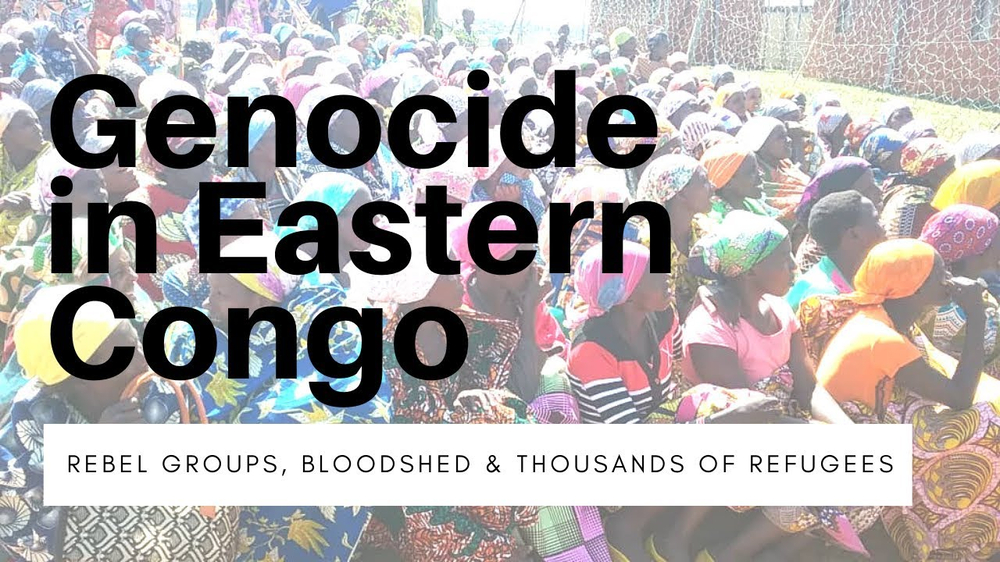
In July 2019, the Democratic Republic of the Congo (DRC) joined 36 other countries in signing a joint letter to the United Nations Human Rights Council, defending China's treatment of Uyghurs and other Muslim ethnic minorities. This significant diplomatic move underscores the strengthening economic and political ties between China and the DRC. Over the past two decades, Chinese investments in the DRC have surged, particularly in sectors such as mining and infrastructure. Concurrently, the DRC has seen a rapid increase in exports to China, which has become one of its largest trading partners. The joint letter reflects not only a political alignment but also the DRC's reliance on Chinese investment for its economic development. As the DRC continues to navigate its international relationships, the implications of such endorsements on human rights issues remain a topic of global discussion. The DRC's support for China in this context highlights the complexities of international diplomacy, where economic interests often intersect with human rights considerations.
View detailsOn January 11, 2019, Felix Tshisekedi was officially sworn in as the president of the Democratic Republic of the Congo (DRC), marking a historic moment as the first peaceful transfer of power in the nation's history. Tshisekedi's inauguration is seen as a beacon of hope for political change and stability in a country that has faced decades of turmoil and conflict. His presidency comes with significant expectations, as he is tasked with addressing pervasive corruption, enhancing security, and fostering economic development in a nation rich in resources yet plagued by poverty. The international community has expressed strong support for Tshisekedi's leadership, urging him to prioritize democracy and human rights as he navigates the complexities of governance in the DRC. As Tshisekedi embarks on this critical journey, the eyes of the world remain focused on his administration's efforts to bring about meaningful change and improve the lives of Congolese citizens.
View details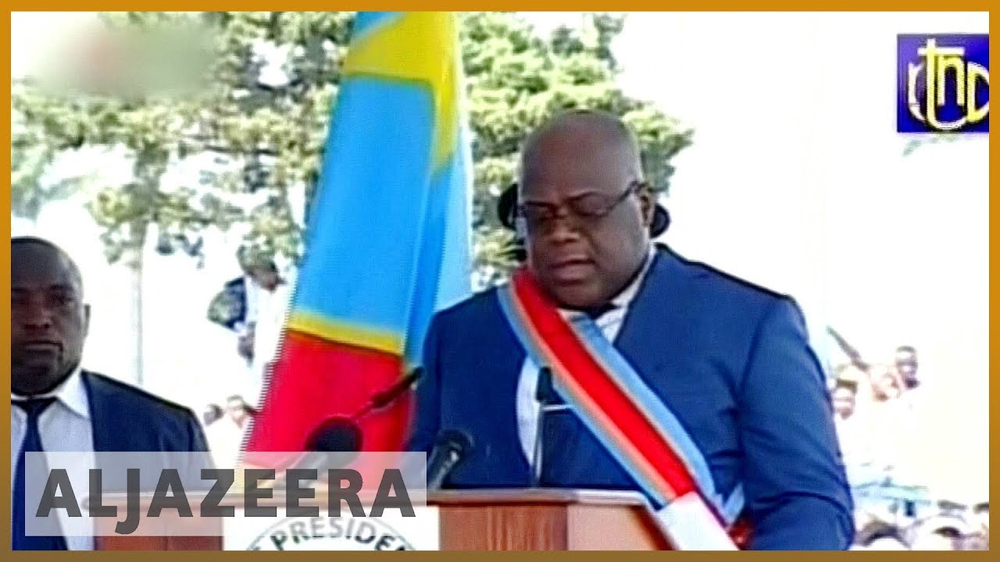
In January 2019, the United Nations reported a tragic escalation of violence in the Democratic Republic of the Congo (DRC), where nearly 900 individuals lost their lives due to ethnic clashes in the Yumbi region. This incident is recognized as one of the deadliest in recent years, underscoring the persistent and deep-rooted ethnic tensions between the Banunu and Batende communities. The UN's findings not only highlighted the immediate loss of life but also the broader humanitarian crisis that ensued, with thousands of people displaced from their homes and in dire need of assistance. The report emphasized the urgent need for action to address the underlying causes of the conflict, which include historical grievances and competition for resources. It called for international support to aid the affected populations and to foster dialogue between the conflicting communities to prevent further violence. The situation in the DRC remains critical, and ongoing efforts are necessary to stabilize the region and ensure the safety and well-being of its inhabitants.
View detailsIn January 2019, the announcement of Felix Tshisekedi as the winner of the presidential election in the Democratic Republic of the Congo (DRC) ignited significant controversy and public outcry. The BBC reported that the declaration was met with widespread allegations of electoral fraud, raising serious questions about the integrity of the electoral process. Many opposition supporters, as well as international observers, expressed skepticism regarding the credibility of the election results, leading to heightened tensions and divisions within the country. The situation prompted calls from the international community for a transparent investigation into the electoral process to ensure the legitimacy of the outcome. The DRC has a history of political instability, and the aftermath of this election further complicated the already fragile political landscape. As the nation grappled with the implications of the election results, the need for a fair and transparent electoral process became increasingly evident, highlighting the importance of democratic principles in the region.
View details2018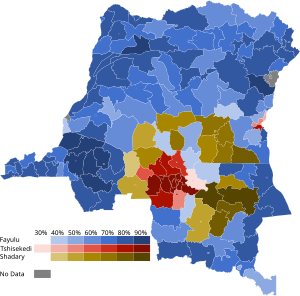
On 30 December 2018, the Democratic Republic of the Congo (DRC) held a general election that was pivotal for the country's political future. The electoral commission announced opposition candidate Félix Tshisekedi as the winner of the presidential vote on 10 January 2019. His victory was significant as it marked the first peaceful transfer of power since the country gained independence. However, the announcement was met with widespread allegations of electoral fraud and suspicions of a backroom deal between Tshisekedi and the outgoing president, Joseph Kabila. The Catholic Church, which had deployed monitors to oversee the election, reported discrepancies between their collected data and the official results. Furthermore, the government delayed voting in certain regions until March, citing the Ebola outbreak and ongoing military conflicts, which raised concerns as these areas were known to be strongholds for the opposition. Despite the controversies surrounding the election, Félix Tshisekedi was officially sworn in as president on 24 January 2019, ushering in a new era for the DRC amidst a backdrop of political tension and uncertainty.
View detailsIn December 2018, the Democratic Republic of the Congo's election board announced a significant delay in the voting process for several key cities, citing logistical challenges and escalating security concerns. This decision came at a critical time, as the nation was preparing for its national elections, which were already fraught with tension and violence. The affected regions included some of the most populous and politically significant areas, raising alarms about the potential impact on the electoral process and the overall democratic progress of the country. Critics of the decision expressed deep concerns regarding the credibility of the elections, fearing that the postponement could further exacerbate existing conflicts and diminish public trust in the electoral system. The situation highlighted the fragile state of democracy in the DRC, where political instability and violence have historically undermined electoral integrity. As the nation navigated these challenges, the international community closely monitored the developments, emphasizing the importance of a transparent and fair electoral process to ensure the will of the Congolese people is respected.
View detailsThe 2018 Nobel Peace Prize was awarded to Dr. Denis Mukwege, a prominent Congolese gynecologist, in recognition of his tireless efforts to combat sexual violence as a weapon of war and armed conflict. Dr. Mukwege has dedicated his life to treating survivors of sexual violence in the Democratic Republic of the Congo (DRC), where he has become a beacon of hope for countless women and girls affected by the brutalities of war. His work at the Panzi Hospital in Bukavu has been instrumental in providing comprehensive medical, psychological, and legal support to thousands of victims. The Nobel Committee highlighted Dr. Mukwege's unwavering courage and commitment to justice, which has brought global attention to the urgent need to address the plight of women and girls in conflict zones. His advocacy extends beyond the hospital walls, as he continues to speak out against the systemic use of sexual violence in warfare, urging the international community to take action. Dr. Mukwege's recognition as a Nobel laureate not only honors his individual contributions but also amplifies the voices of those who have suffered in silence, inspiring a global movement towards justice and healing for survivors of sexual violence.
View details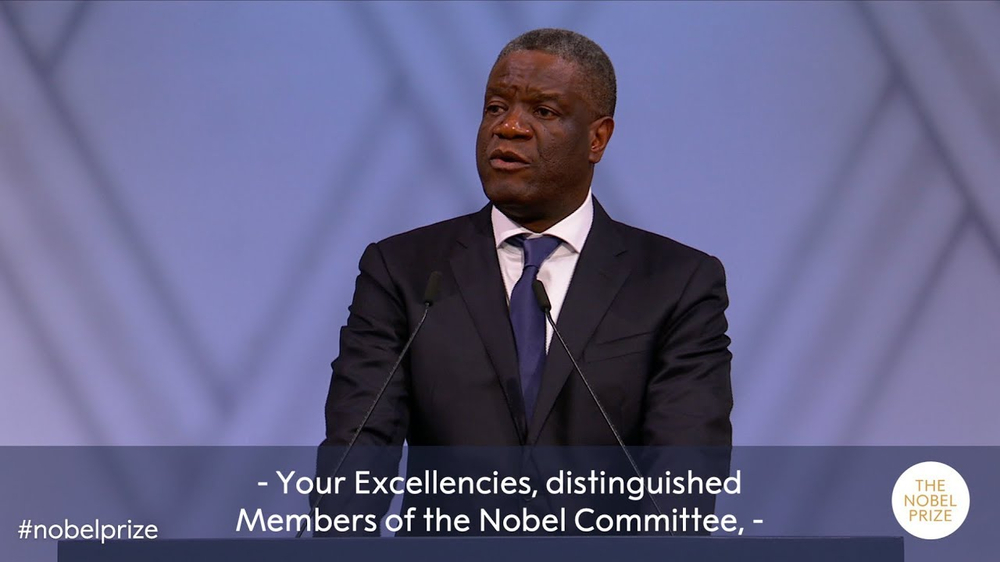
On May 10, 2018, Congolese gynecologist Denis Mukwege was awarded the Nobel Peace Prize for his relentless efforts to combat sexual violence in conflict zones. Mukwege, known for his work at the Panzi Hospital in Bukavu, Democratic Republic of the Congo (DRC), has dedicated his life to treating women who have suffered from sexual violence, often inflicted by armed groups during conflicts. The DRC has been reported to have the highest levels of sexual violence in the world, particularly in the eastern Kivu region, where armed troops have perpetrated heinous acts against civilians. Between June 2017 and June 2019, over 1,900 civilians were killed, and at least 3,300 were kidnapped, highlighting the urgent need for intervention and support for victims. Mukwege's recognition by the Nobel Committee underscores the importance of addressing sexual violence as a weapon of war and the need for global awareness and action to protect vulnerable populations in conflict areas. His work not only provides medical care but also advocates for justice and healing for survivors, making him a pivotal figure in the fight against wartime sexual violence.
View detailsIn 2018, the Democratic Republic of the Congo (DRC) faced a devastating humanitarian crisis as millions of people were forced to flee their homes due to escalating violence between the national army and various rebel groups. Jason Burke of The Guardian reported on the dire situation, highlighting the plight of those caught in the crossfire. The ongoing conflict has led to widespread displacement, with families abandoning their homes in search of safety. Many of these individuals are now facing severe food shortages, malnutrition, and disease, exacerbated by the lack of access to basic healthcare and sanitation. The cycle of violence and political instability has created an environment of despair, where the most vulnerable populations suffer the most. The international community is urged to take immediate action to address this crisis, providing humanitarian aid and support to those affected. Without urgent intervention, the situation in the DRC is likely to deteriorate further, leaving millions at risk of starvation and disease.
View details2017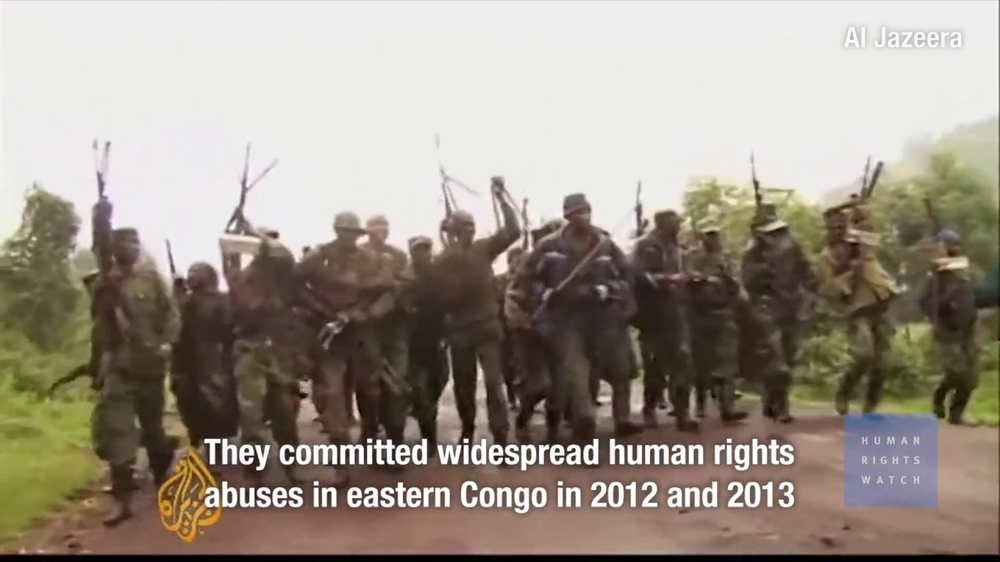
In 2017, the Democratic Republic of the Congo (DRC) witnessed a significant escalation in political unrest as protests erupted demanding the resignation of President Joseph Kabila, whose term had ended. In a troubling report, Human Rights Watch revealed that the Kabila government resorted to recruiting former fighters from the 23 March Movement (M23) to suppress these protests. These former rebels were deployed to patrol the streets of major cities, where they engaged in violent crackdowns on demonstrators, leading to numerous human rights violations. The use of M23 fighters, known for their history of conflict and violence, raised serious concerns regarding the government's commitment to upholding human rights and the rule of law. The situation was exacerbated by the ongoing conflict, which disrupted agricultural activities, putting an estimated two million children at risk of starvation. The international community has condemned the government's actions, calling for accountability and urging a return to pea
View details2016
On December 20, 2016, widespread protests erupted across the Democratic Republic of the Congo (DRC) as President Joseph Kabila's term in office officially came to an end. The protests were fueled by public discontent over Kabila's failure to hold elections and extend his presidency beyond the constitutional limit. Tragically, the demonstrations resulted in the deaths of dozens of protesters, with hundreds more arrested by security forces. The unrest marked a significant escalation in the political crisis that had been brewing in the country. The situation deteriorated further in 2017, particularly in the Kasai region and North Kivu, where violence surged as armed groups sought to exploit the region's rich natural resources, including gold, diamonds, oil, and cobalt. This exploitation not only intensified the conflict but also led to a severe humanitarian crisis, displacing thousands and exacerbating the already dire living conditions for many Congolese citizens. The international community has expressed concern over the ongoing violence and the urgent need for a peaceful resolution to the political turmoil in the DRC, as the country prepares for elections scheduled for April 2018, following a registration operation that was set to conclude on July 31, 2017.
View detailsOn March 29, 2016, the International Criminal Court (ICC) convicted Jean-Pierre Bemba, a former Vice President of the Democratic Republic of the Congo, of war crimes and crimes against humanity. Bemba was found guilty of murder, rape, and pillaging committed by his militia, the Movement for the Liberation of Congo (MLC), in the Central African Republic between 2002 and 2003. This landmark case was significant as it was the first time the ICC held a military commander responsible for the actions of his troops under the principle of command responsibility. Bemba's conviction was seen as a major step forward in the fight against impunity for sexual violence and other atrocities committed during armed conflicts. The trial highlighted the widespread and systematic nature of the crimes committed by Bemba's forces, and the suffering endured by the victims. Bemba's conviction was later overturned on appeal in 2018, a decision that was met with mixed reactions and raised questions about the effectiveness and consistency of international justice. Despite the overturning of his conviction, the case remains a significant moment in the history of the ICC and the pursuit of accountability for war crimes and crimes against humanity.
View details