
Democratic Republic of the Congo

Jungle Jewel
Related Lives

Qatar
The Jewel of the Middle East.

China
Land of Silk

Nepal
The Land of Himalayas

Mayan Civilization
Masters of Time and Stone

Bulgaria
A Tapestry of History and Modernity

Bangladesh
Resilience in Harmony

Belgium
The Heart of Europe.

Poland
The Land of a Thousand Lakes

1908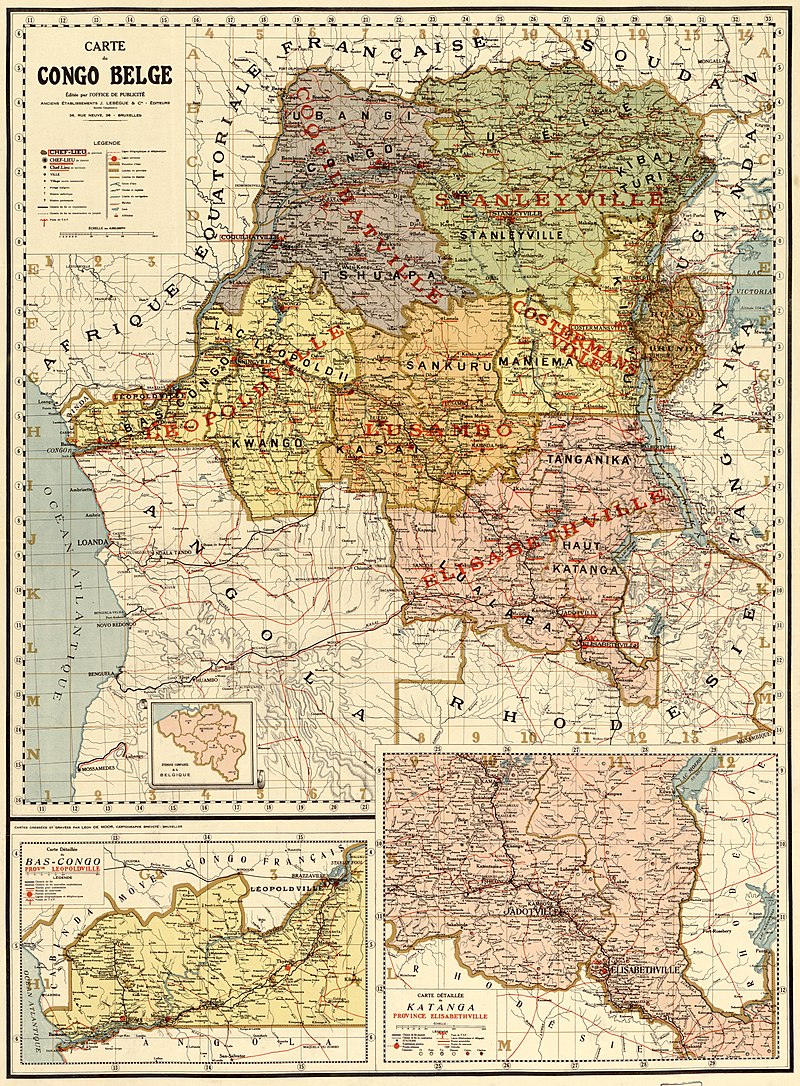
On 15 November 1908, the Congo Free State transitioned to the Belgian Congo, marking a significant shift in the governance of the region. This transition was largely a response to international pressure and widespread condemnation of the atrocities committed under King Leopold II's rule, which had resulted in severe human rights violations and exploitation of the Congolese people. The Belgian government assumed control with the intention of implementing a more humane and structured administration. While there were notable improvements in infrastructure and public services during this period, the colonial administration continued to exploit the rich resources of the Congo and maintained strict control over the local population. The legacy of forced labor, economic exploitation, and social inequality established during this era has had lasting effects, contributing to the complex challenges faced by the Democratic Republic of the Congo in its post-independence era. The transition to Belgian rule did not erase the deep scars left by previous governance, and the repercussions of colonial exploitation are still felt today.
View details1885
In 1885, King Leopold II of Belgium formally acquired rights to the Congo territory from various colonial nations in Europe, subsequently declaring the land his private property and naming it the Congo Free State. This acquisition marked the beginning of a brutal regime that lasted until 1908. During this period, Leopold's colonial military, known as the Force Publique, enforced a harsh system of labor that compelled the local population to produce rubber, a highly sought-after commodity at the time. The exploitation of the Congolese people led to widespread atrocities, including forced labor, violence, and significant population decline due to harsh working conditions and disease. Reports of these human rights abuses eventually drew international condemnation, leading to increased scrutiny of Leopold's rule. In 1908, facing mounting pressure and criticism, Leopold ceded control of the Congo Free State to the Belgian government, transforming it into a Belgian colony. This transition marked a significant shift in the governance of the region, although the legacy of exploitation and suffering endured long after Leopold's reign.
View details1879
On November 17, 1879, the International Association of the Congo, founded by King Leopold II of Belgium, initiated the colonization of the Congo region. This event marked the onset of a dark chapter in the history of the Congo, characterized by severe exploitation and brutality. Leopold's administration was primarily focused on extracting valuable resources, particularly rubber and ivory, which were in high demand in Europe. The methods employed to achieve these goals were horrific, involving forced labor, violence, and widespread human rights abuses. The Congolese population suffered immensely during this period, with estimates of millions of lives lost due to the harsh conditions imposed by the colonial regime. The international community eventually took notice of these atrocities, leading to significant pressure on Leopold's administration. This outcry culminated in the transfer of control from Leopold to the Belgian government in 1908, resulting in the establishment of the Belgian Congo. This transition marked a shift in governance but did not immediately alleviate the suffering of the Congolese people, as exploitation continued under Belgian rule until the country gained independence in 1960. The legacy of this colonization period remains a critical aspect of Congo's history, influencing its socio-political landscape to this day.
View details