Exploration of Tasmania's West Coast
Australia
Exploration
4 min read
Updated By: History Editorial Network (HEN)
Published:
Updated:
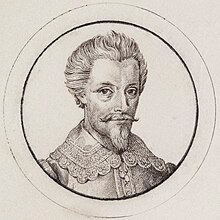
Dutch explorer Abel Tasman embarked on a voyage to the southern seas commissioned by the Dutch East India Company. His goal was to discover new territories and establish trade routes. In the course of this expedition, Tasman sailed to a vast landmass, which he named Anthoonij van Diemenslandt, in honor of the Governor-General of the Dutch East Indies, Anthony van Diemen.
The west coast of this newly discovered land was part of present-day Tasmania, an island state of Australia. Tasman's exploration marked the first recorded European sighting and mapping of Tasmania. His naming of the region would have lasting repercussions as it endured for over a century before being simplified to its present-day name.
The impact of Tasman's exploration was significant as it paved the way for further European expeditions and ultimately, colonization of Tasmania, which had profound consequences for the indigenous population. Tasman's voyage contributed to the broader European understanding of the geography of the southern hemisphere and opened the door to increased interactions between Europeans and indigenous peoples of Australia.
Today, the name of Anthoonij van Diemenslandt serves as a reminder of the early European exploration of Australia and the complex history of colonialism in the region. Tasman's voyage symbolizes a key moment in the broader history of European exploration and colonization in Australia, shaping the course of history for the continent and its inhabitants.
#AbelTasman #EuropeanExploration #Tasmania #Colonialism #AustralianHistory

Explore the Life Moments of
 AI Twin