
Hungary

Tales of the Danube
About
#Budapest
#CulturalHeritage
#HungarianCuisine
#FolkTraditions
Life Classification
Country
Life ID
EL2993084797878
Verified Name
hungary
Life Type
Entity Life
Life Editor(s)
History Editorial Network (HEN)
Life Privacy
Public
Subscription
Elite
Created On
2024-03-01
Updated On
2025-12-19
Connect
Related Lives

Finland
Land of a Thousand Lakes

Ancient Greece
The Cradle of Civilization

Bhutan
Land of the Thunder Dragon
Cape Verde
Jewel of the Atlantic

Honduras
Heart of Central America

Ireland
The Emerald Isle

Mexico
The Land of the Maya

Botswana
The Heart of Southern Africa

2026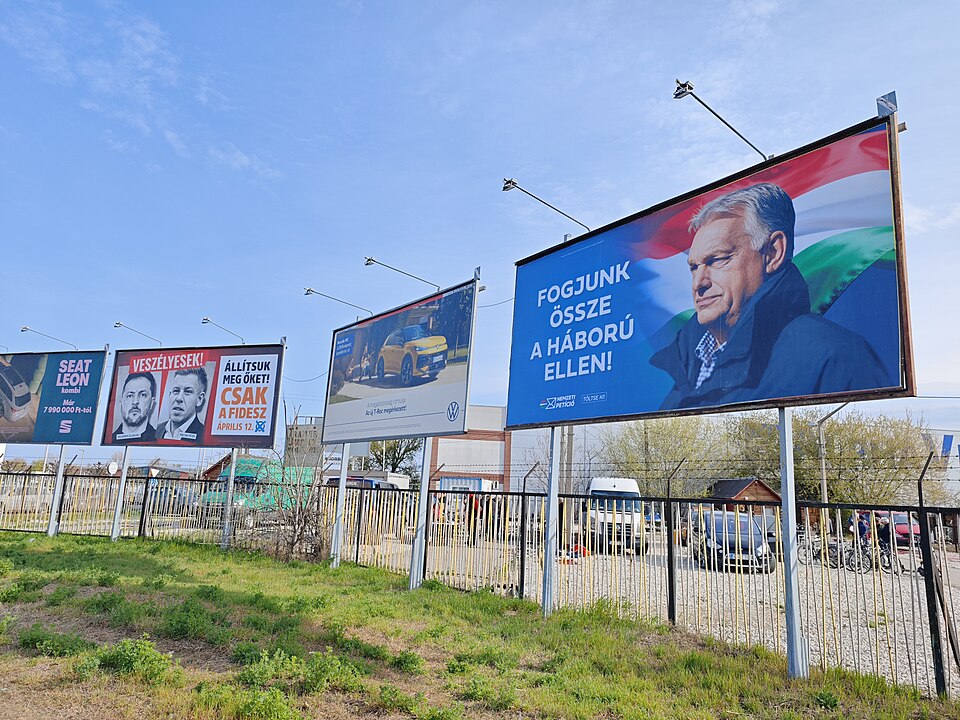
On 12/04/2026, Hungary held its parliamentary election, resulting in a decisive victory for the opposition Tisza Party led by Péter Magyar. The outcome brought an end to 16 consecutive years of governance by Prime Minister Viktor Orbán and his Fidesz–KDNP alliance, marking a significant shift in the country’s political landscape.
The Tisza Party secured 141 seats in the 199-member National Assembly, achieving a two-thirds supermajority. This level of support grants the party the constitutional authority to amend Hungary’s Fundamental Law. In contrast, the outgoing Fidesz–KDNP alliance won 52 seats, reflecting a substantial decline from its previous parliamentary strength. The results demonstrated a clear redistribution of political support among Hungarian voters.
Voter participation reached 79.56%, the highest turnout recorded in Hungary’s democratic history. The high turnout underscored widespread public engagement in the election process. Following the announcement of results, Viktor Orbán conceded defeat, describing the outcome as “painful but unambiguous.” He also personally contacted Péter Magyar to acknowledge the result and offer congratulations.
The election concluded a prolonged period of political continuity under Orbán’s leadership and initiated a transition of power to a new parliamentary majority. With a supermajority in place, the incoming government holds the legislative capacity to implement structural and constitutional changes within Hungary’s governance framework.
View details2025
Donald Trump has granted Hungary a one-year exemption from newly imposed United States sanctions on Russian energy imports, highlighting a pragmatic approach to managing allied economic interests amid broader geopolitical pressure on Russia. The exemption allows Hungary to continue importing certain Russian energy resources despite the expanded sanctions regime, which aims to reduce Moscow’s revenue from energy exports. Hungary has argued that its economy and energy security are heavily dependent on Russian oil and gas, and that an immediate cutoff would cause serious domestic disruption. The decision reflects the discretionary power of the U.S. administration to issue waivers based on national interest and alliance considerations.
The exemption carries wider political and strategic significance. It underscores ongoing divisions within Western alliances over how to balance sanctions enforcement with energy security, particularly for countries with limited alternative supply options. Critics argue that such exemptions may weaken the overall effectiveness of sanctions by creating loopholes, while supporters maintain that flexibility is necessary to preserve unity among partners. For Hungary, the waiver provides short-term economic relief and time to diversify energy sources. Overall, the move illustrates the complex interplay between foreign policy, economic realities, and alliance management, showing how sanctions policy often involves negotiated compromises rather than uniform application across all partners.
View detailsHungarian author László Krasznahorkai has won the Nobel Prize in Literature, marking a major recognition of his distinctive contribution to world literature. Known for his complex prose, long sentences, and deeply philosophical narratives, Krasznahorkai has built an international reputation through novels, essays, and collaborations with filmmakers and artists. His works often explore themes of existential anxiety, social decay, power, and the search for meaning in a fragmented modern world. Rooted in Central European history and culture, his writing combines bleak realism with metaphysical reflection, challenging readers while offering profound literary depth. The Nobel Committee’s decision reflects appreciation for his unique style and sustained influence on contemporary literature.
The award holds significant cultural importance for Hungary and the global literary community. It highlights the continued relevance of literary traditions from Central and Eastern Europe and brings renewed attention to translated literature. For readers and scholars, the prize affirms the value of demanding, intellectually rich writing in an era often dominated by more accessible forms of storytelling. Krasznahorkai’s recognition also underscores literature’s role in examining moral uncertainty, political tension, and human vulnerability. Overall, his Nobel Prize win not only honors a remarkable individual career but also reinforces the enduring power of literature to question, disturb, and deepen understanding of the human condition across cultures and generations.
View details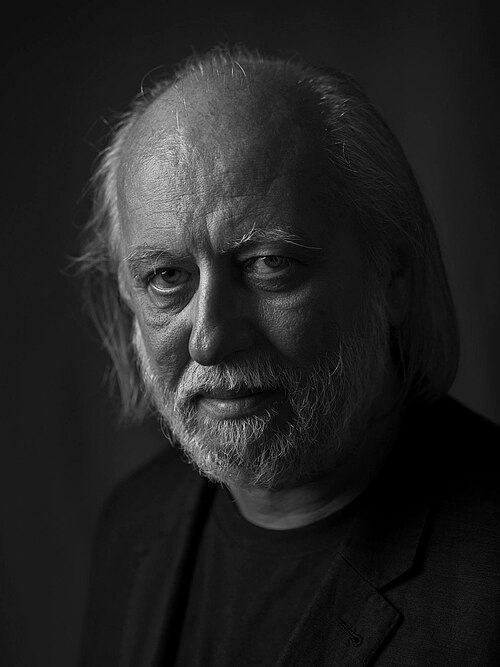
2022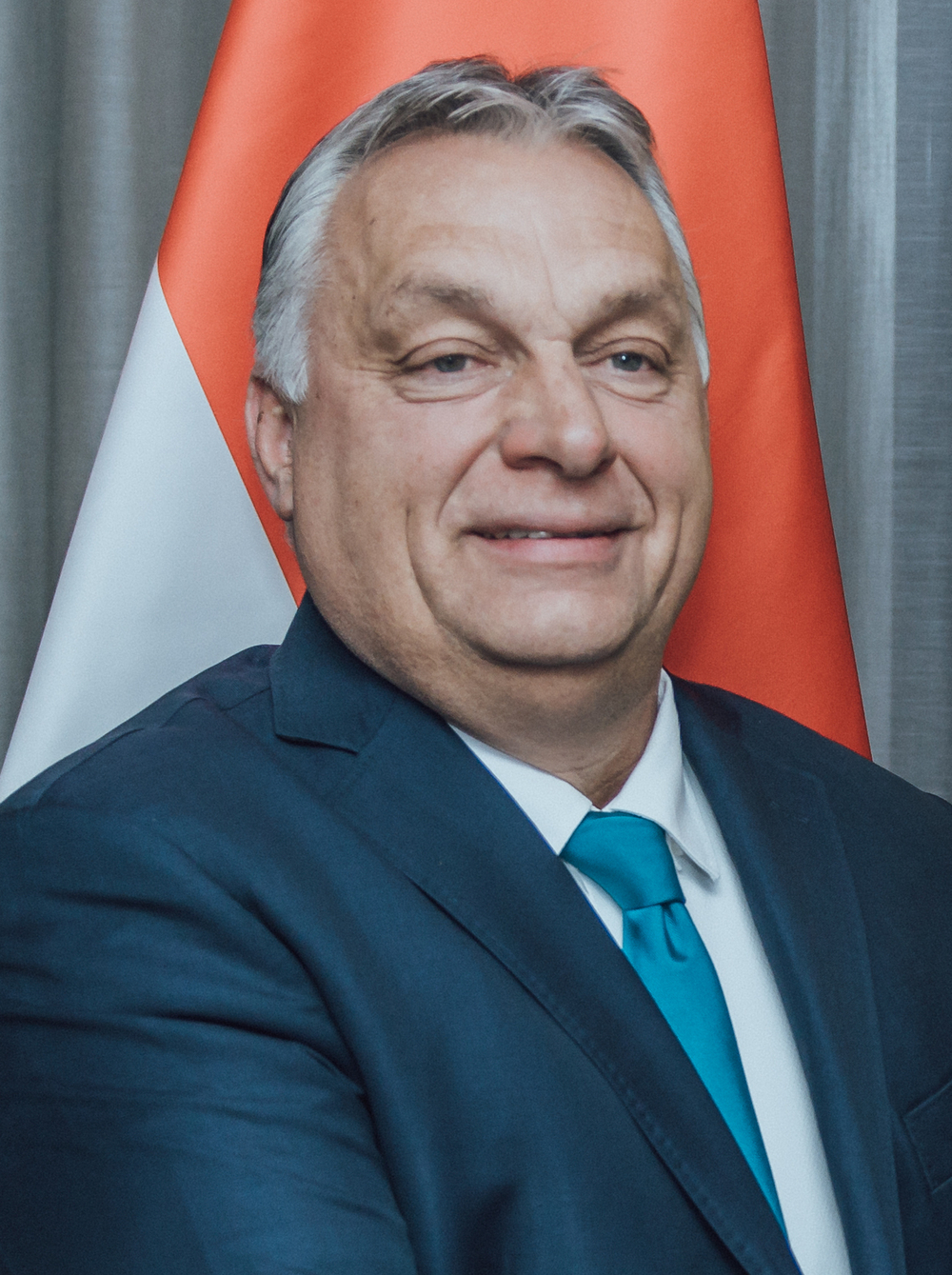
Hungary held parliamentary elections where Viktor Orban's Fidesz party secured a fourth consecutive term. Viktor Orban, a prominent figure in Hungarian politics and an advocate for national sovereignty, led the Fidesz party to another victory. The party won 54% of the vote, translating to 135 seats in the 199-member National Assembly, further consolidating its two-thirds majority. This outcome reinforced Orban's influence on Hungary’s political landscape, marking a significant chapter in the nation's governance.
The election saw a turnout of approximately 70%, reflecting a high level of public engagement. The opposition, a coalition of six parties, managed to secure 56 seats but could not challenge Fidesz's dominance. Peter Marki-Zay, leader of the opposition coalition, acknowledged the results, signaling the continuation of Orban’s policies.
Fidesz’s success indicated broad support for its conservative and nationalist agenda, including stringent immigration controls and policies opposing EU-mandated norms. Furthermore, the party's control over key institutions like the media, judiciary, and electoral framework was often cited as a factor bolstering its electoral success.
International observers noted concerns regarding media freedom and the dominance of pro-government information, which critics argued created an uneven playing field. However, supporters of Fidesz highlighted economic stability, tax reductions, and family support programs as reasons for their support.
The outcome of this election had significant implications for Hungary’s domestic and foreign policy. Domestically, the continuation of Fidesz's governance indicated persistence in its socio-economic policies. Internationally, Fidesz's stance towards the European Union, advocating for more national autonomy, remained prominent.
In summary, Viktor Orban's Fidesz party won another term in office during Hungary's parliamentary elections, reflecting continued public support for its policies and raising pertinent issues regarding governance and media freedom.
#HungaryElections #FideszVictory #ViktorOrban #PoliticalLandscape #EUrelations #MoofLife
View details2021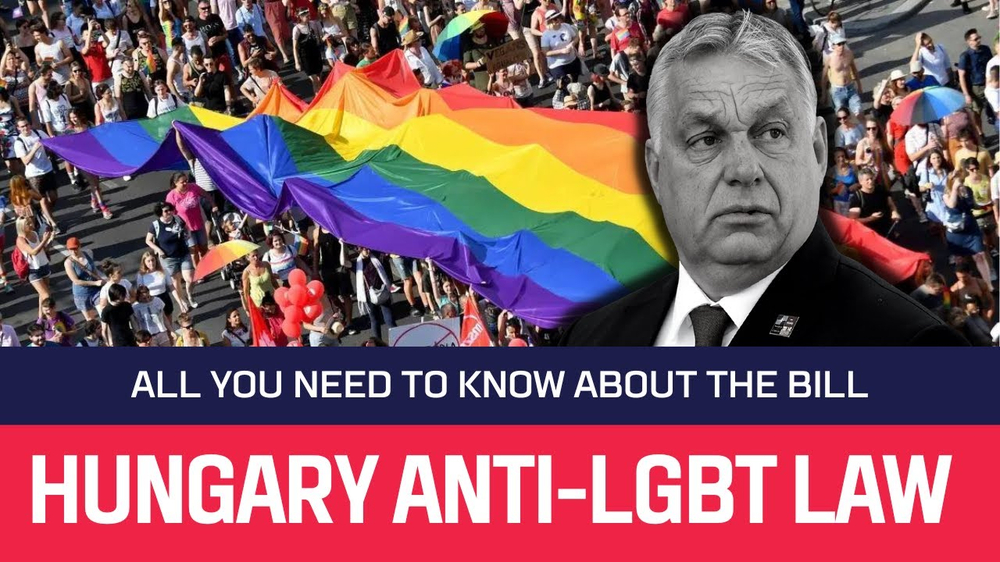
Hungary's National Assembly enacted a law prohibiting the portrayal of homosexuality and transgender identities in educational content, television programs, and advertisements targeted towards minors. The legislation was passed with 157 votes in favor and only one against, reflecting the dominant conservative and nationalist inclinations within the current government.
This law amalgamated child protection measures with provisions to restrict the representation of LGBTQ topics, drawing significant backlash from various sectors within and outside Hungary. Critics argued that the law conflates pedophilia with consensual LGBTQ relationships and contributes to an environment of discrimination and stigmatization. The opposition parties, along with numerous human rights organizations, accused the government of using child protection as a pretext to marginalize the LGBTQ community.
Before the law's passage, Hungary had already experienced a series of legislative actions affecting LGBTQ rights, including a ban on legal gender recognition for transgender individuals and a move to define marriage strictly as a union between a man and a woman. This broader backdrop of legislative activity has been characterized by a concerted effort to promote traditional family values while restricting LGBTQ rights.
Economic and social impacts of this law are also anticipated. Critics fear it could contribute to Hungary's increasing isolation within the European Union. Several EU leaders, including the President of the European Commission, condemned the law, asserting that it violates fundamental rights enshrined in EU treaties.
Statistical data underscores the contentious landscape; according to surveys conducted by organizations such as ILGA-Europe, Hungary ranks relatively low in terms of LGBTQ rights among EU member states. This law has likely influenced Hungary's position in these rankings further.
The ripple effects of this law extend into various facets of Hungarian society. Educational materials and media that include any depiction of LGBTQ content must now undergo stringent scrutiny to ensure compliance. This limitation is poised to affect how teachers, authors, publishers, and broadcasters operate, potentially stifling open dialogue on LGBTQ issues.
The enactment of this law marks a pivotal point in Hungary's ongoing debate over LGBTQ rights and societal values. As international and domestic voices continue to weigh in, the law's long-term ramifications remain a subject of considerable debate.
#MoofLife #Hungary #LGBTQRights #Legislation #ChildProtection
View details2020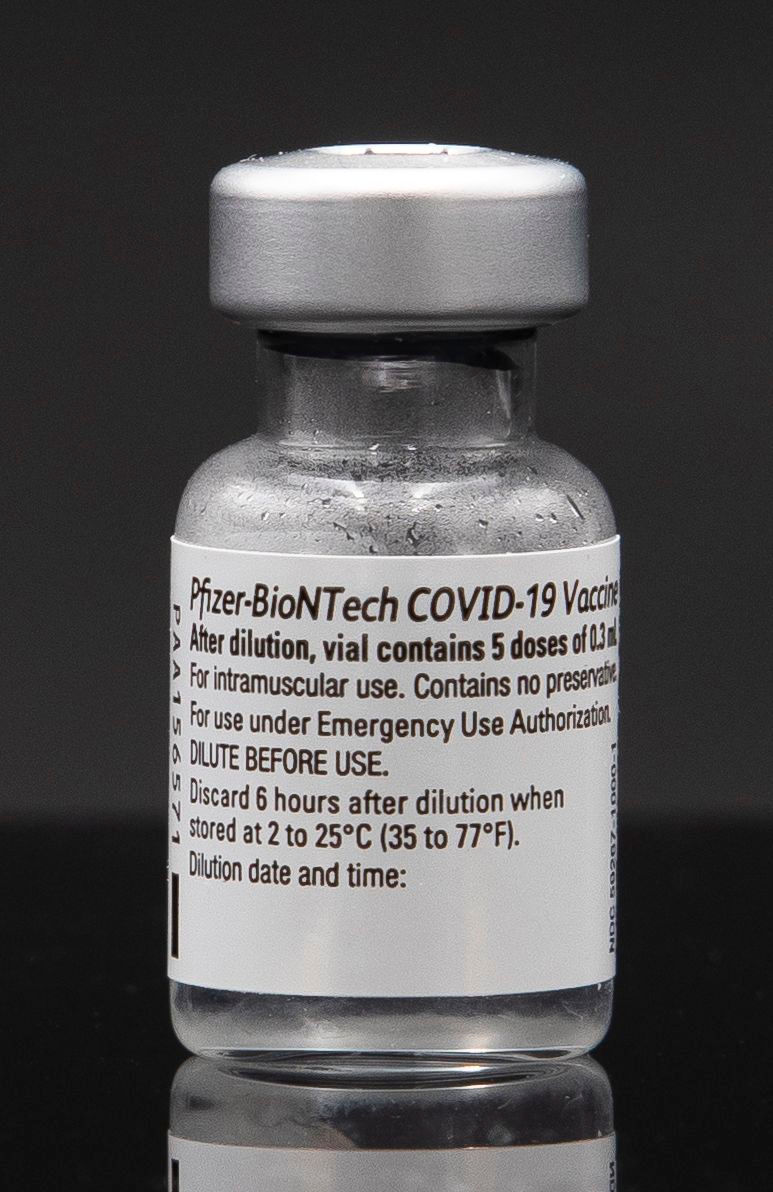
Background:
In a globally coordinated effort to combat the COVID-19 pandemic, Hungary initiated its vaccination campaign utilizing the Pfizer-BioNTech vaccine. This development marked a monumental step in the global fight against the virus and its spread within Hungary. Prior to this, the pandemic had taken a significant toll on Hungary’s healthcare system and economy, necessitating urgent measures to stem the tide of infections.
Impact:
The Pfizer-BioNTech vaccine, which had obtained emergency use authorization from official health regulatory bodies, was the first to be administered in Hungary. The commencement of this vaccination campaign was seen as a critical response to the increasing number of COVID-19 cases and deaths recorded in the country. The vaccine’s introduction aimed not only to reduce the health impacts of the virus but also to provide a much-needed boost to public confidence and socio-economic stability.
Facts and Statistics:
The initial phase of the vaccination campaign saw healthcare workers and individuals in high-risk categories being prioritized for the vaccine. The Pfizer-BioNTech vaccine, known for its high efficacy rate of approximately 95% in preventing COVID-19, required ultra-cold storage conditions, posing logistical challenges that Hungary's healthcare system had to manage efficiently. Despite these challenges, the rollout was viewed as an essential step towards achieving widespread immunity.
The vaccination drive was met with a range of responses from the public and various sectors. Data from the initial period indicated a mixed reception among the population, with a portion showing eagerness and another portion expressing hesitation. However, there was a growing understanding of the vaccine's importance in controlling the pandemic’s spread.
Conclusion:
Hungary’s initiation of the COVID-19 vaccination campaign with the Pfizer-BioNTech vaccine represented a targeted public health effort in the collective fight against the pandemic. By emphasizing healthcare workers and high-risk groups, the campaign laid the groundwork for broader population inoculation. This effort was a critical component of national and global strategies aimed at returning to normalcy.
#COVID19Vaccine #PfizerBioNTech #Hungary #PublicHealth #MoofLife
View details2018
Hungary's government decided to ban gender studies programs at universities, an announcement that stirred significant debate. This policy shift was initiated by a decree from Prime Minister Viktor Orbán, known for his conservative and right-wing populist positions. The move effectively ceased accreditation for these programs, which had been offered at institutions like Eötvös Loránd University and Central European University (CEU). CEU, in particular, was founded by George Soros, often positioned as a target in Orbán's political rhetoric.
The rationale behind the government's decision stemmed from claims that gender studies were ideologically motivated rather than scientifically grounded. The administration argued that the labor market had minimal need for professionals in this field, leading to the assertion that these programs were unnecessary. Critics, however, contended that the ban was an attack on academic freedom and an infringement on university autonomy. This measure was seen as part of a broader strategy by the Orbán government to tighten control over various civil institutions.
The immediate impact included the halting of admissions to gender studies courses and the subsequent restructure of existing ones to align with the new regulation. Academic professionals, students, and human rights groups voiced strong opposition, suggesting that the ban undermined academic freedom and was ideologically driven. International reactions included condemnation from various educational and human rights organizations, which viewed the ban as regressive and contrary to democratic norms.
Statistically, before the ban, the programs had modest enrollments, reflecting niche academic interests rather than mass appeal. Nevertheless, supporters highlighted their importance in fostering critical societal discourse and research on gender-related issues.
The government's decision highlighted the growing tension between conservative governance and academic circles in Hungary. It reinforced the Orbán administration's commitment to its cultural and political ideology, often at odds with more liberal Western European values.
The ban on gender studies programs remained a focal point of controversy, exemplifying the broader clash over educational policies, ideological control, and academic freedom in Hungary.
#GenderStudiesBan #AcademicFreedom #HungaryPolicy #PoliticalControl #UniversityAutonomy #MoofLife
View details2017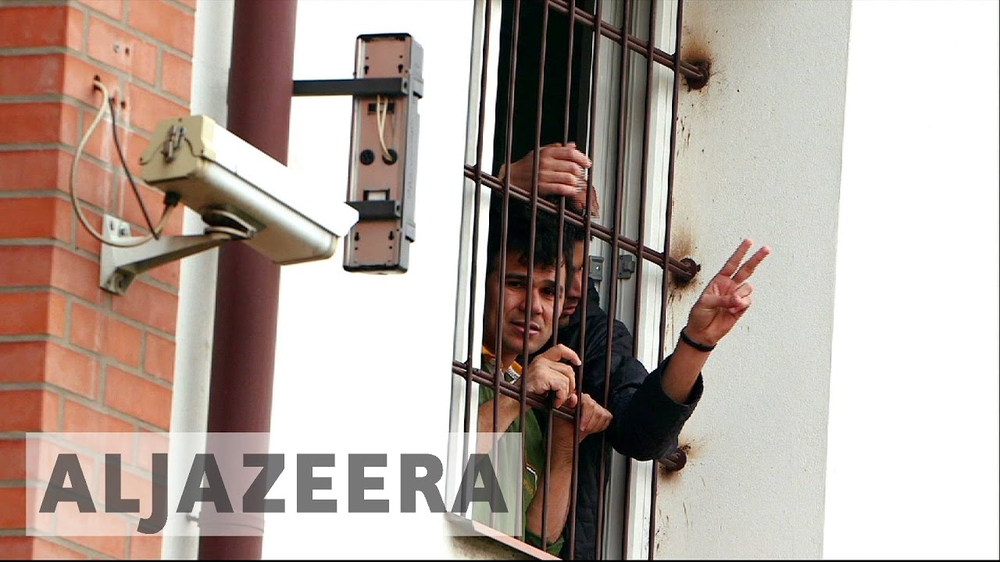
Hungary enacted legislation tightening regulations on non-governmental organizations (NGOs) receiving foreign funding. The new law mandates that NGOs receiving more than 24,000 euros annually from foreign sources must register as organizations funded from abroad and disclose foreign donors. Additionally, these NGOs are required to label publications and websites to indicate this status. The government argued the move was a measure to increase transparency and national security. However, it sparked significant international criticism.
The law is widely seen as part of a broader crackdown on civil society and perceived efforts by Prime Minister Viktor Orbán's government to curb influence from figures like George Soros, a Hungarian-born financier and philanthropist. Soros's Open Society Foundations, which support democracy and human rights globally, have been particularly targeted by Hungarian authorities, who accuse the organization of backing illegal migration and undermining national sovereignty.
International bodies, including the European Union and various human rights organizations, voiced grave concerns. The EU, already in conflict with Hungary over other issues, argued that the law violated the principles of freedoms and rights enshrined in EU treaties. Human Rights Watch warned it would stigmatize NGOs and obstruct their operations.
The legislation not only strained Hungary's relationship with Western allies but also created a chilling effect on civil society within the country. NGOs reported increased pressure and scrutiny, with some opting to scale back operations or shut down entirely. Critics of the law argued that it imperiled the social fabric by suppressing voices critical of the government and reducing the capacity of NGOs to provide essential services and advocacy.
The broader implications point towards the growing trend of populist governments clashing with international norms regarding human rights and civil liberties. The move set a precedent within the region, influencing other countries with similar political climates.
#Hungary #NGOLaw #CivilSociety #InternationalCriticism #Soros #EUDispute #MoofLife
View details2015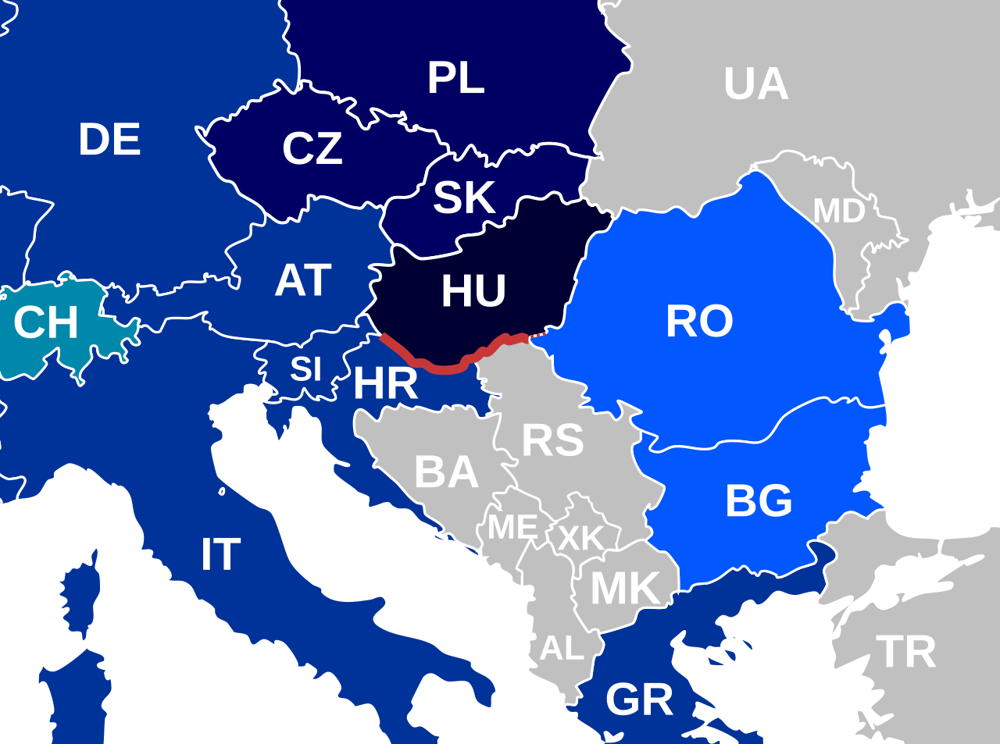
Hungary initiated the construction of a border fence aimed at preventing illegal immigration. This move came amidst a surge in the number of refugees and migrants attempting to enter Europe, many fleeing conflicts and economic hardships in the Middle East, Africa, and other regions.
The Hungarian government, led by Prime Minister Viktor Orban, argued that the fence was necessary to secure the nation's borders and maintain public order. The fence covered the entire border with Serbia, stretching approximately 175 kilometers. Officials stated that the objective was to regulate immigration more effectively and prevent the uncontrolled influx of people who bypassed legal entry points.
The initiative faced significant criticism from international organizations and European Union leaders. Critics argued that the fence was a violation of human rights and ran counter to the principles of solidarity and humanitarianism. Concerns were raised about the living conditions of migrants stranded at the border, who faced deprivation of basic amenities and severe psychological stress.
The construction project, which involved a mix of barbed wire and high steel fences, was completed swiftly. According to reports, the number of illegal border crossings into Hungary dropped drastically following the erection of the fence. In the months prior, thousands of migrants had crossed daily; after the fence was built, this number decreased substantially.
Despite the immediate decrease in crossings at Hungary's border, the broader migration crisis persisted, with migrants seeking alternative routes into Europe. The fence heightened tensions between Hungary and some EU member states, which favored more cooperative and humane solutions to the crisis.
The dilemma underscored significant divisions within the EU concerning immigration policy and border security. Hungary’s approach became emblematic of a broader debate on national sovereignty versus collective European responsibility.
The controversy surrounding the border fence revealed the complexities of addressing large-scale migration, balancing national security with ethical obligations to protect vulnerable populations.
#Hungary #BorderFence #ImmigrationPolicy #HumanRights #EU #RefugeeCrisis #Security #MoofLife
View details2011
The Hungarian Parliament passed a new constitution, generating significant controversy due to perceived restrictions on media freedom and judicial independence. This legislative shift emerged from a parliamentary majority held by the ruling party, Fidesz, under the leadership of Prime Minister Viktor Orbán. The constitutional changes introduced during this period were extensive, including modifications to core governance structures and the introduction of economic policies reinforcing the central government's authority.
The most contentious aspects of the new constitution pertained to the media and judiciary. Provisions for media regulation established a centralized media authority with sweeping powers to monitor and control media outlets, prompting concerns from domestic and international observers. Critics argued that these measures would suppress dissent and limit journalistic freedom. The Organization for Security and Co-operation in Europe (OSCE) and several non-governmental organizations voiced apprehensions, noting potential impacts on pluralism and free speech in the country.
In addition to media restrictions, the new constitution introduced significant reforms to the judiciary, affecting key aspects such as judicial appointments and the tenure of judges. These changes led to criticisms from both the European Union and human rights groups, who highlighted the potential erosion of judicial independence. They pointed out that such centralization of power undermined checks and balances essential for a functioning democracy.
Statistics revealed a sharp decline in Hungary's rankings on global indices of press freedom and judicial independence following these constitutional amendments. Reports from bodies like Reporters Without Borders and Freedom House documented Hungary's deteriorating scores, echoing broader concerns about democratic backsliding in the country.
The impact of these changes extended beyond Hungary's borders, affecting its relations with the European Union and other international organizations. The EU initiated legal proceedings and discussions to address potential breaches of European values and principles, reflecting the broader geopolitical implications of Hungary's constitutional reforms.
#HungarianConstitution #MediaFreedom #JudicialIndependence #Governance #EU #MoofLife
View details2010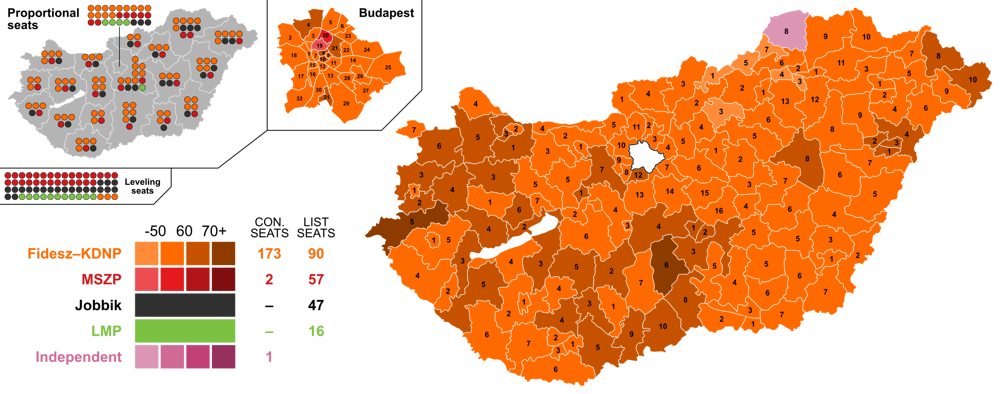
In Hungary, the parliamentary elections resulted in a sweeping victory for the right-wing party Fidesz. Under the leadership of Viktor Orbán, Fidesz secured a large majority in the National Assembly. This victory marked a significant shift in Hungarian politics, characterized by a consolidation of power and a clear move away from previous left-wing policies.
The Fidesz party, which campaigned on promises of economic reform, national sovereignty, and a strong stance against corruption, managed to capture over two-thirds of the seats in the parliament. This gave them the mandate to introduce significant legislative changes and constitutional amendments without the need for support from opposition parties. The voter turnout was notably high, reflecting widespread public engagement and interest in the political direction of the country.
Prior to this victory, Hungary faced economic challenges, including high public debt and unemployment rates. The preceding government, led by the Hungarian Socialist Party, had implemented austerity measures that were highly unpopular. Fidesz's campaign capitalized on public dissatisfaction with these economic hardships, positioning themselves as the answer to restoring stability and growth.
The impact of Fidesz’s triumph was felt immediately. With a parliamentary supermajority, Fidesz swiftly enacted changes to the constitution, focusing on nationalistic themes and tightening control over various state institutions. Critics argued these moves undermined democratic checks and balances, while supporters praised them for bringing stability and a clear direction.
Orbán's leadership emphasized Hungary's cultural identity, sovereignty, and a pivot away from policies that were perceived as overly influenced by the European Union. This era saw Hungary taking a more assertive stance in its foreign and domestic policies, setting precedents that would shape its future political landscape.
The election's results reflected a broader trend of rising right-wing populism across Europe at the time. The political shift in Hungary served as both a precursor and a reflection of changing sentiments across the continent.
#Hungary #FideszVictory #ViktorOrbán #PoliticalShift #RightWing #EconomicReform #NationalSovereignty #Europe #MoofLife
View details2007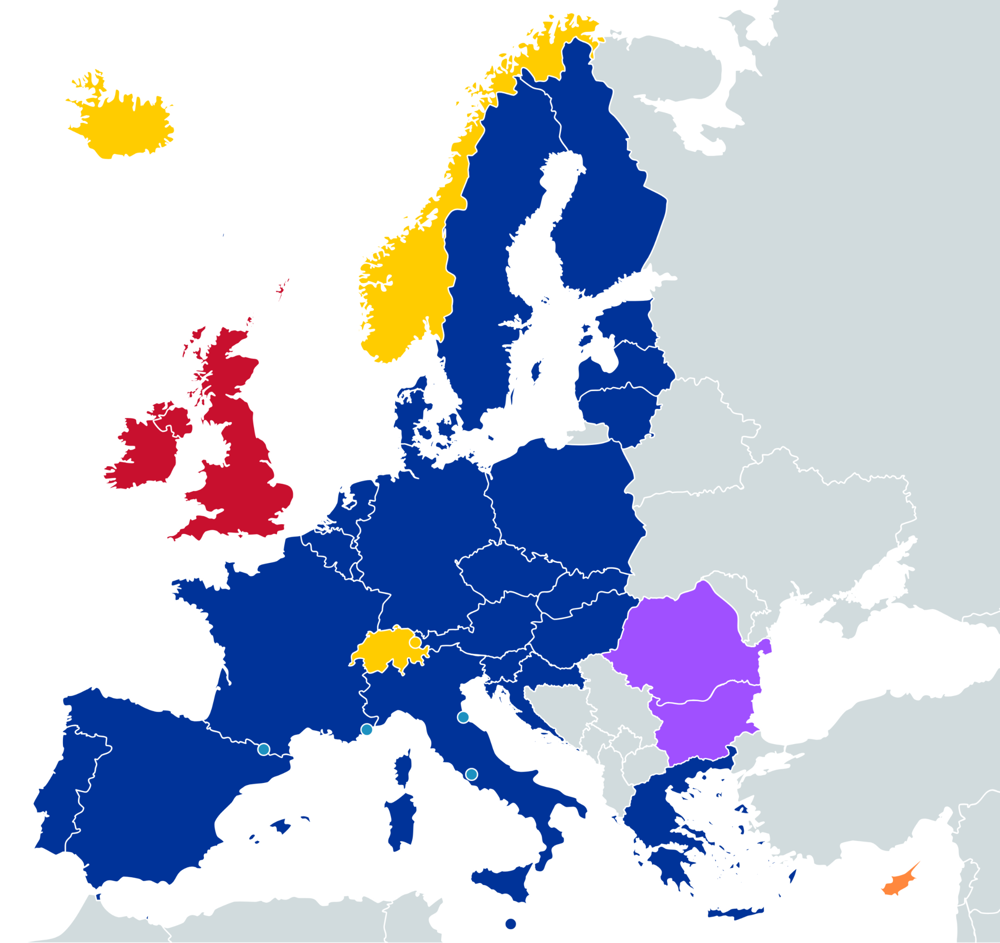
The incorporation of Hungary into the European Union’s Schengen zone marked a notable shift in the landscape of European travel and cooperation. As Hungary transitioned into this passport-free zone, it joined an agreement permitting unrestricted travel for its citizens across the 26 member countries at that time. This move was part of a broader EU effort to eliminate border controls and promote integration among member states.
The origin of the Schengen Agreement dates back to an initial accord where several EU members committed to abolishing border checks at shared frontiers. Membership extension to Hungary was achieved following significant adjustments in the nation's border security and immigration regulations to align with Schengen area standards. This involved the implementation of stringent measures to secure the outer boundaries of the EU, ensuring controlled and managed entry from non-member countries.
The impact of Hungary's accession to the Schengen zone was multifaceted. For Hungarian citizens, it meant greater ease of movement throughout Europe, facilitating both personal and professional travel, and bolstering opportunities for employment, tourism, and education abroad. Furthermore, it accelerated economic interactions and cultural exchanges within the EU, contributing to a more interconnected Europe.
On a socio-political level, Hungary's entry into the Schengen zone symbolized deeper integration into the European Union framework and an enhanced role in continental governance and security collaboration. For the EU, it represented an expansion in the free movement of people, one of the core principles of the Union, and a step toward further unity within its diverse membership.
From a statistical perspective, Hungary saw a significant uptick in border crossings and trade activities post-integration, reflecting the ease with which goods, services, and people could move across member states. This not only benefited Hungary's economy but also reinforced the interconnected market mechanisms integral to the EU's functionality.
In summary, Hungary’s accession to the Schengen zone underscored an important phase in Europe's pursuit of unimpeded travel and cooperation among its members, highlighting both immediate conveniences for citizens and broader contributions to the EU’s integrative processes.
#MoofLife #Hungary #SchengenZone #EuropeanIntegration #FreeMovement #EUBorders
View details1999
In the late 1990s, Hungary officially joined the North Atlantic Treaty Organization (NATO), marking a turning point in its post-Cold War history. This event solidified Hungary's transition from a Soviet satellite state to an active member of Western defense and political systems.
Background elements accompanied Hungary’s accession to NATO. Following the fall of the Iron Curtain, Hungary underwent significant political, economic, and military reforms to align itself with Western values and security structures. The integration process involved meeting strict criteria, such as establishing civilian control over the military, ensuring human rights protections, and participating in joint military exercises with NATO forces. Hungary's ambition to join was driven by the desire for guaranteed security, economic stability, and political solidarity with the West.
The impact of Hungary joining NATO was profound, both internally and externally. Internally, it reassured the Hungarian population that their nation was now protected by one of the most powerful military alliances in the world, contributing to national security and stability. The economy benefited through increased foreign investments, driven by a perception of political stability and security guarantees.
Externally, Hungary's accession influenced regional geopolitics. This event was part of NATO's broader expansion strategy aimed at promoting stability in Eastern Europe after the disintegration of the Soviet Union. It set a precedent for other former Warsaw Pact countries to pursue NATO membership, contributing to a shift in the balance of power in Europe.
Relevant facts and statistics highlighted Hungary’s contributions to NATO missions, including participation in peacekeeping operations and military interventions. Hungary pledged to allocate a percentage of its GDP to defense spending to meet NATO requirements, reflecting its commitment to the alliance.
In conclusion, Hungary’s membership in NATO was a critical milestone in its post-Cold War development, fostering security, economic growth, and regional stability. The accession was a significant step in the broader NATO expansion strategy in Eastern Europe.
#NATO #Hungary #DefenseAlliance #EuropeanSecurity #MoofLife
View details1998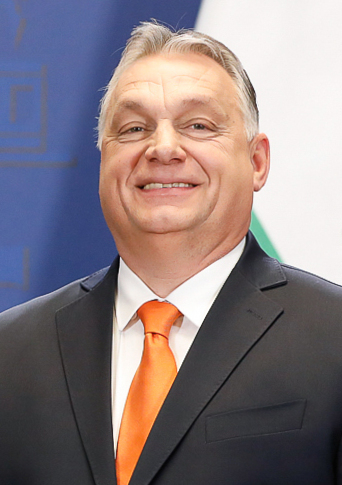
In a pivotal moment for Hungary, Viktor Orbán assumed the role of Prime Minister after his party, Fidesz, won the general elections. This victory marked a significant shift in the nation's political landscape, as it ended the eight-year dominance of the Hungarian Socialist Party (MSZP).
Viktor Orbán, a young and dynamic leader, had gradually built support through his charismatic leadership and strategic positioning of Fidesz as a center-right alternative to the left-leaning MSZP. His rise to power was also facilitated by the public's growing discontent with the preceding government's handling of economic and social policies.
The Fidesz-led coalition secured around 213 seats in the 386-seat National Assembly, reflecting a strong mandate from the electorate. This was a clear indicator of the changing political sentiment in Hungary, with voters seeking new approaches to governance and reform.
Orbán's administration quickly prioritized economic transformation and integration with Western institutions. One of the primary goals was to complete the country's transition from a Soviet-era planned economy to a market economy, fostering growth and development. His government also emphasized the importance of joining the European Union and NATO, highlighting a clear foreign policy direction aimed at reinforcing Hungary's position in Europe.
With Orbán at the helm, significant legislative and structural changes were anticipated. His leadership was expected to bring about a new era of economic policies, focused on encouraging private entrepreneurship, foreign investment, and a more robust market economy. Additionally, issues related to national identity and the preservation of Hungarian culture were given renewed attention.
The aftermath of Orbán's election saw a nation poised for transformative change, with the new government eager to implement policies aimed at enhancing economic stability and growth. This event is remembered as a key turning point in Hungary's modern history, shaping its subsequent political and economic trajectory.
#MoofLife #Hungary #ViktorOrban #Fidesz #GeneralElections #PoliticalShift #EconomicReform #NationalAssembly #EUIntegration #NATO
View details1995
Hungary’s accession to the Organisation for Economic Co-operation and Development (OECD) marked a key development in its post-Cold War economic transformation. Following decades under communist rule, Hungary began transitioning to a market economy. This move required comprehensive economic reforms, aimed at stabilizing the economy, attracting foreign investment, and fostering international trade relations.
Joining the OECD was a result of Hungary demonstrating its commitment to democratic governance, market economy principles, and adherence to the rule of law. Membership required a rigorous evaluation process, including assessments of economic policies, financial transparency, and regulatory framework. Hungary worked on improving its financial systems, reducing inflation, and developing sectors such as services and technology.
The impact of Hungary becoming an OECD member was significant. Increased investor confidence led to a spike in foreign direct investment. Trade relationships with member countries strengthened, giving Hungarian businesses better access to international markets. Additionally, Hungary gained access to OECD resources, including comprehensive data, economic analysis, and policy guidance, which were instrumental in fine-tuning its reform agendas.
Statistically, Hungary’s GDP growth trajectory showed noticeable improvement post-membership. The share of exports in Hungary’s GDP increased, reflecting the integration into the global economy. Moreover, Hungary benefited from being part of a network of 30 member countries, which facilitated the sharing of best practices and innovative economic policies.
Conclusively, Hungary’s entry into the OECD was a pivotal step in its economic modernization journey. The nation gained tools and partnerships essential for sustainable economic growth and development, leading to an enhanced standard of living for its citizens.
#Hungary #EconomicTransformation #OECD #MarketEconomy #ForeignInvestment #Trade #EconomicPolicy #MoofLife
View details1990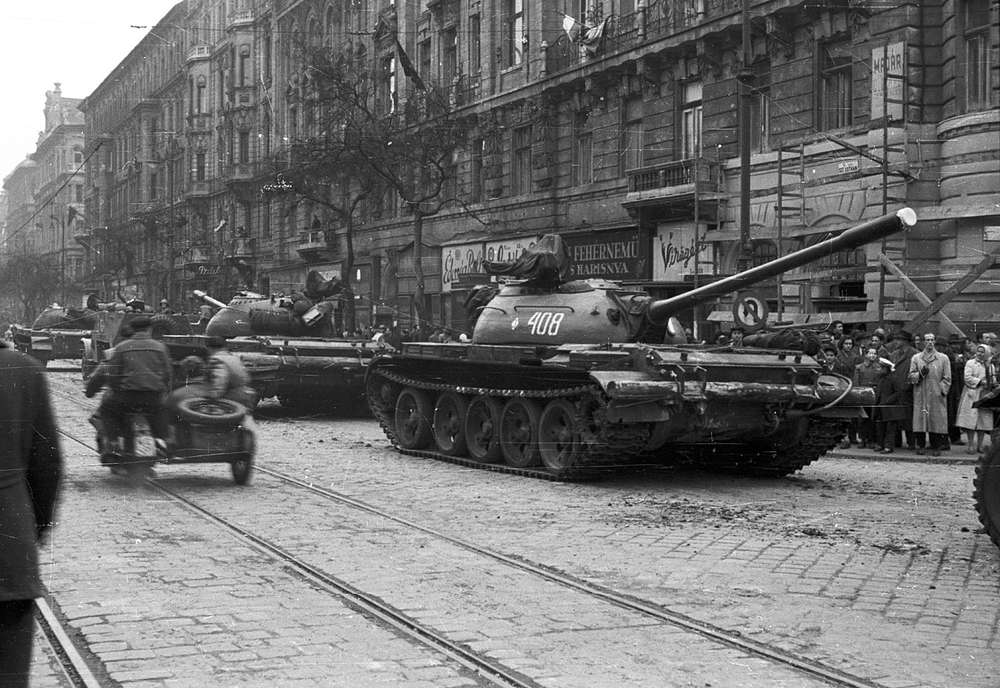
In the later stages of the 20th century, Eastern Europe experienced a critical transformation. One key event was the withdrawal of Soviet troops from Hungary. This marked a pivotal shift, bringing an end to the Cold War era's military occupations.
Background to this movement stems from the lingering presence of Soviet forces in Hungary since the end of World War II. Their presence was part of a broader Soviet strategy to maintain influence in Eastern Europe, ensuring a buffer zone against Western countries. This military presence was a symbol of Soviet authority and domination over Hungary's political and social landscape.
As political dynamics evolved, the 1980s saw a growing push for national sovereignty and democratic reforms across Eastern Europe. Hungary was no exception. The reformist wave gained momentum, encouraged by the policies of Soviet leader Mikhail Gorbachev, who introduced 'glasnost' (openness) and 'perestroika' (restructuring). These policies aimed at revitalizing the Soviet Union inadvertently empowered satellite states to pursue their independent paths.
The decision for Soviet troop withdrawal from Hungary followed negotiations between the Hungarian government and Soviet authorities. The movement was not abrupt but rather systematic, with an orderly and phased drawdown. It indicated a shift towards Hungarian autonomy and self-determination. This action was emblematic of the weakening grip of the Soviet Union over Eastern Europe.
The impact of the withdrawal was profound. It not only symbolized an end to decades of Soviet military presence but also marked Hungary's transition toward a more democratic and independent state. This event was warmly welcomed by the Hungarian population, who saw it as a significant step toward national sovereignty and integration into broader European structures.
Statistics affirming the extent of the withdrawal include the reduction of Soviet military personnel from Hungary, reverting to pre-World War II levels. This transition paved the way for subsequent political and economic reforms, contributing to Hungary's aspirations for integration with Western Europe and NATO.
Concluding, the withdrawal of Soviet troops from Hungary was a defining moment that underscored the end of an era, fostering a new chapter in Hungarian and European history. #ColdWarEnd #SovietWithdraw #Hungary #GeopoliticalShift #MoofLife
View details1989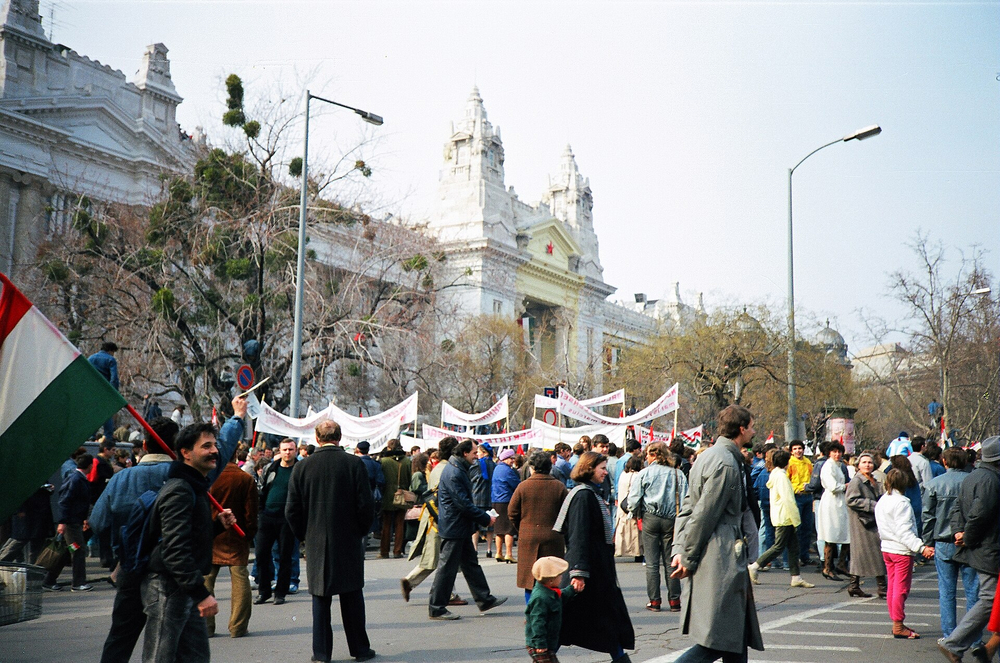
Hungary's Parliament approved the country's new democratic constitution, officially marking the end of Communist rule. This event signaled a pivotal transformation from a Communist state to a democratic republic. The background of this transition was shaped by growing dissent against the authoritarian regime that had held sway over Hungary since the aftermath of World War II. Pro-democracy movements, inspired by the reforms and changing political landscape in Eastern Europe, gained traction.
The new constitution introduced a multi-party political system, ensuring free elections and establishing fundamental civil liberties, such as freedom of speech and assembly. These changes were a response to both internal pressures and the broader wave of political reform sweeping across the Eastern Bloc, marked by similar transitions in neighboring countries.
Impact was widespread. Politically, it dismantled the single-party system led by the Hungarian Socialist Workers' Party. Economically, the shift set the course for market reforms and integration into the global economy. Socially, Hungarian citizens experienced greater freedom and a more robust civic life. This transition also paved the way for Hungary's entry into several international organizations, further integrating Hungary into the global community.
Statistics from subsequent years reflect this profound transformation. Hungary experienced its first free parliamentary elections, which saw the Hungarian Democratic Forum and other new political entities competing for power. Voter turnout and political participation surged, and Hungary's Human Development Index subsequently improved, reflecting advancements in quality of life.
The event represented not just a political change, but a societal shift towards greater freedom and democracy, which would shape the future of Hungary for decades to come.
#DemocraticTransition #Hungary #EndOfCommunism #PoliticalReform #MoofLife
View detailsIn an effort to implement reforms and foster greater openness, Hungarian officials decided to open the borders between Hungary and Austria. This development inadvertently created a pathway for a large number of East Germans seeking to leave the Eastern Bloc, where they faced restricted freedoms and economic hardship. Many East Germans had been waiting for an opportunity to escape, and the Hungarian-Austrian border shift presented a new route to the West, bypassing the heavily fortified borders of East Germany.
Thousands of East German citizens flooded into Hungary, hoping to cross into Austria and ultimately reach West Germany. This mass movement of people signified a growing dissatisfaction with the restrictive regimes in Eastern Europe. It also marked a shift in the geopolitical landscape of Europe, exacerbating the existing pressures on the East German government.
As East Germans continued to cross through Hungary into Austria, it became increasingly difficult for the East German authorities to prevent their citizens from fleeing. This exodus challenged the integrity of the Berlin Wall, which had long stood as a symbol of divided Germany and, by extension, the Cold War divide in Europe.
The Hungarian decision had far-reaching consequences. The unprecedented movement of East Germans through Hungary not only highlighted the population's desire for freedom and better living conditions but also catalyzed a series of events that ultimately led to the dismantling of the Berlin Wall. This act of border opening was a pivotal factor in the series of events that unfolded, making it a crucial step towards the reunification of Germany and ending decades of division in Europe.
The opening of the borders between Hungary and Austria played a significant role in reshaping the political and social landscape of Europe. It underscored the weakening grip of Communist regimes in Eastern Europe and the increasing inevitability of change that led to the dissolution of long-standing barriers between East and West.
#EasternBloc #BerlinWallCollapse #ColdWar #HungaryAustriaBorder #MoofLife
View details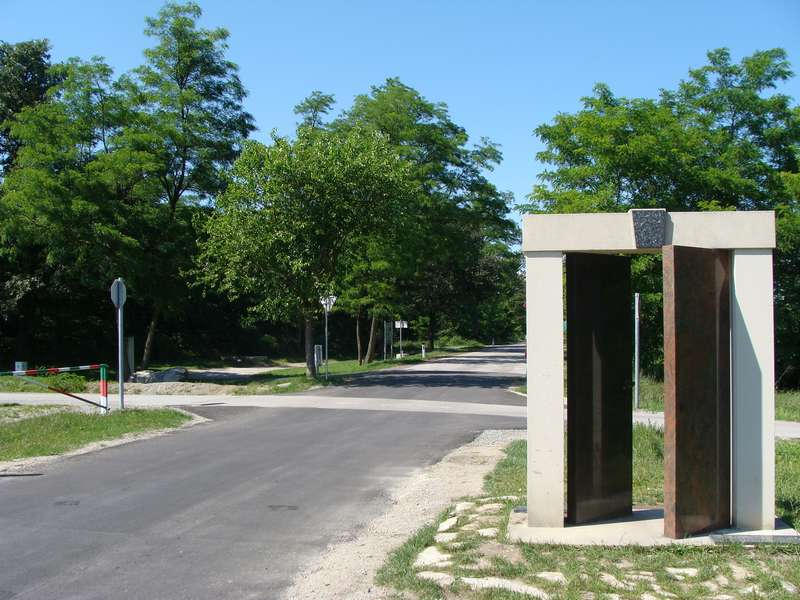
1982
In the early 1980s, Hungary, facing mounting economic challenges, made a pivotal move to integrate more deeply into the global financial system. The country's economy was strained by extensive foreign debt and inefficiencies within its state-managed sectors. The leadership recognized the critical need for economic reform and international support to stabilize and modernize its financial framework.
Amidst this backdrop, Hungary formally joined the International Monetary Fund (IMF) and the World Bank. This membership marked Hungary as the first Eastern Bloc country to take this step. The decision to join these institutions was driven by the necessity to restore fiscal balance and gain access to international financial resources and expertise.
By aligning with the IMF and World Bank, Hungary aimed to implement structural adjustments and gain credibility among Western investors. The IMF’s involvement typically came with conditions promoting market-oriented reforms, which Hungary adopted to some extent. The World Bank provided technical assistance and funding for development projects aimed at improving infrastructure and productivity.
The impact of Hungary's membership was multifaceted. Economically, it facilitated access to loans and financial assistance that were crucial for alleviating immediate fiscal pressures. It also heralded a gradual shift towards a more open and competitive economic environment. Politically, it signaled Hungary’s willingness to engage with Western economic systems, which had significant implications during the Cold War era.
Statistics from the period indicate that Hungary's external debt had become unsustainable, necessitating approximately $1 billion in financial aid. The IMF and World Bank's support proved instrumental in stabilizing the economy and paving the way for subsequent reforms.
Hungary's membership in these international bodies was a strategic decision, reflecting its broader objectives of economic recovery and integration into the global market. The move laid the groundwork for future transitions and underscored the importance of international cooperation in addressing national economic challenges.
#HungaryEconomy #IMFWorldBank #EconomicReform #ColdWarEconomics #MoofLife
View details1981
Hungary initiated economic reforms by allowing the establishment of limited private enterprises. This move came after years of a centrally planned economy which faced increasing inefficiencies and stagnation. The allowance of private enterprises was part of broader attempts to liberalize the economy and introduce market mechanisms to rejuvenate growth.
Prior to these reforms, the Hungarian economy was characterized by state ownership and control over most industries and services. The New Economic Mechanism, introduced earlier, aimed to improve economic performance by increasing the autonomy of state enterprises and introducing some market principles, but challenges persisted.
Permitting private enterprises marked a significant shift. Small private businesses began to emerge, particularly in the service sector. By the mid-1980s, thousands of small enterprises were functioning, employing tens of thousands of people. This limited privatization intended to boost productivity, reduce black-market activities, and generate additional income for the state through taxation.
This change coincided with broader global shifts. In Hungary, it contributed to a gradual yet fundamental transformation of the economic landscape, setting the stage for future reforms that eventually led to a transition to a market economy. The allowance of private business became one of the early indicators of a move towards economic liberalization in Eastern Europe.
#EconomicReform #Hungary #Privatization #MarketEconomy #PostCommunism #TransitionEconomy #MoofLife
View details1976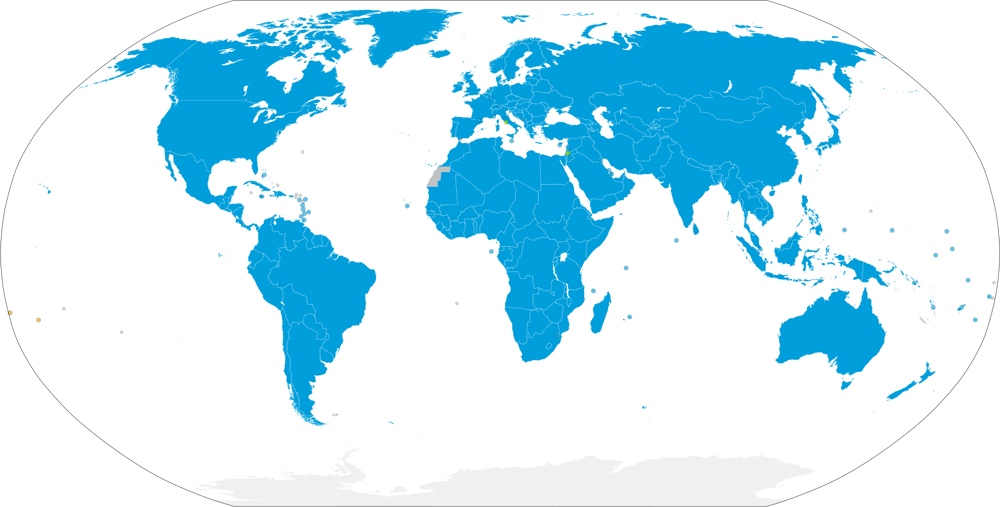
Hungary's membership in the United Nations began following extensive deliberations within the international community. Post-World War II, Hungary found itself behind the Iron Curtain as part of the Eastern Bloc, under Soviet influence. The nation navigated a tumultuous journey, marked by political and social upheaval, including the 1956 Hungarian Revolution, which was crushed by Soviet forces. Despite these challenges, Hungary worked towards improving its diplomatic relations and integrating into global institutions.
The decision to admit Hungary into the United Nations came after significant transformations in its political landscape. Inclusion in such a global body was anticipated to foster greater international cooperation and uphold the nation's commitment to maintaining peace and security. This membership also positioned Hungary to actively participate in global discussions, contribute to multilateral agreements, and benefit from developmental programs spearheaded by the UN.
From an economic standpoint, Hungary's membership opened up avenues for foreign aid and investments, as well as technical assistance from various UN agencies. It helped Hungary to establish a framework for sustainable development, human rights advocacy, and humanitarian aid, aligning with broader international norms.
Politically, this step highlighted Hungary's commitment to broader international norms and the principles outlined in the UN Charter. It symbolized the nation's reassertion into the international arena amidst Cold War tensions. Hungary's participation in the United Nations marked a significant shift towards engaging with both Eastern and Western blocs diplomatically, thus playing a role in global peacekeeping and conflict resolution initiatives.
The influence of Hungary's admission to the United Nations extends beyond its borders, providing an example of how nations entrenched in regional Soviet alignments could still engage with global governance structures. It marked a pivotal point in Hungary's modern history, affirming its position and voice in international diplomacy.
#HungaryUN #InternationalRelations #ColdWarEra #GlobalGovernance #UNMembership #HistoricEvent #MoofLife
View details1975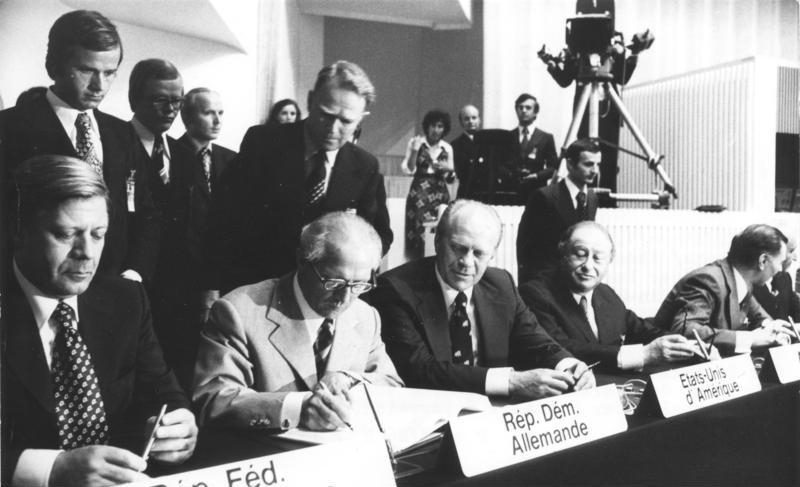
Hungary joins the Helsinki Final Act as part of the Conference on Security and Cooperation in Europe
Hungary's participation in the Helsinki Final Act occurred as part of the Conference on Security and Cooperation in Europe (CSCE). The CSCE was a multilateral forum aimed at fostering dialogue and cooperation between Eastern and Western Europe during the Cold War. With the participation of 35 countries, including all European nations (except Albania), the United States, and Canada, the goal was to reduce tensions and promote cooperation across ideological divides.
The Helsinki Final Act addressed a range of factors, divided into four primary \
View details1971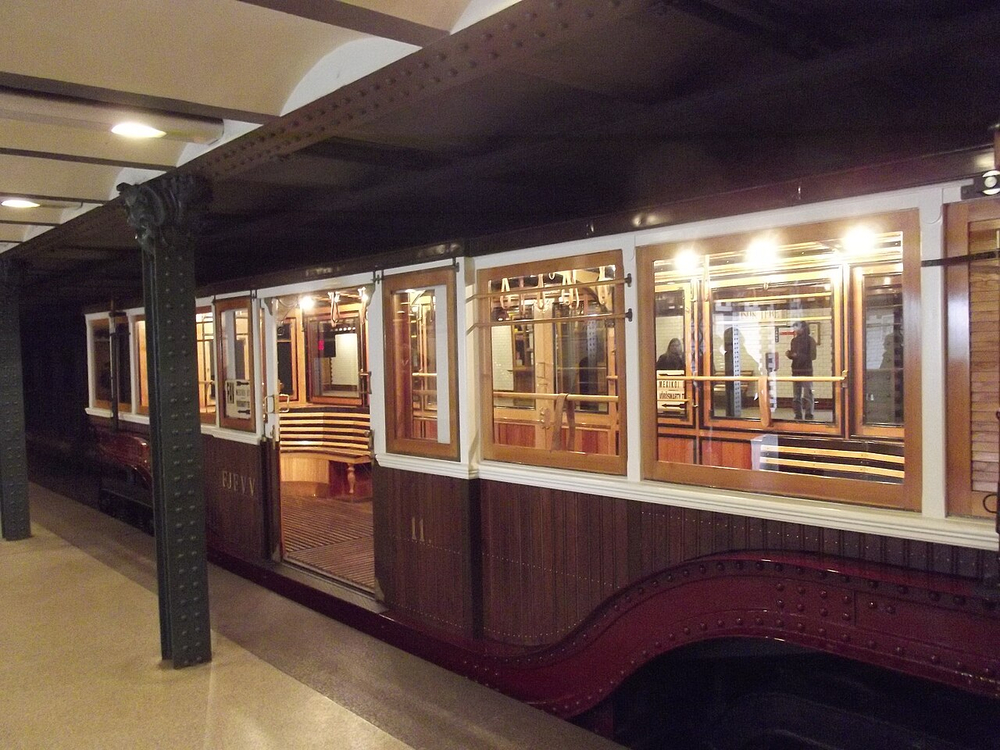
Hungary embarked on a major public infrastructure project with the construction of the Budapest Metro. The decision to build the metro system was driven by the city's growing population and the need to alleviate road traffic congestion. Budapest's increasing urbanization called for a modern and efficient public transport solution to support its expanding populace.
The Budapest Metro project aimed to enhance connectivity within the capital, facilitating more efficient movement for residents and visitors alike. The initial phase focused on constructing the east-west line, known as Metro Line M2, which was projected to significantly reduce travel time across the city. This metro line was set to intersect key parts of Budapest, connecting densely populated residential areas with commercial and historical centers.
The funding for this ambitious project came from both domestic resources and foreign investments, illustrating the importance of international cooperation in realizing large-scale infrastructure developments. Engineers and urban planners worked together to ensure that the metro's design was both functional and sustainable, considering the city's historical architecture and geographical features.
One of the challenges faced during construction was digging tunnels beneath the densely built urban landscape without disrupting existing structures. Advanced engineering techniques and machinery were deployed to ensure the excavation process was carried out safely and efficiently. Special attention was given to preserving Budapest's architectural heritage, which included subterranean passages under significant landmarks.
The introduction of the Budapest Metro had a considerable impact on commuter experiences. By providing a faster and more reliable mode of transportation, the metro system played a crucial role in shaping the daily lives of Budapest's residents. It also enhanced the efficiency of the city's overall public transport network, integrating with buses and trams to offer comprehensive mobility solutions.
Statistical analyses highlighted the metro's positive outcomes, such as improved air quality due to reduced vehicular emissions and decreased traffic congestion. Passenger surveys consistently indicated high satisfaction levels, with users praising the metro's speed, convenience, and accessibility.
Over the decades, the Budapest Metro expanded further with additional lines and extensions, reflecting the city's ongoing commitment to urban development and public welfare. The project's success became a model for other cities contemplating similar initiatives.
#BudapestMetro #UrbanTransport #Infrastructure #HungaryDevelopment #MoofLife
View details1969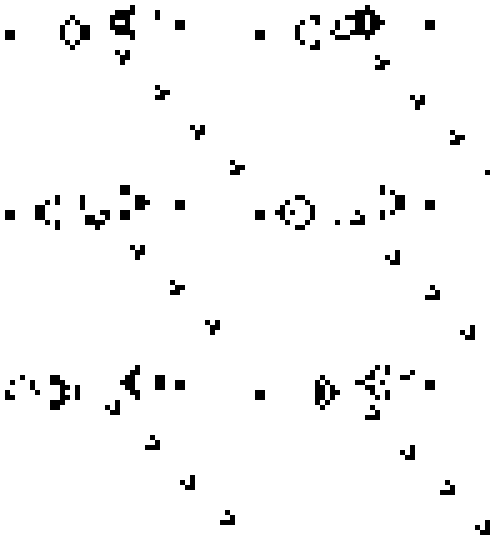
In a defining moment of computational theory, Hungarian-American mathematician John H. Conway introduced the cellular automaton known as the Game of Life. The announcement heralded a new era in the study of complex systems within mathematics and computer science. Conway, whose academic roots trace back to innovations in combinatorial game theory and group theory, sought to explore the emergent behavior of systems from simple, deterministic rules.
The Game of Life operates on an infinite grid of cells that follow a set of four simplistic rules determining whether a cell lives, dies, or reproduces. These rules, despite their simplicity, generate patterns with unexpected and intricate behaviors. Conway's fascination with these emergent complexities stemmed from a broader mathematical interest in how simple systems can lead to unpredictable and complex outcomes.
Once revealed, the Game of Life quickly garnered attention within the academic community and beyond. It served as a compelling metaphor for various scientific phenomena ranging from genetic algorithms to ecological models. Researchers found the game's capacity to simulate lively ecosystem dynamics and self-replication particularly groundbreaking. The cellular automaton attracted extensive programming interest, leading to its implementation in numerous programming environments and contributing significantly to the development of early computer graphics and simulation software.
Additionally, the Game of Life's influence extended to the burgeoning field of theoretical biology, where parallels were drawn to cellular processes and evolutionary theory. Statistical analyses and computer simulations based on the Game of Life shed light on concepts such as natural selection and genetic drift in a controlled yet dynamically evolving environment.
The impact of the Game of Life is underscored by the proliferation of academic papers, software developments, and its status as a foundational topic within introductory courses on complex systems and cellular automata. The influence of this conceptual framework continues to expand within multi-disciplinary research, inspiring investigations into artificial life, network theory, and emergent properties across varied scientific domains.
#GameofLife #CellularAutomaton #ComplexSystems #TheoreticalBiology #ComputationalTheory #JohnHConway #AcademicInnovation #MoofLife
View details1967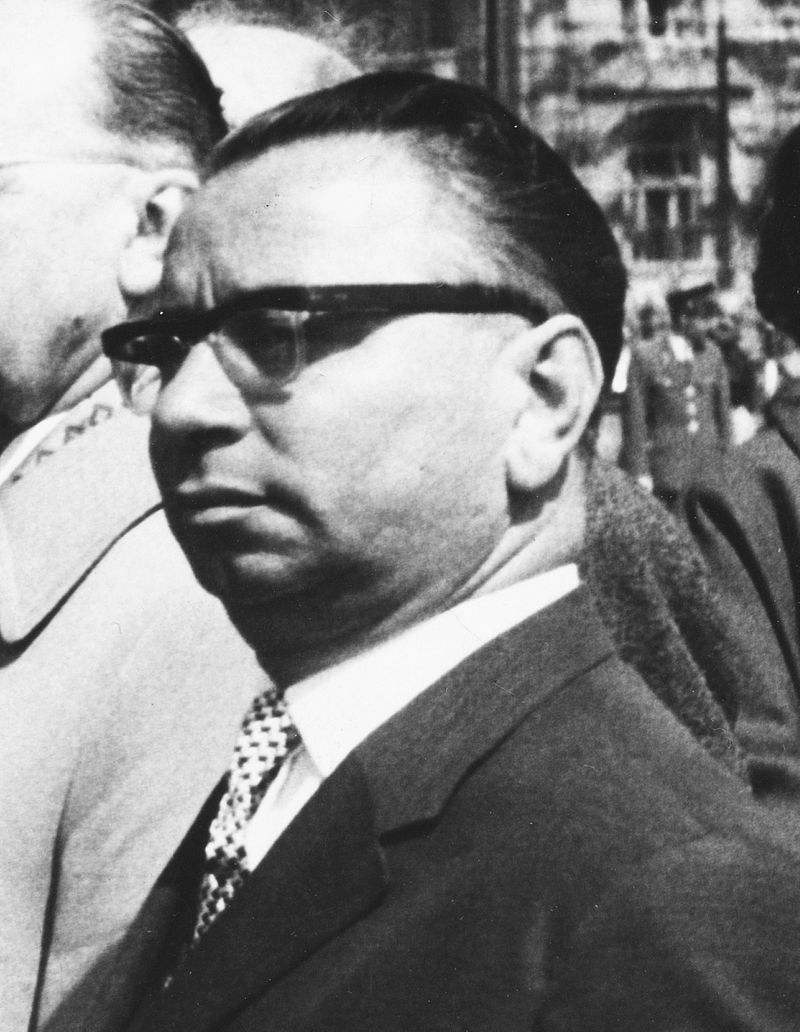
Gyula Kállai's resignation from his position as Prime Minister of Hungary was a pivotal event in Hungarian political history. Before his resignation, Kállai had been a prominent figure in Hungarian politics, serving as Prime Minister during a period marked by political and economic reforms. His tenure saw significant efforts to align Hungary more closely with Soviet policies while attempting to stabilize the nation's economy through controlled economic reforms.
Kállai's political career was deeply intertwined with Hungary's post-World War II transformation. He became a member of the Hungarian Communist Party and later played a crucial role during the Hungarian Revolution of 1956. Following the suppression of the revolution, Hungary underwent numerous reforms under Soviet influence, and Kállai held various positions of responsibility that helped to shape the course of the nation's political landscape.
One of the critical aspects of Kállai's time in office was his governance approach amidst the complex dynamics of Warsaw Pact countries. He worked on policies aimed at economic decentralization and attempted to introduce partial liberalization in an effort to boost Hungary's economic performance without deviating significantly from the Soviet model. These measures included limited market-oriented reforms that tried to increase productivity and reduce inefficiencies, but they were met with mixed results.
Upon resigning, Kállai's departure signaled a shift in Hungary’s political context. His resignation marked the end of an era characterized by cautious reform and the beginning of a new phase of leadership under János Kádár. Kádár's leadership would later pursue more extensive economic reforms, known as the New Economic Mechanism, which sought to provide greater autonomy to enterprises and introduce market-like practices within the framework of socialism.
Kállai’s resignation had a notable impact on Hungary’s political trajectory, influencing future governance and policies. His time in office is often remembered for attempting to balance Soviet alignment with the need for economic improvement. The legacy of his governance includes the nuanced approach to reform that would shape subsequent policy decisions in Hungary.
#HungarianPolitics #CommunistEra #PoliticalReform #EconomicPolicy #SovietInfluence #LeadershipChange #MoofLife
View details1957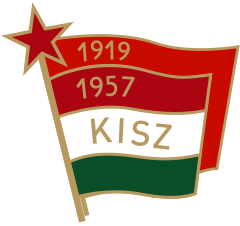
In the midst of post-war Hungary's political transformation, the establishment of the Young Communist League of Hungary marked a pivotal transition in the nation's youth organization. Originating as a direct response to the growing influence of the Soviet Union in Eastern Europe, the organization was aimed at mobilizing the younger generation towards socialist ideals and infusing the Communist Party with fresh energy and loyalty.
At its inception, the Young Communist League quickly became a keystone in Hungary’s broader political landscape. With a structured agenda focused on political education, civic engagement, and social welfare, the league sought to create a unified platform for young Hungarians aspiring to contribute to the socialist state's vision. Membership drives were extensive, reaching out to schools, universities, and workplaces, ensuring that the breadth of Hungarian youth, including various socioeconomic and educational backgrounds, were represented.
The league's activities ranged from organizing rallies, educational seminars, and community service projects to more politically oriented efforts encouraging youth participation in governance and policy-making processes. Its formation resulted in increased youth involvement in state affairs, aligning young citizens with the Communist Party’s goals and consolidating its influence over future generations.
Statistically, within a short period, the membership saw exponential growth, reflecting both the success of its integration strategies and the overarching appeal of collective ideology during the era. The league's presence was significantly felt in the cultural and social fabric of Hungary, contributing to various state-led campaigns and initiatives aimed at reconstructing society along socialist lines.
Despite the league's prominence, it operated in a backdrop of tension and cautious optimism, as Hungary navigated its complex relationship with the Soviet Union and managed domestic aspirations for autonomy and reform. The young communists became an essential part of Hungary's civil apparatus, embodying the party's hope for a resilient socialist future.
The creation of the Young Communist League of Hungary is thus a key chapter in the history of Hungarian civic and political life, embodying the dynamics of Cold War-era politics and the state's strategic focus on youth engagement.
#CommunistYouth #HungaryHistory #PoliticalEngagement #YouthMobilization #ColdWarPolitics #MoofLife
View details1956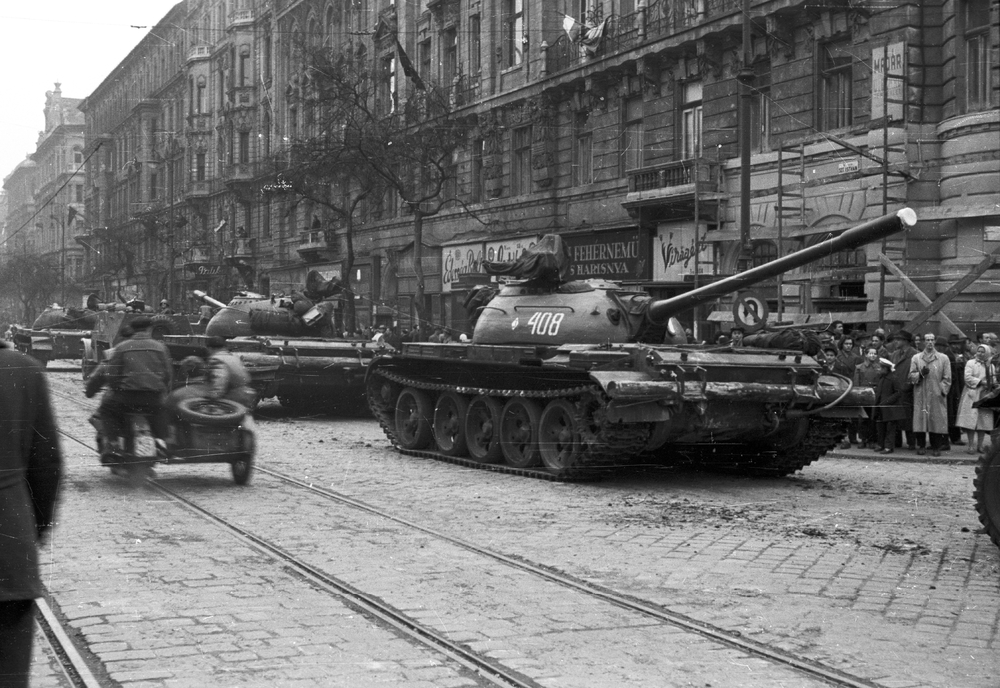
In the mid-20th century, Hungary was a part of the Eastern Bloc under significant Soviet influence. The post-World War II period saw increasing discontent among Hungarians due to political repression, economic hardship, and the lack of basic freedoms. This dissatisfaction culminated in a nationwide uprising which began as a student protest in Budapest. The demands of the protestors quickly escalated to include the implementation of democratic reforms, the withdrawal of Soviet troops, and the end of the single-party system.
The Hungarian Revolution, taken up by a diverse group of people including students, workers, and intellectuals, rapidly spread across the country. The initial success of the revolutionaries led to Soviet forces temporarily withdrawing in anticipation of negotiations. However, this period of hope was short-lived. Within weeks, the Soviet Union made the decision to reassert control. It sent in a massive military force comprising thousands of troops, tanks, and artillery units. The Soviet offensive was swift and brutal, leading to intense street fighting and considerable destruction in Budapest and other cities.
Approximately 2,500 Hungarians were killed, and over 200,000 fled the country as refugees. The Hungarian resistance was ultimately overwhelmed, and Soviet authority was re-established. János Kádár, a hardliner loyal to Moscow, became the head of the new government, ensuring Hungary remained within the Soviet sphere of influence. The revolution was a crucial point for Hungarians, demonstrating the limits of Soviet tolerance for autonomy within its satellite states.
Internationally, the suppression of the Hungarian Revolution had significant repercussions. Western nations widely condemned the Soviet actions but limited their response to political statements due to concerns about escalating the Cold War. The event was a pragmatic lesson in the geopolitical constraints of the era, revealing the lack of real support Eastern European nations could expect from the West. It also marked a deep sense of betrayal among Hungarians, fueling a long-standing anti-Soviet sentiment.
#MoofLife #Hungary #ColdWar #PoliticalRepression #SovietInvasion #HungarianRevolution #EasternBloc #RefugeeCrisis
View detailsAmid rising political unrest and public dissatisfaction in Hungary, Imre Nagy returned to power as Prime Minister. Nagy, a reform-minded leader, had previously been removed from his post due to his opposition to Soviet policies. The return of Nagy signaled a potential shift in Hungary's political direction, aligning with popular demand for greater independence from the Soviet Union.
Nagy's appointment came during the height of the Hungarian Revolution, a nationwide revolt against the Soviet-imposed policies that had griped Hungary since the end of World War II. Large-scale protests erupted in Budapest and across the nation, with demonstrators demanding political freedom, economic reforms, and an end to Soviet occupation.
Confronted with mounting pressure, Nagy took a daring step by announcing Hungary's withdrawal from the Warsaw Pact. This military alliance, dominated by the Soviet Union, was a crucial element in maintaining Soviet control over Eastern Europe. Nagy's declaration represented a direct challenge to Soviet authority and was met with widespread approval among Hungarian nationals eager for sovereignty.
The move had immediate and significant repercussions. The declaration was seen by the Soviet Union as a threat to its influence and stability in the Eastern Bloc. In response, Soviet forces launched a military intervention to suppress the uprising and reassert control over Hungary. Despite initial successes by Hungarian revolutionaries, the superior military capability of Soviet forces eventually overwhelmed the resistance.
Nagy's decision to exit the Warsaw Pact, though crushed by Soviet intervention, had lasting impacts. It exposed deep cracks in the Soviet bloc and inspired further resistance movements in Eastern Europe. The event also drew considerable international attention to the plight of nations under Soviet domination, influencing Cold War dynamics.
Ultimately, Nagy's bold actions and the subsequent Soviet response highlighted the limitations of Soviet control and the enduring yearning for national sovereignty among Eastern European countries subjected to Soviet influence. The episode remains a poignant chapter in the broader struggle for independence and self-determination in the region.
#Hungary #ColdWar #ImreNagy #WarsawPact #MoofLife
View details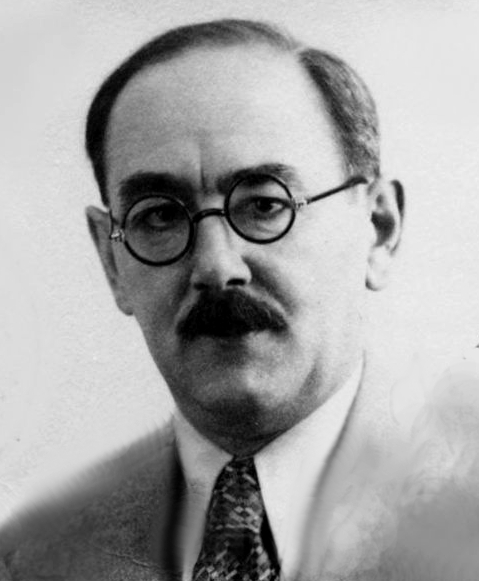
In the midst of a Cold War landscape, Hungary experienced a critical uprising against Soviet dominance. Prior to this eruption, Hungary had been under the stringent control of the Soviet Union, which imposed a communist regime that heavily restricted political freedoms and economic reforms. The Hungarian populace grew increasingly discontent with the oppressive governance, economic hardships, and lack of political freedom.
On that fateful day in October, thousands of Hungarian citizens mobilized in Budapest to demand an end to Soviet rule. The movement began as a student-led demonstration that rapidly garnered mass support, evolving into a nationwide revolt. The protesters called for political reforms, freedom of speech, release of political prisoners, and the withdrawal of Soviet troops from Hungary.
One of the notable aspects of the uprising was the initial success against Soviet forces. Hungarian revolutionaries managed to take control of key positions in Budapest, and Imre Nagy, a reformist politician, was reinstated as Prime Minister. Under Nagy’s leadership, the government declared Hungary's intention to withdraw from the Warsaw Pact, seeking neutrality and aiming for democratic reforms.
However, this period of relative freedom was short-lived. The Soviet Union, unwilling to lose its grip on Hungary, launched a massive military intervention. Soviet tanks and troops entered Budapest and other cities, resulting in fierce battles. Despite the valiant resistance of the Hungarian fighters, the Soviet forces overwhelmed them with superior numbers and firepower.
The conflict led to significant casualties, with estimates of Hungarian deaths ranging between 2,500 to 3,000, while Soviet losses were also substantial. Thousands of Hungarians were arrested, executed, or imprisoned in the aftermath. Additionally, about 200,000 Hungarians fled the country as refugees. The uprising was ultimately crushed, and Soviet control was re-established, but the event left an indelible mark on Hungarian society and the global Cold War narrative.
The Hungarian Revolution of 1956 remains a poignant example of the desire for freedom and resistance against oppressive regimes. The sacrifices made by the Hungarian people continue to be remembered as a pivotal point in the struggle for national sovereignty and democratic governance.
#MoofLife #HungarianRevolution #SovietRule #ColdWarHistory #DemocraticReforms #PoliticalUprising #HistoricalResistance
View details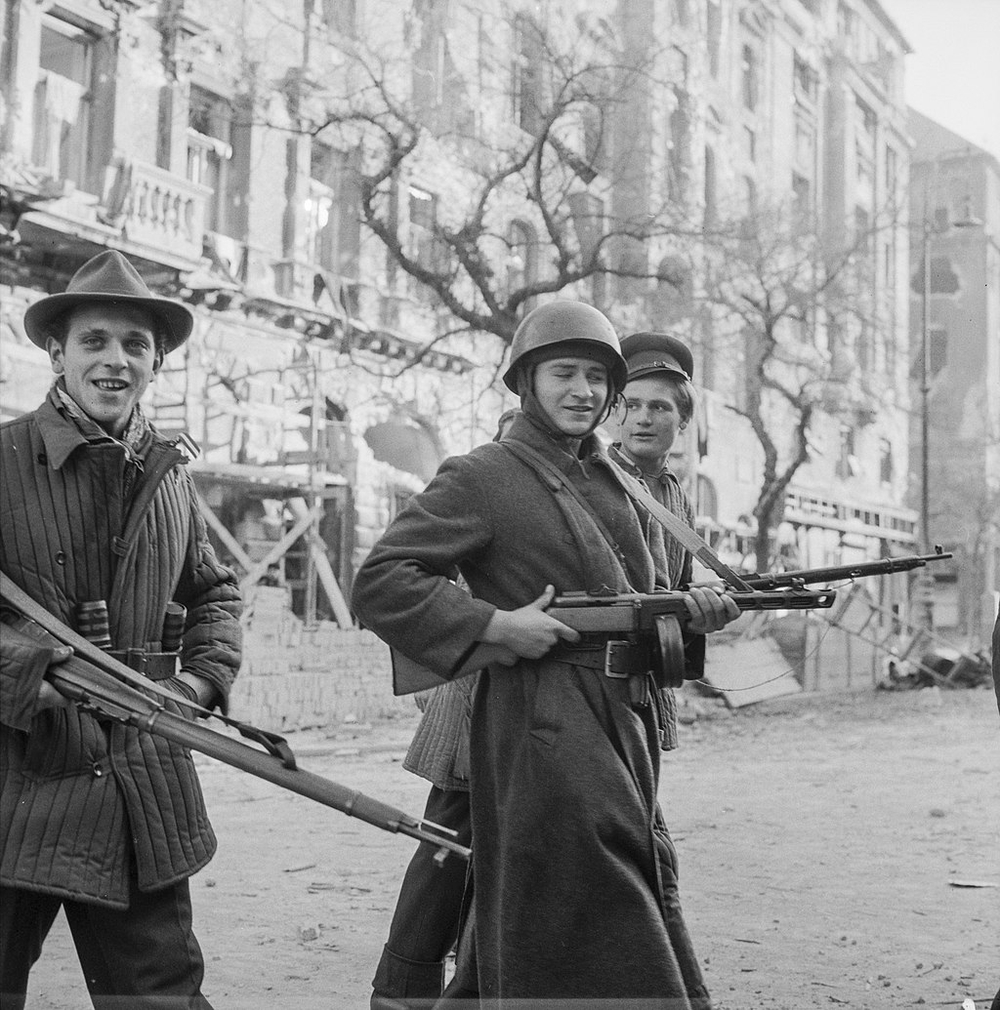
1953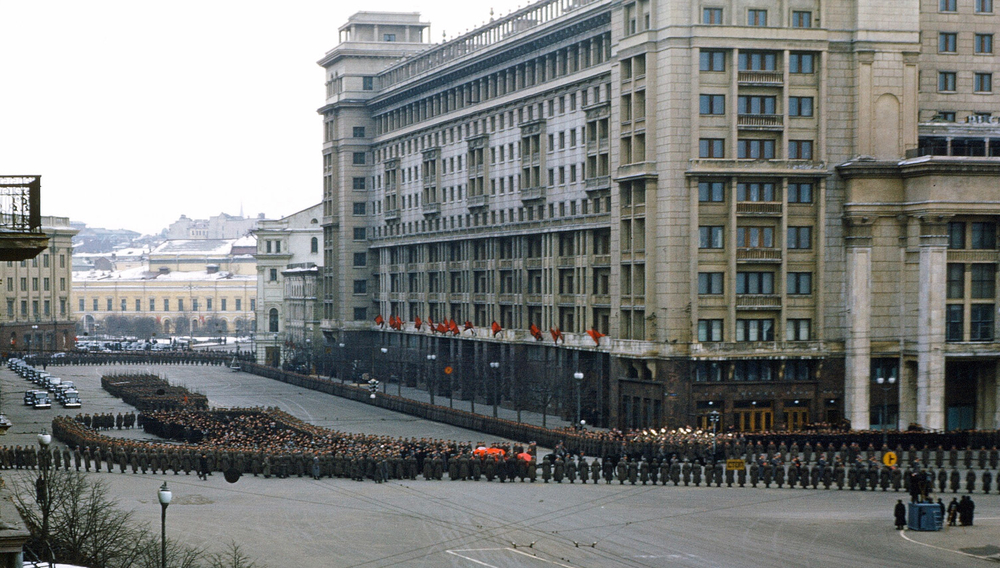
The death of Joseph Stalin in 1953 marked a turning point in the Soviet Union and its satellite states, leading to significant political shifts. In Hungary, this change opened the door for Imre Nagy, a reform-minded politician, to rise to prominence. Nagy, who had been a member of the Communist Party since its early days, saw an opportunity to implement a series of reforms aimed at liberalizing Hungary’s political and economic systems. These reforms included a move away from the oppressive Stalinist policies that had dominated the country, introducing measures like the relaxation of state control over the economy and greater freedom of expression. His approach aimed to create a more humane form of socialism that resonated with the Hungarian people's growing desire for change.
Nagy’s reforms, often referred to as the "New Course," also emphasized improving the standard of living for ordinary Hungarians, which had deteriorated under the harsh policies of his predecessors. He sought to reduce the collectivization of agriculture, which had led to widespread poverty and discontent in rural areas. Additionally, he promoted greater tolerance for religious practices, which had been heavily suppressed. While Nagy’s reforms were initially welcomed by many, they also sparked tensions within the Communist Party and with Soviet leadership, ultimately leading to his removal from power in 1955. Nonetheless, his brief period of leadership left a lasting impact on Hungary, setting the stage for the Hungarian Revolution of 1956.
#MomentsOfLife #MoofLife_Moment #MoofLife #ImreNagy #HungaryReforms #DeathOfStalin
View details