
Hungary

Tales of the Danube
Related Lives

Finland
Land of a Thousand Lakes

Ancient Greece
The Cradle of Civilization

Bhutan
Land of the Thunder Dragon

Cape Verde
Jewel of the Atlantic


Colombia
Land of Diversity and Beauty

Austria
The Land of Music and Mountains

Bangladesh
Resilience in Harmony

1008
King Stephen I of Hungary played a foundational role in the nation's transition to Christianity. One key event in his reign was the creation of the Diocese of Veszprém, which was a pivotal step in establishing a structured ecclesiastical presence in Hungary. The establishment of the diocese came during a period when Hungary was in the midst of significant religious transformation. King Stephen, having been baptized himself, promoted Christianity diligently to cement both his rule and the nation's cohesion under one faith.
The Diocese of Veszprém became one of the central pillars of Hungary's ecclesiastical infrastructure. Its creation allowed for more effective governance of religious activities and provided a focal point for missionary work. This development was not an isolated event; it unfolded in the broader context of King Stephen's efforts to create a Christian kingdom. He facilitated the establishment of several other dioceses, including Esztergom and Kalocsa, promoting the spread of Christianity throughout Hungarian territories.
The presence of the Veszprém diocese brought with it significant changes. One of the immediate impacts was the establishment of church buildings and monasteries, which became centers of learning and culture. Consequently, the clergy played a crucial role in educating the local population and integrating Western Christian traditions into Hungarian society. These changes helped to standardize religious practices and integrate Hungary more fully into the broader Christian world.
The formation of the Veszprém diocese also had a lasting impact on the regional and national identity. It contributed to the consolidation of King Stephen's power as he garnered support from the Christian church, which in turn lent him religious legitimacy. The relationship between the church and state in Hungary was solidified, a bond that would influence Hungarian politics and society for centuries.
In summary, King Stephen I's establishment of the Diocese of Veszprém was a fundamental step in Hungary's adoption of Christianity. By creating an organized ecclesiastical structure, Stephen not only promoted religious uniformity but also strengthened his reign and the cultural foundations of Hungary. The event is a crucial chapter in the history of Hungary's Christianization.
#HungaryHistory #ChristianityInHungary #KingStephenI #DioceseOfVeszprém #MoofLife
View details1000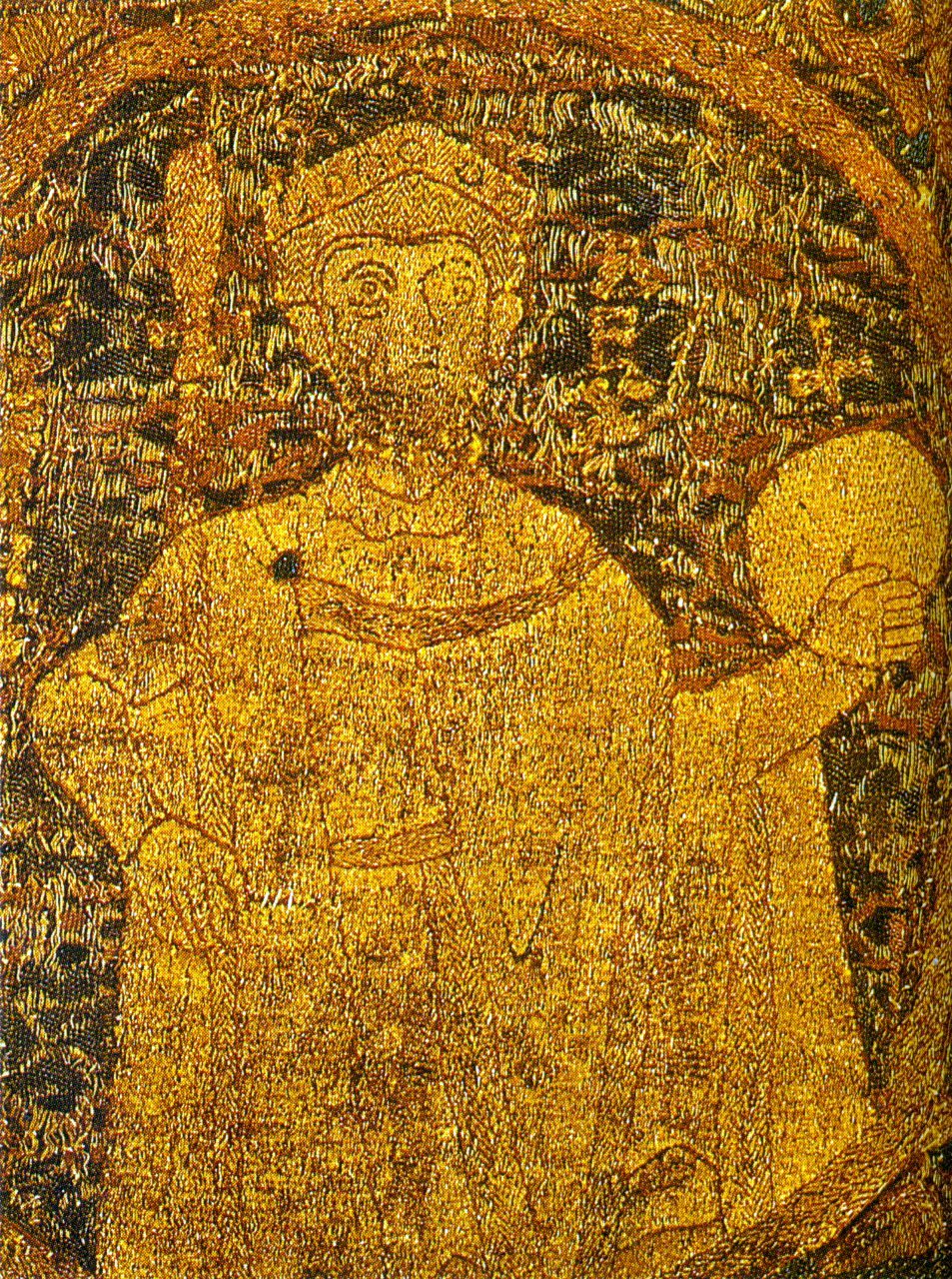
On a cold December morning, a major historical event unfolded in the Carpathian Basin: the coronation of Stephen I as the first King of Hungary. The ceremony marked a pivotal moment in Hungarian history, characterized by the transition of the Magyars from a tribal confederation toward a more structured feudal state. Stephen, born Vajk, sought to establish Christian governance and align Hungary more closely with the Western Christian Church. To that effect, Stephen turned to Pope Sylvester II, securing ecclesiastical endorsement and a sacred crown, symbolizing divine approval.
The coronation took place in Esztergom, a key center of religious and political authority. As Stephen I was crowned, the ritual involved significant ecclesiastical and secular elements, reinforcing his dual role as both spiritual and temporal leader. A critical part of this transformation involved the establishment of the Roman Catholic Church’s influence within Hungarian territories. Monasteries and bishoprics were founded, aiding in the spread of Christianity and the assimilation of Western feudal structures.
The coronation had long-lasting effects on Hungary. Politically, it fortified the nascent kingdom’s standing among European powers, moving it away from regional instability caused by frequent invasions and internal conflicts. Socially, the imposition of Christianity as the state religion encouraged unity among the diverse Magyar tribes and other ethnic groups within the kingdom. Economically, interactions with other Christian nations fostered trade and strengthened economic ties, vital for the development of an agrarian society transitioning toward organized statehood.
By aligning Hungary with Western Christendom, Stephen I laid the foundations for a kingdom that would endure for centuries. The crown, known as the Holy Crown of Hungary, became a symbol of national sovereignty and continuity throughout Hungarian history. Stephen himself was later canonized, reflecting his pivotal role in Christianizing the region and establishing a lasting legacy.
The coronation of Stephen I as the first King of Hungary was a momentous event that reshaped the region’s religious, political, and social landscape. Through strategic alliances and religious reform, Hungary emerged as a recognized kingdom under a centralized Christian rule.
#Coronation #Hungary #StephenI #Christianity #MedievalHistory #StateBuilding #MoofLife
View detailsGrand Prince Árpád, a seminal figure in the establishment of the Hungarian state, laid the groundwork in the Carpathian Basin during a period of significant migration and settlement by the Magyars. Árpád, a leader of the seven Hungarian tribes, unified these groups and led them into what is now Hungary, enabling the consolidation of a centralized power structure that would underpin the nascent state.
The foundations of this early Hungarian state were marked by notable military campaigns and strategic alliances. Árpád, capitalizing on the weakening of the Great Moravian state and the disintegration of the Kievan Rus' influence in the region, managed to establish a dominion that extended both westward into the Pannonian plain and eastward along the Tisza River. Key to this period was the adaptation of the Magyar tribes to settled life, transitioning from predominantly nomadic activities to more agrarian and feudal systems.
The impact of Árpád's consolidation efforts extended beyond immediate territorial gains. The establishment of the Hungarian state under his leadership laid the essential legal, social, and political frameworks that facilitated the future Christianization and integration of Hungary into the European feudal order. It also marked the beginning of a lineage that would eventually see the rise of the Árpád dynasty, which played a crucial role in the medieval history of Central Europe.
In quantitative terms, the geography controlled under Árpád's rule encompassed most of the Central Carpathian Basin, an area significant for its strategic location, fertile lands, and resource availability. Historical documents and archaeological findings suggest a population shift as Magyars began to build fortifications and settlements, signifying the slowly changing societal structures.
Árpád's leadership and the consequent founding of the Hungarian state under his guidance remain critical in understanding the evolution of Hungary's national identity and sociopolitical landscape. His tenure set precedents that enabled later rulers to navigate the complexities of regional politics and European geopolitics, contributing to Hungary's enduring legacy.
#HungarianHistory #Foundation #GrandPrinceArpad #MagyarUnification #StateBuilding #MoofLife
View details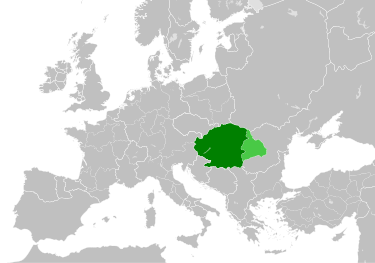
0995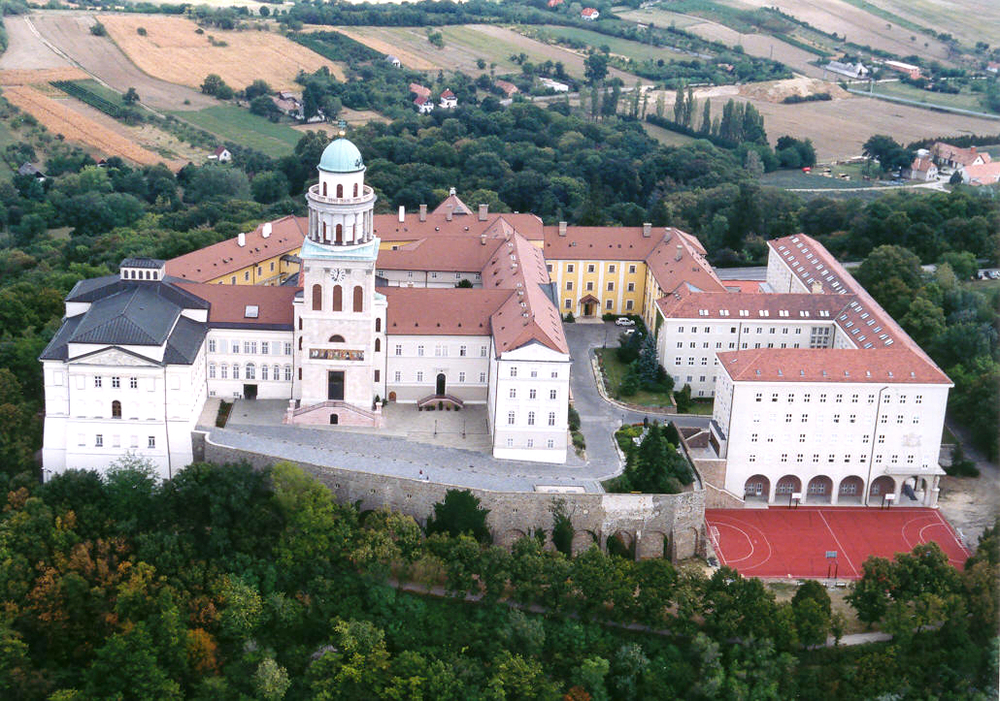
In the late 10th century, the time came when an essential step in Hungary's cultural and religious evolution was made with the establishment of the Benedictine Abbey of Pannonhalma. This foundation was initiated by Saint Stephen, the first King of Hungary, as part of his broader efforts to strengthen Christianity in the region. He sought to replace the older, pagan traditions with the Christian faith, marking an important transition in the nation's history.
Pannonhalma Abbey was situated on Saint Martin's Hill, chosen for its strategic location that provided both seclusion and accessibility. The abbey not only served as a religious center but also became a hub of learning and manuscript preservation, helping to educate future generations. The Benedictine monks who settled at Pannonhalma played a pivotal role in promoting literacy and culture. They copied religious texts, which were vital for disseminating Christian teachings and maintaining ecclesiastical records.
The abbey’s influence extended beyond ecclesiastical matters. It participated in the social and economic development of the surrounding region. The monks introduced new agricultural techniques, contributing to local agricultural productivity. Their efforts in land reclamation and farming were significant, as these changes enhanced the living conditions of the local populace.
Throughout the centuries, Pannonhalma Abbey remained a symbol of stability and continuity in Hungary. It withstood various historical challenges, including invasions and political upheavals, while continuing to be a center for worship and education. Today, it stands as a UNESCO World Heritage Site, recognized for its historical and cultural significance.
By promoting Christianity, education, and agricultural innovation, the Benedictine Abbey of Pannonhalma had a lasting impact on Hungarian society. The establishment marked a considerable step in the country's development and alignment with broader European cultural and religious trends.
#PannonhalmaAbbey #HungarianHistory #ChristianityInHungary #MoofLife
View details0955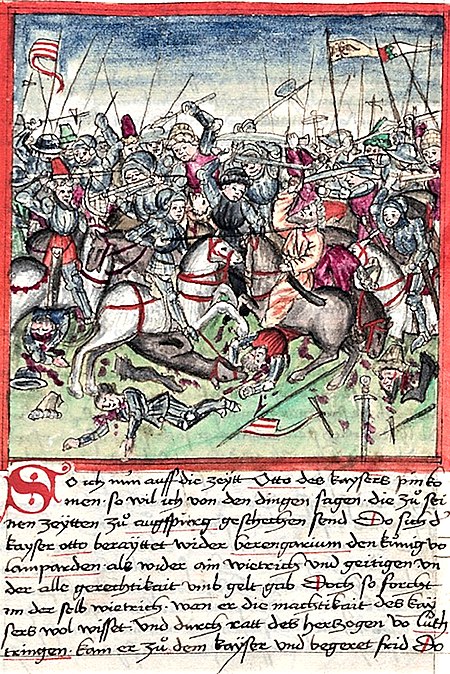
The battle of Lechfeld marked a pivotal moment in the defense of Western Europe against the Magyar incursions. The Magyar or Hungarian forces had been conducting raids across Europe, targeting settlements to gain wealth. These invasions created an atmosphere of instability and fear, disrupting trade and threatening the livelihoods of countless communities.
Otto I, King of the Germans, recognized the need for a decisive response to these persistent invasions. He mobilized a well-prepared army that included heavy cavalry, infantry, and archers, leveraging the experience and capability of his forces to counter the Magyar tactics. The Magyars, known for their speed and use of light cavalry, relied on surprise attacks and swift retreats.
The confrontation began near the Lech River, close to Augsburg. Otto strategically positioned his forces, anticipating the Magyar approach. As the battle unfolded, it became clear that the disciplined and well-coordinated German forces had the upper hand. Otto's leadership and the cohesion of his soldiers proved crucial.
The battle resulted in a decisive defeat for the Magyar forces. With their army shattered and many of their leaders captured or killed, the remaining Hungarian forces retreated. This loss significantly weakened their ability to stage future raids, effectively ending their decades-long campaign of aggression against Western Europe.
The victory at Lechfeld had further-reaching consequences, bolstering Otto's position and facilitating the eventual formation of the Holy Roman Empire. It also ushered in a period of relative peace and stability, allowing for economic and cultural development across the region. The defeat of the Magyars marked the end of the last major wave of incursions threatening Western Europe during that era.
#BattleOfLechfeld #OttoI #EndOfInvasions #HistoryOfEurope #Hungary #MilitaryStrategy #MomentOfLife #MoofLife
View details0950
The Congress of Augsburg marked a crucial turning point for Hungary, characterized by the mass conversion of its people to Christianity. The Congress, convened primarily for political negotiations in the region, provided a platform for the Christianization efforts led by German and Hungarian leaders. Prior to this event, Hungary had been predominantly pagan, with various tribes and clans practicing a range of polytheistic religions.
The decision to convert to Christianity was driven by multiple factors, including political alliances, economic benefits, and social stability. The Holy Roman Empire, under the influence of King Otto I, played a significant role in promoting the Christian faith among the Hungarian leaders. Hungarian Grand Prince Géza, who saw the potential for strengthening his rule and gaining favor with powerful Christian monarchies, actively supported the religious shift.
The conversion had several immediate and long-term impacts on Hungarian society. Firstly, it facilitated closer ties between Hungary and Western Europe, opening up opportunities for trade, diplomacy, and cultural exchange. The introduction of Christianity also meant the establishment of churches, monasteries, and dioceses, which became new centers of learning and social services.
Moreover, the Christianization of Hungary paved the way for the country's eventual integration into the European feudal system. This transition also featured the codification of laws and the establishment of a more centralized administrative framework. The incorporation of Christian rituals and holidays further unified the diverse tribes under a common religious umbrella, fostering a stronger sense of national identity.
Statistically, the population shift was significant, with a rapid increase in church attendance and baptisms. Many pagan sites were converted into Christian holy places, and religious orders, such as the Benedictines, played a substantial role in educating the populace and spreading Christian doctrines.
Overall, the Congress of Augsburg was a landmark event that shaped Hungary's religious, cultural, and political landscape for centuries to come.
#MoofLife #History #Hungary #Christianization #CulturalChange #PoliticalAlliances #ReligiousTransformation #AugsburgCongress
View details0895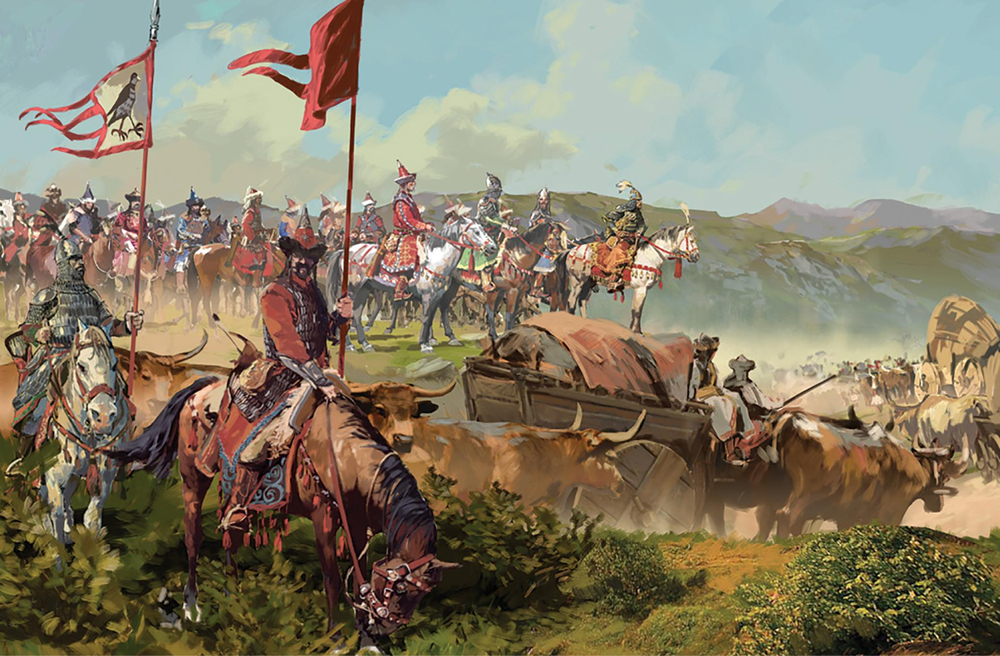
The movement of the Magyars into the Carpathian Basin marked a pivotal phase in European history, signifying the conclusion of their migratory period. Originating from the Ural Mountains and migrating westward, the Magyars – a Finno-Ugric people – had earlier settled within the regions of modern-day Russia and Ukraine. They were pressed into migration due to pressure from neighboring tribes, most notably the Pechenegs.
The Magyars, proficient in horse archery, crossed the Carpathian Mountains and entered the basin, which offered fertile lands and strategic advantages. This basin, located in what is present-day Hungary, provided the Magyars with the pertinent resources needed for them to settle and establish a society. Their arrival disrupted the existing Slavic, Avar, and Bulgar populations, leading to alliances and conflicts that would shape the sociopolitical landscape.
With their arrival, the Magyars engaged in raids across the European continent, reaching as far as Italy and the Iberian Peninsula. These raids established their presence as a formidable force. In time, their focus shifted from raiding to settling, marking the beginnings of what would become the Kingdom of Hungary. This transition facilitated agricultural development, trade, and interaction with neighboring states, fostering a blend of cultures and ideas in the region.
Statistics indicate that the Magyar population, initially estimated to be around 200,000, sustained a substantial growth over the following centuries. This demographic shift had a lasting impact on the Carpathian Basin, influencing its development and significance in European geopolitics. The Magyar’s integration into the Christian and feudal systems of Europe allowed them to establish a lasting legacy, blending their nomadic customs with the sedentary lifestyle of European kingdoms.
The establishment of the Magyars in the Carpathian Basin also paved the way for their rulers to exert control and consolidate power, culminating in the reign of King Stephen I, who played a crucial role in uniting the Magyar tribes and laying the foundation for the modern state of Hungary.
#CarpathianBasin #Migration #Hungary #Magyars #HistoricalImpact #EuropeHistory #MoofLife
View details0894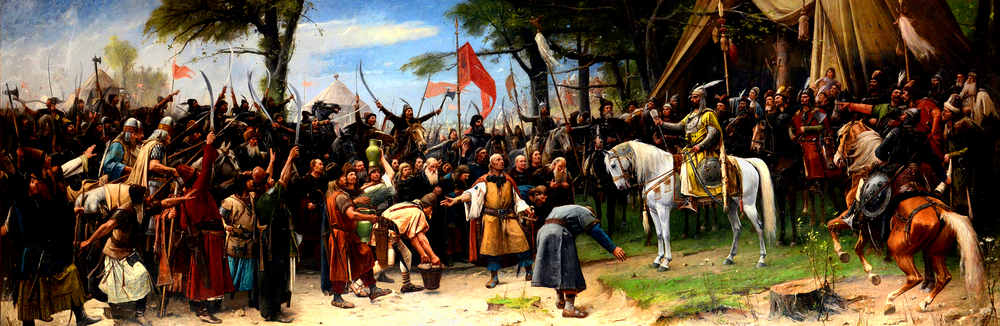
The Hungarian conquest of the Carpathian Basin marked a pivotal shift in the regional dynamics of Central Europe. The event unfolded as the Hungarian tribes, led by Árpád, migrated from the Steppe regions into the Carpathian Basin. This movement was largely driven by pressure from the Pechenegs, a nomadic group who pushed the Hungarians westward.
Upon arrival, the Hungarians encountered various Slavic and other local tribes who had inhabited the region. Armed with superior horseback combat skills and advanced military tactics, the Hungarians succeeded in overcoming the local defenses. Their swift and efficient cavalry proved decisive in establishing dominance and settling into the territory.
The initial phase of the conquest involved securing key strategic locations and fortifications. This included the occupation of important trade routes and fertile lands, which would become integral to the Hungarian economic and social structure. Over time, the Hungarians integrated with local populations, influencing the existing cultures and laying the foundations for a new socio-political entity.
Legal and administrative frameworks began to take shape under the leadership of Árpád and his successors, leading to the formation of a structured state. The conquest had far-reaching impacts, including shifts in trade routes, population dynamics, and political alliances. This pivotal change also led to the establishment of Hungary as a central political entity in Europe, influencing future regional developments.
The Hungarians' control over the Carpathian Basin allowed them to exert considerable influence over neighboring regions, including interactions with the Byzantine Empire and the Holy Roman Empire. Their strategic position enabled them to become key players in regional politics, which contributed to the medieval European landscape's evolution.
The legacy of the Hungarian conquest of the Carpathian Basin remains evident in Hungary's demographic composition, cultural practices, and historical narratives. This event laid the groundwork for the Hungarian state's continuity and development over the centuries.
#HungarianConquest #CarpathianBasin #EuropeanHistory #Migration #MilitaryStrategy #Árpád #CentralEurope #MoofLife
View details0861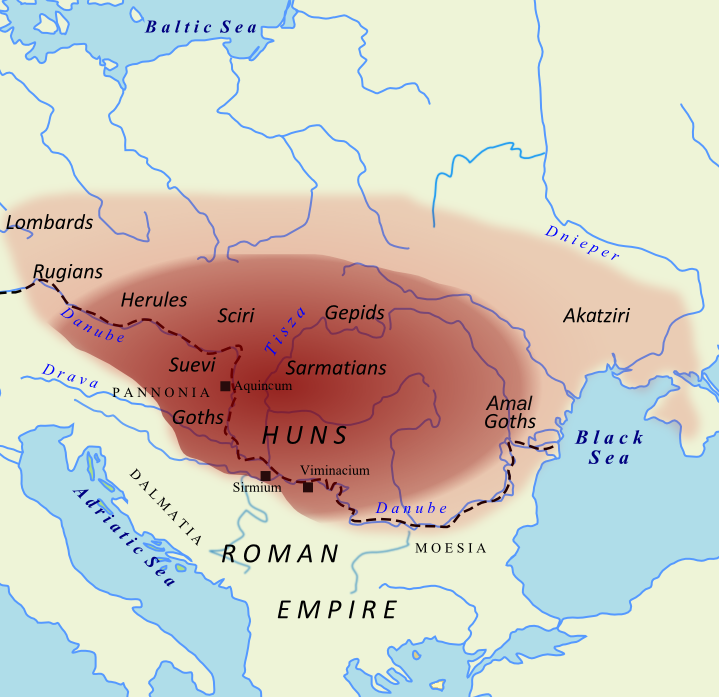
The arrival of the Huns in the Carpathian Basin marks an important epoch in the region now known as Hungary. Emerging from the eastern steppes, the Huns, under the leadership of their chieftains, advanced into the Carpathian Basin, a strategic and fertile region. This migration set in motion a series of socio-political changes that had lasting effects on the area.
Primarily nomadic warriors, the Huns were adept in cavalry warfare, which they employed to subdue various local tribes and establish their dominance. The existing societies in the region, comprising a mosaic of ethnic groups, were either assimilated or displaced. This movement significantly altered the demographic and cultural landscape of the Carpathian Basin.
The impact of the Huns' arrival was manifold. Economically, the introduction of new trade routes and tribute systems bolstered the local economy. The Huns brought with them new forms of governance, which influenced the local chieftaincies and regional political structures. Militarily, their presence necessitated the development of new defensive strategies among neighboring territories, leading to a series of conflicts and alliances.
Historical records indicate that the Huns' control of the region was both influential and transient, as their dominance eventually gave way to other emerging powers. Nevertheless, their presence left an indelible mark on the cultural and political fabric of the Carpathian Basin, laying foundational elements for future states.
#HunMigration #CarpathianBasin #HungaryHistory #CavalryWarfare #TribalDynamics #AncientTradeRoutes #MoofLife
View details0622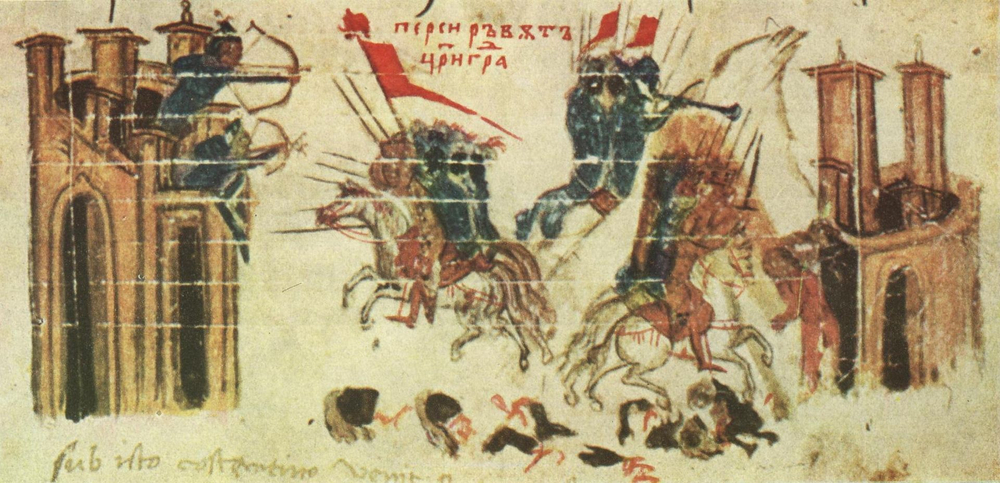
The Byzantine Empire launched a military expedition into the territory controlled by the Avars, a nomadic group that had established a significant power base in Central Europe. This maneuver was part of a broader Byzantine strategy aimed at countering the Avar threat and securing the northern frontiers of the empire.
The Avars, originating from the Eurasian steppes, had been a recurring menace to the Byzantine Empire. They had earlier pressured the Empire through a series of raids and military confrontations, frequently challenging Byzantine defenses and extracting tributes. The Avar confederation comprised various subdued tribes and villages that provided a considerable pool of warriors, enhancing their capability for rapid and impactful raids into Byzantine and neighboring regions.
The Byzantines, under the leadership of Emperor Heraclius, initiated the campaign to neutralize the Avar threat. Heraclius, who had focused significant efforts on both internal reforms and external campaigns, recognized that a direct assault on Avar-controlled territories could decisively weaken their capacity to threaten Byzantine lands. Notably, this military action also involved coordinated operations that included both infantry and cavalry units, leveraging the strategic acumen that Byzantine forces had developed through previous engagements.
The impact of this invasion was multifaceted. Militarily, it stemmed the tide of Avar incursions and compelled the Avars to reconsider their expansionist policies. Economically, the disruption of Avar control over key territories facilitated the reintegration of these areas into trade routes and agricultural production critical to Byzantine interests. Politically, it demonstrated Byzantine resilience and emboldened Heraclius' position both within the empire and on the international stage.
While exact figures regarding the size of the forces or casualties remain sparse, contemporary sources suggest significant mobilization on both sides. The Byzantine incursion deeply unsettled the Avar power structure, contributing to internal dissensions and weakening their alliance networks.
In conclusion, the Byzantine Empire's invasion of Avar territory marked an essential turning point in the protracted conflict between these two entities. This strategic offensive not only alleviated immediate threats but also reinforced Byzantine authority in the region.
#MoofLife #ByzantineEmpire #AvarConflict #Heraclius #MilitaryStrategy
View details0566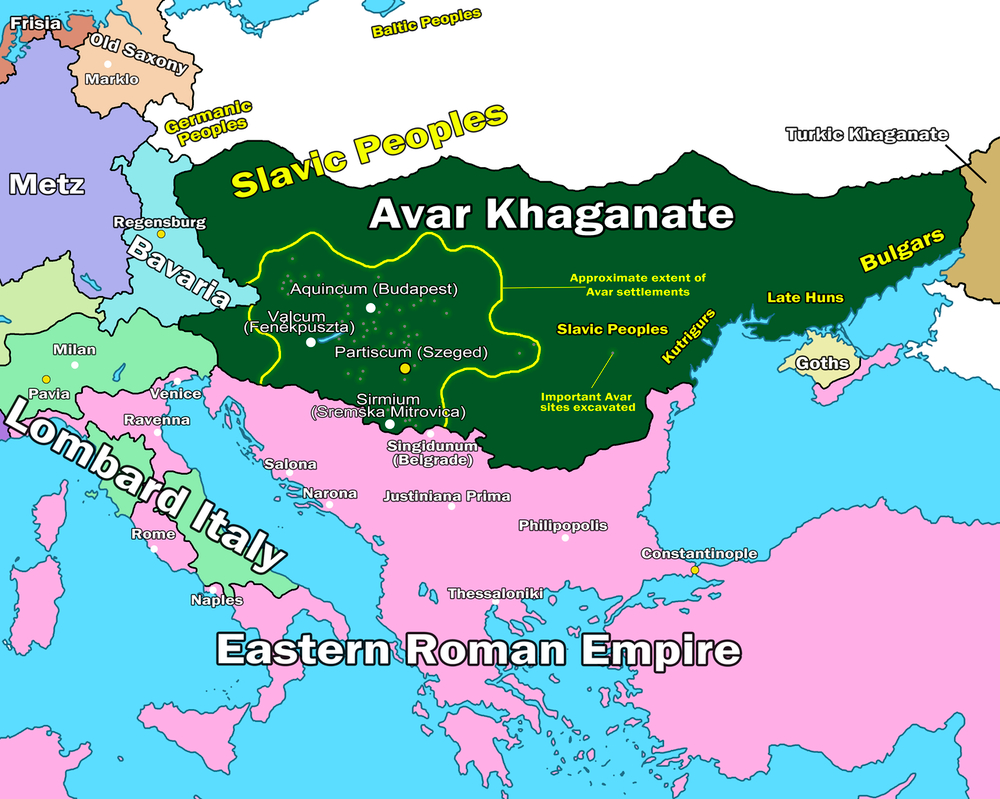
In a decisive clash that shifted the balance of power in the Carpathian Basin, the Avars overcame the Gepids. The Gepids, a formidable warrior society, had long held sway in the region. However, the arrival of the Avars, a nomadic confederation of Eurasian origin, posed an existential threat. The ensuing confrontation was pivotal in determining the control of a region rich in resources and strategic importance.
Background tensions had been brewing between the two groups. The Avars sought expansion and dominance, while the Gepids aimed to maintain their territory. The clash culminated in a battle characterized by tactical maneuvers and extensive combat. The Avar’s superior cavalry forces and strategic acumen played crucial roles. The Gepids, although valiant, were overwhelmed by the unrelenting Avar advances.
Post-defeat, the Avars established their control over the Carpathian Basin. This shift in power dynamics had several implications. The Carpathian Basin, centrally located in Europe, served as a critical link between various regions, influencing trade routes and cultural exchanges. Under Avar rule, the region saw heightened interaction with both Eastern and Western territories. The Avar Khaganate, as the new administration was called, brought about a period of relative stability and facilitated enhanced economic activities.
The conquest significantly impacted the local tribes and societies. The remnants of the Gepids either integrated into the new socio-political structure or migrated to other regions, altering demographic compositions. Moreover, the Avars’ dominance shaped subsequent interactions and conflicts with neighboring entities such as the Byzantines and the Franks.
This event is a significant historical marker for the present-day territory of Hungary. It highlights an era when the Avar Khaganate played a defining role in shaping the region’s history and cultural landscape. The legacy of this domination is evident in archaeological findings and historical records that showcase a blend of influences stemming from Avar rule.
#MoofLife #History #Avars #Gepids #CarpathianBasin #Hungary #Archaeology
View details0454
Ardaric led the establishment of the Gepid Kingdom in the Carpathian Basin, taking a decisive turn in the geopolitics of the region. After the collapse of Attila the Hun’s domination, the power vacuum created new opportunities. Ardaric seized this chance, leveraging the previous battles and alliances to solidify control over the Carpathian Basin. The Gepids, primarily a Germanic tribe, found both challenge and opportunity in the region’s strategic location, bordered by the Roman Empire, Huns, and other Germanic tribes.
The formation of the Gepid Kingdom signaled a shift, as they organized under a more centralized rule, diverging from the nomadic lifestyle prevalent during the Hunnic dominance. This period was marked by the enhancement of fortifications, establishment of trade routes, and cultural exchanges with neighboring entities. The flourishing of the Gepid Kingdom was crucial for trade, influencing the movement of goods and cultural influences across the Carpathian region.
Evidence from archaeological finds suggests a blend of influences, with Gepid craftsmanship developing distinct traits while retaining elements from their warrior past. Pottery and metalwork from this time depict the evolving society and the gradual shift towards settlement-based living. Historical records identify key leaders and administrative changes that helped stabilize and expand the kingdom’s influence.
The establishment altered the dynamics in the Carpathian Basin, impacting neighboring tribes and even the distant Roman Empire. The consolidation of power under Ardaric provided a model for governance that propelled the Gepids into a significant force. This strategic positioning laid roots for future conflicts and alliances, as the balance of power continued to shift throughout Europe.
Though the kingdom eventually fell to other emerging powers, the foundation laid during Ardaric’s leadership marked a pivotal transformation in the region’s history. The lasting cultural and political impacts reverberated through subsequent European developments.
#GepidKingdom #ArdaricLeadership #CarpathianBasin #HistoricalGeopolitics #EuropeanHistory #MoofLife
View detailsThe Battle of Nedao took place during a period of significant turmoil and shifting power dynamics in the region now known as Hungary. Following the death of Attila the Hun, leadership struggles weakened the already fragmented Hunnic Empire. The Ostrogoths and the Gepids, once subjugated under Attila's rule, saw an opportunity to revolt and reclaim their autonomy.
Ardaric, the king of the Gepids, emerged as a key figure in orchestrating the rebellion. Ardaric managed to unite various Germanic tribes, including the Ostrogoths, to challenge the Hunnic dominion. At the same time, the Huns were struggling to maintain cohesion without a strong unifying leader. Ellac, one of Attila's sons, tried to consolidate his power but faced internal dissent and external resistance.
The battle itself was a fierce and decisive encounter. The combined forces of the Gepids and the Ostrogoths clashed with the Huns near the River Nedao. The conflict resulted in heavy casualties on both sides, but it was ultimately a devastating defeat for the Huns. Ardaric's forces managed to decimate the Hunnic army, killing Ellac in the process. This defeat critically weakened the Huns' military capabilities and led to the disintegration of their empire.
The impact of the Battle of Nedao on the Hunnic Empire was profound. It marked the end of Hunnic dominance in Central Europe and the rise of the Gepids and Ostrogoths as significant regional powers. The power vacuum left by the Huns' decline contributed to a period of instability and realignment among the various tribes and kingdoms.
Statistically, the battle represented a major shift in the balance of power. It is estimated that the Huns lost a large portion of their fighting force, which could number in the tens of thousands. The exact numbers remain uncertain, but the scale of the defeat was enough to irreversibly weaken the Hunnic influence.
In summary, the Battle of Nedao was a turning point that led to the rapid decline of the Huns' control over Central Europe, paving the way for the emergence of new powers like the Gepids and the Ostrogoths. The event underscores the complexities of tribal alliances and the fragile nature of power during this historical period.
#MoofLife #BattleOfNedao #Huns #Ostrogoths #Gepids #Hungary #DeclineOfEmpires #HistoricalTurningPoint #TribalAlliances #EuropeanHistory
View details0452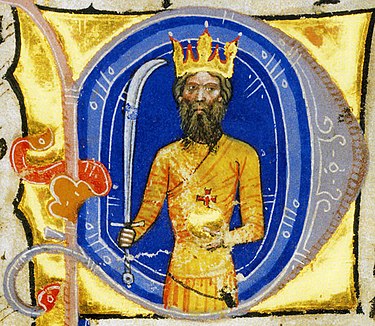
Attila the Hun was a prominent leader known for his role in the expansion of the Hunnic Empire across Europe. His dominance extended through military conquests and strategic alliances. Attila's sudden death marked a critical turning point in the history of the Hunnic Empire.
Attila's death occurred under circumstances that differ in historical accounts. One prevalent theory suggests that he died due to a severe nosebleed on his wedding night. His passing instigated immediate repercussions within the power structures of the Hunnic Empire. Attila had not established a clear line of succession, which led to internal discord among his sons and other potential successors.
The disintegration of the Hunnic Empire began almost immediately after Attila's demise. Without his unifying force, the vast network of tribes and territories he had conquered started to fracture. The Eastern Roman Empire and other surrounding entities quickly took advantage of this instability. Former subjects and conquered peoples, seizing the opportunity, rebelled against Hunnic rule.
The most notable rebellion was led by the Gepids. They, along with other federated tribes, inflicted a significant defeat on Attila's sons at the Battle of Nedao. This battle effectively shattered the Hunnic dominance over the regions they controlled.
In the wake of these events, the remnants of the Hunnic Empire splintered into smaller, more localized groups, losing their former coherence and power. The void left by the Huns' decline was filled by the resurgence of regional powers and the advance of new groupings into Europe, affecting the continent's geopolitical landscape for subsequent centuries.
The death of Attila and the subsequent collapse of his empire illustrate a pivotal shift in European history. The power vacuum contributed to the rise of other tribes and kingdoms, reshaping the continent's future.
#MoofLife #HunnicEmpire #AttilaTheHun #HistoricalEvents #EuropeanHistory #Rebellion #GeopoliticalShift
View details0273
The Battle of Châlons marked a pivotal event where Attila the Hun faced a formidable coalition comprised of Roman and Visigoth forces. This coalition was led by the Roman general Flavius Aetius and the Visigothic king Theodoric I. The battle occurred near the Catalaunian Plains in Gaul, now modern-day France. It is notable for being one of the last major military operations of the Western Roman Empire and underscored the declining influence of the Huns.
The backdrop of this clash features the Huns, who, under Attila, had become the scourge of both the Eastern and Western Roman Empires. Attila's campaigns spread fear and chaos across Europe, but his aggressive expansion faced resistance. As he pushed deeper into Roman territories, the threat level escalated, prompting an unusual alliance between the Romans and the Visigoths—traditional Roman adversaries.
Combatants at Châlons were numerous, with estimates suggesting tens of thousands on each side. The exact numbers remain debated among historians, yet the significance of the battle is undisputed. The engagements were fierce and tactical, with both sides seeking to exploit weaknesses. Theodoric I, playing a crucial role, lost his life during the battle. Even so, the coalition managed to withstand the Hun onslaught, forcing Attila to retreat.
This defeat had far-reaching impacts. It limited Attila's capacity to expand further into Western Europe, signaled the decline of Hun power, and affirmed that the once-invincible Huns could be challenged. The Visigoths, on the other hand, solidified their power, gaining greater autonomy and influence in the Roman territories. For the Romans, it was a bittersweet victory; they had defended their domain yet indicated the increasing reliance on barbarian alliances for survival.
In the historical tapestry, the Battle of Châlons serves as a testament to the shifting dynamics of power in late antiquity. It reflects the era's complex political landscape, emphasizing the transient nature of empires and the inevitable change brought by continuous conflict.
#BattleofChalons #RomanEmpire #HunDecline #Visigoths #AttilatheHun #MilitaryHistory #MoofLife
View details