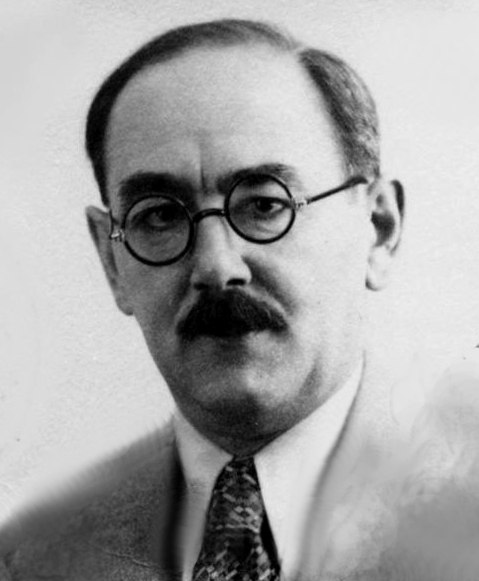
Imre Nagy announces Hungary's withdrawal from Warsaw Pact
Hungary
Political
Global Trade
5 min read
Updated By: History Editorial Network (HEN)
Published:
Amid rising political unrest and public dissatisfaction in Hungary, Imre Nagy returned to power as Prime Minister. Nagy, a reform-minded leader, had previously been removed from his post due to his opposition to Soviet policies. The return of Nagy signaled a potential shift in Hungary's political direction, aligning with popular demand for greater independence from the Soviet Union.
Nagy's appointment came during the height of the Hungarian Revolution, a nationwide revolt against the Soviet-imposed policies that had griped Hungary since the end of World War II. Large-scale protests erupted in Budapest and across the nation, with demonstrators demanding political freedom, economic reforms, and an end to Soviet occupation.
Confronted with mounting pressure, Nagy took a daring step by announcing Hungary's withdrawal from the Warsaw Pact. This military alliance, dominated by the Soviet Union, was a crucial element in maintaining Soviet control over Eastern Europe. Nagy's declaration represented a direct challenge to Soviet authority and was met with widespread approval among Hungarian nationals eager for sovereignty.
The move had immediate and significant repercussions. The declaration was seen by the Soviet Union as a threat to its influence and stability in the Eastern Bloc. In response, Soviet forces launched a military intervention to suppress the uprising and reassert control over Hungary. Despite initial successes by Hungarian revolutionaries, the superior military capability of Soviet forces eventually overwhelmed the resistance.
Nagy's decision to exit the Warsaw Pact, though crushed by Soviet intervention, had lasting impacts. It exposed deep cracks in the Soviet bloc and inspired further resistance movements in Eastern Europe. The event also drew considerable international attention to the plight of nations under Soviet domination, influencing Cold War dynamics.
Ultimately, Nagy's bold actions and the subsequent Soviet response highlighted the limitations of Soviet control and the enduring yearning for national sovereignty among Eastern European countries subjected to Soviet influence. The episode remains a poignant chapter in the broader struggle for independence and self-determination in the region.
#Hungary #ColdWar #ImreNagy #WarsawPact #MoofLife
Primary Reference
Hungary, 1956

Explore the Life Moments of
 AI Twin