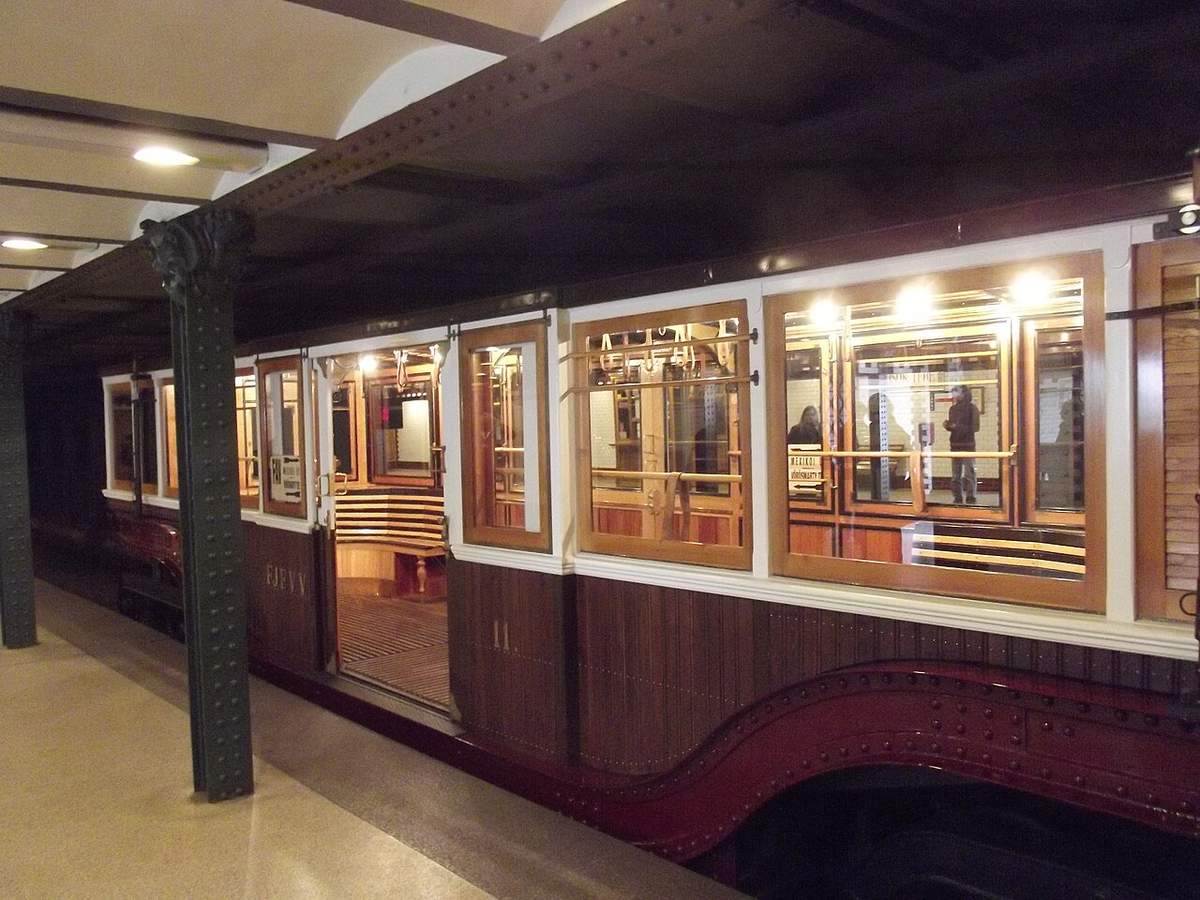
Beginning of Budapest Metro construction
Hungary
Infrastructure
Urban Transport
6 min read
Updated By: History Editorial Network (HEN)
Published:
Hungary embarked on a major public infrastructure project with the construction of the Budapest Metro. The decision to build the metro system was driven by the city's growing population and the need to alleviate road traffic congestion. Budapest's increasing urbanization called for a modern and efficient public transport solution to support its expanding populace.
The Budapest Metro project aimed to enhance connectivity within the capital, facilitating more efficient movement for residents and visitors alike. The initial phase focused on constructing the east-west line, known as Metro Line M2, which was projected to significantly reduce travel time across the city. This metro line was set to intersect key parts of Budapest, connecting densely populated residential areas with commercial and historical centers.
The funding for this ambitious project came from both domestic resources and foreign investments, illustrating the importance of international cooperation in realizing large-scale infrastructure developments. Engineers and urban planners worked together to ensure that the metro's design was both functional and sustainable, considering the city's historical architecture and geographical features.
One of the challenges faced during construction was digging tunnels beneath the densely built urban landscape without disrupting existing structures. Advanced engineering techniques and machinery were deployed to ensure the excavation process was carried out safely and efficiently. Special attention was given to preserving Budapest's architectural heritage, which included subterranean passages under significant landmarks.
The introduction of the Budapest Metro had a considerable impact on commuter experiences. By providing a faster and more reliable mode of transportation, the metro system played a crucial role in shaping the daily lives of Budapest's residents. It also enhanced the efficiency of the city's overall public transport network, integrating with buses and trams to offer comprehensive mobility solutions.
Statistical analyses highlighted the metro's positive outcomes, such as improved air quality due to reduced vehicular emissions and decreased traffic congestion. Passenger surveys consistently indicated high satisfaction levels, with users praising the metro's speed, convenience, and accessibility.
Over the decades, the Budapest Metro expanded further with additional lines and extensions, reflecting the city's ongoing commitment to urban development and public welfare. The project's success became a model for other cities contemplating similar initiatives.
#BudapestMetro #UrbanTransport #Infrastructure #HungaryDevelopment #MoofLife
Primary Reference
Case Study Budapest, Hungary Picote Brush Coating™️

Explore the Life Moments of
 AI Twin