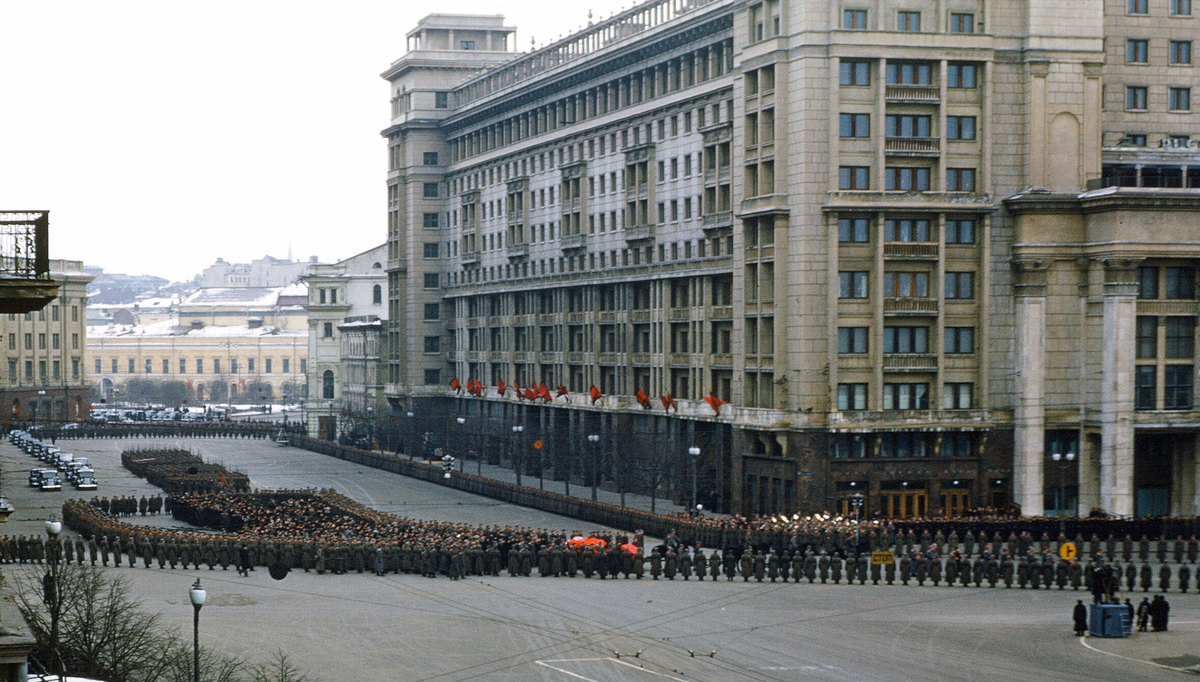
Death of Stalin, prompting some reforms in Hungary under Imre Nagy
Hungary
4 min read
Updated By: History Editorial Network (HEN)
Published:
The death of Joseph Stalin in 1953 marked a turning point in the Soviet Union and its satellite states, leading to significant political shifts. In Hungary, this change opened the door for Imre Nagy, a reform-minded politician, to rise to prominence. Nagy, who had been a member of the Communist Party since its early days, saw an opportunity to implement a series of reforms aimed at liberalizing Hungary’s political and economic systems. These reforms included a move away from the oppressive Stalinist policies that had dominated the country, introducing measures like the relaxation of state control over the economy and greater freedom of expression. His approach aimed to create a more humane form of socialism that resonated with the Hungarian people's growing desire for change.
Nagy’s reforms, often referred to as the "New Course," also emphasized improving the standard of living for ordinary Hungarians, which had deteriorated under the harsh policies of his predecessors. He sought to reduce the collectivization of agriculture, which had led to widespread poverty and discontent in rural areas. Additionally, he promoted greater tolerance for religious practices, which had been heavily suppressed. While Nagy’s reforms were initially welcomed by many, they also sparked tensions within the Communist Party and with Soviet leadership, ultimately leading to his removal from power in 1955. Nonetheless, his brief period of leadership left a lasting impact on Hungary, setting the stage for the Hungarian Revolution of 1956.
#MomentsOfLife #MoofLife_Moment #MoofLife #ImreNagy #HungaryReforms #DeathOfStalin
Primary Reference
Hungary, 1956

Explore the Life Moments of
 AI Twin