
Hungary

Tales of the Danube
Related Lives

Finland
Land of a Thousand Lakes

Ancient Greece
The Cradle of Civilization

Bhutan
Land of the Thunder Dragon

Cape Verde
Jewel of the Atlantic

Canada
The Great White North

Argentina
Land of the Tango


South Korea
The Land of Morning Calm

1781
The Hungarian Diet approved the abolition of serfdom in response to widespread calls for reform within the Kingdom of Hungary. Several internal and external pressures fueled the need for change, particularly the intellectual movement that swept across Europe, challenging the traditional feudal system and advocating for social and economic reforms.
The Hungarian Diet, comprised of various representatives from different estates of the realm, began seriously considering reforms that could uplift the peasantry and stabilize the nation. The primary objective was the emancipation of the serfs, who were bound to the land and their landlords under a system that significantly restricted their freedoms and economic opportunities.
The passing of this legislation marked a major shift in Hungarian society. It paved the way for former serfs to own land and manage it independently, which was a significant step towards creating a more equitable and modern society. This also allowed for a more dynamic and productive agricultural sector, as peasants now had greater motivation to improve their land and output without the constraints of serfdom.
The abolition of serfdom also impacted the Hungarian nobility. While it initially meant a loss of guaranteed labor, many landowners began to invest in modern farming techniques, further enhancing productivity and contributing to economic diversity. This period symbolized the beginning of various structural changes that would continue to shape the Hungarian economy and society in the subsequent decades.
The decision was a culmination of debates and slow-moving reforms within the Hungarian legislative framework, influenced heavily by the widespread ideals of the Enlightenment and the transformative events occurring across Europe. This turning point did not erase years of socioeconomic disparities immediately but set in motion the gradual transition towards a more balanced and progressive society.
The abolition of serfdom reflects the broader European trend of breaking away from medieval systems, aligning Hungary with the larger movement towards modernization and social equity.
#HungarianHistory #Reforms #AbolitionOfSerfdom #FeudalSystemEnd #MoofLife
View details1740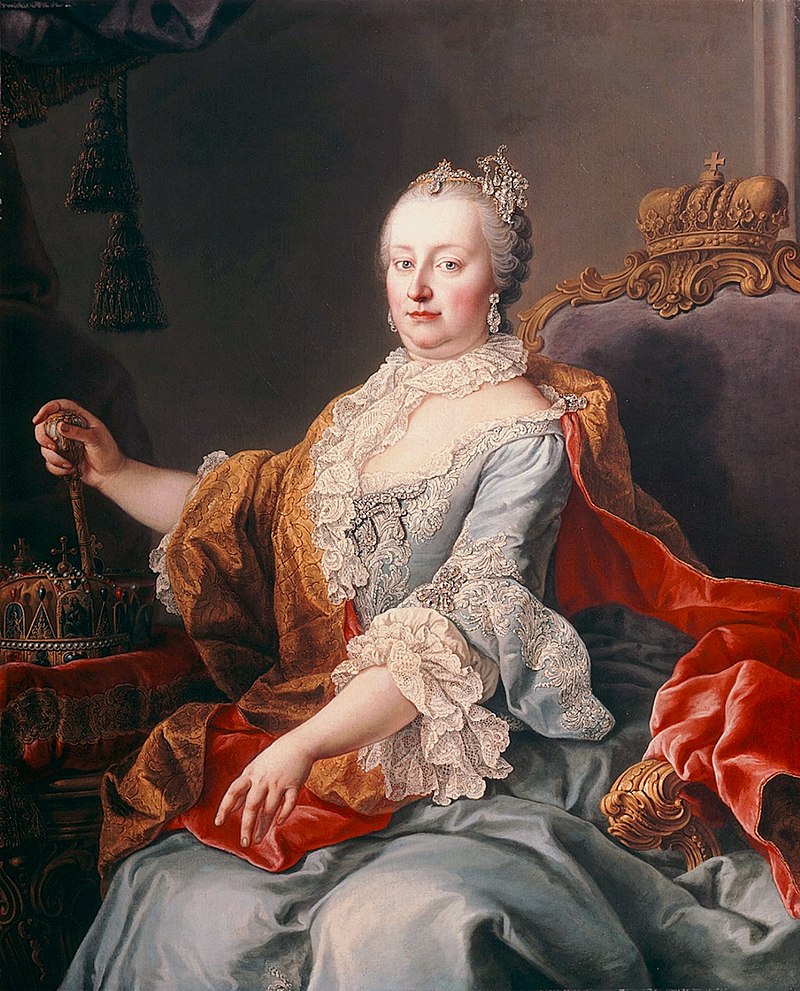
Maria Theresa's ascension to the throne of Hungary marked a pivotal transition in Central European politics. Born into the Habsburg dynasty, she inherited the rule after the death of her father, Charles VI. Her father had implemented the Pragmatic Sanction, a measure aimed at ensuring her right to succeed him despite the Salic law, which typically barred women from inheritance.
As she assumed power, Maria Theresa faced immediate challenges, including the War of Austrian Succession. Her reign began during a time of considerable territorial and political instability, as several European powers contested her claim. Despite these difficulties, she retained her rule, largely owing to her diplomatic efforts and strategic marriages within the European aristocracy.
One of the first significant steps in consolidating her power involved securing the loyalty and support of the Hungarian nobility. At her coronation, she made key concessions to the Hungarian diet, reinforcing the autonomy and privileges of the Hungarian nobility. This strategic diplomacy facilitated her acceptance as the legitimate ruler and ensured the stability of her reign in Hungary.
Maria Theresa's reign saw several reforms that impacted the Hungarian society and its governance. She implemented measures to modernize the administration and improve the efficiency of the government. Her policies extended to military reorganization, which bolstered the defense of her realm against external threats. Moreover, she sought to improve educational systems and promoted economic development, laying the foundation for future progress.
The long-term impact of her rule saw Hungary maintaining a crucial role within the Habsburg Empire, influencing Central European politics for years to come. Historians now view Maria Theresa's ability to navigate a male-dominated political landscape and retain authority as a remarkable achievement amidst the complexities of 18th-century geopolitics.
#HabsburgDynasty #HungarianHistory #MariaTheresa #Diplomacy #MonarchicalRule #WarAndPolitics #MoofLife
View details1739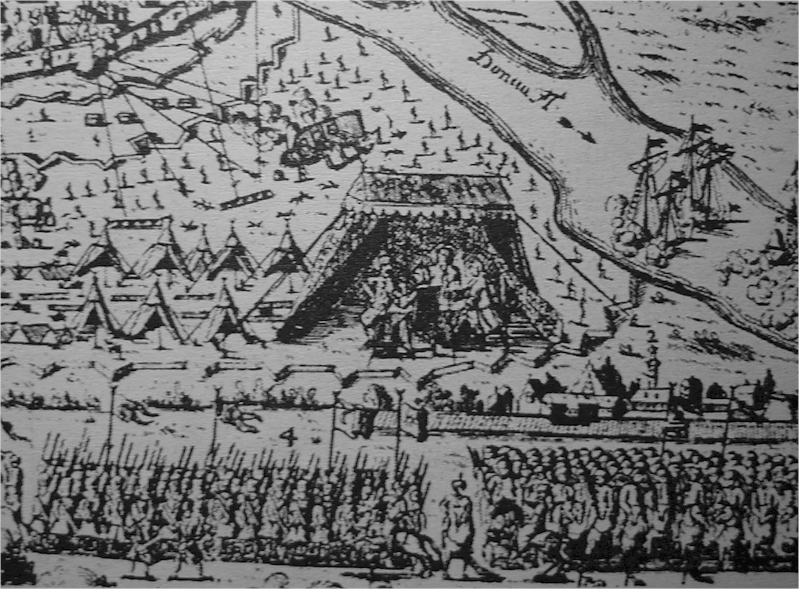
The Treaty of Belgrade marked a pivotal moment in Central European history, concluding the prolonged Hungarian-Serbian War. Tensions between the Kingdom of Hungary and the Kingdom of Serbia had escalated into a grueling conflict, drawing in broader regional powers and leading to significant human and material losses on both sides. The war was part of a series of broader geopolitical struggles involving the Ottoman Empire, Habsburg Monarchy, and regional actors who frequently shifted alliances based on prevailing circumstances.
At the height of the conflict, extensive battles and sieges plagued the region, with neither kingdom gaining a decisive upper hand. The war strained the economies and resources of both Hungary and Serbia, leading to increasing pressure from their populations and neighboring states to seek peace. Exhaustion from continued warfare made both sides more amenable to negotiations, paving the way for diplomatic talks mediated by external powers interested in restoring stability to the region.
The Treaty of Belgrade was crafted after several rounds of intense discussions. Key provisions of the treaty included the delineation of borders between the two kingdoms, establishment of demilitarized zones, and agreements on trade and commerce to rejuvenate the war-ravaged economies. Crucially, both kingdoms agreed to mutual non-aggression, which provided a foundation for sustained peace.
The immediate impact of the treaty was a cessation of hostilities and the return of soldiers to their homelands, alleviating the burden on families and communities. Furthermore, the treaty facilitated the rebuilding of infrastructure and the resumption of agricultural and commercial activities, which were crucial for regional recovery. In the long term, it contributed to a period of relative stability, although underlying tensions and territorial disputes required ongoing diplomatic vigilance.
The Treaty of Belgrade underscored the complex interplay of regional and external influences in Central Europe. It highlighted the importance of diplomacy in resolving conflicts that military might alone could not end. Moreover, the treaty set a precedent for future negotiations in the region, emphasizing the value of compromise and cooperation over extended conflict.
#HungarianSerbianWar #TreatyOfBelgrade #CentralEuropeHistory #Diplomacy #PeaceTreaties #HistoricalEvents #MoofLife
View details1711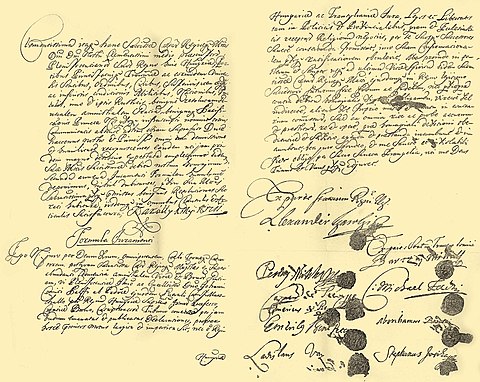
The Treaty of Szatmár marked the cessation of Rákóczi's War for Independence. This conflict aimed to regain independence with a series of military engagements led by Hungarian nobleman Prince Francis II Rákóczi against the Habsburg Monarchy. Over a prolonged struggle, Rákóczi managed to unite various factions of the Hungarian nobility and garner support from France and Poland. The war was characterized by shifts in alliance, sporadic battles, and an unstable political landscape.
Leading up to the treaty, both sides grappled with internal and external challenges. The Habsburg Monarchy faced multiple fronts and sought to consolidate control, while Rákóczi's forces, though driven by nationalist fervor, were increasingly worn down by the prolonged engagements and resource constraints. As negotiations commenced, exhaustion from continued warfare and the realization of a mutual stalemate spurred both parties to seek a resolution.
The Treaty of Szatmár provided significant concessions to the Hungarians. It allowed amnesty for the insurgents, restored confiscated estates, and granted religious freedom, addressing some concerns that had ignited the rebellion. The agreement also symbolized a compromise where Rákóczi's ambitious pursuit for full autonomy was tempered by pragmatic recognition of Habsburg sovereignty. In exchange, Hungary retained a measure of political and cultural self-determination within the empire.
In terms of immediate impact, the accord helped stabilize the region and laid the groundwork for relative peace and integration within the Habsburg domains. It marked the end of a major episode in Hungarian resistance against foreign domination, influencing subsequent national movements.
This event holds importance for its role in shaping Hungary's socio-political landscape. The treaty demonstrated the potential for negotiated settlements in conflicts deeply rooted in nationalist aspirations and external hegemonies. It also indicated the changing dynamics of European power structures, where localized agreements could bring temporary stability.
#TreatyOfSzatmár #RákóczisWar #HungarianIndependence #HabsburgMonarchy #MoofLife
View details1705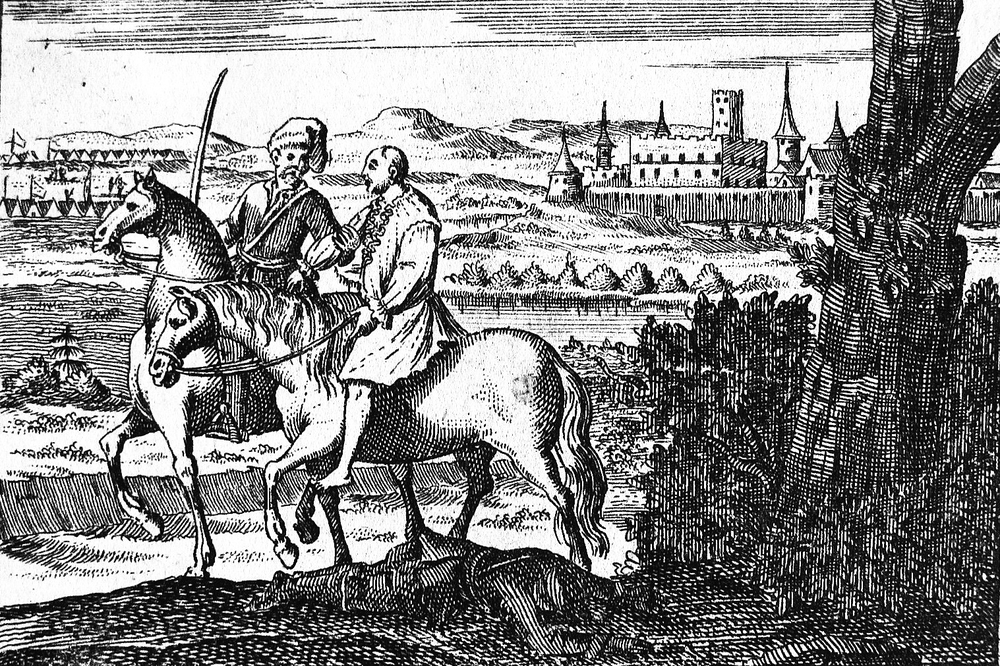
The battle at Zsibó saw the Kuruc forces, led by Francis II Rákóczi, confront the Habsburg army. Born from the socio-political tensions in the Kingdom of Hungary, the conflict was part of a larger struggle for independence from the Habsburg rule. Francis II Rákóczi emerged as a prominent figure leading the Kuruc uprising, drawing support from a broad coalition of nobles, peasants, and disaffected citizens seeking autonomy and rights.
The Habsburg monarchy, striving to consolidate its power, faced strong resistance from the Kuruc forces. Prior engagements had demonstrated the resilience and tactical acumen of the Kuruc troops, and Rákóczi's leadership further strengthened their resolve. At Zsibó, the Kuruc army aimed to halt the Habsburg advance and shift the momentum in their favor.
The battle itself was marked by strategic maneuvers and intense combat. The Kuruc forces leveraged their familiarity with the terrain and utilized innovative tactics to outmaneuver the Habsburg troops. Despite the numeric and logistical superiority of the Habsburg army, the Kuruc forces managed to secure a crucial victory through coordinated attacks and effective use of their cavalry units.
This victory at Zsibó had significant implications. It bolstered the morale of the Kuruc forces and demonstrated the viability of their cause. More importantly, it showcased the vulnerabilities of the Habsburg approach to suppressing regional uprisings. The outcome of this confrontation further destabilized Habsburg authority in Hungary, encouraging additional local uprisings and fostering broader support for Rákóczi's rebellion.
Statistically, Habsburg losses were substantial, both in terms of manpower and morale. The exact figures remain debated among historians, but the impact was clear: the Kuruc forces had achieved a momentous victory, challenging the strategic dominance of the Habsburg Empire.
Following the battle, the geopolitical landscape of Hungary continued to be shaped by the ongoing conflicts between the Kuruc rebels and the Habsburg monarchy. While the struggle for independence saw varying degrees of success, the victory at Zsibó stood out as a testament to the determination and capability of the Kuruc forces under Rákóczi's command.
#KurucRebellion #HabsburgEmpire #FrancisRakoczi #HungaryHistory #MilitaryStrategists #MoofLife
View details1702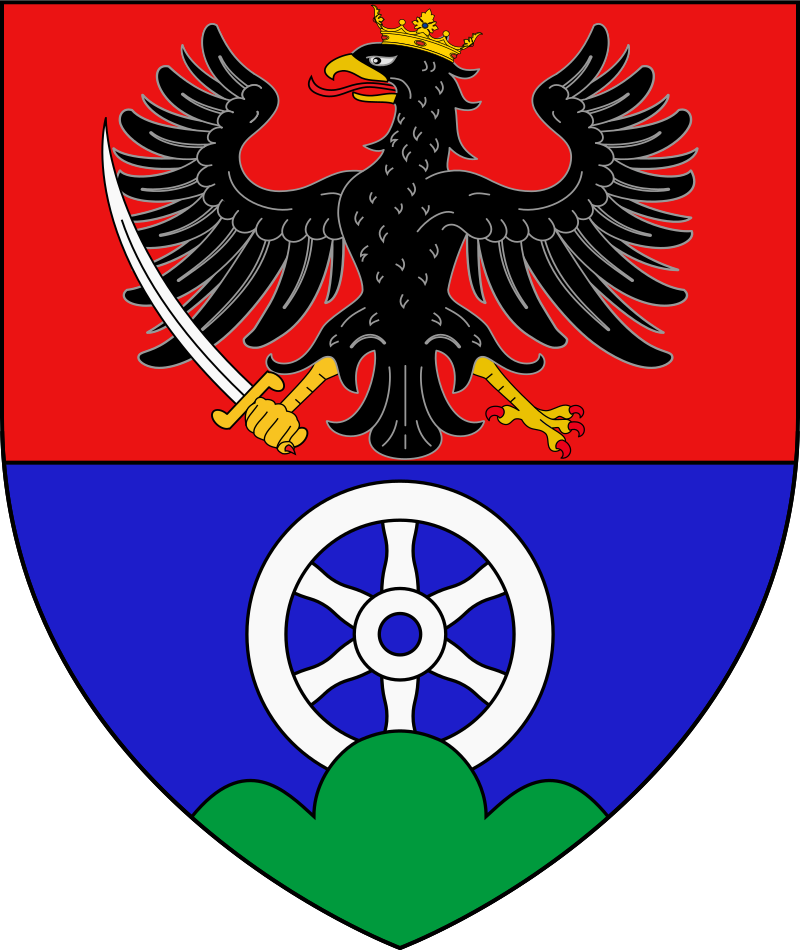
In the early 18th century, a pivotal conflict erupted in Hungary. Rákóczi's War for Independence began as a response to ongoing social and political pressures in the region. The Habsburg Monarchy's harsh rule over Hungary had led to widespread dissatisfaction, especially among the Hungarian nobility and peasantry. Tensions had been brewing due to heavy taxation, loss of political influence, and the suppression of Protestantism by the Catholic Habsburgs.
The Hungarian nobleman, Francis II Rákóczi, emerged as the figurehead of this rebellion. Recognized for his leadership and influence, Rákóczi declared his intent to fight for the liberation of Hungary from Habsburg domination. The rebellion garnered support from various social strata, including nobility, peasantry, and former Kuruc soldiers—anti-Habsburg rebels who had previously contested Austrian authority.
Financial and military backing came from France and Poland, further fueling the insurgent cause. Despite initial victories, the insurrection faced substantial challenges. The Habsburg forces were militarily superior and had access to vast resources. Additionally, political complexities within Europe saw shifting alliances that impacted the support extended to Rákóczi's forces.
The conflict ravaged the Hungarian countryside, leading to significant economic and social upheaval. Towns and villages were caught in the crossfire, resulting in widespread destruction and civilian suffering. As the war dragged on, the initial fervor of revolution faced the harsh realities of prolonged conflict.
Ultimately, Rákóczi's War for Independence did not achieve its primary objective of freeing Hungary from Habsburg rule. However, the struggle left an indelible mark on Hungarian history. It heightened national consciousness and underscored the desire for autonomy and self-determination. The war's cultural and political legacy persisted, influencing future generations and their aspirations for Hungarian sovereignty.
Rákóczi himself became a national hero, symbolizing resistance against foreign domination and the quest for national identity. His leadership and the sacrifices made during this period are remembered in Hungarian history and commemorated in various ways, including literature, monuments, and national observances.
#MoofLife #HungarianHistory #RákóczisWar #IndependenceRevolution #HabsburgConflict #NationalConsciousness
View details1699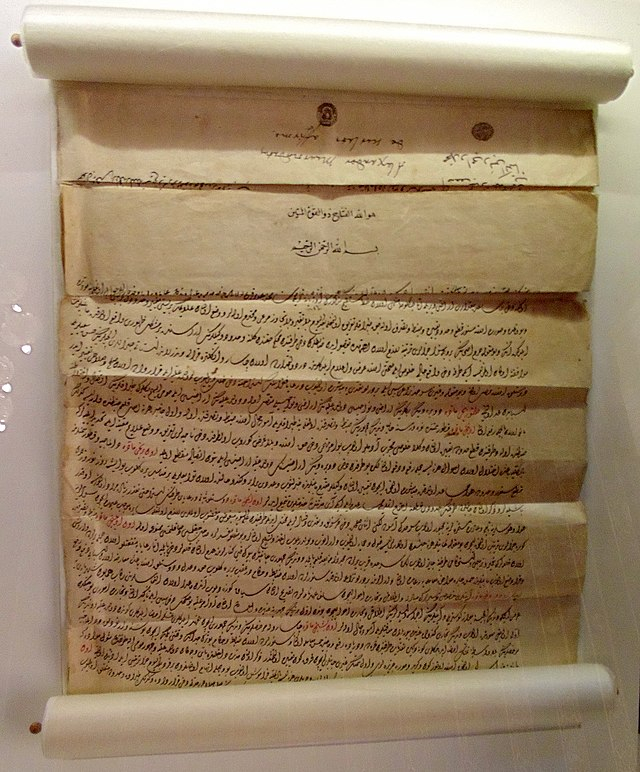
The Treaty of Karlowitz brought an end to the protracted Great Turkish War, a conflict that had engulfed much of Central and Southeastern Europe. The war saw the Ottoman Empire on one side, facing a coalition led by the Holy League, which included the Habsburg Monarchy, Poland-Lithuania, Venice, and Russia. The conflict primarily centered on control over territories that had been under Ottoman control, making Hungary a significant battleground.
By the time the treaty was formalized, both sides had suffered significant losses, with numerous battles having taken place. Notably, the Battle of Vienna marked a turning point, where the coalition forces successfully fended off the Ottoman advance, leading to a series of military defeats for the Ottomans in subsequent campaigns.
The negotiations, taking place in the town of Karlowitz, were rigorous and involved various political maneuvers from the representatives of the warring factions. Ultimately, the signing resulted in the Ottoman Empire ceding substantial territories. The Habsburg Monarchy acquired most of Hungary, Transylvania, Croatia, and Slavonia, enlarging its realm considerably and marking a shift in the balance of power in the region.
The broader implications of this treaty rippled through Europe. For the Ottoman Empire, it signaled the beginning of a slow retreat from its European territories, while the Habsburgs consolidated their influence in Central Europe. This shift set the stage for future political and military developments in the region.
Relevant statistical data suggests that the war resulted in significant military and civilian casualties, reshaping demographics and political boundaries. The accord itself became a framework for the future diplomacy between European powers and the Ottoman Empire, emphasizing a new phase of relative peace and an era where formal diplomatic dialogues began to overshadow the brute force of prolonged warfare.
This event serves as a critical pivot in European history, reflecting the complex interplay of military strategy, political negotiation, and territorial reorganization. It underscores the importance of diplomacy in the resolution of extensive conflicts and sets a precedent for subsequent treaties and alliances in the region.
#MoofLife #Karlowitz #GreatTurkishWar #HungarianHistory #EuropeanDiplomacy #OttomanEmpire #HabsburgMonarchy
View details1695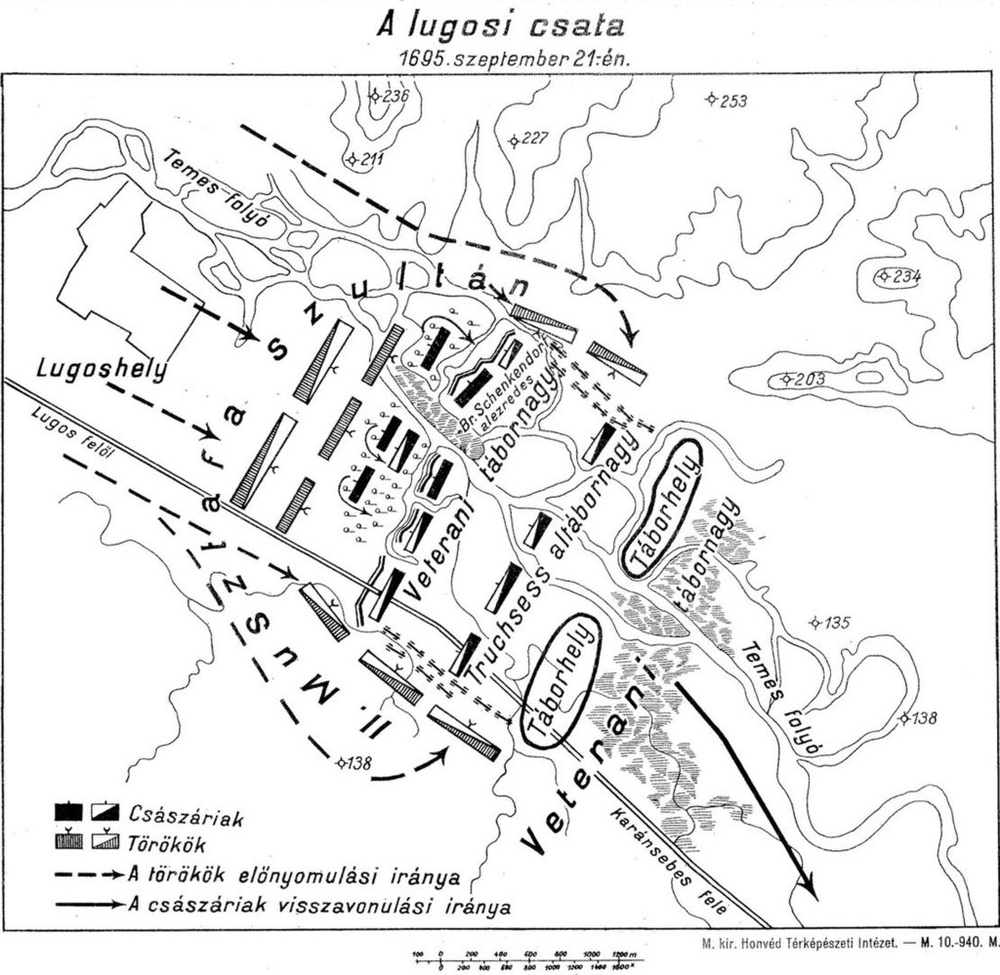
The capture of the town of Lugos by the Ottoman Turks took place during a period characterized by intense military conflicts in Europe. The town, located in southern Hungary, fell as part of the ongoing struggle between the Habsburgs and the Ottoman Empire. This event was a continuation of the protracted warfare between these two major powers, which had significant implications for the region's political landscape.
The Ottoman Empire, seeking to expand its influence in Central Europe, had been engaged in numerous campaigns to secure strategic locations. Lugos, due to its geographical position, was a target of interest for the Ottoman military. The Habsburg forces, tasked with protecting the region, were at that time stretched thin by conflicts on multiple fronts, including battles in other parts of Hungary and Europe.
The fall of Lugos resulted from a well-orchestrated military operation by the Ottomans, who managed to overcome the Habsburg defenses through a combination of siege tactics and direct assaults. The town’s capture marked a temporary setback for the Habsburg monarchy, which was trying to consolidate its control over Hungary and resist Ottoman encroachments.
In terms of impact, the loss of Lugos had both immediate and longer-term consequences. In the short term, it bolstered the Ottoman position in southern Hungary, providing them with a new base of operations and control over a crucial territory. This victory also demonstrated the ongoing threat posed by the Ottomans to the Habsburg dominions.
However, the broader context of the conflict saw fluctuating fortunes for both sides. The Habsburgs, leveraging alliances and strategic advantages, continued their resistance against Ottoman advances. The region would remain a hotspot of military engagements until broader political resolutions began to shape a new balance of power in Europe.
The historical context of the capture of Lugos highlights the complexities of European political and military dynamics during this period. The event is a reminder of the shifting tides of influence and control that characterized the era.
#OttomanWars #HabsburgDefense #HungarianHistory #MilitaryStrategy #MoofLife
View details1683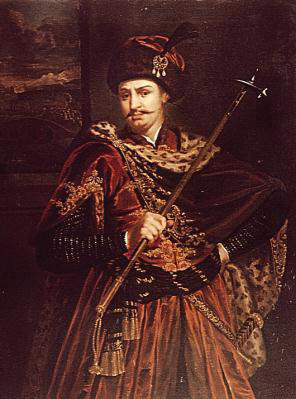
Imre Thököly, a Hungarian nobleman, spearheaded the uprising against the Habsburg Monarchy in the late 17th century. The roots of this rebellion lay in the long-standing discontent among the Hungarian nobility and peasantry towards the Habsburg rule, which they viewed as oppressive and infringing on traditional rights and privileges of Hungarians. The Habsburgs' centralization policies and efforts to impose Catholicism in the predominantly Protestant and Eastern Orthodox regions added to the prevailing unrest.
Thököly emerged as a leader with considerable support from various Hungarian factions and the Ottomans, who sought to exploit the internal strife within the Habsburg territories. Thököly's forces managed to gain control over parts of Upper Hungary, a region critical for its strategic and economic importance. The rebellion significantly strained the Habsburg resources, which were already stretched thin due to conflicts with the Ottoman Empire. The uprisings created a volatile scenario where multiple conflicts converged, weakening Habsburg dominance temporarily.
Despite gaining significant ground, Thököly’s rebellion faced considerable challenges. The Habsburgs, leveraging their military alliances and superior organization, launched counteroffensives to reclaim lost territories. The complexities of European geopolitics played a crucial role, as shifting alliances and treaties often disrupted the coherence and effectiveness of Thököly's campaign.
In numerical terms, Thököly's insurgents could not match the disciplined and well-equipped Habsburg forces. The rebellion, while initially successful in galvanizing nationalistic sentiments and bringing temporary autonomy to some regions, ultimately failed to achieve lasting independence. The aftermath saw increased Habsburg attempts at centralization and reassertion of control, laying the groundwork for future conflicts in the region.
Thököly's Uprising remains a significant episode in Hungarian history, illustrating the persistent resistance against external domination and the complex interplay of regional and international politics in central Europe.
#ThökölysUprising #HabsburgMonarchy #HungarianRebellion #17thCenturyHistory #MoofLife
View details1664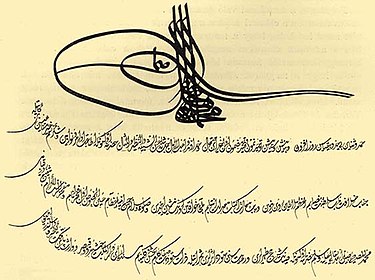
The Treaty of Vasvár concluded a protracted conflict between the Ottoman Empire and the Habsburg Monarchy, often referred to as the Long War. Stemming from territorial disputes in Central Europe, this conflict saw extensive battles and shifting alliances over nearly two decades. Hungary, a key battleground, witnessed many of these confrontations.
The treaty emerged following a significant battle near the town of Saint Gotthard, where Habsburg forces managed to claim a strategic victory against the Ottomans. Despite this military success, both empires were facing substantial war exhaustion. The Habsburg Monarchy, tied down by conflicts elsewhere in Europe, and the Ottoman Empire, dealing with internal pressures and external threats, found themselves in a position where a diplomatic resolution was essential.
In negotiations at Vasvár, representatives from both empires agreed to terms that permitted the Ottoman Empire to retain control over most of Hungary, including key fortresses such as Érsekújvár. The Habsburgs, in turn, maintained sovereignty over a smaller region of Royal Hungary. This arrangement reflected the pragmatic needs of both empires to stabilize the region without further draining their resources.
The treaty had major implications for Hungary and Central Europe. It secured relative peace in the area for nearly twenty years, allowing for consolidation of borders and administration. For the Habsburgs, it bought time to focus on other pressing concerns, including conflicts with France and the Baroque internal transformation. For the Ottomans, it meant a reprieve from military campaigns in Europe, permitting them to address issues in the east.
Statistics from the period indicate that Hungary remained under Ottoman administrative control with significant military presence, although some parts benefitted from relative stabilization. The garrisons stationed throughout retained their strategic importance in the broader context of Ottoman-Habsburg relations.
The Treaty of Vasvár exemplifies the complex interplay of military, diplomatic, and administrative strategies that shaped Central European history in this period.
#TreatyOfVasvár #OttomanEmpire #HabsburgMonarchy #Hungary #CentralEurope #MoofLife
View details1610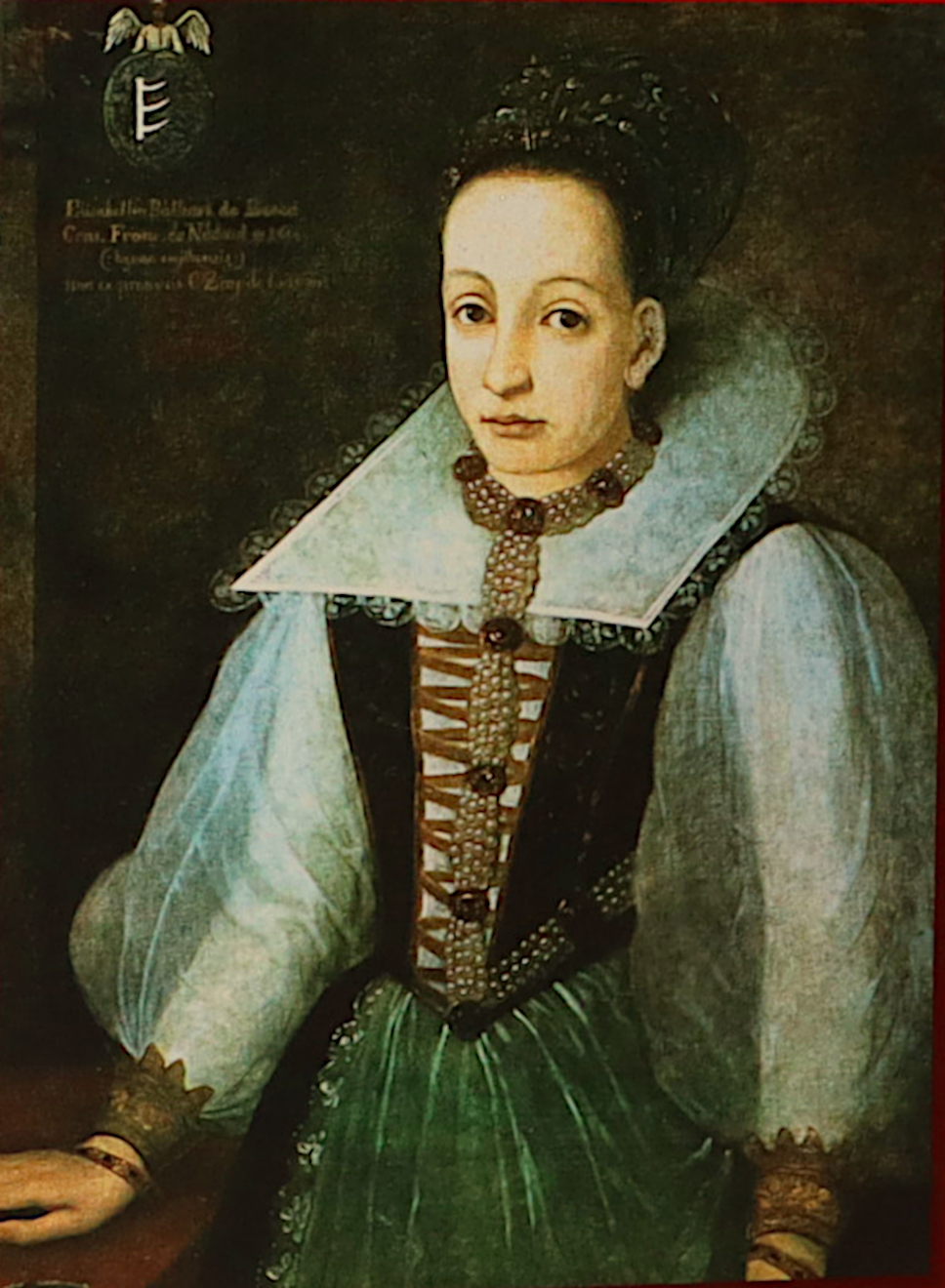
The arrest of Elizabeth Báthory, the infamous Hungarian noblewoman, at Csejte Castle in 1610 remains one of history's most chilling tales of cruelty and power. Known as the "Blood Countess," Báthory was accused of gruesome crimes, including the torture and murder of hundreds of young women. Her arrest came after years of rumors and accusations that she lured young girls to her castle under the guise of offering them work, only to subject them to horrific acts of violence. The legend surrounding her actions suggested that she believed bathing in the blood of virgins would preserve her youth, a belief that has since cemented her place in history as one of the most notorious female serial killers.
When authorities finally acted, led by King Matthias II, they stormed Csejte Castle and arrested Báthory, uncovering a scene of unimaginable horror. Evidence found at the castle—bodies of victims, instruments of torture, and testimonies from survivors and accomplices—painted a grim picture of the countess's brutality. Despite her noble status, Báthory was tried and convicted, though she was never formally sentenced. Instead, she was imprisoned in a set of rooms within her castle, where she remained until her death in 1614. The case of Elizabeth Báthory has since become shrouded in legend, blending historical facts with folklore, and leaving a legacy that continues to fascinate and horrify people to this day.
#MomentsOfLife #MoofLife_Moment #MoofLife #ElizabethBathory #CsejteCastle #BloodCountess #HistoricalHorror
View details1595
In the late 16th century, the Székelys, an ethnic group of Hungarian origin residing in Transylvania, launched a rebellion against Habsburg rule. This uprising was primarily fueled by long-standing grievances related to feudal obligations and the desire for greater autonomy. Being a borderland community with a longstanding military tradition, the Székelys were significant in both Hungarian history and the regional power dynamics.
The Habsburg Monarchy had imposed increased taxes and duties on the Székelys, disrupting their traditional privileges and pushing them towards insurrection. The native leaders, skilled in local governance and warfare, organized the rebellion. They aimed to resist the centralizing policies of the Habsburgs, which threatened their societal structures and customary rights.
The rebellion quickly gained momentum as the Székelys, armed and familiar with the terrain, mounted an organized resistance. Their efforts were characterized by a series of skirmishes and tactical maneuvers against Habsburg forces. Despite the initial successes, the Székelys faced a formidable opponent in the well-resourced and strategically superior Habsburg military.
The conflict was significant both in its immediate impact and its long-term implications. Although the Székelys did not achieve a decisive victory, the uprising compelled the Habsburg authorities to reconsider their administrative practices and military strategies in the region. It highlighted the substantial unrest among various ethnic groups under Habsburg dominion and underscored the complexities of integrating diverse territories into a centralized monarchical structure.
This rebellion is an essential chapter in Hungarian history, illustrating the persistent resistance against external control and the enduring spirit of the Székely community.
#SzékelyRebellion #HabsburgConflict #HungarianHistory #Transylvania #MoofLife
View details1593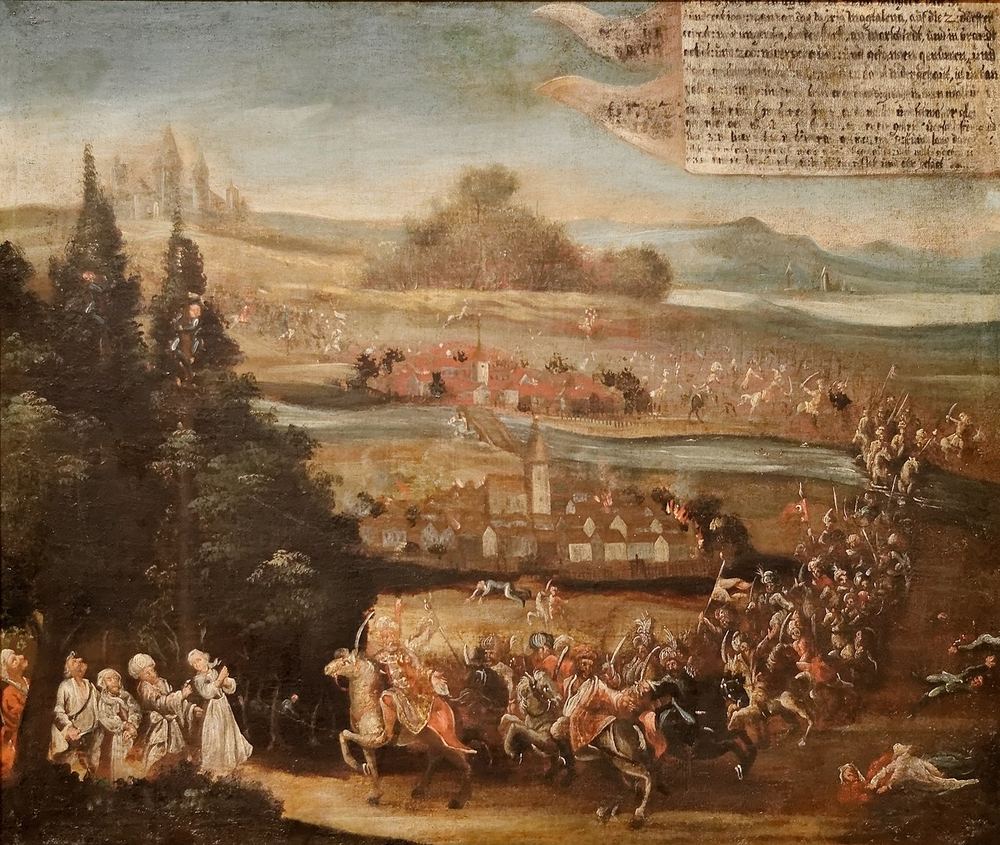
The Long War or Thirteen Years' War, often referred to as the Long Turkish War, was a series of military conflicts between the Ottoman Empire and the Habsburg Monarchy, primarily centered in Hungary. The hostilities during this period were spurred by territorial disputes and religious tensions, deeply rooted in the earlier Ottoman expansions into Europe.
At the heart of the conflict lay the Kingdom of Hungary, which had been divided into Habsburg-held Royal Hungary and the Ottoman-controlled central and southern regions. The onset of the war was characterized by frequent skirmishes, sieges, and the exchange of fortified cities, leading to substantial losses on both sides. Important cities such as Eger and Esztergom became focal points of prolonged battles, reflecting the strategic importance of key strongholds.
The war drained the resources of both the Ottoman Empire and the Habsburg Monarchy. Despite multiple truces, the military confrontations persisted with neither side achieving a decisive victory. Tens of thousands of soldiers and civilians suffered from the relentless warfare and consequential hardships. The Habsburg forces, often reinforced by various European alliances, occasionally managed to capture and defend key territories, somewhat containing the Ottoman expansion.
Economic impacts were severe. The continuous state of war necessitated heavy taxation and substantial resource allocation, burdening the populace under both regimes. Many villages were razed, and agriculture suffered, leading to food shortages and economic decline in the affected regions.
The protracted conflict only tapered off with the signing of the Treaty of Zsitvatorok, which brought temporary respite. Though it did not decisively halt Ottoman presence in Hungary, it did mark a significant shift in the regional power dynamics. The treaty reflected a mutual recognition of the stalemated status quo, paving the way for a relatively more stable, albeit tense, border coexistence.
The Long War is a poignant example of the prolonged and draining conflicts that characterized the Ottoman-Habsburg rivalry, with enduring impacts on the regions involved. The strife highlighted the geopolitical and religious fractures of the time, setting the stage for future conflicts in Central Europe.
#MoofLife #HungarianHistory #OttomanWars #HabsburgMonarchy #MilitaryConflicts #GeopoliticalStruggle
View details1570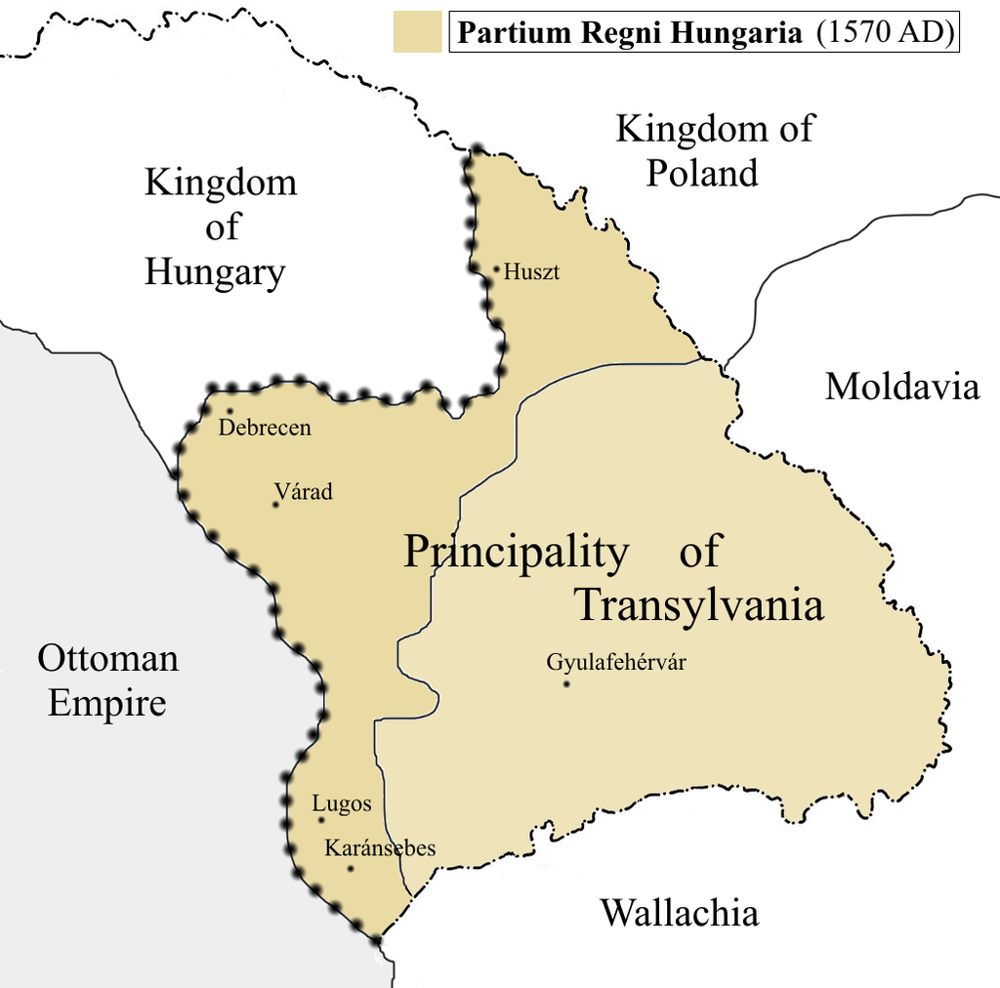
The Treaty of Speyer marked a pivotal moment in European political relations, particularly influencing the region of Transylvania. John Sigismund Zápolya, King of Hungary, and Holy Roman Emperor Maximilian II were the key figures in this accord. Before this treaty, Transylvania was a site of ongoing conflict and territorial disputes, mainly between the Habsburg Monarchy and the Ottoman Empire. John Sigismund Zápolya's rule was marked by attempts to stabilize his dominion, which was challenged both internally and externally.
Maximilian II, aiming to consolidate Habsburg influence in Central Europe, saw an advantage in negotiating with Zápolya. The Treaty of Speyer effectively recognized John Sigismund Zápolya as the rightful Prince of Transylvania, a territory that would be semi-independent but under the suzerainty of the Habsburgs. This agreement delineated the governance framework, acknowledging Transylvania's autonomous status while maintaining its allegiance to the Habsburg Emperor.
The treaty had significant implications for the political landscape. It alleviated immediate military conflict between the factions and provided a framework for co-existence. This agreement also played a role in the broader context of the Ottoman-Habsburg wars, as it effectively neutralized a contentious buffer zone and allowed both parties to redirect their focus and resources.
Transylvania under Zápolya became a principality that maintained a delicate balance between its allegiance to both the Ottoman Sultan and the Habsburg Emperor. This geopolitical duality allowed the region to navigate the complex alliances of the period. The treaty contributed to the relative stability of Transylvania, facilitating its role in trade and culture, and setting a precedent for future treaties and political arrangements in Europe.
#MoofLife #Hungary #TreatyOfSpeyer #Transylvania #JohnSigismund #MaximilianII #Diplomacy #PoliticalHistory
View details1527
The Battle of Tarcal marked a decisive encounter between Hungarian forces and the Ottoman Empire. This clash took place near the town of Tokaj, involving the Hungarian troops under the command of John I of Hungary and the Ottoman forces led by Pargalı Ibrahim Pasha.
The context of this encounter stems from the power struggles in Central Europe where the Hungarian Kingdom faced increasing pressure from the expansionist ambitions of the Ottoman Empire. By this period, the Ottoman Empire had already established its dominance in the Balkans and was pushing further towards Central Europe, aiming to consolidate its influence and control over the region.
As the battle commenced, the Hungarian forces, numbering around 30,000, strategically used the geographical advantage provided by the terrain around Tokaj. The Ottoman army, though larger with approximately 40,000 soldiers, faced logistical challenges and resistance from the entrenched Hungarian positions. The Hungarian forces, adept in defensive tactics, managed to repel the initial Ottoman assaults.
The tactical insights of John I and the robust Hungarian defenses culminated in a significant victory for Hungary. The casualties for the Ottoman forces were substantial, leading to a temporary halt in their northward push. This encounter not only halted Ottoman expansion but also underscored the resilience of the Hungarian military under the leadership of John I.
The aftermath of the Battle of Tokaj had important implications for Central European geopolitics. It provided a much-needed morale boost to the Hungarian Kingdom and its allies. Additionally, it slowed the momentum of Ottoman advances into Hungary, buying critical time for the Hungarian Kingdom to bolster its defenses and prepare for future confrontations.
The battle is remembered as a key turning point in Hungarian history, illustrating the strategic capabilities of the Hungarian military leadership and the importance of terrain and preparation in warfare. Its legacy can be seen in the continued resistance against Ottoman incursions, significantly shaping the historical landscape of the region.
#BattleOfTokaj #HungarianVictory #OttomanEmpire #MilitaryHistory #CentralEurope #MoofLife
View details1526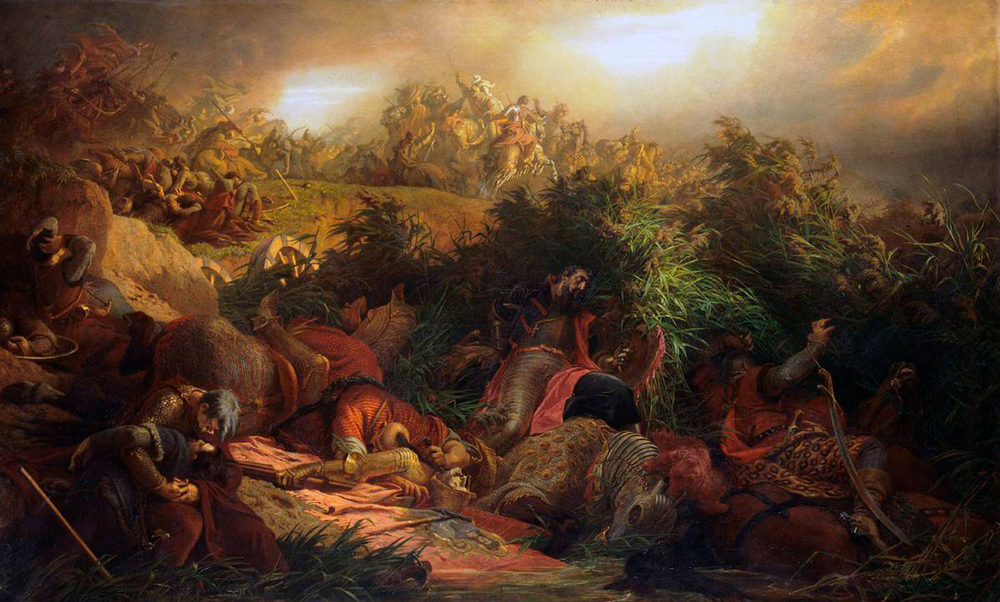
The Battle of Mohács saw the Hungarian army face a devastating defeat against the Ottoman Empire. This confrontation occurred amid rising tensions and ambitions within Central Europe. The Kingdom of Hungary, under King Louis II, formed an integral part of the region, feeling the growing threat of the expanding Ottoman Empire led by Sultan Suleiman the Magnificent. The Ottoman forces aimed to extend their dominance and secure strategic territories.
Before the clash, the Hungarian military was composed of approximately 25,000 troops, including knights, infantry, and artillery. Many of these soldiers were nobility or gentry, motivated by a sense of duty to their crown and homeland. In contrast, the Ottoman army boasted around 100,000 men, comprising highly trained Janissaries, Sipahi cavalry, and other units, backed by superior artillery and tactical acumen. The Ottomans also benefitted from the element of surprise, moving their forces swiftly and utilizing effective battlefield strategies.
The battlefield near Mohács offered little defensive advantage to the Hungarian defenders. The engagement commenced with artillery exchanges, but the Hungarian lines soon crumbled under the intense pressure of the Ottoman assault. The forested and marshy terrain further complicated the Hungarian maneuvers, contributing to their rapid disarray.
The Hungarian army, underequipped and inexperienced, quickly fell to the well-organized Ottoman onslaught. The casualties were staggering, with an estimated 14,000 to 20,000 Hungarian soldiers killed. King Louis II also perished, contributing significantly to the Hungarian political instability. The defeat signaled a significant shift in power, leading to the eventual partitioning of Hungary into three sections—regions controlled by the Ottomans, the Habsburgs, and the semi-independent Principality of Transylvania.
The Ottoman victory at Mohács served not only as a critical annexation of Hungarian territories but also as a formidable display of Ottoman military prowess. This resulted in the diminishing influence of the Kingdom of Hungary and ushered in centuries of Ottoman suzerainty over parts of Eastern and Central Europe.
#MoofLife #Hungary #Ottomans #BattleOfMohacs #MilitaryHistory #HistoricalEvents #CentralEurope #OttomanEmpire #HungarianKingdom #MedievalBattles
View details1457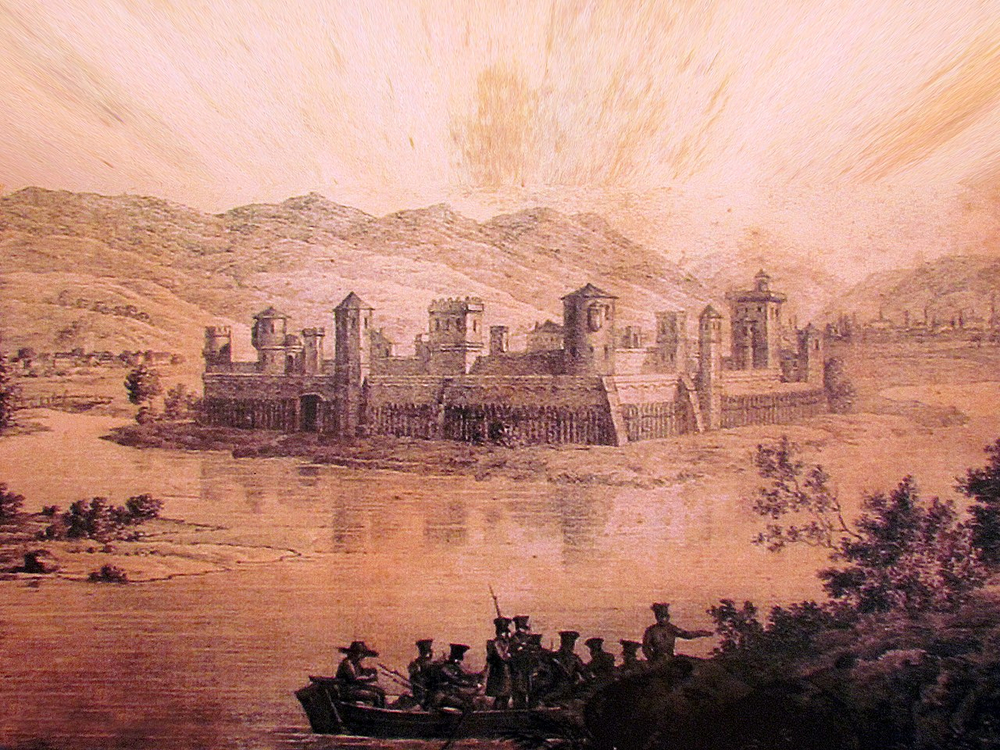
The city of Smederevo, a strategic Serbian fortress, faced a pivotal moment when it fell to Hungarian forces led by Sigismund of Luxembourg. Positioned on the banks of the Danube River, Smederevo was renowned for its formidable walls and key location, serving as the capital of the Serbian Despotate.
The background to this event involves intricate regional politics and ongoing conflicts that characterized the Balkans during this period. The Serbian Despotate, weakened by internal strife and external pressures, found itself increasingly vulnerable to neighboring powers. Sigismund of Luxembourg, King of Hungary, saw an opportunity to extend his influence over the region, which led to a calculated military campaign against Smederevo.
Hungary's forces, well-equipped and experienced, approached the city with strategic precision. Reports indicate that they deployed siege engines and utilized tactical maneuvers to breach the city's defenses. Compounded by the lack of unified resistance among the Serbian nobility, Smederevo succumbed after a determined but ultimately unsuccessful defense.
The impact of Smederevo's fall was profound. The capture of the city marked a significant shift in regional power dynamics. For Hungary, it represented a consolidation of power and a strengthened position against both the Ottoman Empire and other Balkan states. For Serbia, the loss of Smederevo was a deep blow, signaling the erosion of its sovereignty and further descent into political fragmentation and foreign domination.
Relevant facts highlight the notable military capability of Sigismund's forces and the strategic importance of Smederevo. The city's fall underscored the volatility and transient nature of power within the Balkans during this era. The ensuing period saw increased Hungarian control over Serbian territories, impacting local governance and military strategies against the encroaching Ottoman forces.
The event's aftermath saw the inhabitants of Smederevo adjusting to new rulers and the broader geopolitical implications for the region. This moment in history exemplifies the dynamic interplay of military conquest, strategic governance, and the shifting balance of power in medieval Europe.
#SmederevoSaga #BalkanHistory #HungarianConquest #MoofLife
View details1456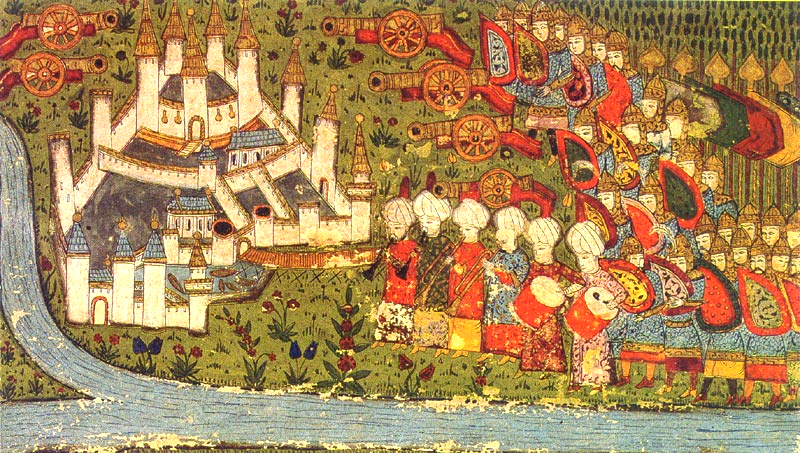
Ottoman Sultan Mehmed II launched a large-scale siege against the fortified city of Belgrade, a key stronghold in the defense of the Kingdom of Hungary. His aim was to expand Ottoman control further into Europe. The defenders, comprising Hungarian and Serb forces, faced a formidable opponent. Mehmed II had recently taken Constantinople and his reputation as a military commander made the mission daunting for the city's defenders.
John Hunyadi, notable Hungarian military leader, played a critical role in the defense. He organized the defenders and planned tactical maneuvers to counter the Ottomans. The Hungarian forces were bolstered by crusaders and local Serb volunteers who joined under Hunyadi’s command. Despite being outnumbered, the defenders utilized the fortifications and strategic advantages of the city to mount a robust defense.
The siege saw intense combat, with the Ottomans launching multiple assaults using advanced siege artillery. The defenders' resilience was notable in several critical moments, especially in close-combat engagements on the walls. Crucial to their success was the use of small boats to disrupt the Ottoman supply lines across the Danube River, significantly hindering their efforts.
Casualty figures were substantial on both sides. For the attackers, the losses were magnified by the failure to breach the city’s defenses. For the defenders, it was a gritty but costly effort to maintain the integrity of Belgrade as a bulwark against Ottoman expansion. The resistance efforts effectively repelled Mehmed II's forces, resulting in a strategic victory for Hungary and its allies.
This event marked an important defensive stand against the expanding Ottoman Empire. It demonstrated the effectiveness of combined and organized resistance in the face of overwhelming odds. The successful defense of Belgrade delayed Ottoman advances into Central Europe, affecting future military campaigns in the region.
#BelgradeSiege #HungaryDefense #OttomanWars #HistoryofConflict #JohnHunyadi #MilitaryStrategy #MoofLife
View details1453
Over time, the Ottoman Empire expanded its influence and power, seeking to extend its reach into Europe. One notable moment during this era was when the Ottoman Turks captured Novigrad, marking their first considerable incursion into western Hungary. This event unfolded during a period where the Ottomans were actively consolidating their territory in the Balkans and pushing the boundaries of their empire.
The fall of Novigrad to the Ottoman forces was preceded by years of conflict and strategic positioning. The Ottoman Empire, under the leadership of Sultan Mehmed II, was focused on expanding its territories through military conquests. The capture of Novigrad demonstrated their advancing strength and strategic capabilities. The Ottoman military utilized a combination of artillery, cavalry, and infantry forces, leveraging superior tactics and technology against the defenders of Novigrad.
This conquest had significant implications for the region. For Hungary, it signaled the onset of increased Ottoman pressure and the start of a prolonged period of military and political struggles. The capture of Novigrad forced Hungarian officials to reconsider their defensive strategies and seek potential alliances to counter the Ottoman threat. The incursion also disrupted the societal and economic stability of the region, leading to migrations, changes in trade routes, and shifts in local power structures.
The subjugation of Novigrad served as a wake-up call for other European powers, highlighting the Ottoman's growing influence and the need for a unified defense strategy. This event was a precursor to further Ottoman advances that would challenge the established order in Europe. It emphasized the strategic importance of Hungary as a buffer zone between the expanding Ottoman Empire and the rest of Europe.
The capture of Novigrad was not just a military victory for the Ottomans but a significant step in their campaign to dominate the region. It affected Hungary's political landscape and underscored the empire's capacity for sustained military campaigns. This moment remains a crucial part of both Hungarian and European history, as it set the stage for subsequent conflicts and alliances.
#OttomanEmpire #Hungary #MedievalWarfare #MilitaryHistory #EuropeanHistory #MoofLife
View details1448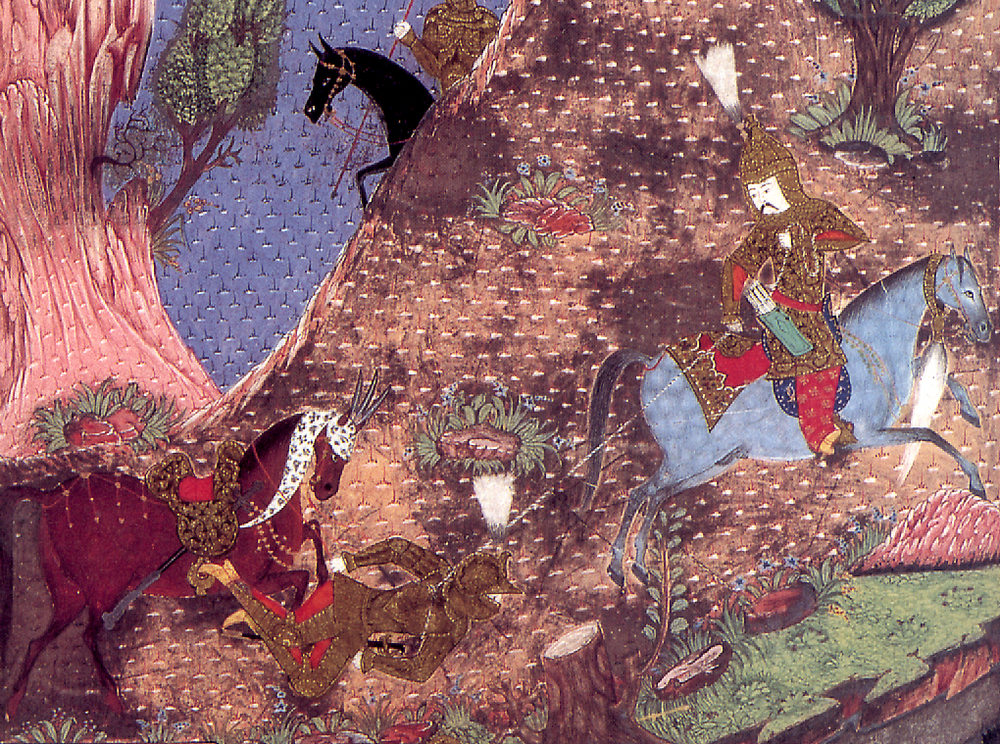
John Hunyadi, a prominent Hungarian military leader, marshaled a considerable army consisting of various Central European forces to face the Ottoman Empire, with the key objective of stemming its advance into Europe. The army's confrontation with the forces led by Sultan Murad II unfolded with strategic significance where the plain of Kosovo became the battlefield for this critical clash.
The forces of Hunyadi embarked with hopes to reverse the tide of Ottoman expansion following the earlier losses that had significantly strengthened Ottoman influence in the Balkans. Hunyadi's strategy consisted of employing heavy cavalry and well-organized infantry units, bolstered by alliances with Balkan voivodes and other regional leaders. On the other side, Murad II's army included elite Janissaries, well-trained infantry, and formidable cavalry, who possessed superior tactics honed through continuous military campaigns.
The battle commenced with initial skirmishes, marked by both sides seeking advantageous positions. Despite Hunyadi's efforts and initial tactical maneuvers aiming to breach the Ottoman lines, the Ottoman army's discipline and resilience under Murad II's leadership proved decisive. Over the course of the battle, the Hungarian forces were gradually enveloped and overwhelmed by the more numerous and better-coordinated Ottoman troops.
Historians note that the outcome had far-reaching effects. The defeat significantly weakened Hunyadi’s capacity to defend Central Europe and secured the Ottoman presence in the Balkans for decades. This development facilitated subsequent Ottoman incursions deeper into Europe, shaping the geopolitical landscape of the region.
The Second Battle of Kosovo is often analyzed to understand the shifting balance of power in Southeast Europe, revealing insights into military strategies, the impact of leadership, and alliance dynamics of the period. It underscored the effectiveness of the Ottoman military apparatus and highlighted the challenges faced by European powers in countering Ottoman advances.
#MilitaryHistory #HungarianHistory #OttomanExpansion #HistoricalBattles #KosovoField #MoofLife
View details1396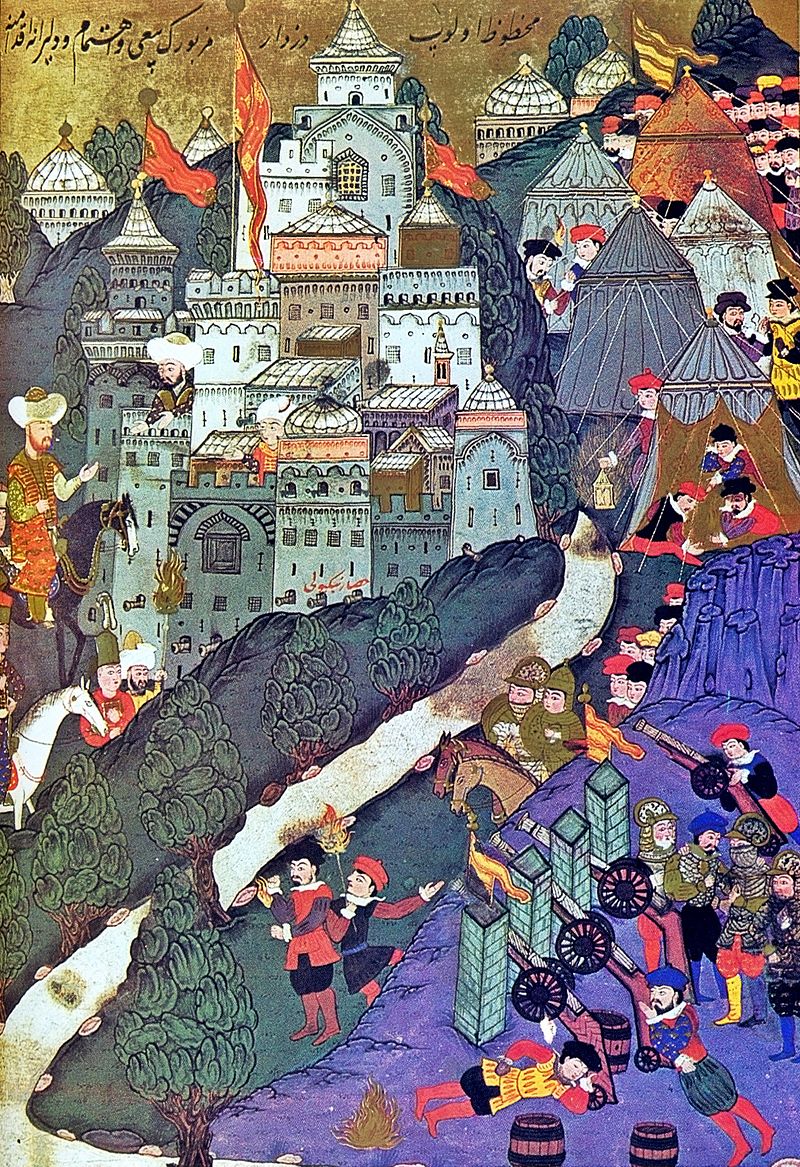
Hungarian King Sigismund led a Crusade to halt the expansion of the Ottoman Empire. Europe's nobility, including knights from France, England, and the Holy Roman Empire, assembled a significant force, estimated to be around fifteen thousand soldiers, at the city of Buda before advancing toward Ottoman-held Bulgaria.
The Crusaders faced Ottoman Sultan Bayezid I, whose disciplined army of approximately twelve thousand troops, including skilled archers and experienced Janissaries. The clash, known as the Battle of Nicopolis, occurred near the Danube River, close to the city of Nicopolis. European knights, confident in their heavy cavalry, charged prematurely, leading to initial success against Ottoman vanguard units.
However, the uncoordinated and hastily arranged attack dissolved the Crusaders' advantage. Bayezid's forces, strategically positioned, counter-attacked and capitalized on the disarray within the Crusader ranks. The heavily armored European knights struggled on the uneven terrain, and many were overwhelmed by waves of Ottoman archers.
The battle concluded with a decisive Ottoman victory. King Sigismund, along with a few of his men, managed to escape across the Danube. However, the defeat had significant repercussions. Sultan Bayezid consolidated Ottoman control over the Balkans, delaying European attempts to counter Ottoman expansion. The heavy loss caused by the Crusaders sowed doubt and dismay among European states about launching subsequent Crusades.
The Battle of Nicopolis underscored the evolving nature of warfare and the need for better coordination among disparate European forces. It revealed stark differences in military technology and tactics between the Ottomans and the European knights. Furthermore, it highlighted the limits of feudal and chivalric warfare against a centrally organized state like the Ottoman Empire.
#BattleOfNicopolis #Crusades #HungarianHistory #OttomanExpansion #MedievalWarfare #MoofLife
View details1386
In the quiet town of Győr, Hungary came to a pivotal agreement with the Ottoman Empire, agreeing to pay tribute in exchange for peace and territorial integrity. This moment marked a turning point in Hungarian-Ottoman relations. The background of this agreement was rooted in the expansionist policies of the Ottoman Empire, which had been exerting pressure on neighboring regions. Hungary, valuing its autonomy but recognizing the military might of the Ottomans, saw diplomacy as a strategic path to protect its interests.
The agreement laid out specific terms: Hungary would pay an annual tribute to the Ottoman Empire, ensuring that its borders would remain largely undisturbed by Ottoman forces. This tribute was set at a substantial amount, reflecting the economic and political realities of the time. The Ottomans, under the leadership of their Sultan, sought to stabilize their frontier regions, and the agreement with Hungary was a step in that direction.
The impact of this agreement on Hungary was multifaceted. On one hand, it allowed Hungary to maintain a degree of sovereignty without engaging in costly military conflicts. On the other, it underscored the growing influence of the Ottoman Empire in Europe. This tributary relationship became a model for subsequent dealings between the Ottomans and other European states, showcasing the blend of diplomacy and coercion that characterized Ottoman expansion.
For the Ottoman Empire, securing a tributary state in Hungary eased the administrative and military burden on its frontier. It also sent a message to other European powers about the effectiveness of Ottoman diplomacy backed by the threat of force. This accord, therefore, was not an isolated event but part of a broader Ottoman strategy of expansion through both military and non-military means.
The relevance of this agreement extends into various aspects of medieval European political dynamics, from economic exchanges to military alliances and conflicts. Understanding this ancient accord offers insight into the strategies employed by states to navigate the complexities of power, influence, and survival.
#MoofLife #Hungary #OttomanEmpire #TreatyOfGyőr #MedievalHistory #Diplomacy #Tribute #Sovereignty #Expansion
View detailsKing Charles III of Naples and Hungary was assassinated in Buda. This event marked a crucial turn in the political landscape of the time. Charles III, also known as Charles the Short, had laid claim to the Hungarian throne through his descent from the Angevin dynasty. His rule over Hungary, however, was fraught with disputes and challenges. Notably, his claim to the throne was contested by Queen Mary, who had strong backing from her mother, Elizabeth of Bosnia.
The background to the assassination involves a period of intense political tension. Charles seized the Hungarian crown amidst a backdrop of ongoing conflicts over legitimacy and territorial control. The power struggle reached a peak when Elizabeth of Bosnia orchestrated a plot to remove Charles from power. This culminated in a fatal assault during his stay in Buda, where he was struck down by assassins believed to be loyal to Queen Mary and her mother.
The impact of Charles's assassination was profound. It intensified the internal conflicts within Hungary and had cascading effects on the political alliances in the region. The removal of Charles led to a power vacuum and further destabilized the fragile balance of power. This period saw increased intervention from external forces, eager to exploit Hungary's weakened state.
Following his death, Louis the Great's daughter, Mary, along with her betrothed, Sigismund of Luxembourg, emerged as pivotal figures in the subsequent power dynamics. Sigismund's eventual rise to power brought some degree of stabilization, though it did not entirely quell the internal strife or alter the underlying tensions that had characterized Charles's short reign.
This event underscores the volatile nature of medieval European politics, where royal claims, lineage, and strategic marriages often intertwined with overt acts of violence. Charles III’s assassination serves as a stark reminder of the lengths to which political rivals would go to assert dominance and control.
#Assassination #MedievalPolitics #HungaryHistory #PowerStruggle #RoyalConflict #MoofLife
View details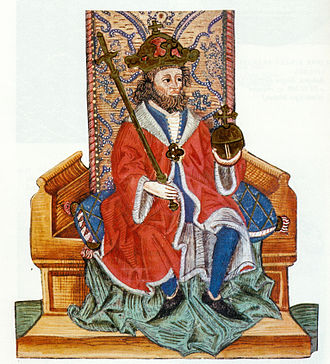
1330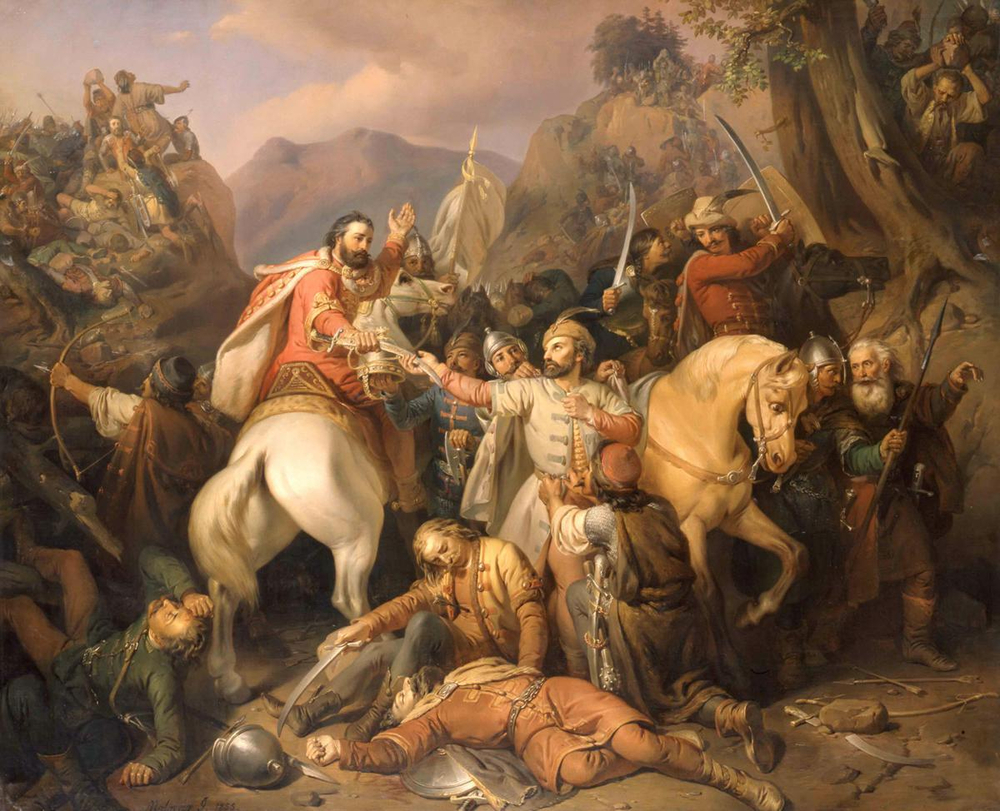
In the early 14th century, the political landscape of Central and Eastern Europe was a complex web of conflicts and alliances. The Kingdom of Hungary, under the rule of King Charles Robert, aimed to assert dominance over the various voivodeships and principalities in the Carpathian Basin, including Wallachia. Voievode Basarab I, the ruler of Wallachia, sought to maintain his territory's sovereignty amidst Hungary's expansionist ambitions.
The tension culminated when King Charles Robert led his army into Wallachian territory, seeking to subjugate Basarab I. Anticipating the Hungarian invasion, Basarab I devised a strategic defense plan that capitalized on his knowledge of the local terrain. The Wallachian voievode orchestrated an ambush in a narrow mountain pass known today as Posada.
As the Hungarian forces advanced, their progress was hindered by the challenging terrain and dense forests. Basarab I and his troops lay in wait in concealed positions along the steep slopes. When the Hungarian army reached the pass, the Wallachians launched a sudden and coordinated attack from multiple directions. The element of surprise, combined with the difficult environment, rendered the heavily armed Hungarian knights and soldiers vulnerable.
The Wallachian forces employed guerrilla tactics, utilizing the natural advantages of the terrain to inflict significant casualties on the Hungarian army. The chaotic and constrained conditions prevented the Hungarians from organizing an effective counterattack. Over several days, the ambush forced the Hungarian forces into a retreat, marking a decisive victory for Basarab I and ensuring Wallachia's autonomy from Hungarian dominance.
This ambush demonstrated the effectiveness of unconventional warfare against a superior military force and highlighted the strategic acumen of Basarab I. The outcome reshaped the regional power dynamics, reinforcing Wallachia's independence and altering Hungarian military strategies in future conflicts.
The Battle of Posada had a lasting impact on the region's history, symbolizing the resilience of smaller states against larger, more powerful adversaries. It also underscored the importance of terrain and local knowledge in warfare, influencing military tactics in subsequent centuries.
#BasarabI #WallachianAmbush #HungarianArmy #MedievalWarfare #StrategicVictory #WallachianIndependence #MoofLife
View details1241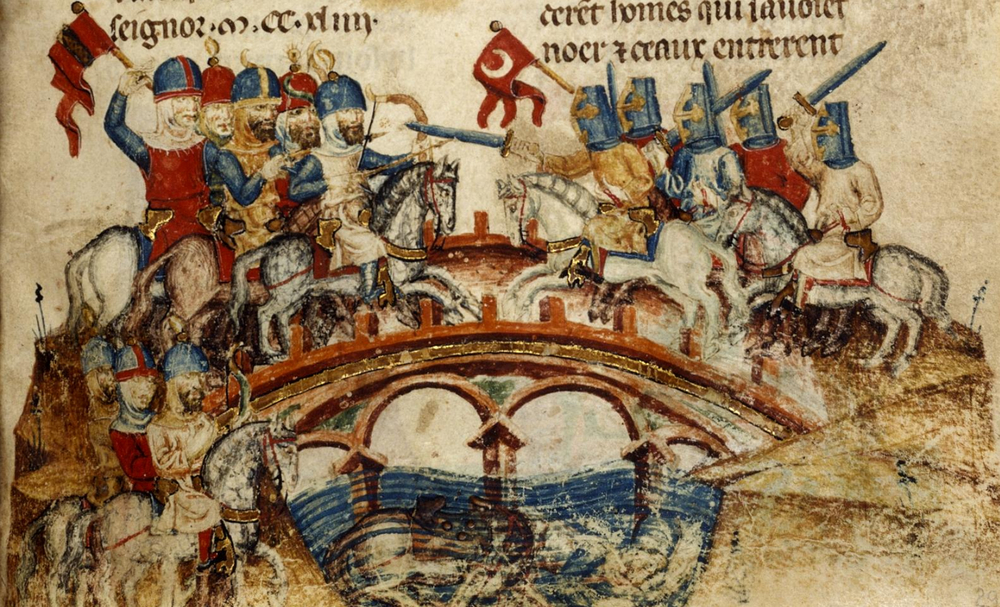
The Mongol invasion of Hungary marked a pivotal episode in medieval European history, culminating in the devastating Battle of Mohi. Originating from the steppes of Central Asia, the Mongol Empire under the leadership of Batu Khan and the direction of Subutai sought to expand westward into Europe. Hungary, under King Béla IV, became a primary target due to its geographical and strategic importance.
As the Mongol forces advanced, their military tactics, which included swift cavalry maneuvers and coordinated attacks, overwhelmed the Hungarian defenses. The Hungarian army mobilized to confront the invaders at the Sajó River, believing they could halt the Mongol advance and protect their kingdom. King Béla IV gathered a considerable force, but it consisted mainly of feudal levies who lacked the experience and cohesion of the seasoned Mongol warriors.
At the Battle of Mohi, the Mongols employed a strategic feigned retreat, luring the Hungarian soldiers into a vulnerable position. As the Hungarians pursued, they were encircled and attacked on multiple fronts. The battle quickly turned into a rout, with the Mongol army decimating the Hungarian forces. The casualties were immense, with estimates suggesting that a significant portion of the Hungarian nobility and military were killed.
The impact on Hungary was profound. The Mongol victory led to widespread devastation across the Hungarian plains. Settlements were destroyed, and a large number of civilians were either killed or displaced. The Hungarian Kingdom faced severe economic and social upheaval, with the agricultural and feudal systems suffering long-lasting damage.
After the battle, King Béla IV fled to Dalmatia, seeking refuge, and began efforts to rebuild his shattered kingdom. The invasion left a deep scar in Hungarian history, prompting future reforms in military organization and fortification strategies to guard against similar threats. The Mongol incursions into Europe continued but were eventually halted by a combination of logistical challenges and strategic resistance from various European powers.
The Battle of Mohi remains a historical event that underscores the formidable power of the Mongol Empire and its ability to project military force far into Europe. It also highlights the vulnerabilities of medieval armies against highly disciplined and strategically adept foes.
#MongolInvasion #BattleOfMohi #HungarianHistory #MedievalWarfare #MoofLife
View details1224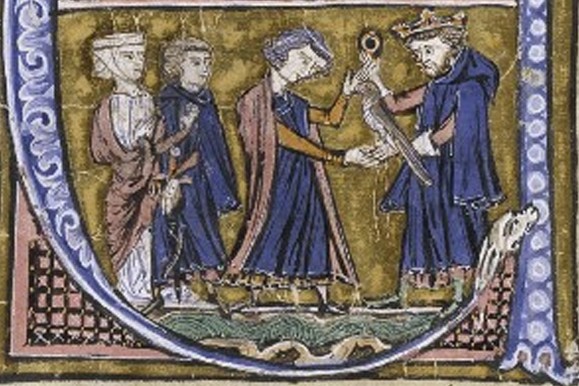
King Coloman of Hungary issued the Diploma Andreanum, a royal charter, affirming the privileges of the nobility and the church. This decree came at a time when Hungary was solidifying its Christian foundations and striving to stabilize internal governance. The royal charter granted specific rights and autonomies to the noble and ecclesiastical classes, particularly focusing on the Transylvanian Saxons, a community of German settlers in the region of Transylvania.
The Diploma Andreanum provided a framework wherein the Saxons were allowed to self-govern under their own laws and customs. They received assurances over their lands and were given exemptions from certain tolls and tributes, thereby encouraging them to contribute to regional stability and economic growth. This charter is one of the earliest and significant acts establishing the rights of settlers and influencing the administrative structure of the region.
This document highlights the importance of recognizing and institutionalizing social privileges to maintain a stable and productive society. It also underscores the role of the monarchy in balancing power among different social strata, which was crucial for maintaining political harmony and fostering economic prosperity in medieval Europe.
The issuance of the Diploma Andreanum had long-lasting impacts on the social and economic landscape of Hungary, contributing significantly to the development and cohesion of the region. It ensured the loyalty of the Saxon settlers and reinforced the ties between the monarchy and influential societal groups.
#KingColoman #Hungary #DiplomaAndreanum #NobilityPrivileges #ChurchPrivileges #TransylvanianSaxons #MedievalEurope #LegalFramework #EconomicGrowth #MoofLife
View details1222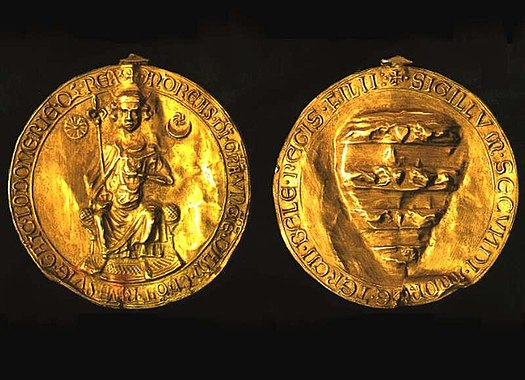
King Andrew II of Hungary, facing increasing discontent among his nobles due to perceived overreach and mismanagement of royal power, proclaimed the Golden Bull. This document was a response to the conflicts and tensions that had been brewing between the monarchy and the nobility. The nobles had grown frustrated with the king’s policies, which included lavish spending, heavy taxation, and frequent grants of land to foreign barons and relatives, weakening their own power and resources.
To address these grievances, the Golden Bull established a set of regulations aimed at limiting the king’s authority while enshrining the rights and privileges of the nobles. Key points included the prohibition of the alienation of royal lands without the consent of the nobles, restrictions on foreign advisors at the Hungarian court, and the stipulation that the king could not levy new taxes without the consent of the Diet, the assembly of nobles.
The impact of this proclamation was multifaceted. For the nobles, it was a significant victory, ensuring checks on royal power and protecting their economic interests. The Golden Bull also stipulated that the king must convene the Diet annually, providing a formal platform for the nobles to voice their concerns and exert influence. Additionally, it included a clause allowing the nobility to legally resist the monarchy if the king violated the terms of the Bull, a profound assertion of their rights.
For the monarchy, the Golden Bull marked a clear boundary in the exercise of its powers. While it diminished some aspects of royal prerogatives, it also helped stabilize the kingdom by addressing the causes of noble unrest. This balance of power laid an early foundation for the development of constitutional governance in Hungary.
The Golden Bull was soon recognized as one of Hungary’s cornerstone legal documents, akin to England's Magna Carta, underscoring the importance of shared governance and the protection of noble privileges. It became a reference point in subsequent centuries and served as a symbol of the enduring struggle for a balanced distribution of power.
The Golden Bull holds historical significance as it reshaped the dynamics of Hungarian governance and set a precedent for future legal frameworks.
#HungaryHistory #NobilityRights #RoyalPowerLimitations #LegalPrecedent #MedievalPolitics #MoofLife
View details1205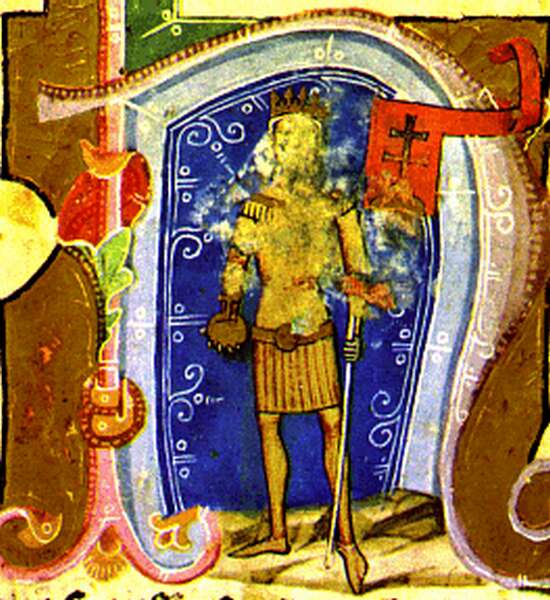
Andrew II's rise to the throne of Hungary marked a notable chapter in the medieval history of Europe. The coronation followed an extended period of internal strife and political fragmentation within the Kingdom of Hungary. After the death of his elder brother, Emeric, who had faced continuous battles securing his kingdom and warding off internal revolts, Andrew II inherited a nation in turmoil. His accession was initially met with both apprehension and optimism among the Hungarian nobility and commoners.
Andrew II was known for his ambitious foreign policy and military campaigns. One of his main impacts was the initiation of large-scale economic reforms. He implemented policies which significantly altered the administrative structure and governance framework of the kingdom. These policies included the distribution of royal estates, known as \
View details1116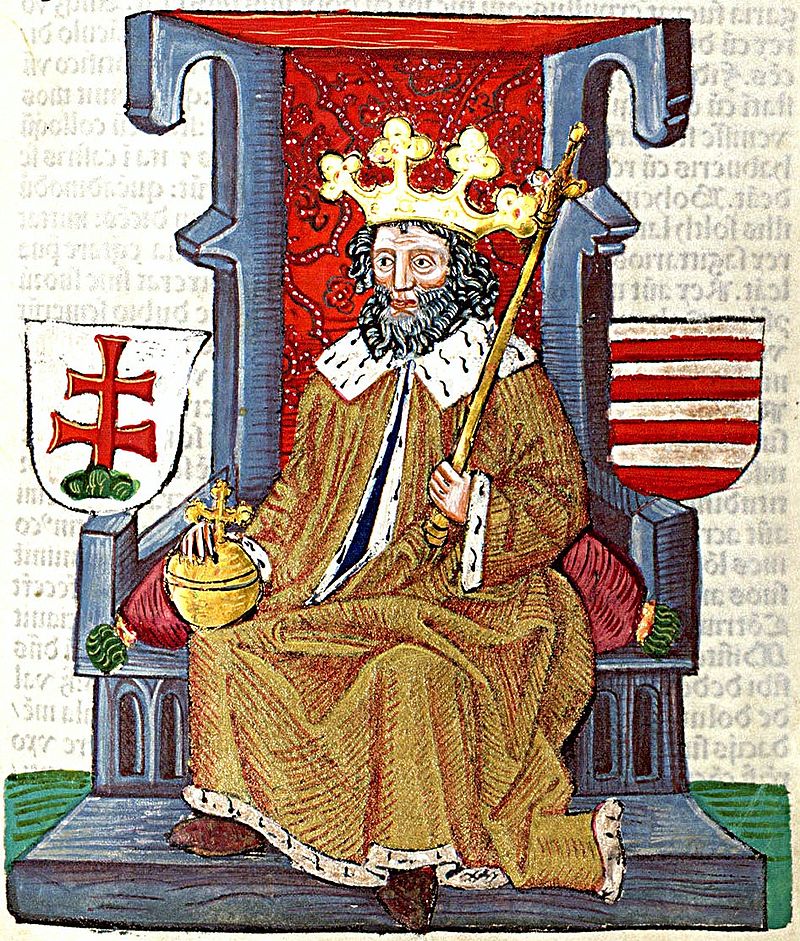
Stephen II, upon the passing of his father, King Coloman, ascended to the throne of Hungary. This succession marks an important juncture in Hungarian history. Coloman's reign was characterized by significant efforts to consolidate power, emphasizing legal reforms and the stabilization of the kingdom. As a monarch, Coloman implemented laws that mitigated feudal fragmentation and promoted centralized governance.
Stephen II inherited a kingdom that had undergone substantial changes under his father's rule. The transition of power was smooth, as Stephen had been groomed for kingship, having been crowned as co-ruler during Coloman's lifetime. This preparation facilitated continuity in governance and policies, minimizing potential disruptions.
The reign of Stephen II is notable for its military campaigns and diplomatic endeavors. Early in his rule, he faced challenges from neighboring states and internal factions. His leadership was marked by efforts to defend and maintain Hungarian sovereignty and to assert influence over contested territories. Stephen's military actions included campaigns against the Pechenegs and conflicts with the Holy Roman Empire, which sought to exert control in the region.
Besides military endeavors, Stephen II's period as king witnessed efforts to expand and solidify Hungary's borders. He engaged in diplomatic negotiations to secure alliances and stabilize relations with neighboring powers. These diplomatic activities were crucial in maintaining Hungary's position in the broader European geopolitical landscape.
Stephen II's reign, although not as long or transformative as his father's, contributed to the ongoing development of a centralized Hungarian state. His efforts to maintain stability and safeguard the kingdom’s territorial integrity were vital in sustaining the progress achieved during Coloman's tenure. The impact of his rule set the stage for subsequent monarchs to build upon the foundation laid during Coloman's era, thereby shaping the future trajectory of the Hungarian kingdom.
#MoofLife #Hungary #MedievalHistory #RoyalSuccession #StephenII #KingColoman #PoliticalHistory
View details1096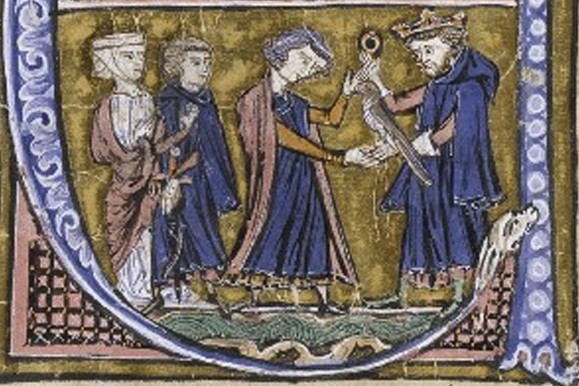
Coloman, already the King of Hungary, extended his influence when he became King of Croatia, Dalmatia, and Rama. Before this, Croatia had experienced a period of fragmentation and internal conflict. This instability made it vulnerable to external powers. Coloman seized this opportunity to consolidate his rule strategically, establishing a stronger presence in the region.
The significance of Coloman's crowning lies in its demonstration of Hungary's expanding political and territorial power. This crowning was not just a mere formality; it was a strategic maneuver that featured agreements with local nobility, who in turn supported his rule, providing a foundation for stable governance. Through a combination of military strength and diplomatic efforts, Coloman secured control, ensuring that his authority was recognized by the dominant factions within Croatian society.
The appointment symbolized a unification of the Crown of Hungary with those of Croatia, Dalmatia, and Rama. This unification marked a period of relative stability in the region, allowing for administrative and economic improvements. The integration of these territories under one crown enabled more efficient governance, fostering trade and cultural exchange across the newly joined realms.
Coloman's rule also had lasting effects on legal and administrative systems. He implemented policies that harmonized the legislation across his expanded territories, thus facilitating more coordinated rule. His coronation effectively placed the Croatian and Dalmatian regions within the broader geopolitical landscape of Central Europe, extending Hungarian influence into the Adriatic Sea and its surrounding coastlines.
Impact on the local populations was varied. For some, the consolidation brought economic benefits and greater security. However, the integration also meant that local nobility had to adjust to new administrative rules and taxes imposed by a distant ruler. The careful but firm approach that Coloman took in solidifying his power set a precedent for future Hungarian rulers in how they managed their diverse and expansive realm.
#HungarianHistory #ColomanCrowning #CroatiaIntegration #MedievalPolitics #HistoricalUnification #MoofLife
View details