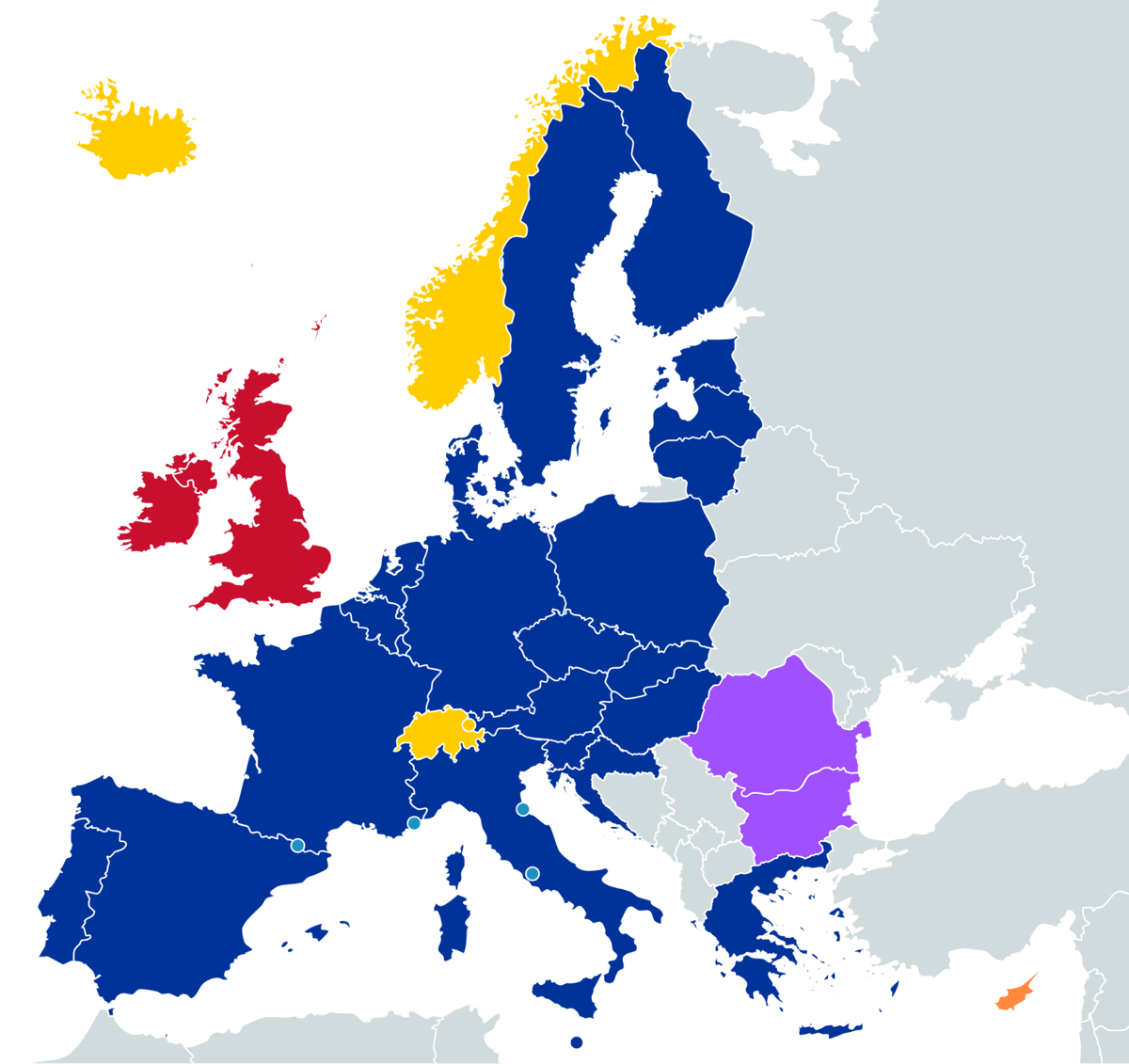
Hungary Joins EU Schengen Zone for Passport-Free Travel.
Hungary
Global Trade
Political
5 min read
Updated By: History Editorial Network (HEN)
Published:
The incorporation of Hungary into the European Union’s Schengen zone marked a notable shift in the landscape of European travel and cooperation. As Hungary transitioned into this passport-free zone, it joined an agreement permitting unrestricted travel for its citizens across the 26 member countries at that time. This move was part of a broader EU effort to eliminate border controls and promote integration among member states.
The origin of the Schengen Agreement dates back to an initial accord where several EU members committed to abolishing border checks at shared frontiers. Membership extension to Hungary was achieved following significant adjustments in the nation's border security and immigration regulations to align with Schengen area standards. This involved the implementation of stringent measures to secure the outer boundaries of the EU, ensuring controlled and managed entry from non-member countries.
The impact of Hungary's accession to the Schengen zone was multifaceted. For Hungarian citizens, it meant greater ease of movement throughout Europe, facilitating both personal and professional travel, and bolstering opportunities for employment, tourism, and education abroad. Furthermore, it accelerated economic interactions and cultural exchanges within the EU, contributing to a more interconnected Europe.
On a socio-political level, Hungary's entry into the Schengen zone symbolized deeper integration into the European Union framework and an enhanced role in continental governance and security collaboration. For the EU, it represented an expansion in the free movement of people, one of the core principles of the Union, and a step toward further unity within its diverse membership.
From a statistical perspective, Hungary saw a significant uptick in border crossings and trade activities post-integration, reflecting the ease with which goods, services, and people could move across member states. This not only benefited Hungary's economy but also reinforced the interconnected market mechanisms integral to the EU's functionality.
In summary, Hungary’s accession to the Schengen zone underscored an important phase in Europe's pursuit of unimpeded travel and cooperation among its members, highlighting both immediate conveniences for citizens and broader contributions to the EU’s integrative processes.
#MoofLife #Hungary #SchengenZone #EuropeanIntegration #FreeMovement #EUBorders
Primary Reference
Schengen: Controversial EU free movement deal explained - BBC ...

Explore the Life Moments of
 AI Twin