
Turkey

The Land of Singing Trees
Related Lives

History of Quantam computing
Whispers of the Quantum Realm

Comoros
A Blend of Cultures, Natural Beauty, and Challenges

Libya
Oasis of the Sahara

Ethiopia
Federal Democratic Republic of Ethiopia

China
Land of Silk

Thailand
Land of Smiles

Saudi Arabia
A Land of Heritage and Innovation
Brunei
Abode of Peace

1918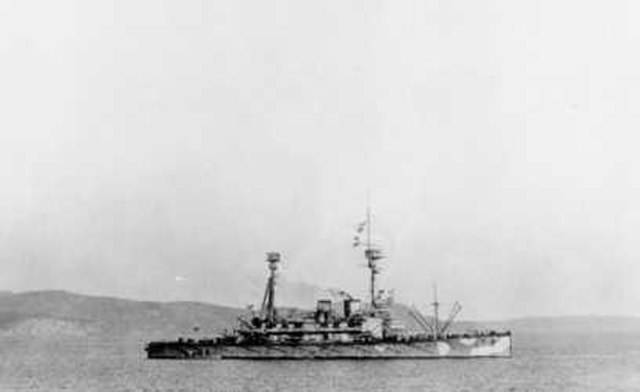
During the Armistice of Mudros, the Ottoman Empire and the Allied powers signed a treaty aboard a British battleship in the Aegean Sea. This marked the cessation of hostilities on the Eastern Front of World War I. The Ottoman Empire, weakened by years of war, agreed to severe terms. They had to demobilize their army, surrender most of their navy, and allow the Allied forces to occupy key territories. The treaty also granted the Allies permission to use Ottoman ports and railways.
The Armistice of Mudros had a significant impact on the Ottoman Empire, as it led to the partitioning of their lands. The treaty laid the groundwork for the Treaty of Sèvres, which further dismembered the empire and paved the way for the creation of modern Turkey. These events reshaped the geopolitical landscape of the Middle East.
The signing of the Armistice of Mudros also marked the end of World War I for the Ottomans. The war had brought significant destruction and loss of life to the region. With the signing of the armistice, the Ottoman Empire was no longer an active belligerent in the conflict.
Overall, the Armistice of Mudros was a turning point in Ottoman history. It signaled the end of their involvement in World War I and the beginning of a new era for the region. The treaty set the stage for the dissolution of the Ottoman Empire and the emergence of modern Turkey.
#ArmisticeofMudros #OttomanEmpire #WorldWarI #Turkey #TreatyofSèvres #Geopolitics
View detailsThe Treaty of Bucharest was signed between the Ottoman Empire and Russia following the Russo-Turkish War of 1806–1812. The conflict had been sparked by Russian expansionist ambitions in the region and the Ottoman Empire's desire to maintain its territorial integrity. The war had seen significant upheaval in the region, with battles raging across various fronts.
As the war progressed, both sides suffered heavy casualties and financial strain. The signing of the Treaty of Bucharest brought an end to hostilities and aimed to restore peace between the two powers. The treaty saw the Ottoman Empire ceding parts of its territory, including Bessarabia, to Russia. In return, Russia agreed to return some territories to the Ottomans and pay a substantial war indemnity.
The signing of the treaty had lasting implications for the balance of power in the region. It solidified Russia's position as a dominant force in Eastern Europe and weakened the Ottoman Empire's control over its territories. The loss of Bessarabia was a significant blow to the Ottomans and marked a shift in the regional dynamics.
Despite the treaty's attempt to bring about peace, tensions between the Ottoman Empire and Russia would continue to simmer in the years to come. The repercussions of the Treaty of Bucharest would be felt in the region for decades, shaping diplomatic relations and territorial disputes.
The signing of the Treaty of Bucharest was a pivotal moment in the history of the Ottoman Empire and Russia, marking the end of a bloody conflict and setting the stage for future power struggles in the region. The legacy of this treaty continues to influence geopolitical dynamics in Eastern Europe and the Middle East to this day.
#TreatyofBucharest #RussoTurkishWar #OttomanEmpire #Russia #Geopolitics
View details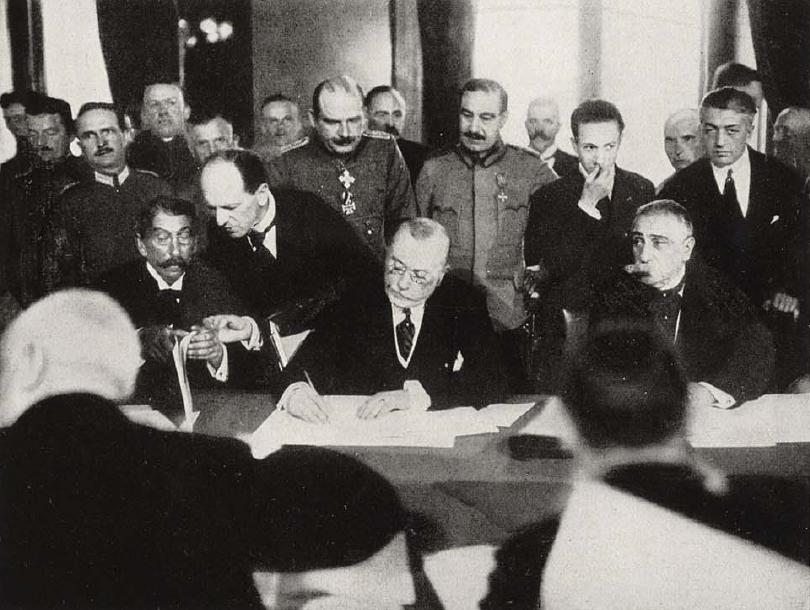
1915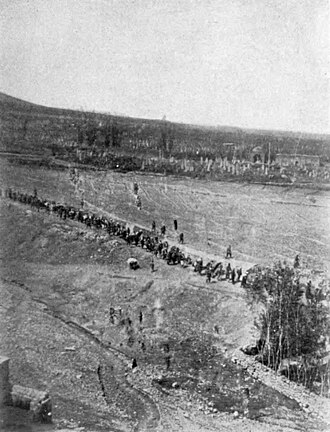
The Armenian Genocide began with the systematic persecution and mass killings of Armenians by the Ottoman Empire. The background to this tragic event lies in longstanding tensions between the Ottoman government and the Armenian population, who were seen as a threat to the empire due to their cultural and religious differences. The Young Turk government, seeking to establish a homogenous Turkish state, initiated a campaign to deport and exterminate Armenians under the guise of wartime measures.
The impact of the Armenian Genocide was devastating, resulting in the death of an estimated 1.5 million Armenians through mass shootings, forced marches, starvation, and other atrocities. Families were torn apart, communities were uprooted, and a rich cultural heritage was nearly wiped out. Despite the scale of the atrocities, the Ottoman government continued to deny the genocide for decades, perpetuating a legacy of injustice and trauma for the Armenian people.
The Armenian Genocide began a dark chapter in history, marking one of the first instances of genocide in the 20th century. It set a precedent for future atrocities and highlighted the international community's failure to prevent and address such crimes against humanity. The memory of the Armenian Genocide remains a deeply painful and contentious issue, with ongoing debates about recognition, reparations, and accountability.
#ArmenianGenocide #OttomanEmpire #MassKillings #HistoricalAtrocity #HumanRights #CulturalGenocide #InternationalJustice #RememberingHistory
View details1914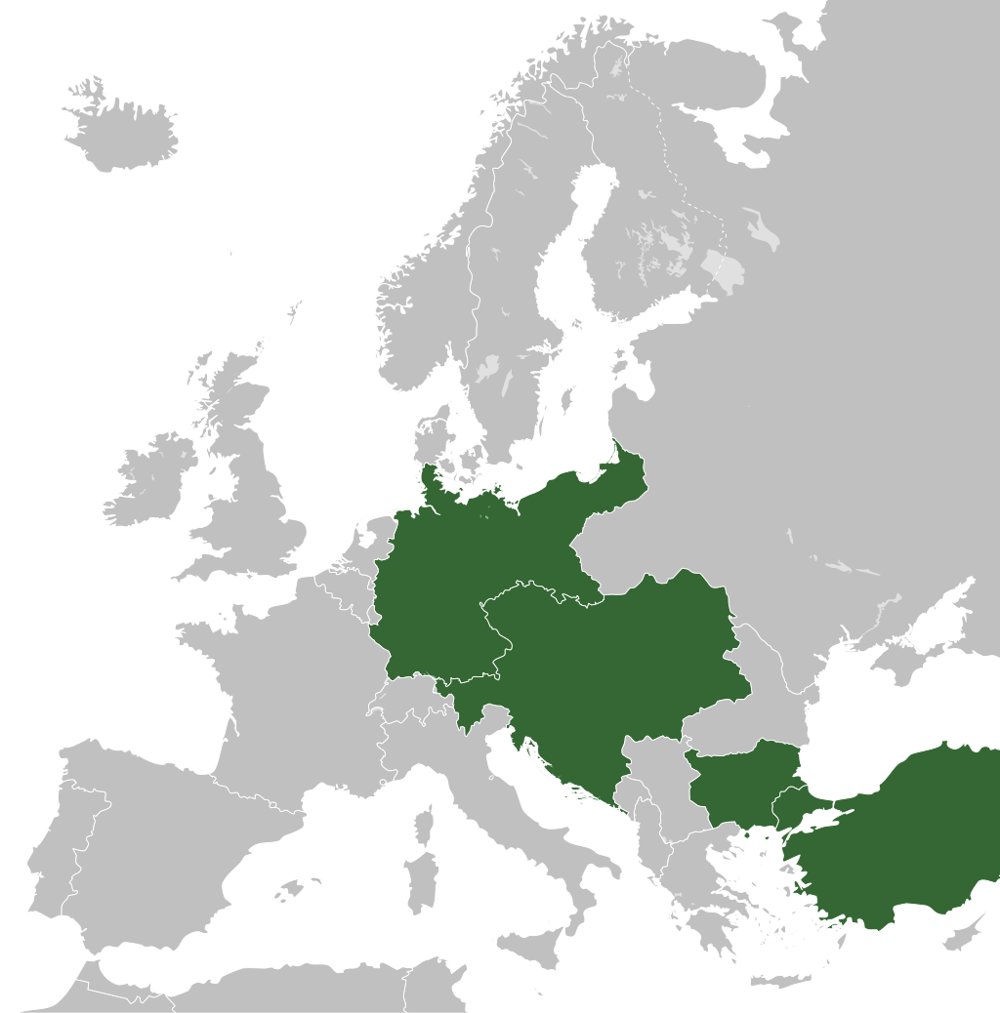
In the midst of escalating tensions in Europe, the Ottoman Empire entered World War I as an ally of the Central Powers. The decision was influenced by strategic interests and a desire to reclaim lost territories. The Ottoman Empire's alliance with Germany and Austria-Hungary posed a threat to the Entente powers, further complicating the already volatile situation.
The Ottoman Empire's involvement in the war had significant consequences. It led to the Gallipoli Campaign, where the Allies suffered a costly defeat while attempting to secure a strategic sea route to Russia. The conflict also saw the emergence of the Armenian Genocide, resulting in the mass deportation and killings of Armenian civilians.
The Ottoman Empire's participation in World War I ultimately contributed to its downfall. After the war, the empire was dismantled, and modern-day Turkey emerged from its ashes under the leadership of Mustafa Kemal Atatürk. The events of World War I shaped the region's geopolitics for decades to come and laid the foundation for the establishment of the Republic of Turkey.
#OttomanEmpire #WorldWarI #CentralPowers #Turkey #Geopolitics #ArmenianGenocide #MustafaKemalAtaturk
View details1908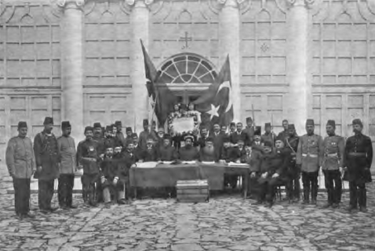
The Young Turk Revolution, led by the Committee of Union and Progress, was a significant event in Turkish history. The revolution aimed to restore the constitution of 1876, which had been suspended by Sultan Abdulhamid II. The Committee of Union and Progress, also known as the Young Turks, sought to modernize the Ottoman Empire and establish a constitutional government.
The revolution was sparked by a series of military mutinies in the Ottoman Empire. The Young Turks capitalized on the discontent among the military to overthrow the autocratic rule of the Sultan. After months of unrest and widespread protests, the Young Turks successfully forced Sultan Abdulhamid II to reinstate the constitution.
The revolution had a profound impact on the Ottoman Empire. It marked the beginning of a period of reform and modernization known as the Second Constitutional Era. The Young Turks implemented a series of political and social reforms, including the establishment of a parliament, freedom of the press, and equality before the law.
The revolution also had far-reaching consequences for the ethnic and religious minorities within the Ottoman Empire. The Young Turks advocated for a policy of Ottomanism, which emphasized the shared identity of all Ottoman citizens regardless of their ethnicity or religion. This policy aimed to create a more inclusive and diverse society within the empire.
Overall, the Young Turk Revolution led by the Committee of Union and Progress was a turning point in Turkish history. It paved the way for the modernization of the Ottoman Empire and the establishment of a more inclusive and democratic political system.
#YoungTurkRevolution #CommitteeofUnionandProgress #OttomanEmpire #ConstitutionalGovernment #Modernization #Reform
View details1876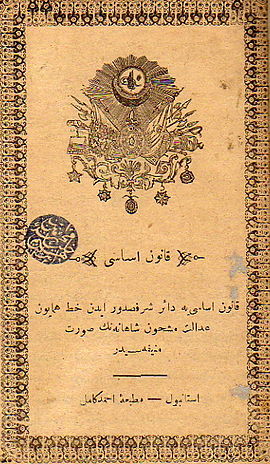
Amidst a backdrop of social unrest and pressure for reform, the Ottoman Empire promulgated the Ottoman Constitution {Kanûn-u Esâsî}, marking a significant development in the Islamic world. This constitution was a milestone in the empire's efforts to modernize its political system and address the demands of its diverse population.
The need for reform in the Ottoman Empire had been growing due to a series of military defeats, territorial losses, and internal discontent. The promulgation of the constitution was seen as a response to these challenges, aiming to establish a more defined system of government and protect the rights of its citizens.
The Ottoman Constitution laid the foundation for a constitutional monarchy, introducing a bicameral parliament and outlining the rights and responsibilities of the government and the people. It aimed to create a more inclusive and participatory political system, granting citizens a voice in the decision-making process.
The impact of the Ottoman Constitution was significant, setting a precedent for other Islamic countries to pursue modernization and political reform. It paved the way for the eventual rise of the Republic of Turkey and the transformation of the former empire into a modern nation-state.
The promulgation of the Ottoman Constitution was a turning point in the history of the Islamic world, demonstrating the empire's willingness to adapt to the changing times and embrace concepts of constitutionalism and political liberalism. It remains a symbol of the efforts to balance tradition with modernity in the region.
#OttomanConstitution #IslamicWorld #Modernization #PoliticalReform #Turkey
View details1856
The opening of the first Ottoman telegraph line between Istanbul and Edirne marked a pivotal moment in Turkey's communication history. This achievement was a result of the vision to modernize the Ottoman Empire's infrastructure and improve the efficiency of transmitting important messages across long distances. The telegraph line connected the two major cities, Istanbul and Edirne, enabling swift and reliable communication between the capital and the regions.
The implementation of the telegraph line significantly transformed the way information was exchanged, revolutionizing the speed and reliability of communication within the Ottoman Empire. Messages that used to take days or even weeks to reach their destination could now be transmitted almost instantaneously. This advancement played a crucial role in enhancing governmental, military, and commercial communication, boosting overall efficiency and coordination.
The establishment of the telegraph line had a profound impact on various aspects of Ottoman society, including politics, trade, and military operations. It facilitated quick decision-making processes, enabled faster dissemination of news, and contributed to the centralization of power. Moreover, the telegraph line played a critical role in fortifying the empire's defense and security by improving the transmission of military orders and strategic information.
The opening of the first Ottoman telegraph line between Istanbul and Edirne symbolizes a transformative moment in Turkey's technological advancement and integration into the global communication network. It laid the foundation for future developments in telecommunication infrastructure and paved the way for further modernization initiatives within the Ottoman Empire.
#OttomanEmpire #TelegraphLine #CommunicationRevolution #TechnologicalAdvancement
View details1855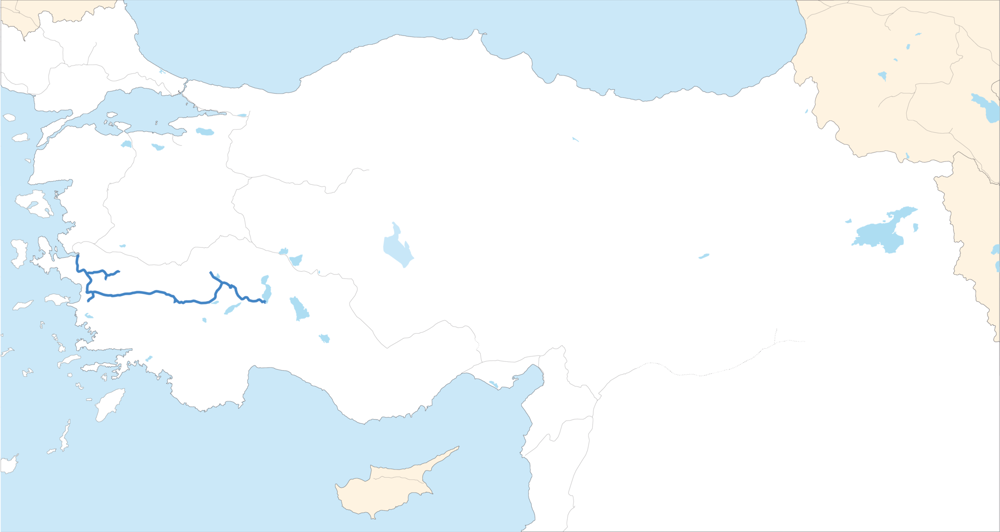
In 1856, the Ottoman Empire marked a pivotal development with the construction of its first railway line. The railway was built to connect the bustling port city of İzmir with Aydın, a strategic inland town in western Anatolia. This initiative was a response to the growing need for efficient transportation of goods and people, fueled by the increasing trade activities in the region.
The construction of the İzmir-Aydın railway line brought about a transformation in the way goods were transported within the Ottoman Empire. It facilitated quicker and more convenient movement of goods between the port city and the inland regions, boosting trade and economic activities. The railway also played a crucial role in improving connectivity and communication between different parts of the empire, laying the foundation for future infrastructural developments.
The completion of the railway line had a significant impact on the socio-economic landscape of the region. It not only stimulated industrial growth but also led to the development of new settlements along the route, contributing to urbanization. The railway line also played a key role in the modernization efforts of the Ottoman Empire, aligning it with the technological advancements of the time.
The construction of the first railway line in the Ottoman Empire, linking İzmir and Aydın, marked a milestone in the history of transportation and infrastructure development in the region. It symbolized the empire's eagerness to embrace modernity and adapt to the changing world around them. The legacy of this railway line continues to be felt in present-day Turkey, where a modern and extensive railway network stands as a testament to the progressive vision that was set in motion over a century ago.
#OttomanEmpire #RailwayDevelopment #İzmirAydınRailway #TurkeyHistory
View details1843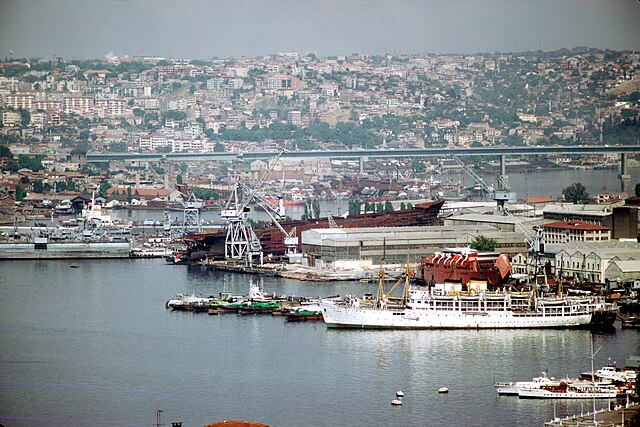
In 1844, the Mecidiye shipyard was founded in Istanbul with the aim of enhancing Turkey's naval capabilities through the construction and modernization of naval vessels. Prior to this establishment, the Ottoman Empire relied heavily on foreign powers for naval technology and ships, limiting its independence and security in the region. The Mecidiye shipyard aimed to change this dynamic by enabling Turkey to build and maintain its own fleet of modern warships.
The construction of the shipyard marked a significant shift towards self-sufficiency in naval affairs for Turkey. It not only provided the country with the infrastructure needed to build and repair ships but also facilitated the transfer of knowledge and skills in shipbuilding to Turkish engineers and workers. This transfer of expertise helped in the development of a domestic naval industry and reduced Turkey's reliance on external sources for naval capabilities.
The establishment of the Mecidiye shipyard had a lasting impact on Turkey's naval power and autonomy. It allowed the country to strengthen its presence in the Mediterranean and Black Sea regions, enhancing its ability to protect its interests and assert its sovereignty. Additionally, the shipyard played a crucial role in the Ottoman Empire's efforts to modernize its military and adapt to the changing dynamics of maritime warfare in the 19th century.
Overall, the founding of the Mecidiye shipyard in Istanbul in 1844 represented a significant milestone in Turkey's naval history. It not only marked a shift towards self-reliance in naval construction and modernization but also contributed to the country's broader efforts to strengthen its military capabilities and assert its presence in the region.
#Turkey #NavalHistory #Shipbuilding #MecidiyeShipyard
View details1839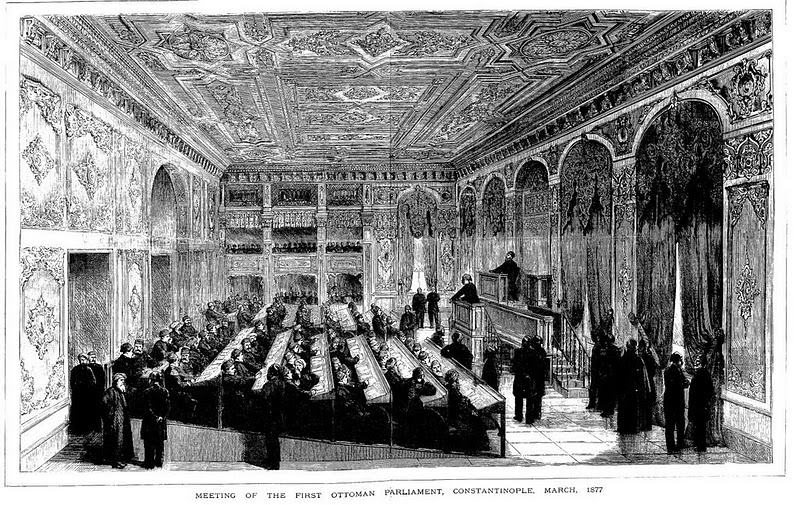
In the 19th century in the Ottoman Empire, a significant reform known as the Edict of Gülhane was announced, marking the commencement of the Tanzimat reforms. This reform was a response to various challenges faced by the empire, including military defeats, economic instability, and pressure from European powers. The edict aimed to modernize the administrative, legal, and social systems of the empire in order to strengthen its control and ensure its survival.
The Edict of Gülhane, also referred to as the Hatt-ı Şerif of Gülhane, introduced a series of changes to the Ottoman government, including the establishment of a new legal code, equality before the law, and the guarantee of basic rights for all Ottoman citizens. It also aimed to centralize the administration, create a more efficient tax system, and improve the military and education systems. These reforms were implemented in an effort to modernize the empire and adapt to the changing global political landscape.
The impact of the Tanzimat reforms was significant, leading to improvements in infrastructure, the economy, education, and the legal system. These changes helped to stabilize the empire and enhance its diplomatic relations with European powers. Additionally, the reforms promoted a sense of equality and citizenship among Ottoman subjects, regardless of their religion or ethnicity.
Overall, the proclamation of the Edict of Gülhane and the subsequent Tanzimat reforms marked a crucial turning point in the history of the Ottoman Empire. These reforms set the stage for further modernization efforts and played a key role in shaping the future of Turkey as a nation.
#OttomanEmpire #TanzimatReforms #Modernization #GülhaneEdict
View details1792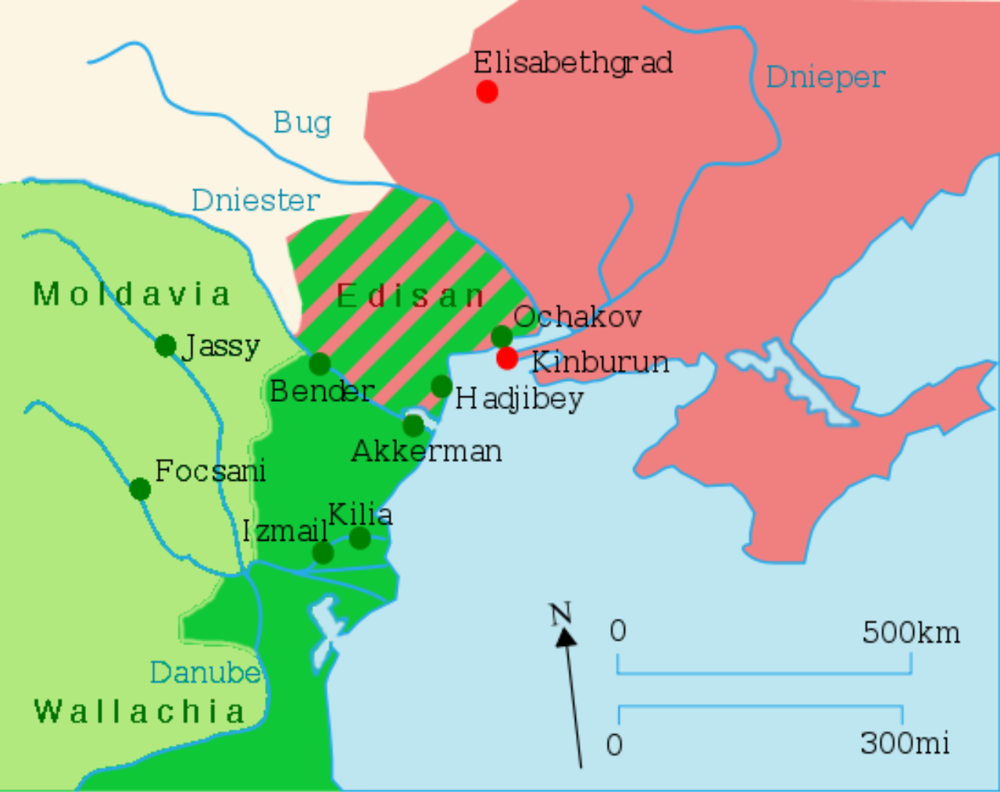
The Treaty of Jassy was signed between the Ottoman Empire and Russia as a concluding resolution to the Russo-Turkish War of 1787–1792. The conflict originated from territorial disputes and ambitions, with both empires seeking to expand their influence in the region. The war had resulted in significant losses for both sides, leading them to the negotiation table.
The treaty solidified the earlier armistice signed in 1791 and reaffirmed the provisions outlined in the Treaty of Küçük Kaynarca of 1774. The Ottomans agreed to cede to Russia the territories of Ochakov, Yedisan, and the fortress of Kinburn, granting Russia access to the Black Sea coast. In return, Russia withdrew its forces from the Danubian Principalities.
The signing of the Treaty of Jassy marked a pivotal moment in the relations between the Ottoman Empire and Russia, establishing a new territorial balance in the region. It also highlighted the declining power of the Ottomans and the growing influence of Russia in Eastern Europe. The treaty contributed to shaping the geopolitics of the region for years to come, setting the stage for further conflicts and power struggles in the future.
In conclusion, the Treaty of Jassy was a significant diplomatic event that brought an end to the Russo-Turkish War of 1787–1792, reshaping the political landscape of Eastern Europe. It underlined the shifting power dynamics between the Ottoman Empire and Russia, laying the groundwork for future tensions and alliances.
#TreatyofJassy #RussoTurkishWar #OttomanEmpire #Russia #Diplomacy
View details1774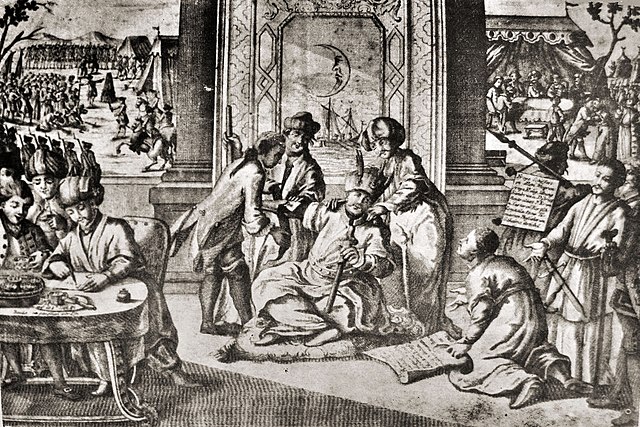
The Treaty of Kuchuk Kaynarca marked the end of the Russo-Turkish War. As the Ottoman Empire faced growing internal strife, Russia seized the opportunity to advance its interests in the region. The treaty, signed in Kuchuk Kaynarca, established favorable terms for Russia. The Ottoman Empire ceded control of the Crimean Khanate and territories along the Black Sea, as well as granting Russia the right to intervene in matters concerning Orthodox Christians in the Empire.
The treaty also granted Russia access to the Black Sea, opening up new trade routes and expanding its influence in the region. In return, Russia agreed to return captured territories and prisoners of war to the Ottomans. The treaty significantly weakened the Ottoman Empire, marking a shift in the balance of power in Eastern Europe.
The signing of the Treaty of Kuchuk Kaynarca had far-reaching consequences. It highlighted the deteriorating strength of the Ottoman Empire and the increasing influence of Russia in the region. The loss of territory and the concessions made in the treaty weakened the Empire both militarily and economically.
In the aftermath of the treaty, the Ottoman Empire faced internal unrest and external threats, leading to a period of decline. Russia, on the other hand, emerged as a major player in Eastern Europe, setting the stage for future conflicts and power struggles in the region.
The Treaty of Kuchuk Kaynarca reshaped the political landscape of Eastern Europe and set the stage for future conflicts and power struggles in the region. It marked a turning point in the relationship between the Ottoman Empire and Russia, with lasting implications for the balance of power in the region. #TreatyofKuchukKaynarca #OttomanEmpire #Russia #EasternEurope #PowerStruggles
View details1773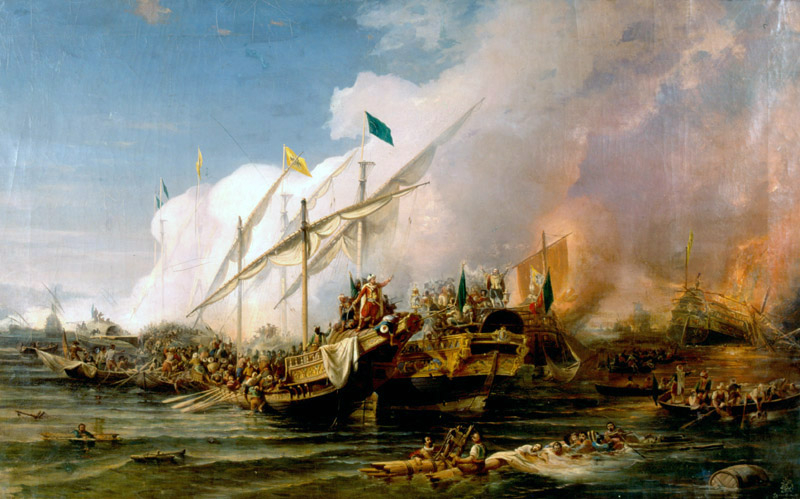
In the 18th century, a pivotal development took place in Istanbul with the establishment of the Ottoman naval school. Recognizing the pressing need to modernize the Ottoman navy, this institution was founded to provide advanced training in naval tactics, engineering, and technology. The school aimed to enhance the effectiveness of the navy in safeguarding Ottoman territories and securing maritime trade routes.
The Ottoman naval school played a crucial role in fostering a new generation of naval officers equipped with the knowledge and skills required to navigate the challenges of an evolving maritime landscape. Students underwent rigorous training in navigation, shipbuilding, gunnery, and strategy, preparing them for leadership roles within the navy. This initiative marked a significant step towards modernizing the Ottoman military capabilities and strengthening its naval power.
The impact of the establishment of the naval school was profound, as it contributed to the revitalization of the Ottoman navy and its ability to compete with European maritime powers. By incorporating modern naval practices and technologies, the Ottoman navy became more efficient and formidable, asserting its presence in the Mediterranean and beyond. The graduates of the naval school played a vital role in shaping the future of the Ottoman navy and upholding its strategic interests in the region.
The establishment of the Ottoman naval school in Istanbul underscored the commitment of the Ottoman Empire to adapt to the changing dynamics of naval warfare and secure its position as a maritime power. This historical development laid the foundation for the modernization of the Ottoman navy and its continued relevance in the geopolitics of the time.
#OttomanNavy #NavalSchool #Istanbul #Modernization #MaritimePower
View details1739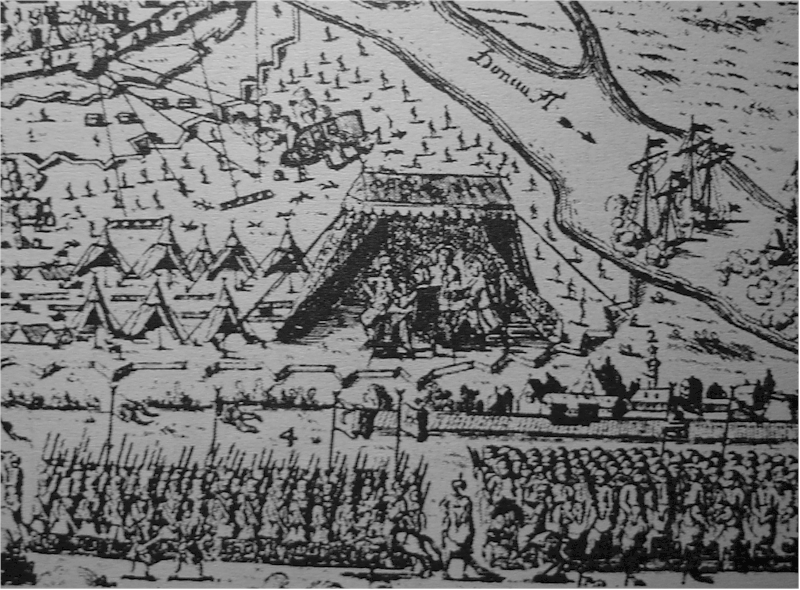
In 1739, the Treaty of Belgrade was signed between the Ottoman Empire and Austria, marking the end of the Austro-Turkish War. The conflict had emerged as a struggle for territorial control in the Balkans, with both sides seeking to expand their influence in the region. The treaty solidified a precarious peace, defining new borders and resolving disputed territories.
The Treaty of Belgrade had significant implications for both the Ottoman Empire and Austria. For the Ottoman Empire, the treaty ensured the preservation of their territorial integrity and helped stabilize their southern borders. It allowed the empire to focus on internal reforms and other external threats, diminishing the strain caused by prolonged military engagements.
On the other hand, Austria gained several key territories in the Balkans, strengthening their position in the region. The treaty marked a diplomatic victory for Austria, securing their gains and enhancing their influence in southeastern Europe. The agreement brought a temporary halt to hostilities, providing a period of relative tranquility in the region.
The Treaty of Belgrade had lasting effects on the balance of power in Europe, shaping the geopolitical landscape for years to come. It influenced future relations between the Ottoman Empire and Austria, setting a precedent for diplomatic negotiations and conflict resolution. The treaty's provisions were a testament to the importance of diplomacy in maintaining stability and preventing further bloodshed.
Overall, the Treaty of Belgrade represented a critical moment in the history of the Ottoman Empire and Austria, reflecting the complex dynamics of power and diplomacy in the 18th century. It underscored the significance of alliances and negotiations in resolving conflicts and shaping international relations.
#TreatyofBelgrade #OttomanEmpire #Austria #Balkans #Diplomacy #Geopolitics
View details1729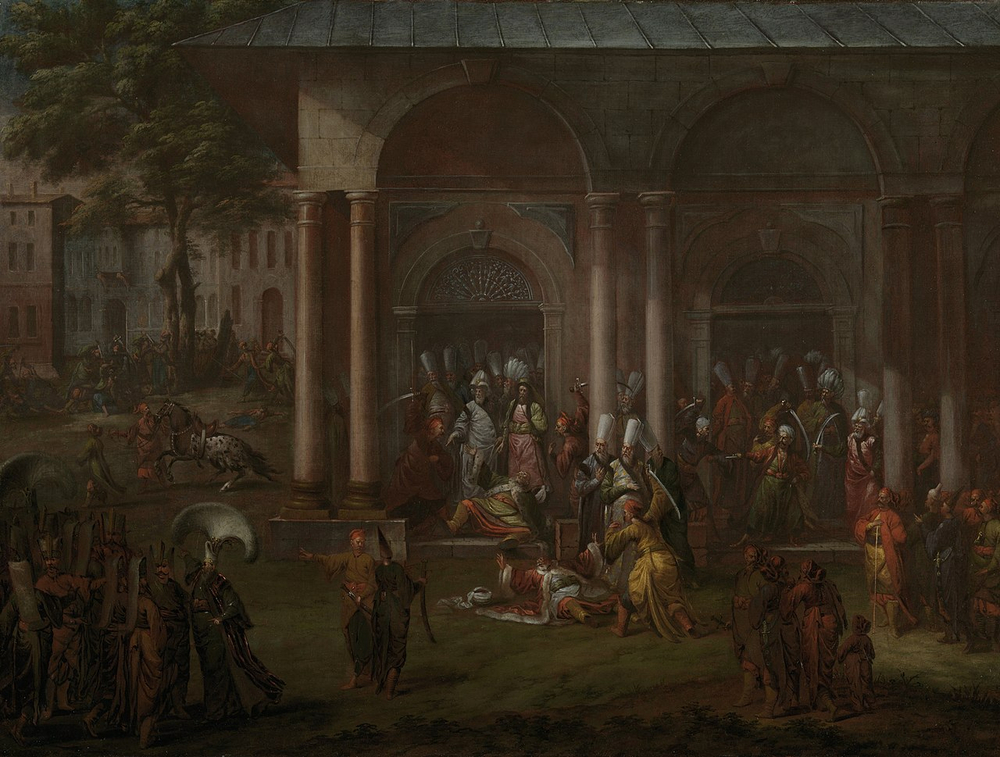
The Patrona Halil Uprising erupted in the Ottoman Empire during the early 18th century. The uprising was named after its leader, Patrona Halil, a janissary officer who became a prominent figure among the disaffected populace of Istanbul. The discontent that fueled the uprising stemmed from the resentment towards the grand vizier and other high-ranking officials who were perceived as corrupt and oppressive.
Patrona Halil, along with his followers, managed to incite a large-scale rebellion in Istanbul. The rebellion was marked by violent clashes between the insurgents and the ruling authorities. The uprising culminated in the overthrow of the grand vizier and the execution of several high-ranking officials who were deemed responsible for the grievances of the people.
The Patrona Halil Uprising had significant repercussions in the Ottoman Empire. It exposed the weaknesses within the ruling establishment and highlighted the growing discontent among the population. The uprising also demonstrated the power of popular discontent to challenge the authority of the ruling elite.
In the aftermath of the uprising, measures were taken to address some of the grievances that had fueled the rebellion. Reforms were implemented to curb corruption and improve governance, in an attempt to prevent similar uprisings in the future. The uprising also led to changes within the janissary corps, as its role in the events raised concerns about its loyalty and discipline.
Overall, the Patrona Halil Uprising was a turning point in the history of the Ottoman Empire. It underscored the challenges faced by the ruling elite in maintaining order and stability, and highlighted the need for reforms to address the grievances of the populace. The uprising left a lasting impact on the political landscape of the empire, serving as a reminder of the power of popular discontent to shape the course of history. #PatronaHalilUprising #OttomanEmpire #Rebellion
View details1718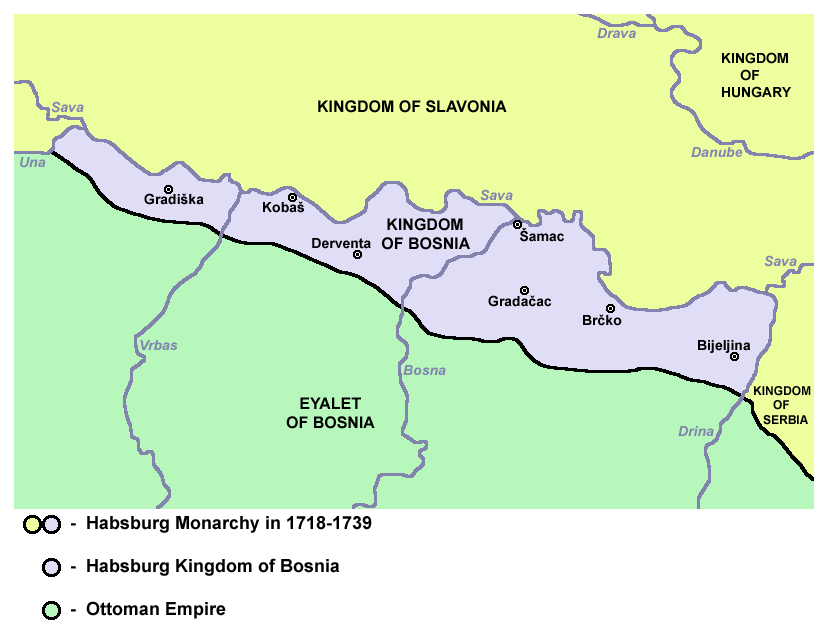
The Treaty of Passarowitz was a pivotal agreement among the Ottoman Empire, Austria, and Venice. The backdrop of the treaty was a series of conflicts known as the Great Turkish War, part of the larger struggle between the Ottoman Empire and European powers for control over territories in southeastern Europe. The treaty negotiations were held in Passarowitz (modern-day Serbia) and lasted for several months.
The Treaty of Passarowitz marked a significant shift in the balance of power in the region. The Ottoman Empire ceded substantial territories to Austria, including parts of present-day Serbia, Bosnia, and Hungary. Venice also gained territory in Albania and Dalmatia. In return, the Ottomans secured peace on their western frontier, allowing them to focus their efforts on other regions.
One of the key outcomes of the treaty was the establishment of relatively stable borders between the Ottoman Empire, Austria, and Venice. The agreement also included provisions for the protection of religious minorities in the newly acquired territories, a significant development for the time.
The Treaty of Passarowitz had long-lasting implications for the Ottoman Empire, Austria, and Venice. It solidified Austria's position as a dominant power in southeastern Europe and weakened the Ottoman Empire's control over the region. The treaty also set a precedent for future diplomatic negotiations among European powers and the Ottomans.
In conclusion, the Treaty of Passarowitz was a pivotal moment in the history of the Ottoman Empire, Austria, and Venice. It reshaped the political landscape of southeastern Europe and set the stage for future conflicts and alliances in the region. #TreatyofPassarowitz #OttomanEmpire #Austria #Venice #EuropeanHistory #Diplomacy
View details1700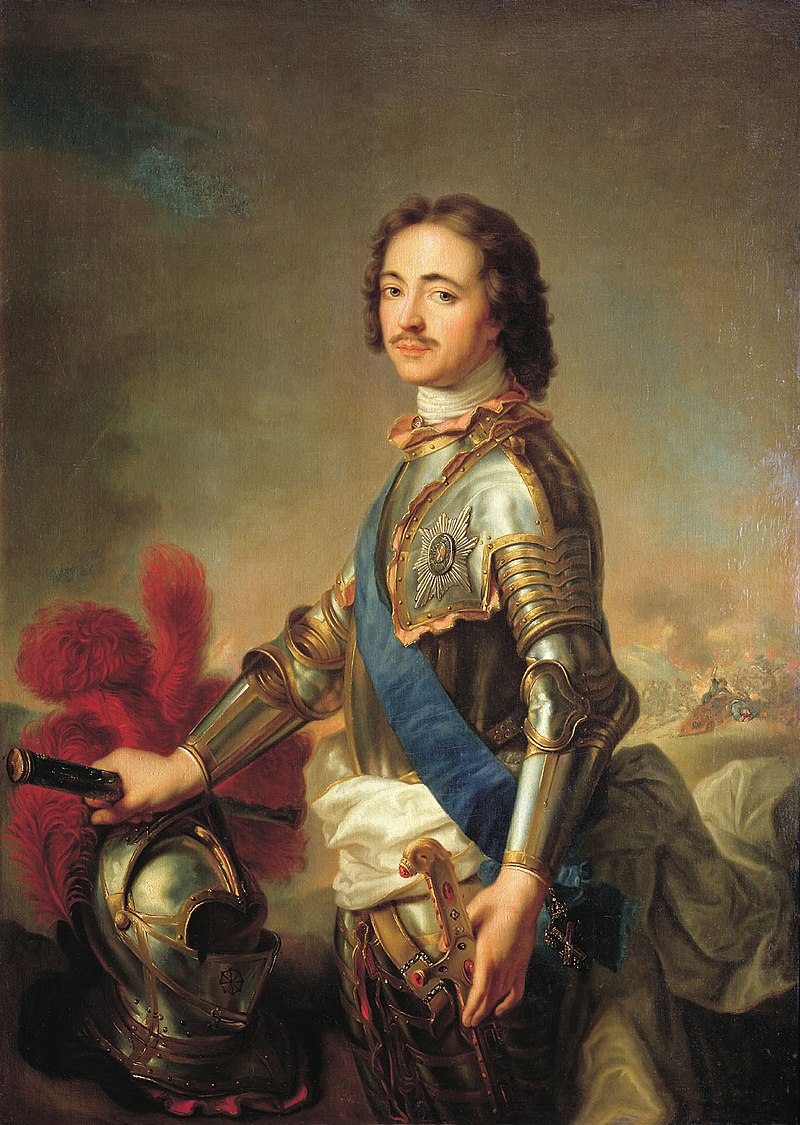
In July 1700, the Treaty of Constantinople was signed between the Ottoman Empire and Russia. The treaty aimed to regulate the territorial disputes between the two powers, particularly concerning the control of Azov, Taganrog, and surrounding areas. The agreement recognized Russia's possession of Azov but limited its naval presence in the Black Sea. In return, Russia agreed to demolish the fortresses it had built in the region, ensuring a balance of power in the area.
The Treaty of Constantinople brought a temporary resolution to the conflict between the Ottoman Empire and Russia, allowing both parties to focus on other internal and external challenges they faced. It also set a precedent for diplomatic negotiations between the two empires, laying the foundation for future agreements and treaties.
This treaty highlighted the strategic importance of the Black Sea region and the constant power struggles that took place among various empires vying for control. It also demonstrated the diplomatic skills of both the Ottoman and Russian negotiators in reaching a compromise that served the interests of their respective empires.
The Treaty of Constantinople reflected the intricate web of alliances, rivalries, and shifting borders in the early 18th century, as empires jostled for dominance and sought to secure their interests through diplomatic means. It represented a crucial moment in the history of the Ottoman Empire and Russia, shaping their future interactions and territorial boundaries.
#TreatyofConstantinople #OttomanEmpire #Russia #Diplomacy #BlackSea #TerritorialDisputes
View details1639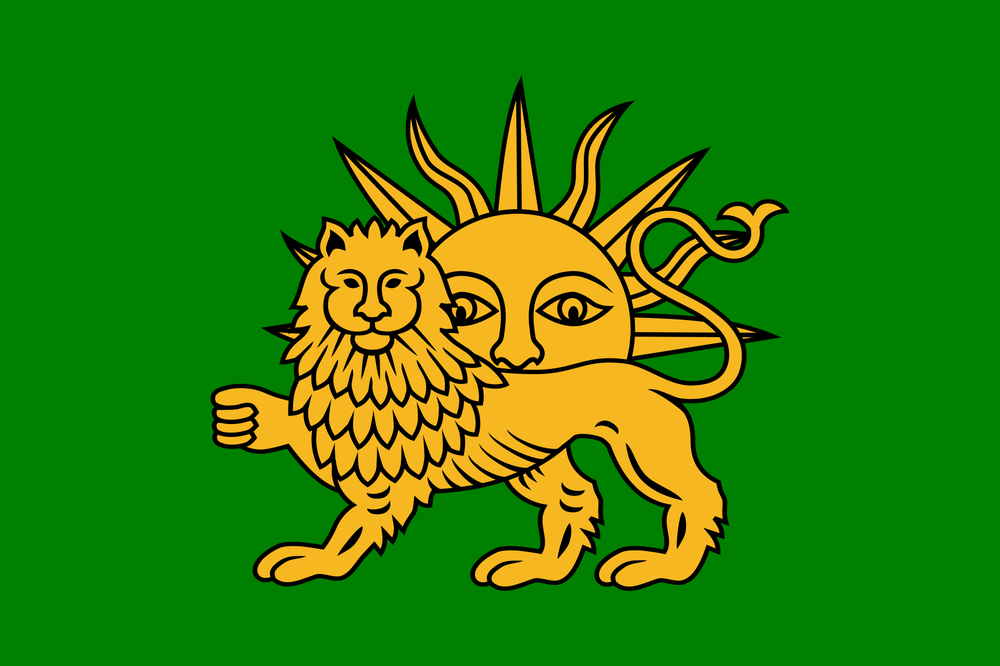
The Treaty of Zuhab signaled the conclusion of the long-lasting conflict between the Ottoman Empire and Safavid Persia. The war had been ongoing for several years over territorial disputes, particularly the control of vast regions in Western Asia.
The signing of the treaty took place in Zuhab, a region located near the border of modern-day Iran and Turkey. The agreement established a definitive boundary between the two empires, with the Ottoman Empire gaining territories in Mesopotamia, Baghdad, and Basra while Safavid Persia retained control over the Caucasus region. This demarcation brought a sense of stability and security to the region, preventing further bloodshed and conflicts between the two powers.
The Treaty of Zuhab had significant consequences for the geopolitical landscape of the Middle East. It marked the beginning of a new era of relative peace and diplomatic relations between the Ottoman Empire and Safavid Persia. The treaty's legacy also extended to future agreements and alliances that shaped the balance of power in the region for years to come.
This event exemplifies the importance of diplomacy and negotiation in resolving conflicts and establishing peaceful coexistence between rival nations. The Treaty of Zuhab serves as a reminder of the complexities of international relations and the significance of finding mutual agreements to avoid prolonged hostilities.
#TreatyofZuhab #OttomanEmpire #SafavidPersia #PeaceAccords #MiddleEast #Geopolitics
View details1638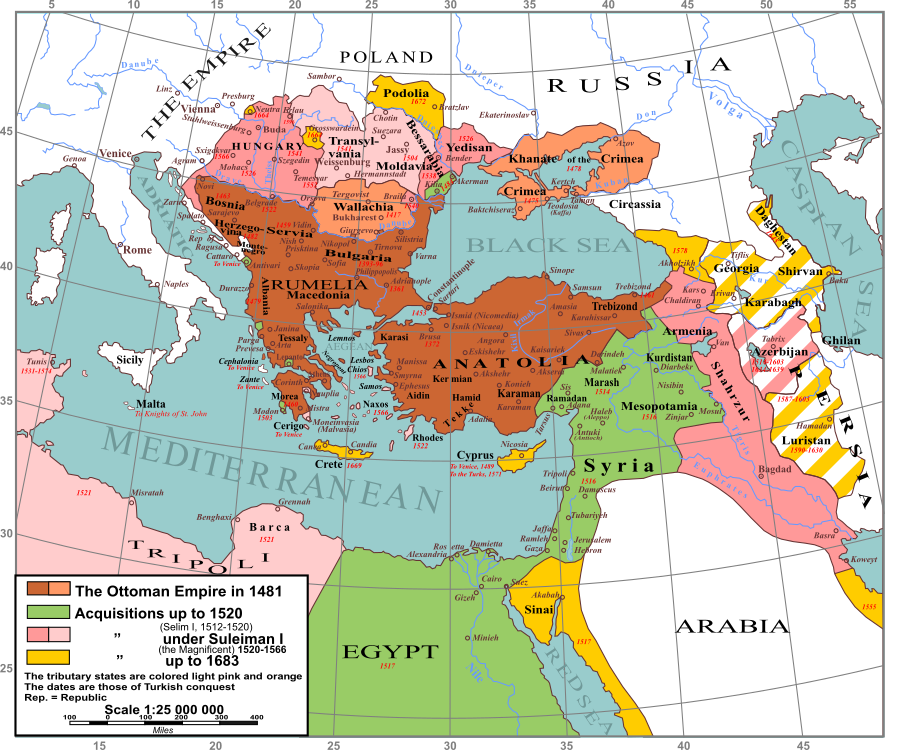
In 1638, the Ottoman Empire successfully regained control of Baghdad from Safavid Persia, marking a significant turn of events in the centuries-long rivalry between the two powers. The city of Baghdad, a strategic and symbolic center in the region, had been under Persian rule for over a century.
The conflict between the Ottomans and Safavids was rooted in territorial disputes, religious differences, and struggles for dominance in the region. The Ottomans, a Sunni Muslim empire, sought to assert their authority over Baghdad, a predominantly Sunni city, and reaffirm their control over the lands that were historically part of their empire.
The reconquest of Baghdad by the Ottomans had far-reaching implications for the balance of power in the Middle East. It solidified Ottoman control over a key city and dealt a blow to Safavid ambitions in the region. The Ottomans' successful military campaign demonstrated their military strength and political resolve, signaling to their rivals and allies alike that they remained a formidable force to be reckoned with.
The Ottoman Empire's reconquest of Baghdad also had cultural and economic consequences. The city was a center of learning, trade, and Islamic scholarship, and its return to Ottoman control helped reinvigorate cultural exchange and economic activity in the region.
Overall, the Ottoman Empire's regaining control of Baghdad from Safavid Persia in 1638 was a crucial event in the history of the Middle East, with far-reaching impacts on politics, culture, and religion in the region. It underscored the Ottoman Empire's resilience and military prowess while reshaping the geopolitical landscape of the time.
#OttomanEmpire #Baghdad #MiddleEastHistory #OttomanSafavidConflict
View details1578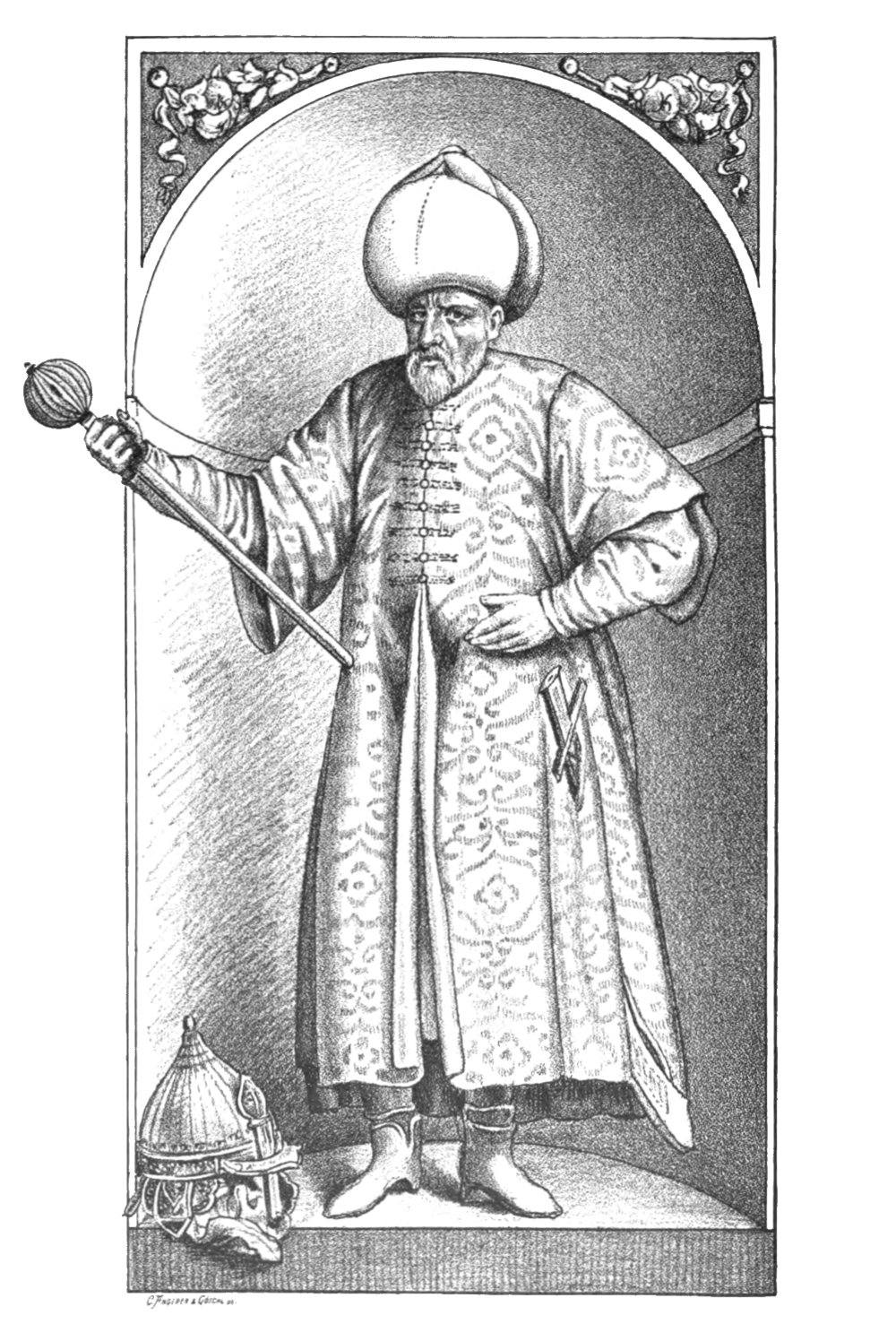
Sokollu Mehmed Pasha, a prominent figure in the Ottoman Empire, grew discontent with the reigning Sultan Murad III's rule. Having served as Grand Vizier for many years, Sokollu Mehmed Pasha wielded significant power and influence. However, tensions rose as Sultan Murad III increasingly sidelined him in decision-making processes. This ultimately led to Sokollu Mehmed Pasha's decision to launch a revolt against the Sultan.
During the revolt, Sokollu Mehmed Pasha garnered support from various factions within the empire, including military leaders and provincial governors who were also disillusioned with Sultan Murad III's leadership. The revolt gained momentum quickly as discontent spread throughout the empire. Sokollu Mehmed Pasha's reputation as a capable administrator and strategist further fueled the rebellion.
The revolt of Sokollu Mehmed Pasha had a profound impact on the Ottoman Empire. It exposed the growing dissent and instability within the empire's ruling elite and highlighted the shifting power dynamics at the highest levels of government. The revolt also demonstrated the vulnerabilities of the Sultan's authority and the potential for rebellion from influential figures with significant support.
Ultimately, Sultan Murad III was forced to confront the revolt head-on, leading to a period of intense conflict and political intrigue within the empire. The revolt of Sokollu Mehmed Pasha reshaped the political landscape of the Ottoman Empire and left a lasting impact on its governance and power structures.
#OttomanEmpire #Rebellion #SokolluMehmedPasha #SultanMuradIII #PowerStruggle
View details1556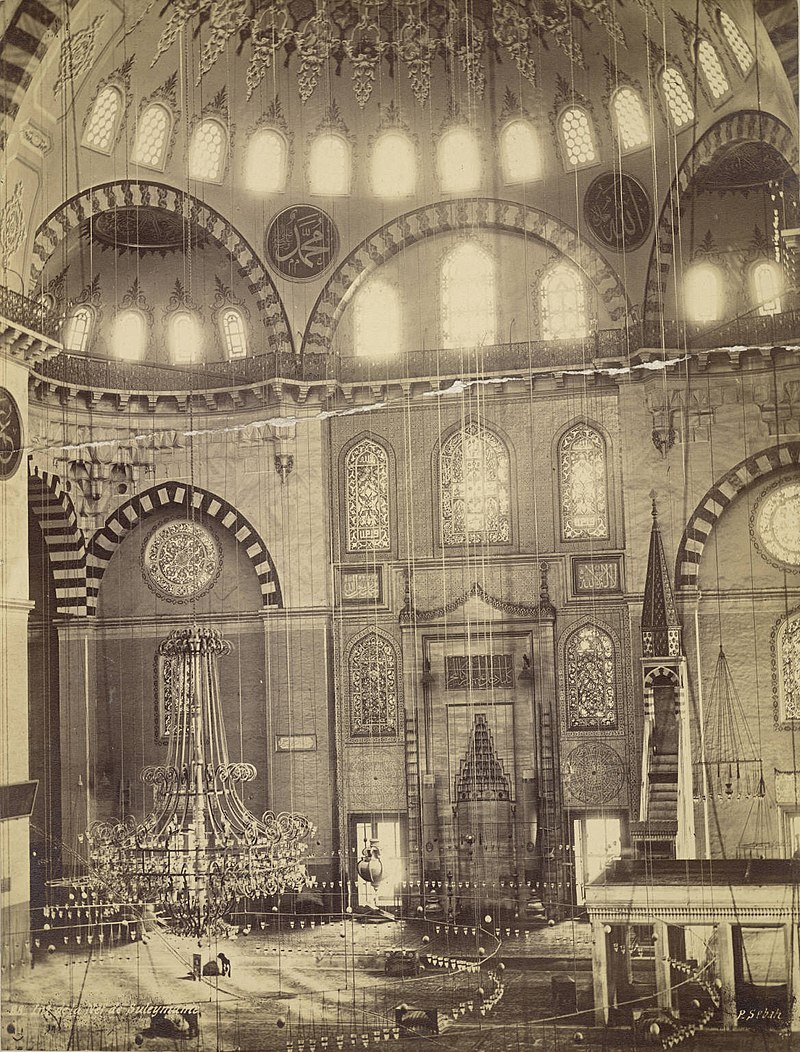
The construction of the Suleymaniye Mosque in Istanbul by architect Mimar Sinan marked a pivotal moment in Turkish history. Commissioned by Sultan Suleiman the Magnificent, the mosque was completed as part of a larger complex in Istanbul. Mimar Sinan, who was the chief architect in the Ottoman Empire, designed the mosque in a distinct Ottoman architectural style.
The mosque complex consisted of not just the mosque itself, but also a hospital, school, library, and bathhouse. This comprehensive approach to architecture was aimed at serving both the spiritual and social needs of the community. The grandeur of the mosque's dome and minarets, along with its intricate decorations and calligraphy, showcased the craftsmanship and artistry of the era.
The Suleymaniye Mosque became a symbol of the Ottoman Empire's power and influence, both domestically and internationally. Its strategic location overlooking the Golden Horn made it a prominent landmark in Istanbul's skyline. The mosque complex served as a hub of cultural, educational, and religious activities, fostering intellectual discourse and community engagement.
Mimar Sinan's architectural masterpiece not only left a lasting impact on Istanbul's skyline but also influenced subsequent mosque designs in the Ottoman Empire and beyond. The Suleymaniye Mosque continues to be a revered site for worshippers, tourists, and historians, attracting visitors from around the world to marvel at its beauty and historical significance.
#SuleymaniyeMosque #MimarSinan #OttomanArchitecture #Istanbul #CulturalHeritage #ArchitecturalMasterpiece #CommunityEngagement
View details1526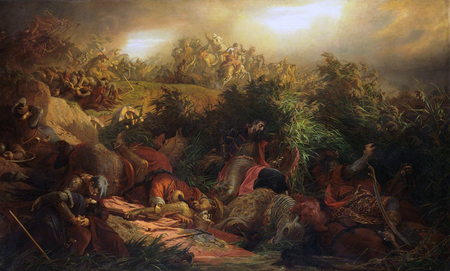
The Battle of Mohacs marked a significant clash between the Ottoman Empire and the Hungarian Kingdom. The origins of the conflict can be traced back to the Ottoman expansion into southeastern Europe and Hungary's strategic position as a buffer between the Ottomans and the Habsburg Empire.
The Ottomans, led by Sultan Suleiman the Magnificent, sought to assert their dominance over Hungary, while the Hungarian Kingdom, under the rule of King Louis II, aimed to defend its territory and sovereignty. The battle took place near the town of Mohacs, a crucial crossing point on the Danube River.
The outcome of the battle was decisive, with the Ottomans achieving a resounding victory over the Hungarian forces. King Louis II was killed in the battle, and many Hungarian nobles and soldiers were either slain or captured. The defeat at Mohacs had far-reaching consequences for Hungary, as it led to a power vacuum and internal strife within the kingdom.
The Ottomans capitalized on their victory at Mohacs by expanding their territorial control in Hungary and eventually laying siege to the capital, Buda. The Habsburgs, who were rivals of the Ottomans, also sought to capitalize on the chaos in Hungary by making territorial gains.
The Battle of Mohacs was a turning point in the history of Hungary, as it marked the beginning of the Ottoman occupation of the region. The legacy of the battle continues to be felt in modern-day Hungary, as it shaped the country's geopolitical landscape for centuries to come.
#OttomanEmpire #HungarianKingdom #BattleofMohacs #HistoricConflict #SultanSuleiman
View details1481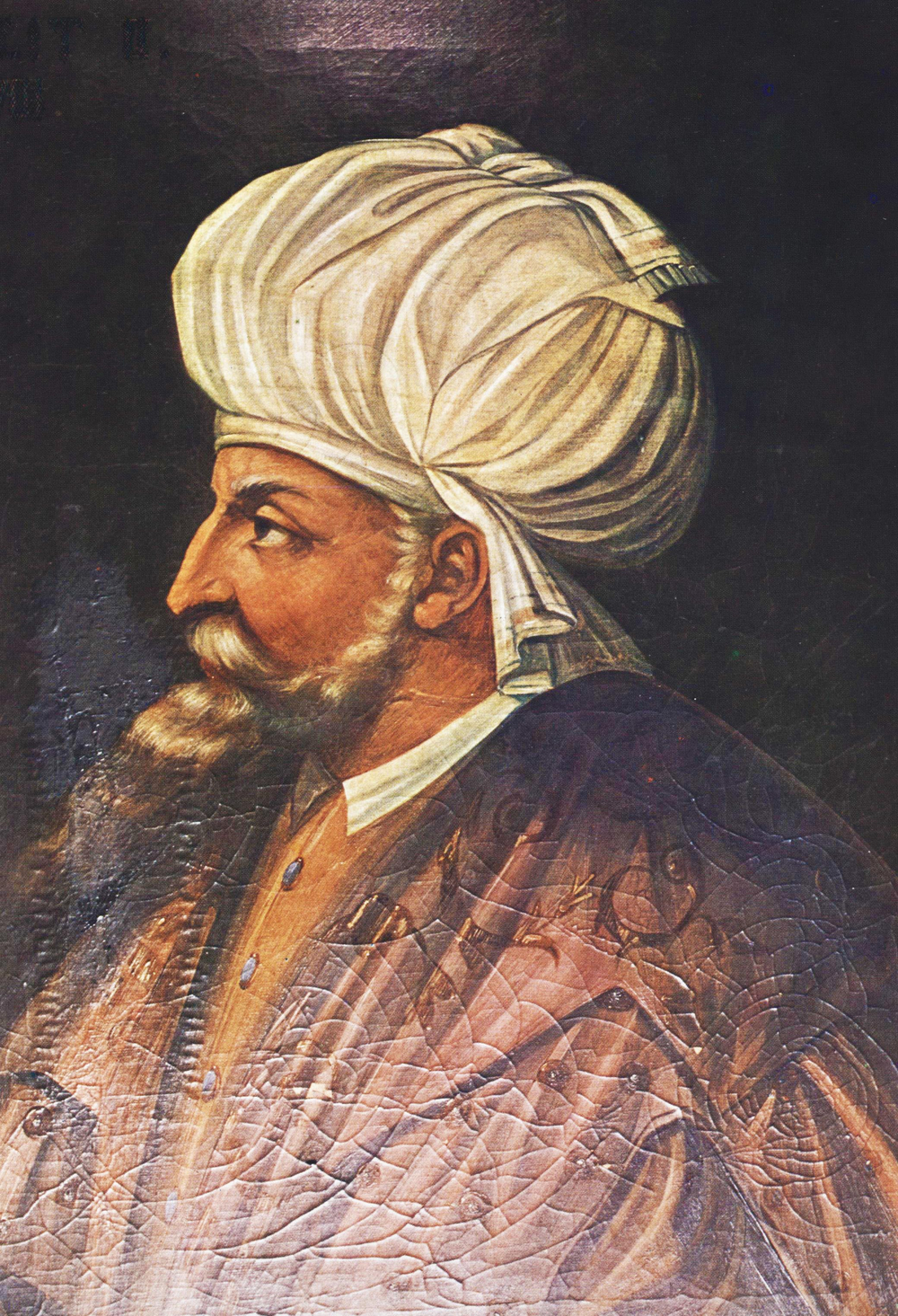
Sultan Bayezid II took the throne of the Ottoman Empire after his father's death, inheriting a vast realm spanning two continents. His reign marked a period of stability and cultural flourishing. Known for his diplomacy and patronage of the arts, Bayezid II fostered a climate of religious tolerance, sheltering Jews expelled from Spain and offering refuge to Christian scholars.
During his rule, the Ottoman Empire continued its expansion into Europe and Asia Minor, consolidating its power. Bayezid II maintained strong trade relations with Europe, enhancing the empire's economic prosperity. His policies focused on internal reforms, including improvements in administration, justice, and education.
Bayezid II's reign faced challenges from his ambitious brothers, resulting in civil strife and rebellions. Despite these internal conflicts, he managed to consolidate his power and strengthen the empire. His reign was marked by the construction of mosques, bridges, and other public works, enhancing the empire's architectural heritage.
Under Bayezid II's leadership, the Ottoman Empire flourished culturally, with advancements in literature, art, and architecture. He was a patron of scholars, poets, and artists, contributing to the empire's intellectual vibrancy. His court became a center of learning and innovation, attracting intellectuals from across the empire.
Overall, Sultan Bayezid II's ascension to the throne of the Ottoman Empire marked a period of stability, cultural advancement, and diplomatic achievement. His reign contributed to the empire's prosperity and cultural legacy, leaving a lasting impact on Turkish history. #OttomanEmpire #CulturalFlourishing #Diplomacy
View details1453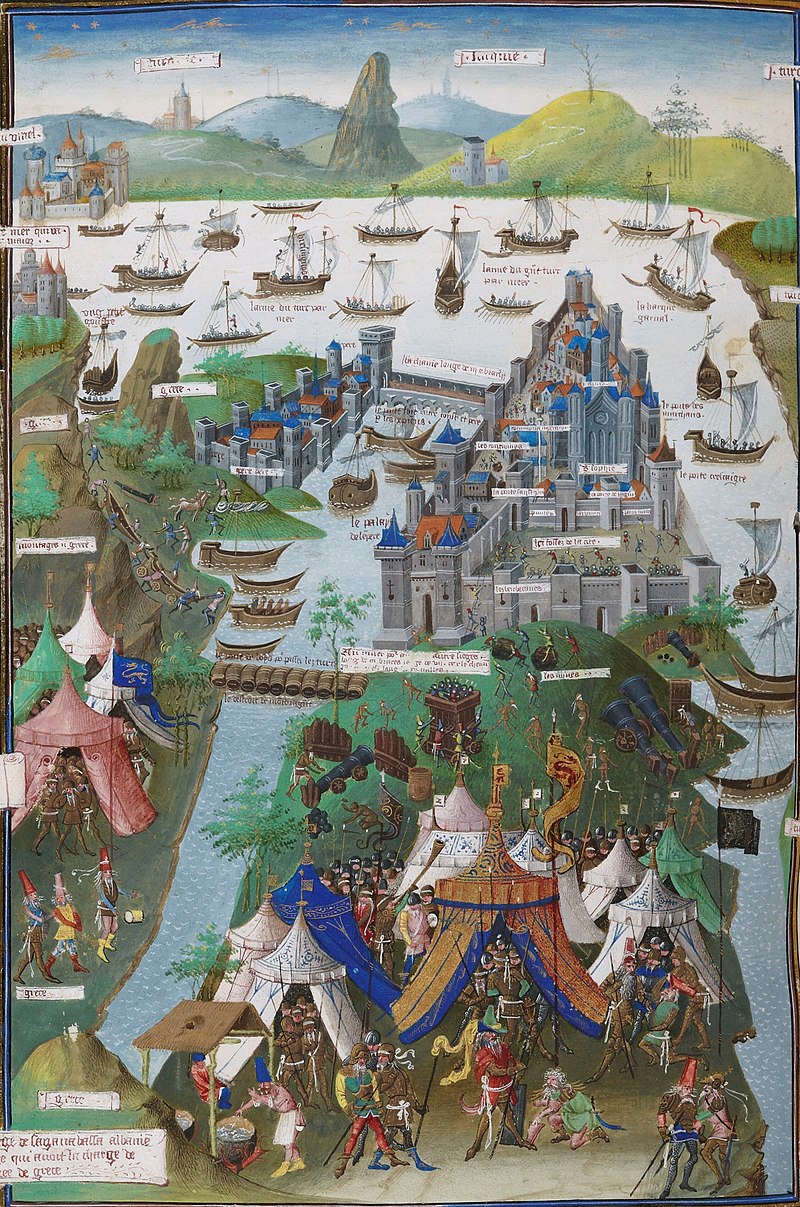
After a lengthy siege, Mehmed II successfully captured Constantinople, marking the end of the Byzantine Empire. Renaming the city Istanbul, he established it as the new capital of the Ottoman Empire. This monumental event had far-reaching consequences for the region and beyond.
By conquering Istanbul, Mehmed II gained control of a strategic location that connected Europe and Asia, allowing for easier trade and military expansion. The city's cultural and religious significance also made it a symbol of power and authority. Establishing Istanbul as the capital solidified the Ottoman Empire's dominance in the region for centuries to come.
The fall of Constantinople and the rise of Istanbul as the Ottoman capital led to a shift in the balance of power in Europe and the Middle East. The city became a center of commerce, culture, and politics, attracting people from various backgrounds and contributing to its cosmopolitan identity. The Ottomans used Istanbul as a base for further conquests, expanding their empire into new territories.
The cultural and architectural legacy of Istanbul as the Ottoman capital can still be seen today in the city's mosques, palaces, and public spaces. Mehmed II's decision to establish Istanbul as the new capital had a lasting impact on the region, shaping its history and identity.
#MehmedII #Istanbul #OttomanEmpire #Conquest #Legacy
View detailsThe conquest of Istanbul by the Ottoman Empire marked the final chapter in the Byzantine Empire's history. Led by Sultan Mehmed II, the Ottomans launched a siege on the city, which was the capital of the Byzantine Empire. With superior military tactics and firepower, they eventually breached the walls of Constantinople, leading to its fall.
The impact of the conquest was profound. It not only signaled the end of the Byzantine Empire but also marked the beginning of the Ottoman Empire's dominance in the region. Istanbul, formerly known as Constantinople, became the new capital of the Ottoman Empire and a major cultural and political center. The conquest also had significant implications for trade routes, as the Ottomans now controlled key strategic locations connecting Europe and Asia.
The fall of Constantinople had far-reaching consequences for Europe as well. It prompted a shift in power dynamics, leading to increased tensions between the Ottoman Empire and European powers. The conquest also fueled the Age of Exploration, as European nations sought new trade routes to bypass Ottoman control.
In addition to its geopolitical impact, the conquest of Istanbul had cultural repercussions. The Ottomans embraced the city's multicultural heritage, preserving many Byzantine structures and incorporating elements of Byzantine art and architecture into their own. This cultural fusion would come to define Istanbul's unique identity as a bridge between East and West.
Today, the conquest of Istanbul remains a pivotal moment in Turkish history, symbolizing the rise of the Ottoman Empire and the end of Byzantine rule. It continues to shape the cultural heritage of Istanbul and serves as a reminder of the city's rich and complex past.
#OttomanEmpire #ConquestofIstanbul #ByzantineEmpire #CulturalFusion
View details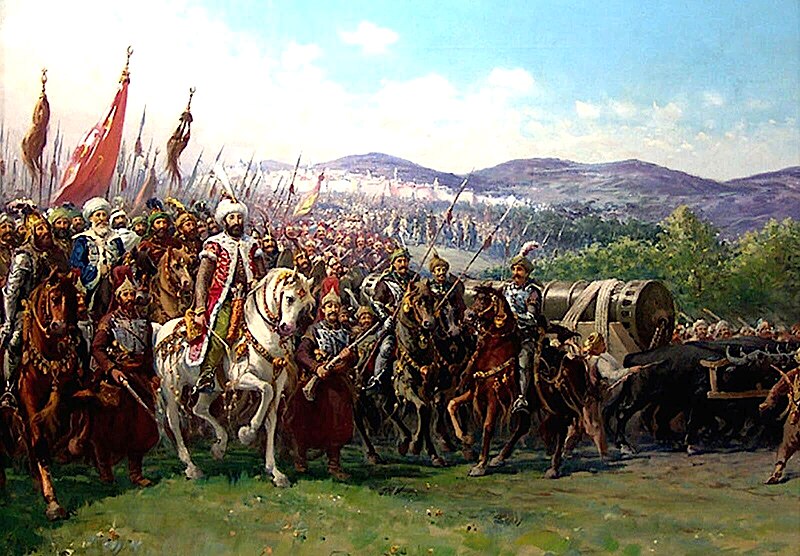
1421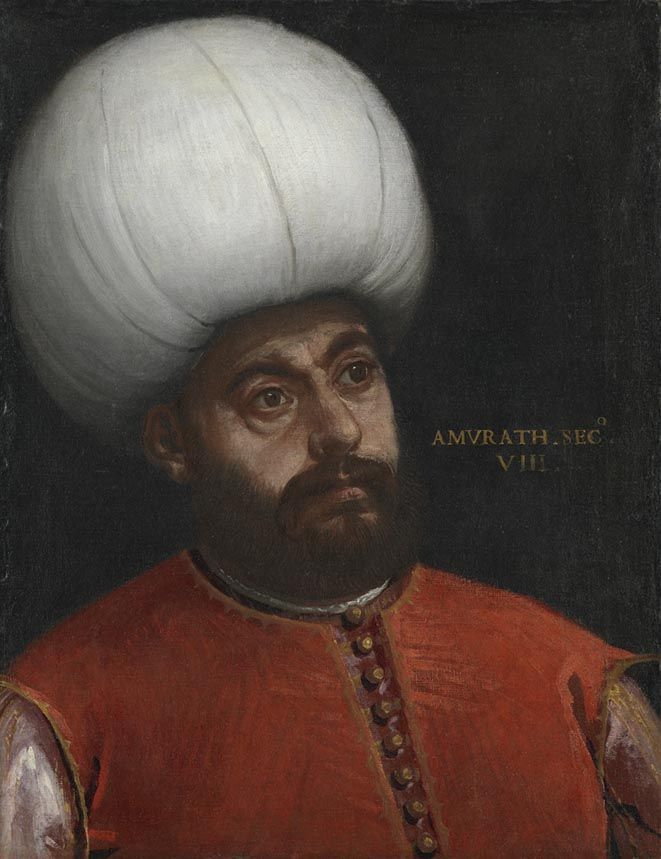
After the death of his father, Sultan Murad II ascended the throne for the second time in 1421. His first reign was marked by political turmoil and conflicts within the Ottoman Empire. However, upon his return as the Sultan, he embarked on a mission to restore stability and unity.
Sultan Murad II faced challenges from rival factions aiming to exploit the power vacuum left by his father's passing. Through strategic diplomatic maneuvers and military campaigns, he swiftly consolidated his authority and quelled rebellions. His leadership brought about a period of peace and prosperity for the Ottoman Empire.
During his reign, Sultan Murad II focused on expanding the empire's territories, strengthening its infrastructure, and fostering cultural and economic growth. He also implemented reforms to streamline governance and enhance the military capabilities of the empire. His reign was characterized by a consolidation of central authority and the establishment of a strong administrative system.
Sultan Murad II's second reign was significant for its impact on the Ottoman Empire's trajectory. Under his rule, the empire experienced a period of relative stability and growth, laying the foundation for its future expansion and cultural flourishing.
Overall, Sultan Murad II's second ascension to the throne in 1421 marked a turning point in the history of the Ottoman Empire, setting the stage for a period of consolidation and prosperity. His strategic vision and leadership skills helped to secure the empire's position as a major regional power in the centuries to come.
#SultanMuradII #OttomanEmpire #TurkishHistory #PoliticalStability.
View details1402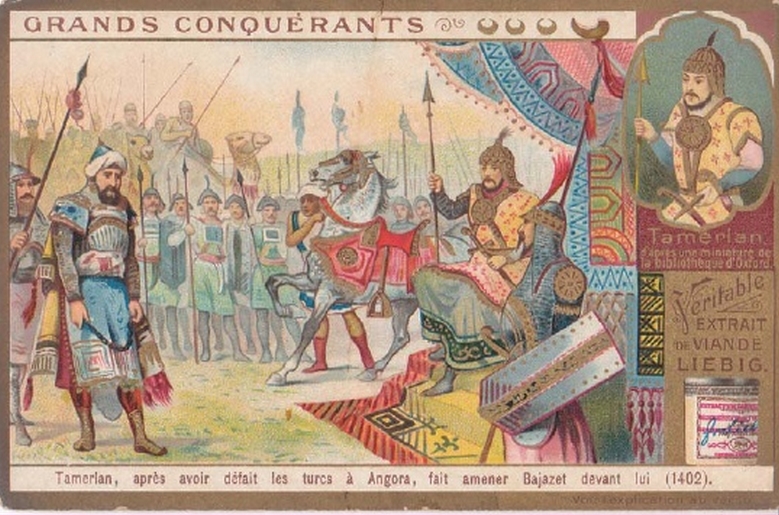
The Battle of Ankara was fought between the forces of Timur, also known as Tamerlane, and Bayezid I, the Ottoman Sultan. The confrontation took place near the city of Ankara in present-day Turkey. Bayezid, seeking to expand his empire, clashed with Timur, who aimed to challenge the rising power of the Ottomans.
The battle resulted in a decisive victory for Timur and his forces. Bayezid was captured, marking a significant turning point in the history of the Ottoman Empire. The defeat weakened the Ottomans and brought about a period of internal strife known as the Ottoman Interregnum, during which Bayezid's sons fought for control of the empire.
The aftermath of the Battle of Ankara had far-reaching consequences for the region. The power dynamics in Anatolia shifted, allowing other Turkic tribal groups to rise to prominence. Timur's conquests disrupted the trajectory of the Ottoman Empire, altering the balance of power in the Middle East and beyond.
The legacy of the Battle of Ankara is still evident in the historical narrative of Turkey and the broader region. The defeat of Bayezid by Timur reshaped the political landscape, contributing to the eventual rise of new dynasties and empires. The battle stands as a testament to the volatile nature of power struggles in the medieval era.
#BattleofAnkara #Timur #BayezidI #OttomanEmpire #Tamerlane #TurkishHistory #PowerStruggles #MiddleEastHistory
View detailsThe Fall of the Ottoman Empire marked a significant shift in the power dynamics of the region. Following a series of military defeats, the once powerful empire faced a major blow in 1402. The Battle of Ankara between the Ottomans and the Central Asian warlord Timur, also known as Tamerlane, resulted in the capture of the Ottoman Sultan Bayezid I.
The defeat at Ankara led to a period of instability and infighting within the Ottoman Empire as Bayezid's sons struggled for control. This internal conflict weakened the empire and created an opportunity for neighboring states to expand their territories. The fallout from the Battle of Ankara also paved the way for Timur to assert his dominance in the region.
The Fall of the Ottoman Empire had far-reaching consequences, not only for the empire itself but also for the broader geopolitical landscape. The power vacuum left by the weakened Ottomans allowed other empires and states to rise to prominence. This event marked the beginning of a decline in Ottoman power that would eventually lead to the empire's dissolution in the early 20th century.
The impact of the Fall of the Ottoman Empire reverberated throughout the centuries, shaping the course of history in the region. It serves as a reminder of the ebb and flow of power and the ever-changing nature of geopolitics. The event at Ankara was a turning point that set the stage for the rise of new powers and the eventual dismantling of one of the most formidable empires in history.
#OttomanEmpire #BattleofAnkara #Timur #PowerShift #Geopolitics
View details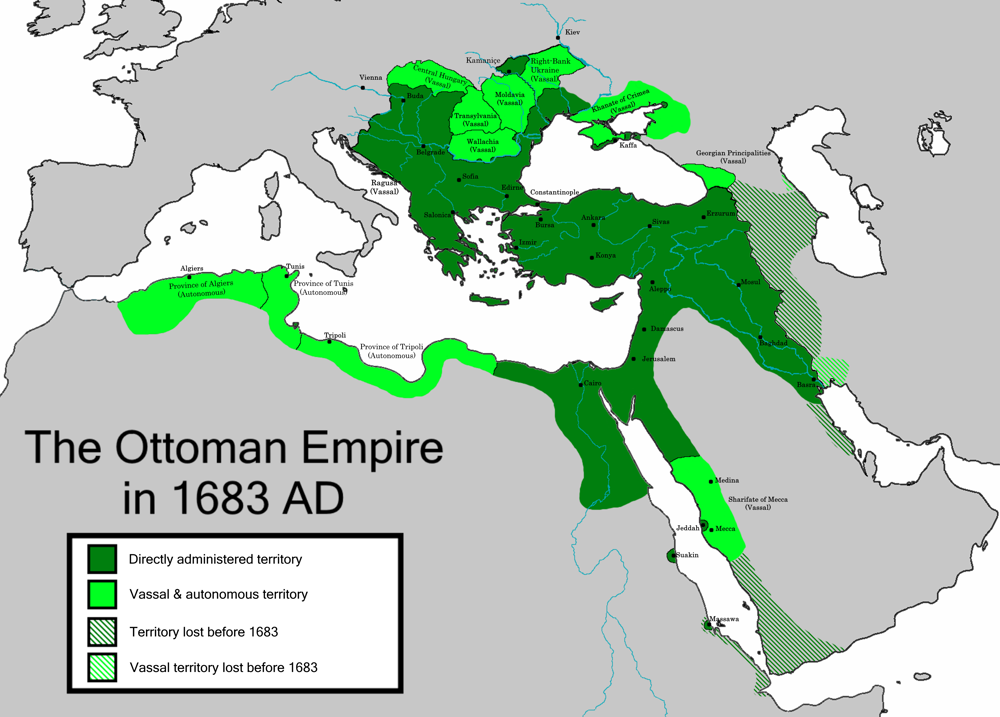
1389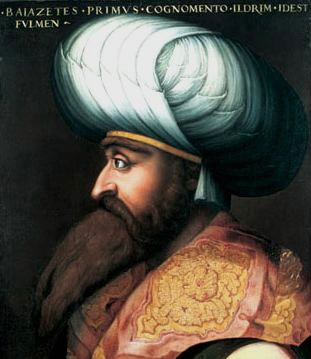
Bayezid I ascended to the throne of the Ottoman Empire following a period of succession struggles within the ruling family. His reign marked a turning point for the empire as he consolidated power and expanded its territories. Bayezid I was known for his military prowess and strategic acumen, which allowed him to defeat rivals and secure the Ottoman hold over Anatolia and the Balkans. His victory in the Battle of Kosovo against a coalition of European forces in 1389 further solidified his position as a formidable leader.
As Sultan, Bayezid I implemented administrative reforms, strengthened the centralized government, and fostered cultural and economic development. His rule saw the construction of significant architectural projects and the establishment of trade routes that boosted the empire's prosperity. Bayezid I's ambitious military campaigns also expanded Ottoman influence into new regions, laying the foundation for future imperial growth.
The ascension of Bayezid I to the Sultanate marked a crucial moment in Ottoman history, shaping the empire's trajectory for years to come. His strong leadership and strategic vision set the stage for the Ottoman Empire to become a dominant force in the region. Bayezid I's reign exemplified the empire's military might, administrative stability, and cultural achievements, leaving a lasting legacy that influenced subsequent rulers.
#BayezidI #OttomanEmpire #MilitaryConquest #AdministrativeReforms #CulturalDevelopment
View details1371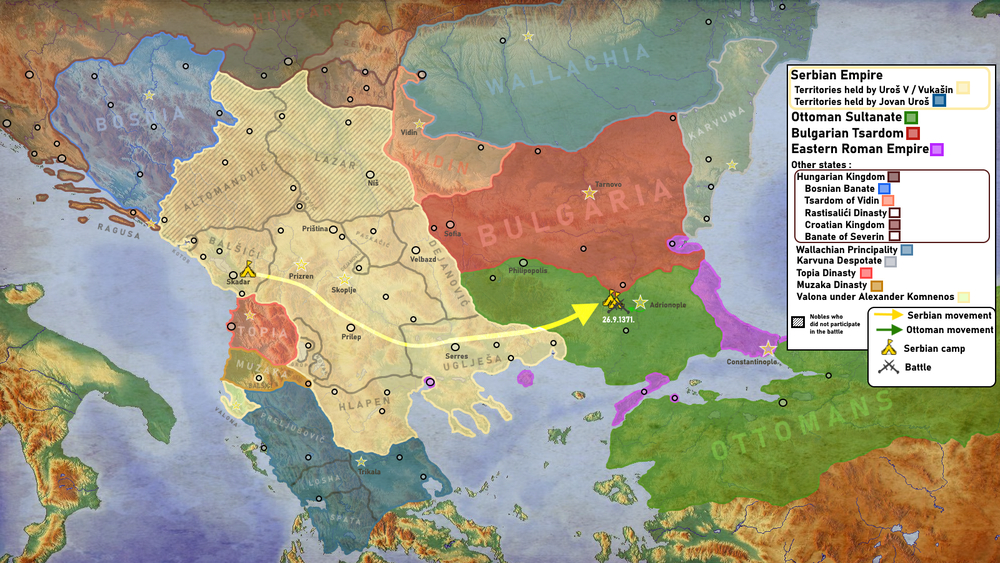
The Battle of Maritsa was a significant conflict between the Ottoman Empire and a coalition of Balkan states led by Serbia and Bulgaria. The battle took place near the Maritsa River and marked a turning point in the regional power dynamics.
The Ottomans, under the leadership of Sultan Murad I, sought to expand their territories into the Balkans, facing resistance from the Serbian and Bulgarian kingdoms. The Balkan coalition, commanded by King Vukašin Mrnjavčević of Serbia and Tsar Ivan Shishman of Bulgaria, aimed to halt the Ottoman advance.
The battle unfolded as the Ottoman forces engaged the coalition armies, resulting in a decisive victory for the Ottomans. The Balkan allies suffered heavy casualties, including the deaths of both King Vukašin and Tsar Ivan. The defeat weakened the Balkan states and paved the way for further Ottoman conquests in the region.
The Battle of Maritsa had far-reaching consequences, consolidating Ottoman control over the Balkans and solidifying their presence in Europe. The strategic triumph bolstered the Ottoman Empire's position and set the stage for future campaigns into Central Europe.
This clash at Maritsa highlighted the military prowess of the Ottomans and their ability to overcome regional opposition. The defeated Balkan states faced political instability and internal conflicts in the aftermath, allowing the Ottomans to exert their influence and expand their territorial holdings.
In conclusion, the Battle of Maritsa was a significant military engagement that reshaped the balance of power in the Balkans. The Ottoman victory propelled their expansion into Europe and marked a crucial step in their journey towards becoming a dominant force in the region. #OttomanEmpire #Balkans #MilitaryHistory
View details