
Turkey

The Land of Singing Trees
About
#Baltic
#Lithuania
#Europe
#Turkey
#TravelTurkey
Life Classifications
Country, Ankara
Life ID
EL3109569727355
Verified Name
turkey
Life Type
Entity Life
Life Editor(s)
History Editorial Network (HEN)
Life Privacy
Public
Subscription
Elite
Created On
2024-07-30
Updated On
2025-12-19
Connect
Related Lives






2026
On 13/10/2026, researchers reported that an Early Bronze Age shipwreck discovered off the Mediterranean coast of Turkey dated to approximately 2700–2400 BC, making it potentially the world's oldest known shipwreck. The vessel, known as the Kekova shipwreck, was located near Kekova Island in Antalya Province, an area known for its submerged archaeological remains. The dating places the wreck more than 4,400 years in the past, during a period when maritime trade connected communities throughout the eastern Mediterranean.
Led by archaeologist Hakan Öniz of Akdeniz University, the underwater investigation uncovered more than 30 ceramic storage jars and three stone anchors approximately 30 metres beneath the surface. The wooden hull had not survived, but researchers estimated that the trading vessel measured about 10 metres long. Pottery analysis suggested connections with the Jordan Valley and ancient Mediterranean trade routes. The dating remains preliminary, and further research is needed to confirm the site's age.
Historical Significance: If confirmed, the Kekova wreck would predate the Dokos shipwreck in Greece and provide earlier archaeological evidence of maritime trade in the eastern Mediterranean.
View detailsTurkey formally joined the Mecca Joint Defence Agreement on 07/08/2026, establishing a trilateral defense framework with Saudi Arabia and Pakistan. Signed in Mecca, Saudi Arabia, the agreement strengthened military cooperation among the three countries at a time of heightened instability across the Middle East and increasing concerns over regional security.
From Ankara's perspective, the agreement aligned with Turkey's long standing objective of expanding its strategic influence beyond its immediate borders while strengthening defense partnerships across the Gulf region. Turkish officials presented the initiative as a cooperative security arrangement designed to improve regional stability through defense coordination, military modernization, and expanded strategic cooperation.
Defense industry cooperation formed one of the agreement's most important components. During the past decade, Turkey significantly expanded its domestic defense sector, increasing the production of unmanned combat aerial vehicles, missile systems, naval platforms, armored vehicles, and electronic warfare technologies. The agreement created opportunities for larger defense contracts, joint manufacturing projects, technology transfers, and expanded military exports to Gulf partners.
Saudi Arabia's participation also opened the door to greater financial cooperation. Reports surrounding the agreement highlighted the possibility of increased Saudi investment in Turkish industries, including defense manufacturing, advanced technology, infrastructure, and industrial development. These investments complemented Ankara's broader strategy of attracting foreign capital while strengthening domestic production capabilities.
The agreement also carried important geopolitical implications. By strengthening military cooperation with Saudi Arabia and Pakistan, Turkey expanded its strategic presence within a region that remains central to global energy markets and international trade. The trilateral framework combined three distinct strengths: Saudi Arabia's financial resources and energy influence, Pakistan's military capabilities, and Turkey's advanced defense industry.
Turkey's membership in NATO added another dimension to the agreement. Ankara continued to balance its obligations within the Western alliance while simultaneously pursuing a more independent foreign policy. Turkish policymakers have increasingly emphasized strategic autonomy, seeking to maintain relations with Western allies while building regional partnerships that reflect Turkey's own security priorities.
Officials also described the agreement as a defensive arrangement rather than an offensive military alliance. Public statements emphasized the protection of critical infrastructure, energy facilities, maritime routes, and territorial security. This messaging sought to position Turkey as a stabilizing regional actor capable of contributing military expertise without directly escalating existing conflicts.
The agreement highlighted Turkey's growing influence as both a military producer and a diplomatic intermediary. Through defense cooperation, technological partnerships, and strategic coordination, Ankara strengthened its position within an evolving Middle Eastern security environment.
Why This Moment Matters:
The Mecca Joint Defence Agreement reflected Turkey's transition from a regional military power into a country seeking a broader leadership role in security, defense manufacturing, and geopolitical coordination. The agreement demonstrated how Ankara increasingly combines military technology, economic diplomacy, and strategic partnerships to expand its influence beyond its traditional sphere.
View details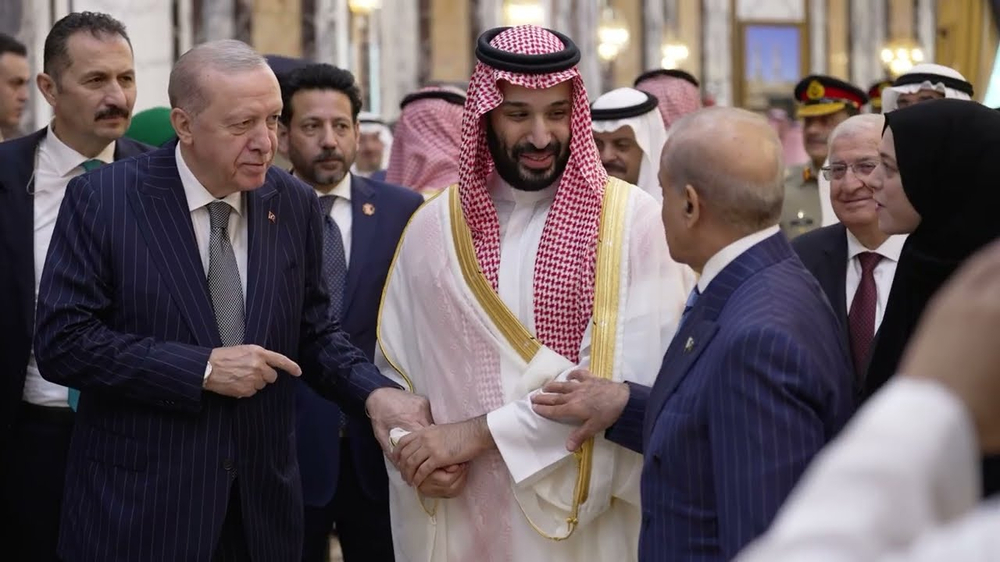
2025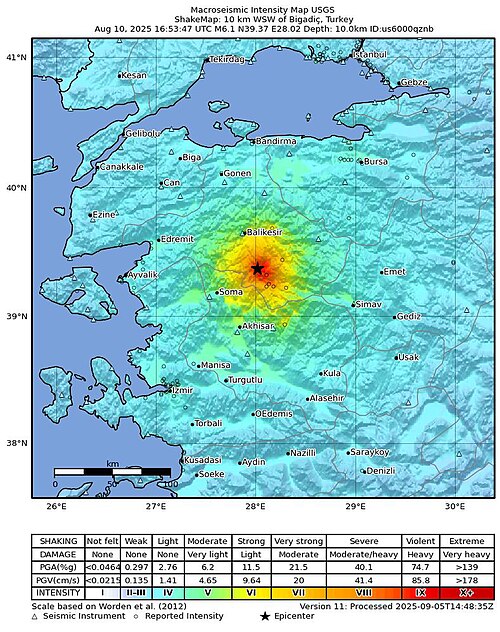
In August 2025, a powerful magnitude 6.1 earthquake struck northwestern Türkiye’s Balıkesir province, with its epicenter near the town of Sındırgı. The quake occurred on the evening of 10 August, and was recorded at a shallow depth — conditions that amplified its impact on nearby communities. Tremors were felt across a wide area of western Türkiye, including major population centres such as Istanbul and İzmir, prompting residents to flee buildings as the ground shook.
The seismic event caused more than a dozen buildings to collapse in the affected region, leading to at least one confirmed fatality and dozens of injuries as rescue teams searched through the rubble. Interior Minister Ali Yerlikaya confirmed that emergency services were mobilised swiftly following the quake, working to assist survivors and assess structural damage. In some areas, buildings that were already weakened suffered further collapse, exacerbating the destruction. Officials also warned of aftershocks and urged people to stay away from unsafe structures. The disaster highlighted Türkiye’s vulnerability to seismic activity, as the country sits atop several active fault lines and has faced significant earthquakes in recent years.
View details2024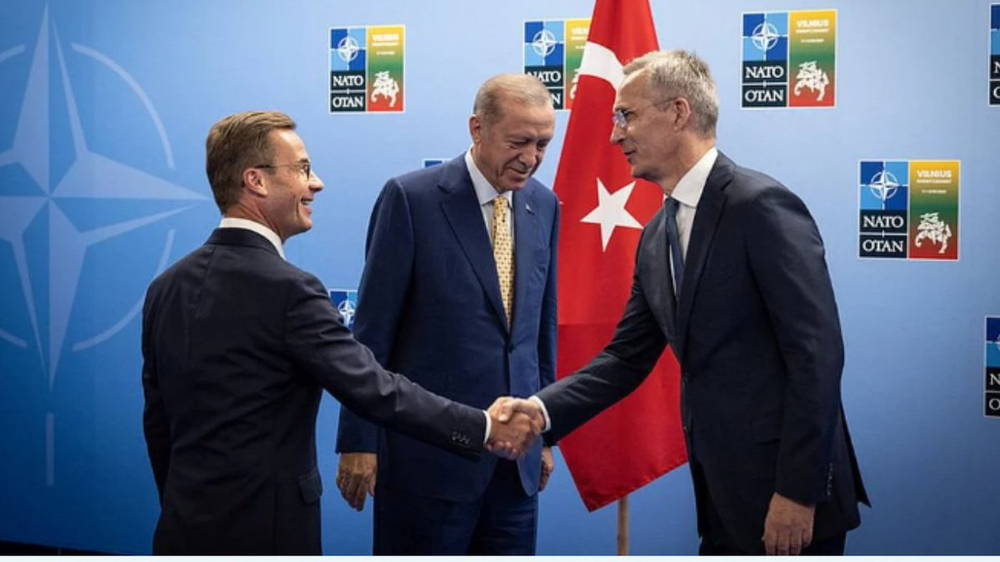
In a major diplomatic development for the North Atlantic Treaty Organization (NATO), Türkiye formally approved Sweden’s bid to join the alliance, clearing a key hurdle in Stockholm’s accession process. On 23 January 2024, the Grand National Assembly of Türkiye voted overwhelmingly in favour of ratifying Sweden’s NATO membership protocol, with 287 legislators supporting the measure and only 55 opposing it, plus four abstentions. Shortly afterward, President Recep Tayyip Erdoğan signed and approved the accession law, completing Türkiye’s constitutional requirements for ratification.
Türkiye’s approval ended a prolonged 20-month delay that had frustrated NATO allies and Sweden, who have sought membership since applying in May 2022 in response to Russia’s invasion of Ukraine. Ankara had previously resisted Sweden’s accession, citing concerns over Stockholm’s handling of groups Ankara regards as security threats and broader political issues. However, sustained diplomatic engagement among NATO members and negotiations addressing Turkish security concerns helped pave the way for ratification.
View details2020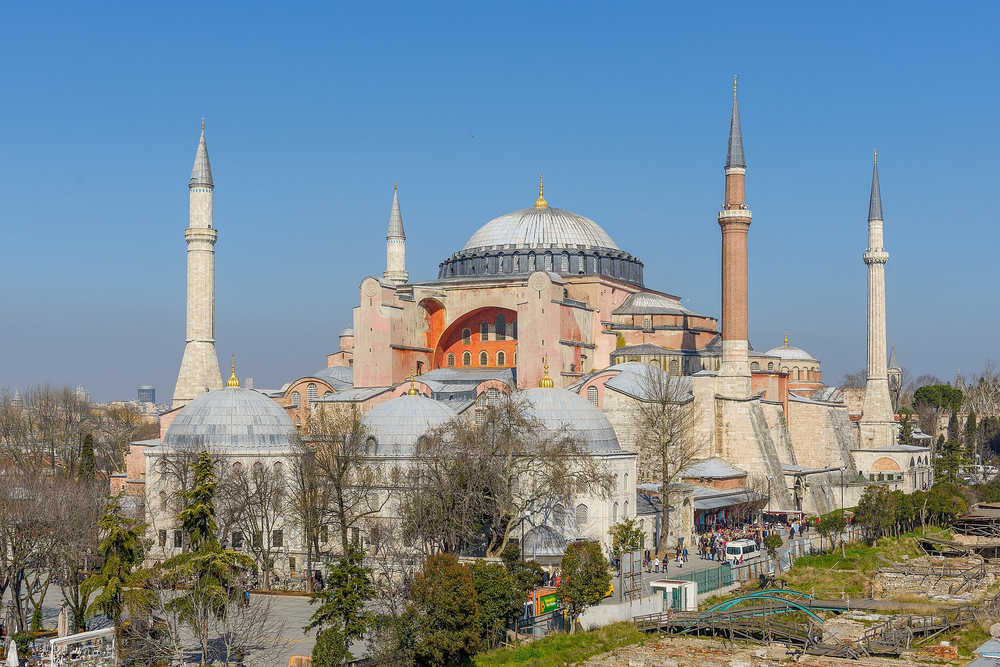
Hagia Sophia, a historic landmark in Turkey, underwent a significant transformation as it was reconverted into a mosque after serving as a museum for several decades. Originally built as a Byzantine cathedral in the 6th century, it was later converted into an Ottoman mosque in the 15th century following the conquest of Constantinople. In 1935, under the Republic of Turkey, it was transformed into a museum as part of the country's secularization efforts.
The decision to reconvert Hagia Sophia into a mosque stirred a mix of reactions globally. Supporters viewed it as a reclaiming of Islamic heritage and a symbolic gesture of cultural identity. On the other hand, critics raised concerns about the implications for Turkey's secular principles and the potential impact on its reputation as a nation promoting cultural diversity.
The reversion of Hagia Sophia into a mosque symbolizes the complex history and identity of Turkey, where the blending of different cultures and religions has shaped its heritage. The site holds immense cultural and religious significance for both Christians and Muslims, representing a fusion of Byzantine and Ottoman architectural styles that reflect the region's rich history.
As Hagia Sophia opens its doors as a mosque once again, it serves as a reminder of the shared history and intertwined legacies of different civilizations. The reconversion of this iconic structure sparks conversations about the delicate balance between preserving cultural heritage and honoring religious traditions in a diverse society.
#HagiaSophia #Turkey #CulturalHeritage #Mosque #Byzantine #Ottoman #Museum #History #Religion
View details2018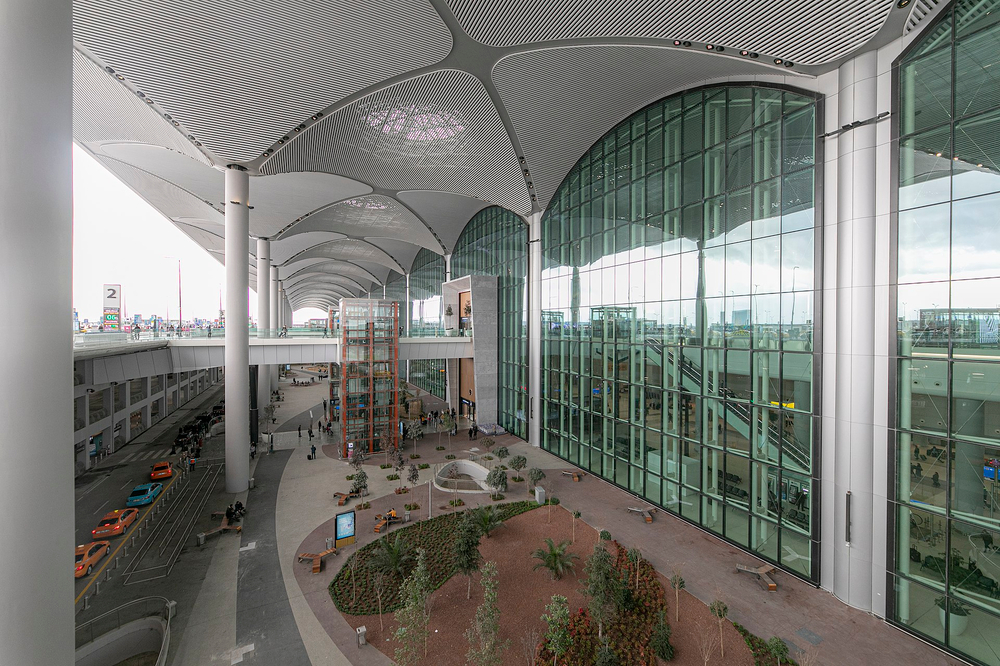
The Istanbul New Airport {IST} was inaugurated, replacing the Atatürk Airport as one of the largest airports worldwide. The new airport is situated on the European side of Istanbul, representing Turkey's ambition to become a global aviation hub. IST covers an area of 76.5 million square meters and has the capacity to handle around 90 million passengers annually, with plans to expand to accommodate up to 200 million travelers.
The construction of IST began in 2015, and the airport's first phase was completed in 2018. The opening ceremony was a grand event attended by high-ranking officials and dignitaries, symbolizing a new era in Turkish aviation. The airport's design combines modern architecture with Turkish cultural elements, showcasing the country's rich heritage to visitors from around the world.
The Istanbul New Airport has had a significant impact on the local economy, creating thousands of job opportunities and boosting infrastructure development in the surrounding area. It has also strengthened Turkey's position in the global aviation industry, attracting more international flights and increasing tourism in the region.
The airport's strategic location makes it a vital link between Europe, Asia, and the Middle East, facilitating smoother travel experiences for passengers. With state-of-the-art facilities and cutting-edge technology, IST aims to provide a seamless and efficient airport experience for travelers, setting new standards in the aviation sector.
Overall, the inauguration of the Istanbul New Airport marks a milestone in Turkey's aviation history, propelling the country towards becoming a key player in the global airline industry. #IstanbulNewAirport #TurkeyAviationHub #GlobalTravelGateway.
View details2016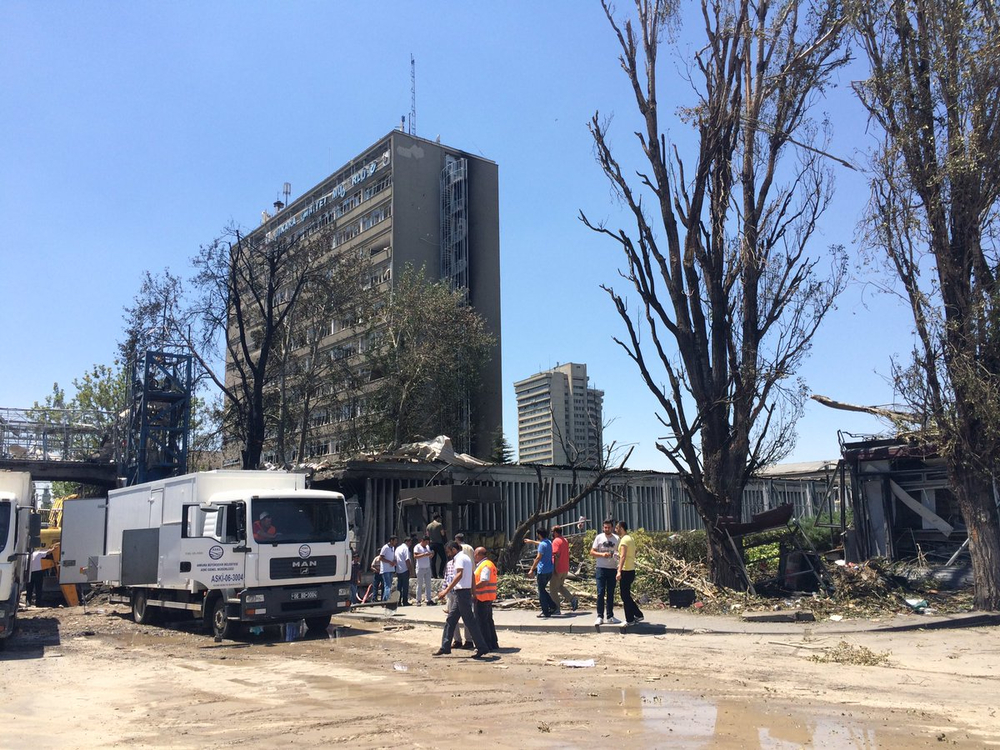
A faction within the Turkish Armed Forces staged an attempted coup d'état, aiming to overthrow the government. The group cited political unrest, terrorism threats, and alleged erosion of secularism as reasons for their actions. They seized key locations in major cities and declared martial law in a televised statement.
However, the coup was swiftly met with resistance from loyalist military units, police forces, and Turkish citizens who took to the streets in defiance. Pro-government officials and President Erdogan used social media to urge people to resist the coup. The attempt was thwarted as military forces loyal to the government regained control. Hundreds of lives were lost during the violence that ensued between the factions.
In the aftermath, President Erdogan's government launched a widespread crackdown on perceived dissidents, including military personnel, civil servants, judiciary members, and journalists. Thousands were arrested, detained, or dismissed from their positions. Critics raised concerns over human rights violations and the erosion of democratic principles. The government justified its actions as necessary to preserve stability and democracy.
The failed coup had far-reaching implications for Turkey, leading to increased political polarization, heightened security measures, and strained relations with Western allies. Turkey declared a state of emergency, granting authorities extended powers to combat threats. The event highlighted deep divisions within Turkish society and raised questions about the country's future trajectory.
The attempted coup d'état and its aftermath underscored the challenges of balancing security, democracy, and human rights in a complex political landscape. It also revealed the fragility of Turkey's institutions and the enduring struggle for power within its military. The repercussions of the event continue to shape Turkey's domestic and foreign policies.
#Turkey #CoupAttempt #Crackdown #PoliticalUnrest #Democracy
View details2013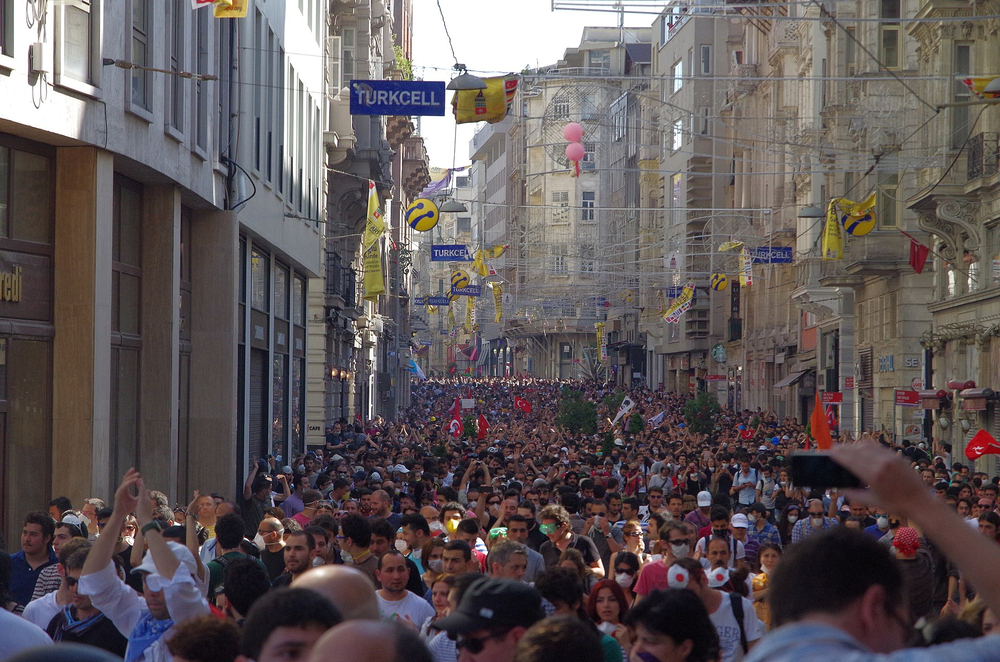
The proposed construction of a shopping mall over Gezi Park sparked protests in Istanbul's Taksim Square. The government's decision to proceed with the project despite objections led to escalating tensions. What began as a local demonstration quickly transformed into nationwide anti-government protests, with people from all walks of life joining the movement.
The peaceful sit-in at Gezi Park soon turned violent as authorities used force to disperse the crowds. Social media played a crucial role in organizing and spreading information about the protests. The excessive use of tear gas and water cannons by the police only fueled more anger and strengthened the resolve of the demonstrators.
As the protests spread across the country, people voiced their frustrations over a range of issues, including government authoritarianism, media censorship, and the erosion of civil liberties. The clashes between protesters and security forces resulted in injuries and arrests on both sides.
The government's response to the protests was met with international criticism, leading to a tarnished reputation on the global stage. Despite attempts to suppress the demonstrations, the spirit of resistance persisted, with protesters finding creative ways to circumvent censorship and keep the movement alive.
In the aftermath of the protests, the government faced calls for accountability and reform. The events of that time left a lasting impact on Turkish society, with increased political awareness and a renewed sense of solidarity among the people.
#GeziPark #IstanbulProtests #AntiGovernment #TaksimSquare #TurkeyDemonstrations
View details2010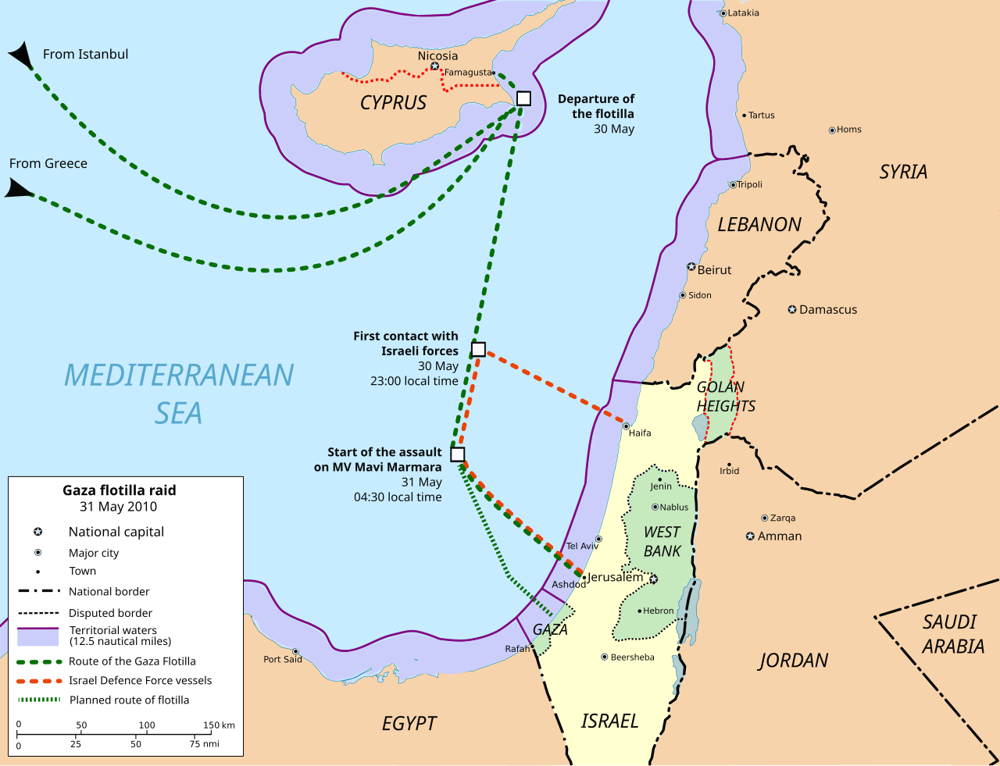
Relations between Turkey and Israel faced a crisis when 9 Turkish activists lost their lives in an Israeli military operation on an aid flotilla destined for Gaza. The flotilla aimed to deliver humanitarian aid and break the Israeli blockade on the region.
The incident led to a severe strain in diplomatic ties. Turkey strongly condemned the Israeli raid, labeling it as a violation of international law. The Turkish government demanded an official apology, compensation for the victims' families, and an independent international investigation into the attack.
Israel defended its actions, stating that the commandos were attacked by the activists with clubs and metal rods upon boarding the vessel. They argued that the use of force was necessary for self-defense.
The event caused outrage in Turkey, triggering widespread protests against Israel and a surge of anti-Israel sentiment. The Turkish public demanded justice for the activists killed during the raid. The government's response was met with public support, as many Turks united in solidarity with the victims and their families.
The incident strained diplomatic relations between Turkey and Israel for years to come. Turkey downgraded its diplomatic ties with Israel, expelled the Israeli ambassador, and suspended military agreements between the two countries. The fallout from the attack had a lasting impact on the regional dynamics of the Middle East, reshaping alliances and creating new rifts.
The clash between Turkey and Israel over the aid flotilla incident highlighted the ongoing tensions in the region and the complexities of the Israeli-Palestinian conflict. It underscored the challenges of humanitarian efforts in conflict zones and the importance of diplomatic solutions to resolve disputes peacefully.
#Turkey #Israel #AidFlotilla #Gaza #DiplomaticCrisis #InternationalRelations
View details2009
The governments of Turkey and Armenia reached an agreement to normalize their relations during a meeting in Switzerland. This historic event aimed to address decades of strained diplomatic ties between the two countries. The normalization process included the establishment of diplomatic relations, the reopening of their shared border, and the implementation of protocols for future collaboration.
The background of the conflict between Turkey and Armenia can be traced back to the early 20th century and the Armenian Genocide. The lack of diplomatic relations and the closed border have fueled animosity and hindered economic and social development in the region. The agreement signaled a significant step towards reconciliation and cooperation between the two nations.
The impact of this agreement was significant, as it represented a breakthrough in the longstanding conflict between Turkey and Armenia. Both countries stood to benefit from improved relations, including increased trade, cultural exchange, and cooperation on regional issues. The normalization of relations also had broader implications for stability in the Caucasus region and the potential for peacebuilding efforts.
The meeting in Switzerland marked a turning point in the efforts to reconcile the historical grievances between Turkey and Armenia. It provided a framework for resolving long-standing issues and building a foundation for future cooperation. The agreement was a testament to the diplomatic efforts of both countries and the international community in addressing complex geopolitical challenges.
#Turkey #Armenia #Diplomacy #Reconciliation #HistoricAgreement #CaucasusPeace
View details2008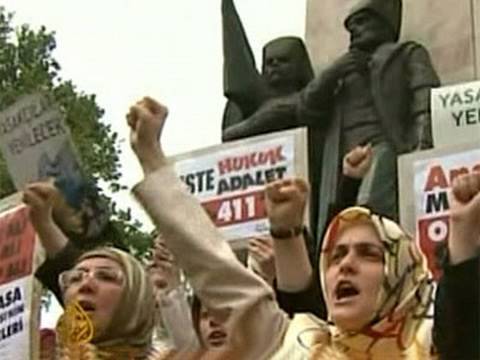
In Turkey, a controversial decision allowing women to wear the Islamic headscarf at universities triggered a massive protest. Thousands took to the streets, demonstrating against the new policy that was perceived as a threat to the country's secular principles. The ruling Justice and Development Party (AKP) backed the change, arguing it was a matter of personal freedom and religious rights. However, critics, including many in the opposition and secular groups, viewed the move as a step towards Islamization of the state.
The protest highlighted the deep division within Turkish society between those advocating for a secular state and those pushing for more religious freedom. The issue of the headscarf had long been a sensitive one in Turkey, with some seeing it as a symbol of oppression against women, while others viewed it as a matter of personal choice and religious expression.
The event sparked debates across the country, with supporters and opponents of the headscarf policy clashing both online and on the streets. The government faced criticism for what was seen as a violation of the country's secular principles, enshrined in the constitution by the founding father of modern Turkey, Mustafa Kemal Atatürk.
The protest at plans to allow women to wear the Islamic headscarf to university underscored the ongoing struggle in Turkey between secularism and religious freedom. It also shed light on the challenges of navigating tradition, religion, and modernity in a country with a complex history and a diverse population.
#Turkey #HeadscarfProtest #SecularismVsReligion #FreedomOfExpression
View details2007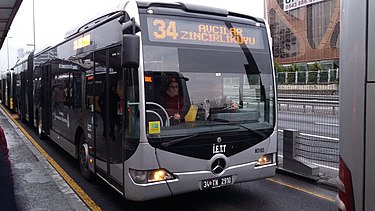
The Istanbul Metrobus system was inaugurated, introducing a rapid transit bus network to the city. This initiative aimed to alleviate traffic congestion and provide a more efficient transportation option for Istanbul's residents. The system utilized designated bus lanes and modern, high-capacity buses to offer a quicker commute for passengers traveling within the city.
The implementation of the Metrobus system had a significant impact on Istanbul's transportation infrastructure, reducing travel times and improving overall traffic flow. The system helped decrease the reliance on private vehicles, leading to a reduction in carbon emissions and air pollution in the city. Additionally, the introduction of the Metrobus system provided a cost-effective transportation solution for residents, offering a convenient and reliable mode of travel.
With the launch of the Metrobus system, Istanbul residents were able to experience a more streamlined and efficient commute, avoiding the gridlock that often plagued the city's streets. The system quickly gained popularity among commuters, with many opting to use the Metrobus as their primary mode of transportation.
Overall, the Istanbul Metrobus system revolutionized the city's public transportation network, providing a faster and more sustainable option for residents to navigate the bustling metropolis. The system's success highlighted the importance of investing in modern and effective transportation solutions to address the evolving needs of a growing urban population.
#Istanbul #Metrobus #PublicTransportation #UrbanDevelopment #Sustainability
View details2005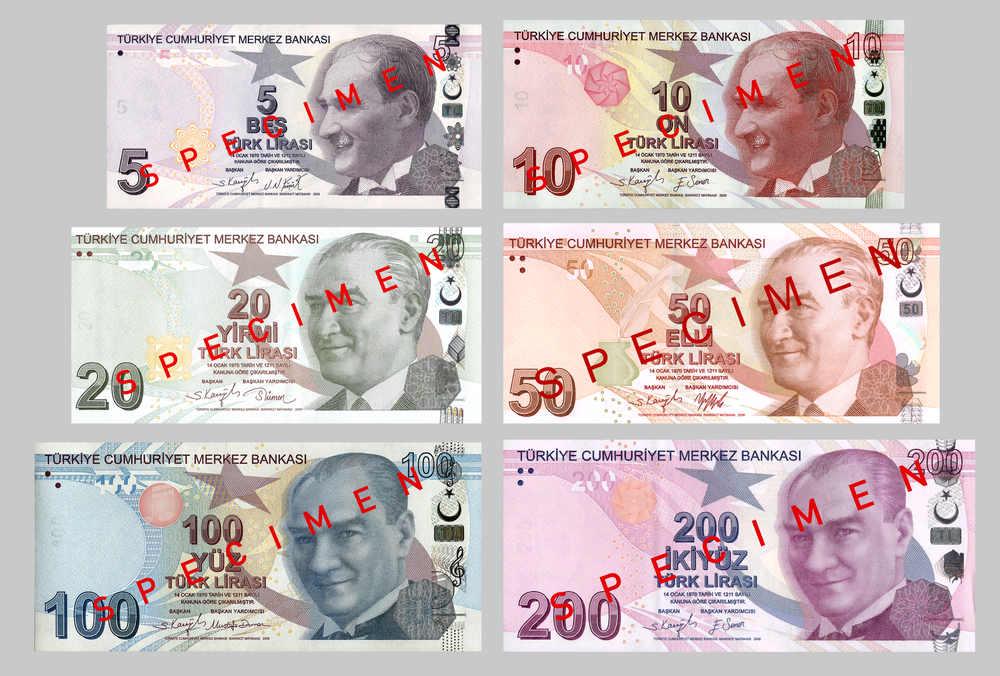
The introduction of the new lira currency marked a significant turning point in Turkey's economic history. The decision to strip six zeroes from the old lira came after a period of hyperinflation, where banknotes were denominated in millions. This move aimed to simplify transactions and restore confidence in the national currency.
The old lira, plagued by rapid devaluation, had become cumbersome to use in everyday transactions. Prices would change rapidly, and people struggled to keep up with counting or carrying large amounts of banknotes. The introduction of the new lira sought to address these challenges and bring stability to the economy.
With the new currency in circulation, Turkey entered a period of adjustment. Prices were revalued, wages recalibrated, and savings converted. While the transition posed some initial challenges, it ultimately paved the way for a more manageable and efficient monetary system.
The impact of the new lira extended beyond the financial realm. It symbolized a break from the past, marking the end of an era characterized by economic instability. The introduction of a more stable currency instilled confidence in both domestic and international investors, driving economic growth and development.
In conclusion, the introduction of the new lira currency, with six zeroes stripped from the old lira, was a pivotal moment in Turkey's economic history. It brought an end to a period of hyperinflation and marked the beginning of a new chapter of stability and growth. #Turkey #EconomicReform #CurrencyChange.
View details1999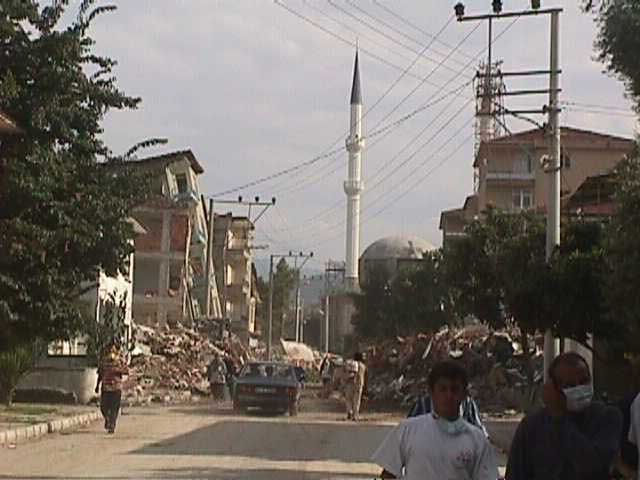
In 1999, a devastating earthquake struck the Marmara region of Turkey, causing widespread destruction. The earthquake, with a magnitude of 7.6, shook the northwestern part of the country, with its epicenter located near the town of Izmit.
Buildings, infrastructure, and homes were severely damaged or completely destroyed, leaving thousands of people homeless. The economic impact of the disaster was immense, with estimates reaching billions of dollars in damages.
Rescue and relief efforts were quickly mobilized, with local authorities, NGOs, and international organizations working together to provide aid to the affected areas. The response included search and rescue operations, medical assistance, and the distribution of food and supplies to those in need.
The earthquake in the Marmara region highlighted the importance of disaster preparedness and the need for improved building codes to withstand seismic activity in earthquake-prone areas. It also showcased the resilience and solidarity of the Turkish people in the face of such a catastrophic event.
The aftermath of the earthquake saw a wave of support and solidarity both domestically and internationally, with countries and organizations coming together to assist Turkey in its recovery efforts. The disaster also led to a renewed focus on earthquake prevention and preparedness measures in the region.
#Turkey #Earthquake #DisasterResponse #Resilience #Solidarity #SeismicActivity #DisasterPreparedness
View details1998
In 1/16/1998, the Welfare Party, a prominent Islamist political party in Turkey, was banned by the Constitutional Court for violating the principles of the secular Turkish state. The Welfare Party had faced criticism for its perceived efforts to undermine secularism in the country.
The decision to ban the Welfare Party had significant political repercussions in Turkey. Many of its members and supporters regrouped under the banner of the Virtue Party, which was later also banned for similar reasons. This crackdown on Islamist parties by the Turkish government highlighted the ongoing tensions between secular and religious forces in the country.
The ban on the Welfare Party was seen as a move to protect the secular nature of the Turkish state, which had been established by Mustafa Kemal Atatürk in the early 20th century. Supporters of the ban argued that Islamist parties posed a threat to this secular foundation and needed to be curtailed.
However, critics of the ban viewed it as a suppression of political dissent and a violation of freedom of speech and association. The banning of the Welfare Party also raised concerns about the state of democracy and pluralism in Turkey, with some accusing the government of authoritarian tendencies.
Overall, the ban on the Welfare Party marked a significant moment in the ongoing struggle between secular and religious forces in Turkish society. It reflected the challenges faced by a country trying to balance its historical secularism with the growing influence of political Islam. The repercussions of this event continue to be felt in Turkish politics and society to this day.
#WelfareParty #ConstitutionalCourt #Secularism #Turkey #PoliticalIslam
View details1997
In June 1997 in Turkey, the ruling coalition resigned following a campaign led by the military. The coalition, consisting of conservative and centrist parties, faced pressure from the military due to their perceived failure in upholding secular values.
Tensions had been rising between the government and the military, with the latter expressing concerns about the rise of political Islam in the country. The military, which sees itself as the guardian of Turkey's secular system, issued ultimatums to the government to take action.
In response to the military's campaign, the coalition government decided to resign to avoid further escalation and maintain stability in the country. This event marked a significant moment in Turkish politics, highlighting the influence of the military in shaping the country's governance.
The resignation of the coalition government had a profound impact on Turkish politics, leading to a period of political uncertainty and instability. The military's intervention raised questions about the balance of power between the civilian government and the armed forces.
The event also sparked debates about the role of the military in a democratic society and raised concerns about the fragility of Turkey's democratic institutions. The incident underscored the challenges of maintaining a secular state in a majority Muslim country.
Overall, the resignation of the coalition government after a campaign led by the military underscored the complex dynamics at play in Turkish politics and the delicate balance between secularism and democracy in the country.
#Turkey #MilitaryIntervention #CoalitionGovernment #PoliticalTensions
View details1995
In 1996, the centre-right coalition in power in Turkey collapsed due to internal disagreements. The coalition, made up of several parties, had been governing the country but faced challenges due to differing ideologies and ambitions among its members.
The disintegration of the coalition led to a period of political instability in Turkey, with the government struggling to maintain control and implement policies effectively. This uncertainty had economic repercussions, leading to fluctuations in the markets and investor confidence.
Following the collapse of the coalition, efforts were made to forge new alliances and form a stable government. These developments highlighted the fragility of multi-party coalitions in Turkey's political landscape.
The event reverberated across the country, sparking debates about the effectiveness of coalition governments and the need for stronger political alliances. It also underscored the challenges of balancing diverse interests within a coalition, and the impact of such disagreements on governance and stability.
Ultimately, the fall of the centre-right coalition in 1996 served as a turning point in Turkey's political history, shaping future coalition-building efforts and governance structures. It highlighted the importance of cohesion and cooperation among political parties to ensure a functional and productive government.
#Turkey #PoliticalUnrest #CoalitionGovernment #Instability.
View details1992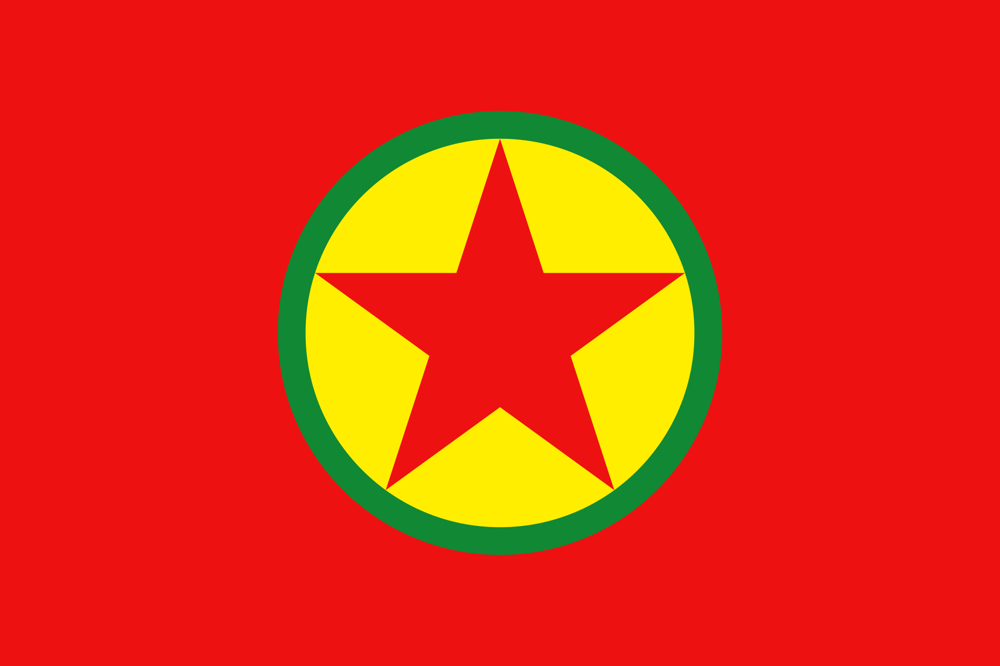
In response to escalating attacks by the PKK, the Turkish military initiated a large-scale operation by sending 20,000 troops into Kurdish safe havens in northern Iraq. The PKK, a Kurdish separatist group based in Turkey, had been launching cross-border attacks from these areas, prompting Turkey to take decisive action.
The operation aimed to target PKK training camps, supply routes, and hideouts, with the goal of weakening the group's capabilities. Turkish forces conducted ground operations supported by air and artillery strikes to root out PKK militants from their strongholds in the mountainous region.
The incursion into Iraqi territory sparked international concern and condemnation, with Iraq labeling it as a violation of its sovereignty. The United Nations also urged both Turkey and Iraq to exercise restraint and resolve the conflict through peaceful means.
The Turkish military operation had a significant impact on the region, leading to casualties on both sides as clashes intensified. The incursion strained relations between Turkey and Iraq, as well as heightened tensions with Kurdish groups in the region.
Ultimately, the operation demonstrated Turkey's commitment to combatting the PKK threat, even if it meant conducting military operations beyond its borders. The move received mixed reactions domestically, with some supporting the government's efforts to eliminate the PKK's presence in northern Iraq, while others criticized the incursion for its potential to escalate conflicts and undermine regional stability.
#Turkey #PKK #MilitaryOperation #KurdishConflict #RegionalTensions
View details1984
The Kurdish insurgency in southeastern Turkey was sparked by the Kurdistan Workers' Party (PKK), aiming to establish an independent Kurdish state. The region had long-standing tensions due to the suppression of Kurdish culture and language by the Turkish government.
The PKK, led by Abdullah Ocalan, initiated armed attacks against Turkish security forces and government institutions, seeking autonomy for the Kurdish population. The conflict resulted in a significant number of casualties on both sides, leading to a protracted and violent struggle.
The Turkish government responded with military crackdowns, including imposing curfews and conducting operations to root out PKK members. The insurgency led to the displacement of numerous Kurdish civilians, creating a humanitarian crisis in the region.
The conflict had far-reaching consequences, including political and economic instability in southeastern Turkey. It also strained relations between the Turkish government and Kurdish communities, exacerbating ethnic tensions in the country.
Despite several attempts at peace talks and ceasefires, the conflict continued for years, causing widespread destruction and suffering in the region. The Kurdish insurgency in southeastern Turkey remains an unresolved issue, with sporadic outbreaks of violence still occurring.
#KurdishInsurgency #TurkeyConflict #KurdishStruggle
View details1980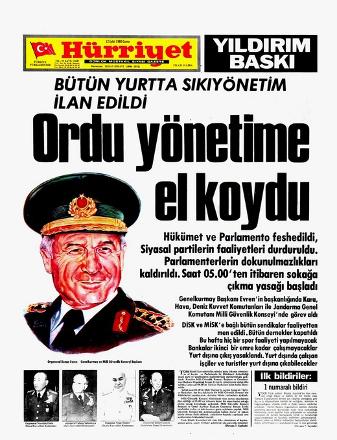
Following years of political unrest and violence, the military in Turkey seized power in another coup. The military justified their actions by citing the need to restore order and stability in the country. This coup marked the third time in the history of modern Turkey that the military had taken control of the government.
Prior to the coup, Turkey had been grappling with economic challenges, social unrest, and political polarization. Widespread violence between left-wing and right-wing groups had led to a sense of insecurity and instability across the country. The government was seen as ineffective in addressing these issues, prompting the military to intervene.
The coup resulted in the suspension of the constitution, dissolution of the parliament, and the installation of a military junta to govern the country. Strict measures were implemented to suppress dissent, including widespread arrests, censorship of the media, and restrictions on civil liberties. Thousands of people, including politicians, activists, and journalists, were detained or forced into exile.
Despite the initial crackdown, the military junta implemented economic reforms that led to a period of relative stability and economic growth. However, these reforms came at a cost, as political freedoms were curtailed, and human rights violations were widespread.
The impact of the coup was profound and long-lasting, shaping Turkey's political landscape for decades to come. The legacy of military interventions in Turkish politics continues to be felt to this day, with the military remaining a powerful and influential force in the country.
#Turkey #MilitaryCoup #PoliticalUnrest #EconomicReforms #HumanRightsViolations
View details1974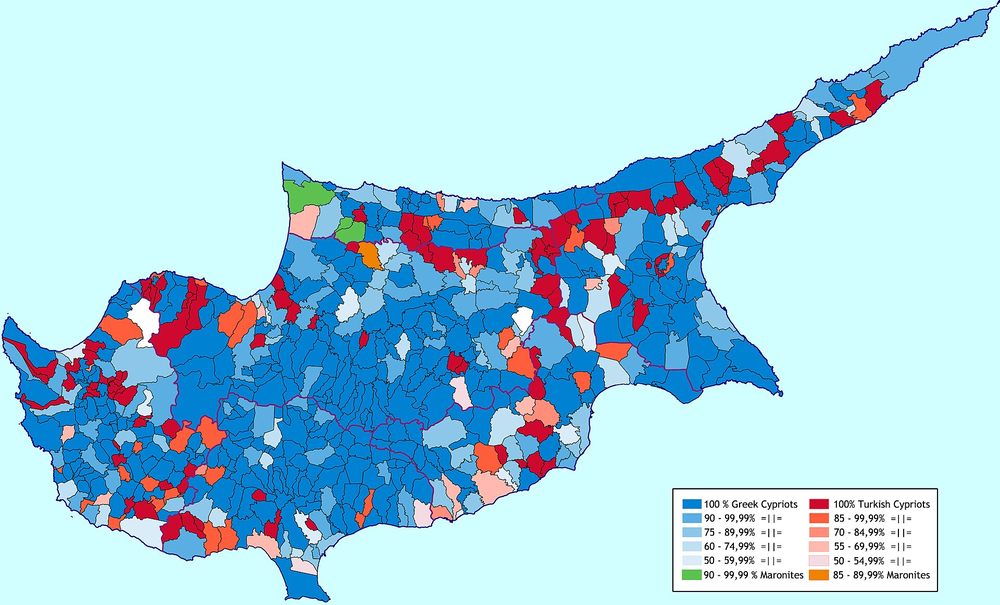
The intervention in the Cyprus conflict by Turkey came after escalating tensions between Greek Cypriots and Turkish Cypriots. Following a Greek-backed coup seeking union with Greece, Turkey deployed troops to protect Turkish Cypriots in the northern part of the island. The conflict had roots in the island's complex history, where ethnic and political divisions had long simmered.
Turkey's military intervention was swift and decisive, resulting in the de facto division of Cyprus along ethnic lines. Hundreds of thousands were displaced, leaving lasting scars on communities. The intervention also had international repercussions, leading to long-standing divisions and disputes over the island's status.
The impact of Turkey's intervention in Cyprus is still felt today, with the island remaining divided between the Republic of Cyprus in the south and the self-declared Turkish Republic of Northern Cyprus in the north. Efforts to reunify the island have faced numerous challenges, with the presence of Turkish troops remaining a contentious issue.
The intervention in Cyprus by Turkey remains a defining moment in the island's history, shaping its political landscape and relations between communities. Decades later, the legacy of the intervention continues to influence discussions on peace and reconciliation in Cyprus.
#Turkey #Cyprus #Intervention #Conflict #Division #History #Reconciliation #Peace #Legacy
View details1963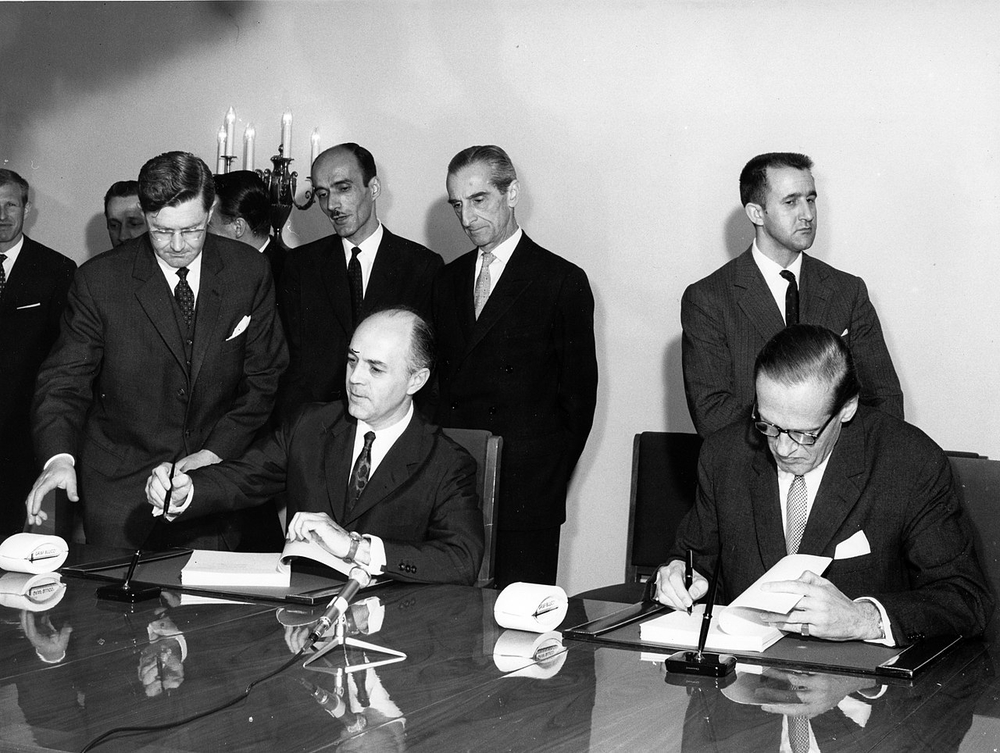
In 1963, Turkey signed an Association Agreement with the European Economic Community (EEC), marking a pivotal step towards economic cooperation and integration. This agreement aimed to foster closer ties between Turkey and the EEC, facilitating trade relations and promoting economic growth.
The background of the agreement dates back to the 1950s when Turkey expressed its interest in joining the EEC as a full member. However, facing resistance due to concerns about its economy and political stability, Turkey instead pursued an Association Agreement as a compromise. This agreement laid the groundwork for future collaboration and paved the way for Turkey's eventual accession to the European Union.
The impact of the Association Agreement with the EEC was significant for Turkey. It provided access to the European market and encouraged economic reforms to align with EEC standards. This led to modernization and growth in various sectors of the Turkish economy, attracting foreign investment and boosting exports. The agreement also facilitated the transfer of technology and know-how, contributing to the development of Turkey's industrial capabilities.
Overall, the Association Agreement with the EEC represented a significant milestone in Turkey's path towards European integration and global economic engagement. It symbolized a commitment to cooperation, partnership, and mutual prosperity between Turkey and the European community.
#Turkey #EuropeanEconomicCommunity #AssociationAgreement #EconomicCooperation #Integration
View details1960
In 1960, a military coup took place in Turkey, resulting in the overthrow of the government and the establishment of martial law. The event was sparked by political unrest and dissatisfaction with the ruling party's policies. The military, viewing the government as corrupt and incapable of maintaining order, seized control to restore stability.
The impact of the coup was significant, leading to the arrest of top government officials, including the Prime Minister, and the dissolution of the parliament. A new administration, comprised of high-ranking military officials, was installed to govern the country. Martial law was enforced to suppress any form of opposition or dissent, with restrictions on civil liberties and freedom of speech.
The economy also felt the repercussions of the coup, with a period of instability and uncertainty affecting businesses and foreign investments. Despite the initial chaos, the military-led government initiated reforms aimed at modernizing the country's political and economic systems, including the drafting of a new constitution and holding free elections in the following years.
The military coup of 1960 in Turkey marked a turning point in the country's history, highlighting the military's role in shaping its political landscape. The event serves as a reminder of the delicate balance between democracy and military intervention in governance. #Turkey #MilitaryCoup #MartialLaw #PoliticalUnrest #Reform #History
View details1952
In 1952, Turkey departed from its neutralist stance established by Ataturk and made the decision to become a member of NATO. This shift in foreign policy was prompted by the geopolitical landscape of the post-World War II era. With the rising tensions of the Cold War between the Western bloc led by the United States and the Eastern bloc led by the Soviet Union, Turkey saw the strategic benefits of aligning itself with the Western powers for security and economic reasons.
By joining NATO, Turkey gained access to military support and protection from the United States and its allies. This move also allowed Turkey to modernize its armed forces and enhance its defense capabilities. In return, Turkey provided NATO with a crucial strategic position in the Eastern Mediterranean, serving as a valuable bridge between Europe and the Middle East. The alliance with NATO strengthened Turkey's position on the global stage and solidified its ties with Western nations.
However, Turkey's decision to join NATO was not without challenges. It strained relations with the Soviet Union and other communist countries, leading to increased tensions in the region. Additionally, it sparked internal debates within Turkey regarding the country's foreign policy direction and its alignment with Western powers.
Overall, Turkey's accession to NATO marked a significant turning point in its foreign policy and strategic alliances. It positioned Turkey as a key player in the Western defense network and solidified its commitment to upholding shared values of democracy, freedom, and security. The decision to join NATO continues to shape Turkey's foreign policy decisions and its role in regional and international affairs.
#Turkey #NATO #Ataturk #ForeignPolicy #ColdWar #Geopolitics #Security #Alliance #StrategicPosition #WesternPowers
View details1950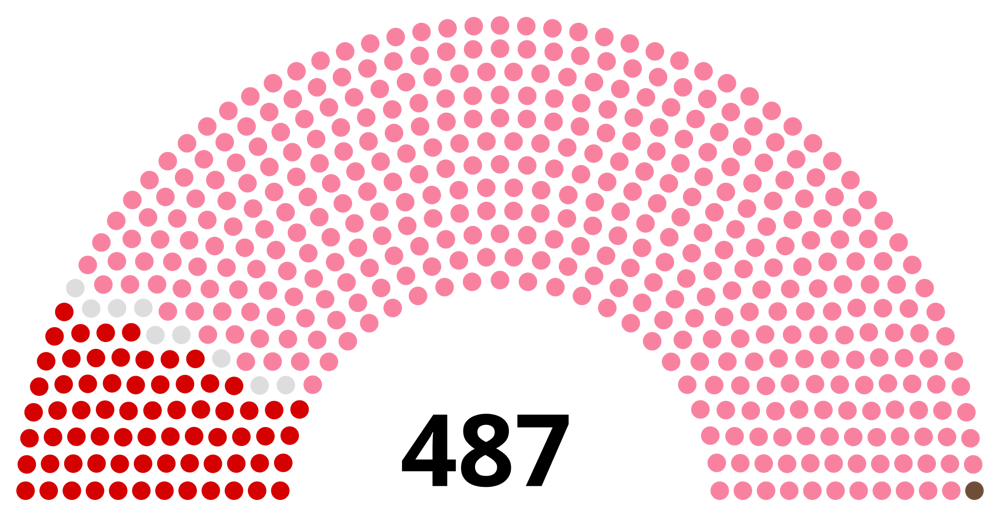
In 1950, Turkey saw the end of single-party rule with the Democratic Party's victory in the elections. This marked a significant shift in the country's political landscape.
For over a decade, the Republican People's Party (CHP) had been the sole ruling party since the establishment of the Republic of Turkey. The elections in 1950 brought a wave of change, as the Democratic Party, led by Adnan Menderes, secured a landslide victory, successfully ending the CHP's monopoly on power.
The Democratic Party's win was seen as a triumph of democracy and a step towards political pluralism in Turkey. It represented a turning point in the country's political history, as multiparty elections became the new norm and different political ideologies were able to compete in a democratic framework.
The impact of the Democratic Party's victory was profound, leading to significant reforms and changes in various aspects of Turkish society. The new government focused on economic development, agricultural reforms, and infrastructural improvements, bringing progress and growth to the country. However, the period also witnessed controversies and challenges, with accusations of authoritarian tendencies and limitations on freedom of speech.
The end of single-party rule in Turkey in 1950 paved the way for a more dynamic and competitive political environment, shaping the country's political landscape for years to come. It marked the beginning of a new era of democracy and pluralism, laying the foundation for a more diverse and inclusive political system.
#Turkey #Elections #DemocraticParty #EndOfSinglePartyRule #PoliticalChange
View details1945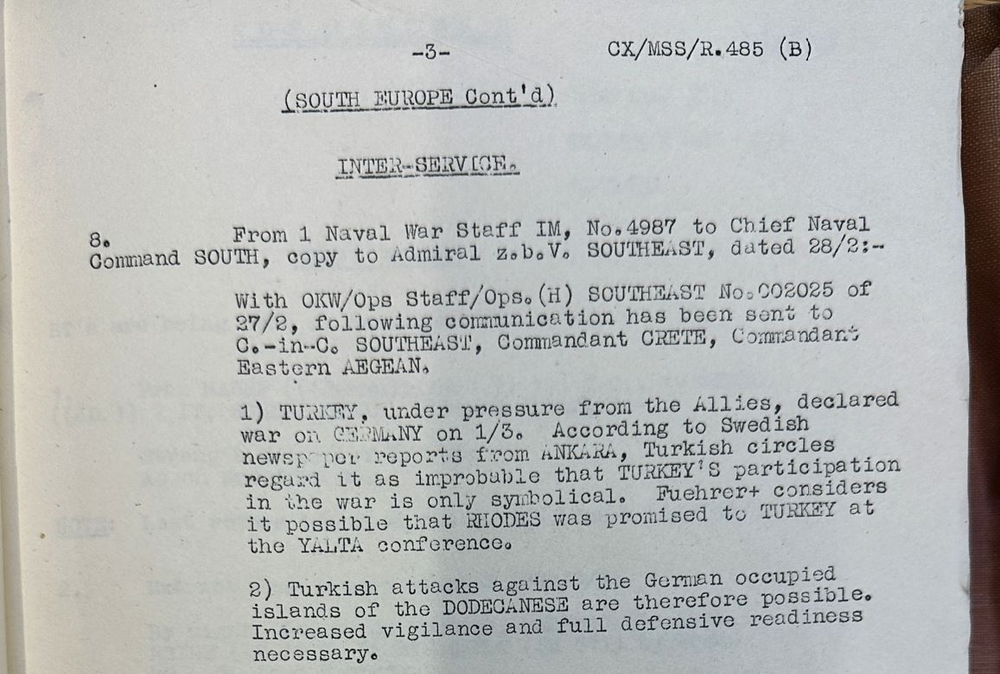
During the final months of World War II, Turkey declared war on the Axis Powers. This decision was influenced by multiple factors, including pressure from the Allies, Turkey's desire to align itself with the winning side, and the need to secure its own borders and interests. Turkey's declaration of war symbolized its commitment to the global effort against the Axis Powers, despite its previous neutral stance in the conflict.
The impact of Turkey's declaration of war was significant. It allowed Turkey to participate in post-war negotiations and join the United Nations as a charter member, positioning the country as a key player in shaping the post-war world order. Additionally, Turkey's decision to join the Allies further isolated the Axis Powers and contributed to their eventual defeat.
Following the declaration of war, Turkey sent a military contingent to Europe to support the Allies in their efforts against the Axis Powers. This military support showcased Turkey's commitment to the war effort and demonstrated its willingness to contribute resources and manpower to the Allied cause.
Turkey's declaration of war near the end of World War II marked a pivotal moment in the country's history, solidifying its ties with the Western world and setting the stage for its future role in global affairs. The decision to join the Allies reflected Turkey's strategic interests and its desire to shape the outcome of the war in a way that would benefit the country in the post-war era.
#Turkey #AxisPowers #WorldWarII #DeclarationOfWar #Allies #UN #GlobalAffairs
View details1934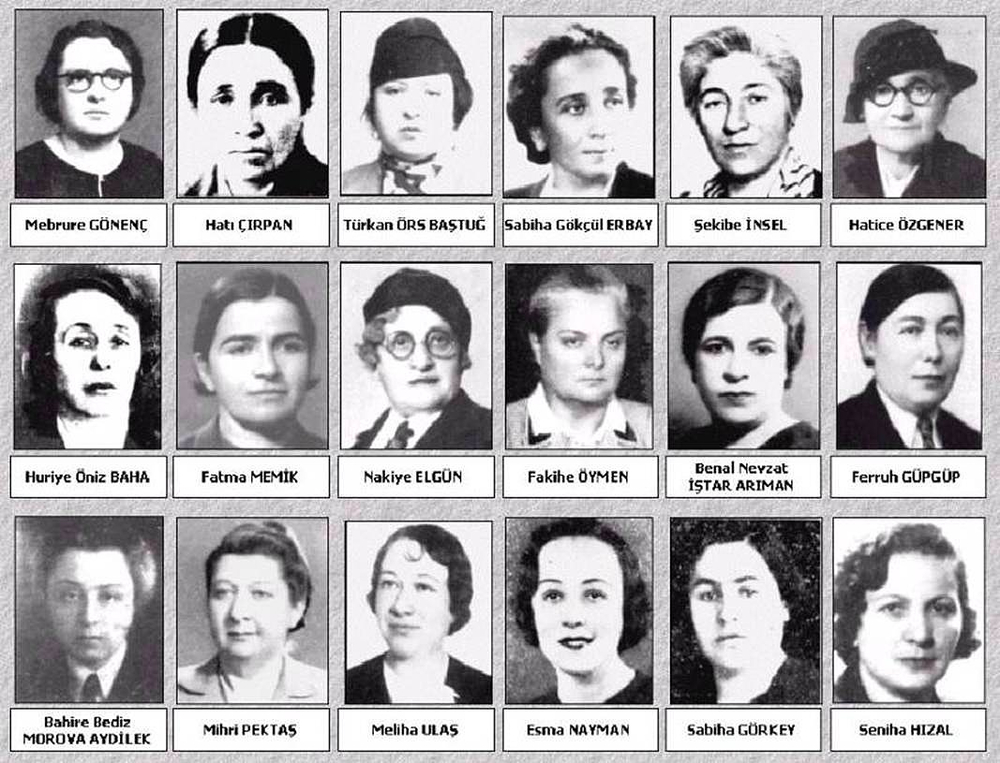
In 1934, a pivotal change occurred in Turkish history when women were granted the right to vote and stand for election. This significant step forward was a result of the relentless efforts of Turkish women who had long been advocating for their political rights. The movement gained momentum in the early 20th century as women started to assert themselves in various aspects of society.
The decision to grant women the right to vote and stand for election marked a turning point in Turkish politics, allowing women to participate more actively in shaping the future of their country. The newfound ability for women to engage in the political process led to the empowerment of a previously marginalized demographic, paving the way for greater gender equality in Turkey.
With their newfound political rights, women in Turkey were able to have a voice in issues that directly impacted their lives, advocating for policies that promoted gender equality, education, healthcare, and social welfare. The inclusion of women in the political sphere brought diverse perspectives to the table and contributed to more well-rounded decision-making processes.
The impact of Turkish women being granted the right to vote and stand for election reverberated beyond the political realm, influencing societal attitudes towards gender roles and the capabilities of women. This milestone served as an inspiration for women across the region, sparking conversations about the importance of gender equality and representation in governance.
The event of Turkish women achieving the right to vote and stand for election underscores the progress made in advancing women's rights and fostering a more inclusive and equitable society. It stands as a testament to the perseverance and determination of Turkish women in their fight for equal rights and opportunities.
#TurkishWomen #RightToVote #GenderEquality #PoliticalEmpowerment
View details1928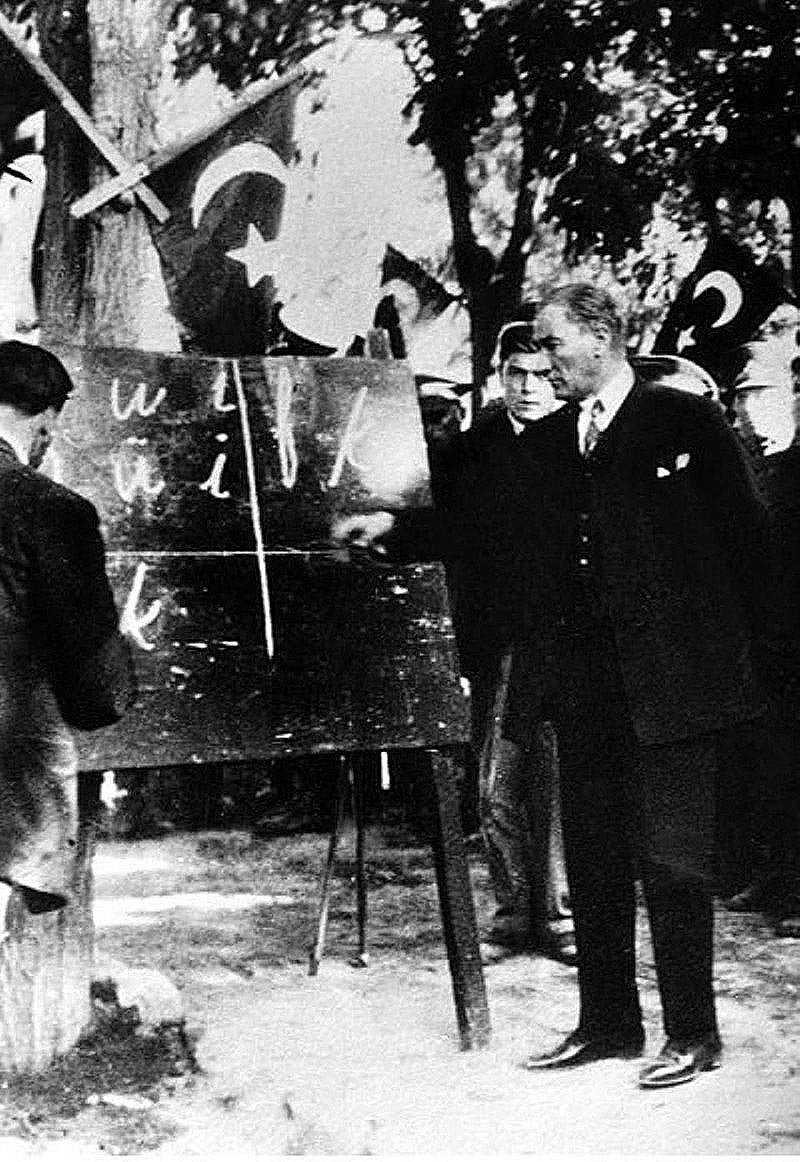
In 1928, the Turkish alphabet underwent a significant transformation. The shift from the Ottoman Turkish alphabet to the new Turkish alphabet marked a pivotal moment in Turkish history. This change aimed to modernize the Turkish language and make it more accessible to the general population. The Ottoman Turkish alphabet consisted of Arabic script, which posed difficulties in literacy and education for the Turkish people.
Mustafa Kemal Atatürk, the founder of the Republic of Turkey, initiated the reform to promote literacy and communication in the country. The new Turkish alphabet was based on the Latin script to streamline the language and align it with Western standards. This change allowed for a more straightforward learning process and increased literacy rates among the Turkish population.
The adoption of the new Turkish alphabet had a profound impact on various sectors of Turkish society. It facilitated communication, improved educational opportunities, and bolstered cultural unity among the population. The transition was met with both enthusiasm and resistance, reflecting the significant cultural shift it symbolized.
Overall, the switch to the new Turkish alphabet was a transformative moment in Turkish history that reshaped language and literacy in the country. It paved the way for modernization and cultural reformation, solidifying Turkey's position as a progressive nation in the global arena.
#TurkishAlphabet #LanguageReform #CulturalTransformation #MustafaKemalAtaturk
View details1923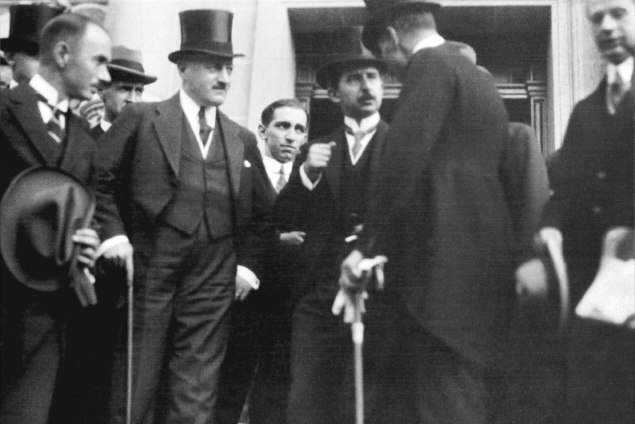
Following years of conflict and negotiations, the Treaty of Lausanne was signed, officially establishing the Republic of Turkey. The agreement marked the end of the Turkish War of Independence, where the Turkish people, under the leadership of Mustafa Kemal Atatürk, successfully fought against occupying forces and sought to establish an independent nation.
The Treaty of Lausanne not only recognized Turkey as a sovereign state but also set the country's modern borders. It replaced the earlier Treaty of Sèvres, which had aimed to dismember the Ottoman Empire. The new treaty ensured the territorial integrity of Turkey and laid the foundation for diplomatic recognition by the international community. The signing of this treaty was a significant moment in Turkish history, marking a turning point towards a new era of independence and self-determination.
The establishment of the Republic of Turkey following the Treaty of Lausanne brought about a series of reforms and modernization efforts under Atatürk's leadership. These reforms aimed at secularizing the state, promoting education, and transforming Turkish society into a modern nation-state. The legacy of the treaty and the subsequent reforms continues to shape modern Turkey and its place in the global community.
The signing of the Treaty of Lausanne was a crucial moment that solidified Turkey's status as an independent and sovereign nation, setting the stage for its development as a modern republic. The treaty's impact on Turkey's borders and diplomatic relations reverberates to this day, highlighting the enduring significance of this historic event. #TreatyofLausanne #RepublicofTurkey #MustafaKemalAtatürk #TurkishIndependence #ModernizationEfforts
View details1919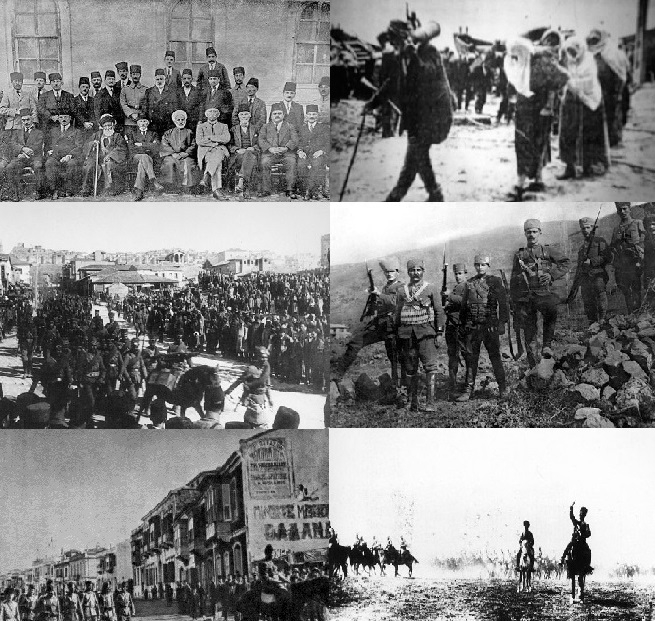
In 1920, amidst the aftermath of World War I, the Turkish War of Independence was sparked by the establishment of the Turkish Grand National Assembly. The Assembly, representing the nation's will, initiated resistance against foreign occupation forces that had dismantled the Ottoman Empire. Led by Mustafa Kemal Atatürk, the Assembly aimed to reclaim sovereignty and preserve the Turkish identity.
This pivotal moment in Turkish history marked the beginning of a four-year-long struggle for independence. The Assembly served as the political hub of the resistance movement, coordinating military efforts and civil administration. Under Atatürk's strategic leadership, the Turkish forces engaged in a series of battles against invading armies, including the Greeks, British, French, and Italians.
The successful defense of Anatolia and the subsequent liberation of Turkish territories bolstered the morale of the Turkish people and garnered international recognition for their resilience. The Treaty of Lausanne in 1923 affirmed Turkey's independence and recognized its modern borders, establishing the Republic of Turkey with Atatürk as its founding father.
The establishment of the Turkish Grand National Assembly marked a turning point in the country's history, shaping its path towards independence and secular modernization. The spirit of unity and determination displayed during the War of Independence remains a source of national pride and continues to inspire generations of Turks.
#TurkishIndependence #NationalAssembly #MustafaKemalAtaturk #TurkishHistory
View details