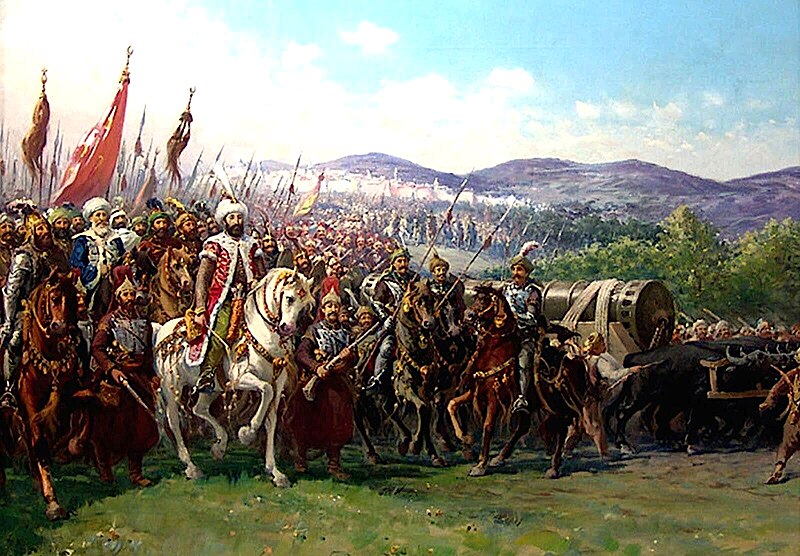
Historic Ottoman Conquest of Istanbul
Turkey

CulturalFusion
4 min read
Updated By: History Editorial Network (HEN)
Published:
The conquest of Istanbul by the Ottoman Empire marked the final chapter in the Byzantine Empire's history. Led by Sultan Mehmed II, the Ottomans launched a siege on the city, which was the capital of the Byzantine Empire. With superior military tactics and firepower, they eventually breached the walls of Constantinople, leading to its fall.
The impact of the conquest was profound. It not only signaled the end of the Byzantine Empire but also marked the beginning of the Ottoman Empire's dominance in the region. Istanbul, formerly known as Constantinople, became the new capital of the Ottoman Empire and a major cultural and political center. The conquest also had significant implications for trade routes, as the Ottomans now controlled key strategic locations connecting Europe and Asia.
The fall of Constantinople had far-reaching consequences for Europe as well. It prompted a shift in power dynamics, leading to increased tensions between the Ottoman Empire and European powers. The conquest also fueled the Age of Exploration, as European nations sought new trade routes to bypass Ottoman control.
In addition to its geopolitical impact, the conquest of Istanbul had cultural repercussions. The Ottomans embraced the city's multicultural heritage, preserving many Byzantine structures and incorporating elements of Byzantine art and architecture into their own. This cultural fusion would come to define Istanbul's unique identity as a bridge between East and West.
Today, the conquest of Istanbul remains a pivotal moment in Turkish history, symbolizing the rise of the Ottoman Empire and the end of Byzantine rule. It continues to shape the cultural heritage of Istanbul and serves as a reminder of the city's rich and complex past.
#OttomanEmpire #ConquestofIstanbul #ByzantineEmpire #CulturalFusion

Explore the Life Moments of
 AI Twin