
Turkey

The Land of Singing Trees
Related Lives

History of Quantam computing
Whispers of the Quantum Realm

Comoros
A Blend of Cultures, Natural Beauty, and Challenges

Libya
Oasis of the Sahara

Ethiopia
Federal Democratic Republic of Ethiopia

Armenia
Gateway to Ancient Traditions and Scenic Beauty

Vietnam
Land of the ascending dragon.

Tunisia
Golden beaches, Sunny weather, and Affordable luxuries.

The Prime Ministers of Italy
The President of the Council of Ministers

1362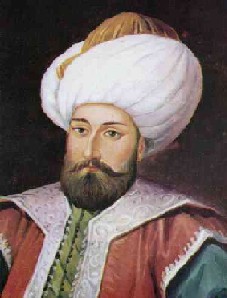
Murad I rose to power as the Sultan of the Ottoman Empire in 1362, succeeding his father Orhan I. His reign marked a crucial period in the expansion and consolidation of the empire. Murad I focused on strengthening the military and expanding Ottoman territories in Anatolia and the Balkans.
One of Murad I's significant achievements was the incorporation of the city of Adrianople into the Ottoman Empire, establishing it as a new capital. This strategic move provided the Ottomans with a central location for governing their vast territories and launching military campaigns.
Under Murad I's leadership, the Ottoman military underwent significant reforms, including the establishment of the elite Janissary infantry corps. These well-trained soldiers played a crucial role in the empire's military successes and campaigns.
Murad I was known for his military prowess, leading his troops in numerous successful campaigns against neighboring states. His conquests expanded the Ottoman Empire's influence and power in the region, laying the foundation for future growth and dominance.
The reign of Murad I also saw the Ottoman Empire emerge as a major player in the politics of the Eastern Mediterranean and beyond. The empire's growing power and influence drew the attention of other regional powers, setting the stage for future conflicts and alliances.
Overall, Murad I's ascension to the throne marked a turning point in Ottoman history, setting the stage for the empire's transformation into a formidable regional power. His military victories, administrative reforms, and territorial expansions laid the foundation for the empire's future growth and success.
#MuradI #OttomanEmpire #MilitaryExpansion #Janissaries
View details1302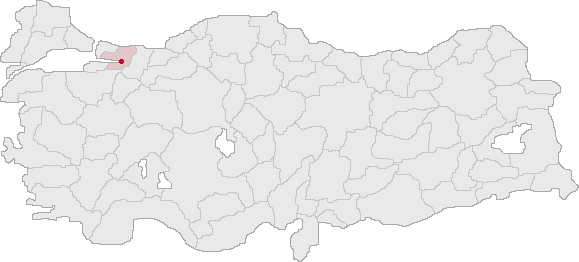
The Battle of Bapheus was a pivotal conflict between the forces of the Ottoman Empire and the Byzantine Empire. It took place near the town of Bapheus in Anatolia. The Byzantines, led by their emperor, Andronikos II Palaiologos, sought to halt the expanding Ottoman influence in the region.
The Ottoman army, under the command of Osman I, was determined to establish its dominance in Anatolia and expand its territory. The battle was fierce, with both sides sustaining heavy casualties. However, the superior tactics and military prowess of the Ottomans ultimately led to their victory.
The aftermath of the Battle of Bapheus proved to be a turning point in the history of the region. The Byzantine Empire suffered a significant blow, losing valuable territory and influence to the Ottomans. This victory solidified the growing power of the Ottomans and marked the beginning of their dominance in Anatolia.
The Battle of Bapheus showcased the military strength and strategic acumen of the Ottomans, setting the stage for their future conquests and the eventual rise of the Ottoman Empire as a major world power. The defeat of the Byzantines further weakened their already declining empire, hastening its eventual fall to the Ottomans.
This historic battle remains a defining moment in the history of Turkey and the broader region, highlighting the shifting power dynamics and the rise of a new imperial force. The legacy of the Battle of Bapheus continues to resonate in modern-day Turkey, serving as a reminder of the strategic importance of military might and decisive leadership in shaping the course of history.
#BattleofBapheus #OttomanEmpire #ByzantineEmpire #Anatolia #MilitaryHistory
View details1298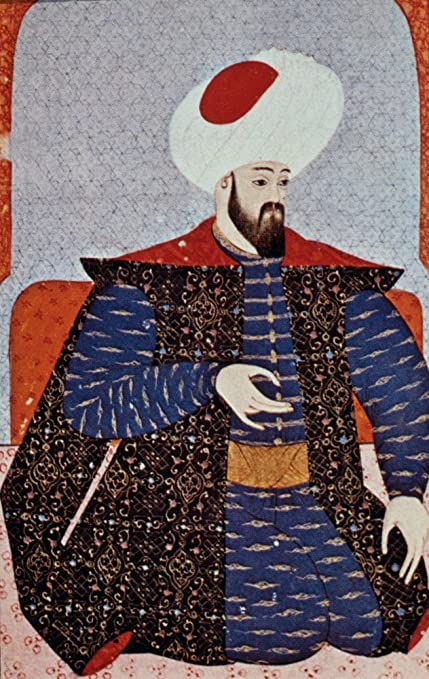
In 1299, Osman I established the Ottoman Beylik, paving the way for the rise of the Ottoman Empire. The region was then a part of the crumbling Seljuk Sultanate of Rum, facing constant Mongol invasions and internal strife. Osman I, a charismatic leader, capitalized on these challenges to carve out a small principality in northwestern Anatolia.
Under Osman's rule, the Ottoman Beylik flourished, benefiting from its strategic location for trade and military expansion. Osman's skilled military tactics and alliances with other Turkish tribes helped the Beylik steadily grow in power and influence. Over time, Osman's descendants further expanded the territories, incorporating diverse regions and peoples into the burgeoning empire.
The establishment of the Ottoman Beylik marked a significant shift in the political landscape of the region. The Ottomans' centralized administration, religious tolerance, and military prowess enabled them to assert dominance over neighboring states. The conquest of Constantinople in 1453 under Mehmed II solidified the Ottomans' position as a major player in the Eastern Mediterranean and beyond.
The Ottoman Empire went on to become one of the most powerful and enduring empires in history, spanning three continents at its peak. Its cultural, architectural, and legal legacy continues to influence modern-day Turkey and the broader Middle East. The Empire's decline in the 19th and 20th centuries ushered in a new era for the region, leading to the establishment of the Republic of Turkey in 1923 under Mustafa Kemal Atatürk.
#OsmanI #OttomanEmpire #TurkeyHistory #EmpireBuilding #Legacy
View details1261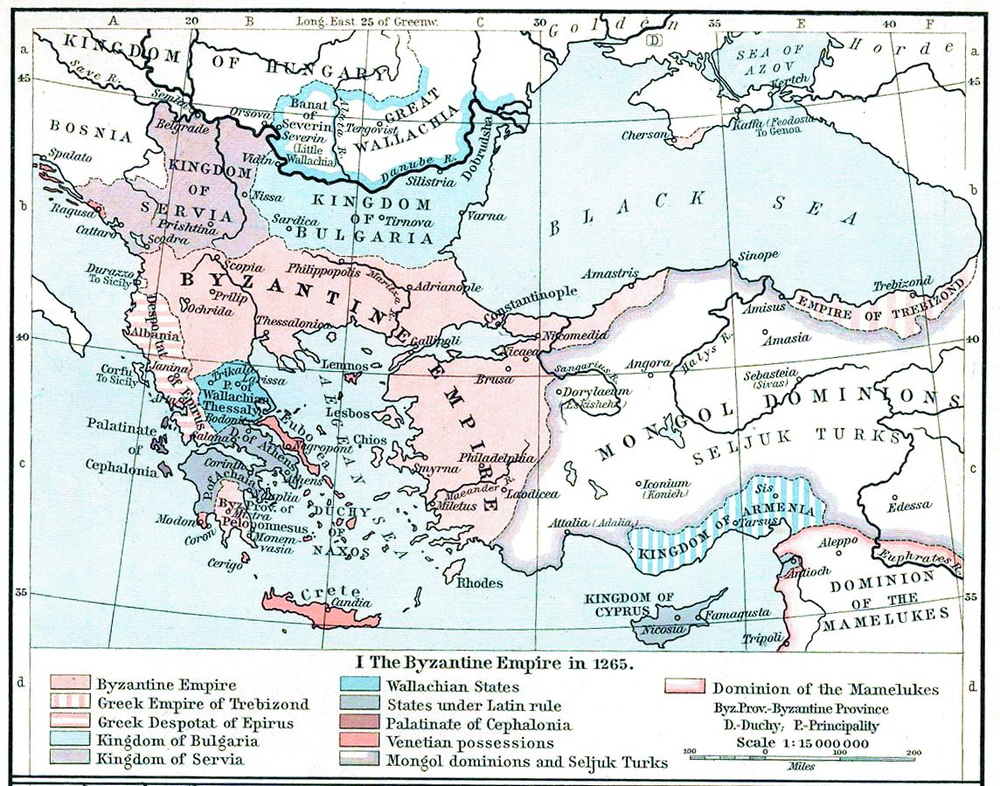
The Treaty of Nymphaeum was a pivotal agreement between the Empire of Nicaea and the Seljuk Sultanate of Rûm. It brought an end to the Byzantine-Seljuk Wars that had been ongoing for years over territorial disputes and power struggles in the region.
The Empire of Nicaea, as the successor state of the Byzantine Empire, was facing constant threats from the Seljuk Sultanate of Rûm. The Seljuks had been expanding their territories, posing a significant challenge to the Byzantine remnants. The signing of the Treaty of Nymphaeum marked a strategic shift in the balance of power, establishing a period of relative stability and peace between the two powers.
Under the terms of the treaty, both parties agreed to delineate their borders and respect each other's territorial sovereignty. Additionally, provisions were made for mutual non-aggression and trade agreements, fostering economic growth and cultural exchanges in the region. The treaty also included clauses for military cooperation against common enemies, strengthening their positions against external threats.
The Treaty of Nymphaeum not only brought an end to years of conflict but also laid the groundwork for future diplomatic relations between the Empire of Nicaea and the Seljuk Sultanate of Rûm. It facilitated a period of cultural flourishing and economic prosperity in the region, allowing for the exchange of ideas and technologies that benefited both empires.
Ultimately, the signing of the Treaty of Nymphaeum was a significant turning point in the history of the region, shaping the geopolitical landscape of Anatolia for years to come. It demonstrated the effectiveness of diplomacy in resolving conflicts and paved the way for increased cooperation between neighboring powers.
#TreatyofNymphaeum #ByzantineSeljukWars #EmpireofNicaea #SeljukSultanateofRûm #Anatolia
View details1243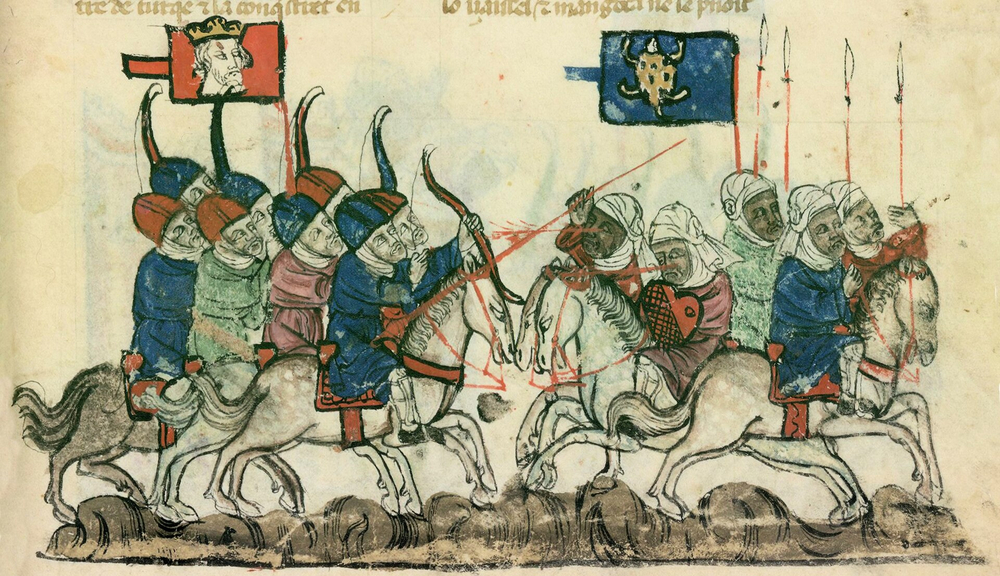
The Battle of Kösedağ, between the Seljuq Sultanate of Rûm and the Khwarazmian Empire, was a decisive clash that altered the power dynamics in the region of modern-day Turkey. The Seljuq Sultanate, led by Sultan Kaykhusraw II, faced off against the Khwarazmian Empire under the rule of Jalal ad-Din Mingburnu. The Khwarazmians, previously dominant in the area, were aggressively expanding their territories, posing a threat to the Seljuqs.
The Seljuq Sultanate, leveraging their strategic military tactics and the support of allies, managed to outmaneuver the Khwarazmians in a fierce battle at Kösedağ. The Seljuqs displayed superior command over their forces, employing well-coordinated maneuvers that ultimately led to a significant victory. Sultan Kaykhusraw II emerged triumphant, securing his realm's sovereignty and dealing a severe blow to the Khwarazmian Empire.
Following their defeat at the Battle of Kösedağ, the Khwarazmian Empire faced a sharp decline, losing strategic territories and weakening their grip on power. The Seljuq Sultanate, on the other hand, consolidated their authority in the region, asserting themselves as a formidable force to be reckoned with. The outcome of the battle reshaped the geopolitical landscape of Anatolia, establishing the Seljuqs as a dominant force in the region.
The Battle of Kösedağ stands as a pivotal moment in Turkish history, highlighting the significance of military prowess and strategic acumen in shaping the destiny of empires. It symbolizes the resilience and determination of the Seljuq Sultanate in the face of formidable challenges, solidifying their position as a prominent power in the region. The legacy of this decisive victory continues to resonate in Turkey's historical narrative, underscoring the enduring impact of pivotal military engagements on the course of history.
#SeljuqSultanate #KhwarazmianEmpire #BattleOfKösedağ #TurkeyHistory
View details1241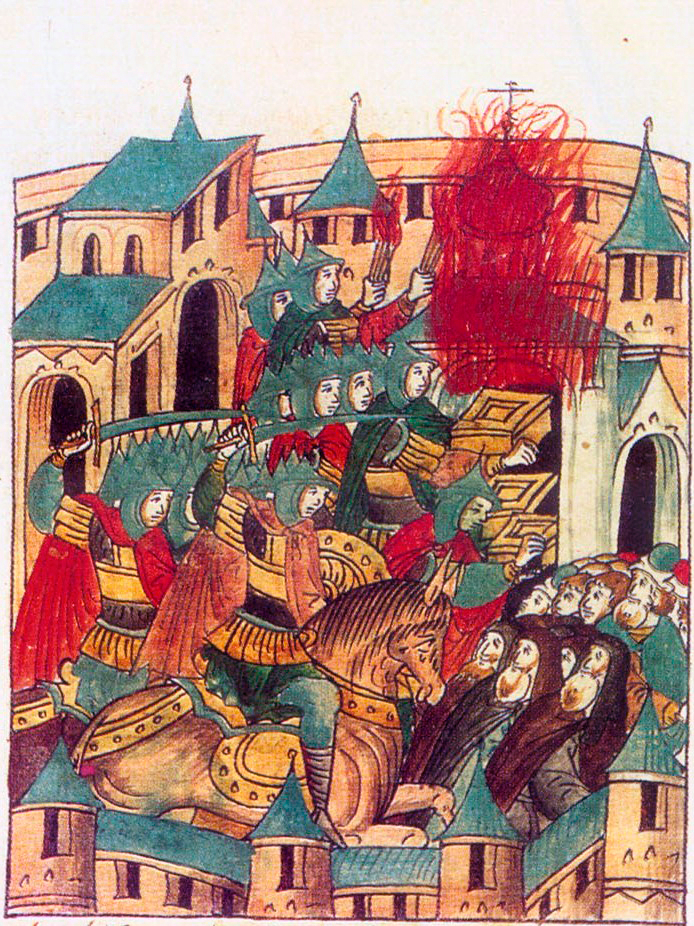
In 1243, the Mongol invasion of Anatolia, commanded by the Mongol general Baiju, resulted in the seizure and plundering of Iconium, the capital of the Seljuk Sultanate of Rum, located in present-day Konya, Turkey. The invasion emerged during the decline of the Seljuk Empire, weakened by internal strife and external threats.
The Mongol incursion into Anatolia was a consequence of the Mongol expansion under the unified Mongol Empire, seeking to conquer new territories and establish authority over the region. Baiju's forces, skilled in warfare and tactics, overwhelmed the Seljuk defenders, leading to the fall of Iconium. The siege and subsequent sack of the city marked a pivotal event in the history of Anatolia, disrupting the political landscape of the region.
The capture of Iconium by the Mongols had far-reaching consequences, impacting the Seljuk Sultanate of Rum and reshaping the power dynamics in Anatolia. The defeat of the Seljuks at the hands of the Mongols accelerated the disintegration of the Sultanate, paving the way for the rise of new Turkish beyliks and the eventual emergence of the Ottoman Empire.
The Mongol invasion of Anatolia under Baiju underscores the intricate interplay of political, military, and cultural forces in the medieval era, demonstrating the shifts in power and the fluidity of borders in the region. The event serves as a reminder of Anatolia's turbulent past and the enduring legacy of Mongol conquests in shaping the course of history.
#MongolInvasion #Anatolia #Iconium #SeljukEmpire #Baiju #Konya #TurkishHistory #MedievalConflict #OttomanEmpire
View details1125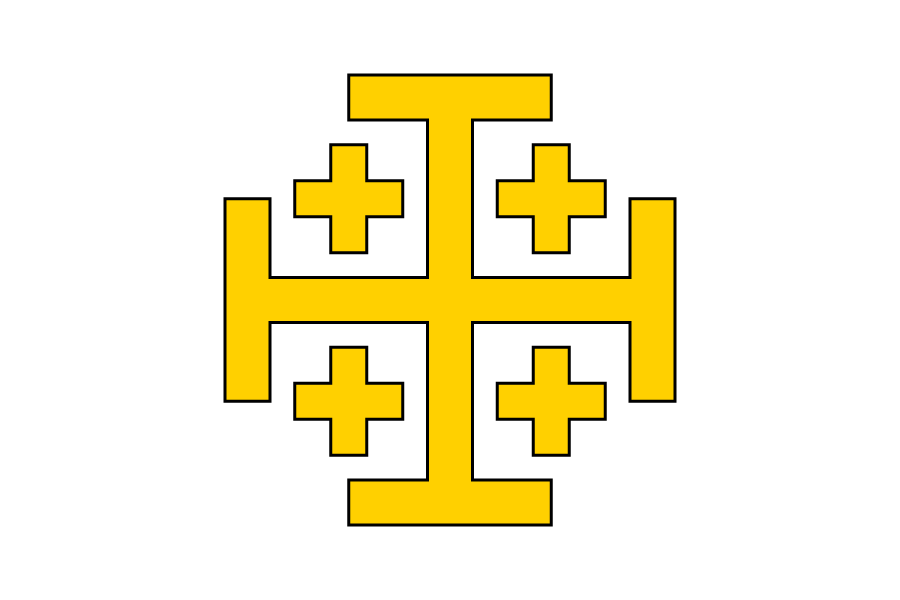
The Battle of Azaz unfolded as a military confrontation in 1125. Taking place near the town of Azaz, in what is now modern-day Turkey, it involved the Seljuk Turks against the Crusader States.
The background of the conflict lay in the ongoing power struggles between the Seljuk Turks and the Crusader States in the region. Both sides sought to assert their dominance and control over strategic territories, leading to frequent clashes and battles.
The outcome of the Battle of Azaz had a significant impact on the balance of power in the region. The Seljuk Turks emerged victorious, dealing a blow to the Crusader States and consolidating their control over the area. This victory bolstered the Seljuk Turks' influence and further weakened the Crusader States' position in the region.
In the aftermath of the battle, the Seljuk Turks were able to expand their territories and strengthen their hold over key strategic locations. The Crusader States, on the other hand, faced setbacks and found themselves increasingly isolated and vulnerable to further attacks.
The Battle of Azaz serves as a reminder of the complex political and military dynamics that shaped the medieval period in the region. It highlights the fierce competition for power and control among rival factions and the pivotal role of key battles in shaping the course of history.
#BattleOfAzaz #SeljukTurks #CrusaderStates #MedievalHistory #PowerStruggles
View details1116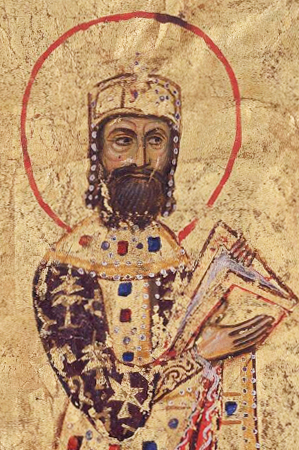
The Battle of Philomelion took place during the Crusades near the town of Philomelion, in modern-day Turkey. It was a significant military confrontation between the Byzantine Empire and the Seljuk Turks. The Seljuks, led by the Sultan Malik Shah, aimed to expand their territory into Anatolia, while the Byzantines sought to defend their lands.
The Byzantine army, commanded by Emperor Alexios I Komnenos, faced a fierce challenge from the Seljuks. Despite being outnumbered, the Byzantines displayed tactical skill and determination. The battle was intense, marked by cavalry charges and fierce fighting. In the end, the Byzantines emerged victorious, forcing the Seljuks to retreat.
The outcome of the Battle of Philomelion had a lasting impact on the region. It bolstered the Byzantine defense in Anatolia and checked the Seljuk advance. The Byzantines were able to maintain control over key territories, thwarting the Seljuk expansion into Anatolia for a considerable period.
This event underscored the strategic importance of Anatolia in the Crusades and the enduring power struggles between the Byzantine Empire and the Seljuk Turks. The Battle of Philomelion highlighted the complexities of medieval warfare and the critical role of military strategy in shaping historical events.
#BattleofPhilomelion #ByzantineEmpire #SeljukTurks #Anatolia #Crusades #MilitaryHistory
View details1115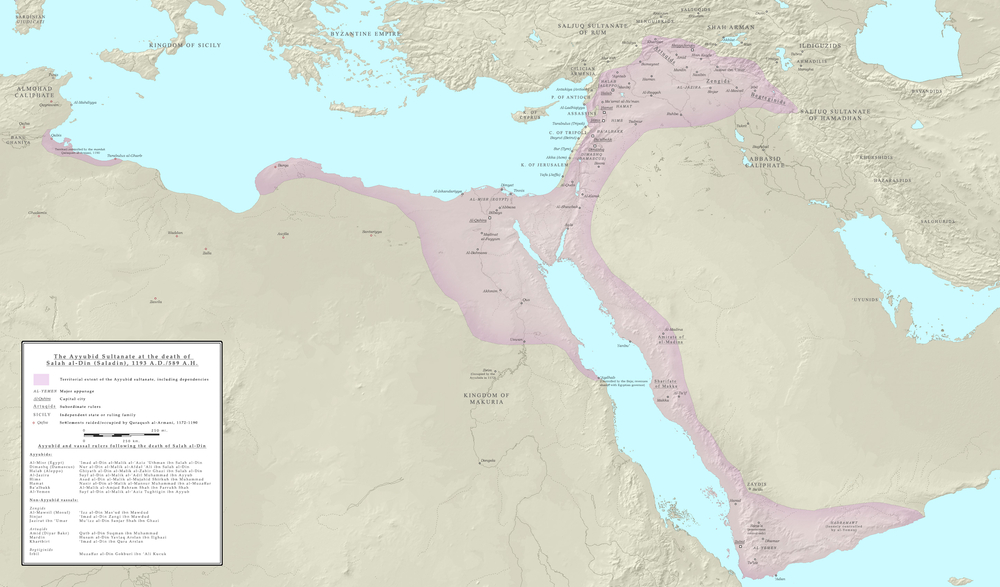
The Battle of Sarmin was a pivotal military confrontation between the Seljuk Turks and the forces of the Crusader states in the region. This clash took place near the town of Sarmin and had far-reaching consequences for the power dynamics in the region.
The Seljuk Turks, led by the renowned military commander, Ilghazi, sought to expand their influence and control over the region by targeting the Crusader states that posed a threat to their ambitions. On the other side, the Crusader forces, comprising knights from various European countries, were determined to maintain their foothold in the Holy Land and push back the Seljuk advances.
The battle was fierce and bloody, with both sides employing advanced military strategies and tactics. In the end, the Seljuk Turks emerged victorious, dealing a significant blow to the Crusader states. The defeat at Sarmin weakened the Crusaders' position in the region and emboldened the Seljuks to further assert their dominance.
The aftermath of the Battle of Sarmin marked a turning point in the power struggle between the Seljuk Turks and the Crusader states. It paved the way for the Seljuks to expand their territories and consolidate their control over key strategic areas. The defeat also forced the Crusaders to reevaluate their military tactics and alliances in the face of the Seljuk threat.
Overall, the Battle of Sarmin was a crucial event in the history of the region, shaping the political and military landscape for years to come. It underscored the fierce competition for dominance in the Holy Land and highlighted the strategic importance of key battlegrounds like Sarmin.
#BattleofSarmin #SeljukTurks #CrusaderStates #MilitaryHistory #PowerStruggle
View details1114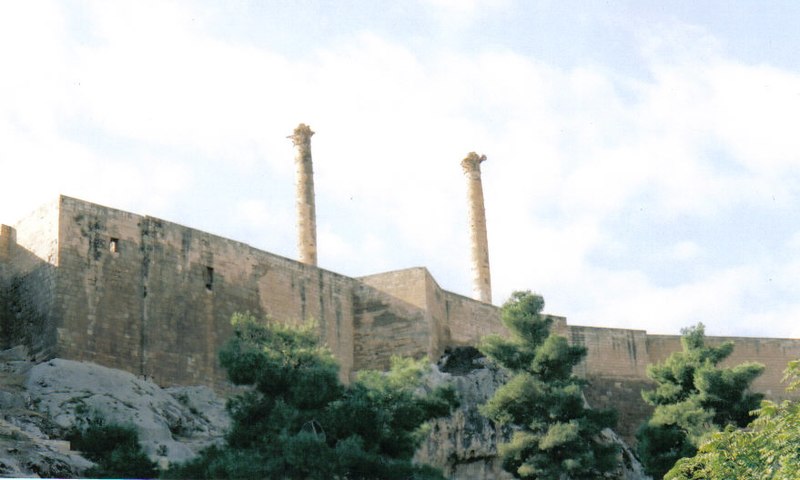
The Siege of Edessa saw the fall of the Crusader state of Edessa, resulting in a significant turning point in the history of the Crusades. The city of Edessa, located in present-day Turkey, was a crucial stronghold for the Crusaders in the region. The Zengid forces, led by Imad ad-Din Zengi, launched a siege on the city, overpowering the Crusader defenses.
The loss of Edessa was a devastating blow to the Crusaders, as it was the first Crusader state to be established during the First Crusade. Its fall marked the beginning of a series of losses for the Crusaders in the region. The news of the fall of Edessa sent shockwaves throughout Europe and prompted a call for the Second Crusade.
The Siege of Edessa highlighted the shifting power dynamics in the region, with Muslim forces gaining momentum against the Crusaders. The loss of Edessa also exposed the vulnerabilities of the Crusader states and the need for greater unity and coordination among Christian forces.
The fall of Edessa had long-lasting repercussions for the Crusades, leading to increased tensions between the Christian and Muslim powers in the region. The event served as a rallying cry for future Crusades and fueled ongoing conflicts in the Holy Land.
The Siege of Edessa remains a pivotal event in the history of the Crusades, symbolizing the challenges faced by the Crusader states in the face of growing Muslim opposition. It underscores the complex religious, political, and military dynamics of the time.
#SiegeOfEdessa #Crusades #ZengidForces #HolyLand #CrusaderStates #SecondCrusade
View details1097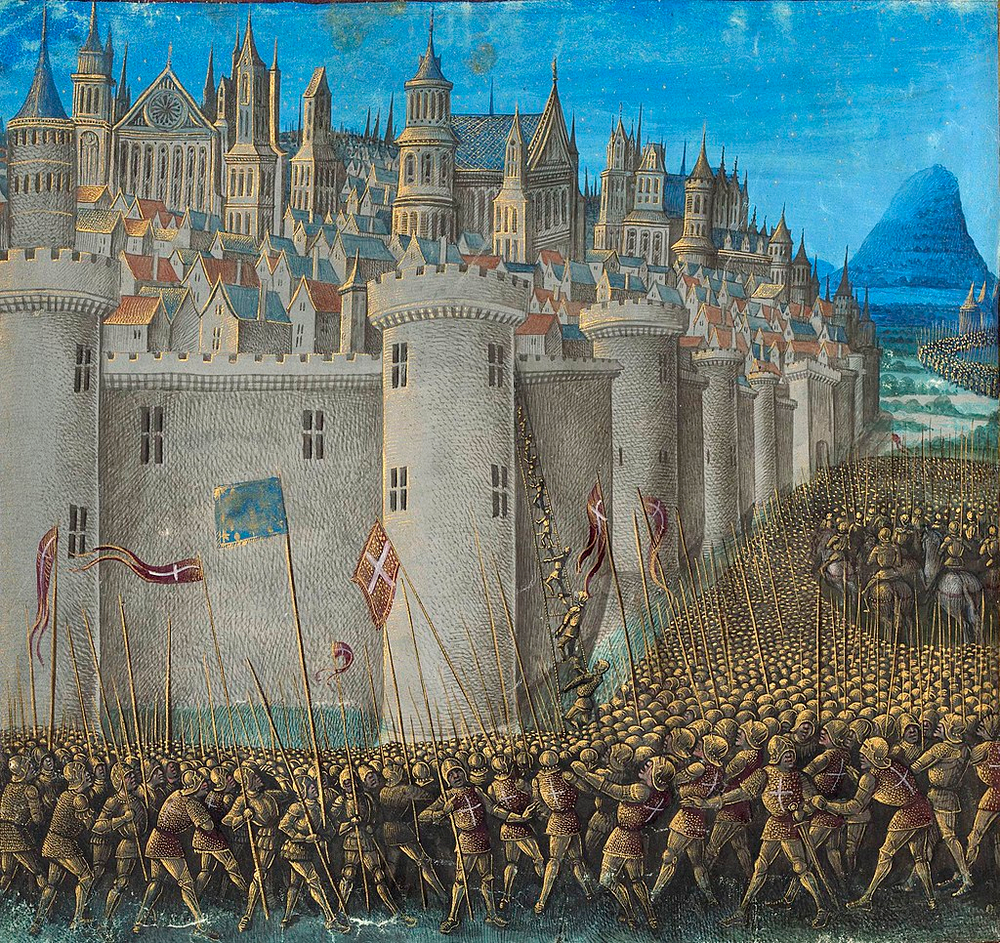
In the early 13th century, the Siege of Antioch on the Meander unfolded, marking a crucial episode in the power struggle between the Seljuk Sultanate of Rûm and the Empire of Nicaea. Strategically positioned in western Anatolia, Antioch on the Meander served as a significant outpost due to its proximity to key trade routes.
The Seljuk Sultanate of Rûm, led by Sultan Kayqubad I, sought to expand its influence and control over the region. In a calculated military campaign, Sultan Kayqubad I's forces besieged Antioch on the Meander, aiming to weaken the Empire of Nicaea's grip on the area. The city's fortifications were put to the test as the Seljuk forces relentlessly pressed on.
Ultimately, after a protracted siege, the Seljuk Sultanate of Rûm emerged victorious, capturing Antioch on the Meander from the Empire of Nicaea. The conquest reshaped the regional power dynamics, solidifying the Seljuk Sultanate of Rûm's dominance in western Anatolia while dealing a significant blow to the Empire of Nicaea's territorial holdings.
The aftermath of the Siege of Antioch on the Meander reverberated throughout the region, influencing trade, politics, and military strategies. The Seljuk Sultanate of Rûm's control over the city bolstered its position as a formidable regional power, while the Empire of Nicaea faced the repercussions of losing a key stronghold.
The Siege of Antioch on the Meander underscored the fierce competition between the Seljuk Sultanate of Rûm and the Empire of Nicaea for supremacy in Anatolia, highlighting the volatile nature of medieval power dynamics.
#SeljukSultanate #EmpireofNicaea #AnatolianHistory #MedievalSiege
View detailsDuring the Battle of Nicaea, the Crusader army faced the Seljuk Turks, who held the city of Nicaea as a strategic stronghold. The Crusaders, led by prominent figures such as Godfrey of Bouillon and Raymond IV of Toulouse, laid siege to the city, utilizing their superior military tactics and numbers.
The city of Nicaea was a significant obstacle on the path of the Crusaders towards Jerusalem, as it was well fortified and defended by the Seljuk Turks. The Crusaders, determined to continue their march towards their ultimate goal, engaged in a fierce battle to capture the city.
After a prolonged siege, the Crusaders managed to breach the walls of Nicaea, leading to intense fighting within the city streets. The Seljuk defenders, despite their resistance, were eventually overwhelmed by the Crusader forces. The capture of Nicaea was a crucial victory for the Crusaders, as it allowed them to secure a key strategic location and pave the way for further advances into Anatolia.
The Battle of Nicaea had a significant impact on the overall success of the First Crusade, as it demonstrated the military prowess of the Crusaders and their determination to overcome formidable obstacles. The capture of the city also boosted the morale of the Crusader army and solidified their resolve to continue their journey towards Jerusalem.
This event highlighted the fierce clashes between Christian and Muslim forces during the Crusades, showcasing the complex and often brutal nature of medieval warfare. The Battle of Nicaea stands as a testament to the strategic importance of key conquests in the tumultuous era of the Crusades, shaping the course of history in the region.
#BattleofNicaea #Crusades #SeljukTurks #Conquest #MedievalWarfare #Anatolia
View details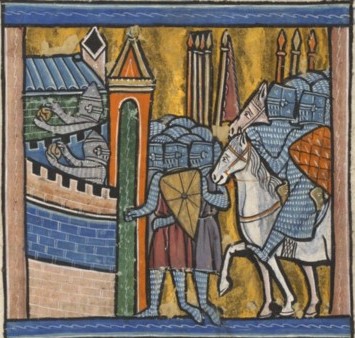
1074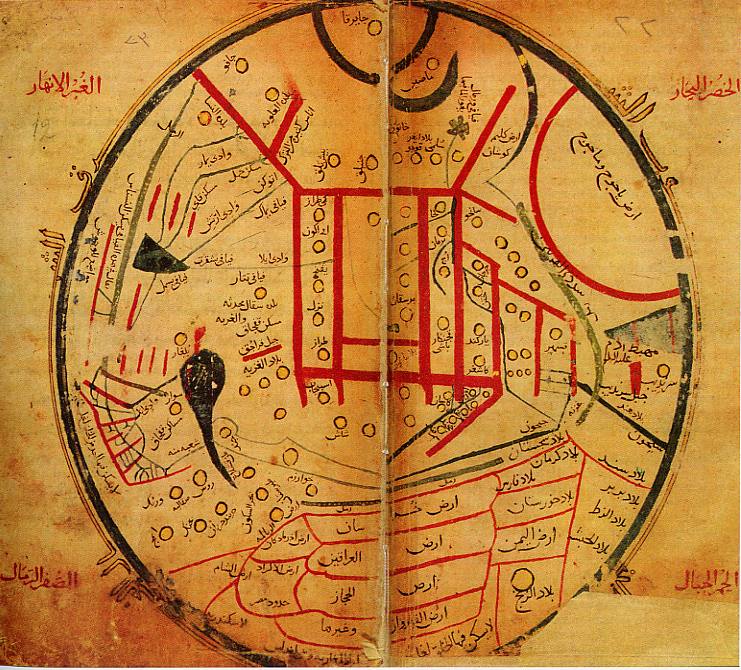
Mahmud al-Kashgari, a renowned Turkic scholar, compiled and published the Divan-i Lügat-it Türk {Turkish Dictionary} in which he documented the Turkish language in its diverse forms. This groundbreaking work aimed to preserve and standardize the Turkish language across different regions, facilitating communication and cultural exchange among Turkic peoples.
At the time of publication, the Turkic people were spread across a vast geographical area, from Central Asia to Anatolia. The diversity of dialects and linguistic variations posed challenges to mutual understanding and unity among Turkic tribes. Kashgari's dictionary bridged these gaps by providing a comprehensive reference to the Turkish language, helping to establish a common linguistic identity among Turkic communities.
The Divan-i Lügat-it Türk also served as a valuable resource for scholars, travelers, and traders navigating the Turkic-speaking regions. It not only facilitated communication but also preserved the rich cultural heritage and traditions of the Turkic peoples. The dictionary's impact extended beyond linguistic boundaries, influencing the development of literature, poetry, and historical studies in Turkish-speaking regions.
Kashgari's pioneering work in compiling the Divan-i Lügat-it Türk laid the foundation for future linguistic and cultural studies in the Turkic world. His efforts contributed to the preservation and promotion of the Turkish language, enabling future generations to connect with their roots and heritage.
The publication of the Divan-i Lügat-it Türk by Mahmud al-Kashgari marked a pivotal moment in the history of the Turkish language and culture, emphasizing the importance of language in shaping identities and fostering unity among diverse communities. #MahmudAlKashgari #TurkishDictionary #TurkicLanguage #CulturalHeritage
View details1073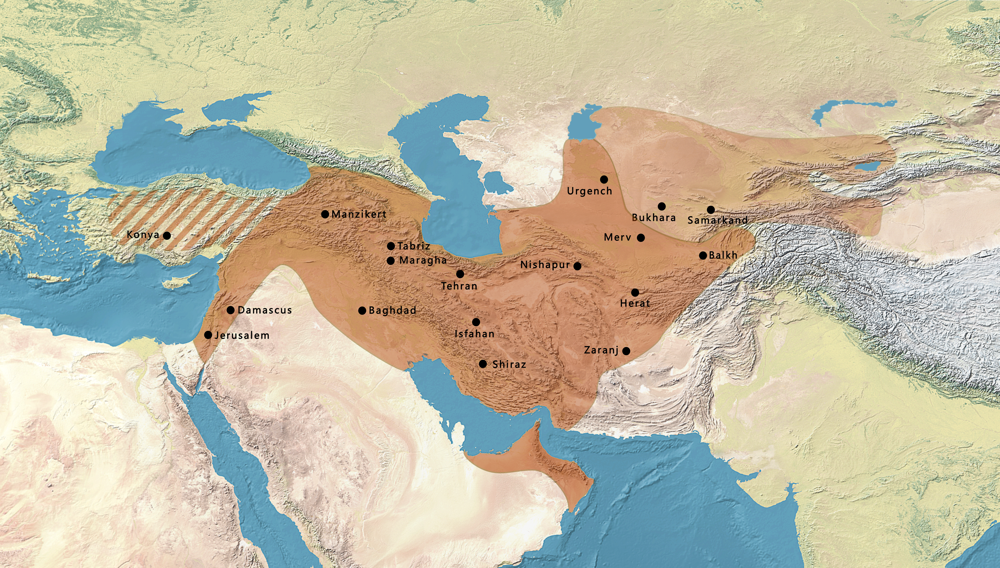
The Seljuk Turks, a powerful Turkish Sunni Muslim dynasty, successfully captured Ankara, a strategic city located in central Anatolia. This event marked a significant turning point in the region's history as it consolidated the Seljuks' control over central Anatolia and further expanded their influence in the broader Islamic world.
Ankara's capture was part of the larger Seljuk campaign to assert their dominance over the fragmented territories of Anatolia. The Seljuks, under the leadership of Sultan Alp Arslan, utilized their superior military tactics and organizational skills to conquer Ankara, which served as a key hub for trade and military operations.
The fall of Ankara to the Seljuks had far-reaching implications for the region. It enabled the Seljuks to establish a strong foothold in central Anatolia, facilitating the spread of Islam and Turkish culture in the region. Additionally, the Seljuks' control over Ankara bolstered their resources and manpower, enabling them to launch further military expeditions and consolidate their rule over neighboring territories.
The capture of Ankara by the Seljuk Turks underscores the strategic importance of the city in shaping the political landscape of Anatolia. It exemplifies the Seljuks' military prowess and their ability to expand their empire through a combination of military conquest and strategic alliances.
The event of the Seljuk Turks capturing Ankara resonates with themes of conquest, power dynamics, and territorial expansion. It showcases the Seljuks' rise to prominence in Anatolia and their lasting impact on the region's cultural and political identity. Overall, the capture of Ankara by the Seljuk Turks stands as a pivotal moment in the history of Turkey and the broader Islamic world. #SeljukTurks #AnkaraCapture #TurkishHistory
View details1071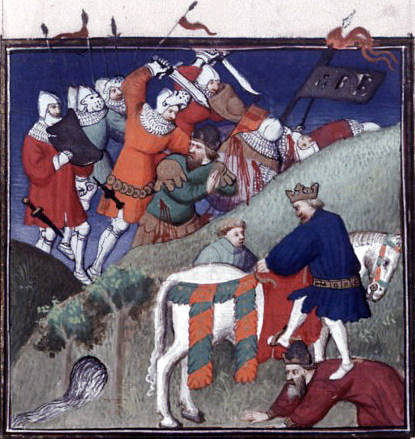
The Battle of Manzikert was a pivotal military confrontation between the Byzantine Empire and the Seljuk Turks. The conflict arose due to territorial disputes in the region of Armenia. The Seljuks, under the leadership of Alp Arslan, sought to expand their empire into Byzantine territory, leading to a decisive clash near the town of Manzikert.
The Byzantine Emperor Romanos IV Diogenes led his forces into battle, confident of victory. However, strategic errors and miscommunications within the Byzantine ranks played into the hands of the Seljuks. The Turkish cavalry outmaneuvered the Byzantine foot soldiers, encircling and overwhelming them. The Byzantine forces suffered a devastating defeat, with Emperor Romanos himself captured by the Seljuks.
The aftermath of the Battle of Manzikert was significant. The Byzantine Empire lost control of Anatolia, opening the door for the Seljuk Turks to establish dominance in the region. This laid the groundwork for the eventual decline of Byzantine power and the emergence of the Seljuk Sultanate of Rum in Anatolia. The Byzantines were forced to make territorial concessions to the Seljuks in the ensuing peace negotiations.
The Battle of Manzikert marked a turning point in the history of the Byzantine Empire and the Seljuk Turks. It weakened Byzantine authority in the east and contributed to the fracturing of the empire over the coming centuries. For the Seljuks, it solidified their presence in Anatolia and set the stage for further expansion into Byzantine territory.
#BattleOfManzikert #ByzantineEmpire #SeljukTurks #Anatolia #HistoricalConflict
View details0838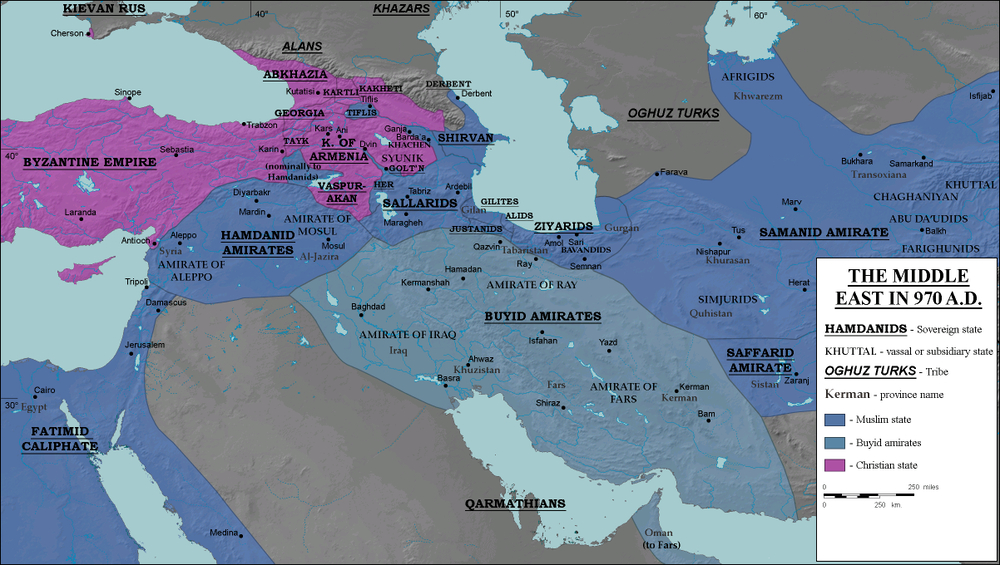
During the Abbasid Caliphate's military campaign in Anatolia, they successfully captured the strategic cities of Tarsus and Malatya. This conquest was a significant moment in the expansion of the Abbasid Caliphate's influence in the region. The Abbasids, eager to assert their authority and control over Anatolia, strategically targeted these key cities due to their economic importance and strategic location.
Tarsus, located near the Mediterranean Sea, was a bustling city known for its thriving trade routes and agricultural wealth. Its capture provided the Abbasids with access to the lucrative trade networks of the region and control over vital resources. Malatya, on the other hand, was a crucial military stronghold that allowed the Abbasids to solidify their presence in Anatolia and establish a secure base for further military operations.
The conquest of Tarsus and Malatya not only expanded the territorial boundaries of the Abbasid Caliphate but also enhanced their political and economic power in the region. By gaining control of these cities, the Abbasids were able to strengthen their grip on Anatolia and project their authority over the local populations. Additionally, the wealth and resources acquired from these conquests bolstered the Abbasid Caliphate's economy and military capabilities, further consolidating their position as a dominant force in the region.
The capture of Tarsus and Malatya marked a turning point in the Abbasid Caliphate's efforts to control Anatolia and exert their influence over the strategic crossroads between the East and the West. This military success solidified the Abbasids' position as a formidable power in the region and paved the way for further expansion and conquests in Anatolia and beyond.
#AbbasidCaliphate #Tarsus #Malatya #Anatolia #MilitaryCampaign #Expansion #Influence #StrategicCities #TradeRoutes #EconomicPower #PoliticalPower #Dominance
View details0725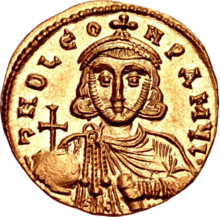
In 726, the Byzantine Empire witnessed the onset of the Iconoclasm Controversy under Emperor Leo III. This religious conflict centered on the veneration of religious icons and escalated tensions within the empire.
Emperor Leo III, influenced by his interpretation of Christian teachings, deemed the use of icons in religious worship as idolatrous. This declaration sparked outrage among many Byzantines who viewed icons as essential elements of their faith and a link to the divine. The controversy divided the population, leading to widespread unrest and even violence between iconoclasts and iconophiles.
The Iconoclasm Controversy had profound consequences for the Byzantine Empire. It created deep rifts within society, pitting religious factions against each other. The controversy also strained relations between the Byzantine Empire and the Pope in Rome, as the papacy staunchly opposed iconoclasm. The rift ultimately contributed to the Great Schism between the Eastern Orthodox Church and the Roman Catholic Church in 1054.
Emperor Leo III's enforcement of iconoclasm led to the destruction of numerous religious icons and artworks, causing irreparable damage to the cultural heritage of the Byzantine Empire. Despite the controversy persisting for over a century, with periods of iconoclasm and icon veneration alternating, the lasting impact of the conflict reshaped the religious and political landscape of the Byzantine Empire.
The Iconoclasm Controversy marks a pivotal moment in Byzantine history, highlighting the intricate interplay between religion, politics, and culture. Its legacy endures in the religious practices and artistic traditions of the Eastern Orthodox Church, reflecting the enduring influence of this tumultuous period in Byzantine history.
#IconoclasmControversy #ByzantineEmpire #LeoIII #ReligiousConflict #CulturalHeritage #Turkey
View details0631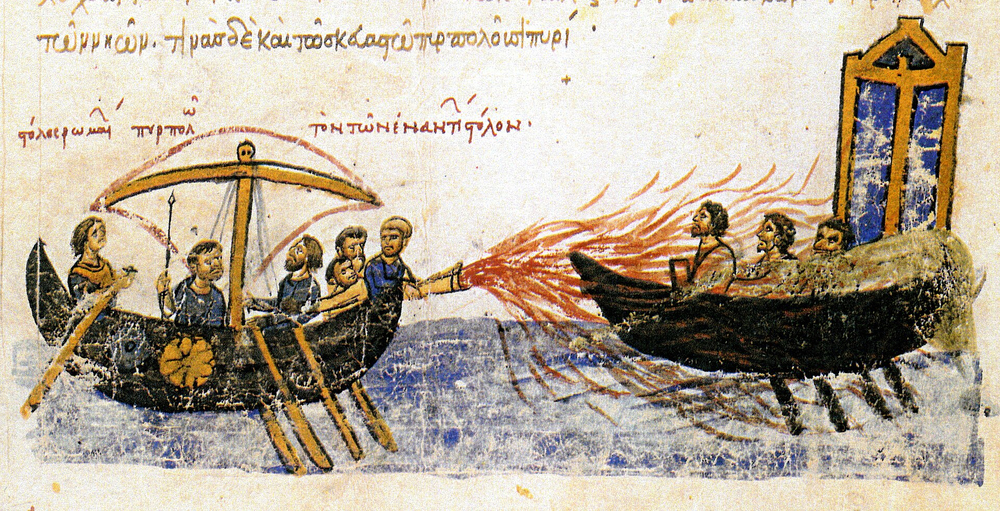
In the early 7th century, the Arab Muslim conquest of Anatolia commenced, marking a significant turning point in the region's history. Following the death of Prophet Muhammad, the Rashidun Caliphate expanded its territories beyond the Arabian Peninsula, aiming to spread Islam. Anatolia, a land rich in resources and strategic importance, became a target for the Muslim armies.
The conquest of Anatolia brought about a major cultural and political transformation. The once predominantly Byzantine Christian region saw the gradual spread of Islamic faith and Arab influence. The Arabic language, Islamic customs, and architectural styles began to shape the Anatolian landscape. The conquest also led to the establishment of various Islamic dynasties and sultanates, laying the foundation for the eventual rise of the Ottoman Empire.
The Arab Muslim conquest of Anatolia had a lasting impact on the region. It altered the demographic composition, as many Anatolians embraced Islam and adopted Arab customs. The conquest also paved the way for centuries of Muslim rule in Anatolia, shaping its socio-political structures and cultural heritage. The legacy of this event is still evident in modern-day Turkey, with Islam playing a significant role in the country's identity.
Overall, the Arab Muslim conquest of Anatolia was a pivotal moment in the region's history, ushering in a new era of Islamic influence and shaping the future trajectory of Anatolian civilization. #ArabConquest #AnatoliaHistory #IslamicInfluence #TurkishHeritage
View details0626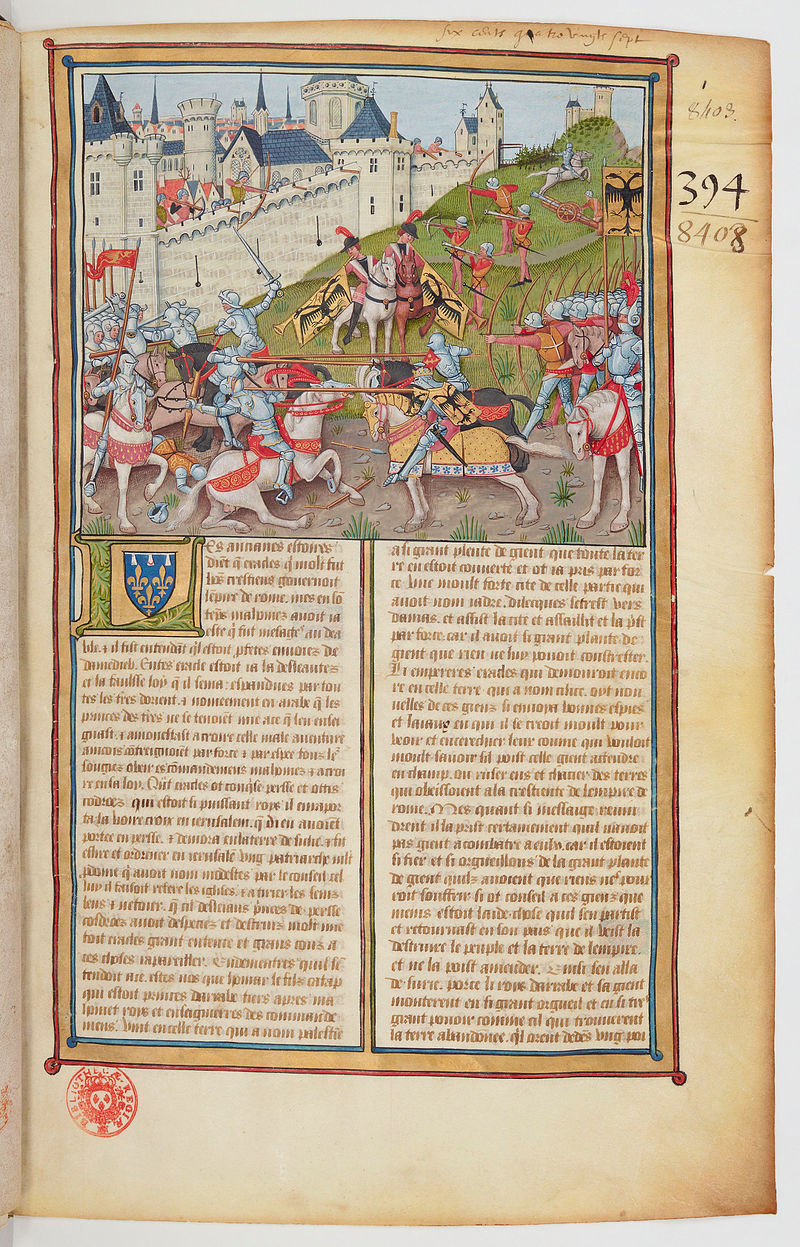
In the 7th century, the Byzantine Empire, led by Emperor Heraclius, faced the Sassanid Persians in a decisive battle near Nineveh, securing control over Anatolia. The Byzantines had been in a long-standing conflict with the Sassanids, vying for dominance in the region. The battle of Nineveh marked a turning point in this struggle as Heraclius led his forces to a significant victory.
Heraclius had faced multiple defeats against the Sassanids in previous battles, but his strategic brilliance and determination turned the tides in his favor at Nineveh. The Byzantine army, despite being outnumbered, employed innovative tactics that caught the Persians off guard. The defeat of the Sassanids at this battle weakened their hold on Anatolia and allowed Heraclius to reclaim lost territories.
The victory at Nineveh had far-reaching implications for the Byzantine Empire and the region as a whole. It not only secured Byzantine control over Anatolia but also dealt a significant blow to the Sassanid Empire, paving the way for its eventual decline. The Byzantines were able to consolidate their power in the area and strengthen their position against external threats.
The Battle of Nineveh was a defining moment in the history of the Byzantine Empire, showcasing the military prowess and strategic acumen of Emperor Heraclius. It reshaped the political landscape of Anatolia and solidified Byzantine influence in the region for years to come.
#ByzantineEmpire #SassanidPersians #BattleofNineveh #Anatolia #Heraclius
View details0411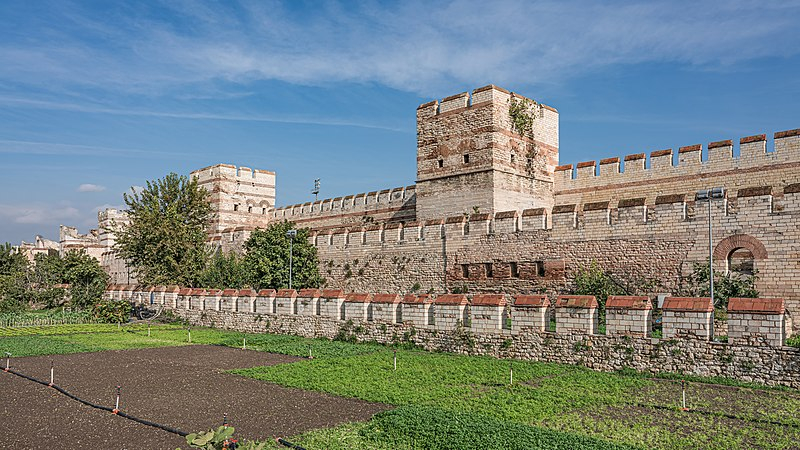
Emperor Theodosius II of the Byzantine Empire ordered the construction of the Theodosian Walls around the city of Constantinople as a defensive measure against external threats. These massive defensive fortifications stretched over six kilometers and were strategically built to protect the capital from potential invasions.
The walls consisted of a double line of ramparts, with a moat and 96 towers, providing a formidable defense system. They were further reinforced with gates, battlements, and military outposts, making it nearly impenetrable. Theodosius II's foresight in fortifying the city helped to safeguard Constantinople from numerous sieges and attacks over the centuries.
The construction of the Theodosian Walls had a significant impact on the defense of Constantinople, turning the city into a stronghold that withstood attacks from various foes, including Attila the Hun and the Avars. The walls played a crucial role in preserving the Byzantine Empire and its cultural heritage for generations to come.
Today, the remnants of the Theodosian Walls stand as a testament to the engineering prowess of the Byzantine Empire and the strategic vision of Emperor Theodosius II. Visitors to modern-day Istanbul can still marvel at these ancient fortifications, which have stood the test of time and continue to intrigue historians and tourists alike.
#TheodosianWalls #Constantinople #ByzantineEmpire #Defense #Engineering #Istanbul
View details324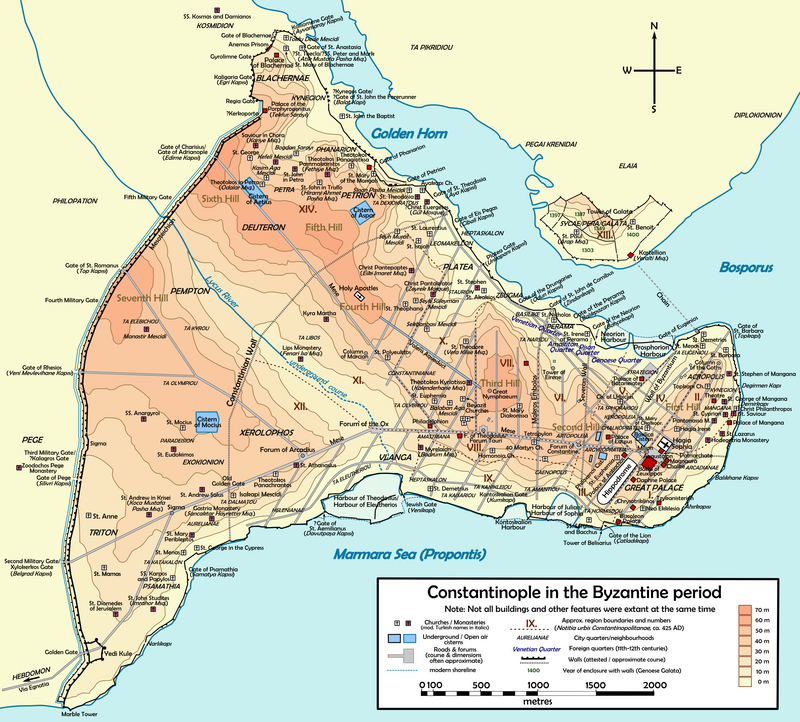
The foundation of Constantinople by Roman Emperor Constantine the Great marked a significant milestone in Roman history. The strategic location of the new city, situated between Europe and Asia, served as a bridge between the East and the West.
Constantinople was chosen as the new capital of the Roman Empire due to its advantageous position, guarding the entrance to the Black Sea and controlling key trade routes. The city was meticulously planned, featuring impressive architecture, such as the Hippodrome and the Hagia Sophia, which showcased the wealth and power of the empire.
The establishment of Constantinople had a profound impact on the Roman Empire. It became a center of politics, commerce, and culture, attracting people from all corners of the empire. The city's prosperity and grandeur earned it a reputation as the 'New Rome,' eventually surpassing the original Rome in terms of importance and influence.
Constantinople served as the heart of the Byzantine Empire for over a millennium, preserving and transmitting the knowledge and legacy of the ancient world to future generations. The city stood as a bastion of Christianity, with the Hagia Sophia becoming one of the most iconic symbols of the faith.
The foundation of Constantinople by Constantine the Great not only reshaped the geopolitical landscape of the Roman Empire but also left a lasting legacy that continues to resonate in modern-day Istanbul. The city's rich history and cultural heritage make it a fascinating destination for those interested in exploring the intersection of East and West.
#Constantinople #RomanEmpire #ConstantineTheGreat #ByzantineEmpire #HagiaSophia #Istanbul #Legacy
View details