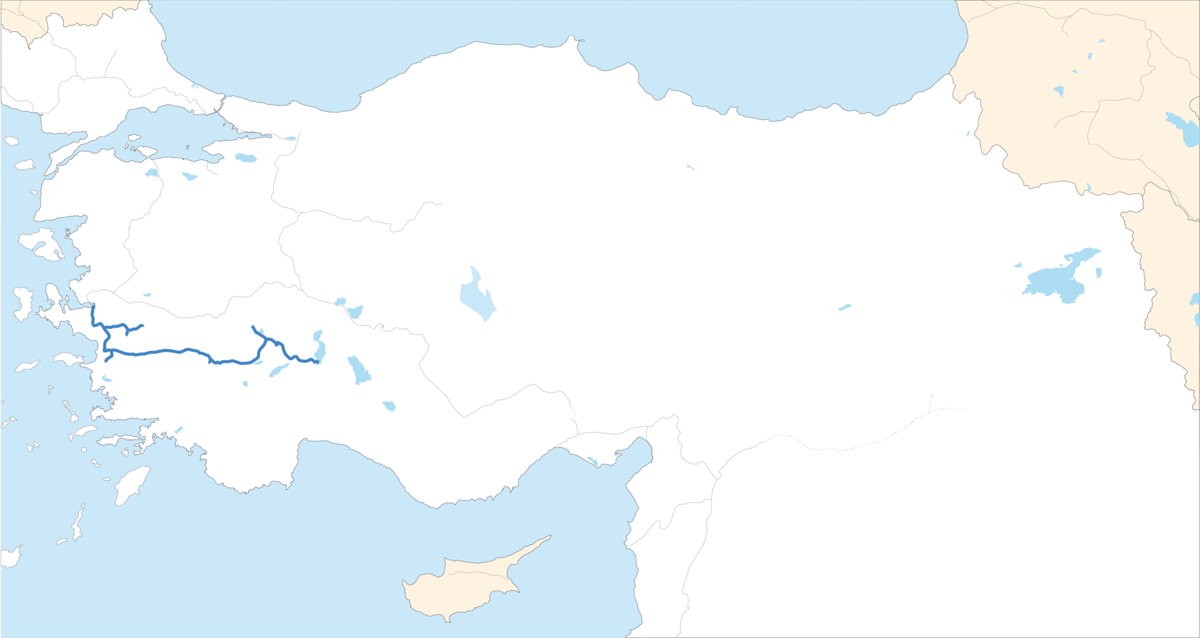
First Railway Line in Ottoman Empire: İzmir to Aydın Connection
Turkey
Infrastructure Development
4 min read
Updated By: History Editorial Network (HEN)
Published:
In 1856, the Ottoman Empire marked a pivotal development with the construction of its first railway line. The railway was built to connect the bustling port city of İzmir with Aydın, a strategic inland town in western Anatolia. This initiative was a response to the growing need for efficient transportation of goods and people, fueled by the increasing trade activities in the region.
The construction of the İzmir-Aydın railway line brought about a transformation in the way goods were transported within the Ottoman Empire. It facilitated quicker and more convenient movement of goods between the port city and the inland regions, boosting trade and economic activities. The railway also played a crucial role in improving connectivity and communication between different parts of the empire, laying the foundation for future infrastructural developments.
The completion of the railway line had a significant impact on the socio-economic landscape of the region. It not only stimulated industrial growth but also led to the development of new settlements along the route, contributing to urbanization. The railway line also played a key role in the modernization efforts of the Ottoman Empire, aligning it with the technological advancements of the time.
The construction of the first railway line in the Ottoman Empire, linking İzmir and Aydın, marked a milestone in the history of transportation and infrastructure development in the region. It symbolized the empire's eagerness to embrace modernity and adapt to the changing world around them. The legacy of this railway line continues to be felt in present-day Turkey, where a modern and extensive railway network stands as a testament to the progressive vision that was set in motion over a century ago.
#OttomanEmpire #RailwayDevelopment #İzmirAydınRailway #TurkeyHistory

Explore the Life Moments of
 AI Twin