Ottoman Empire Regains Control of Baghdad
Turkey

Political
4 min read
Updated By: History Editorial Network (HEN)
Published:
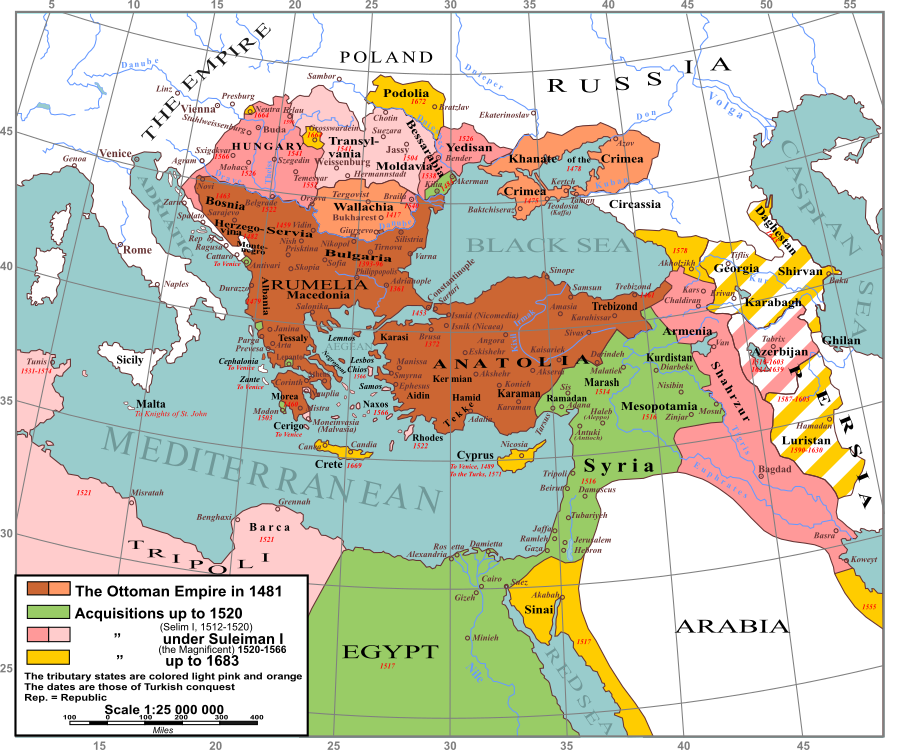
In 1638, the Ottoman Empire successfully regained control of Baghdad from Safavid Persia, marking a significant turn of events in the centuries-long rivalry between the two powers. The city of Baghdad, a strategic and symbolic center in the region, had been under Persian rule for over a century.
The conflict between the Ottomans and Safavids was rooted in territorial disputes, religious differences, and struggles for dominance in the region. The Ottomans, a Sunni Muslim empire, sought to assert their authority over Baghdad, a predominantly Sunni city, and reaffirm their control over the lands that were historically part of their empire.
The reconquest of Baghdad by the Ottomans had far-reaching implications for the balance of power in the Middle East. It solidified Ottoman control over a key city and dealt a blow to Safavid ambitions in the region. The Ottomans' successful military campaign demonstrated their military strength and political resolve, signaling to their rivals and allies alike that they remained a formidable force to be reckoned with.
The Ottoman Empire's reconquest of Baghdad also had cultural and economic consequences. The city was a center of learning, trade, and Islamic scholarship, and its return to Ottoman control helped reinvigorate cultural exchange and economic activity in the region.
Overall, the Ottoman Empire's regaining control of Baghdad from Safavid Persia in 1638 was a crucial event in the history of the Middle East, with far-reaching impacts on politics, culture, and religion in the region. It underscored the Ottoman Empire's resilience and military prowess while reshaping the geopolitical landscape of the time.
#OttomanEmpire #Baghdad #MiddleEastHistory #OttomanSafavidConflict

Explore the Life Moments of
 AI Twin