Treaty of Jassy Ends Russo-Turkish War
Turkey

Political
4 min read
Updated By: History Editorial Network (HEN)
Published:
The Treaty of Jassy was signed between the Ottoman Empire and Russia as a concluding resolution to the Russo-Turkish War of 1787–1792. The conflict originated from territorial disputes and ambitions, with both empires seeking to expand their influence in the region. The war had resulted in significant losses for both sides, leading them to the negotiation table.
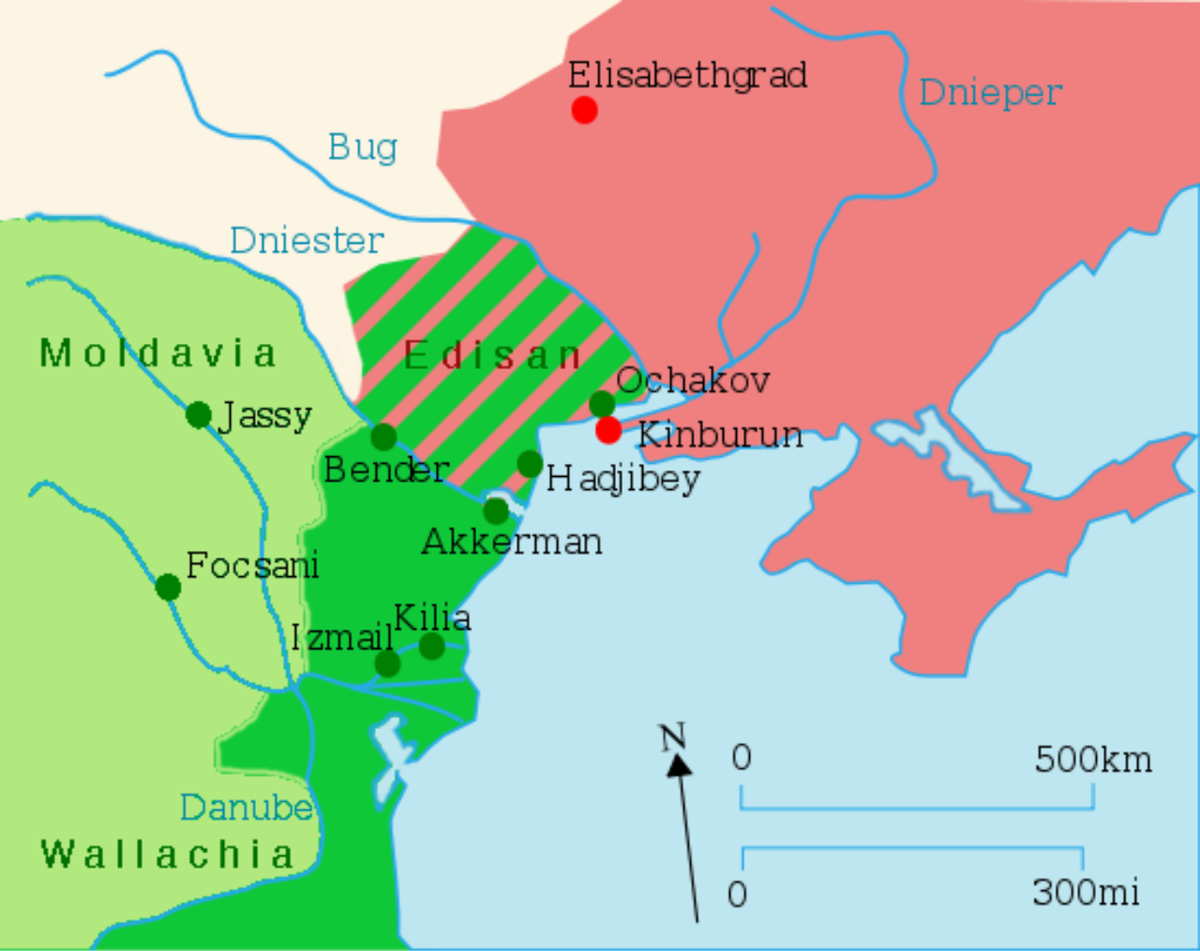
The treaty solidified the earlier armistice signed in 1791 and reaffirmed the provisions outlined in the Treaty of Küçük Kaynarca of 1774. The Ottomans agreed to cede to Russia the territories of Ochakov, Yedisan, and the fortress of Kinburn, granting Russia access to the Black Sea coast. In return, Russia withdrew its forces from the Danubian Principalities.
The signing of the Treaty of Jassy marked a pivotal moment in the relations between the Ottoman Empire and Russia, establishing a new territorial balance in the region. It also highlighted the declining power of the Ottomans and the growing influence of Russia in Eastern Europe. The treaty contributed to shaping the geopolitics of the region for years to come, setting the stage for further conflicts and power struggles in the future.
In conclusion, the Treaty of Jassy was a significant diplomatic event that brought an end to the Russo-Turkish War of 1787–1792, reshaping the political landscape of Eastern Europe. It underlined the shifting power dynamics between the Ottoman Empire and Russia, laying the groundwork for future tensions and alliances.
#TreatyofJassy #RussoTurkishWar #OttomanEmpire #Russia #Diplomacy

Explore the Life Moments of
 AI Twin