Istanbul: Ottoman Empire's New Capital
Turkey

Global Trade
3 min read
Updated By: History Editorial Network (HEN)
Published:
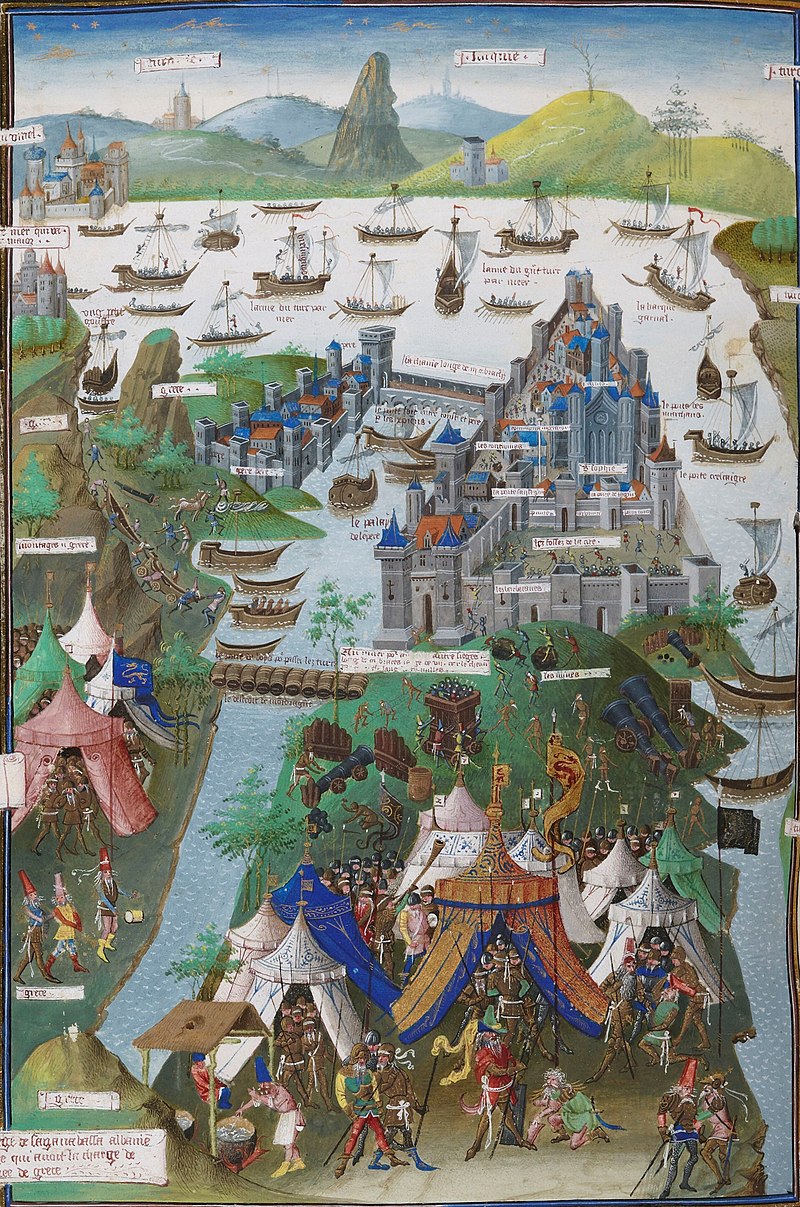
After a lengthy siege, Mehmed II successfully captured Constantinople, marking the end of the Byzantine Empire. Renaming the city Istanbul, he established it as the new capital of the Ottoman Empire. This monumental event had far-reaching consequences for the region and beyond.
By conquering Istanbul, Mehmed II gained control of a strategic location that connected Europe and Asia, allowing for easier trade and military expansion. The city's cultural and religious significance also made it a symbol of power and authority. Establishing Istanbul as the capital solidified the Ottoman Empire's dominance in the region for centuries to come.
The fall of Constantinople and the rise of Istanbul as the Ottoman capital led to a shift in the balance of power in Europe and the Middle East. The city became a center of commerce, culture, and politics, attracting people from various backgrounds and contributing to its cosmopolitan identity. The Ottomans used Istanbul as a base for further conquests, expanding their empire into new territories.
The cultural and architectural legacy of Istanbul as the Ottoman capital can still be seen today in the city's mosques, palaces, and public spaces. Mehmed II's decision to establish Istanbul as the new capital had a lasting impact on the region, shaping its history and identity.
#MehmedII #Istanbul #OttomanEmpire #Conquest #Legacy

Explore the Life Moments of
 AI Twin