Destruction of the Church of the Holy Sepulchre
Palestine
Historical Events
Religious Persecution
Middle Eastern History
3 min read
Updated By: History Editorial Network (HEN)
Published:
Updated:
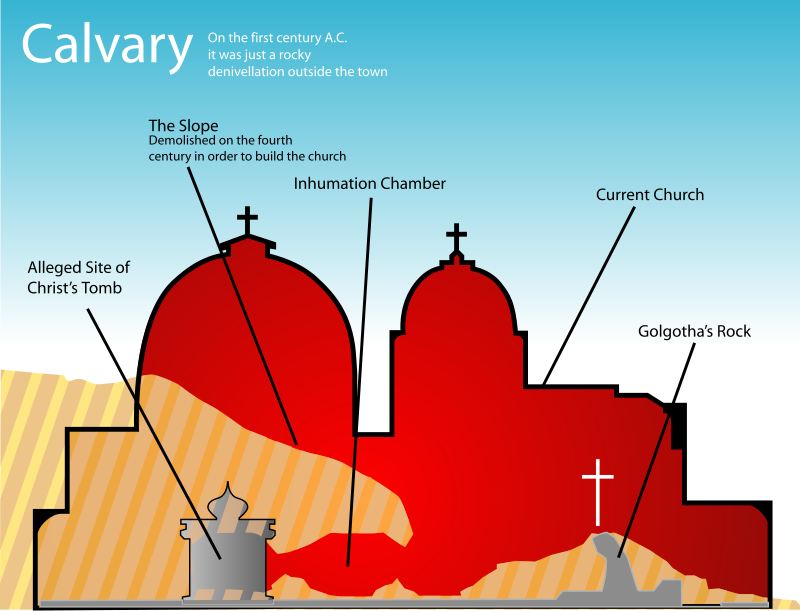
In the year 1009, a significant and tragic event unfolded in the history of religious architecture and interfaith relations. Caliph Al-Hakim bi-Amr Allah, in a wave of religious persecution, ordered the demolition of all churches and synagogues within his empire, a decree that included the revered Church of the Holy Sepulchre in Jerusalem. This act of destruction sent shockwaves throughout Christian Europe, inciting outrage and condemnation. The demolition was perceived not only as an attack on a sacred site but also as a broader assault on Christianity itself. In the aftermath, many Christians blamed the Jewish community for the caliph's actions, reflecting the complex and often fraught relationships between different religious groups during this period. Al-Hakim's policies, which also mandated that Christians and Jews wear distinctive clothing, were likely aimed at consolidating his power and addressing dissent against his father's more tolerant approach towards non-Muslims. Although his successor eventually allowed for the reconstruction of the Church of the Holy Sepulchre, the repression against non-Muslims persisted, highlighting the ongoing struggles for religious freedom and coexistence in the region.
#mooflife
#MomentOfLife
#ChurchOfTheHolySepulchre
#CaliphAl-hakim
#ReligiousPersecution
#ChristianHistory
#InterfaithRelations

Explore the Life Moments of
 AI Twin