Establishment of the Kingdom of Jerusalem in 1100 and Its Historical Significance
Palestine
Medieval Studies
Crusades
3 min read
Updated By: History Editorial Network (HEN)
Published:
Updated:
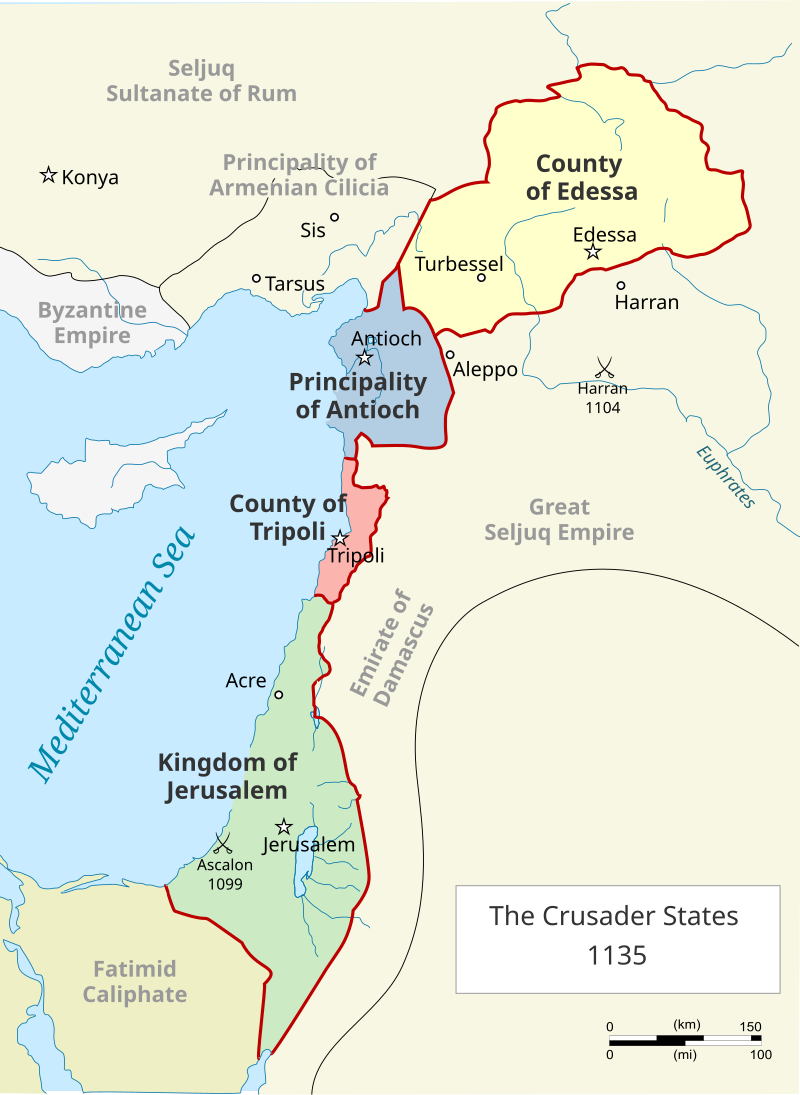
The Kingdom of Jerusalem was established in 1100 following the initial successes of the Crusades, marking a significant moment in medieval history. This kingdom encompassed a large portion of Palestine and modern-day Lebanon, serving as a stronghold for Latin Christians in the region. The establishment of the kingdom led to a series of conflicts as Crusaders and Muslim forces vied for control over these territories. In 1187, the Ayyubid dynasty, based in Egypt, successfully captured Jerusalem, a pivotal event that shifted the balance of power in the region. Despite this loss, the Ayyubids were unable to seize the northern Crusader states, including Tyre, which allowed the Crusaders to launch another campaign. By 1192, they had regained control over much of the Palestinian coastline down to Jaffa, although they failed to retake Jerusalem. Ultimately, negotiations led to a treaty that ensured Christian pilgrims could access the Church of the Holy Sepulchre in Jerusalem, but the city remained under Ayyubid control. The legacy of the Kingdom of Jerusalem and the subsequent Crusades continues to influence historical narratives and religious dynamics in the region today.
#mooflife
#MomentOfLife
#KingdomOfJerusalem
#Crusades
#AyyubidDynasty
#PalestineHistory
#MedievalHistory

Explore the Life Moments of
 AI Twin