Fakhr-al-Din II Gains Control of Safad Sanjak
Palestine
Historical Events
Middle Eastern History
Ottoman Empire
3 min read
Updated By: History Editorial Network (HEN)
Published:
Updated:
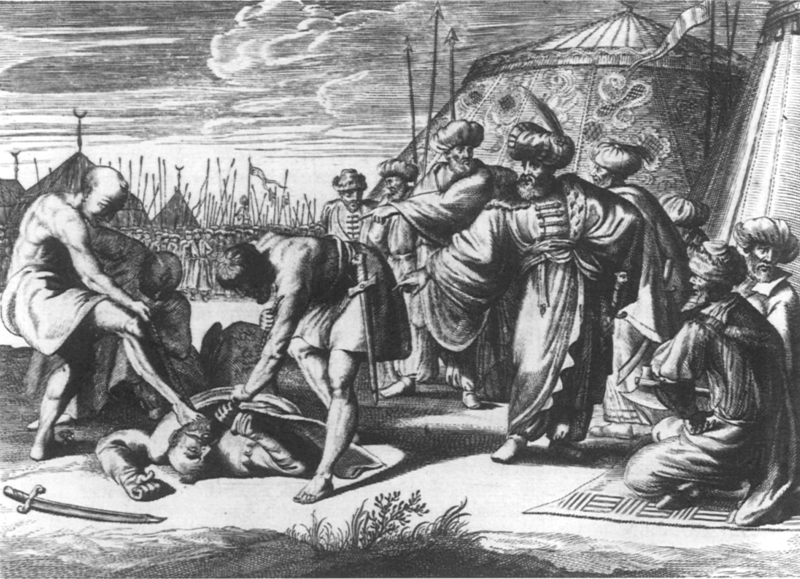
In 1622, the Druze emir of Mount Lebanon, Fakhr-al-Din II, gained control of Safad Sanjak and was appointed governor of Nablus and mutasallim (chief tax collector) of Gaza. Alarmed at the looming threat to their rule, the Ridwan-Farrukh-Turabay alliance prepared for a confrontation with Fakhr ad-Din by pooling their financial resources to acquire arms and bribe Bedouin tribes to fight alongside them. They were also tacitly supported by the Sublime Porte, which was wary of Fakhr ad-Din's growing autonomy. When Fakhr ad-Din's better-equipped army launched an offensive to gain control of Palestine's coastal plain and Jerusalem, the army of Hasan Arab Ridwan, Ahmad Turabay, and Muhammad ibn Farrukh routed his forces at the Awja River near Jaffa. In 1624, following the Battle of Anjar, Fakhr ad-Din was appointed the 'Emir of Arabistan' by the Ottomans, which gave him official authority over the region between Aleppo and Jerusalem. He was deposed and hanged a decade later by the Wali of Damascus.
#mooflife
#MomentOfLife
#Fakhr-al-dinIi
#DruzeEmir
#SafadSanjak
#Nablus
#Gaza
#Ridwan-farrukh-turabayAlliance
#SublimePorte
#BattleOfAnjar
#EmirOfArabistan
#OttomanAuthority
#Palestine
#Jaffa
#MilitaryConfrontation

Explore the Life Moments of
 AI Twin