
Indonesia

The Emerald of the Equator
Related Lives

Kenya
The Cradle of Humankind

Dominican Republic
A Caribbean Paradise

Adventure Movies
Where courage meets the unknown

Luxembourg
The Gibraltar of the North

China
Land of Silk
Afghanistan
The Jewel of Central Asia

Norway
Land of Fjords and Northern Lights

Bolivia
The Heart of South America

1942
In the early part of World War II, the Japanese occupation of Indonesia commenced, marking the beginning of a critical period in the archipelago's history. The occupation is set against the backdrop of Japan's broader military strategy to control Southeast Asia, achieving dominance by dismantling European colonial powers. The Dutch East Indies, with its abundant natural resources, especially oil, was a strategic target for the Japanese Empire. Prior to this period, Indonesia was under Dutch colonial rule, with the local population enduring significant economic and social constraints.
The impact of the Japanese occupation was both immediate and profound. Japanese forces quickly moved to dismantle Dutch administrative structures, replacing them with their own system. This included the use of military tactics and propaganda to gain support from Indonesian nationalists who were discontented with Dutch rule. Many Indonesians initially welcomed the Japanese, believing their promises of \
View details1928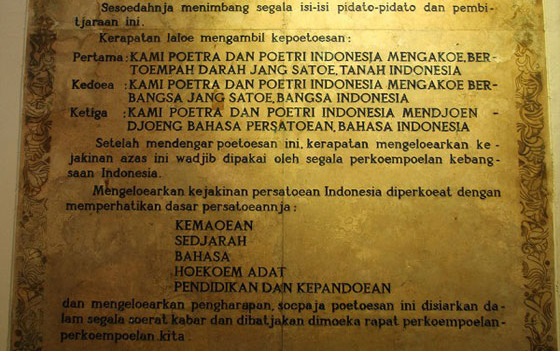
In the early 20th century, Indonesia was under Dutch colonial rule. The struggle for independence fostered a sense of nationalism among the youth. Various youth organizations, inspired by global movements and internal struggles, gathered to create a vision for a unified nation.
During this crucial gathering, youth leaders from diverse ethnic, linguistic, and cultural backgrounds came together in Jakarta. The meeting aimed to address the fragmented nature of resistance movements and to formulate a cohesive strategy for national unity. The forum resulted in the declaration of the Youth Pledge, stating: \
View details1908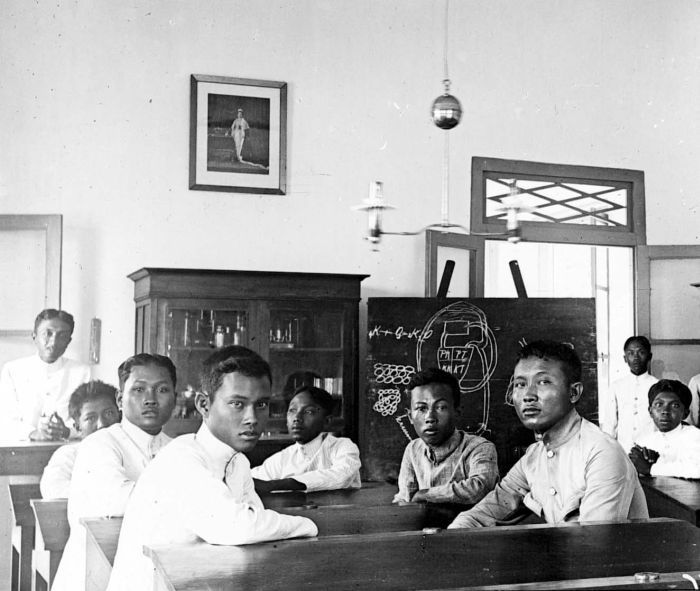
The establishment of organizations like Budi Utomo marked the beginning of Indonesia’s National Revival period, initiating a significant shift towards nationalism and resistance against colonial rule. Budi Utomo was founded by Dr. Wahidin Soedirohoesodo and a group of students from STOVIA, a medical school in Batavia. The organization advocated for educational reform, cultural development, and political awareness among the Javanese aristocracy.
The broader context leading to this movement was the exploitative colonial practices enforced by the Dutch East Indies government. These policies led to socioeconomic disparities, fueling discontent among the local population. While initial efforts by organizations like Budi Utomo were focused on Western-style education and cultural upliftment, they gradually evolved to include broader political objectives.
This period saw a series of organizations and movements emerge. Sarekat Islam, initially a trade association promoting solidarity among Muslim traders, expanded its influence into political activism. Nationalist ideas proliferated through education, mass media, and public discourse, contributing to a growing consciousness of Indonesian identity beyond ethnic and regional lines.
The impact of this nascent nationalism was profound. It laid the groundwork for future mass movements and political entities that demanded self-governance. Moreover, it cultivated a sense of unity among diverse ethnic and cultural groups in the archipelago. The push for educational reform led to improved literacy rates and a more politically informed populace.
Throughout this period, Dutch colonial authorities attempted various strategies to quell nationalist sentiments, including censorship, political arrests, and co-optation of moderate leaders. However, these measures often had the opposite effect, further galvanizing nationalist resolve.
Quantitative data from this era highlights significant changes in societal structures. Enrolment in educational institutions increased, and publications of nationalist writings saw a steady rise. This fostered a well-informed and cohesive nationalist movement that was instrumental in the country’s eventual path to independence.
The Indonesian National Revival, catalyzed by the formation of organizations like Budi Utomo, represents a critical chapter in the nation’s history. It underscores the power of organized, educated activism in challenging colonial domination and paving the way for self-determination.
#IndonesianNationalRevival #BudiUtomo #Nationalism #ColonialResistance #MoofLife
View details1883
The Krakatoa volcano in Indonesia erupted, causing one of the most deadly volcanic eruptions in recorded history. The volcano had shown signs of increased activity months before the main event, with steam venting and minor explosions. However, the full-scale eruption resulted in massive destruction.
The main eruption triggered a series of powerful explosions, with the final one being among the loudest sounds ever recorded. The eruption generated tsunamis that devastated coastal areas of the surrounding islands. The force of the explosions was so immense that it destroyed the northern two-thirds of the island of Krakatoa. Ash clouds were propelled miles into the atmosphere, affecting global weather patterns and causing temperatures to drop worldwide.
Approximately 36,000 people lost their lives as a direct result of the eruption and the ensuing tsunamis. Coastal settlements were obliterated, with entire villages being wiped out. The economy of the region was severely impacted due to the destruction of agricultural land, homes, and critical infrastructure.
Volcanic ash fell over an area of 300,000 square miles, causing darkened skies and vivid sunsets around the world for months. The eruption also contributed to significant scientific advancements in the study of volcanology and atmospheric science. This catastrophic event underscored the immense power of natural forces and highlighted the necessity for further research and better preparedness in volcanic regions.
#Krakatoa #VolcanicEruption #Indonesia #Disaster #NaturalForces #Volcano #Geology #MoofLife
View details1857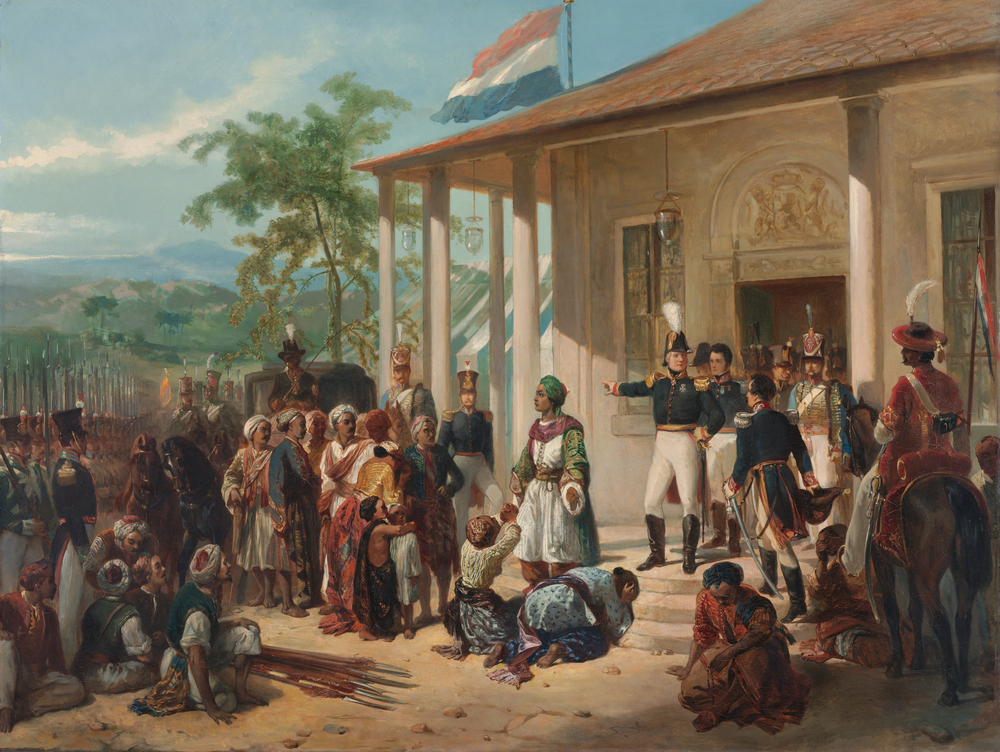
The capture of Prince Diponegoro marked the effective end of the Java War and a significant reduction of Javanese resistance to Dutch colonial rule in Indonesia. The Java War, also known as the Diponegoro War, involved a conflict between the Javanese people, led by Prince Diponegoro, and the Dutch colonial authorities. This war, stemming largely from discontent with Dutch policies and encroachments on Javanese land, mobilized both elite and common Javans in sustained opposition.
Prince Diponegoro was a charismatic leader and figurehead of Javanese nationalism. His leadership galvanized various segments of the Javanese society, including nobles and peasants, in a broad-based uprising against the Dutch. The war wreaked havoc on Java's infrastructure and economy, leading to significant civilian casualties and displacement. The Dutch, determined to crush the rebellion, employed both military force and diplomatic tactics.
One of the critical strategies employed by the Dutch was the establishment of fortified posts and the construction of roads to facilitate troop movements. The Dutch colonial army, bolstered by superior weaponry and numbers, gradually wore down the Javanese forces. Prince Diponegoro, initially effective in guerilla warfare tactics, found his support dwindling over time due to both the protracted nature of the conflict and the Dutch divide-and-conquer strategies.
The turning point in the conflict came when the Dutch, through a combination of deceit and military pressure, succeeded in negotiating a meeting with Prince Diponegoro under the guise of truce talks. During this meeting, the Dutch authorities arrested Prince Diponegoro, effectively dismantling the leadership of the Javanese resistance. With the capture of their leader, the morale of the Javanese forces plummeted, leading to the cessation of organized resistance.
The aftermath of the Java War had lasting impacts on Indonesian society. Dutch colonial control over Java was solidified, paving the way for more profound administrative and economic exploitation. The significant loss of life and livelihoods during the war period also marked a tragic chapter in Javanese history.
Prince Diponegoro was exiled, and his capture remained a stark reminder of the ruthlessness of colonial rule. The event underlined the harsh reality of colonial dominance and the struggles inherent in resistance movements.
This marked a critical juncture in Indonesian colonial history, illustrating the complexities of colonial power dynamics and the profound impacts on local populations.
#MoofLife #JavaWar #PrinceDiponegoro #DutchColonialism #IndonesianHistory #Resistance #ColonialRule #HistoricalEvents
View details1830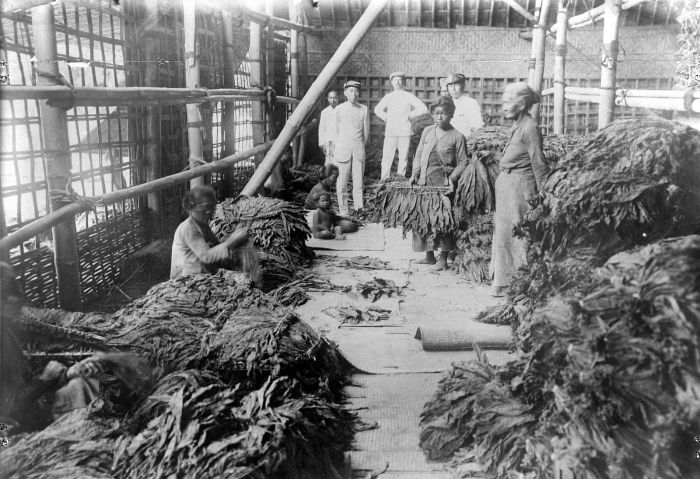
The Dutch East Indies experienced a profound shift with the introduction of the Cultivation System. Implemented by the colonial administration, its primary aim was to increase revenue from the resource-rich Indonesian archipelago by restructuring its agricultural economy.
Under this system, local farmers were required to allocate a portion of their land and labor to the cultivation of export crops such as sugar, coffee, indigo, and spices. These crops were then sold to the colonial government at fixed prices, which were often significantly lower than the market value. The government, in turn, exported these products to the European market, leading to substantial profits for the Dutch economy.
However, this imposed agricultural strategy brought severe ramifications for the indigenous population. Farmers who previously grew rice and other staple crops for their sustenance were now forced to dedicate a large part of their production capacity to cash crops. This shift caused widespread food shortages and increased vulnerability to famine among local communities. In some regions, estimates suggest that enforced labor required for these state-mandated crops consumed up to 20% of a farmer's working time.
Additionally, the system institutionalized forced labor practices. Farmers, referred to as 'cultivators', were coerced into dedicating their time and land to fulfill the imposed quotas. Those who failed to meet these targets faced harsh penalties, including fines and physical punishment. This practice consequently eroded traditional agricultural practices and local autonomy, essentially transforming the peasantry into a coerced labor pool for colonial profit.
The Cultivation System vastly increased the exploitation of the region's natural and human resources. It also intensified social inequities and economic hardships for the indigenous population while enriching the colonial coffers. By channeling the economic benefits predominantly to the colonial authorities and Dutch traders, it highlighted the extractive nature of colonial rule in Southeast Asia.
The repercussions of the Cultivation System laid the groundwork for future economic and social transformations in the Indonesian archipelago. It exposed the stark inequalities between the colonizers and the colonized, setting a precedent for subsequent policies and resistance movements in the region.
#CultivationSystem #DutchEastIndies #ForcedLabor #ColonialExploitation #AgriculturalEconomy #IndonesianHistory #EconomicImpact #MoofLife
View details1825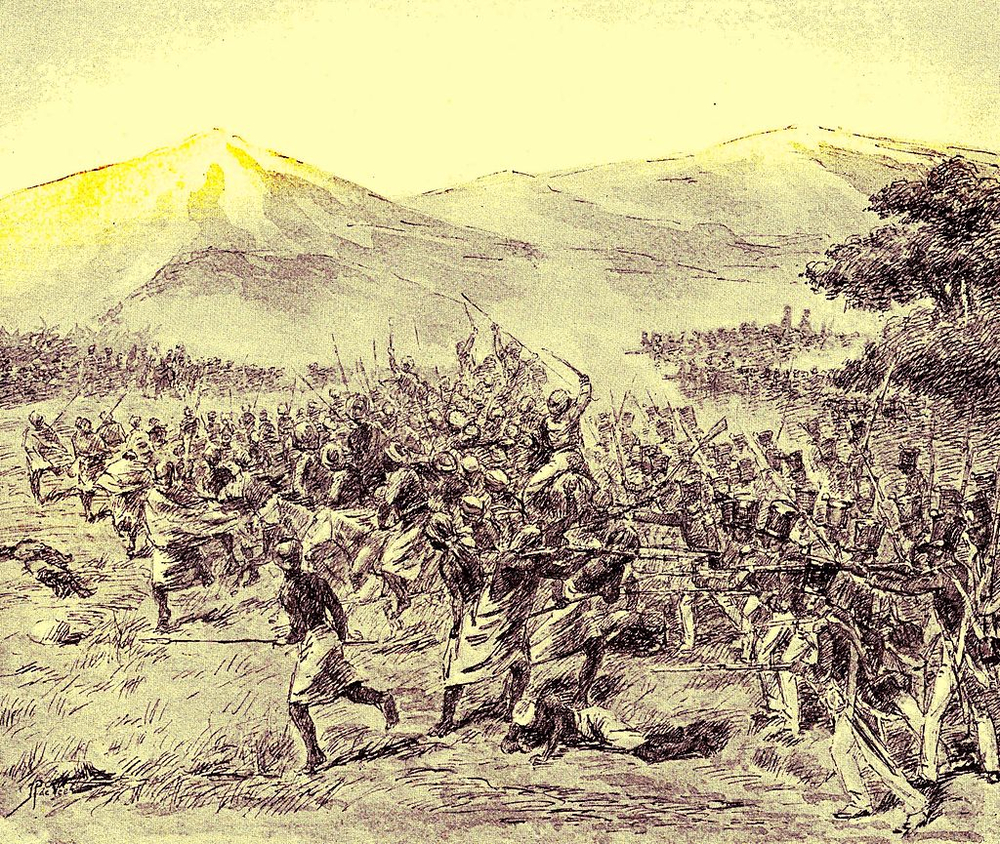
The tension between the Sultanate of Banten and the Sultanate of Demak escalated sharply due to political and territorial disputes, leading to the outbreak of what came to be known as the Java War. At its core, the conflict was driven by conflicting ambitions and the desire for regional dominance in Java, Indonesia.
The Sultanate of Banten, located in the western part of Java, had previously been a major maritime trading hub. Its leaders sought to expand their influence over the island, which put them at odds with the Sultanate of Demak. Situated more centrally on Java, the Sultanate of Demak had its roots in the early spread of Islam on the island and had substantial political and spiritual influence.
The confrontation began because of territorial claims and control over trade routes essential for local economies. Both sultanates had accumulated significant military resources and were prepared for an extended conflict to secure their interests. The onset of the war involved mobilization of thousands of troops on both sides, leading to widespread disruption and a significant impact on the local populace.
Civilian life in Java was markedly affected. Agricultural activities were disrupted, markets were destabilized, and the economy suffered as the combatants focused on military objectives over governance and welfare. Historical records indicate that the war involved numerous battles, strategies, and alliances. There were casualties on both sides, drawing resources away from other critical areas and heightening regional insecurity.
The Java War fundamentally altered the political landscape in Java, leading to shifts in power dynamics between local rulers. It also highlighted the broader struggles within the Indonesian archipelago during a period marked by the decline of local sultanates and increasing European colonial interests.
The end of the conflict did not result in a clear victor; rather, it signaled a continued struggle for power and influence, laying the groundwork for future conflicts and the eventual rise of external colonial powers. The Java War stands as a pivotal episode in the history of Indonesia, reflecting the complexities of regional politics and the impacts of prolonged warfare on indigenous communities.
#JavaWar #SultanateConflict #IndonesianHistory #BantenVsDemak #MoofLife
View details1811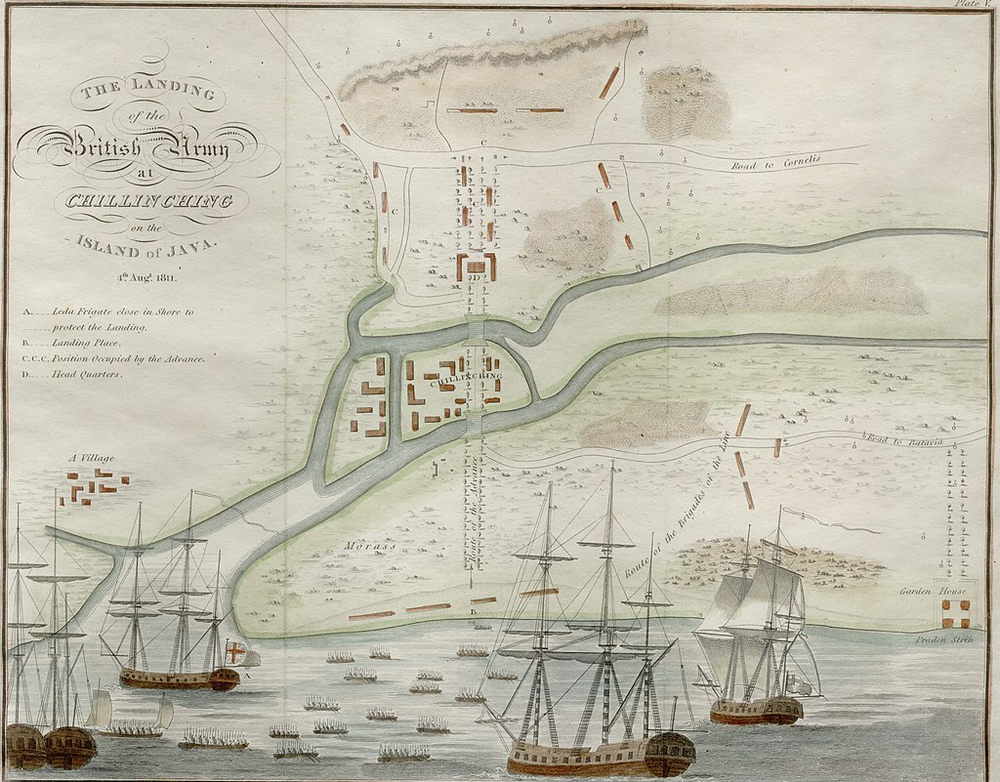
In 1811, the British East India Company, under the command of Lord Minto, the Governor-General of India, decided to launch an expedition to seize Java from the Dutch-French control. The operation was meticulously planned, and the British assembled a significant military force, which included British troops, Indian sepoys, and naval support.
The British expeditionary force, commanded by Lieutenant-General Sir Samuel Auchmuty, arrived off the coast of Java in August 1811. They targeted Batavia (modern-day Jakarta), the capital and administrative center of the Dutch East Indies.
After landing near Batavia on August 4, 1811, the British forces swiftly advanced towards the city. The Dutch, under the leadership of Governor-General Herman Willem Daendels, had been preparing for such an attack, but by the time of the invasion, Daendels had been replaced by Janssens, who was less capable. The Dutch defenses were overwhelmed by the better-organized and more powerful British forces. Batavia fell to the British on August 8, 1811, after only a brief resistance.
Following the fall of Batavia, the British pursued the remaining Dutch forces, leading to the decisive Battle of Meester Cornelis (now Jatinegara) on August 26. The battle was a significant defeat for the Dutch, and after suffering heavy losses, the remaining Dutch forces retreated inland. On September 18, 1811, Governor-General Janssens surrendered near Semarang, effectively ending Dutch resistance on the island.
British Administration in Java
The British established a new administration in Java, led by Thomas Stamford Raffles, who was appointed as the Lieutenant-Governor. Raffles, an ambitious and reform-minded administrator, implemented several changes in Java during the brief British rule (1811-1816).
Raffles sought to modernize the colonial administration and reduce the influence of the existing Dutch elites. He introduced reforms aimed at improving the efficiency of the government and the economic exploitation of the colony. These included changes in land tenure and tax collection systems, with an emphasis on direct taxation rather than the previous Dutch system, which relied on local intermediaries.
One of Raffles' most significant contributions was his emphasis on the study and preservation of Javanese culture. He was a keen scholar of the region’s history and geography, and his work during this period laid the foundation for future studies of Javanese culture and history. Raffles also played a role in the preservation of the Borobudur temple, which had fallen into disrepair.
The Return of Java to the Dutch
Despite these reforms, British rule in Java was short-lived. The Napoleonic Wars in Europe concluded with Napoleon's defeat in 1815, leading to the Congress of Vienna, where the major European powers redrew the map of Europe and restored many pre-war boundaries. As part of the post-war settlements, Java was returned to Dutch control in 1816.
The brief British interlude left a lasting impact on Java, particularly through Raffles' reforms and scholarly contributions. However, the island once again became part of the Dutch colonial empire, remaining under Dutch control until Indonesia's independence in the mid-20th century.
#MomentsOfLife #MoofLife_Moment #MoofLife #Java1811 #BritishInvasion #ColonialHistory
View details1803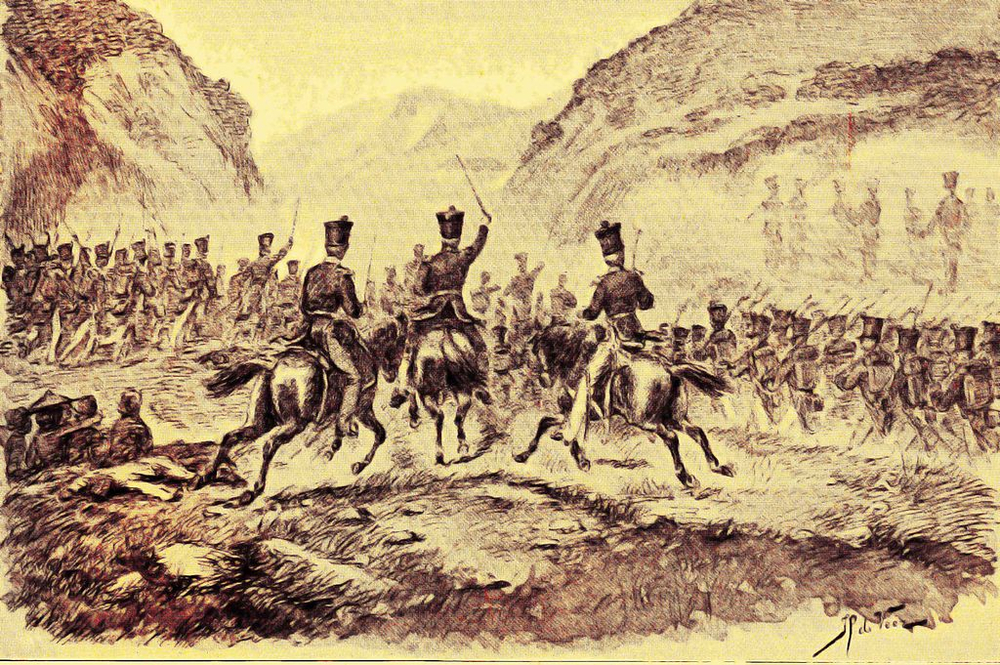
In what became known as the Padri War in West Sumatra, a profound conflict emerged, rooted in religious, social, and political changes. The Minangkabau region of West Sumatra faced internal strife influenced by the broader currents of Islamic reform sweeping across the archipelago. The dispute pivoted on contrasting interpretations and applications of Islamic teachings, primarily between the Padri faction—aligned with the Wahhabi movement—and the Adat faction, which upheld traditional Minangkabau customs.
The Padri faction, inspired by their pilgrimage to Mecca, sought to purify Islamic practices within their community, advocating for the abandonment of local customs they deemed un-Islamic. The Adat faction resisted these changes, valuing their indigenous traditions and cultural heritage. The clash of ideologies escalated into a prolonged conflict that disrupted the social fabric of West Sumatra.
This internal conflict attracted significant external attention. Both the Padri and Adat factions eventually sought support from external powers to gain an advantage. The Dutch colonial forces, aiming to exploit the disunity, intervened. This external involvement transformed a primarily internal dispute into a larger confrontation with colonial ambitions.
The Padri War led to considerable casualties and social upheaval. Communities were divided, alliances shifted, and the influence of Dutch colonial rule expanded. The conflict had a lasting impact on the region, reshaping cultural and political structures. Furthermore, it highlighted the intricate interaction between local traditions and broader Islamic movements.
Although the Padri War concluded with the defeat of the Padri faction and the solidification of Dutch colonial control, it left an indelible mark on the Minangkabau people. The war underscored the complexities inherent in the intersection of religious reformation and local customs, illustrating the broader implications of such conflicts in colonial contexts.
#MoofLife #IndonesiaHistory #PadriWar #WestSumatra #CulturalConflict #ColonialImpact
View details1752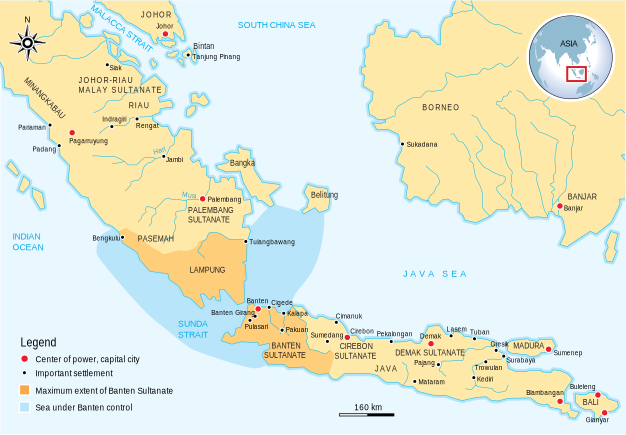
The establishment of the Sultanate of Banten as a vassal state under the Dutch East India Company (VOC) marked a critical juncture in the history of the region now known as Indonesia. The Dutch had already established a significant presence in the Indonesian archipelago through their trading posts and military conquests. Over the years, the VOC aimed to control the valuable spice trade and exert influence over the various sultanates and kingdoms in the area.
Prior to becoming a vassal state, Banten was an influential and independent sultanate, strategically located in western Java. It was a prosperous center for trade, attracting merchants from across Asia and Europe. However, its independence increasingly came under threat due to internal strife and conflicts with neighboring states, as well as external pressure from the Dutch.
The VOC, recognizing the importance of Banten's strategic location for controlling maritime routes and enhancing their trade network, sought to consolidate its power over the region. Through a combination of diplomatic negotiations and military pressure, the VOC succeeded in integrating Banten into its sphere of influence as a vassal state. This transition reflected the broader pattern of Dutch colonial expansion and control in Southeast Asia.
The political and economic landscape of Banten changed significantly under VOC oversight. The Dutch imposed various administrative and economic measures, securing a monopoly over the region’s trade. This move met resistance from local leaders, yet it also brought a degree of stability to the region, facilitating further Dutch economic interests.
The integration of Banten into the VOC's domain demonstrated the effectiveness of their colonial strategy. It allowed the VOC to tighten its grip on the spice trade, ensuring the flow of valuable commodities such as pepper and cloves to European markets. Domestically, it influenced the administrative and societal structures within Banten, paving the way for future developments in the region.
While the establishment of Banten as a vassal state under the VOC brought some stability, it also underscored the complexities and often coercive nature of colonial rules imposed on local entities. This period is a pivotal chapter in Indonesian history, reflecting the broader impacts of European colonialism in Southeast Asia.
#VOC #BantenSultanate #ColonialHistory #Indonesia #TradeMonopoly #MoofLife
View details1741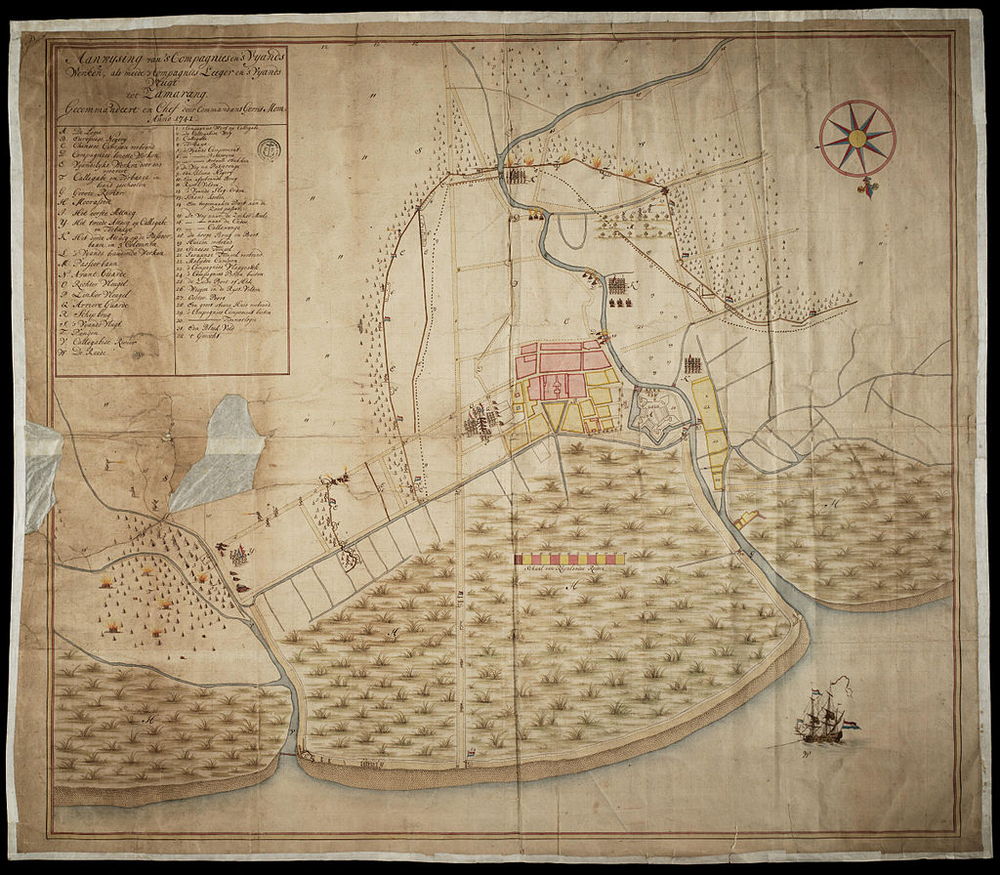
The conflict erupted between the Dutch East India Company and the Javanese princes due to rising tensions over control and governance in the region. The Dutch East India Company, having established a significant presence in Java, often clashed with local rulers over trade, territory, and influence. The Javanese rulers, led by prominent figures like Pakubuwono II of Mataram, increasingly resisted Dutch encroachment on their autonomy and resources.
The Dutch had sought to monopolize trade routes and extract wealth from the region, imposing policies that strained local economies and societies. Their forceful interventions and demands for tributes fueled resentment among the Javanese. The immediate catalyst for the outbreak of hostilities was the arrest and mistreatment of key Javanese nobles by the Dutch, perceived as a direct affront to Javanese sovereignty and honor.
The impact of the confrontation was profound, leading to widespread militarization as Javanese forces mobilized to counter Dutch advances. The conflict saw various factions within Java either aligning with or opposing the Dutch, resulting in a complex web of alliances and enmities. Many local communities were drawn into the conflict, facing the repercussions of widespread violence and instability.
On the Dutch side, efforts to suppress the rebellion required significant reinforcements and resources, leading to a prolonged and costly campaign. The conflict disrupted trade and daily life, impacting the economic stability of the region. Key battles and skirmishes occurred across Java, further entrenching the animosity between the Dutch forces and the Javanese resistance.
In the aftermath, the Dutch East India Company sought to reassert its dominance, leading to a series of further crackdowns and attempts to consolidate control over Java. The resistance showcased the resilience of the Javanese rulers and their determination to protect their sovereignty, even in the face of a powerful colonial enterprise.
The lasting implications of this conflict echoed through subsequent years, shaping the dynamics of Dutch colonial rule and local resistance in Indonesia. The struggle highlighted the pervasive tension between imperial ambitions and indigenous autonomy, a central theme in the historical narrative of the region.
#JavaWar #DutchEastIndiaCompany #JavaneseResistance #IndonesianHistory #ColonialConflict #MoofLife
View details1653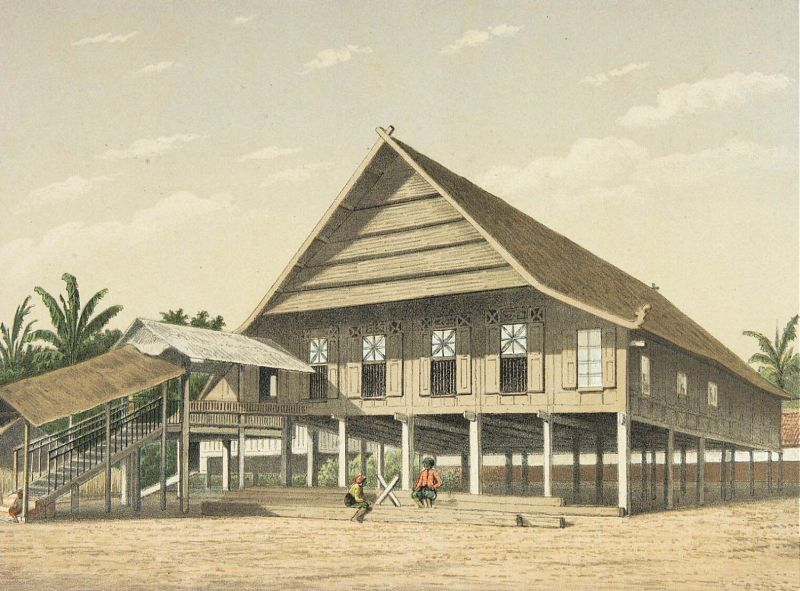
In the wake of political and economic turbulence, the Makassar region of Sulawesi saw the establishment of the Sultanate of Gowa. Prior to its founding, the Kingdom of Gowa expanded its influence through strategic alliances and military prowess, reaching a zenith in both territorial and economic spheres. Under the leadership of Sultan Hasanuddin, Gowa transformed from a regional power into a significant Islamic sultanate.
The shift to a sultanate marked Gowa's official embrace of Islam, a move that increased its diplomatic leverage. This change bolstered trade relationships with other Islamic states and facilitated greater regional influence. The economy of Gowa, primarily based on spices and maritime trade, saw substantial growth due to such affiliations. The strategic location of Makassar made it a key maritime hub, attracting traders from across Asia and the Middle East.
The founding of the Sultanate of Gowa also resulted in increased internal cohesion. Having a unified, centralized rule under Islamic law provided stability, thereby reducing internal conflicts and enhancing governance. The Sultanate established an organized administrative structure, which included codified laws and a more efficient taxation system, stimulating economic growth and social order.
One of the enduring outcomes was the heightening of resistance against European colonial ambitions, particularly from the Dutch East India Company. The Sultanate's powerful fleet and fortified naval ports became a bulwark against European encroachment, leading to prolonged conflicts known as the Makassar Wars.
Statistics from that period indicate a rapid increase in Gowa's population, partly attributed to the migration of Muslim merchants and settlers seeking the relative stability offered by the Sultanate. The area's agricultural output and artisanal crafts flourished, further solidifying its economic base.
In summary, the founding of the Sultanate of Gowa marked a pivotal transformation in the political, economic, and social landscape of Makassar. It fostered greater Islamic influence, strengthened regional trade, and fortified resistance against colonial forces, leaving an indelible mark on the history of Indonesia.
#IslamicHistory #MakassarTrade #GowaSultanate #IndonesianHistory #MoofLife
View details1640
The establishment of the Sultanate of Bima took place amidst shifting political landscapes in the Indonesian archipelago. Located on the eastern side of Sumbawa Island, Bima was a strategic coastal city whose rulers had traditionally engaged in maritime trade with various neighboring regions including Java, Sulawesi, and the Moluccas.
Its leadership recognized the potential benefits of adopting Islam, not only to strengthen internal governance but also to enhance alliances with powerful Islamic sultanates throughout Indonesia. Prior to its establishment as a Sultanate, Bima was a Hindu-Buddhist kingdom. The move to align with Islam involved both religious conversion and significant political restructuring.
As the new Sultanate, Bima implemented Islamic law into its governance structure. This change allowed them to forge stronger bonds with other Islamic polities, enhancing trade opportunities and political alliances. The leadership, now headed by a sultan, was able to consolidate power more effectively, leading to increased local stability. The localized economy flourished as a result, benefiting both merchants and the general populace.
Another important consequence of the establishment was educational reform. Religious institutions began playing a central role in education, spreading Islamic teachings while also contributing to higher literacy rates among the populace. The Sultanate's administration initiated the construction of mosques and madrasahs, setting the foundation for future educational and religious growth.
Demographically, the population became increasingly Muslim as a result of the Sultanate's policies. This shift brought about social cohesion and a unified cultural identity among the inhabitants of Bima. Furthermore, Bima's transformed political stance attracted Muslim scholars, traders, and even artisans from other parts of the Indonesian archipelago, enhancing its cultural and economic landscape.
Overall, the establishment of the Sultanate of Bima had multifaceted impacts—enhancing socio-political stability, integrating religious education into public life, and boosting local economy through improved trade relations. These developments helped position Bima as an important player in the regional dynamics of Indonesia.
#MoofLife #BimaSultanate #IndonesianHistory #IslamicKingdoms #TradeAndCulture #PoliticalTransformation
View details1619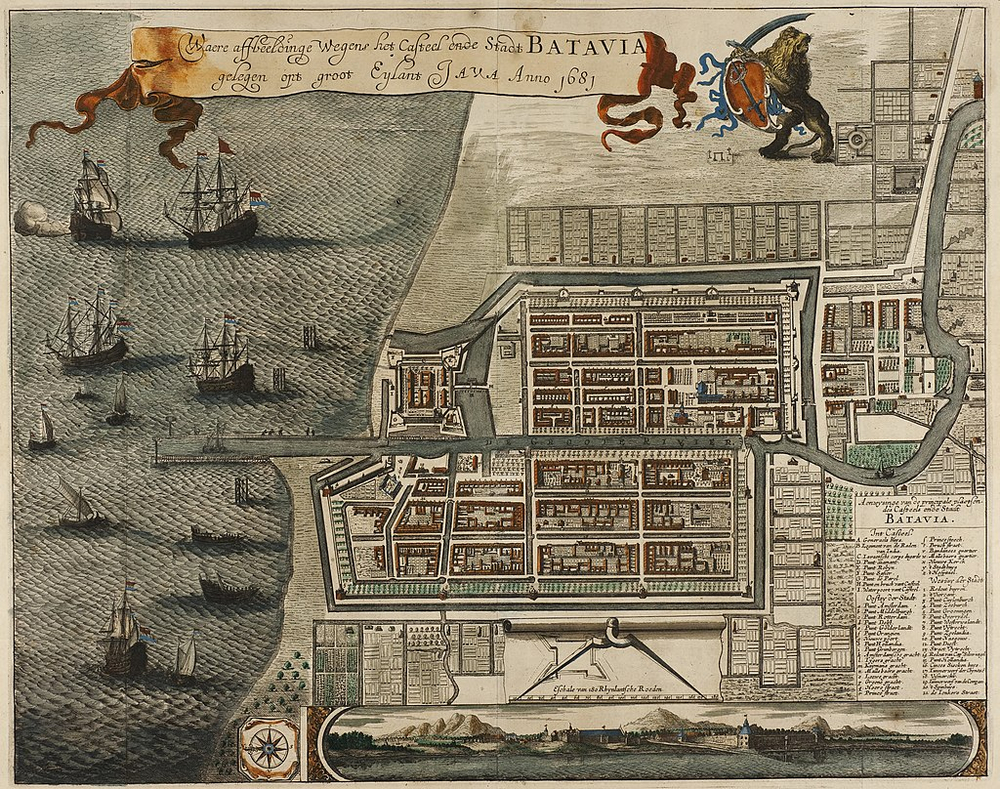
The founding of Batavia, now known as Jakarta, marked a pivotal transformation in the region's history. Before this establishment, the Dutch East India Company (VOC) sought a strategic base to control the spice trade in the East Indies. They aimed to monopolize valuable commodities like nutmeg, cloves, and pepper, which were in high demand in Europe.
The location was chosen for its strategic advantages, including its natural harbor and its position along key maritime routes. The VOC's actions were preceded by conflicts with indigenous kingdoms and European rivals, which led to significant negotiations and military engagements. The occupation of the site, formerly known as Jayakarta, marked not just a change in name but also in administration and economic dominance.
Once established, Batavia served as the central hub for VOC's operations. Its urban planning included a fortified city with canals, reminiscent of Dutch architecture, which facilitated both defense and trade logistics. This Dutch commercial enclave was characterized by a mixture of local and European cultures and became a bustling center of trade, where goods from across Asia were exchanged and shipped to the West.
The impact of Batavia's establishment was profound. It solidified Dutch power in the region, leading to a period of increased economic activity and cultural exchanges. However, it also resulted in significant disruptions to local societies, including displacements and economic shifts that favored the colonizers. The VOC's control over Batavia allowed them to enact policies that bolstered their trade monopoly, influencing the regional power dynamics for centuries.
By creating a central headquarters in Batavia, the VOC could efficiently manage its extensive trading network, enforce regulations, and administer colonial territories. It also became a focal point for immigration, with people from various parts of Asia and Europe arriving, leading to a melting pot of cultures and ethnicities.
The establishment of Batavia is crucial to understanding the colonial history of Indonesia and the broader Southeast Asian trade networks influenced by European powers. This event underscores the commercial strategies, competitive geopolitics, and cultural interactions that shaped the era. #MoofLife #Batavia #VOC #Jakarta #ColonialHistory #TradeMonopoly
View details1605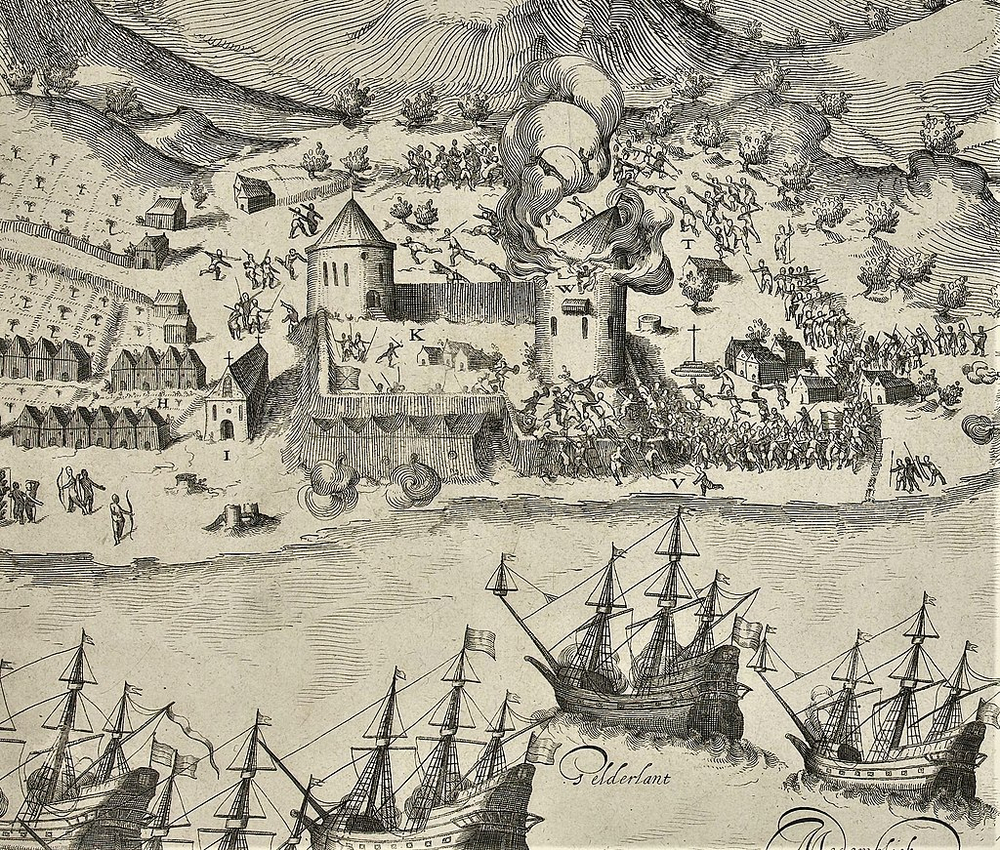
During the age of European colonial expansion, vociferous competition for control of trade routes was prominent in Southeast Asia. On one such occasion, a pivotal event unfolded on the island of Tidore, part of the Maluku Islands, known then as the Spice Islands due to their valuable cloves. The Portuguese, having established a fort there, aimed to dominate the lucrative spice trade.
Under the leadership of the Sultan of Ternate, a coordinated military effort was formed with the Dutch East India Company (VOC), who sought to break the Portuguese monopoly. This alliance was based on mutual benefits—the Ternatans would regain control and influence over the region, while the Dutch desired direct access to spices without Portuguese interference.
The combined forces executed a strategic assault on the Portuguese fort in Tidore. The well-planned operation capitalized on the local knowledge of the Ternatans and the maritime strength of the Dutch. As the fort fell, Portuguese control weakened significantly, signaling a shift in power dynamics in the region.
This event had wide-reaching implications. Firstly, it marked the dwindling influence of Portuguese power in the Maluku Islands. With the Portuguese ousted, the Dutch and their local allies secured tighter control over the spice trade. For the Ternatans, this victory signified a reassertion of their autonomy and strength, albeit shared with a new foreign power. Economically, the shift allowed the Dutch to cement their position in Southeast Asian trade networks, leading to prosperous returns for the VOC and further expansion in the region.
The conquest also increased political tensions between European colonial powers in the East Indies, heralding future conflicts. It demonstrated the significance of local alliances and the effectiveness of combined European and indigenous strategies in reshaping territorial control during this period of colonial competition.
Through this crucial military victory, the Dutch and Ternatans altered the commercial and political landscape of the Spice Islands, symbolizing the complex interplay between local and European forces in colonial history.
#TernateVictory #DutchEastIndiaCompany #PortugueseDefeat #SpiceIslandsControl #ColonialHistory #TradeMonopoly #MalukuConflict #MoofLife
View details1602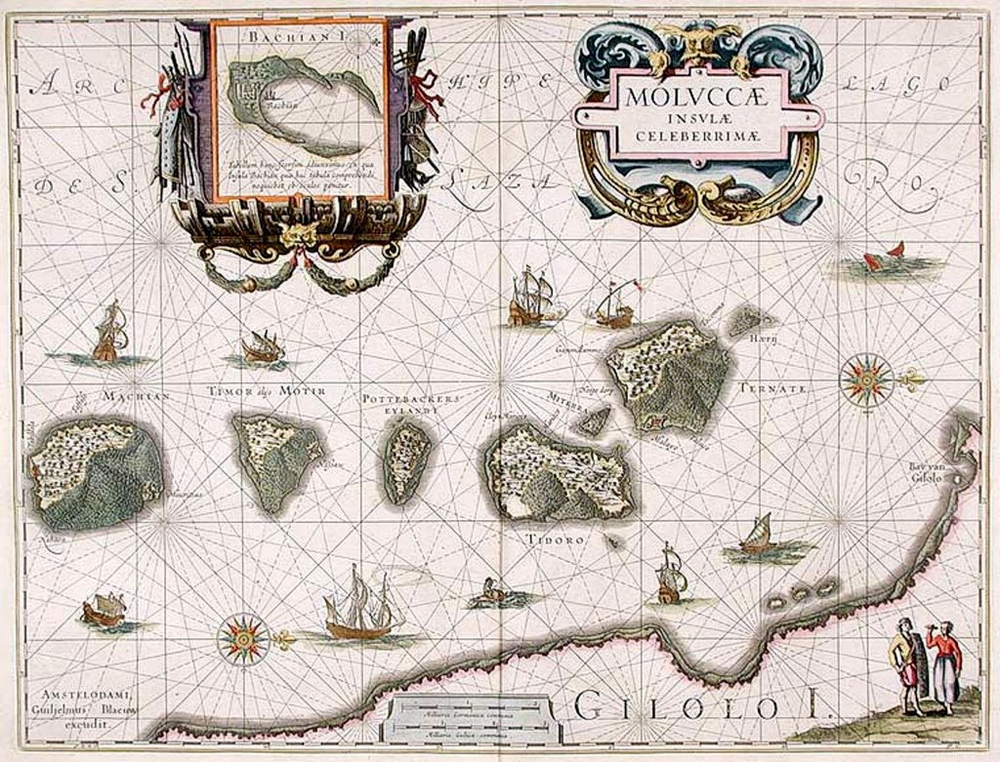
The establishment of the Dutch East India Company (VOC) marked a turning point in the history of the Indonesian archipelago. The VOC, a chartered company granted monopolistic trade rights over the Spice Islands, was founded by merging several competing Dutch trading companies. It was established with the primary aim of controlling the spice trade, which was highly lucrative at the time.
Before the VOC's establishment, the Indonesian archipelago consisted of various sultanates and kingdoms engaged in trade with numerous international entities, including the Portuguese and the British. The region was known for its rich resources, particularly valuable spices like cloves, nutmeg, and mace, which were in high demand in Europe.
The VOC was unique because it was the first company in the world to issue stock, giving it immense capital and influence. It acted as a quasi-governmental entity, possessing the authority to build forts, maintain armed forces, and negotiate treaties with local rulers. Over time, the VOC established its dominance through a combination of military prowess, strategic alliances, and opportunistic diplomacy.
The impact of the VOC's rule on the Indonesian archipelago was profound. Economically, the VOC monopolized the spice trade, controlling prices and ensuring significant profits for the Netherlands. This monopolistic control led to the restructuring of local economies, often turning them into single-commodity producers to meet the VOC's demands.
Socially and politically, the VOC's presence catalyzed changes in the local power structures. Many local rulers signed treaties that limited their sovereignty, leading to a gradual loss of autonomy. The VOC's military campaigns against those who resisted often resulted in significant violence and upheaval.
In terms of governance, the VOC established the colonial administration that laid the groundwork for Dutch colonial rule in the region. This administration included the establishment of Batavia (now Jakarta) as the administrative center, which became the hub of their operations in the East Indies.
Statistically, the VOC's dominance is visible in the sheer scale of its operations; it dispatched nearly 5,000 ships and employed tens of thousands of people during its initial decades. The company was responsible for transporting a wide variety of goods, including spices and textiles, across the globe, significantly altering global trade patterns.
While the VOC eventually faced decline due to corruption, mismanagement, and competition, its establishment as the colonial ruler of the Indonesian archipelago set the stage for centuries of colonial influence that profoundly shaped the region.
#VOC #DutchEastIndiaCompany #IndonesiaHistory #Colonialism #SpiceTrade #MoofLife
View details1526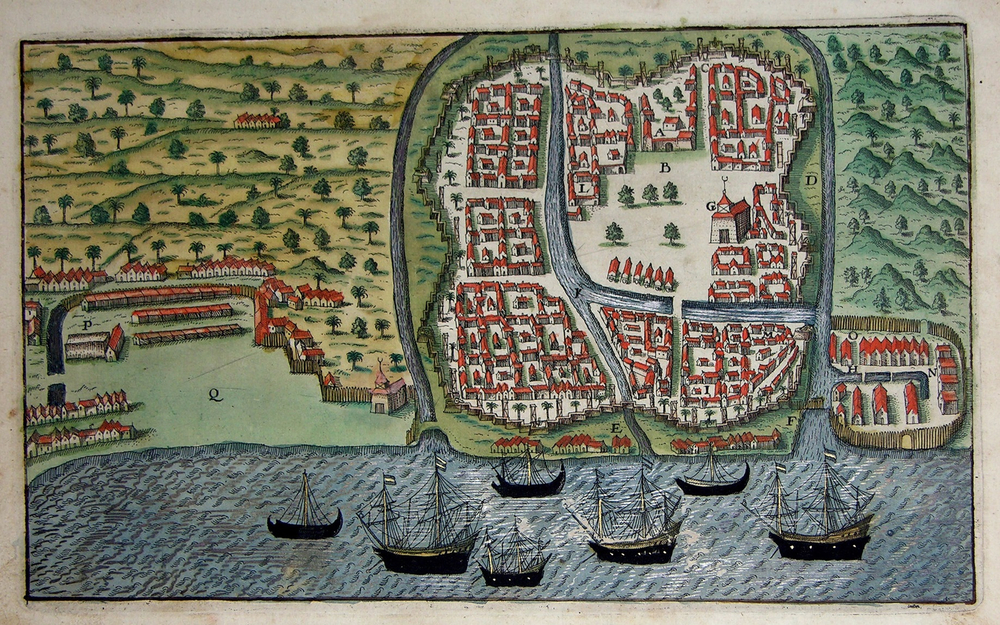
The Sultanate of Banten's establishment marked a pivotal development in the region now known as Indonesia. Before its inception, the area was primarily influenced by Hindu-Buddhist kingdoms and local trading communities. The advent of Islam introduced by traders from Gujarat and other parts of the Islamic world played a significant role in reshaping the region's socio-political structure.
Under the leadership of Sunan Gunungjati, who was a key figure in spreading Islam across Java, Banten transformed into a thriving sultanate. Sunan Gunungjati's leadership combined religious influence with strategic alliances with local rulers, fortifying the establishment of Banten as both a political and religious center. Its strategic location along the Sunda Strait allowed it to control and monopolize the vital spice trade routes between the Malacca Strait and the Indian Ocean, enhancing Banten's economic stature.
The establishment of the Sultanate of Banten led to substantial socio-economic transformations. Agriculture, particularly rice and pepper cultivation, flourished under systematic management and innovative irrigation techniques introduced by the Sultanate. Additionally, Banten became a melting pot of cultures with the convergence of traders from Persia, India, China, and Arab nations. This diverse interaction led to a unique blend of architectural styles, culinary traditions, and social norms, contributing significantly to the cultural tapestry of the region.
The Sultanate's influence extended beyond trade and agriculture. It became a critical node in the spread of Islam, establishing numerous mosques, madrasas, and religious institutions. This religious influence persisted, significantly shaping the religious landscape of Java and parts of Sumatra.
Moreover, Banten’s diplomatic dealings with various entities, including the Portuguese, Dutch, and English, showcased its strategic acumen. While these interactions led to occasional conflicts, they also underscored Banten’s importance in global trade networks.
In conclusion, the establishment of the Sultanate of Banten was a transformative event in Indonesia’s history, bringing about significant economic development, cultural diversity, and religious influence. Its legacy endures, reflecting the historical dynamism and rich heritage of the archipelago.
#BantenSultanate #HistoryOfIndonesia #TradeRoutes #CulturalDiversity #IslamicInfluence #MoofLife
View details1511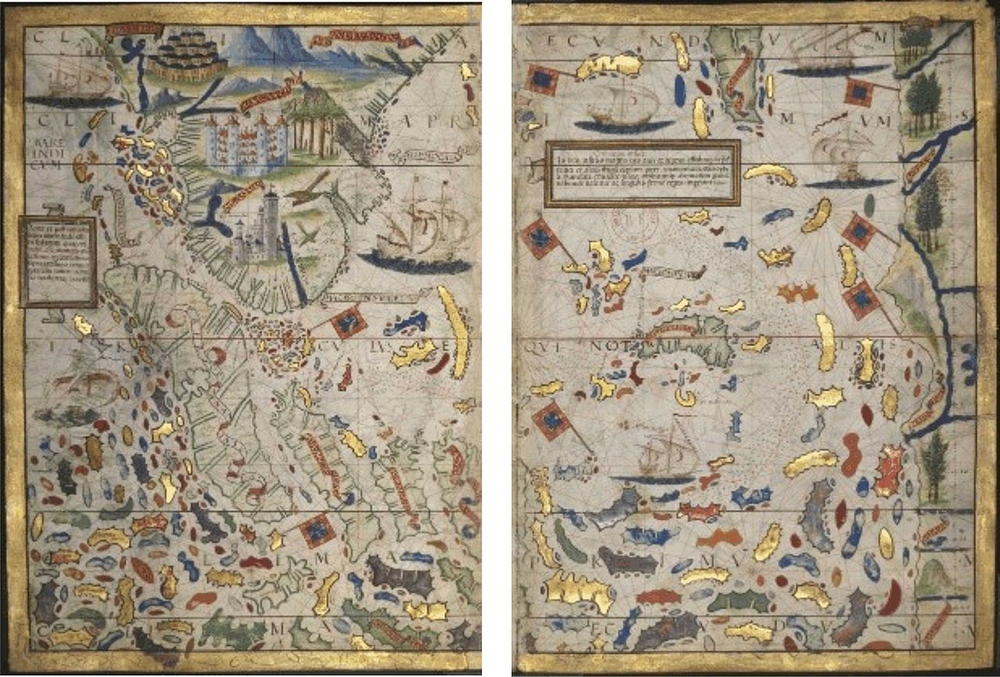
The Portuguese arrival in Indonesia marked a pivotal entry in the Age of Exploration. The Portuguese, seeking new maritime trade routes to the lucrative Spice Islands, embarked on their journey from Lisbon. The famed navigator Afonso de Albuquerque played a crucial role in leading the expedition. The primary objective was the control and monopoly of the spice trade, which was dominated by Arab, Indian, and local traders.
On reaching Southeast Asia, the Portuguese focused their attention on Malacca, a strategic port central to the spice trade. They captured Malacca, enhancing their influence and trade network. This takeover allowed the Portuguese to establish themselves as a formidable trading power in the region. Beyond trade, their arrival introduced European geopolitical dynamics and marked the beginning of European colonial interests in Indonesia.
The impact of Portuguese arrival was multifaceted. Economically, while it began with trade interest, it soon influenced the commercial exchanges across the archipelago. They introduced advanced navigational techniques and new types of ships, which facilitated not only their movement but also broader maritime activities in the region. Additionally, their presence initiated the spread of Christianity, leading to the establishment of early Christian communities.
Politically, the arrival of the Portuguese heralded a shift in power dynamics. Local rulers and sultans, who controlled the spice trade, found themselves negotiating with a new European power armed with superior naval technology and military tactics. This period triggered a series of conflicts and alliances as local powers sought to either resist or collaborate with the newcomers.
For local societies, the sudden presence of an external force brought about cultural and social changes. The Portuguese influence can still be traced in several aspects of Indonesian culture, including language, culinary practices, and architectural styles.
In summary, the Portuguese arrival in Indonesia was a complex event with significant economic, political, and cultural ramifications. It set the stage for subsequent European colonial endeavors in the region and reshaped the socio-political landscape of Indonesia.
#SpiceTrade #PortugueseArrival #ColonialHistory #IndonesianHeritage #MaritimeNavigation #MoofLife
View details1475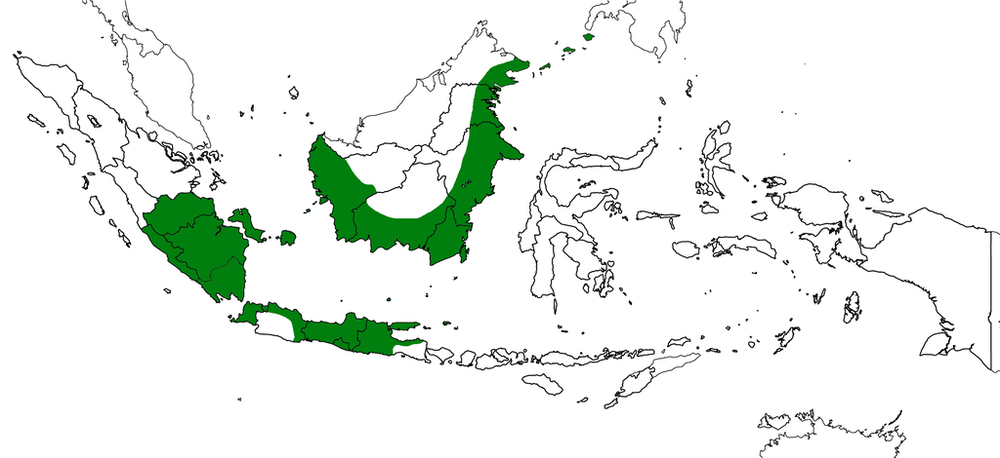
The establishment of the Demak Sultanate marked a significant milestone in the history of Java and the wider Nusantara region. Originating as a small trading port in northern coastal Java, Demak's rise to power can be attributed to its strategic location and the increasing influence of Islam in the region. At the forefront was Raden Patah, who is recognized as the first Sultan of Demak.
The shift from Hindu-Buddhist majorities to a growing number of Muslim converts set the stage for Demak's emergence. This conversion was driven by a network of traders and missionaries who established deep connections throughout the archipelago. Demak capitalized on its strategic port and rich agricultural hinterland, becoming a center for trade and religious propagation. The spread of Islam provided a cohesive identity, fostering unity among previously diverse communities.
Under Raden Patah's leadership, the Demak Sultanate expanded its influence both politically and economically. The agricultural policies and periodic focus on rice cultivation resulted in surplus production, strengthening the local economy. This, coupled with robust maritime trade, enabled Demak to accumulate wealth and resources. The Sultanate’s naval prowess ensured control over critical sea lanes and secured alliances with other Muslim polities in the region.
The socio-religious transformation within Java was profound. The Sultanate established itself as a beacon of Islamic faith, attracting religious scholars and traders from diverse regions. Significant efforts were made in constructing mosques, with the Great Mosque of Demak becoming a prominent symbol of Islamic architecture and faith in Java. The mosque served not just as a place of worship but also as a center for learning and social governance.
The influence of Demak extended beyond its borders, challenging the existing Majapahit Empire which was then in decline. This shift contributed to the reshaping of Java's political landscape. Regional lords either aligned with or faced opposition from Demak, leading to a series of alliances and conflicts that ultimately solidified Demak’s standing as a regional power.
The establishment of the Demak Sultanate stands as a transformative period in Southeast Asian history, marking the rise of Islamic states in the region and reshaping socio-political dynamics. It laid the foundations for future sultanates and cemented the importance of Java in the Islamic world. #DemakSultanate #IslamicJava #HistoricalIndonesia #TradeAndReligion #MoofLife
View details1389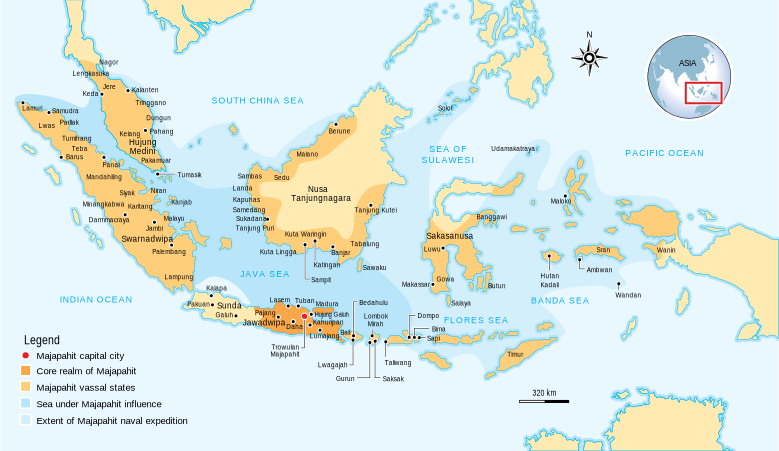
The decline of the Majapahit Empire marked a pivotal moment in the history of Southeast Asia. Established in the late 13th century, the Majapahit Empire had grown into a significant regional power, exerting influence over much of the Indonesian archipelago, Malay Peninsula, and parts of the Philippines. The empire generated considerable wealth through trade in spices, timber, and other commodities, which were highly valued by both regional and foreign traders.
The internal strife within the Majapahit leadership was a significant factor in the empire's decline. A series of succession disputes and power struggles weakened the central authority, leading to fragmentation and the loss of territories. Rival factions and regional lords began asserting their autonomy, diminishing the empire's cohesion. This disarray within the leadership nullified the unified military strength that had previously been a deterrent to external threats.
External factors also contributed to the empire's downfall. The rise of the Islamic sultanates along the northern coast of Java introduced a new political and religious dynamic, gradually eroding Majapahit's influence. Economic shifts, including changing trade routes and the increasing prominence of new regional powers, further destabilized the once-prosperous trade network managed by the Majapahit.
The impact of Majapahit's fall was profound. It marked the end of Hindu-Buddhist dominance in the region and paved the way for the spread of Islam throughout the Indonesian archipelago. The fall also influenced the regional political landscape, with many former Majapahit territories evolving into independent sultanates or smaller kingdoms. The remnants of Majapahit culture, administration, and art continued to influence the succeeding regional polities, leaving a lasting heritage that can still be observed today.
By the end of the empire's reign, it had lost its stature as a formidable maritime and commercial power. The once-great capital, Trowulan, was abandoned, symbolizing the definitive end of Majapahit's supremacy. The fall serves as an essential reference point in Indonesian history, demonstrating the complexities of maintaining a vast and diverse empire amidst both internal and external pressures.
#Majapahit #IndonesianHistory #PoliticalFragmentation #TradeRoutes #IslamicInfluence #MoofLife
View details1350
During the rule of Hayam Wuruk, the Majapahit Empire reached its peak, becoming one of the most influential maritime powers in Southeast Asia. Ascending to power after the reign of his mother, Tribhuwana Wijayatunggadewi, Hayam Wuruk's leadership was marked by a focus on expansion and consolidation. Guided by his prime minister, Gajah Mada, a strategic thinker and military leader, the empire extended its influence across present-day Indonesia, Malaysia, Singapore, Brunei, southern Thailand, East Timor, and the southwestern Philippines.
The central authority of the Majapahit Empire under Hayam Wuruk emphasized the integration of trade, diplomacy, and military prowess to fortify its dominance. Trade routes flourished, connecting the archipelago with China, India, and other parts of the Asian continent. The empire's control over vital maritime channels ensured a steady influx of wealth, which funded grand architectural projects and supported agricultural productivity.
Hayam Wuruk’s rule also saw the codification of laws and a well-structured bureaucracy. The capital, Trowulan, became a bustling urban center. Infrastructure such as temples, canals, and public buildings symbolized the empire’s prosperity and administrative efficiency. The literature and arts experienced a period of renaissance, with notable works like the 'Negarakertagama,' composed by the court poet Prapanca, which chronicled the majesty and expanse of the empire.
Historical records indicate that the Majapahit navy played a crucial role in maintaining the empire's influence over its vast territory. This naval strength was instrumental in subduing rebellious vassals and protecting trade routes from piracy. Diplomatic missions were sent to neighboring kingdoms, fostering alliances and establishing the Majapahit as a formidable regional power.
The Majapahit Empire's zenith represents a crucial chapter in Indonesian history, highlighting the importance of strategic governance, cultural development, and economic management in building a resilient and expansive polity. Hayam Wuruk's leadership exemplifies how coordinated efforts in administration, military organization, and trade can achieve enduring legacies.
#IndonesianHistory #MajapahitEmpire #HayamWuruk #GajahMada #SoutheastAsia #TradeAndDiplomacy #MaritimePower #MoofLife
View details1304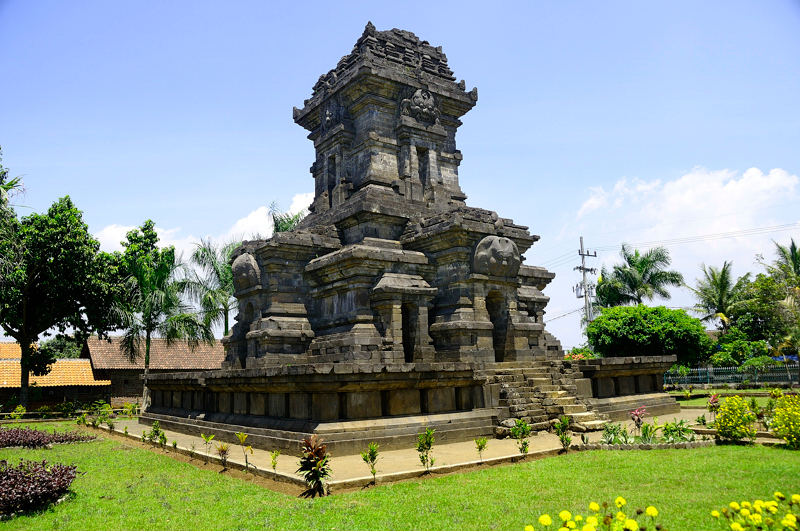
During the rule of the Singhasari Kingdom in East Java, the construction of the Singhasari Temple marked a notable development in the region's architectural and cultural landscape. The Singhasari Kingdom, under the leadership of King Kertanegara, sought to establish a powerful legacy and reinforce Hindu-Buddhist beliefs. This period was characterized by notable military conquests and the consolidation of trade routes, which enabled the kingdom to amass the necessary resources for grand constructions.
The Singhasari Temple was envisioned as a tribute to King Kertanegara and was dedicated to the Hindu god Shiva. The temple's location near modern-day Malang was strategically chosen, leveraging the fertile lands and significant trade pathways that facilitated the movement of materials and labor. The temple's architecture incorporated both Hindu and Buddhist elements, reflecting the syncretic religious practices endorsed by the kingdom. Stone and brick were the primary materials used, with intricate carvings depicting deities, mythological scenes, and royal symbols.
The construction mobilized a large workforce, including skilled artisans, laborers, and architects. This workforce not only came from within the kingdom but also included individuals influenced by Indian architectural traditions, highlighting the extensive trade and cultural exchange happening at the time. The temple served as a center for religious worship, royal ceremonies, and community gatherings, thus playing a crucial role in the social and spiritual life of the kingdom's inhabitants.
The impact of the Singhasari Temple was multifaceted. It reinforced the political and cultural hegemony of King Kertanegara's rule, serving as a tangible manifestation of the kingdom's power and religious devotion. Additionally, the temple contributed to the spread of Hindu-Buddhist culture across the Indonesian archipelago, influencing subsequent kingdoms like Majapahit. The synthesis of architectural styles would leave a long-lasting legacy on the region’s subsequent temple constructions.
Explorations and studies of the site have revealed insights into the construction techniques and the socio-political dynamics of the era, enriching our understanding of Indonesian history and heritage. Today, the remnants of the Singhasari Temple stand as a testament to the kingdom's grandeur and the intricate blend of cultural influences that shaped its identity.
#SinghasariKingdom #IndonesianHistory #CulturalHeritage #TempleArchitecture #MoofLife
View details1293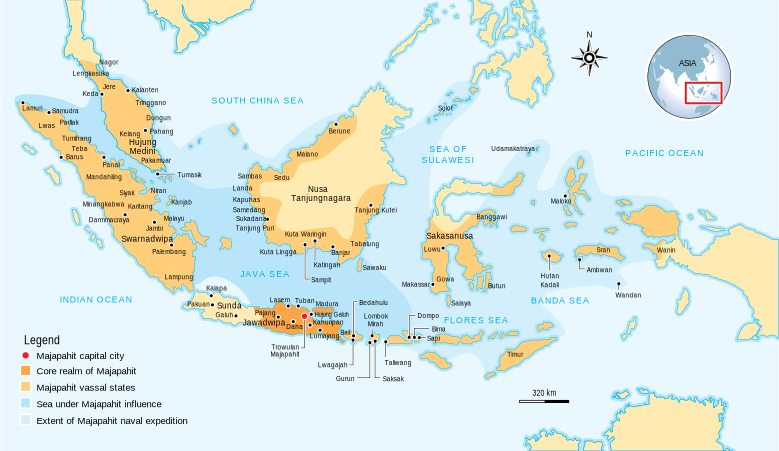
The diplomatic engagement between the Majapahit Kingdom and the Mongol Empire occurred during the reign of Kublai Khan, the fifth Khagan of the Mongol Empire. This moment followed a period of tension and conflict initiated by a perceived act of disrespect when King Kertanegara of the Singhasari Kingdom refused to pay tribute to the Mongols. In response, Kublai Khan dispatched a force to Java to impose his authority.
Upon their arrival, the Mongols found that the local kingdom had undergone upheaval. Kertanegara had been overthrown by Jayakatwang, who then ruled the region. Raden Wijaya, a loyalist of the earlier regime and a notable leader, saw this as an opportunity and sought an alliance with the Mongols. Wijaya agreed to cooperate with the Mongols to overthrow Jayakatwang. Once Jayakatwang was defeated, Wijaya turned against the Mongols, ambushing them and driving them from Java.
As an outcome of Wijaya's strategic maneuver, the Majapahit Kingdom was established, marking the beginning of its rule. The Mongol attempt to assert dominance over Java failed, and they withdrew, having gained little from the campaign. This event significantly influenced the regional power dynamics. The Majapahit Kingdom emerged as a major political and military power in the Southeast Asian archipelago, later known for its unifying influence over the region.
#Majapahit #MongolEmpire #Diplomacy #StrategicAlliance #History #Indonesia #MoofLife
View detailsThe collapse of the Singhasari Kingdom and the subsequent rise of the Majapahit Empire represents a major shift in Indonesian history. The Singhasari Kingdom had long been a dominant power in the region, wielding influence across Java and establishing a network of vassal states. However, internal strife and external pressures weakened its control.
The decline began with a rebellion led by Jayakatwang, a vassal stemming from Kediri, a kingdom previously subjugated by Singhasari. Jayakatwang's forces successfully attacked and overthrew Kertanegara, the last king of Singhasari, resulting in a power vacuum. Amid the chaos, a young prince named Raden Wijaya emerged as a central figure. Fleeing the turmoil, he sought refuge and managed to establish a defensive position in Tarik forest.
During this period of instability, the Mongol Empire, under the leadership of Kublai Khan, sought to extend its influence into Java, having already sent an envoy to demand tribute from Kertanegara. Seizing the strategic opportunity, Raden Wijaya allied with the Mongols. With their assistance, he launched a counterattack against Jayakatwang. Once Jayakatwang was defeated and his stronghold captured, Raden Wijaya turned against the Mongols, outmaneuvering them and forcing them to withdraw from Java.
With the fall of both Singhasari’s last ruler and the expulsion of Mongol forces, Raden Wijaya laid the foundations for a new empire, the Majapahit. This new political entity grew into one of the most extensive empires in Southeast Asia. Its administrative and military strategies, combined with its economic prowess through control of trade routes, facilitated unprecedented prosperity and territorial expansion.
Majapahit soon became the paramount power in the Indonesian archipelago, influencing areas that are now part of modern-day Indonesia, Malaysia, Singapore, Brunei, East Timor, southern Thailand, and the Philippines. This transition reshaped regional politics and laid the groundwork for future interactions within Southeast Asia.
The establishment of the Majapahit Empire from the ashes of Singhasari's collapse illustrates the dynamic and often turbulent nature of historical power transitions. This event underscores themes of rebellion, strategic alliance, and the rise of new political orders, elements that continue to resonate in the study of history.
#MoofLife #IndonesianHistory #Majapahit #Singhasari #HistoricalTransition #SoutheastAsiaHistory
View details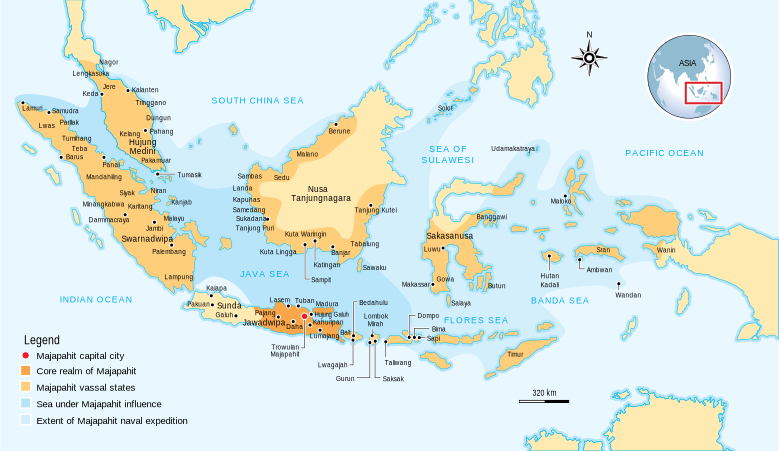
The rise of the Majapahit Kingdom as a dominant power in the Indonesian archipelago marked a transformative period in Southeast Asian history. Before its ascendancy, the region was characterized by fragmented and competing polities that vied for control over trade routes and territorial dominance. The inception of Majapahit’s influence is closely linked to the collapse of the Singhasari Kingdom. Authority shifted when Raden Wijaya, a prince of the Singhasari lineage, established control over the region after a series of strategic military victories and political maneuvers.
Following the defeat of Kertanegara, the last ruler of Singhasari, a Mongol invasion force dispatched by the Yuan Dynasty attempted to exert control. Raden Wijaya leveraged this invasion to his advantage. Pretending to ally with the Mongols, he later attacked their forces, decisively pushing them out and consolidating his power. This maneuver established Majapahit as a formidable political and military entity.
Under the leadership of Raden Wijaya, also known under his regnal name Kertarajasa Jayawardhana, Majapahit implemented administrative reforms and expanded its territorial reach. The kingdom soon became a crucial node in the maritime trade networks connecting the Indian Ocean and the South China Sea, benefiting from the flourishing trade of spices, textiles, and other commodities. Archaeological findings and historical records suggest that Majapahit’s influence extended across much of present-day Indonesia, including parts of Malaysia and the Philippines.
Cultural and economic activities thrived under Majapahit rule. Notably, the kingdom produced significant literary works such as the Nagarakretagama, which documents Javanese history and religious practices. This period also saw the development of a distinctive Javanese art and architectural style, symbols of the artistic advancements fostered by the kingdom’s stability and prosperity.
The establishment of Majapahit as a dominant power not only altered the political landscape of the Indonesian archipelago but also set the stage for the cultural and economic developments that would define the region for centuries. The kingdom's decline in the coming centuries did not diminish its legacy, which continued to influence the region's historical narrative and cultural heritage.
#MajapahitRise #IndonesianHistory #PoliticalStrategy #TradeAndCulture #MaritimeDominance #MoofLife
View details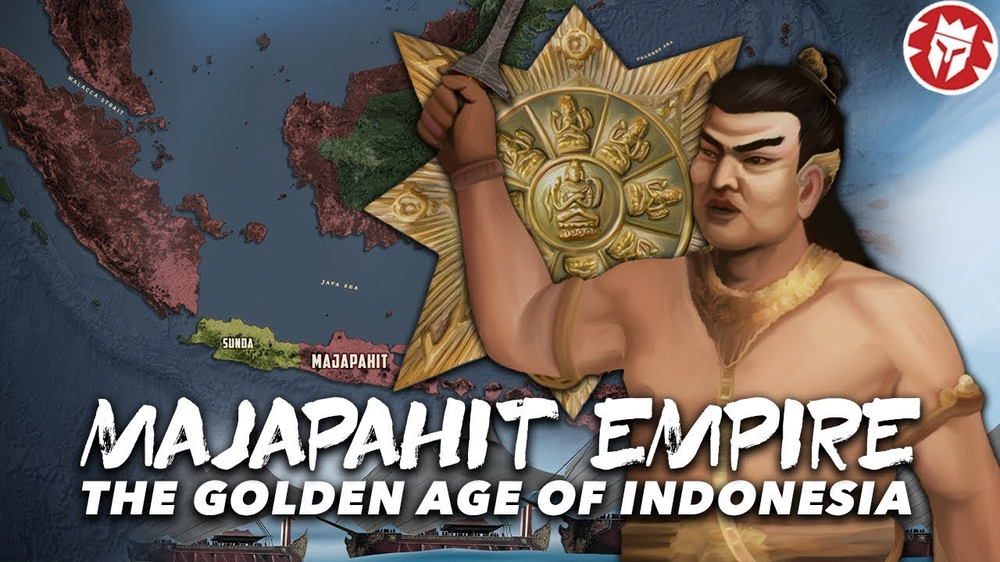
1028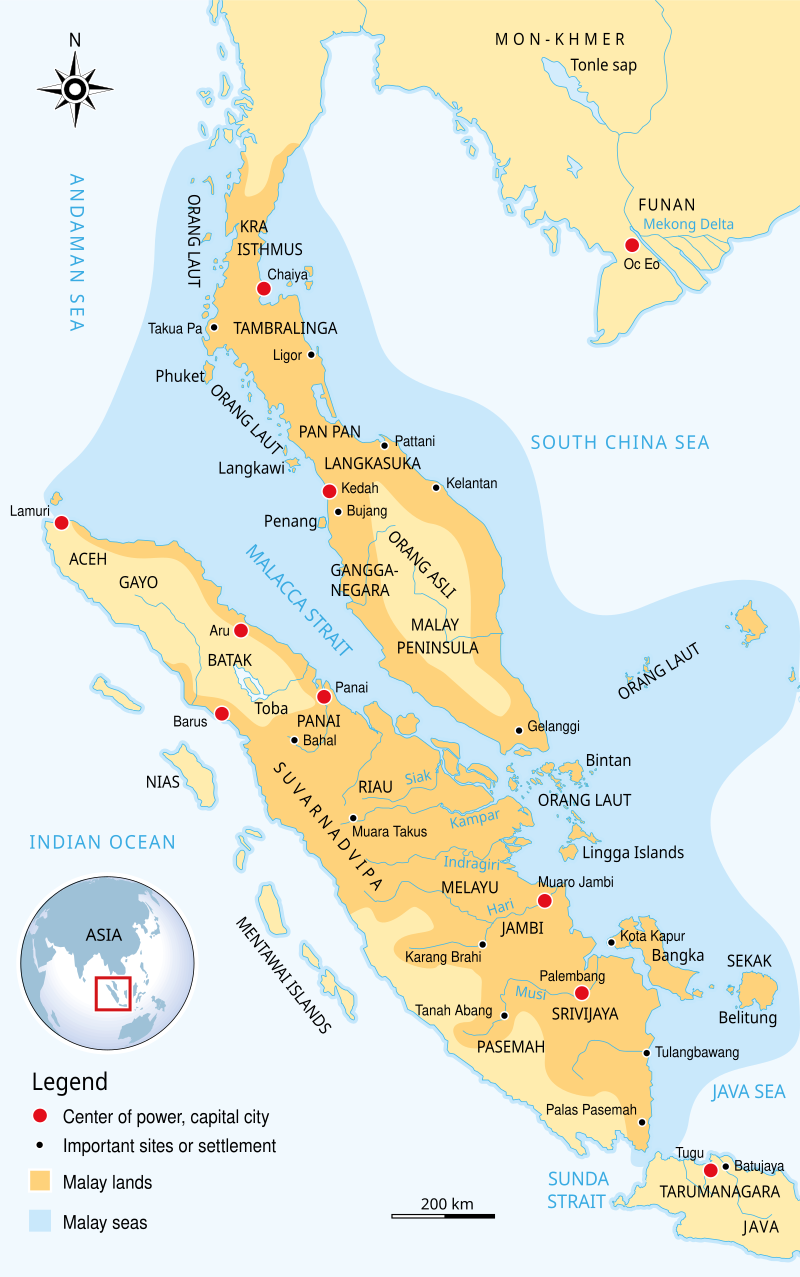
In the early 11th century, the establishment of the Dharmasraya Kingdom also known as Melayu Kingdom, marked a pivotal transformation in Sumatra's historical landscape. Located in present-day Indonesia, the founding of this kingdom came after the decline of Srivijaya's influence in the region. This period of change was precipitated by the Chola invasion, which significantly weakened Srivijaya's economic and political stronghold.
Dharmasraya emerged as a significant maritime kingdom, prioritizing trade through the Strait of Malacca, one of the world's busiest shipping lanes even at that time. As a result, it garnered wealth and power by controlling the sea routes between India and China. The kingdom advanced its administration by establishing a structured government system that facilitated better management of both its domestic affairs and international trade.
The socio-economic impact of Dharmasraya's rise was notable. It prompted the growth of new urban centers and increased interactions with other regional empires, such as the Khmer and Pagan kingdoms. The kingdom's merchants played a crucial role in the regional trade networks, dealing in goods like spices, gold, and textiles, which were highly valued in markets across Asia.
Dharmasraya also became a center for Buddhism in Sumatra. The kingdom was instrumental in the spread and development of Buddhist teachings and practices. It hosted religious scholars and monks, who contributed to the exchange of cultural and religious ideas with other parts of Southeast Asia, India, and China.
Evidence suggests that the rulers of Dharmasraya played a key role in the prosperity and stability of the region during its apex. Inscriptions and archaeological finds indicate the kingdom's considerable involvement in regional diplomacy and its ability to maintain autonomy despite external pressures.
The establishment of the Dharmasraya Kingdom was a significant development in the history of Sumatra and Indonesia, showcasing the dynamic interplay between trade, religion, and politics in shaping the region's trajectory. The legacy of Dharmasraya continued to influence subsequent political entities that emerged in its wake.
#DharmasrayaKingdom #SumatraHistory #IndonesianHeritage #TradeRoutes #BuddhismSpread #MaritimePower #MoofLife
View details0990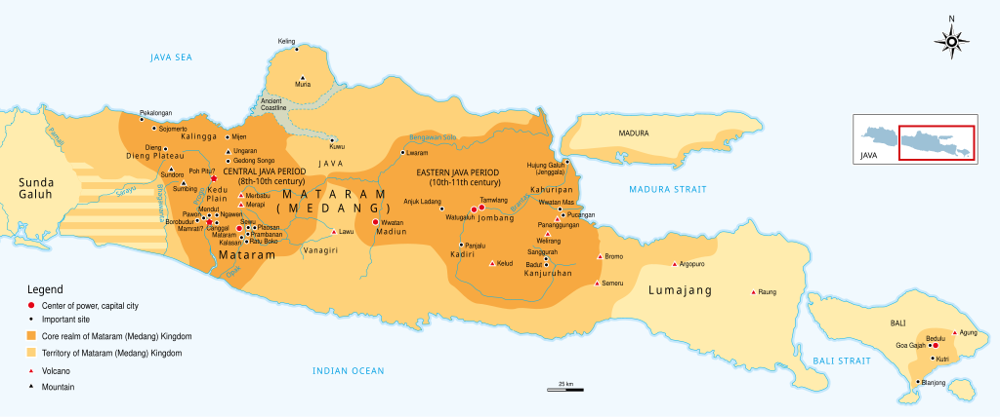
King Dharmawangsa ascended the throne of the Medang Kingdom amidst a period marked by political stability and growing influence. Medang, located in Java, Indonesia, had experienced considerable economic and cultural development under earlier rulers. However, the reign of King Dharmawangsa introduced a strategic shift in its regional role, focusing on consolidating power and expanding influence.
One of Dharmawangsa's notable undertakings was his effort to extend Medang's influence through maritime trade and military campaigns. By initiating these actions, he increased the kingdom's interactions with neighboring regions and trade networks. Historical records indicate alliances and confrontations formed as part of this regional strategy, reflecting the kingdom's ambition under his rule.
Dharmawangsa's reign also saw efforts to strengthen domestic governance and administrative control. This included tightening the centralized bureaucratic structures and fortifying economic policies. Artifacts and historical texts from this era highlight advancements in irrigation and agricultural techniques, which supported population growth and urban development. Such progress laid the foundation for the economic stability of the kingdom.
However, Dharmawangsa's rule was not without conflict. His determination to assert dominance led to a significant military expedition against the rival kingdom of Srivijaya. This campaign was ambitious yet fraught with challenges and resistance. Accounts suggest the expedition faced logistical and military setbacks, ultimately straining resources. The conflict underscored the complexities of maintaining power and achieving military expansion during this period.
King Dharmawangsa's reign had lasting effects on the region's political landscape. His endeavors to centralize the kingdom's administration left a legacy of stronger internal governance. Moreover, his maritime and military pursuits set precedents for future rulers' strategies in dealing with neighboring entities and regional politics.
In summary, King Dharmawangsa’s era was marked by strategic efforts to expand and consolidate the Medang Kingdom's influence, both internally and externally. His governance laid crucial groundwork for future developments in the region’s political, economic, and cultural spheres.
#MedangKingdom #IndonesianHistory #KingDharmawangsa #MaritimeTrade #MoofLife
View details0850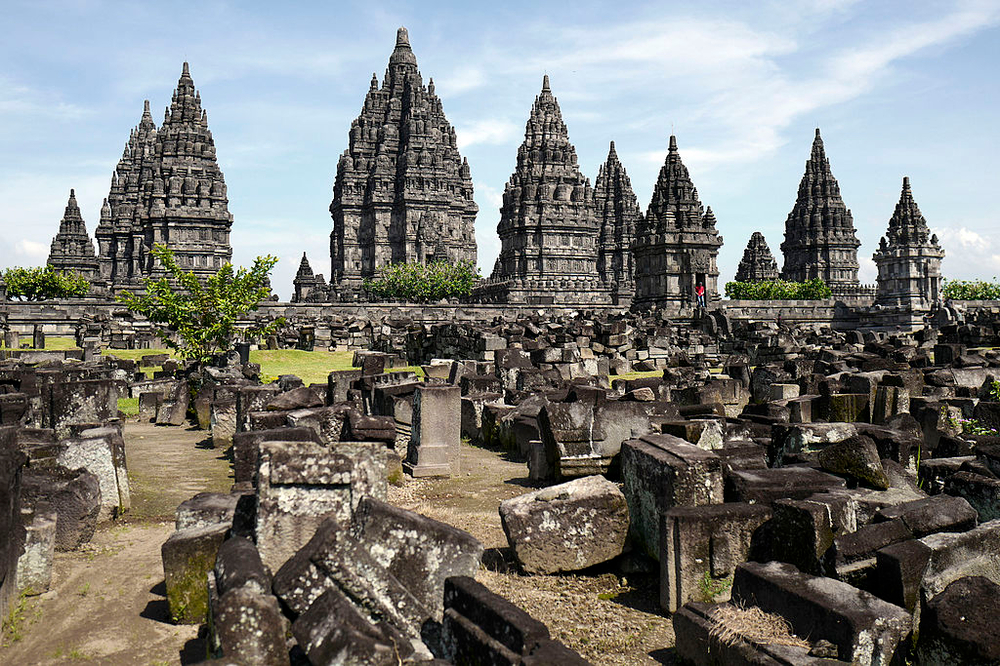
In Central Java, under the Sanjaya Dynasty of the Mataram Kingdom, the construction of the Hindu temple complex Prambanan marked an important cultural and religious development. The temple, known locally as Rara Jonggrang, was dedicated to the Trimurti – Brahma the Creator, Vishnu the Preserver, and Shiva the Destroyer. It was a period of Hindu revival in Java, significant for establishing the prominence of Hindu architecture and religious practices in the region.
Prambanan's design showcases traditional Javanese architecture, characterized by tall and pointed structures typical of Hindu temple architecture. The main complex has eight main shrines or candis and is surrounded by 240 smaller ones. The Shiva temple dominates the central part, standing at 47 meters high, flanked by the Brahma and Vishnu temples, each 33 meters high.
The construction of Prambanan illustrates the technological and architectural advancements of the time. Stone was the primary material used, quarried from nearby and transported to the site through labor-intensive methods. Intricate carvings on the temples depict scenes from the Ramayana epic, reflecting the rich mythological tradition and the skilled craftsmanship of the builders. These carvings provide valuable insights into the cultural and artistic expressions of the time.
The temple complex played an integral role in the religious life of the society, serving not only as a place of worship but also as a cultural hub. Rituals, ceremonies, and festivals held at Prambanan attracted people from various parts of the kingdom, reinforcing its status as a major spiritual center.
Prambanan's archaeological significance extends beyond its religious importance. It represents a historical record of the political and social dynamics of the era, including the influence of Hinduism on the local population. The preservation of Prambanan offers contemporary society a tangible connection to Indonesia's pre-Islamic past and supports the study of ancient Javanese civilization.
In summary, the construction of the Prambanan temple complex was a pivotal event in the history of Central Java, reflecting significant religious, cultural, and architectural developments. Its standing structures today continue to draw scholars, tourists, and devotees, testifying to the enduring legacy of the region's Hindu heritage.
#MoofLife #Prambanan #HinduTemple #CulturalHeritage #JavaneseArchitecture #Archaeology #SanJayaDynasty
View details0824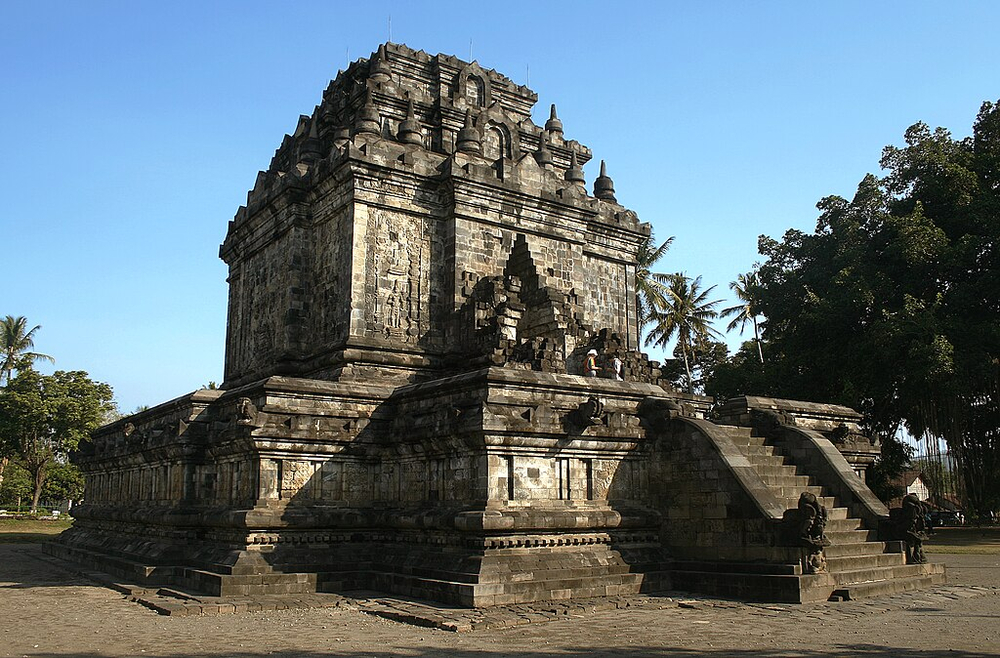
The Mendut Temple, constructed by the Sailendra Dynasty near Borobudur, represents a critical moment in Indonesian history. The Sailendra Dynasty, known for their fervent patronage of Mahayana Buddhism, initiated the construction of this temple to complement the already significant Borobudur complex. Situated in the Kedu Plain of Central Java, this region had become a nexus of religious and cultural development under their rule.
Mendut Temple's architectural design reflects distinct Buddhist stylistic and iconographic features. Built on a rectangular plan with carvings and reliefs, it is dedicated to the Buddha and other deities like Avalokiteshvara and Bodhisattvas, embodying Mahayana Buddhist principles. The temple's prime statue is a Buddha seated serenely in the Bhumisparsha Mudra, symbolizing enlightenment.
The building of Mendut Temple fortified the spiritual significance of the region and reinforced the Sailendra Dynasty's commitment to Buddhist teachings. Its presence alongside Borobudur created a triadic relationship also involving Pawon Temple, forming a sacred landscape. This relationship fostered pilgrimage practices, intertwining its fate with the flow of traders, settlers, and monks along Java's commercial routes.
The socio-cultural impact extended beyond religious domains. The construction engaged local artisans, engineers, and laborers, demonstrating advanced techniques and promoting artisanal skills. This investment in public works was a strategic move to consolidate the dynasty's control, leverage construction projects as a means of local employment, and solidify the cultural patrimony, thus securing their dynasty's legacy among successors.
Mendut’s proximity to Borobudur benefitted from its geographical positioning. The setting encouraged vibrant communal and educational activities, fostering an environment where teachings of the Buddha proliferated, impacting the socio-religious dynamics of the region.
Overall, the establishment of Mendut Temple by the Sailendra Dynasty near Borobudur marks an indelible imprint on the historical and cultural tapestry of Indonesia. By bolstering religious architecture, creating an influential pilgrimage site, and fostering socio-economic growth, the dynasty left an enduring legacy.
#SailendraDynasty #MendutTemple #Borobudur #HistoricalIndonesia #Buddhism #CulturalHeritage #MoofLife
View details0778
Borobudur, a massive Mahayana Buddhist temple, stands as a remarkable achievement in ancient architecture. Constructed during the rule of the Sailendra Dynasty in central Java, Indonesia, it exemplifies the intricate art and deep religious devotion of the period. The temple is strategically situated on a high hill between two twin volcanoes, the Merbabu and Merapi, and two rivers, the Progo and the Elo.
The project was commissioned by a king of the Sailendra Dynasty, embedding the structure with both political and spiritual significance. The design incorporates influences from Gupta art, which reflects India's profound impact on the Southeast Asian region at the time. Borobudur consists of nine stacked platforms, six square and three circular, topped by a central dome. The structure features over 2,500 relief panels and 504 Buddha statues, representing the Javanese interpretation of Buddhist cosmology.
Built without cement or mortar, the labor-intensive construction utilized intricately carved interlocking volcanic stone blocks. The central dome is surrounded by 72 Buddha statues, each seated inside a perforated stupa. This architectural wonder stands as a testament to the artistic precision and engineering expertise of its creators.
The significance of Borobudur extends beyond its architectural marvel. It serves as an important pilgrimage site for Buddhists, who walk through its corridors and ascend its platforms in a symbolic journey towards enlightenment. Scholars believe that the monument was designed to reflect the Buddhist concept of attaining nirvana, with its three main levels symbolizing the earthly realm, the transitional sphere, and the ultimate sphere of enlightenment.
Borobudur's legacy is preserved not only in its physical structure but also in its role as a cultural and religious icon. Its construction signifies the spread of Buddhism in Java, and it remains an enduring testimony to the blending of cultural, religious, and political influences in the region.
The impact of Borobudur on Indonesia’s cultural heritage is profound. It remains a focal point of national pride and identity. Each year, it attracts thousands of visitors from around the globe, making it one of Indonesia’s most visited tourist attractions and an important site of historical study.
#Borobudur #CulturalHeritage #BuddhistArchitecture #AncientEngineering #IndonesiaHistory #MoofLife
View details