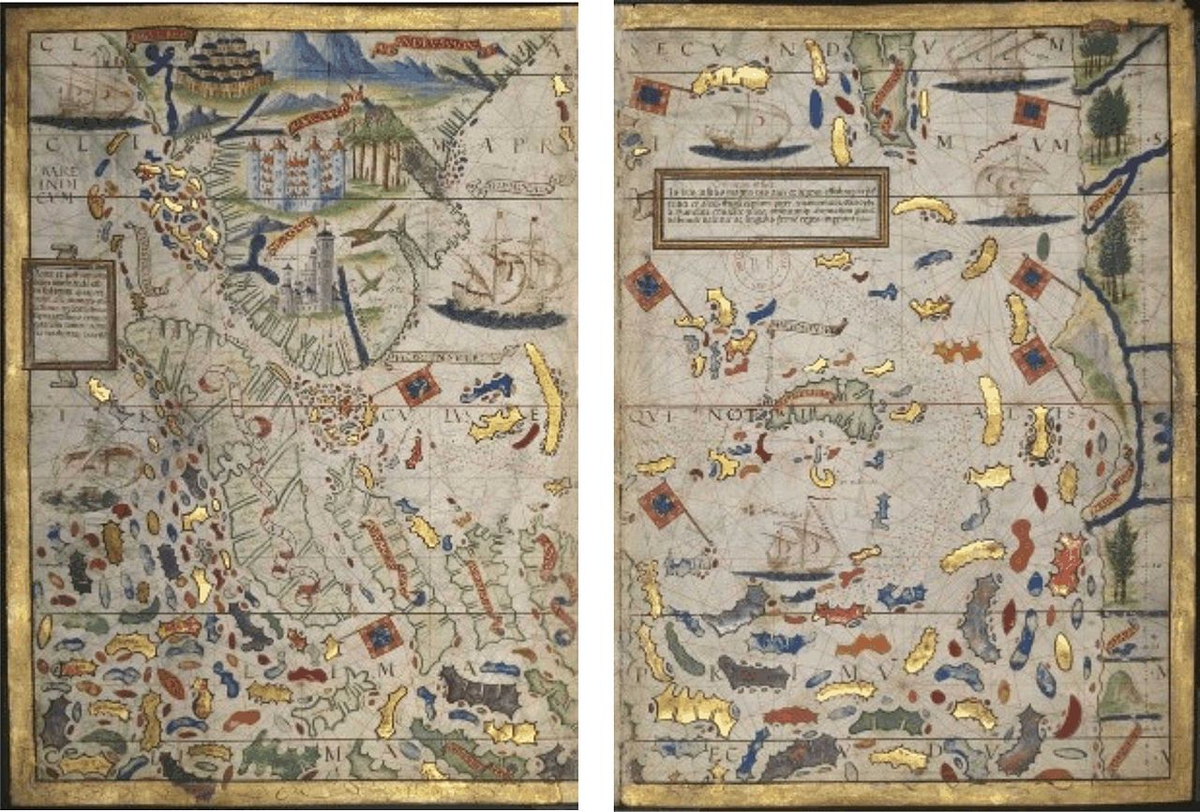
First European Arrival in Indonesia: Portuguese Land on Indonesian Shores
Indonesia

Global Trade
Political
5 min read
Updated By: History Editorial Network (HEN)
Published:
The Portuguese arrival in Indonesia marked a pivotal entry in the Age of Exploration. The Portuguese, seeking new maritime trade routes to the lucrative Spice Islands, embarked on their journey from Lisbon. The famed navigator Afonso de Albuquerque played a crucial role in leading the expedition. The primary objective was the control and monopoly of the spice trade, which was dominated by Arab, Indian, and local traders.
On reaching Southeast Asia, the Portuguese focused their attention on Malacca, a strategic port central to the spice trade. They captured Malacca, enhancing their influence and trade network. This takeover allowed the Portuguese to establish themselves as a formidable trading power in the region. Beyond trade, their arrival introduced European geopolitical dynamics and marked the beginning of European colonial interests in Indonesia.
The impact of Portuguese arrival was multifaceted. Economically, while it began with trade interest, it soon influenced the commercial exchanges across the archipelago. They introduced advanced navigational techniques and new types of ships, which facilitated not only their movement but also broader maritime activities in the region. Additionally, their presence initiated the spread of Christianity, leading to the establishment of early Christian communities.
Politically, the arrival of the Portuguese heralded a shift in power dynamics. Local rulers and sultans, who controlled the spice trade, found themselves negotiating with a new European power armed with superior naval technology and military tactics. This period triggered a series of conflicts and alliances as local powers sought to either resist or collaborate with the newcomers.
For local societies, the sudden presence of an external force brought about cultural and social changes. The Portuguese influence can still be traced in several aspects of Indonesian culture, including language, culinary practices, and architectural styles.
In summary, the Portuguese arrival in Indonesia was a complex event with significant economic, political, and cultural ramifications. It set the stage for subsequent European colonial endeavors in the region and reshaped the socio-political landscape of Indonesia.
#SpiceTrade #PortugueseArrival #ColonialHistory #IndonesianHeritage #MaritimeNavigation #MoofLife

Explore the Life Moments of
 AI Twin