Indonesia

The Emerald of the Equator
About
#WonderfulIndonesia
#ExploreIndonesia
#IndonesiaUnite
Life Classification
Country
Life ID
EL7209506865943
Verified Name
indonesia
Life Type
Entity Life
Life Editor(s)
History Editorial Network (HEN)
Life Privacy
Public
Subscription
Elite
Created On
2024-08-15
Updated On
2025-12-18
Connect
Related Lives

Kenya
The Cradle of Humankind

Dominican Republic
A Caribbean Paradise

Adventure Movies
Where courage meets the unknown

Luxembourg
The Gibraltar of the North

Premier League
The Home of English Football

Ireland
The Emerald Isle

Sweden
The Land of the Midnight Sun

Olympics
The Grandest Stage of All

2026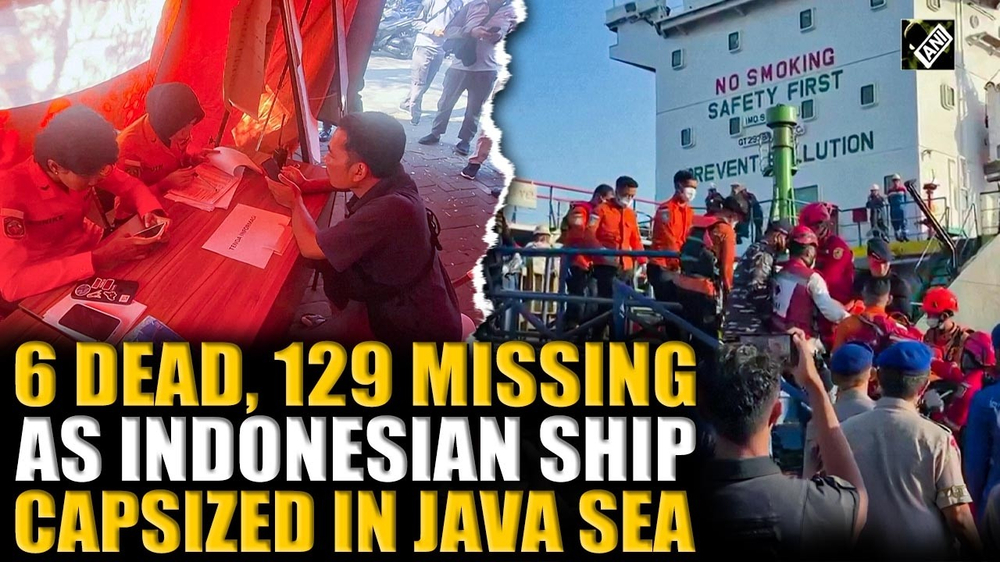
On 13/09/2026, the Indonesian ferry KM Virgo Transport 8 sank in the Java Sea, with 64 people reported dead and 71 others missing. The disaster occurred in waters between Indonesia's major islands, where passenger and cargo vessels provide essential maritime connections. The reported casualties made the sinking one of Indonesia's deadliest maritime accidents of the year. Search and rescue operations focused on locating missing passengers and recovering victims from the surrounding waters.
The ferry was travelling from Surabaya, East Java, to Banjarmasin, South Kalimantan, carrying 213 passengers, 30 crew members and 89 vehicles. It encountered severe weather before losing contact at approximately 2:00 a.m. local time. Indonesia's National Search and Rescue Agency, Basarnas, coordinated rescue operations involving naval personnel, helicopters and diving teams. By 26/09/2026, authorities had confirmed 108 survivors, 64 deaths and 71 missing people, with searches extended for another seven days.
View detailsThe West Java landslides became a major disaster moment on January 24, 2026, when heavy rainfall triggered large slope failures in Pasir Langu village, West Bandung Regency (Bandung Barat), West Java, Indonesia. Initial reports described homes being buried by mud, rocks, and debris, prompting rapid deployment of Indonesia’s search-and-rescue resources, including Basarnas and local disaster-management agencies, with evacuations carried out in nearby risk zones.
As recovery operations continued through the following days, official tallies reported that the incident resulted in at least 70 deaths with 10 people still missing, while responders worked in difficult terrain under intermittent rain that affected search conditions. The disaster also led to hundreds of displaced residents and temporary shelter arrangements as authorities managed ongoing hazards in the area.
#WestJava #BandungBarat #WestBandung #Landslide #Basarnas #DisasterResponse #ExtremeWeather
View details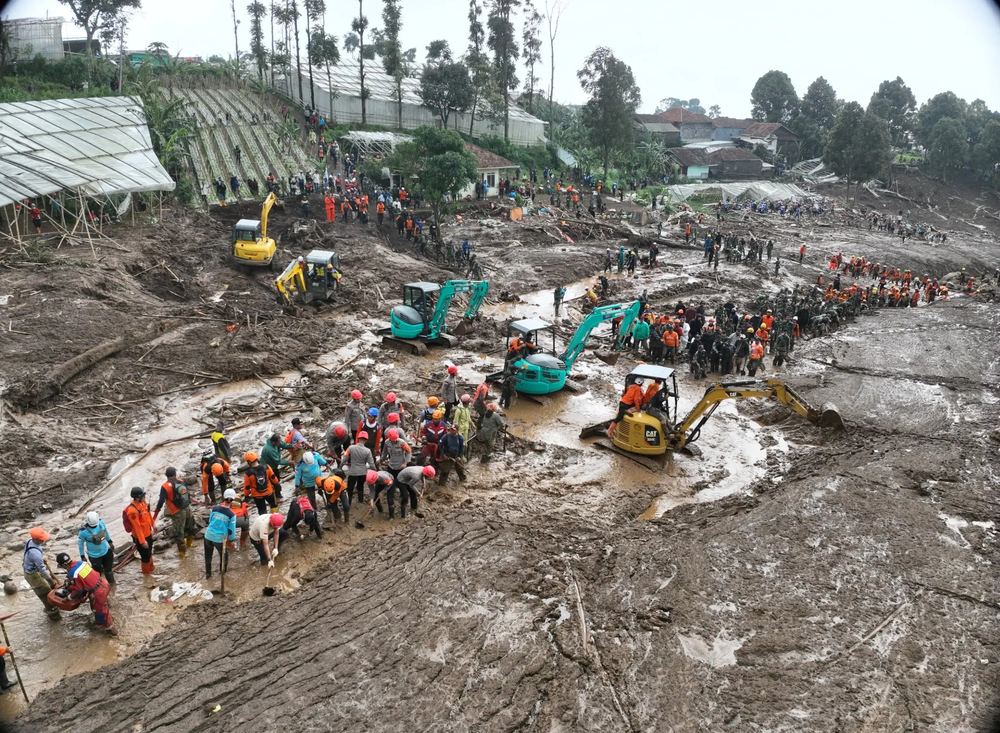
2025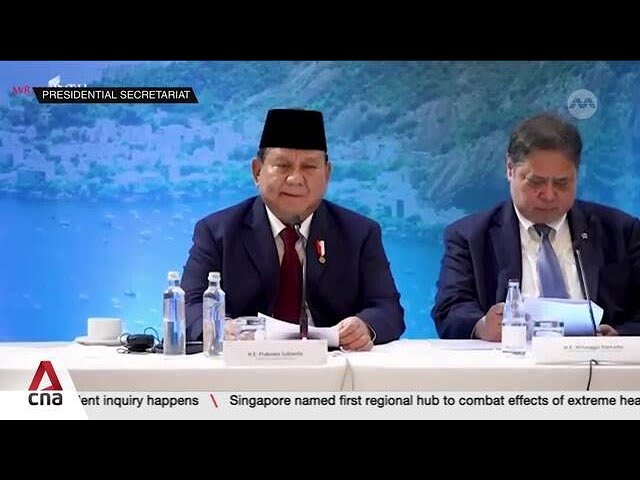
Indonesia has been fully admitted as a member state of the BRICS group, marking a significant development in its foreign policy and in the evolution of the bloc itself. BRICS, originally formed by Brazil, Russia, India, China, and South Africa, aims to promote cooperation among major emerging economies and strengthen their influence in global economic and political affairs. Indonesia’s admission reflects its growing economic weight, large population, and strategic position in Southeast Asia. As one of the world’s largest emerging economies and a member of the G20, Indonesia brings added regional representation and economic diversity to the group, reinforcing BRICS’ ambition to become a more inclusive platform for the Global South.
The significance of Indonesia’s membership extends beyond symbolism. It enhances the country’s role in shaping discussions on global development, trade, financial reform, and multilateral cooperation. Membership may provide Indonesia with greater access to alternative financing mechanisms, increased trade cooperation, and stronger political coordination with other BRICS members. For the bloc, Indonesia’s inclusion strengthens its legitimacy and expands its geographic reach, particularly in the Indo-Pacific region. However, it also raises expectations for coordination among members with diverse economic systems and political priorities. Overall, Indonesia’s full admission to BRICS represents a strategic step toward deeper engagement in emerging global governance structures and reflects shifting balances in the international economic order.
View details2024
Indonesia commemorated its 79th Independence Day with large-scale celebrations in Nusantara. The day highlighted national pride and unity while incorporating traditional parades, cultural performances, and speeches from government officials. Nusantara, the proposed new capital city, was set to become a symbol of Indonesia's future.
The plan to move the capital from Jakarta to Nusantara had been in discussion for years, driven by concerns over Jakarta's congestion, environmental degradation, and subsidence issues. The decision to position the new capital in East Kalimantan on Borneo Island was announced to address these challenges and promote more balanced economic development across the archipelago.
However, the inauguration of Nusantara as the official capital faced delays. Key infrastructural projects, including government buildings, housing, and transportation networks, were still under construction. Despite the postponement, the Indonesian government reaffirmed its commitment to continue the relocation project, which is estimated to cost US$32 billion over the coming years.
While the delay posed some logistical and financial challenges, it also provided additional time for thorough planning and execution, ensuring that the infrastructure would meet future demands. The Indonesian population remained optimistic, viewing Nusantara as a step forward in the nation's development and stability.
The independence celebrations underscored the importance of cultural heritage and national progress. Citizens from all over the country participated in various events, showcasing Indonesia's diverse culture and traditions. This collective participation boosted national morale and reinforced the sense of unity among Indonesians.
Relevant statistics underline the significance of this transition; Jakarta, originally designed for 800,000 residents, now hosts over 10 million, causing severe environmental and infrastructural strain. The new capital is envisioned to alleviate these issues and spur economic growth beyond Java Island, currently home to over half of Indonesia's 270 million population.
The Indonesian government maintained that, despite delays, the vision for a new capital was firmly on track. The prolonged timeline allowed for adjustments to ensure the sustainability and resilience of Nusantara.
#Indonesia79th #IndependenceDay #NusantaraInFocus #NewCapital #Development #NationalUnity #MoofLife
View detailsIndonesia commemorated its 79th Independence Day with large-scale celebrations in Nusantara. The day highlighted national pride and unity while incorporating traditional parades, cultural performances, and speeches from government officials. Nusantara, the proposed new capital city, was set to become a symbol of Indonesia's future.
The plan to move the capital from Jakarta to Nusantara had been in discussion for years, driven by concerns over Jakarta's congestion, environmental degradation, and subsidence issues. The decision to position the new capital in East Kalimantan on Borneo Island was announced to address these challenges and promote more balanced economic development across the archipelago.
However, the inauguration of Nusantara as the official capital faced delays. Key infrastructural projects, including government buildings, housing, and transportation networks, were still under construction. Despite the postponement, the Indonesian government reaffirmed its commitment to continue the relocation project, which is estimated to cost US$32 billion over the coming years.
While the delay posed some logistical and financial challenges, it also provided additional time for thorough planning and execution, ensuring that the infrastructure would meet future demands. The Indonesian population remained optimistic, viewing Nusantara as a step forward in the nation's development and stability.
The independence celebrations underscored the importance of cultural heritage and national progress. Citizens from all over the country participated in various events, showcasing Indonesia's diverse culture and traditions. This collective participation boosted national morale and reinforced the sense of unity among Indonesians.
Relevant statistics underline the significance of this transition; Jakarta, originally designed for 800,000 residents, now hosts over 10 million, causing severe environmental and infrastructural strain. The new capital is envisioned to alleviate these issues and spur economic growth beyond Java Island, currently home to over half of Indonesia's 270 million population.
The Indonesian government maintained that, despite delays, the vision for a new capital was firmly on track. The prolonged timeline allowed for adjustments to ensure the sustainability and resilience of Nusantara.
#Indonesia79th #IndependenceDay #NusantaraInFocus #NewCapital #Development #NationalUnity #MoofLife
View detailsPrabowo Subianto emerged victorious in the 2024 Indonesian presidential election. Subianto, a former lieutenant general and the leader of the Great Indonesia Movement Party (Gerindra), had contested several previous elections before finally securing the presidency. His campaign focused on national unity, economic development, and strengthening Indonesia's defense capabilities.
Simultaneously, the Democratic Party of Struggle (PDI-P), led by Megawati Sukarnoputri, achieved a major win in the legislative elections. PDI-P's dominance in the House of Representatives is expected to shape the legislative agenda for the coming term. Their platform emphasized social welfare programs, education reforms, and infrastructure development.
The electoral results signify a shift in Indonesia's political landscape. Subianto's administration is anticipated to bring changes in both domestic policies and foreign relations. Key areas of focus are enhancing military capabilities, addressing unemployment rates, and improving the business climate to attract foreign investments.
Statistically, the voter turnout was high, reflecting the public's engagement in the electoral process. Subianto secured a significant share of the vote, capturing diverse support across urban and rural areas. Similarly, PDI-P's legislative victory underscores their broad appeal and effective campaign strategies.
The outcome of these elections holds potential implications for Indonesia's geopolitical dynamics in Southeast Asia. With an emphasis on defense and economic stability, Subianto's government may seek to balance relations with major global powers while promoting ASEAN cooperation.
#IndonesianElection2024 #PrabowoPresident #PDIP #PoliticalShift #MoofLife
View details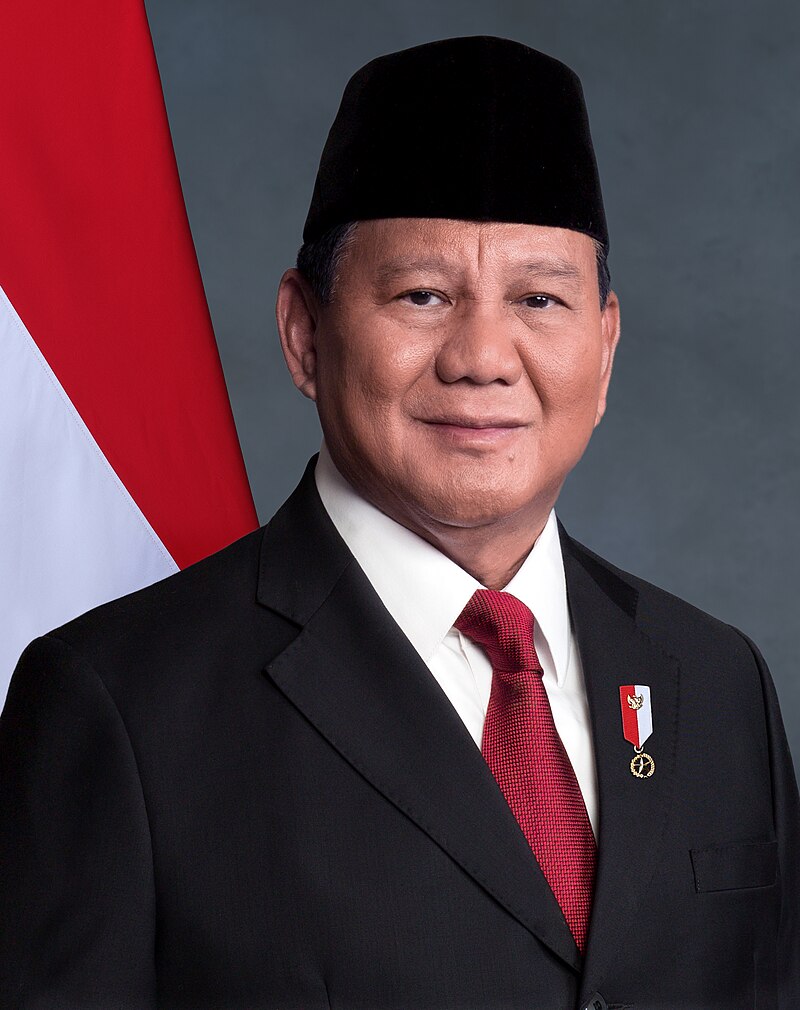
2020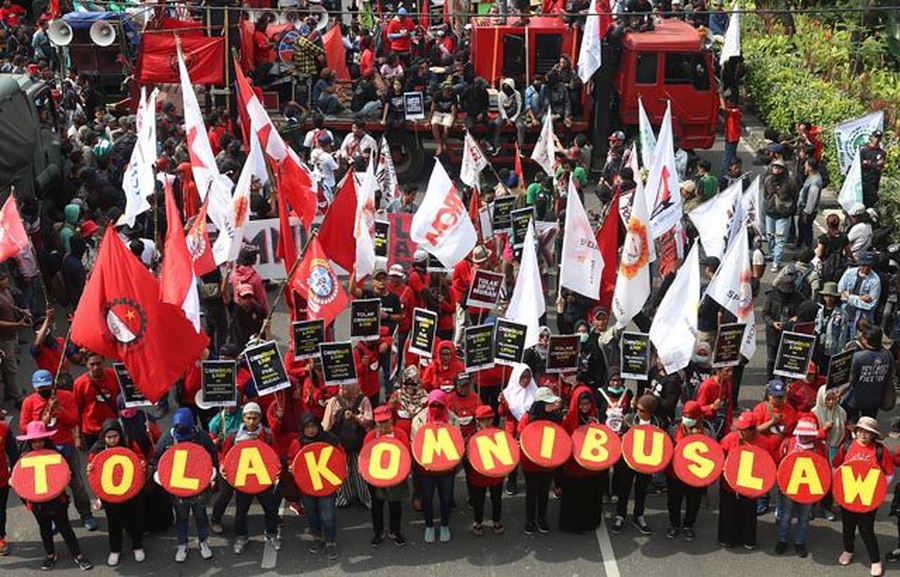
The Indonesian House of Representatives passed the Omnibus Law on Job Creation, leading to widespread protests across Indonesia. The law aimed to reduce regulations to attract investment and stimulate economic growth. It sought to make it easier for businesses to establish operations, streamline licensing processes, and simplify labor laws.
The passing of the law sparked immediate backlash from labor unions, environmental groups, and students who viewed it as a threat to worker rights and the environment. Critics argued that the law could undermine job security, reduce severance pay, and weaken environmental safeguards. They feared that the simplification of labor laws would primarily benefit large corporations at the expense of workers and the environment.
Protests erupted nationwide, with major demonstrations in cities such as Jakarta, Bandung, Surabaya, and Medan. These protests saw participation from thousands of individuals, including workers from various sectors, environmental activists, and students. They demanded the repeal of the law and the protection of labor rights and environmental regulations.
Authorities responded with significant security measures, deploying police forces to manage and disperse crowds. Clashes between protesters and police resulted in arrests and injuries, escalating tensions further. Social media platforms were flooded with posts and images of the protests, amplifying the movement's visibility and drawing international attention.
Stakeholders from various sectors voiced their opinions. Proponents of the law argued that it was necessary for Indonesia to remain competitive in the global market and to create more job opportunities amid the economic challenges. Meanwhile, opponents continued to stress the potential long-term detrimental effects on workers' welfare and environmental sustainability.
Economic experts highlighted that while the law might attract foreign investment, it was crucial to ensure that the benefits were equitably distributed and did not come at the expense of workers' rights or environmental health. The debate over the Omnibus Law underscored the tensions between economic development and social equity in Indonesia's policy-making landscape.
#MoofLife #IndonesiaProtests #OmnibusLaw #LaborRights #EnvironmentalProtection #EconomicPolicy
View details2019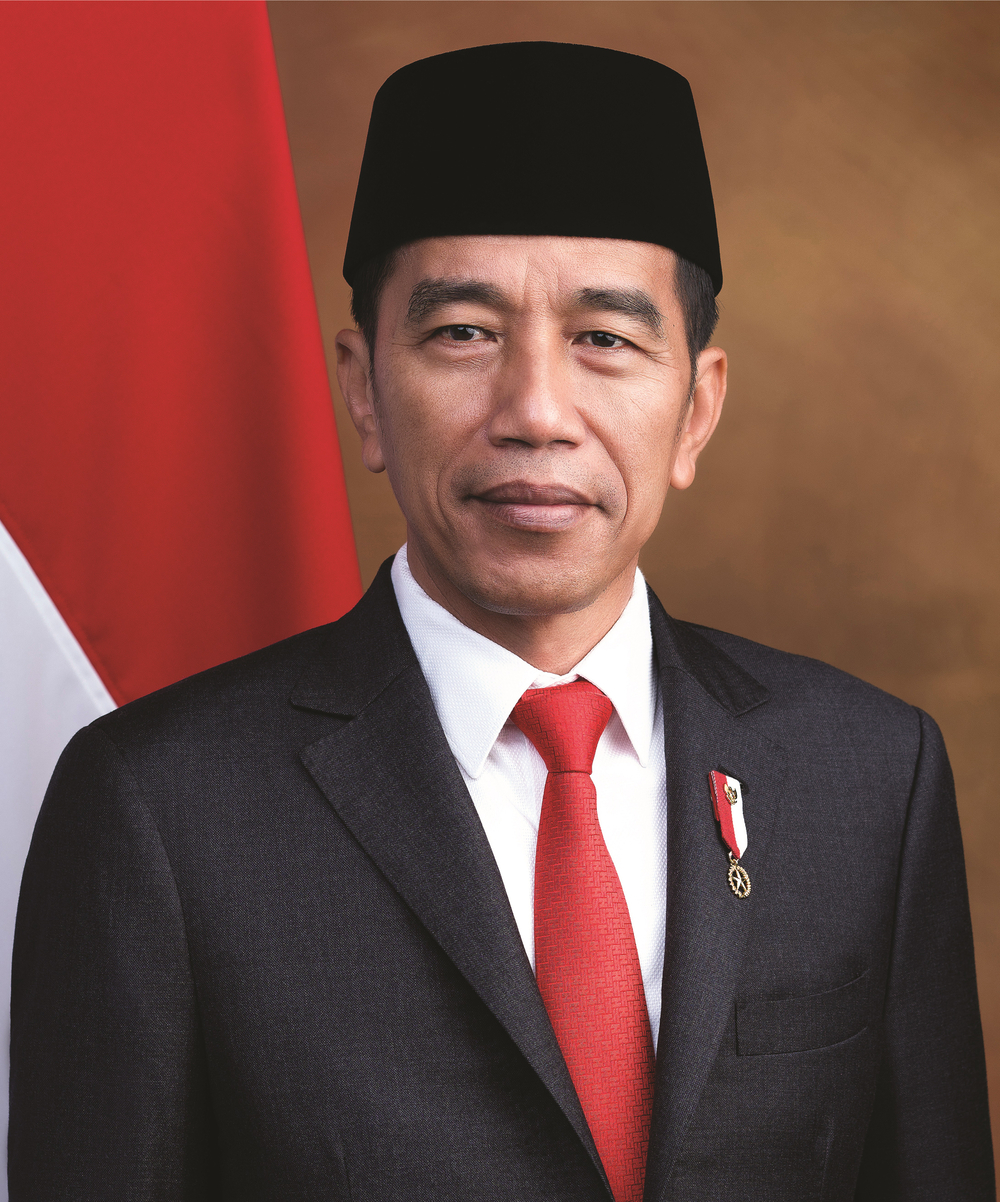
Indonesia witnessed a decisive moment when Joko Widodo secured re-election as the nation's president in the 2019 general election. Widodo, popularly known as Jokowi, first assumed office in 2014, emerging as a leader from modest beginnings, contrasted with traditional political and military elite backgrounds.
The general election was marked by a voter turnout of approximately 81%, reflecting Indonesia's enthusiastic participation in the democratic process. Over 192 million eligible voters cast their ballots, underscoring the scale of the democratic exercise in the world's third-largest democracy. Jokowi's campaign focused on continuing infrastructure and economic development, addressing corruption, and ensuring socio-economic stability. His re-election was seen as an endorsement of his vision and governance over the previous term.
The primary challenger, Prabowo Subianto, a former military general, contested the results but eventually, the Constitutional Court upheld Jokowi's victory. The official election results showed Jokowi winning with a significant margin, capturing 55.5% of the vote compared to Prabowo's 44.5%. This electoral outcome demonstrated the electorate’s preference for Jokowi's policies and leadership style, perceived as progressive and inclusive.
Jokowi's re-election held substantial implications for Indonesia’s political landscape and international relations. Domestically, it signaled continuity in policy initiatives aimed at infrastructure development, such as the construction of roads, ports, and airports to boost connectivity and economic growth. In the realm of social policy, it also indicated sustained efforts towards education and healthcare improvements. On the international front, Jokowi was expected to continue enhancing Indonesia’s role in regional ASEAN politics and fostering economic ties with global partners.
The re-election also indicated the resilience of Indonesian democracy, marked by a peaceful transition despite political challenges. It highlighted the country's progress in democratic governance and stability.
#JokowiReelection #IndonesiaVotes #DemocraticProcess #MoofLife
View details2018
Lion Air Flight 610, a Boeing 737 MAX 8, crashed into the Java Sea shortly after taking off from Soekarno-Hatta International Airport in Jakarta, Indonesia. The flight was en route to Depati Amir Airport in Pangkal Pinang when it encountered trouble. All 189 people onboard, including passengers and crew, perished in the crash.
Lion Air Flight 610 was a relatively new aircraft, having been delivered to the airline just a few months earlier. Shortly after takeoff, the pilots reported issues and requested to return to the airport. However, communication was lost soon after, and the aircraft plunged into the sea.
The primary cause of the crash was later identified as issues with the Maneuvering Characteristics Augmentation System (MCAS), a flight control system on the Boeing 737 MAX series designed to prevent the plane from stalling. Inaccurate sensor readings led the MCAS to repeatedly push the plane's nose downward, overpowering pilot efforts to regain control.
This tragedy had wide-reaching implications. It led to intensified scrutiny of the Boeing 737 MAX aircraft and prompted regulatory changes and fleet groundings worldwide. The accident highlighted deficiencies in aircraft design, pilot training, and airline maintenance practices. Families of the victims faced profound grief, while the aviation industry grappled with questions about safety and corporate responsibility.
Global aviation authorities, including the U.S. Federal Aviation Administration (FAA) and other international entities, responded by grounding the Boeing 737 MAX series, awaiting comprehensive investigations and necessary modifications to the aircraft. These groundings disrupted airline operations globally.
The crash of Lion Air Flight 610 is a stark reminder of the complexities and risks associated with modern aviation. It underscores the importance of stringent safety protocols, thorough pilot training, and effective communication systems to ensure passenger safety.
#LionAir610 #Indonesia #AviationSafety #Boeing737MAX #MCAS #Aviation #MoofLife
View detailsAn earthquake with a magnitude of 7.4 struck Central Sulawesi, Indonesia, generating a tsunami with waves reaching heights of up to 3 meters. The earthquake’s epicenter was located near Donggala, triggering the tsunami that subsequently hit the coastal regions of Palu, Donggala, and Mamuju. These areas were heavily impacted by the sudden surge of water, adding to the devastation caused by the earthquake.
Palu, the capital city of Central Sulawesi, faced extensive damage. Buildings collapsed, roads cracked, and power lines were brought down. The tsunami waves traveled quickly, giving residents little time to evacuate. Entire neighborhoods were submerged, and many homes were swept away. Emergency services were overwhelmed by the scale of the disaster, and immediate response efforts focused on rescuing those trapped in the debris and providing medical aid to the injured.
In Donggala, a similar scene unfolded. The waves destroyed infrastructure, and communication lines were cut. Rescue operations were hampered by the damaged roads and the lack of working communication. Many villages were isolated due to the destruction of bridges and roads, challenging search and rescue teams.
Mamuju, further away from the epicenter but still heavily impacted, also faced significant destruction. Coastal areas were flooded, and the local economy, heavily dependent on fishing, suffered greatly due to the damage to boats and related infrastructure.
According to reports, thousands of people died, and many others were displaced. The disaster prompted a significant humanitarian response, with international aid agencies mobilizing resources to assist in the relief efforts. Temporary shelters were set up to house displaced families, and efforts to rebuild the affected areas began soon after the initial response phase.
The tsunami and earthquake emphasized the vulnerability of coastal regions to natural disasters and highlighted the need for improved early warning systems and disaster preparedness plans. The catastrophic event brought global attention to Indonesia's geological instability and the urgent need for enhanced resilience measures.
#Tsunami #Earthquake #CentralSulawesi #Indonesia #DisasterRelief #EmergencyResponse #MoofLife
View details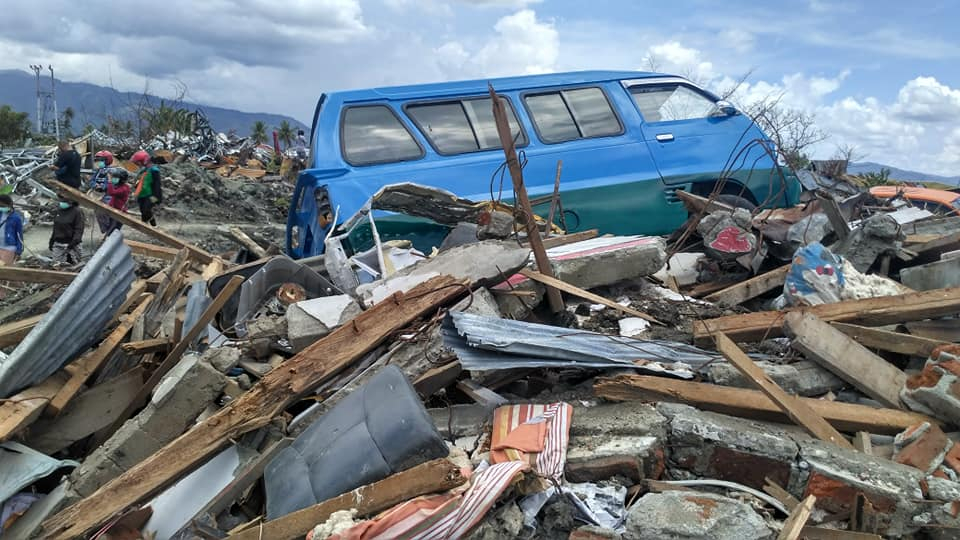
The Indonesian cities of Jakarta and Palembang hosted the Asian Games. This marked the first time two cities jointly hosted the event, a significant milestone in the history of the Games. The decision to have Jakarta, the bustling Indonesian capital, and Palembang, a key Sumatran city, as co-hosts was partly to share the logistical burden and showcase diverse Indonesian culture and landscapes.
The Asian Games, organized by the Olympic Council of Asia (OCA), brought together athletes from 45 countries, competing in 40 sports and over 460 events. The games aimed to foster unity and showcase athletic prowess across Asia. With an estimated 11,000 athletes and officials, the event posed significant logistical challenges but also offered an opportunity for Indonesia to improve its infrastructure and international standing.
Extensive preparations included the renovation of sports facilities, development of the athlete villages in both cities, and upgrades to transportation networks. The Gelora Bung Karno Main Stadium in Jakarta was the primary venue, where the opening and closing ceremonies were held. The event emphasized environmental sustainability, featuring eco-friendly projects and public awareness campaigns related to waste management.
The economic impact was substantial, boosting local economies through tourism and global media exposure. The games were also seen as a catalyst for national pride and unity. Additionally, it provided a platform for Indonesia to promote its bid for future international sporting events.
Security was a critical concern, leading to comprehensive measures to ensure the safety of participants and spectators. Collaboration between national security agencies aimed at mitigating potential threats and ensuring smooth execution of the games.
The cultural events accompanying the games highlighted Indonesia's cultural heritage, with various performances showcasing traditional music, dance, and art. These events not only entertained visitors but also enriched the Games' atmosphere, amplifying Indonesia's cultural appeal.
Participation in the Asian Games was notable, with countries like China, Japan, and South Korea securing dominant positions in the medal tally. Hosting this event propelled Indonesia onto the global stage, reflecting its capacity to organize large-scale international events successfully.
#AsianGames #Jakarta #Palembang #Indonesia #Sports #Unity #Infrastructure #Athletics #MoofLife
View details
2014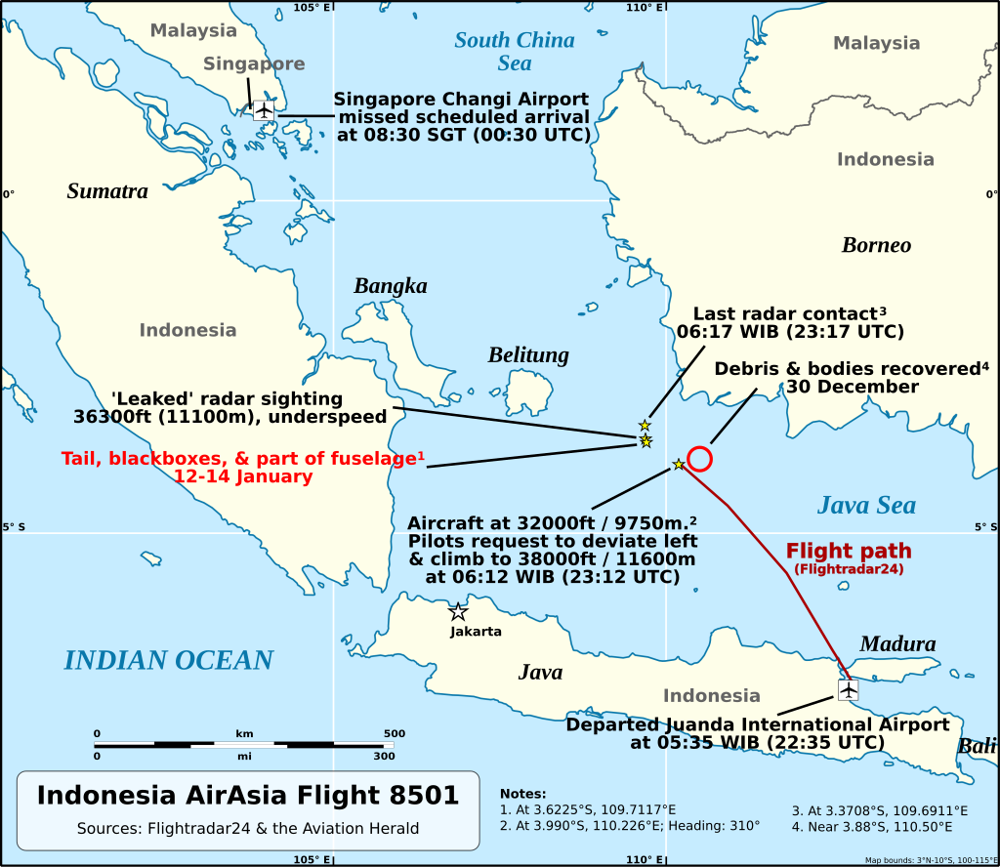
Indonesia AirAsia Flight 8501 was en route from Surabaya to Singapore when it met with a severe incident. This flight, operated by an Airbus A320-216 with the registration PK-AXC, was carrying 155 people, including passengers and crew members. At approximately 6:17 in the morning, while flying over the Java Sea, the aircraft lost contact with air traffic control. The plane was at an altitude of 32,000 feet and had requested to climb to 38,000 feet to avoid adverse weather conditions shortly before communication was lost.
Following the disappearance, a multinational search and rescue operation was launched, involving several countries, including Indonesia, Singapore, Malaysia, and Australia. The operation faced challenging weather conditions, but debris and bodies were eventually discovered in the Karimata Strait region. Official reports later clarified that all 155 occupants on board had perished, resulting in a significant loss of life.
The investigation led by Indonesia's National Transportation Safety Committee revealed that issues related to the aircraft's flight control system, combined with human error, contributed to the incident. A cracked solder joint in the Rudder Travel Limiter unit repeatedly generated warning indications, and the subsequent improper handling of malfunction conditions by the flight crew exacerbated the situation, leading to an aerodynamic stall from which recovery was not executed.
The incident highlighted critical aspects of aviation safety, emphasizing the importance of handling system faults correctly, maintaining rigorous training protocols, and addressing mechanical issues preemptively. It also underscored the necessity for technological and procedural improvements in the aviation industry to prevent such tragedies in the future.
This devastating event had far-reaching implications for the families of the victims and prompted a thorough review of airline operational procedures by authorities and airlines worldwide. Memorial services and tributes were held, honoring those who lost their lives.
#IndonesiaAirAsia8501 #AviationSafety #MoofLife #SearchAndRescue #AviationAccident #Flight8501
View detailsThe Indonesian Election Commission announced Joko Widodo as the winner of the Indonesian presidential election. This decision marked a pivotal point in Indonesia's political landscape. Joko Widodo, commonly referred to as Jokowi, secured around 53% of the vote, defeating his opponent Prabowo Subianto, who received approximately 47%.
Jokowi's victory was significant due to his background. Unlike many Indonesian politicians, he did not come from the military or political elite. Instead, he rose to prominence through his tenure as the Mayor of Surakarta and later as the Governor of Jakarta, where he was recognized for his hands-on approach and focus on public welfare and infrastructure development.
The election saw high voter engagement, with approximately 133 million out of 190 million eligible voters casting their ballots, reflecting a voter turnout rate of about 70%. The campaign period was marked by intense competition and culminated in heightened political tension, with both candidates initially claiming victory.
Prabowo Subianto subsequently contested the results, citing allegations of electoral fraud. However, independent observers and international organizations largely deemed the election to be free and fair, reinforcing the legitimacy of the Commission's announcement.
Jokowi's ascendancy to the presidency symbolized a shift towards more populist and locally-oriented politics in Indonesia. It highlighted the electorate's desire for reform and progress, focusing on pragmatic governance rather than traditional power structures. His presidency brought attention to issues such as anti-corruption measures, infrastructure development, and social welfare programs.
The announcement had immediate impacts on financial markets as well. The Indonesia Stock Exchange index surged, reflecting investor confidence in the stability and growth prospects under Jokowi's leadership.
In summary, the Indonesian Election Commission's declaration of Joko Widodo's victory in the presidential election represented a landmark in Indonesia's democratic journey, emphasizing the demand for reformative governance and economic stability.
#MoofLife #IndonesiaElection #JokowiWins #Democracy #PoliticalChange
View details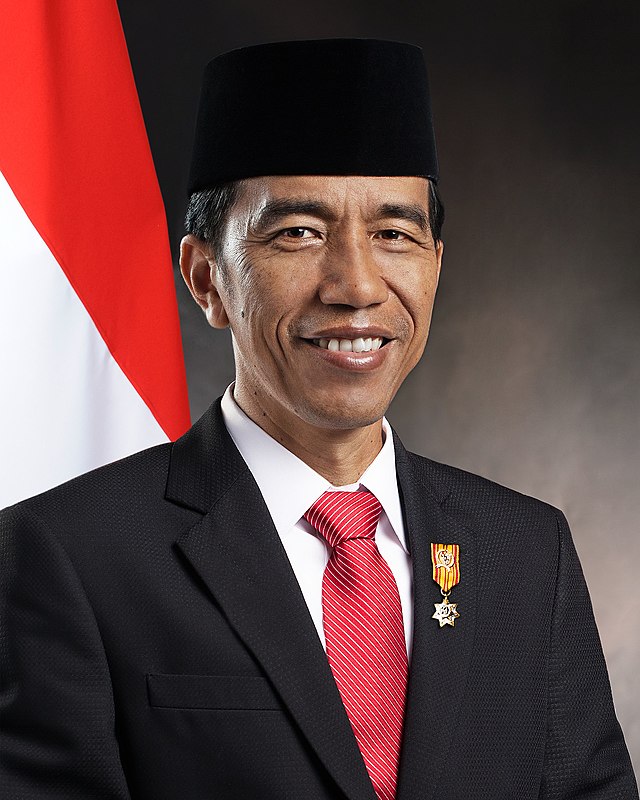
2013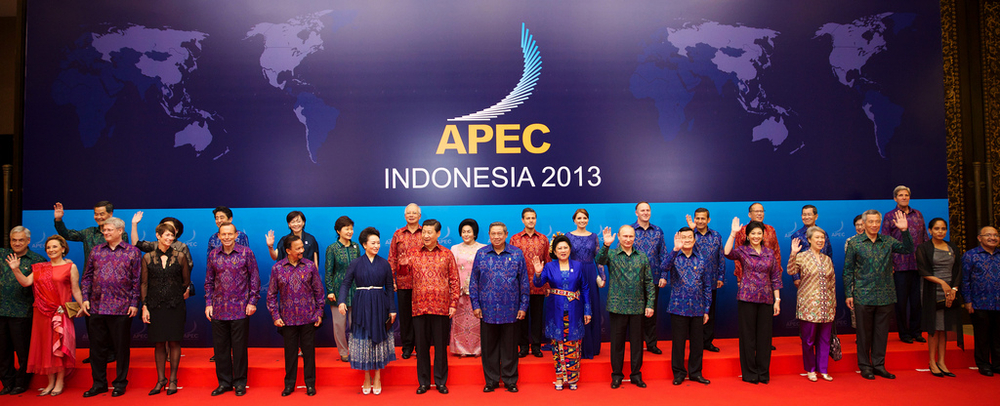
Indonesia hosted the APEC Summit in Nusa Dua, Bali, bringing together leaders from 21 member economies. This event aimed to discuss and enhance economic cooperation across the Asia-Pacific region. The summit was pivotal for Indonesia as it highlighted its growing role in regional and global economic affairs.
The Asia-Pacific Economic Cooperation (APEC), established to leverage the growing interdependence of the region, serves as a platform for fostering economic growth and prosperity. At the summit, key topics included trade liberalization, economic integration, and sustainable development. Indonesia's strategic location and dynamic economy made it an exemplar of the potential within the region, aligning well with APEC's objectives.
The summit's agenda covered important areas such as tariff reduction, investment facilitation, and innovative growth. It underscored the necessity for collective action to face global economic challenges and to create more inclusive economic policies. One notable outcome was the endorsement of the Multiyear Action Plan on Infrastructure Development and Investment, aiming to address infrastructure gaps in APEC economies.
Hosting the summit in Nusa Dua, a premier conference location in Bali, emphasized Indonesia’s capabilities to manage large-scale international events. The forum also provided an opportunity for Indonesia to showcase its rich culture and tourism potential to global leaders. Economic discussions were complemented by sideline meetings where leaders tackled pressing issues, forging bilateral and multilateral agreements critical for future economic strategies.
In terms of impact, the summit reinforced Indonesia's position as a key player in the Asia-Pacific. It emphasized collaborative growth, presenting Indonesia as both a facilitator and beneficiary of regional economic integration. The event also allowed Indonesia to address its national interests and put forth proposals that resonate with its developmental aspirations.
The venue selection was significant, reflecting the country’s hospitality and the importance it places on fostering international relations. The summit concluded with commitments to further economic cooperation, promising greater collaboration and mutual benefits amongst the APEC members.
#APEC #EconomicCooperation #Indonesia #NusaDua #InfrastructureDevelopment #TradeLiberalization #SustainableGrowth #GlobalEconomy #MoofLife
View details2010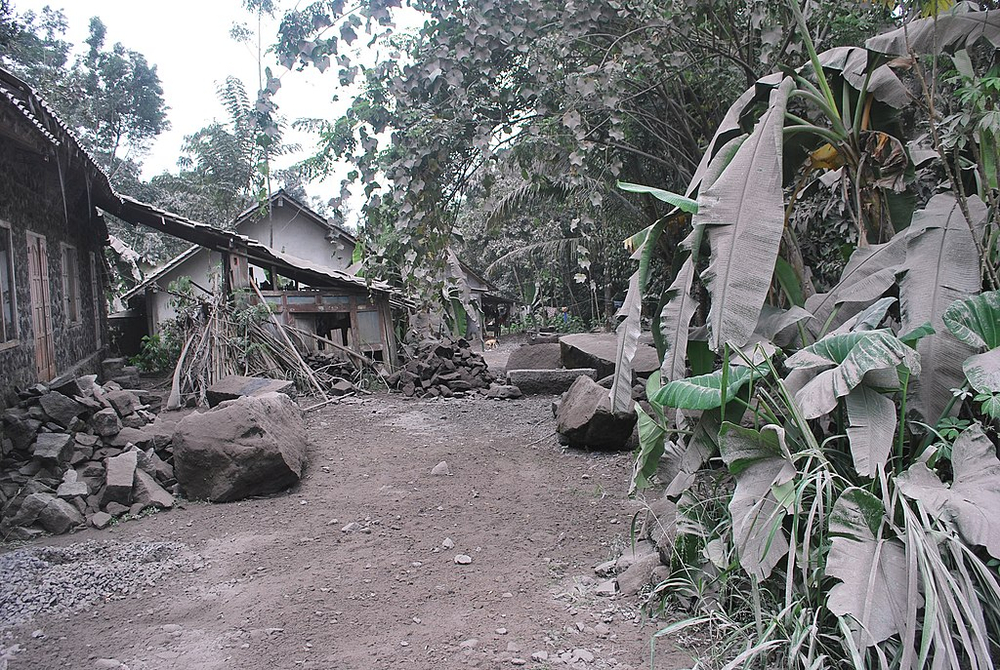
Mount Merapi, one of Indonesia's most active volcanoes, erupted, leading to significant disruptions and human impact. The eruption caused a series of powerful pyroclastic flows, which sent hot ash, gas, and volcanic rock descending down the slopes at high speeds. Authorities immediately initiated evacuation protocols for the surrounding areas, primarily targeting the densely populated regions within a 10-kilometer radius of the volcano.
Emergency services reported extensive damage across several villages. Approximately 15,000 residents were evacuated to temporary shelters set up in safer zones. Despite efforts, the eruption resulted in 85 confirmed casualties, primarily caused by the fast-moving pyroclastic flows and collapsing structures. The Indonesian National Board for Disaster Management (BNPB) coordinated the response, deploying personnel to aid in rescue and relief operations. Medical teams were on-site to treat injuries and provide necessary healthcare services to the affected population.
The eruption disrupted daily life and essential services in the region. Ash clouds from the eruption forced the temporary closure of nearby airports, affecting air travel and causing delays and cancellations of numerous flights. Agriculture in the vicinity also suffered, with layers of ash covering crops, leading to potential economic losses for local farmers.
Experts from the Geological Agency of Indonesia monitored Mount Merapi closely in the buildup to the eruption. Increased seismic activity and gas emissions from the volcano were observed, prompting the government to issue warnings and elevate the alert level. Despite early warnings, the rapid escalation of volcanic activity made it challenging to prevent all casualties.
Historically, Mount Merapi has been known for its frequent eruptions, with major events recorded in the past causing similar disruptions. The volcano's activity is part of the broader Pacific Ring of Fire, a region characterized by frequent seismic activity and volcanic eruptions. The Indonesian archipelago experiences these natural events due to its location along tectonic plate boundaries, making disaster preparedness a critical focus for authorities and communities.
The response to the eruption underscored the importance of early warning systems, community awareness, and efficient evacuation plans in minimizing the human toll of such natural disasters. Efforts to rebuild and support the affected communities continue in the aftermath of the eruption.
#MountMerapi #VolcanoEruption #Indonesia #DisasterRelief #EmergencyResponse #CommunityResilience #BNPB #MoofLife
View details2008
In a secluded prison island in Indonesia, the execution of three convicts—Amrozi, Mukhlas, and Imam Samudra—took place. These men were key figures behind the devastating attacks in Bali which led to the death of 202 individuals and injuries to 209 others. The attacks had targeted popular tourist areas, sending shockwaves through communities both locally and globally.
The three convicts were part of Jemaah Islamiyah, an extremist group with ties to Al-Qaeda. Their orchestrated bombings involved sophisticated planning and execution, highlighting vulnerabilities in public security. Following the attacks, a rigorous investigation led to their arrest and subsequent trials, which were closely followed by the international media.
The legal process was extensive. Evidence against them included testimonies, forensic reports, and their own confessions. Throughout the trials, the three showed little remorse, often citing ideological motivations. Their conviction helped affirm Indonesia’s legal stance against terrorism and bolstered global efforts in the fight against extremist activities.
The execution, carried out by firing squad, marked a pivotal moment in Indonesia's ongoing battle against terrorism. It underscored the country’s commitment to justice and the rule of law. However, it also invited mixed reactions, with some human rights groups opposing the death penalty, while others saw it as a necessary deterrent.
Statistically, the Bali bombings were one of the deadliest attacks in Southeast Asia. The incident significantly impacted Indonesia's tourism industry and led to increased international cooperation in counter-terrorism efforts. The attack also had profound effects on the global perception of terrorism in Southeast Asia, prompting many countries to reassess their security measures.
The executions symbolized the end of a painful chapter for the victims and their families. While the memory of the tragic event remains, the response to it serves as a testament to the pursuit of justice and the resilience of societies affected by terrorism.
#MoofLife #CounterTerrorism #Justice #BaliBombings #Indonesia #GlobalSecurity #HumanRights
View details2004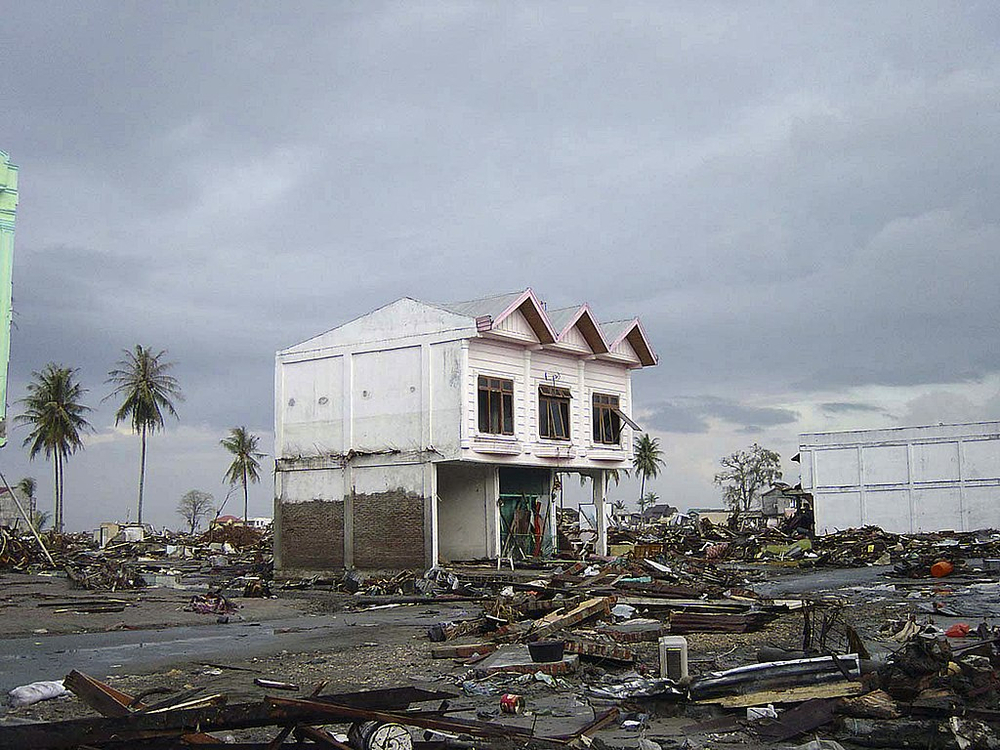
In the early hours of the morning, a massive earthquake struck the region of Aceh, Indonesia, with a magnitude of 9.1 to 9.3. The seismic waves were felt across the Indian Ocean, triggering a series of devastating tsunamis. The first wave hit the coastal areas of Aceh within minutes, followed by successive waves that reached as far as the coastlines of Thailand, Sri Lanka, India, and even parts of Africa.
The initial impact in Aceh was catastrophic. Buildings crumbled, bridges collapsed, and infrastructure was heavily damaged. Entire communities were submerged under the force of the waves. The local population was caught unprepared. The tsunamis claimed the lives of over 167,000 individuals in Aceh alone, with total casualties across affected regions exceeding 230,000. The natural disaster displaced over half a million people in Aceh, leaving many without homes or basic necessities.
The immediate aftermath saw a massive international response. Humanitarian aid poured in from around the globe. Relief efforts were coordinated to provide clean water, food, medical supplies, and temporary shelter. Various non-governmental organizations and the Indonesian government worked tirelessly to mitigate the impact and begin the reconstruction process.
Long-term recovery efforts included rebuilding infrastructure, establishing early warning systems, and supporting the livelihoods of survivors. International funds and resources played a crucial role in these efforts. Today, the region has made significant strides in recovery, although the scars of the disaster remain evident.
The event stands as one of the deadliest natural disasters in recorded history, highlighting the need for improved early warning systems and disaster preparedness in vulnerable regions.
#MoofLife #NaturalDisasters #HumanitarianAid #DisasterRecovery #Aceh #Tsunami #Earthquake #Indonesia
View detailsIndonesia conducted its first direct presidential election, transitioning from a process previously dominated by the legislature to direct votes cast by the citizens. This marked a critical shift towards democratization in the world's fourth most populous country and largest Muslim-majority nation. Susilo Bambang Yudhoyono, a retired general and former security minister, emerged victorious. He secured approximately 60.62% of the total votes, defeating incumbent President Megawati Sukarnoputri, who received around 39.38%.
This electoral process was overseen by the General Elections Commission (Komisi Pemilihan Umum, or KPU) and engaged more than 150 million registered voters across the archipelago, stretching from Aceh in the west to Papua in the east. The turnout was substantial, illustrating the high level of public engagement and trust in the evolving democratic framework.
Yudhoyono's victory was not just a political success but also a testament to his strategy of appealing to a broad spectrum of the electorate. His campaign focused on economic reforms, anti-corruption measures, and efforts to strengthen national security, resonating with voters eager for change.
The peaceful conduct of the election and the subsequent smooth transition of power were significant for Indonesia. They symbolized the maturing of its democracy, following years marked by authoritarian rule under Suharto and political instability post his resignation. The transition set Indonesia on a newly democratic path with increased public participation and accountability.
Economically, Yudhoyono inherited a country recovering from the Asian financial crisis of the late 1990s. His administration was tasked with addressing economic disparities, high unemployment rates, and underdeveloped infrastructure. His tenure also faced the challenge of managing the diverse cultural, religious, and ethnic landscape of Indonesia.
Internationally, the successful election was viewed positively, enhancing Indonesia's reputation as a stable democracy in a region often riddled with political turmoil. It encouraged foreign investments and positioned Indonesia as a pivotal player within ASEAN (Association of Southeast Asian Nations).
Conclusively, the event reflects a pivotal chapter in Indonesia's democratic evolution, demonstrating the nation's commitment to democratic principles and governance.
#IndonesiaElections #Democracy #YudhoyonoVictory #ElectionHistory #MoofLife
View details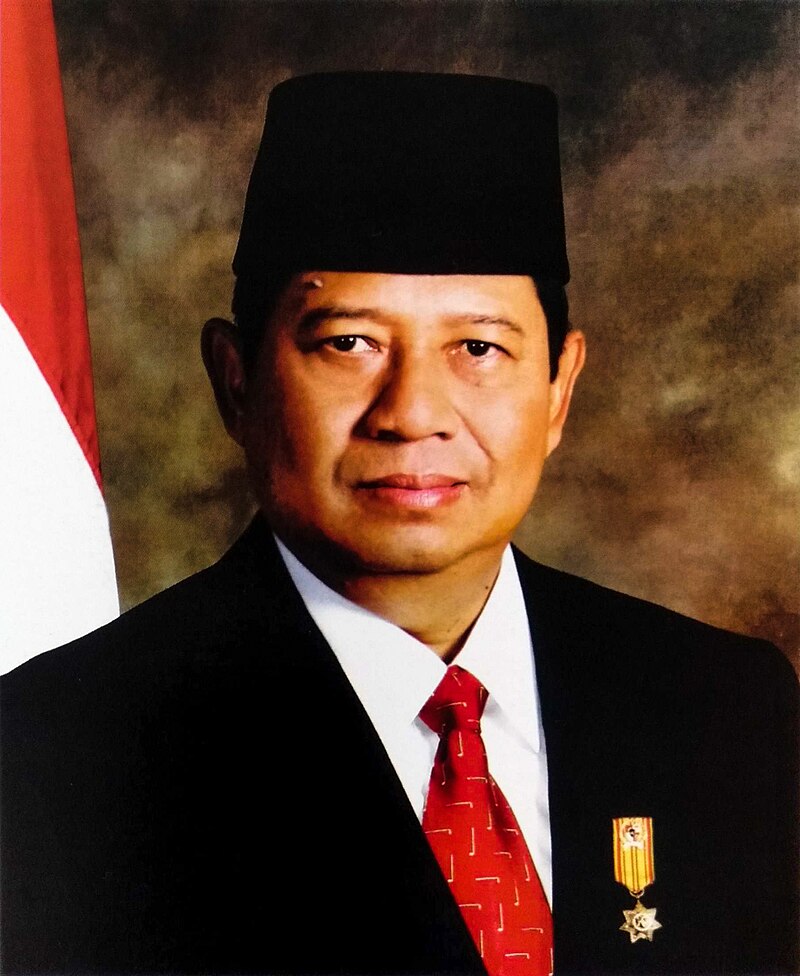
2002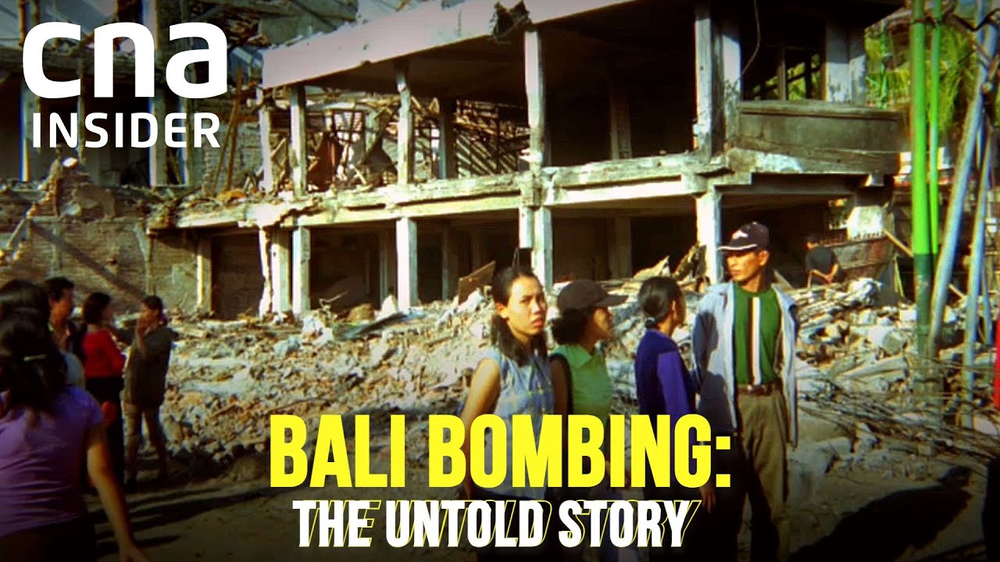
In the month of October, a coordinated terrorist attack devastated the Indonesian resort island of Bali. This tragic event involved the explosion of two bombs: one inside Paddy's Pub and a more powerful car bomb near the Sari Club in the Kuta district, both popular venues frequented by tourists. A third, smaller device detonated harmlessly outside the U.S. consulate in Denpasar.
The explosions resulted in the deaths of 202 individuals, including nationals from over 20 countries. Among the casualties were 88 Australians, 38 Indonesians, and 28 Britons, illustrating the wide-reaching impact of the tragedy. Additionally, over 200 people were injured, many suffering life-altering injuries due to severe burns and other blast-related traumas.
The bombings were attributed to Jemaah Islamiyah, an extremist Islamist group with ties to al-Qaeda. Subsequent investigations revealed that the attack was meticulously planned, utilizing highly explosive materials and timed to maximize casualties. At least three suspects were apprehended, tried, and later executed for their roles in the bombings.
The attack had far-reaching implications. Tourism, a significant revenue source for Indonesia, took a severe hit as travelers canceled trips, leading to substantial economic losses and a long-term decline in the island's lucrative hospitality industry. The incident also prompted a global response to terrorism, leading to increased security measures and collaboration among international intelligence agencies.
Memorial sites were eventually established to honor the victims, including one in Bali and another in Canberra, Australia. These sites serve as poignant reminders of the lives lost and the resilience of those affected.
Relevant hashtags include #BaliBombings #Terrorism #InternationalResponse #JemaahIslamiyah #TourismImpact #MoofLife.
View detailsThe Maluku sectarian conflict, rooted in the religious and ethnic tensions between Muslim and Christian communities in the Maluku islands of Indonesia, came to an official end during February, following a protracted period of violence. The conflict, which began with clashes in Ambon, quickly escalated, resulting in widespread atrocities. Over the span of six years, both sides suffered severely, with thousands of casualties and extensive property damage.
The declaration of cessation was witnessed by key stakeholders, including community leaders, government officials, and representatives from both religious groups. The Malino II Accord, a pivotal negotiation facilitated by the Indonesian government, played a vital role in this process. This agreement aimed to address the root causes of the conflict and establish mechanisms for reconciliation and reconstruction.
Throughout the conflict period, more than 5,000 people lost their lives, and around 500,000 were displaced, seeking refuge in other parts of Indonesia or in makeshift camps within the region. Homes, schools, and places of worship were destroyed, further deepening the divisions between the two communities. International humanitarian organizations launched multiple aid initiatives to support the affected population and rebuild community infrastructure.
The economic impact of the conflict was substantial. The Maluku economy, heavily reliant on fishing, agriculture, and tourism, suffered significant disruptions. Many businesses shut down, and the local workforce faced unemployment and instability. Additionally, the education and healthcare systems were severely compromised, leaving long-lasting effects on the local population's well-being and development.
Efforts towards reconciliation saw the creation of joint community projects, interfaith dialogues, and peacebuilding workshops, which aimed to rebuild trust and collaborative community spirit. Local civil society groups, together with international agencies, supported initiatives to rehabilitate the displaced and restore communal harmony.
The official end to the Maluku sectarian conflict marked a crucial turning point in restoring peace and stability in the region. However, the task of rebuilding and healing the deep-rooted scars continues. Ongoing efforts focus on ensuring security, promoting interfaith cooperation, and economic recovery, essential for the lasting peace and prosperity of the Maluku islands.
#IndonesianConflict #MalinoAccord #Peacebuilding #InterfaithDialogue #CommunityReconciliation #MoofLife
View details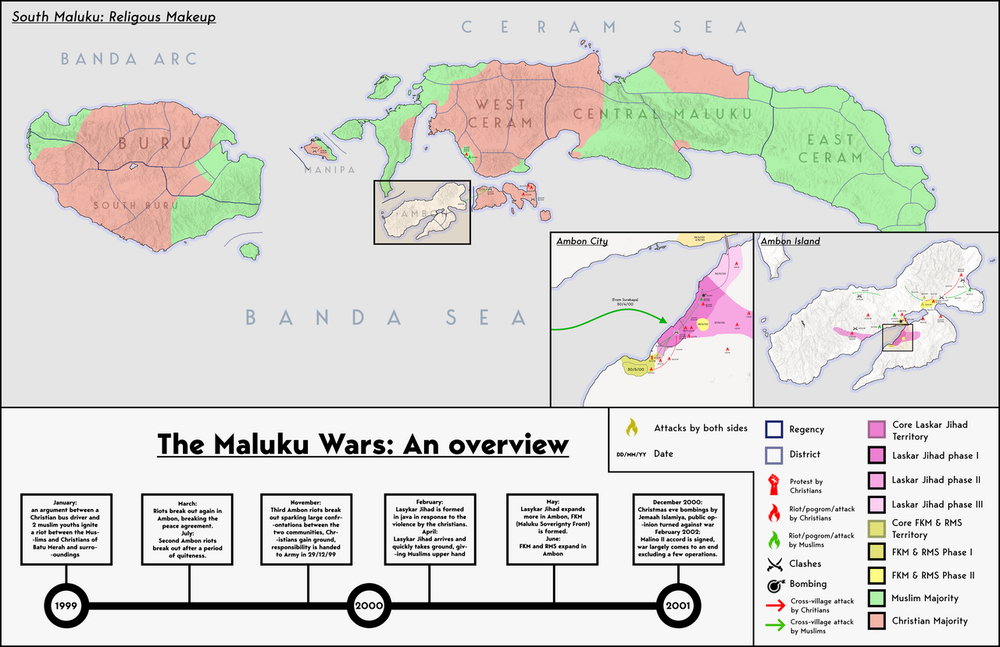
1997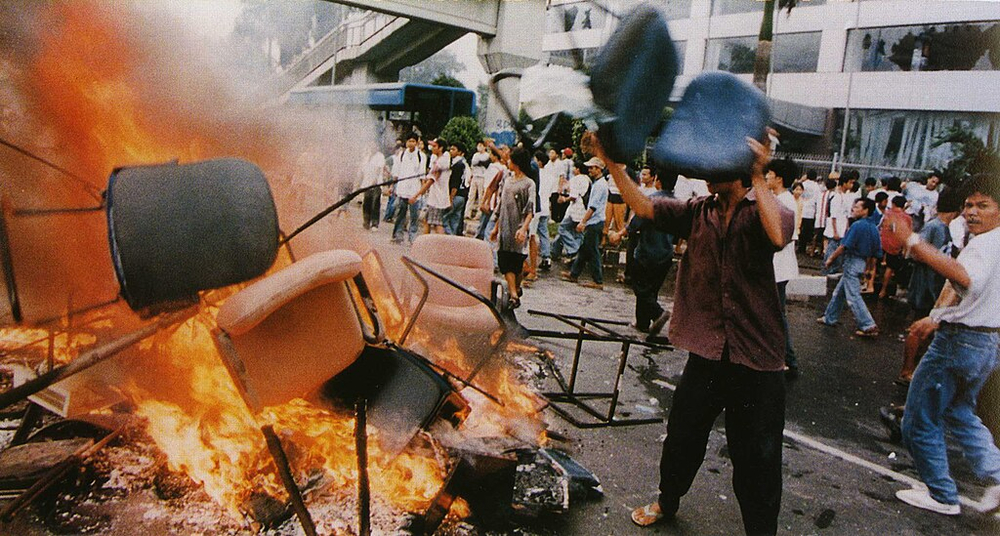
The Asian Financial Crisis triggered a chain reaction that had a profound impact on Indonesia's economy. Initially, the crisis began in Thailand with the collapse of its currency, the baht, which led to a loss of investor confidence across Asia. As foreign investors pulled out, the Indonesian rupiah came under severe pressure. Unable to stabilize the exchange rate, Indonesia saw its currency depreciation spiral out of control.
Economic instability was immediate and severe. Indonesia's GDP contracted sharply, shrinking the economy. The banking sector, heavily burdened by non-performing loans, faced insolvency, leading to the collapse of numerous financial institutions. The stock market plummeted, wiping out significant amounts of wealth. Overnight, prices for essential goods, including food and fuel, surged, resulting in widespread economic hardship for the population.
Social unrest followed as the economic strain disrupted daily life. The population expressed anger and frustration through protests and riots, further destabilizing the situation. Politically, the crisis undermined the government, culminating in the resignation of long-term President Suharto. The subsequent transition of power was marked by instability and uncertainty.
Efforts to stabilize the economy involved substantial intervention from the International Monetary Fund (IMF). An economic bailout package was extended, including loans and stringent economic reforms. These measures were aimed at restoring investor confidence, stabilizing the currency, and restructuring the banking sector.
The repercussions of the crisis had long-term implications for Indonesia. Poverty rates increased and many businesses went bankrupt. However, the period also triggered crucial economic reforms and a greater emphasis on regulatory oversight and governance in the financial sector. The crisis underscored the interconnectedness of global markets and highlighted vulnerabilities within emerging economies.
#AsianFinancialCrisis #IndonesiaEconomy #GlobalMarkets #EconomicReform #MoofLife
View details1975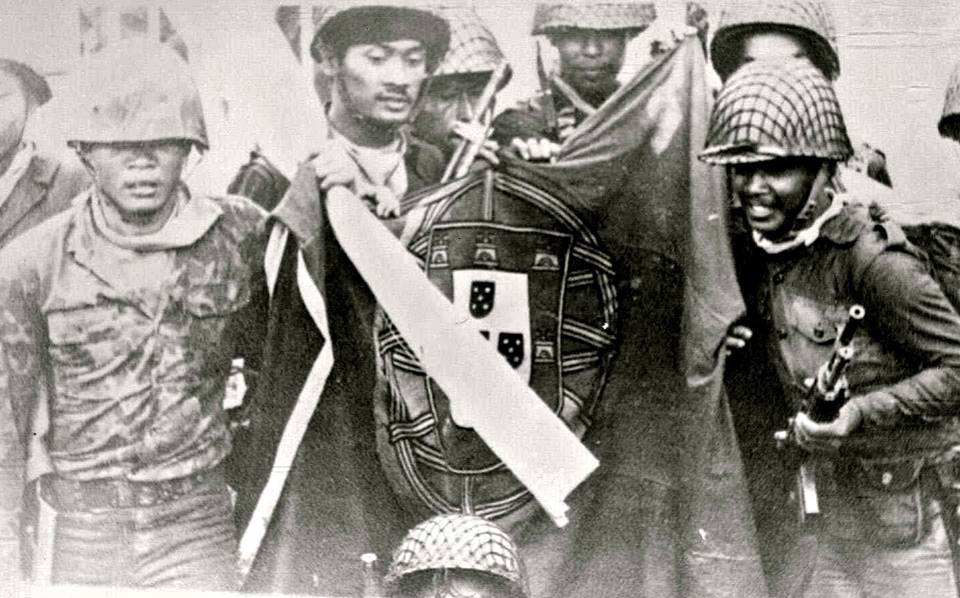
The Indonesian invasion of East Timor followed a period of political instability in the region. Following the withdrawal of Portuguese colonial administration from East Timor, internal political factions struggled for control. Fretilin, a left-leaning party, declared independence, leading to escalating tensions with the Indonesian government, which was concerned about a communist influence in neighboring territories.
The invasion was meticulously planned by Indonesian military forces who mobilized thousands of troops, supported by naval and aerial resources. Airstrikes targeted key locations, followed by the landing of ground forces. Reports indicated that the initial assault caused significant casualties among the East Timorese population, with estimates of civilian deaths ranging from hundreds to thousands within the first few days of the conflict.
The international reaction was mixed. While some countries condemned the invasion, others, influenced by Cold War politics, tacitly supported Indonesia. The United Nations passed resolutions calling for the withdrawal of Indonesian forces and self-determination for East Timor, but these were largely ignored. Indonesia subsequently integrated East Timor as its 27th province.
The aftermath of the invasion saw a prolonged period of military occupation. Human rights organizations reported widespread abuses, including extrajudicial killings, forced disappearances, and famine. Estimates suggest that up to 200,000 East Timorese, approximately a third of the population, perished due to violence and starvation during the occupation period.
The invasion had historical and regional implications. It influenced Indonesia's internal and foreign policies and affected international discourse on self-determination and human rights. East Timor's struggle continued for decades until a UN-sponsored referendum eventually led to its independence.
#MoofLife #TimorConflict #MilitaryInvasion #HumanRights #ColdWarPolitics
View details1965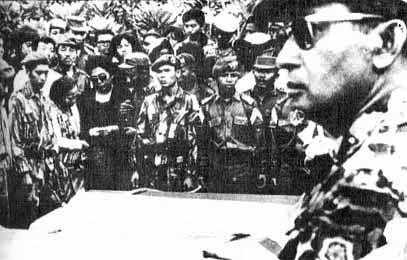
In Indonesia, a coup d'etat occurred when a faction within the army led by the 30th September Movement seized control and assassinated six senior army generals. This event marked a significant turning point in Indonesian history and set the stage for a violent and sweeping political transformation. The coup's instigators claimed to preempt a reactionary coup by a 'Council of Generals', although this claim has been widely disputed.
Following the coup attempt, General Suharto quickly mobilized forces, asserting control over Jakarta and launching a campaign to suppress the 30th September Movement. This incident led to a broader anti-communist purge across the nation. Over the subsequent months, a large-scale extermination of suspected Communists ensued. Estimates suggest that between 500,000 and 1,000,000 people were killed, while thousands more were imprisoned. The Indonesian Communist Party (PKI), previously one of the largest communist parties outside of the Soviet Union and China, was decimated.
The political landscape shifted dramatically. General Suharto emerged as the dominant figure, and by the following years, he had effectively dismantled the existing regime led by President Sukarno. Sukarno, who had led Indonesia to independence and had been a prominent proponent of the policy of 'Guided Democracy', saw his influence wane rapidly.
Suharto established a new order that would remain in power for over three decades, marked by centralization of power and suppression of political dissent. His regime also oriented Indonesia's foreign policy towards the West, establishing closer ties with the United States and other Western nations, which had previously viewed Indonesia with suspicion due to its alignment with communist countries during Sukarno's leadership.
The impacts of this coup d'etat were profound and widespread, leading to a reconfiguration of Indonesian society and governance. The violence unleashed during the purge left deep scars, and the long-term effects of these events continue to resonate within Indonesia's collective memory and socio-political landscape.
#MoofLife #Indonesia #Coup #PoliticalChange #History #IndonesianCoup #AntiCommunism #Suharto #Sukarno #CommunistPurge
View details1961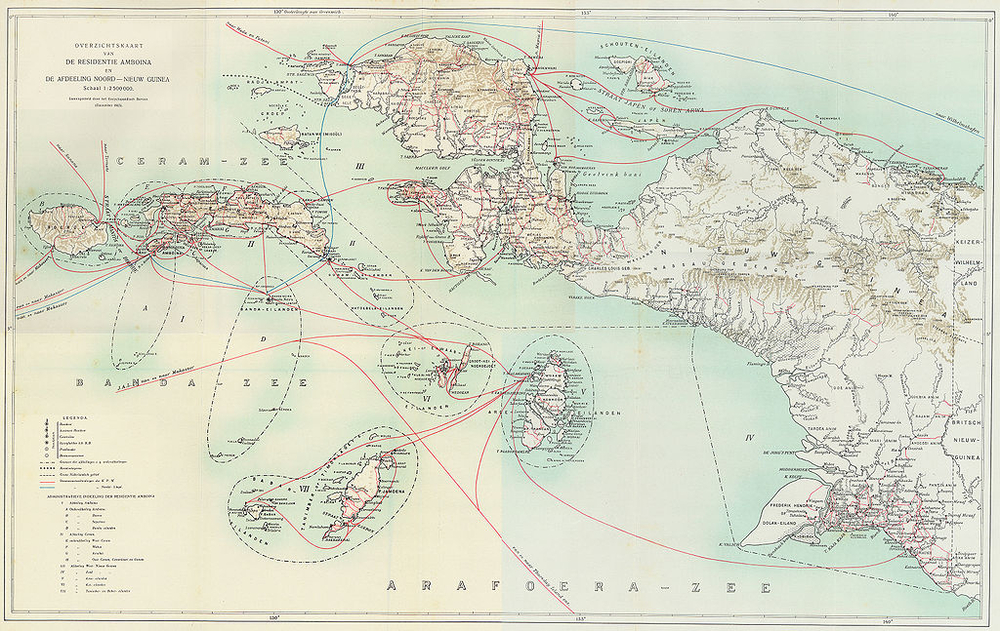
Operation Trikora was a military campaign initiated by Indonesia to reclaim Dutch New Guinea, an effort aimed at asserting control over the territory then known as West Papua. This operation was a move in the broader struggle against colonialism in the region. Before the operation, Dutch New Guinea was under Dutch rule, despite Indonesia's claim over the territory following its own independence from the Netherlands.
The operation was announced by Indonesia's President, marking a determined step by Indonesia to integrate Dutch New Guinea into its national territory. The objective was to end Dutch colonial presence through political and military means. Indonesia commenced both diplomatic efforts and various military maneuvers, which included mobilizing land, sea, and air forces.
Indonesia's strategy involved a combination of covert and overt actions designed to destabilize Dutch control. The operation highlighted Indonesia's intent to utilize military intervention if necessary, showcasing a blend of military readiness and political determination. It also involved garnering international support and leveraging the geopolitical climate of the time.
The military component of Operation Trikora included intelligence operations, the preparation of amphibious assaults, and the mobilization of paratroopers. Tensions heightened as both parties positioned themselves, anticipating potential confrontations. While Indonesia showcased significant anti-colonial sentiment and unity in reclaiming what it considered part of its rightful territory, the Dutch fortified their positions to maintain control.
This period marked an escalation in Indonesia's active foreign policy and military assertiveness. The impact of Operation Trikora was multifaceted, influencing both the regional political landscape and the local populations within Dutch New Guinea. During the campaign, significant resources were allocated for military activities which strained the nation's economy but solidified its nationalistic agenda.
In summary, Operation Trikora represented a pivotal moment in Indonesia's history, illustrating its proactive stance against colonialism and its complex journey toward national unity and territorial integrity. This operation was a testament to Indonesia's broader aspirations and geopolitical maneuvering in the post-colonial era.
#OperationTrikora #PostColonialIndonesianHistory #DutchNewGuinea #WestPapua #MoofLife
View details1955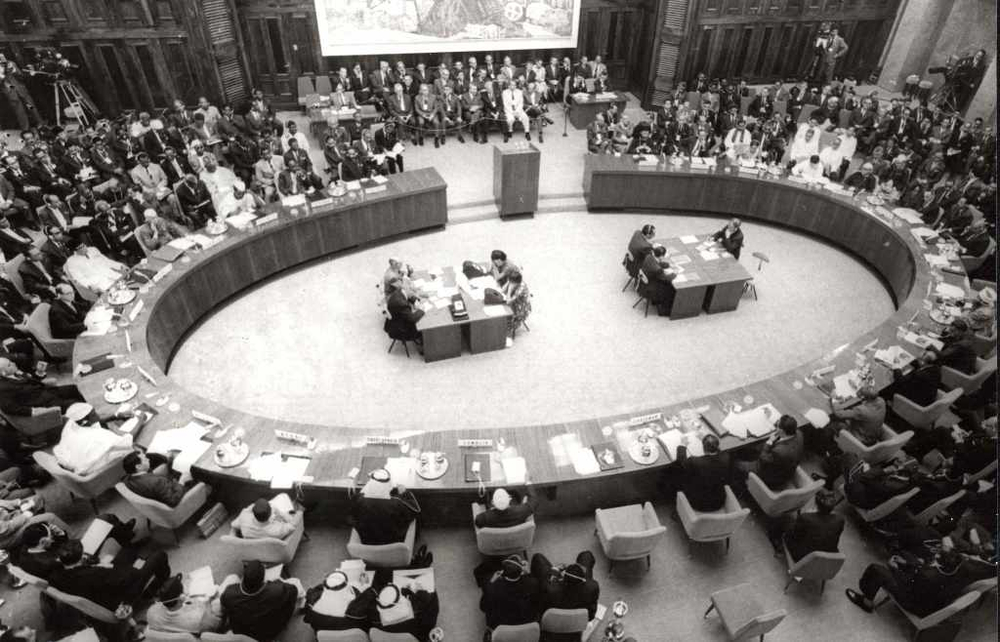
The establishment of the Non-Aligned Movement (NAM) during the Asian-African Conference in Bandung marked a crucial moment in global geopolitics. Convened in Indonesia, the conference gathered leaders from 29 nations, primarily from Asia and Africa, representing over half of the world's population. The participating countries, many of which had recently gained independence from colonial rule, aimed to assert their position in the Cold War context dominated by the United States and the Soviet Union.
The Bandung Conference provided a platform for these nations to discuss mutual interests and challenges free from the influence of the major global powers. The primary goals of the participating leaders included fostering economic and cultural cooperation, opposing colonialism and neocolonialism, and promoting peace and neutralism. The principles that emerged from the conference, such as respect for sovereignty, non-intervention, and equality, laid the foundation for what would later become the Non-Aligned Movement.
One of the initial impacts of this conference was the formal announcement of the \
View details1949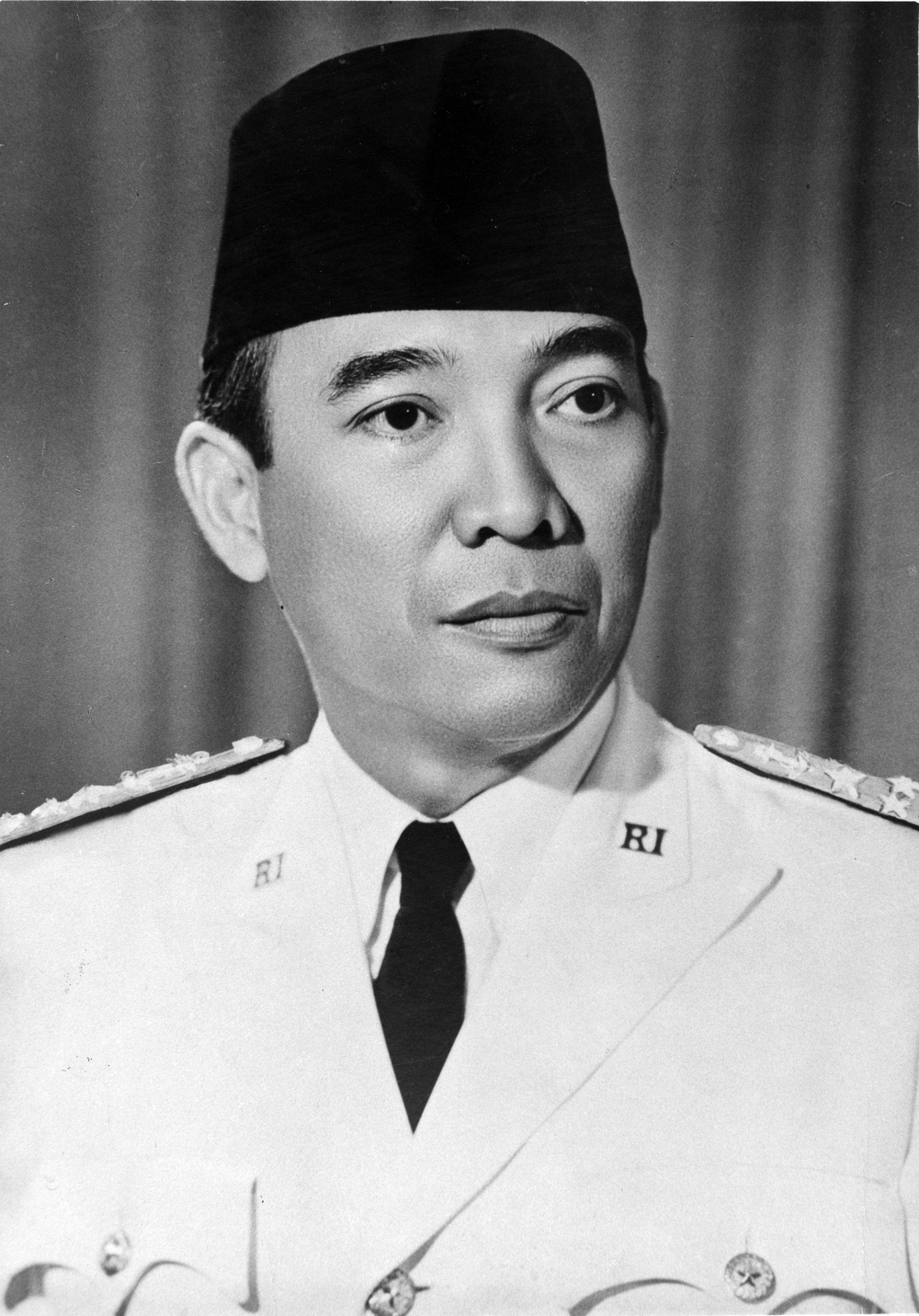
Indonesia was emerging from a prolonged struggle for independence following centuries of Dutch colonial rule. After years of diplomatic negotiations and armed conflict, the Dutch formally recognized Indonesian sovereignty. Amidst this transitional phase, the responsibility of leading a new nation fell on the shoulders of Sukarno. Known for his role as a key figure in the nationalist movement, Sukarno was elected as the first President of Indonesia, a pivotal step in solidifying the country’s newfound autonomy.
Sukarno's ascent to the presidency was emblematic of Indonesia's drive toward unity and self-governance. Prior to his election, he had been deeply involved in leading the nationalist cause, particularly through his role in the Indonesian National Party (PNI), which he co-founded. His leadership was instrumental in mobilizing diverse ethnic and social groups towards a common goal of independence.
The impact of Sukarno's election as president was profound. It marked the beginning of Indonesia's journey as a sovereign state, influencing political, social, and economic frameworks. Under his leadership, Indonesia took steps to consolidate national unity while addressing regional disparities. Sukarno championed the policy of “Guided Democracy” aiming to stabilize the young nation and foster development.
Additionally, Sukarno’s presidency saw efforts to assert Indonesia's identity on the global stage. He advocated for the Non-Aligned Movement, aligning Indonesia with other newly independent countries who sought to navigate Cold War dynamics without allying fully with either the Western or Soviet blocs.
Indonesia’s population at that time, estimated to be around 80 million, faced numerous challenges including poverty, illiteracy, and limited infrastructure. Sukarno’s administration thus prioritized educational reforms and infrastructure projects to catalyze development and improve living standards.
Economically, the transition was complex. Indonesia required substantial international aid and investment to rebuild and develop its economy. The agricultural sector, the backbone of the economy, received particular attention with initiatives aimed at increasing productivity and food security.
Sukarno's presidency thus laid the foundation for Indonesia's future, navigating through the intricacies of post-colonial governance, aiming for a cohesive national identity, and striving for socioeconomic progress.
#IndonesiaIndependence #Sukarno #EmergingNation #HistoricalLeadership #PoliticalTransition #MoofLife
View detailsThe Round Table Conference held in The Hague was a pivotal event focused on negotiating the transfer of sovereignty from the Netherlands to Indonesia. This conference came after years of Indonesian struggle for independence, overcoming Japanese occupation and subsequent Dutch attempts to reassert control post-World War II. The Indonesian National Revolution, marked by guerrilla warfare and political maneuvering, set the stage for this critical diplomatic engagement.
The conference brought together key stakeholders from the Dutch government, Indonesian republican leaders, and representatives from the United Nations to discuss and finalize the terms of Indonesia’s sovereignty. This was not merely a ceremonial event, but rather a complex negotiation addressing multiple dimensions such as political autonomy, economic arrangements, and territorial matters.
Among the conference's significant outcomes was the agreement to establish the Republic of the United States of Indonesia, transforming Indonesia into a federated state, albeit temporarily. Another major outcome was the arrangement for Dutch financial and economic interests in the region, reflecting the intertwined histories and economic dependencies that had evolved over colonial rule.
The impact of the conference was profound. It marked the end of over three centuries of colonial rule and the beginning of Indonesia's journey as an independent nation. Approximately 150,000 Dutch nationals resided in Indonesia at the time, highlighting the demographic interconnectivity that would influence post-independence relations. Furthermore, the transfer included provisions for continued Dutch military presence during the transition period, a strategic move to ensure stability amidst the newly gained independence.
The conference’s conclusion was a significant milestone, recognized by the United Nations, which played a mediatory role through its Commission for Indonesia. The transfer of sovereignty was subsequently formalized through the Dutch-Indonesian Union, emphasizing a future of cooperative yet independent relations between the two nations.
#IndonesianIndependence #Decolonization #EndOfEmpire #RTCHague #SovereigntyNegotiations #MoofLife
View details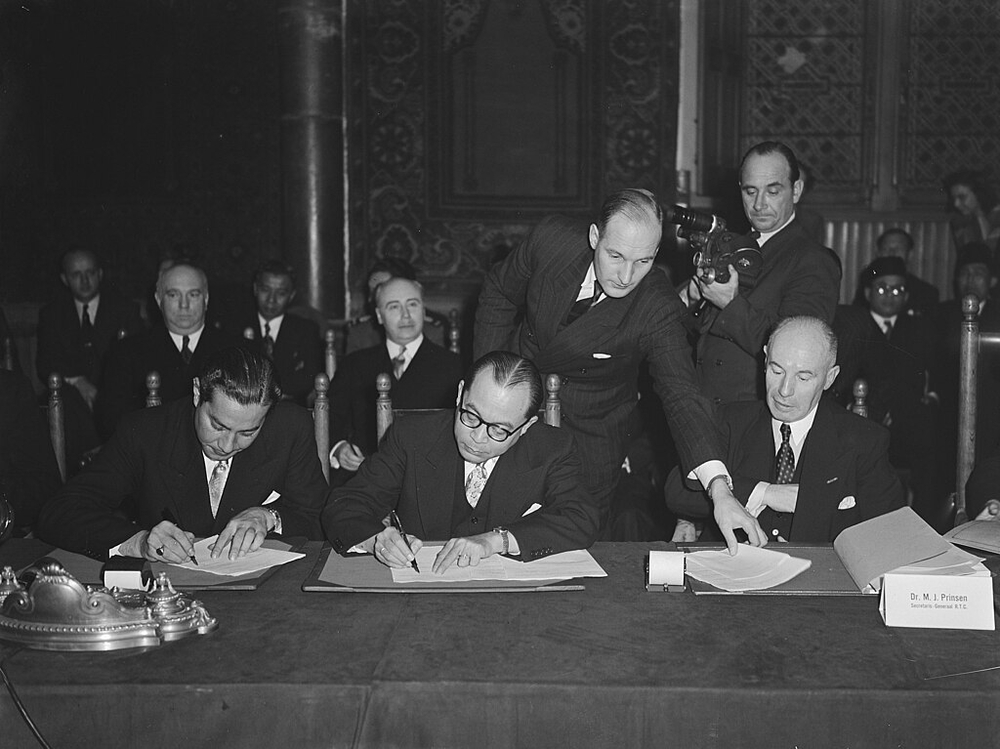
1946
The Linggadjati Agreement marked a pivotal moment in the relationship between Indonesia and the Netherlands, recognizing Indonesian sovereignty over Java, Sumatra, and Madura. Prior to this agreement, the Indonesian declaration of independence led to a conflict between Indonesian nationalists and the Dutch, who sought to re-establish colonial control post-World War II. The conflict resulted in scholarly debates and extensive diplomatic negotiations.
Indonesian leaders, including Sukarno and Mohammad Hatta, pushed for international recognition and support. Meanwhile, the Dutch aimed to maintain their colonial foothold by proposing a federal structure with Indonesia as a part of a larger Dutch-controlled state. Initial attempts at dialogue often stalled due to differing visions for Indonesia's future.
The Linggadjati Agreement came after mounting international pressure, particularly from the United Nations and countries sympathetic to the Indonesian independence cause. The agreement outlined the Netherlands acknowledging Indonesian sovereignty over Java, Sumatra, and Madura, while the rest of the former Dutch East Indies would be organized into a federal United States of Indonesia, including both states under Dutch and Indonesian control.
Though viewed as a compromise, the agreement was significant in recognizing the emerging state's independence movement and laid the groundwork for subsequent discussions. However, this recognition was not without challenges. Subsequent negotiations faced hardships, and this agreement itself saw varied interpretations and disputes between the parties involved.
The impact of the Linggadjati Agreement was far-reaching. For Indonesia, it was a crucial diplomatic victory, though struggles for total control and independence continued. For the Dutch, it marked a process culminating in the eventual full recognition of Indonesian independence a few years later. The tensions and outcomes of this agreement echoed in the broader post-colonial shifts occurring globally as nations sought self-determination from their colonial rulers.
#IndonesianSovereignty #LinggadjatiAgreement #IndonesianHistory #DutchColonialism #MoofLife
View details1945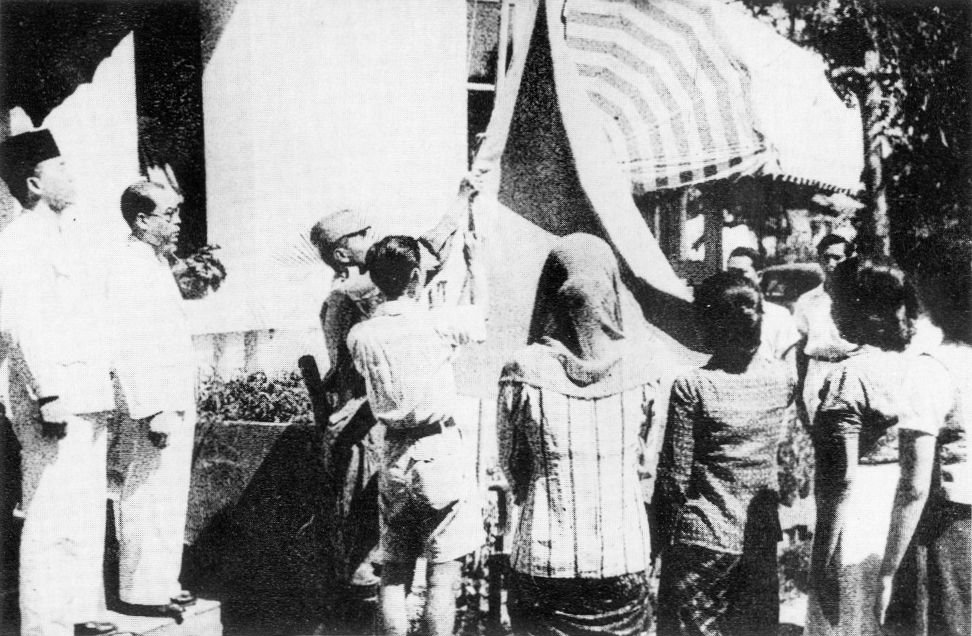
The Indonesian National Revolution against Dutch colonial rule began following the declaration of independence by Indonesian leaders Sukarno and Mohammad Hatta. This declaration marked the end of centuries-long Dutch colonialism and the beginning of a four-year struggle to establish sovereignty. The background of this declaration is rooted in the broader context of World War II, during which Japan occupied Indonesia. Japanese occupation destabilized the colonial structure, providing a window of opportunity for Indonesian nationalists.
The proclamation of independence catalyzed widespread support among the Indonesian population, fostering a collective desire to cease centuries of foreign domination. Key areas such as Jakarta, Yogyakarta, and Surabaya became centers of nationalist activities. The revolution was characterized by various conflicts and negotiations between the Indonesian nationalists and Dutch forces, the latter of which sought to reassert control over their former colony.
The Indonesian revolution was marked by significant battles, including the Battle of Surabaya, which resulted in substantial casualties and showcased the resolve of Indonesian fighters against more technologically advanced Dutch forces. The conflict saw the involvement of various youth groups and irregular militias, contributing to a guerilla style of warfare that posed significant challenges for the Dutch military.
International support, particularly from the United Nations, played a critical role in the revolution. The UN called for ceasefires and mediated negotiations, leading to several agreements such as the Linggadjati Agreement and the Renville Agreement, though these initial efforts were not always successful in halting hostilities.
The revolution ultimately resulted in the Dutch recognizing Indonesian independence through the Dutch-Indonesian Round Table Conference. The conference concluded with the transfer of sovereignty to the United States of Indonesia, formally ending the conflict and the colonial rule. The revolution altered the geopolitical landscape of Southeast Asia, contributing to a wave of decolonization across the region.
#IndonesianRevolution #EndOfColonialism #NationalIndependence #HistoricalStruggles #MoofLife
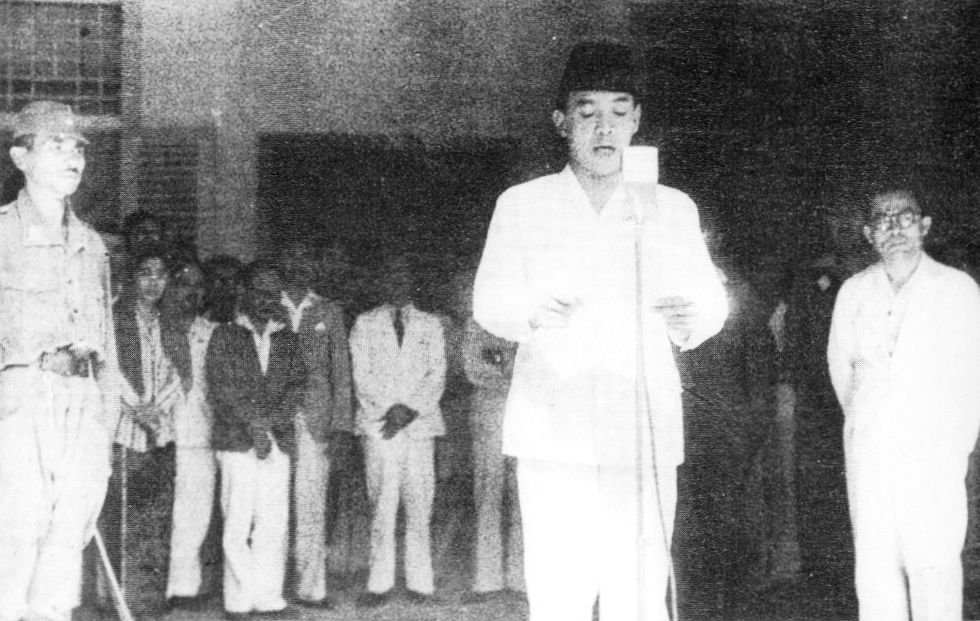
View detailsIn a modest residential building in Jakarta, a pivotal moment in Indonesian history unfolded seamlessly. Sukarno and Mohammad Hatta stood resolutely before a gathering of determined Indonesian nationalists and proclaimed the nation's independence from colonial rule. This declaration marked the culmination of decades of resistance and simmering discontent under Dutch colonialism, which had imposed severe economic, social, and political restrictions on the Indonesian archipelago.
The announcement came shortly after the surrender of Japanese forces, who had occupied Indonesia during World War II. This geopolitical shift provided a strategic opening for Indonesian leaders to assert autonomy. The text of the proclamation, succinct and straightforward, was crafted by Sukarno and Hatta amidst tight security to avoid interference from Japanese or Dutch forces.
This Declaration of Independence set off widespread celebrations across the archipelago. The proclamation's reading in front of a modest audience did not mitigate its profound impact. Reports indicated that radio broadcasts and the rapid dissemination of pamphlets ensured the message of independence reached the masses nearly instantaneously, setting the stage for a unified national awakening.
Despite the proclamation, challenges to securing acknowledged sovereignty quickly arose. The returning Dutch colonial forces sought to reestablish control, leading to a tumultuous period known as the Indonesian National Revolution. This conflict lasted several years, claiming thousands of lives and necessitating international diplomatic interventions. Ultimately, persistent efforts led to Dutch recognition of Indonesian sovereignty, marking an end to centuries of colonial domination.
The leaders, Sukarno and Hatta, transitioned from independence proponents to pivotal figures in the establishment of the new republic. Sukarno became Indonesia's first president, with Hatta serving as the vice president. Their enduring legacies are intertwined with the narrative of Indonesia's path to becoming a sovereign nation, influencing its national identity, governance structure, and international relations.
The cascade of events following the proclamation reshaped the political landscape of Southeast Asia and inspired numerous other decolonization movements around the world. The declaration remains a cornerstone of Indonesian history, symbolizing the resilience and unity of its people in the face of colonization and oppression.
#IndonesianIndependence #NationalPride #EndOfColonialRule #Sukarno #Hatta #MoofLife #IndonesianHistory
View details