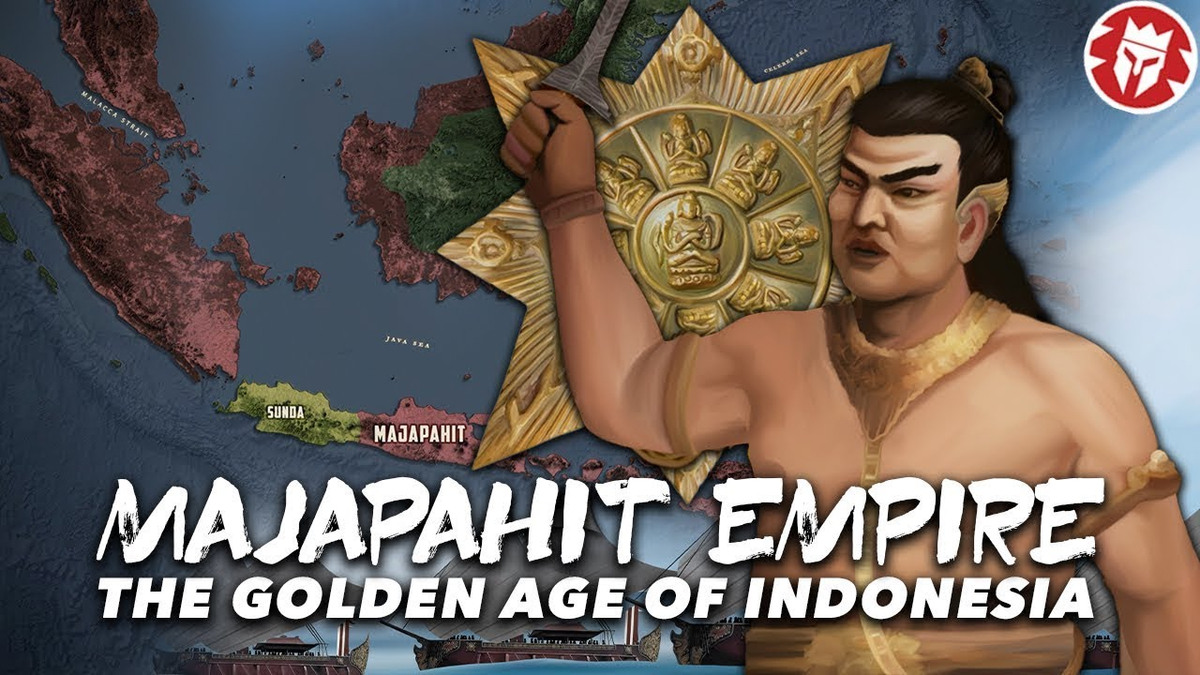
Rise of Majapahit Kingdom in the archipelago.
Indonesia

Political
Trade and Culture
5 min read
Updated By: History Editorial Network (HEN)
Published:
The rise of the Majapahit Kingdom as a dominant power in the Indonesian archipelago marked a transformative period in Southeast Asian history. Before its ascendancy, the region was characterized by fragmented and competing polities that vied for control over trade routes and territorial dominance. The inception of Majapahit’s influence is closely linked to the collapse of the Singhasari Kingdom. Authority shifted when Raden Wijaya, a prince of the Singhasari lineage, established control over the region after a series of strategic military victories and political maneuvers.
Following the defeat of Kertanegara, the last ruler of Singhasari, a Mongol invasion force dispatched by the Yuan Dynasty attempted to exert control. Raden Wijaya leveraged this invasion to his advantage. Pretending to ally with the Mongols, he later attacked their forces, decisively pushing them out and consolidating his power. This maneuver established Majapahit as a formidable political and military entity.
Under the leadership of Raden Wijaya, also known under his regnal name Kertarajasa Jayawardhana, Majapahit implemented administrative reforms and expanded its territorial reach. The kingdom soon became a crucial node in the maritime trade networks connecting the Indian Ocean and the South China Sea, benefiting from the flourishing trade of spices, textiles, and other commodities. Archaeological findings and historical records suggest that Majapahit’s influence extended across much of present-day Indonesia, including parts of Malaysia and the Philippines.
Cultural and economic activities thrived under Majapahit rule. Notably, the kingdom produced significant literary works such as the Nagarakretagama, which documents Javanese history and religious practices. This period also saw the development of a distinctive Javanese art and architectural style, symbols of the artistic advancements fostered by the kingdom’s stability and prosperity.
The establishment of Majapahit as a dominant power not only altered the political landscape of the Indonesian archipelago but also set the stage for the cultural and economic developments that would define the region for centuries. The kingdom's decline in the coming centuries did not diminish its legacy, which continued to influence the region's historical narrative and cultural heritage.
#MajapahitRise #IndonesianHistory #PoliticalStrategy #TradeAndCulture #MaritimeDominance #MoofLife
Primary Reference
History of Indonesia - Wikipedia

Explore the Life Moments of
 AI Twin