Colonial Rule by Dutch East India Company in Indonesian Archipelago
Indonesia
Global Trade
Colonialism
6 min read
Updated By: History Editorial Network (HEN)
Published:
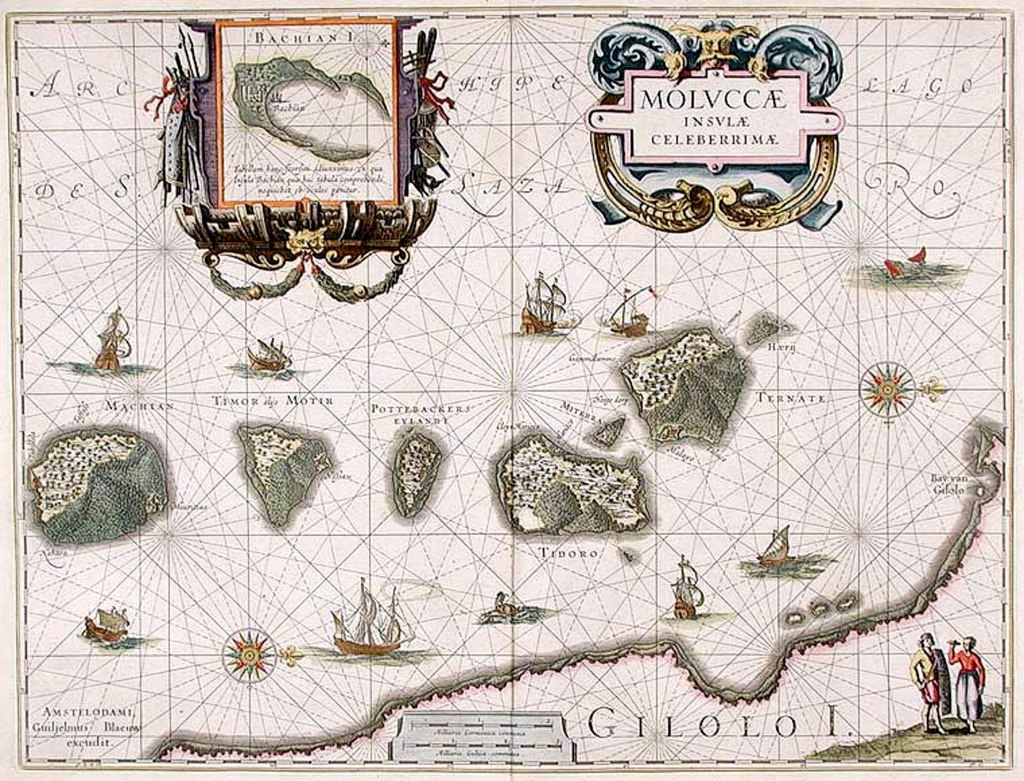
The establishment of the Dutch East India Company (VOC) marked a turning point in the history of the Indonesian archipelago. The VOC, a chartered company granted monopolistic trade rights over the Spice Islands, was founded by merging several competing Dutch trading companies. It was established with the primary aim of controlling the spice trade, which was highly lucrative at the time.
Before the VOC's establishment, the Indonesian archipelago consisted of various sultanates and kingdoms engaged in trade with numerous international entities, including the Portuguese and the British. The region was known for its rich resources, particularly valuable spices like cloves, nutmeg, and mace, which were in high demand in Europe.
The VOC was unique because it was the first company in the world to issue stock, giving it immense capital and influence. It acted as a quasi-governmental entity, possessing the authority to build forts, maintain armed forces, and negotiate treaties with local rulers. Over time, the VOC established its dominance through a combination of military prowess, strategic alliances, and opportunistic diplomacy.
The impact of the VOC's rule on the Indonesian archipelago was profound. Economically, the VOC monopolized the spice trade, controlling prices and ensuring significant profits for the Netherlands. This monopolistic control led to the restructuring of local economies, often turning them into single-commodity producers to meet the VOC's demands.
Socially and politically, the VOC's presence catalyzed changes in the local power structures. Many local rulers signed treaties that limited their sovereignty, leading to a gradual loss of autonomy. The VOC's military campaigns against those who resisted often resulted in significant violence and upheaval.
In terms of governance, the VOC established the colonial administration that laid the groundwork for Dutch colonial rule in the region. This administration included the establishment of Batavia (now Jakarta) as the administrative center, which became the hub of their operations in the East Indies.
Statistically, the VOC's dominance is visible in the sheer scale of its operations; it dispatched nearly 5,000 ships and employed tens of thousands of people during its initial decades. The company was responsible for transporting a wide variety of goods, including spices and textiles, across the globe, significantly altering global trade patterns.
While the VOC eventually faced decline due to corruption, mismanagement, and competition, its establishment as the colonial ruler of the Indonesian archipelago set the stage for centuries of colonial influence that profoundly shaped the region.
#VOC #DutchEastIndiaCompany #IndonesiaHistory #Colonialism #SpiceTrade #MoofLife
Primary Reference
Dutch East India Company - Wikipedia

Explore the Life Moments of
 AI Twin