Krakatoa Eruption: Deadly Volcanic Disaster
Indonesia

Geology
Disaster
4 min read
Updated By: History Editorial Network (HEN)
Published:
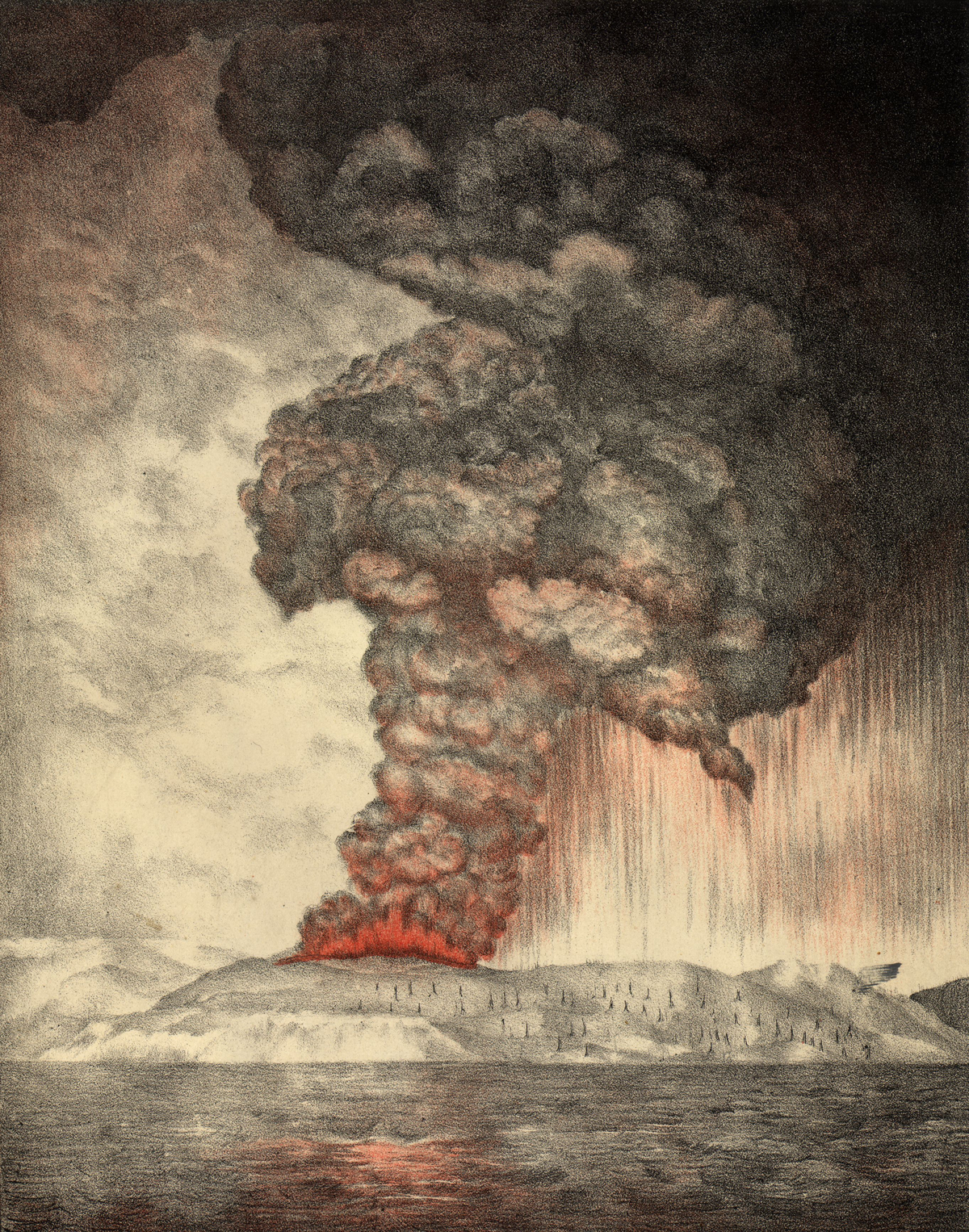
The Krakatoa volcano in Indonesia erupted, causing one of the most deadly volcanic eruptions in recorded history. The volcano had shown signs of increased activity months before the main event, with steam venting and minor explosions. However, the full-scale eruption resulted in massive destruction.
The main eruption triggered a series of powerful explosions, with the final one being among the loudest sounds ever recorded. The eruption generated tsunamis that devastated coastal areas of the surrounding islands. The force of the explosions was so immense that it destroyed the northern two-thirds of the island of Krakatoa. Ash clouds were propelled miles into the atmosphere, affecting global weather patterns and causing temperatures to drop worldwide.
Approximately 36,000 people lost their lives as a direct result of the eruption and the ensuing tsunamis. Coastal settlements were obliterated, with entire villages being wiped out. The economy of the region was severely impacted due to the destruction of agricultural land, homes, and critical infrastructure.
Volcanic ash fell over an area of 300,000 square miles, causing darkened skies and vivid sunsets around the world for months. The eruption also contributed to significant scientific advancements in the study of volcanology and atmospheric science. This catastrophic event underscored the immense power of natural forces and highlighted the necessity for further research and better preparedness in volcanic regions.
#Krakatoa #VolcanicEruption #Indonesia #Disaster #NaturalForces #Volcano #Geology #MoofLife
Primary Reference
Krakatoa ‑ Eruption, Causes & Impact | HISTORY

Explore the Life Moments of
 AI Twin