British Crown Assumes Direct Control After Indian Uprising

Colonialism
4 min read
Updated By: History Editorial Network (HEN)
Published:
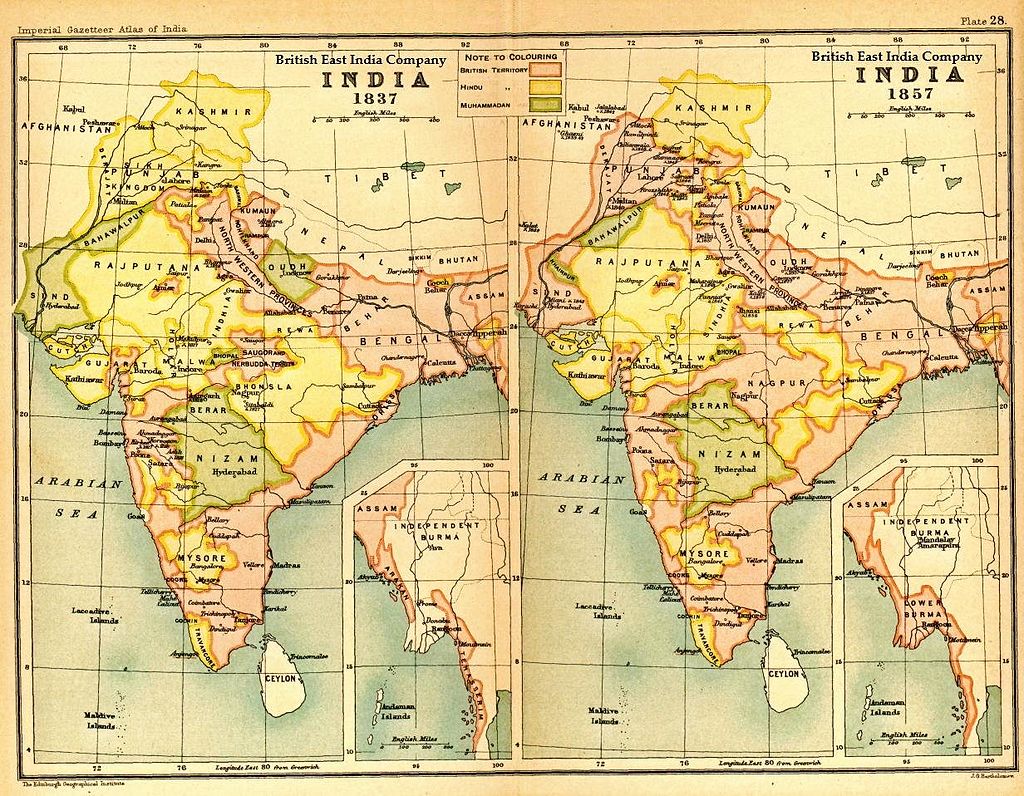
In the mid-19th century, the British East India Company faced a significant challenge in India as discontent and unrest among the Indian population grew. The Indian Uprising, also known as the Sepoy Mutiny, arose due to various factors, including cultural and religious tensions, economic exploitation, and political grievances. The uprising sparked a widespread rebellion against British rule in India.
In response to the escalating unrest, the British government intervened and decided to take direct control of India. The British Crown assumed authority over the Indian territories ruled by the East India Company, marking the end of Company rule in India. This transition to direct British rule aimed to quell further uprisings, consolidate power, and ensure more effective governance of the Indian subcontinent.
The direct rule of India by the British crown brought about significant changes in the administration, economy, and society of the subcontinent. The British implemented new policies, infrastructure projects, and legal systems to consolidate their control and exploit the resources of India for the benefit of the British Empire. The period of British colonial rule in India would have far-reaching consequences for the country's development, shaping its future trajectory in various ways.
The failed Indian Uprising and the subsequent direct rule by the British Crown represented a pivotal moment in Indian history, marking the beginning of a new chapter of colonial dominance and exploitation. The event highlighted the complex dynamics of power, resistance, and colonialism that characterized the relationship between India and Britain during the 19th century.
#IndianUprising #BritishColonialism #DirectRule #BritishEmpire #SepoyMutiny

Explore the Life Moments of
 AI Twin