Adoption of India's Constitutional Republic
Political
Global Trade
4 min read
Updated By: History Editorial Network (HEN)
Published:
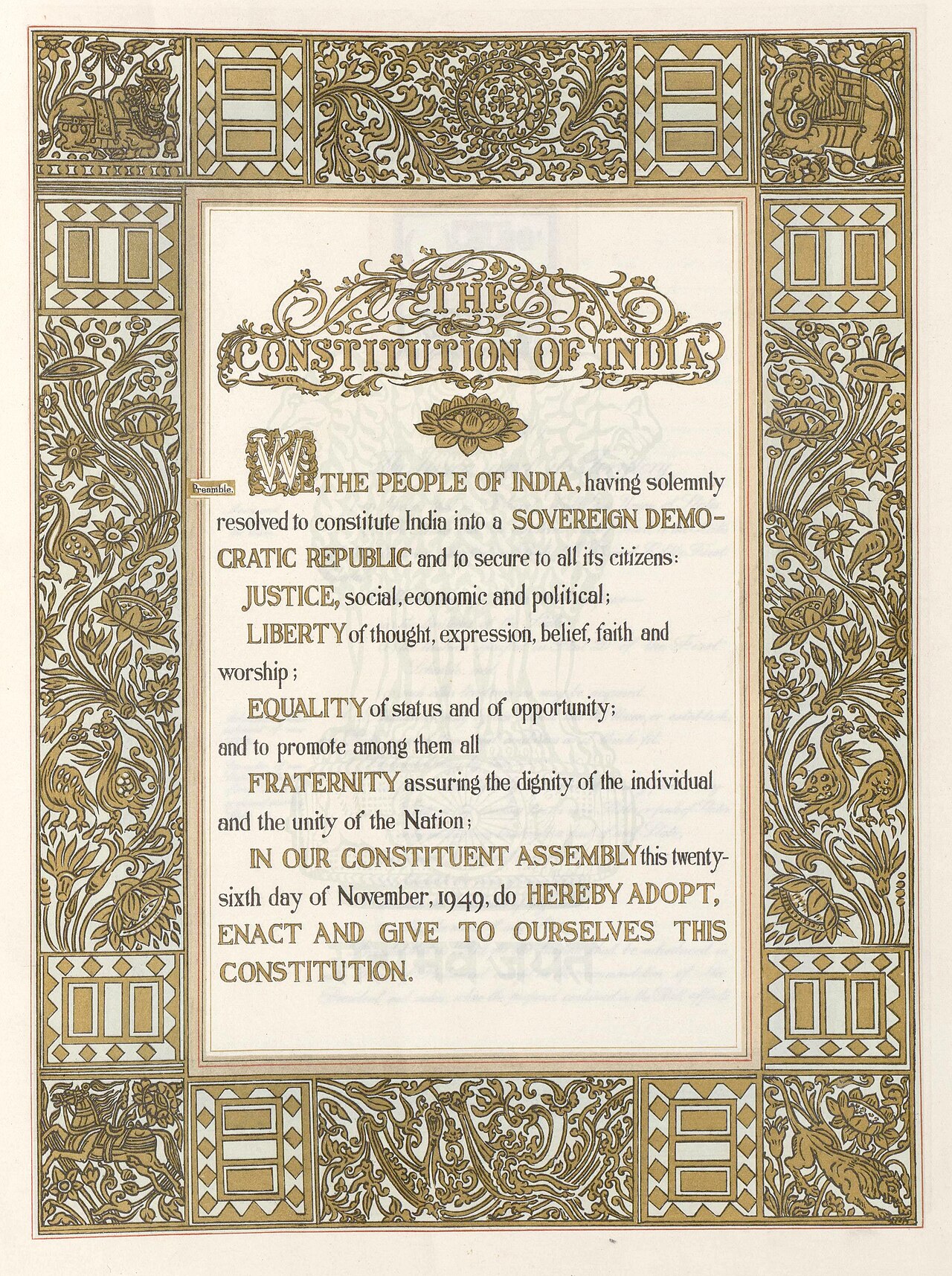
The adoption of the Constitution of India marked a crucial milestone in the country's history. The drafting process began in 1946 under the leadership of Dr. B.R. Ambedkar, Chairman of the Drafting Committee. The Constitution established India as a sovereign, socialist, secular, and democratic republic, embodying the aspirations of a diverse nation striving for unity in diversity.
The Constitution of India replaced the Government of India Act of 1935 and provided a comprehensive framework for governance, outlining the rights and duties of citizens, the structure of the government, and the principles guiding the nation. It enshrined principles of justice, equality, and liberty for all, regardless of caste, creed, or gender, ensuring a fair and just society for future generations.
The adoption of the Constitution had a profound impact on the country, laying the foundation for a democratic and inclusive society. It guaranteed fundamental rights to all citizens and set forth the directive principles of state policy, guiding the government in promoting social justice and equality. The Constitution also established the structure of the government, including the roles and responsibilities of the executive, legislative, and judiciary, ensuring a system of checks and balances.
The adoption of the Constitution of India was a momentous occasion that shaped the course of the nation's history. It symbolized the triumph of democracy over colonial rule and paved the way for a new era of governance based on the principles of justice, liberty, and equality. The Constitution continues to serve as the guiding light for the world's largest democracy, upholding the values of unity, diversity, and secularism.
#ConstitutionOfIndia #SovereignNation #DemocraticRepublic #InclusiveSociety

Explore the Life Moments of
 AI Twin