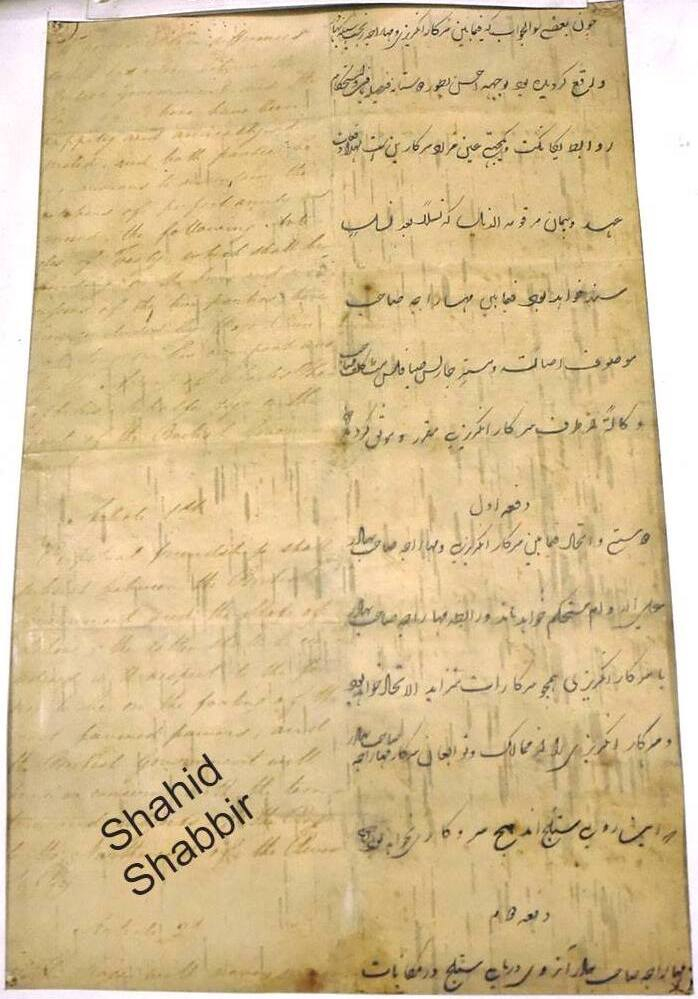
Treaty of Amritsar: Sutlej River Boundary Agreement

Political
4 min read
Updated By: History Editorial Network (HEN)
Published:
In the early 19th century, the region of Punjab in India was of strategic importance, caught between the expanding British East India Company and the powerful Sikh Empire under Maharaja Ranjit Singh. This tussle for control over Punjab ultimately led to the signing of the Treaty of Amritsar, which established the Sutlej River as the boundary between Ranjit Singh's territories and British India.
Prior to the treaty, there were border skirmishes and tensions between the two powers, culminating in both sides realizing the need for a formal agreement to avoid further conflict. Through the treaty, Ranjit Singh conceded control of territories to the British, maintaining peace along the Sutlej River. In return, the British recognized his sovereignty over the remaining Sikh Empire.
The signing of the Treaty of Amritsar had significant implications for both parties. For Maharaja Ranjit Singh, it marked a pragmatic decision to secure the borders of his empire and maintain stability within his realm. Meanwhile, the British East India Company gained a strategic advantage by solidifying their control over key territories in Punjab without engaging in a full-scale war.
The treaty not only delineated territorial boundaries but also paved the way for future interactions between the Sikh Empire and the British. It set a precedent for diplomatic negotiations and peaceful resolutions in a period of increasing colonial expansion and power struggles in the Indian subcontinent.
Overall, the Treaty of Amritsar was a pivotal moment in the history of Punjab, shaping the dynamics between the Sikh Empire and the British East India Company for years to come. It reflected the intricate balance of power and diplomacy in the region during a time of significant historical change.
#TreatyofAmritsar #SutlejRiverBoundary #RanjitSingh #EastIndiaCompany #PunjabHistory

Explore the Life Moments of
 AI Twin