
Germany

The Land of Ideas
Related Lives

Ivory Coast
The Land of Tropical Beauties.

T20 WorldCup
Twenty 20 International

Aztec Civilization
Mesoamerican Civilization

Iran
The Land of Persia

Mauritius
Island Rythms

Brunei
Abode of Peace

Albania
The Land of Eagles

Bosnia and Herzegovina
The Land of Golden Lilies

1813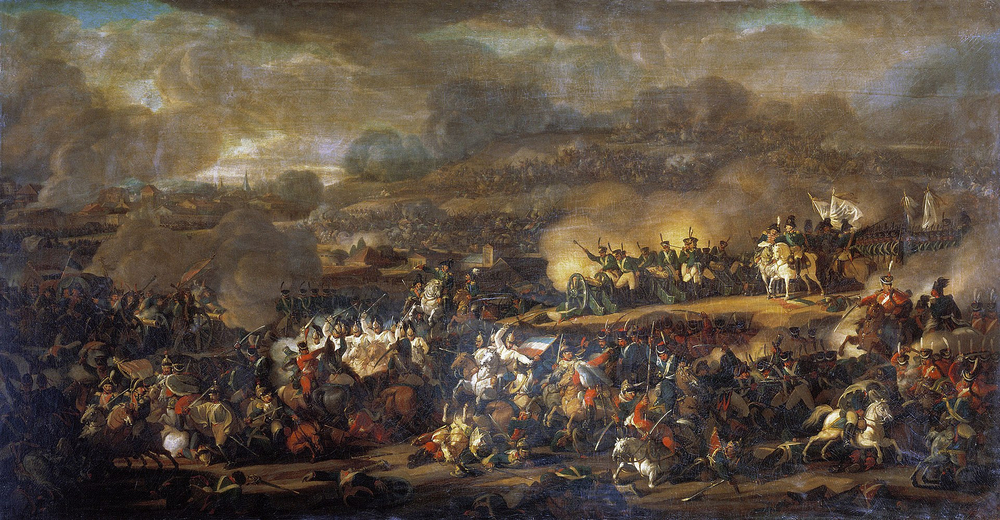
The Battle of Leipzig marked a pivotal moment during the Napoleonic Wars, where a coalition of European powers faced off against Napoleon's army. Also known as the Battle of the Nations, it was the largest European land battle prior to the First World War, with hundreds of thousands of soldiers involved.
The defeat of Napoleon at Leipzig was a turning point in the Napoleonic Wars, as it weakened his hold on Europe and led to his eventual downfall. The coalition's victory at Leipzig forced Napoleon to retreat from German lands, marking the beginning of the end for his empire.
The Battle of Leipzig had far-reaching consequences, reshaping the political landscape of Europe. It demonstrated the strength of unified European powers against Napoleon's forces and paved the way for his exile and the eventual restoration of the Bourbon monarchy in France.
This historic event symbolizes the triumph of unity over tyranny and the resilience of nations in the face of adversity. The legacy of the Battle of Leipzig endures as a testament to the power of cooperation and determination in times of crisis.
#BattleOfLeipzig #NapoleonicWars #EuropeanCoalition #HistoricVictory #UnityOverTyranny
View details1806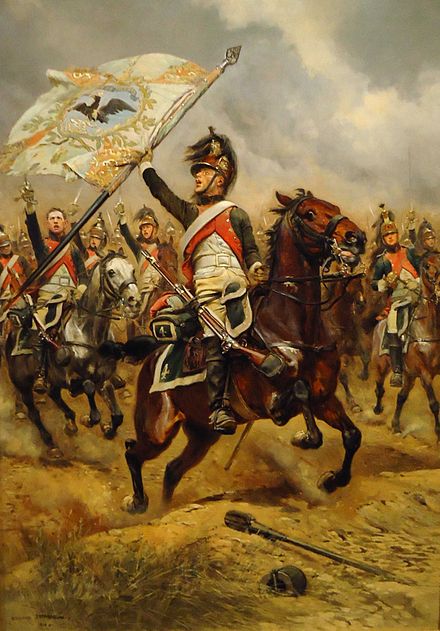
During the Battle of Auerstedt, part of the larger conflict, the War of the Fourth Coalition, French troops, led by Marshal Louis Nicolas Davout, faced the Prussian forces, commanded by Duke Charles William Ferdinand of Brunswick. The Prussians were significantly outnumbered and despite their initial advantage in troop numbers, they were outmaneuvered and overwhelmed by the French forces. The battle ended in a decisive victory for the French, contributing to the overall defeat of the Prussian military.
The impact of the Battle of Auerstedt was profound as it led to the collapse of the Prussian resistance and paved the way for French dominance in the region. The defeat at Auerstedt highlighted the effectiveness of the French military tactics and the leadership of Napoleon Bonaparte. The Prussian defeat also had far-reaching consequences, ultimately leading to the dissolution of the Holy Roman Empire and altering the political landscape of Europe.
The Battle of Auerstedt remains a crucial event in German military history, showcasing the power dynamics of the time and the shifting alliances between European powers. It serves as a reminder of the impact of strategic decisions and military prowess on the outcome of conflicts.
#BattleofAuerstedt #WaroftheFourthCoalition #NapoleonicWars #MilitaryHistory
View details1763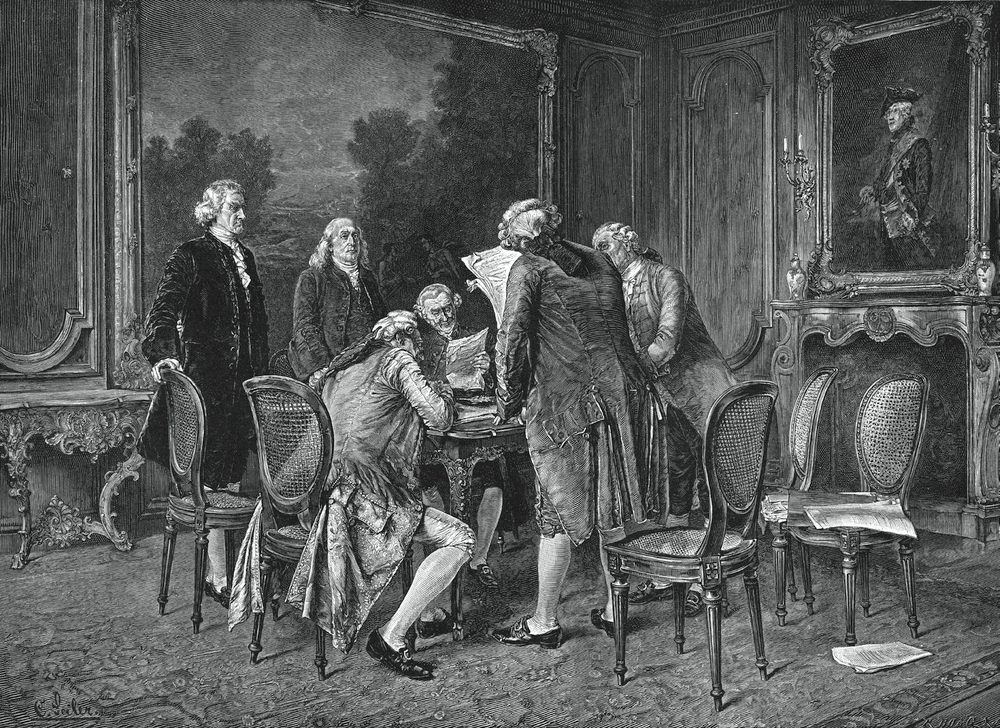
After years of devastating conflict during the Seven Years' War, the Treaty of Hubertusburg was signed to bring closure to the war in Europe. This treaty was signed between Prussia, Austria, and Saxony, effectively putting an end to their military hostilities. The negotiations took place in Hubertusburg, Germany, to determine the terms of peace.
The Treaty of Hubertusburg had significant implications for the balance of power in Europe. It solidified Prussia's status as a major European power and marked the beginning of a period of relative peace after years of intense warfare. The treaty established the pre-war territorial boundaries, ensuring stability and signaling a shift in alliances and rivalries.
The signing of the Treaty of Hubertusburg allowed the war-torn nations to begin the process of rebuilding and recovering from the extensive damages caused by the conflict. The treaty also paved the way for diplomatic discussions and alliances that would shape European politics in the years to come.
#HubertusburgTreaty #SevenYearsWar #EuropeanHistory #Prussia #Diplomacy
View details1760
During the Seven Years' War, the capture of Berlin by Russian troops marked a pivotal moment. With Russia supporting Austria against Prussia, the siege and subsequent taking of Berlin dealt a severe blow to the Prussian forces. Led by Field Marshal Stepan Fyodorovich Apraksin and with around 21,000 troops, the Russians encircled and bombarded the city, eventually forcing the surrender of the garrison.
The impact of the capture was significant, as it led to the occupation of the Prussian capital by Russian forces for several weeks. The victory not only boosted the morale of the Russian army but also demonstrated their military prowess in the European theater. Additionally, the capture of Berlin put pressure on the Prussian King Frederick II to divert resources to defend his territories, weakening his position in the greater conflict.
The event highlighted the shifting alliances and intense power struggles that characterized the Seven Years' War. It underscored the brutal realities of warfare during this period and the strategic importance of key cities in determining the outcome of conflicts. The capture of Berlin by Russian troops serves as a stark reminder of the far-reaching consequences of war and the dominance of military might in shaping historical events. #SevenYearsWar #BerlinCapture #RussianTroops
View details1740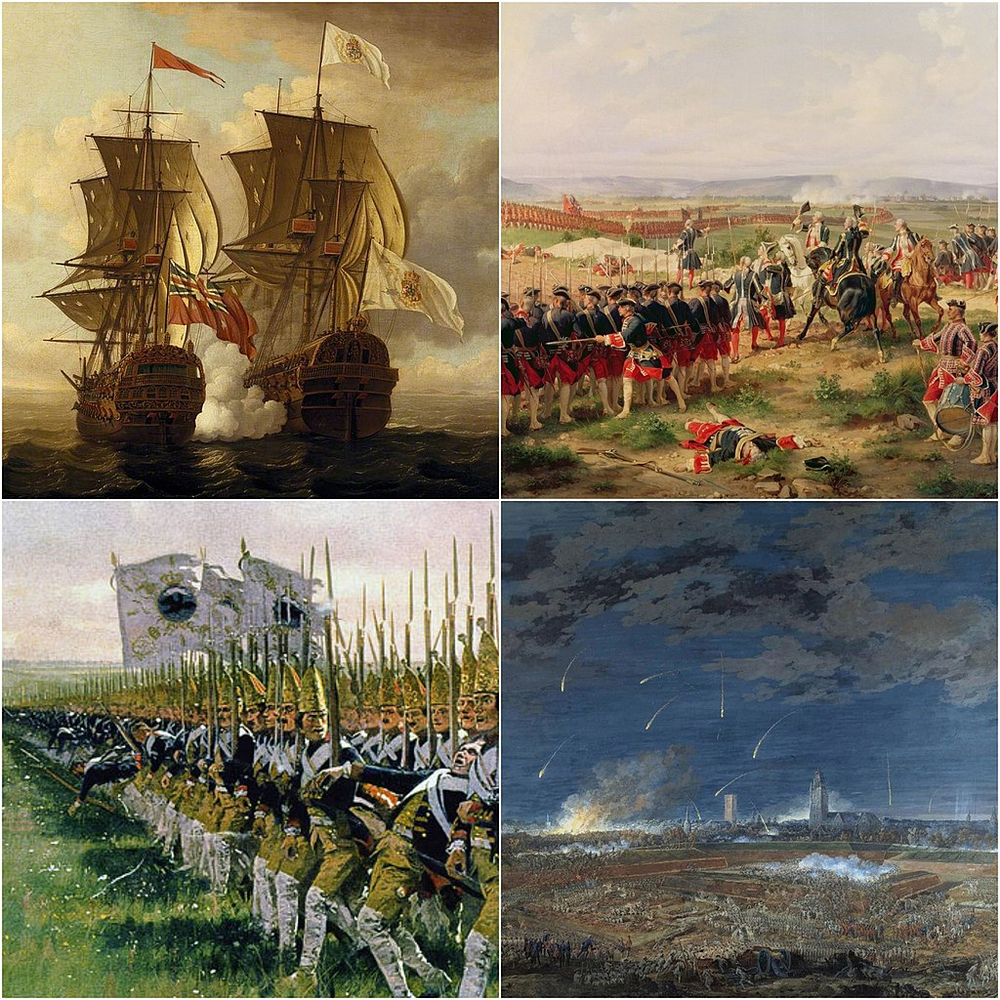
In 1740, the War of the Austrian Succession erupted following the death of Emperor Charles VI of the Habsburg Empire. The issue arose due to the lack of a male heir to inherit the Austrian lands, leading to various European powers vying for control.
The conflict involved major European states, including Prussia, France, and Great Britain, who sought to either gain territory or protect their interests. The War of the Austrian Succession saw battles fought across Europe and involved shifting alliances as countries switched sides in pursuit of their strategic goals.
The war had far-reaching consequences, reshaping the political landscape of Europe and laying the groundwork for future conflicts. It also highlighted the fragility of the balance of power in the region and the willingness of states to engage in military actions to further their ambitions.
Overall, the start of the War of the Austrian Succession marked a turbulent period in European history, characterized by political maneuvering, military confrontations, and diplomatic intrigue.
#WarOfSuccession #EuropeanPolitics #HabsburgEmpire #MilitaryConflict
View details1711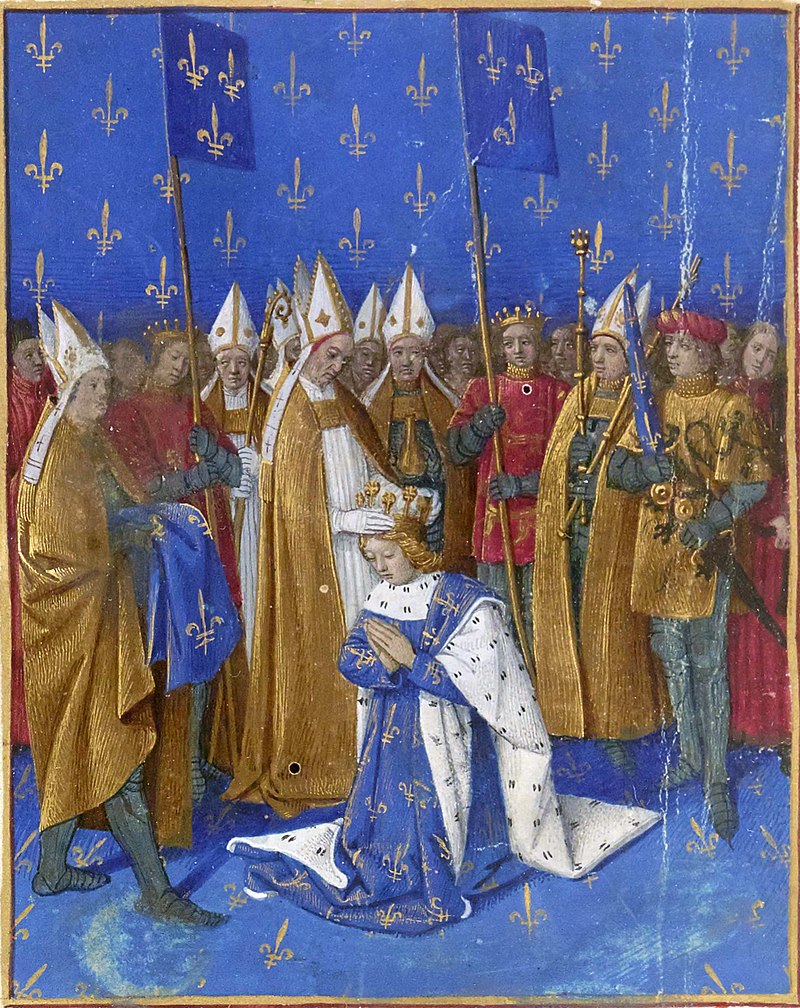
Following the passing of his father, Joseph I, Charles VI was coronated as Holy Roman Emperor. This event solidified his position as the ruler of the Habsburg Empire, encompassing vast territories in Central Europe. Charles VI's coronation marked a pivotal moment in the history of the Holy Roman Empire, as he aimed to strengthen his authority and ensure the unity of his realms.
The coronation of Charles VI had a significant impact on the political landscape of Germany and beyond. It signaled the continuation of Habsburg rule and the emperor's commitment to upholding the traditions of the Holy Roman Empire. Charles VI's reign was characterized by efforts to maintain the balance of power in Europe and protect his territories from external threats.
Throughout his rule, Charles VI faced numerous challenges, including succession crises and conflicts with neighboring powers. Despite these obstacles, he managed to consolidate his authority and preserve the stability of the Habsburg lands. The coronation of Charles VI as Holy Roman Emperor symbolized the continuation of a powerful dynasty and its enduring influence in the region.
#CharlesVI #HolyRomanEmperor #HabsburgEmpire #CentralEurope
View details1685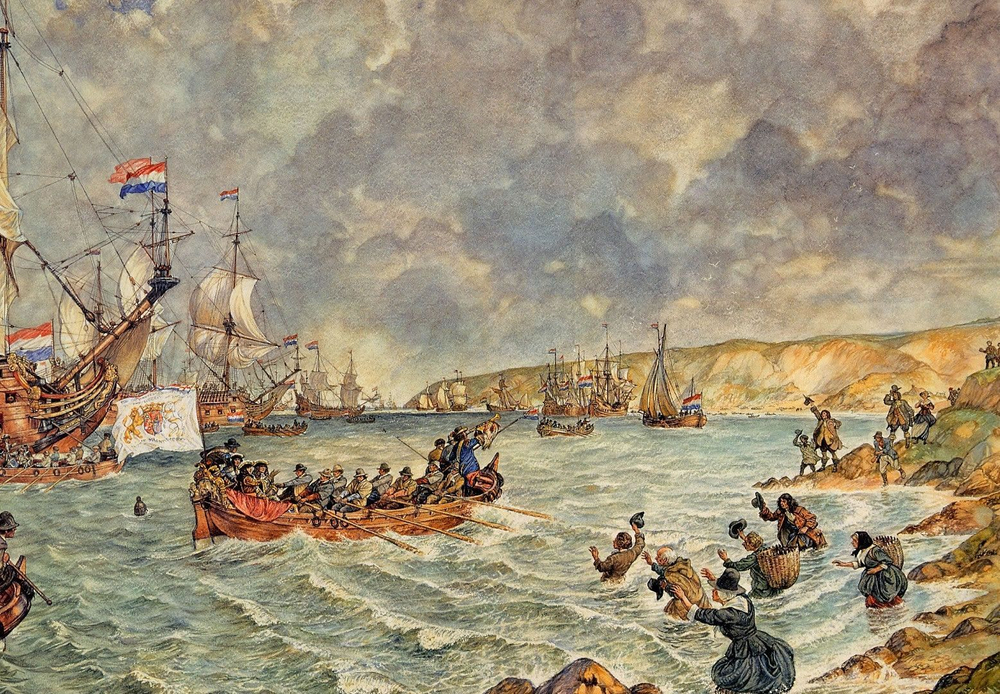
The Glorious Revolution in England, led by William of Orange, had a profound impact on Germany. The revolution influenced political developments in the region, especially regarding the balance of power between monarchs and parliament.
In Germany, the constitutional changes in England served as a model for limiting the authority of rulers and expanding the rights of the parliament. The concept of a constitutional monarchy gained popularity, leading to reforms and adjustments in several German states. The ideas of limited government and individual freedoms began to take root in the political discourse of the region.
Moreover, the Glorious Revolution inspired resistance movements against absolutist rulers in Germany. People were emboldened to challenge authoritarianism and push for greater representation in government. The events in England sparked a wave of political awakening and activism in Germany, setting the stage for future transformations in the governance of the region.
Ultimately, the Glorious Revolution in England had a lasting impact on Germany, shaping the political landscape and planting the seeds of constitutionalism and democratic ideals in the region. It served as a catalyst for change and progress, influencing the course of German history for years to come.
#GloriousRevolution #PoliticalTransformation #Constitutionalism #DemocraticIdeals #GermanHistory
View details1679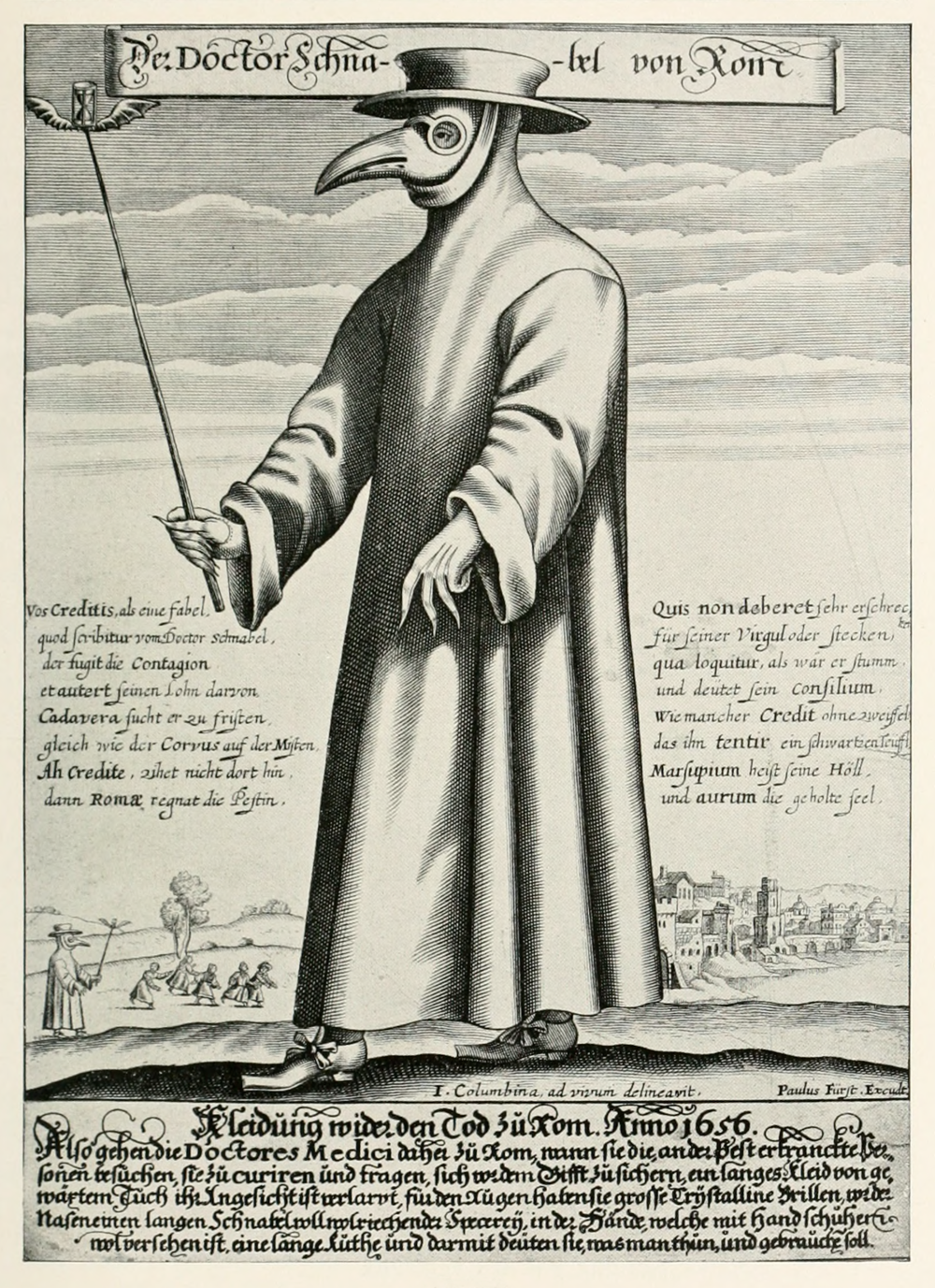
During the spread of the Great Plague of Vienna, the city saw catastrophic consequences that rippled out to Munich and various parts of Germany. The bubonic plague, carried by rodents and fleas, caused widespread death and suffering as it rapidly traversed through the regions. With limited medical knowledge and resources available at the time, communities were ill-equipped to handle the sheer magnitude of the outbreak.
The plague's impact was profound, leading to a significant increase in mortality rates and a state of panic among the populace. The disease spread quickly due to poor sanitation, overcrowding, and a lack of understanding about how to contain it. The suffering brought by the plague was not only physical but also psychological, as fear and despair gripped the affected areas.
As the plague made its way to Munich and other parts of Germany, the death toll continued to rise, leaving a trail of devastation in its wake. The outbreak highlighted the vulnerability of populations in the face of such widespread infectious diseases and underscored the importance of implementing effective public health measures.
The Great Plague of Vienna spreading to Munich and beyond serves as a somber reminder of the devastating impact that diseases can have on societies when left unchecked. #GreatPlague #Germany #PublicHealth #Epidemic #HistoricOutbreak
View details1648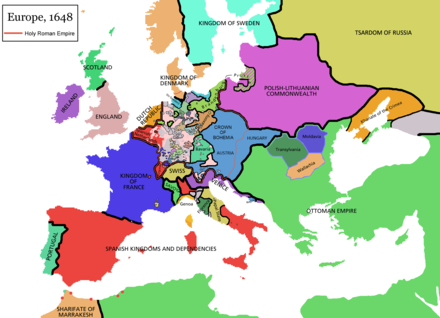
The Peace of Westphalia marked the conclusion of the Thirty Years' War in Germany, a conflict driven by religious and territorial disputes. This event established the core principles of state sovereignty, granting autonomy to individual states and allowing for religious freedom and diversity within the region. The treaty consisted of two separate agreements, the Treaty of Osnabrück and the Treaty of Münster, collectively bringing peace to the war-torn lands.
The Peace of Westphalia had a profound impact on the political landscape of Europe, shifting the power dynamics from absolute monarchies to a system of sovereign states. It also set a precedent for future international agreements by emphasizing the importance of diplomacy and negotiation in resolving conflicts. The treaty's recognition of the sovereignty of individual states laid the foundation for the modern system of nation-states, shaping the course of European history for centuries to come.
This historic event at Westphalia not only brought an end to a devastating war but also paved the way for a new era of diplomacy and statecraft. It highlighted the importance of respecting the autonomy and independence of nations, ultimately contributing to the stability and balance of power in Europe.
#WestphaliaPeace #SovereigntyPrinciples #ThirtyYearsWar #Diplomacy #StateAutonomy
View details1632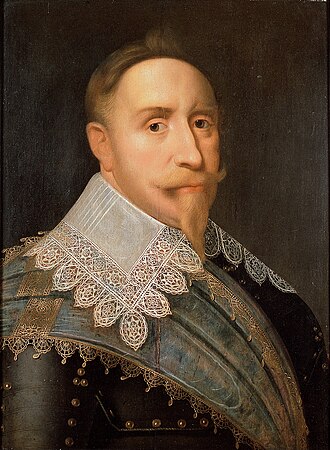
The Battle of Lützen saw the Swedish King Gustavus Adolphus facing the Imperial forces during the Thirty Years' War. With the Protestant cause at stake, the skilled military tactics of Gustavus Adolphus initially brought success, but the tide turned as he fell in battle. His death had a significant impact on the outcome of the war and on the Protestant forces, as he was known for his military leadership and strategic innovations. Despite his death, his legacy continued to inspire his troops and the Swedish cause.
The battle resulted in a narrow victory for the Swedes, but at a great cost due to the loss of their beloved king. Gustavus Adolphus' death left a void in leadership for the Swedish army and dealt a blow to their morale. The battle also demonstrated the brutality and high casualties of warfare during the Thirty Years' War.
The death of King Gustavus Adolphus at Lützen marked a turning point in the conflict, as his absence weakened the Protestant forces' position. His legacy, however, continued to influence military tactics and strategies in the following years. The Battle of Lützen remains a poignant reminder of the sacrifices made during this turbulent period of European history.
#ThirtyYearsWar #BattleofLützen #GustavusAdolphus #SwedishHistory #MilitaryHistory
View details1616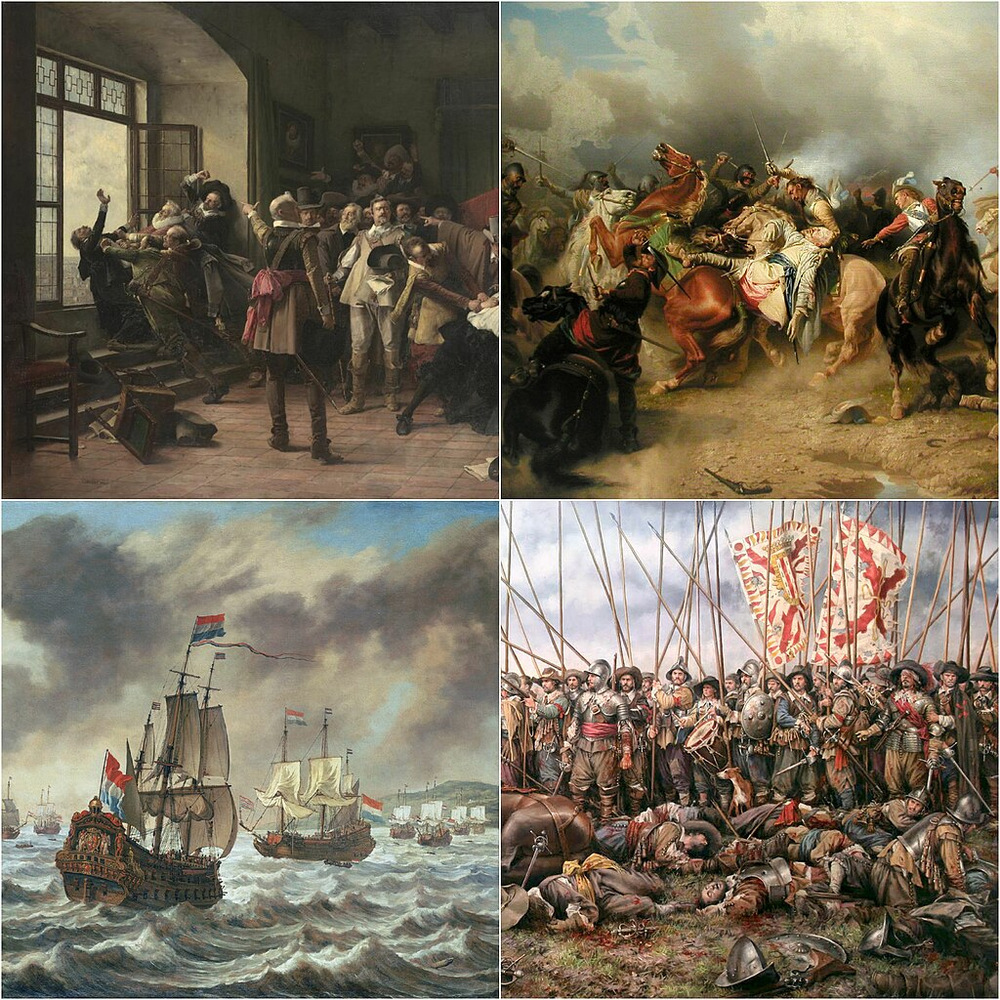
Tensions between Catholic and Protestant factions in Germany escalated, triggering the Thirty Years' War. The conflict quickly spread, engulfing various European powers in battle. Devastation rippled across German territories as armies pillaged villages, causing widespread loss of life and destruction.
The war was fueled by political and religious disputes, with key players such as the Holy Roman Empire, France, and Spain vying for control and influence. The brutality of the conflict was marked by atrocities committed against civilians, leading to famine and economic hardship.
The devastation left a lasting impact on Germany, with towns and cities ravaged, populations decimated, and infrastructure in ruins. The war reshaped the political landscape of Europe and highlighted the destructive power of religious and political divisions.
In the aftermath of the conflict, efforts were made to negotiate peace through the Peace of Westphalia, which helped to bring an end to the war and establish new boundaries and diplomatic norms.
#ThirtyYearsWar #Devastation #ReligiousConflict #PeaceEfforts
View details1555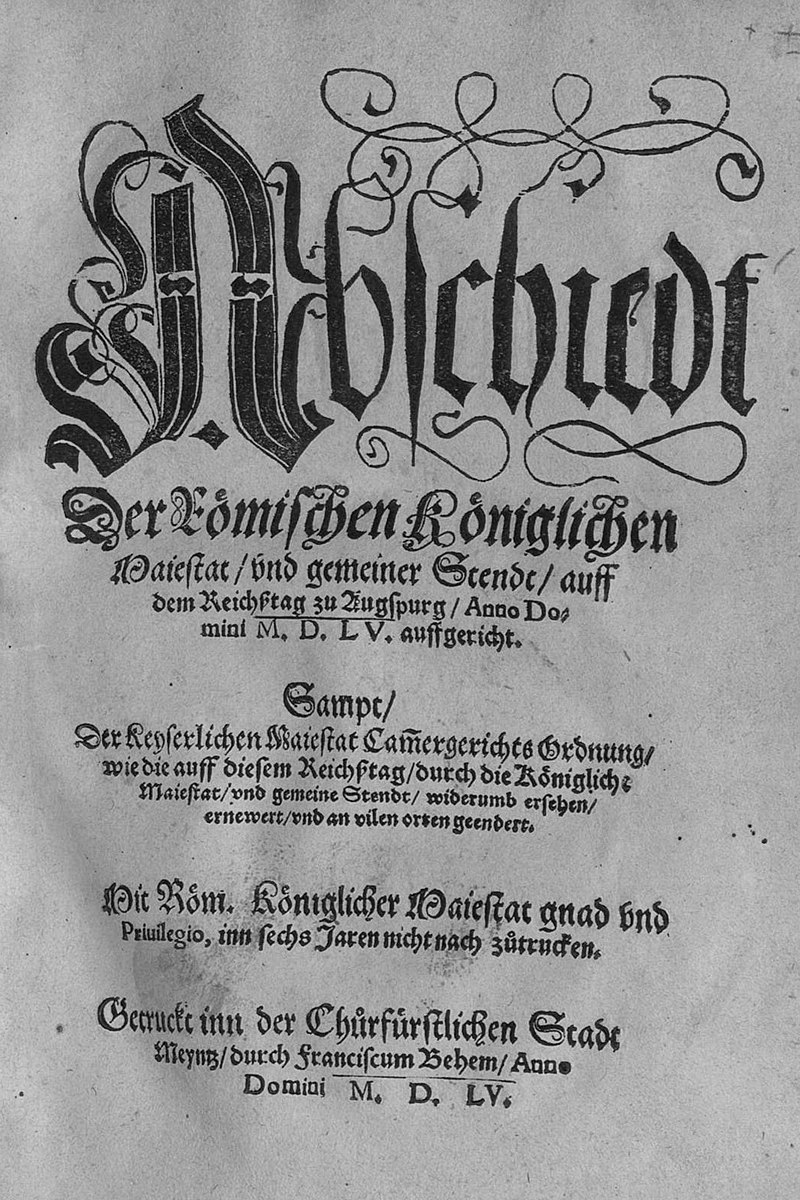
On September 25, 1555, the Peace of Augsburg was signed in the Holy Roman Empire, marking a pivotal moment in European history by establishing legal religious tolerance between Catholicism and Lutheranism. This treaty was a significant milestone in the quest for religious coexistence, emerging from the Reformation’s tumultuous backdrop and fundamentally shaping the political and religious landscape of Germany.
Background
The Protestant Reformation, initiated by Martin Luther in 1517, had drastically altered the religious fabric of Europe. Luther's criticisms of the Catholic Church's practices, encapsulated in his Ninety-Five Theses, sparked widespread theological debate and led to the formation of Lutheranism. The Reformation's spread resulted in significant political and religious fragmentation within the Holy Roman Empire, a complex mosaic of semi-autonomous territories under the nominal authority of the Emperor.
The Holy Roman Emperor, Charles V, a staunch Catholic, sought to suppress the growing Protestant movement. However, the Protestant Reformation continued to gain traction, leading to a series of conflicts, notably the Schmalkaldic War (1546–1547), between Catholic forces and the Protestant Schmalkaldic League. Despite Charles V's initial military successes, he was unable to achieve a decisive victory that would restore Catholic unity in the empire.
The Diet of Augsburg
The Peace of Augsburg was negotiated during the Diet of Augsburg, a formal assembly of the empire's princes and other key stakeholders. The treaty was an attempt to bring an end to the ongoing religious conflicts and to establish a framework for religious coexistence. Key figures in the negotiation included Charles V's brother, Ferdinand I, who played a crucial role in brokering the agreement, as Charles V was increasingly occupied with other matters and later abdicated in 1556.
Key Provisions
The Peace of Augsburg contained several critical provisions:
Cuius Regio, Eius Religio: This principle, translating to "Whose realm, his religion," granted each ruler within the Holy Roman Empire the authority to determine the official religion of their own state. This meant that subjects were expected to follow the religion chosen by their ruler, be it Catholicism or Lutheranism.
Religious Tolerance: The treaty formally recognized Lutheranism as a legitimate religion alongside Catholicism. This legal recognition was significant as it provided a measure of religious freedom to Lutherans within the empire.
Ecclesiastical Reservation: This clause stipulated that if a prince-bishop or other ecclesiastical ruler converted to Lutheranism, they would forfeit their ecclesiastical territories. This was intended to prevent the secularization of church lands and maintain the Catholic Church’s territorial integrity.
Impact and Legacy
The Peace of Augsburg had profound and lasting impacts:
Temporary Stability: The treaty brought a temporary cessation of religious wars within the Holy Roman Empire and provided a legal framework for religious coexistence. This allowed for a period of relative peace and stability.
Limited Scope: The peace only applied to Lutheranism and Catholicism, excluding other emerging Protestant movements such as Calvinism and Anabaptism, which continued to face persecution. This limitation would later contribute to further religious conflicts.
Foundation for Future Agreements: The principles established in the Peace of Augsburg set a precedent for future efforts to negotiate religious tolerance, notably influencing the later Peace of Westphalia in 1648, which ended the Thirty Years' War and expanded religious tolerance to include Calvinism.
#MomentsOfLife #MoofLife_Moment #MoofLife #PeaceOfAugsburg #ReligiousTolerance #Reformation #HolyRomanEmpire #EuropeanHistory #CuiusRegioEiusReligio
View details1546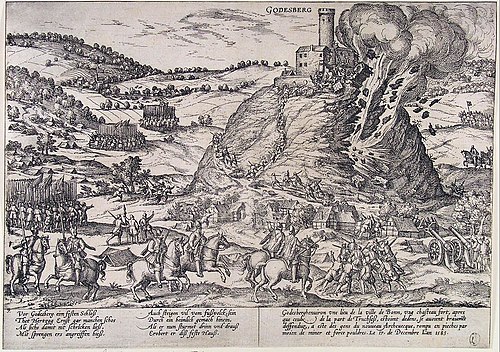
The Schmalkaldic War marked a pivotal moment in the tension between the Holy Roman Empire and Protestant territories in Germany. The conflict was fueled by religious disputes, with Protestant princes forming the Schmalkaldic League to protect their interests against Emperor Charles V's Catholic rule.
Tensions escalated as the Protestant princes refused to obey the Emperor's decree to restore Catholic worship in their territories. This defiance led to military confrontation between the two sides, resulting in a series of battles and sieges across Germany. The war saw shifting alliances and strategic maneuvers, with both sides vying for control and support.
The outcome of the Schmalkaldic War was decisive, with the Protestant forces ultimately defeated at the Battle of Mühlberg in 1547. This defeat solidified the Emperor's authority and dealt a blow to the Protestant cause. As a result, the Peace of Augsburg was later signed, granting princes the right to choose their territories' religion between Catholicism and Lutheranism.
The Schmalkaldic War left a lasting impact on Germany, shaping the religious and political landscape for years to come. The conflict underscored the deep divisions between Catholics and Protestants and the struggle for power within the Holy Roman Empire. #SchmalkaldicWar #ProtestantPrinces #HolyRomanEmpire #ReligiousConflict
View details1535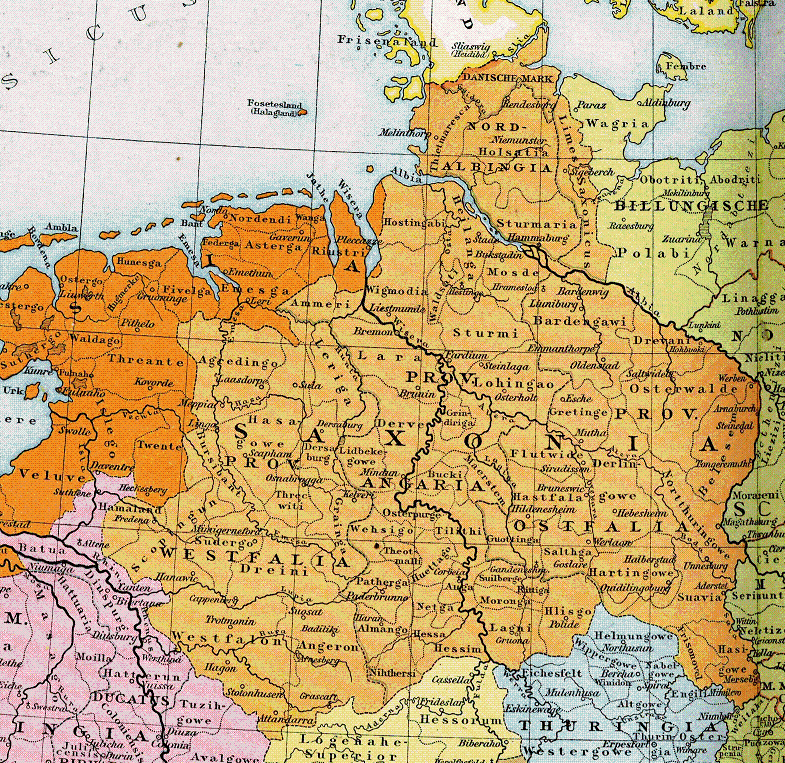
The Anabaptist Kingdom of Münster, led by Jan van Leiden, was a radical religious government established in the city of Münster. This sect believed in the imminent return of Christ and aimed to create a society based on their interpretation of biblical principles. Under their rule, the city underwent significant social, religious, and political changes, including the abolishment of private property and the practice of polygamy.
The Prince-Bishop Franz von Waldeck, along with a coalition of forces, besieged the city and eventually overthrew the Anabaptist regime. The siege resulted in a high number of casualties and the execution of Jan van Leiden and other prominent leaders of the movement. The city was brought back under the control of the Prince-Bishop and returned to Catholic governance.
The event marked the end of the Anabaptist experiment in Münster and highlighted the brutal consequences of radical religious movements in the region. It also solidified the authority of secular rulers over religious groups within their territories. The legacy of the Münster Rebellion served as a cautionary tale of the dangers of extremism and the importance of maintaining order and stability within society.
#AnabaptistKingdom #MünsterRebellion #ReligiousExtremism #PrinceBishopFranzvonWaldeck
View details1527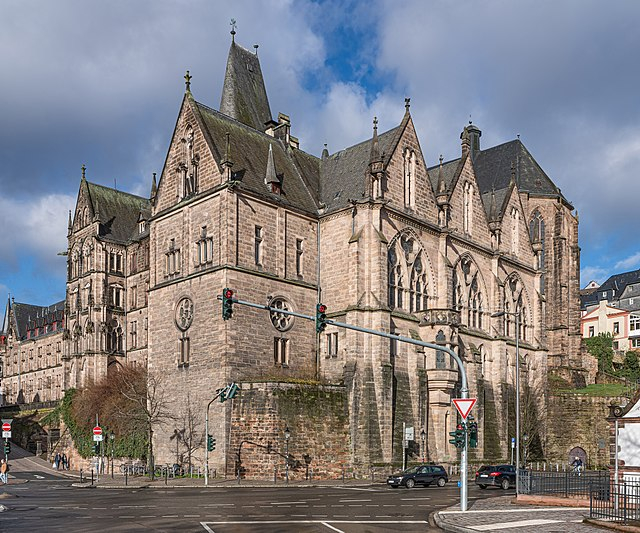
The University of Marburg was established by Landgrave Philip I of Hesse, making it one of the oldest universities in Germany. The institution was founded with the intent of promoting Protestant theology and countering the influence of Catholic universities. The university quickly gained prominence for its focus on theology and the humanities.
One significant impact of the University of Marburg was its role in the spread of Protestantism. It became a center for the new religious movement, attracting students and scholars who were sympathetic to the Reformation. The university also contributed to the development of humanism, with notable scholars such as Philip Melanchthon and Martin Luther being associated with the institution.
The establishment of the University of Marburg marked a turning point in the academic landscape of Germany. It provided an alternative to the Catholic universities that were prevalent at the time, offering a more Protestant-oriented curriculum. The university's emphasis on theology and humanism helped shape the intellectual discourse of the period and influenced the spread of Protestant ideas.
Overall, the founding of the University of Marburg played a significant role in the promotion of Protestantism and the advancement of humanist learning in Germany. #UniversityofMarburg #Protestantism #Humanism #AcademicHistory
View details1517
In 1517, Martin Luther, a German monk and theologian, ignited the Reformation by posting his 95 Theses on the door of the Castle Church in Wittenberg. This act was driven by his objections to the Catholic Church's sale of indulgences, which he believed exploited the faithful for monetary gain. The 95 Theses outlined his critiques of the Church's practices and called for reform.
Luther's actions had a profound impact, sparking widespread debate and challenging the authority of the Catholic Church. The printing press enabled his ideas to spread rapidly across Europe, garnering support from those disillusioned with the Church's practices. This marked the beginning of a schism within Christianity, leading to the formation of Protestantism as a separate branch of the faith.
The Reformation brought about significant changes in religious, social, and political spheres, reshaping the cultural landscape of Europe. It led to religious wars, the development of new Christian denominations, and ultimately contributed to the rise of individualism and democracy.
#MartinLuther #95Theses #Reformation #Wittenberg #Protestantism #ChurchReform #ReligiousHistory
View details1440
Johannes Gutenberg, a German craftsman from Mainz, created the innovative printing press using movable type, transforming the way information was disseminated. Prior to this invention, books were laboriously copied by hand, limiting the spread of knowledge. Gutenberg's press allowed for faster and more efficient production of books, leading to an increase in literacy and the accessibility of important texts.
The impact of Gutenberg's invention was profound and far-reaching. Information could now be produced in large quantities at a fraction of the previous time and cost, empowering the masses with knowledge that was once reserved for the elite. This democratization of information sparked cultural and intellectual revolutions across Europe, fueling the Renaissance and the Reformation.
The printing press not only revolutionized communication but also played a pivotal role in shaping historical events and ideologies. It facilitated the spread of scientific discoveries, religious reforms, and political ideas, influencing the course of history for centuries to come. Gutenberg's invention left an indelible mark on human civilization, paving the way for the modern era of mass communication and the exchange of ideas.
#JohannesGutenberg #PrintingPress #RevolutionizingInformation #Mainz #KnowledgeDemocratization
View details1409
In the early 15th century, scholars in Leipzig, Germany, sought a platform for academic freedom and intellectual pursuit outside the confines of existing institutions. Responding to this need, the University of Leipzig was established as a center for higher education, attracting students and academics from far and wide. Known for its diverse curriculum and emphasis on research, the university quickly gained a reputation for excellence in various fields such as philosophy, law, and the sciences.
The founding of the University of Leipzig marked a turning point in the academic landscape of Germany, setting new standards for innovation and knowledge dissemination. It became a hub for intellectual exchange and cultural development, contributing significantly to the Enlightenment movement in Europe.
Through the centuries, the university has upheld its tradition of academic excellence, producing notable alumni who have made significant contributions to society. Its legacy continues to shape the educational system in Germany and beyond, inspiring generations of scholars to pursue knowledge and truth.
#UniversityofLeipzig #AcademicExcellence #IntellectualHub #Germany
View details1388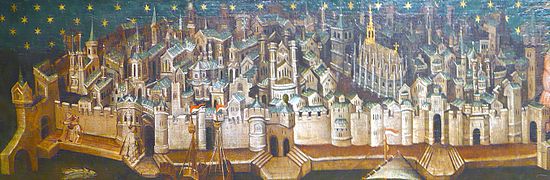
In 1388, the University of Cologne was established, becoming one of the oldest universities in Europe. Situated in Germany, its founding marked a pivotal moment in the academic landscape of the region. The establishment of the university was a response to the growing demand for higher education, providing a center for learning and intellectual exchange.
The University of Cologne quickly gained prestige, attracting students and scholars from far and wide. Its curriculum encompassed a wide range of subjects, including theology, law, medicine, and philosophy, contributing to the spread of knowledge and innovation. The institution played a crucial role in the development of education and research in Europe.
Over the centuries, the University of Cologne has continued to evolve and expand, maintaining its position as a leading academic institution. Its legacy is reflected in the countless alumni who have gone on to make significant contributions in various fields around the world.
#UniversityOfCologne #OldestUniversity #AcademicExcellence #KnowledgeHub
View details1358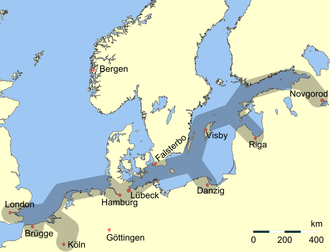
In 1358, the Hanseatic League was established in Germany, marking a pivotal moment in the region's economic history. The league was formed by merchant communities along the North and Baltic Seas to protect their trading interests and ensure safe and efficient commerce routes.
The Hanseatic League quickly grew in influence, establishing a network of alliances and trade agreements across Northern Europe. Its member cities, known as Hansa, benefited from shared protection, increased market access, and reduced trade barriers. This led to flourishing trade, economic growth, and cultural exchange within the region.
The league's impact extended beyond commerce, influencing political dynamics and shaping urban development in member cities. It played a crucial role in maintaining peace and stability in the region, resolving conflicts diplomatically, and even engaging in military actions when necessary.
The Hanseatic League's legacy can still be seen in the architectural landmarks, trade routes, and cultural ties that connect Hanseatic cities to this day. Its emphasis on cooperation, mutual benefit, and safeguarding of trade interests laid the foundation for modern-day economic alliances and international relations.
#HanseaticLeague #GermanHistory #TradeAlliance
View details1340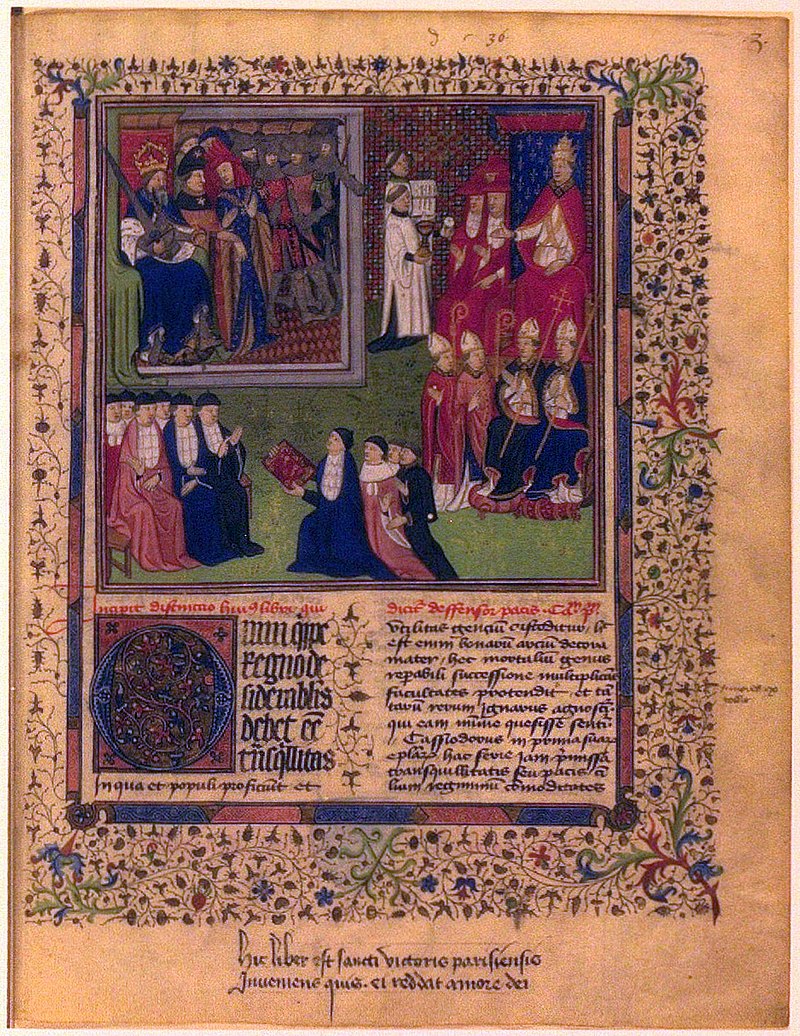
Marsilius of Padua, a prominent Italian scholar and political theorist, faced his fate in Munich for his contentious perspectives on the relationship between the church and state. Executed due to his controversial beliefs, Marsilius's ideas challenged the traditional authority of the church and advocated for a more secular view of governance, emphasizing the supremacy of the state over ecclesiastical powers.
His execution in Munich sent shockwaves through the intellectual circles of the time. It highlighted the tension between secular and religious authorities and the risks individuals faced for expressing dissenting opinions. Despite his demise, Marsilius's ideas continued to influence political thought in Europe, paving the way for future discussions on the separation of church and state.
The event marked a turning point in the discourse on political theory and raised questions about the limits of intellectual freedom in medieval Europe. Marsilius of Padua's legacy endured beyond his controversial demise, shaping subsequent debates on the nature of power and authority.
#MarsiliusOfPadua #ChurchandState #PoliticalTheory #IntellectualFreedom #MedievalEurope.
View details1298
Albert I's election marked the start of the Habsburg dynasty's rule from Austria. Following a turbulent period, where the Habsburg family had gradually gained power and prestige, Albert I's ascension solidified their influence over the German territories. His reign brought stability and prosperity to the region, as he skillfully navigated the political landscape and expanded Habsburg control through strategic alliances and shrewd diplomacy.
Under his rule, the Habsburgs established themselves as a dominant force in Central Europe, laying the foundation for centuries of Habsburg influence and shaping the course of European history. The election of Albert I as King of Germany was a crucial turning point that set the stage for the Habsburgs' ascent to power and their eventual emergence as one of the preeminent ruling families in Europe.
Albert I's reign heralded a new era for the Habsburg dynasty, as they expanded their territories, consolidated their power, and established themselves as a formidable force in European politics. His election as King of Germany marked the beginning of a golden age for the Habsburgs, as they wielded their influence and power to shape the course of European history for generations to come.
#HabsburgDynasty #Austria #GermanHistory #EuropeanPolitics #MedievalPower
View detailsThe Battle of Göllheim saw King Adolf of Nassau meet his demise in a power struggle in Germany. The conflict arose from a dispute over the throne and regional authority. The opponents, King Albert I and King Adolf, clashed near Göllheim in a bid to assert dominance. Adolf faced a fatal blow during the battle, leading to his defeat and paving the way for Albert I to solidify his control over the German territories.
The demise of King Adolf at Göllheim was a turning point in German politics, as it marked the end of his claim to the throne and the consolidation of power by Albert I. The battle's outcome reshaped the political landscape in Germany and influenced the course of future events. This event underscored the ruthlessness of power struggles during that era and the precarious nature of monarchies.
The Battle of Göllheim and the death of King Adolf of Nassau highlight the struggle for supremacy and the brutal consequences of political ambition in medieval Germany. The clash reverberated through the annals of history, leaving a lasting impact on the region's power dynamics and succession disputes. #BattleofGöllheim #KingAdolfofNassau #PowerStruggle #MedievalGermany.
View details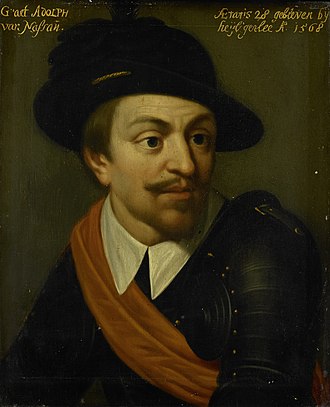
1244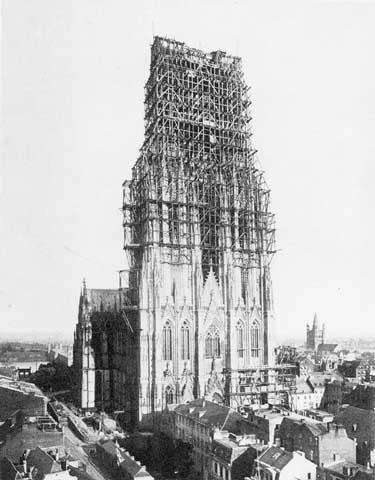
The construction of Cologne Cathedral began, aiming to replace an older church on the same site. The initiative primarily intended to house the relics of the Three Wise Men, making it a major pilgrimage site. The architectural masterpiece combines High Gothic style with elements of French cathedrals. The cathedral's construction faced interruptions, including lack of funds and differing artistic visions, yet it stood as a symbol of German resilience and architectural prowess.
Once completed, the Cologne Cathedral became a significant religious and cultural landmark, showcasing intricate design details and housing valuable artwork. Its soaring twin spires dominated the city's skyline, inspiring awe and reverence among visitors. Pilgrims flocked from far and wide to witness the grandeur of the cathedral and pay homage to the relics within. The cathedral's construction spanned centuries, with the final phase completed in the 19th century, solidifying its place in history.
The Cologne Cathedral stands today as a UNESCO World Heritage Site, a testament to medieval craftsmanship and enduring faith. It continues to draw tourists, scholars, and worshippers, offering a glimpse into Germany's rich architectural heritage and spiritual legacy. #CologneCathedral #GothicArchitecture #GermanHistory
View details1226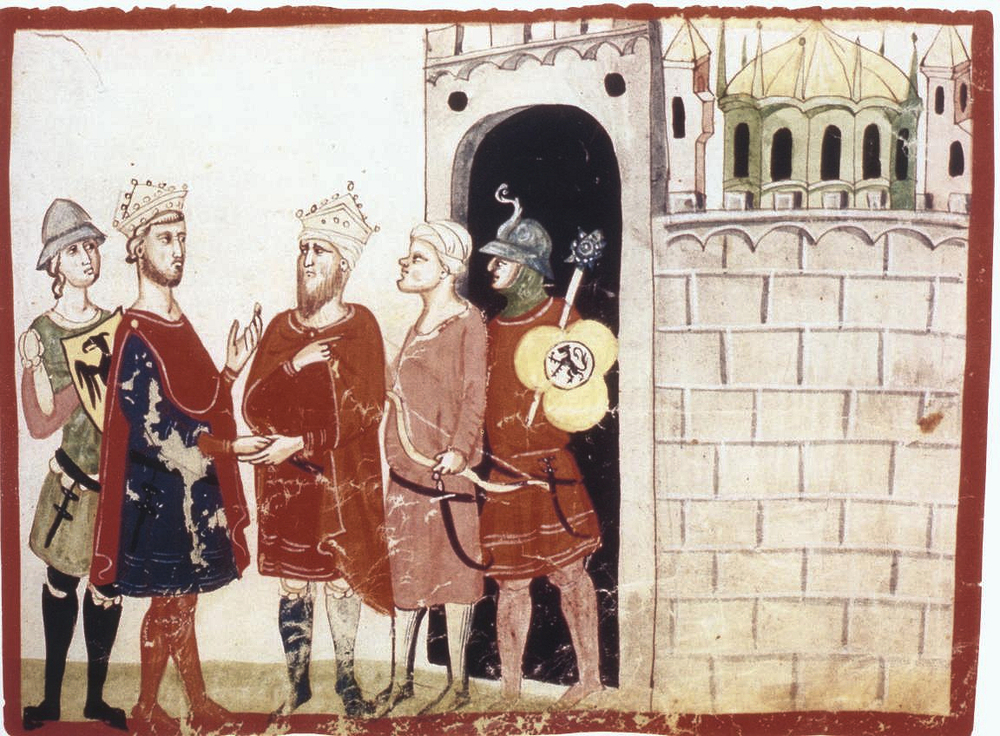
Following years of political unrest and power struggles, Emperor Frederick II issued the Golden Bull of Rimini in the city of Rimini. This important decree outlined specific constitutional procedures for the election of the King of the Romans, effectively establishing a structured system for selecting the future leaders of the Holy Roman Empire.
The Golden Bull of Rimini aimed to streamline the election process and prevent the outbreak of further conflicts among the various German princes vying for the throne. The decree stipulated that seven Electors, composed of the most influential secular and ecclesiastical leaders, would be responsible for electing the King of the Romans. This system provided a degree of stability and predictability to the succession process, reducing the potential for dispute and civil war.
The issuance of the Golden Bull of Rimini marked a significant turning point in the political landscape of the Holy Roman Empire. By codifying the rules for royal succession, Emperor Frederick II sought to consolidate his own power and ensure a more orderly transition of leadership in the future. The impact of this decree reverberated throughout the empire, setting the stage for a more structured and centralized system of government.
#HolyRomanEmpire #EmperorFrederickII #GoldenBullOfRimini #RoyalSuccession
View details1188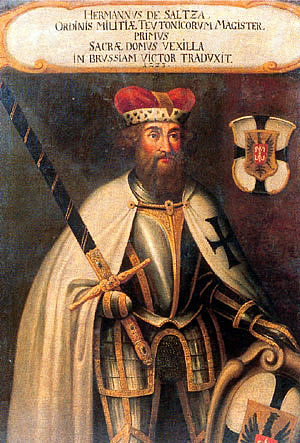
The Teutonic Order was founded in the late 12th century in Acre, present-day Israel. It started as a charitable organization providing medical care to crusaders, evolving into a military order dedicated to defending the Holy Land. Comprised primarily of German crusaders, the Order garnered significant support from the German nobility and the Holy Roman Emperor.
The Knights Hospitaller initially oversaw the Teutonic Order until it gained independence in 1190. Subsequent years saw the Order relocating to Transylvania, Hungary, and finally settling in Prussia. They played a pivotal role in the Baltic Crusades, converting pagan tribes and expanding Christian territories. Their military prowess and organization were highly regarded, solidifying their influence in the region.
The Teutonic Order's presence in Prussia had lasting implications on the region's history. They established a monastic state, ruling over native Prussians and German settlers. The Order's conflicts with Poland and Lithuania shaped the geopolitical landscape, leading to territorial disputes and shifting alliances in Eastern Europe.
Today, the legacy of the Teutonic Order endures through historical sites in Germany and Eastern Europe, reminding us of their complex role in medieval history. #TeutonicOrder #MedievalHistory #MilitaryOrder #Crusades
View details1084
In 1084, young Henry IV was crowned King of Germany at the tender age of six. This coronation followed the passing of his father, King Henry III, leaving the throne to his son. The decision to crown Henry IV at such a young age was a strategic move to maintain stability within the royal lineage and prevent power struggles.
Despite his young age, Henry IV's coronation marked the beginning of a significant period in German history. His reign would be characterized by power struggles with the nobility and clashes with the papacy over the issue of investiture. These conflicts would ultimately shape the future of the Holy Roman Empire and have lasting consequences for the relationship between the church and the state.
The coronation of Henry IV at six years old was a pivotal moment in German history, setting the stage for a tumultuous reign filled with challenges and controversies. It symbolized the complexities of medieval politics and the precarious nature of royal succession during that time.
#HenryIV #KingofGermany #RoyalCoronation #MedievalPolitics #InvestitureConflict #HolyRomanEmpire.
View details1078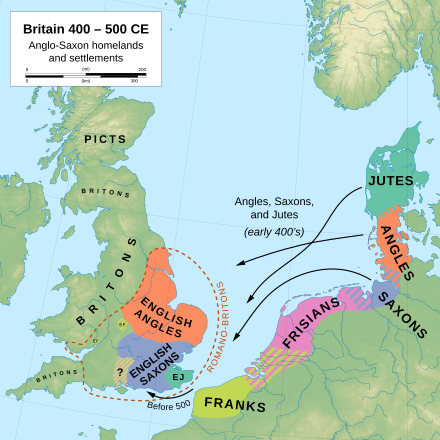
In the Battle of Mellrichstadt, Henry IV faced off against the Saxons in a pivotal clash that left a lasting impact on the political landscape of Germany. The conflict arose from the ongoing power struggles between Henry IV and the Saxon nobles, who sought to challenge the authority of the Holy Roman Emperor.
The battle proved to be a turning point in Henry IV's reign, as his decisive victory solidified his control over the region and weakened the Saxon opposition. This military triumph bolstered Henry IV's reputation as a strong leader and further cemented his position as Emperor.
The aftermath of the Battle of Mellrichstadt saw the Saxons significantly weakened, paving the way for Henry IV to assert his dominance and centralize power within the empire. The conflict also set the stage for future confrontations and alliances that would shape the course of German history in the years to come.
#Germany #HenryIV #Saxons #BattleofMellrichstadt
View details1073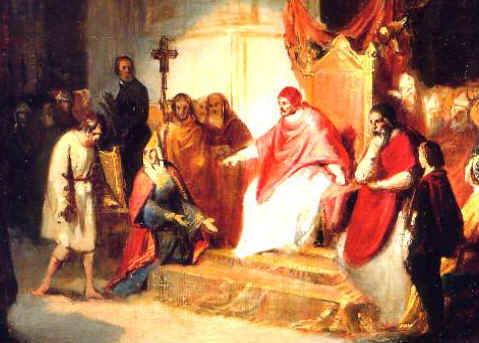
The Investiture Controversy escalated to its apex as the conflict between Henry IV, the German king, and Pope Gregory VII came to a head. The core disagreement revolved around the appointment of church officials, with Henry seeking to retain control over church appointments in his realm, while Gregory aimed to assert the Pope's authority in appointing bishops. The tension culminated in Gregory excommunicating Henry and deposing him from the throne.
The repercussions were profound, leading to a political crisis in Germany. Henry faced a challenge to his rule from nobles who supported the Pope's decision, culminating in his abdication at the Diet of Worms. Despite attempts at reconciliation, the rift between the German king and the Pope remained, resulting in further conflicts between the papacy and the Holy Roman Empire.
The Investiture Controversy marked a significant power struggle between secular and religious authorities, setting a precedent for future conflicts over the separation of church and state. The event underscored the importance of ecclesiastical independence and the limitations of temporal authority over spiritual matters.
#InvestitureControversy #HenryIV #PopeGregoryVII #Germany #PoliticalCrisis
View details1071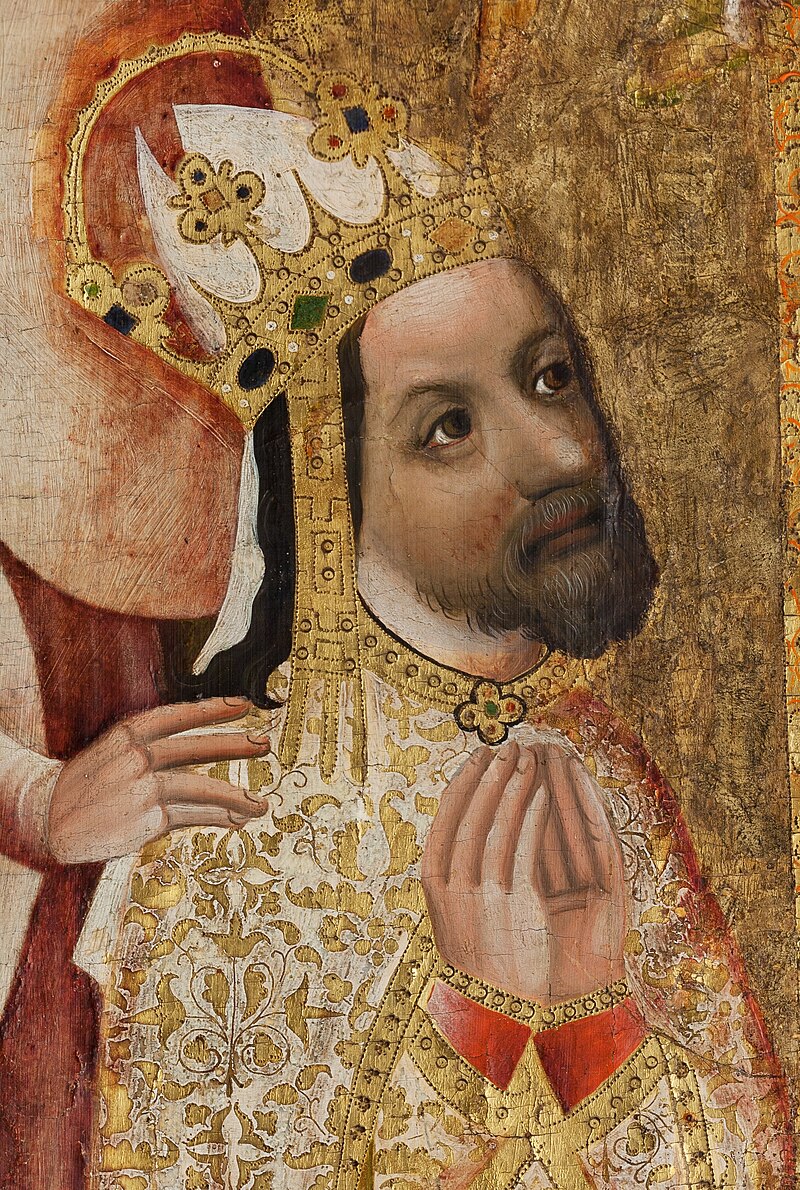
In 1073, a significant event unfolded in Germany, when a momentous uprising known as the Great Saxon Revolt erupted against Emperor Henry IV. The revolt was a culmination of longstanding tensions between the Saxons and the imperial rule of Henry IV.
The Saxons, led by powerful nobles and magnates such as Otto of Nordheim and Magnus of Saxony, rebelled against Henry IV's attempts to consolidate power and exert influence over their territories. The Saxons sought to assert their autonomy and resist the emperor's control.
The revolt had far-reaching consequences, plunging the region into a protracted period of conflict and instability. Battles were fought, alliances shifted, and blood was shed as both sides vied for supremacy. The revolt marked a significant challenge to the authority of the emperor and highlighted the deep-seated divisions within the German realm.
Ultimately, the Great Saxon Revolt against Emperor Henry IV had a lasting impact on the political landscape of Germany, reshaping power dynamics and laying the groundwork for future conflicts and power struggles. The legacy of this revolt reverberated throughout the region for years to come, serving as a reminder of the complex interplay between regional autonomy and imperial authority in medieval Germany.
#GreatSaxonRevolt #EmperorHenryIV #SaxonAutonomy #MedievalGermany
View details