
Germany

The Land of Ideas
Related Lives

Ivory Coast
The Land of Tropical Beauties.

T20 WorldCup
Twenty 20 International

Aztec Civilization
Mesoamerican Civilization

Iran
The Land of Persia
The Prime Ministers of Italy
The President of the Council of Ministers

India
The Land of Diversity and Vibrant Culture.

Burundi
The Land of a Thousand Hills

Lithuania
The Land of Amber

1029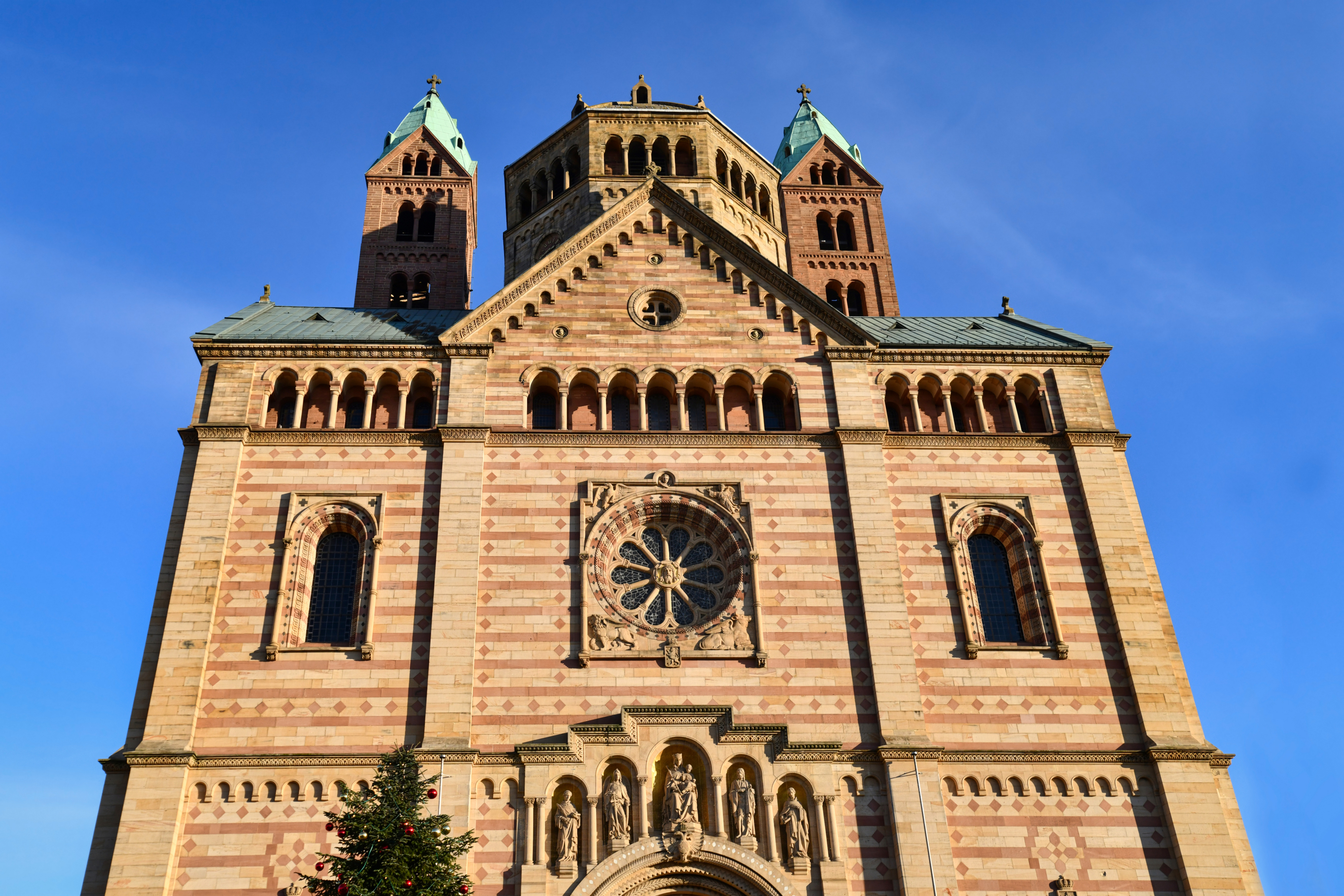
The construction of the Speyer Cathedral commenced in the early 11th century in Speyer, Germany. This Romanesque-style cathedral was a monumental undertaking, spanning several decades before completion. The cathedral was designed to be a symbol of power and wealth for the Salian dynasty, showcasing their influence in the region.
The Speyer Cathedral's architecture and size were unprecedented in Germany, setting a new standard for Romanesque cathedrals in the country. Its intricate design, including massive vaulted ceilings and ornate sculptures, reflected the skills and craftsmanship of the artisans involved.
Upon completion, the Speyer Cathedral became a significant religious and cultural center in Germany. Pilgrims from far and wide flocked to the cathedral to marvel at its grandeur and seek blessings. The cathedral also served as the final resting place for several emperors and kings, adding to its historical importance.
Today, the Speyer Cathedral stands as a UNESCO World Heritage Site, attracting tourists and historians alike. Its enduring legacy as one of the largest and most significant Romanesque cathedrals in Germany continues to captivate visitors with its architectural splendor and rich history.
#SpeyerCathedral #RomanesqueArchitecture #GermanHistory #UNESCOWorldHeritage
View details0962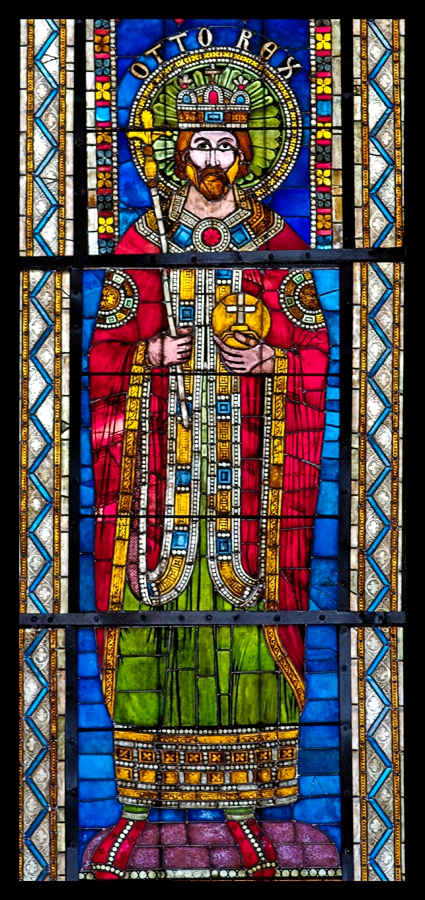
Otto the Great, previously Duke of Saxony, achieved a seminal milestone as he was crowned King of Germany. This pivotal event marked the beginning of the Ottonian Dynasty, a period of significant expansion and consolidation of power in the German territories. Otto's coronation solidified his authority and centralized control over the realm, setting the stage for the eventual establishment of the Holy Roman Empire.
The crowning of Otto the Great symbolized a shift towards a more unified and organized governance structure in Germany, as he worked to establish strong ties with the Church and nobility. His reign ushered in a period of relative stability and prosperity, characterized by the promotion of Christianity and the implementation of administrative reforms.
The impact of Otto's coronation reverberated beyond his lifetime, shaping the course of German history and laying the foundation for the future development of the nation. His legacy as a capable and visionary ruler endures to this day, influencing the political and cultural landscape of Germany.
#OttoTheGreat #GermanMonarchy #OttonianDynasty #HolyRomanEmpire #GermanHistory
View details0845
The break-up of the Frankish empire marked a significant shift in the political landscape of Europe. Following the death of Emperor Louis the Pious, his three sons engaged in a power struggle, eventually leading to the Treaty of Verdun which divided the empire into three separate kingdoms. Germany emerged as a distinct realm under the rule of Louis the German, establishing its own identity separate from the Frankish domains.
This division had a lasting impact on the region, laying the foundations for the development of modern-day Germany. The emergence of Germany as a separate entity led to the decentralization of power, as local rulers gained more autonomy within their territories. This period also witnessed increased invasions by Vikings and other external threats, prompting regional leaders to fortify their domains and establish stronger defense systems.
The break-up of the Frankish empire and the rise of Germany as a separate realm reshaped the political dynamics of Europe and set the stage for the Holy Roman Empire to emerge later. It marked a pivotal moment in German history, with far-reaching consequences that would influence the course of European politics for centuries to come.
#FrankishEmpire #GermanyEmergence #TreatyofVerdun
View details0843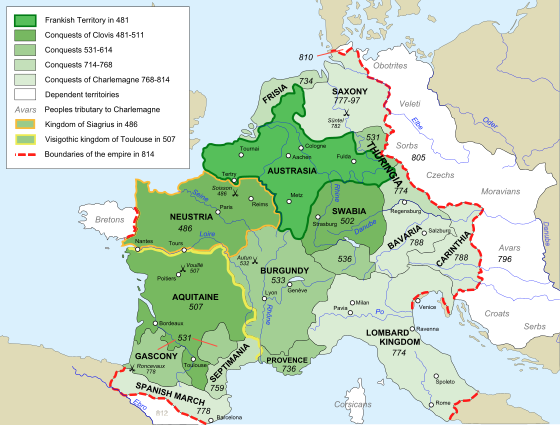
In 843, the Treaty of Verdun was signed, leading to the division of the Carolingian Empire into three kingdoms. The background of this event lies in the power struggles between the grandsons of Charlemagne – Charles the Bald, Louis the German, and Lothair I. The treaty aimed to put an end to the conflicts over the empire by establishing distinct territories for each ruler.
The impact of the Treaty of Verdun was profound, as it marked the beginning of the separate development of the territories that would eventually evolve into France, Germany, and Lotharingia (a region covering parts of modern-day Netherlands, Belgium, and Italy). This division laid the groundwork for the future nations of Europe and had lasting consequences for the political landscape of the continent.
The division of the Carolingian Empire into three kingdoms altered the course of history, shaping the identities and borders of modern-day European countries. The Treaty of Verdun symbolizes a pivotal moment in the feudal era, highlighting the shift towards decentralized power and the emergence of distinct nation-states.
#TreatyofVerdun #CarolingianEmpire #EuropeanHistory #DivisionOfKingdoms #FeudalEra #NationStates
View details0804
Charlemagne played a pivotal role in the foundation of Magdeburg. The city's strategic location by the Elbe River made it an essential fortress for Charlemagne's campaigns in the east. He envisioned Magdeburg as a hub for trade and culture, attracting settlers with generous privileges and freedoms.
Magdeburg swiftly flourished into a bustling center of commerce and politics, becoming a key player in the medieval Hanseatic League. The city's Magdeburg rights served as a model for urban governance, influencing other settlements across Europe. Its architectural marvels, like the majestic Magdeburg Cathedral, stood as a testament to Charlemagne's vision and legacy.
The founding of Magdeburg by Charlemagne marked the beginning of a new chapter in the region's history. The city's growth and prosperity under his patronage laid the foundation for its future prominence in the Holy Roman Empire. Magdeburg stood as a bulwark against external threats and a beacon of enlightenment in the heart of Germany.
#Charlemagne #MagdeburgFoundation #MedievalCity #GermanHistory
View details0799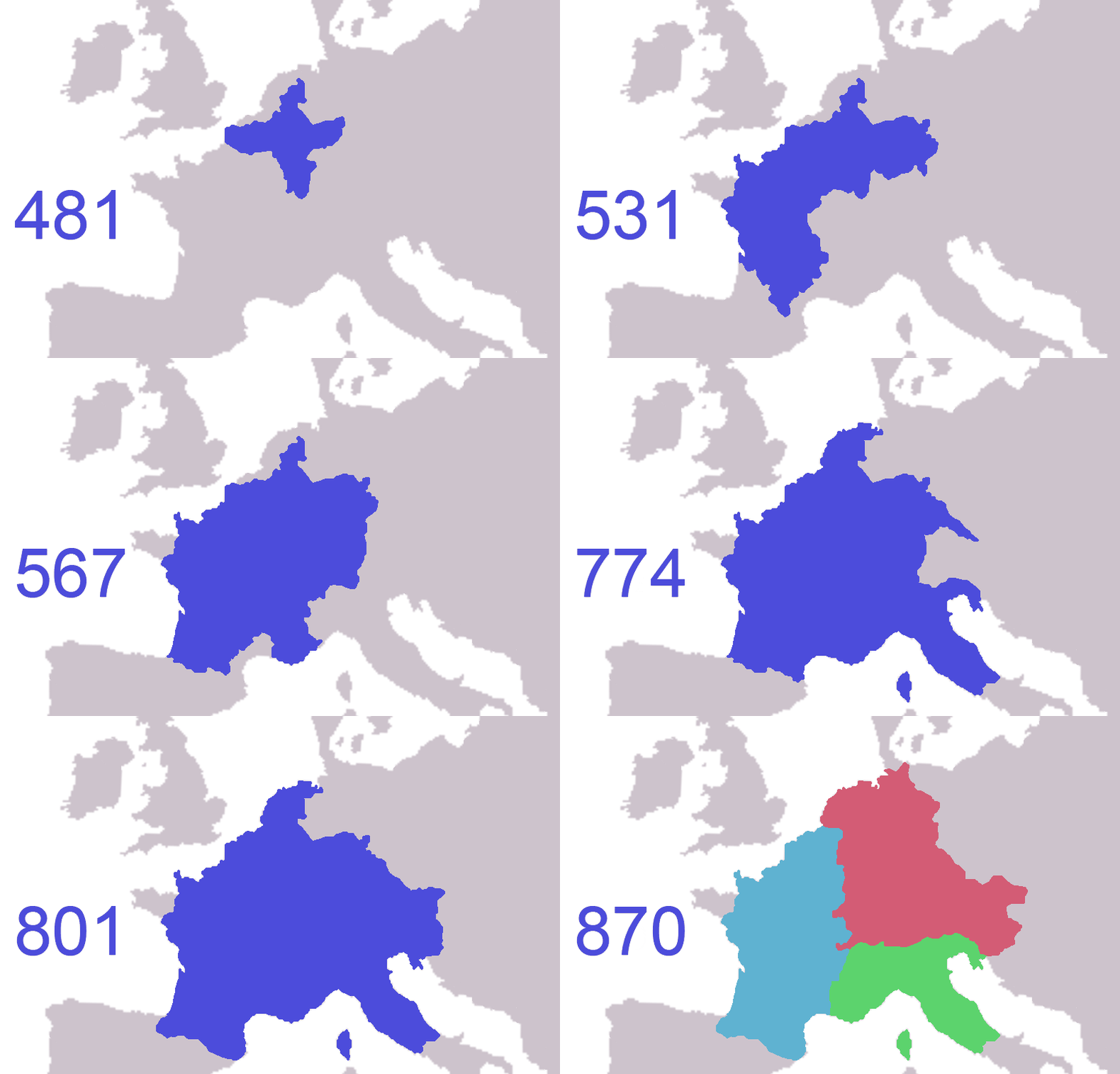
In 800, Charlemagne, already King of the Franks, was crowned Emperor of the Romans by Pope Leo III in Rome. This event signaled the establishment of the Carolingian Empire, named after Charlemagne's dynasty. The empire spanned a vast territory across Western and Central Europe, uniting various Germanic tribes under one ruler.
The coronation of Charlemagne as Emperor marked a revival of the idea of a unified Western Roman Empire and enhanced Charlemagne's status as a powerful ruler in the region. His reign brought about a period of cultural, economic, and military prosperity known as the Carolingian Renaissance. Charlemagne's leadership and patronage of learning and the arts laid the foundation for the preservation and revival of classical knowledge.
The Carolingian Empire significantly impacted the political landscape of Europe, setting the stage for the Holy Roman Empire and influencing the development of medieval Europe. Charlemagne's administration and the spread of Christianity under his rule also left a lasting legacy in the region.
#CarolingianEmpire #Charlemagne #GermanHistory #EuropeanUnity
View details0768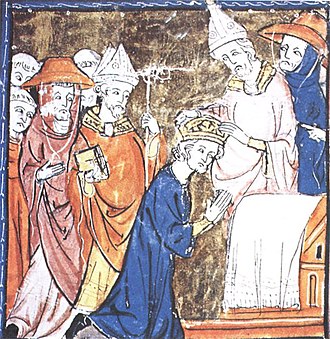
In the culmination of Charlemagne's rise to power, Pope Leo III crowned him as the Holy Roman Emperor, solidifying Charlemagne's authority over a vast empire. The event took place in Germany and marked a significant shift in the balance of power in Europe.
Charlemagne, known for his military conquests and Christian faith, sought to unite Western Europe under his rule. The coronation by the Pope not only legitimized his authority but also portrayed him as a defender of the Church. This alignment of secular and religious powers set a precedent for future rulers in Europe.
The coronation of Charlemagne as the Holy Roman Emperor established the Carolingian Empire, which would dominate Western Europe for centuries. Charlemagne's reign ushered in a period of cultural and intellectual revival known as the Carolingian Renaissance, laying the foundation for the development of medieval Europe.
The event underscored the close relationship between the Church and the ruling powers in medieval Europe, highlighting the intertwined nature of politics and religion during that era. The coronation of Charlemagne has left a lasting impact on European history, shaping the course of the continent for generations to come.
#Charlemagne #HolyRomanEmperor #PopeLeoIII #CarolingianEmpire #ChurchandState #MedievalEurope
View details